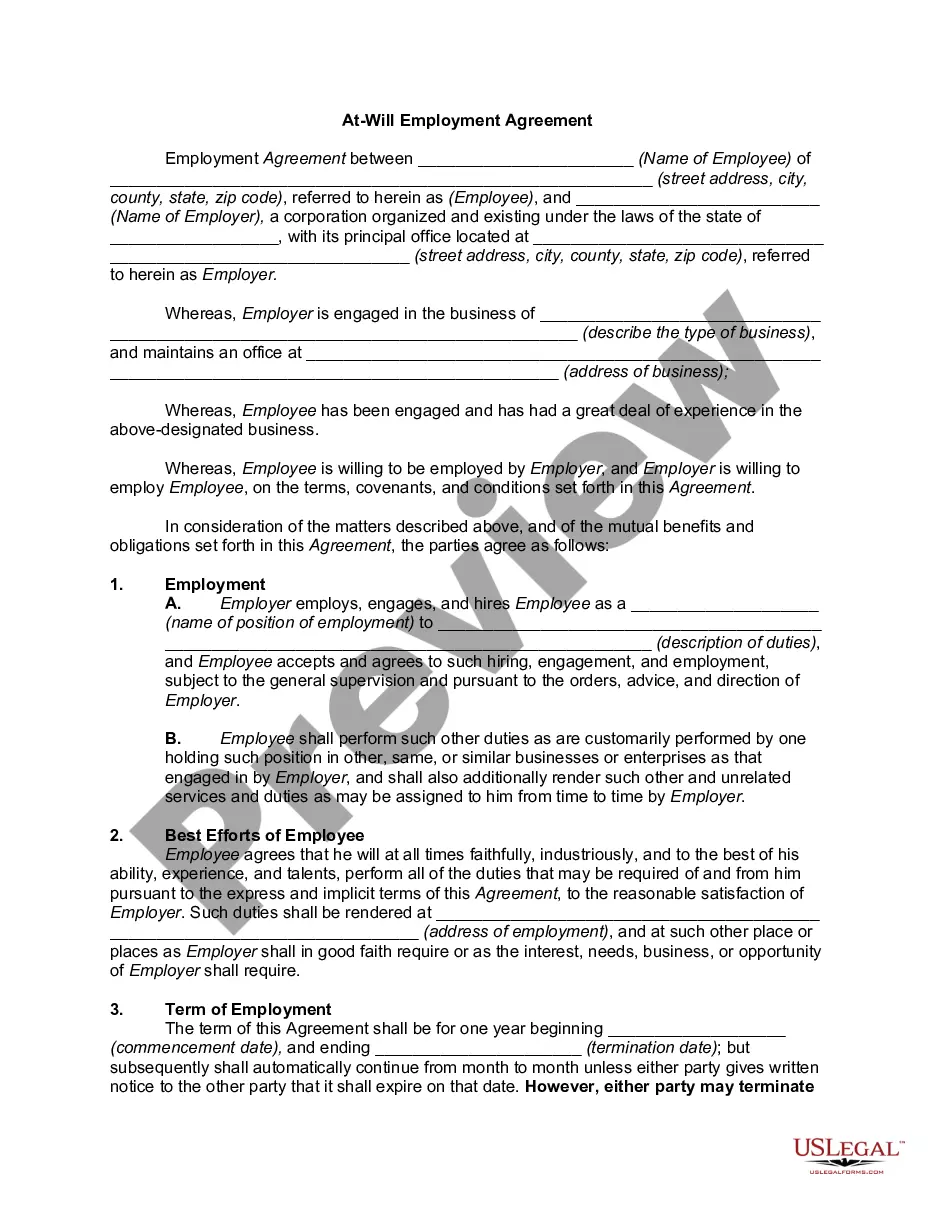
Physical Assault In School Uk In Clark
Description

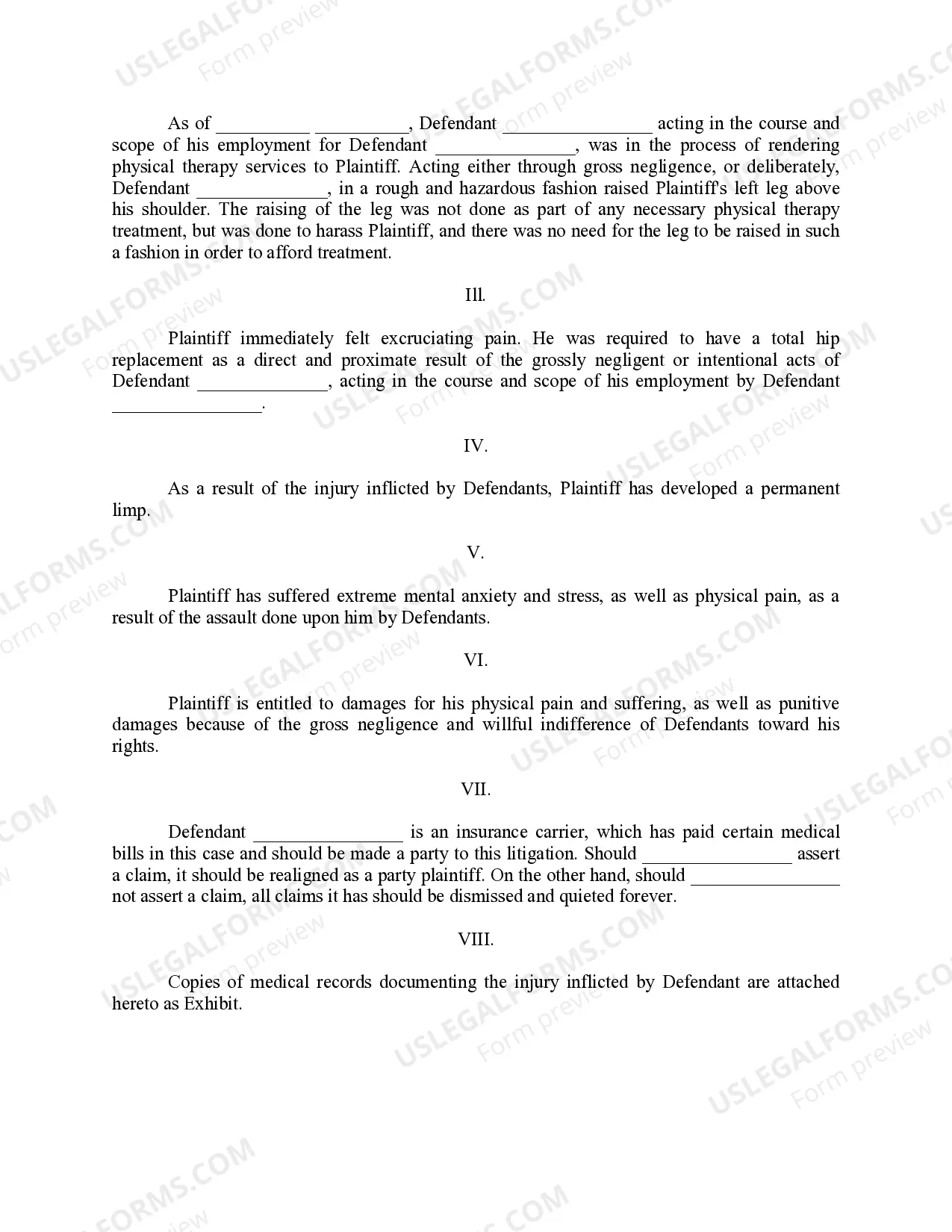
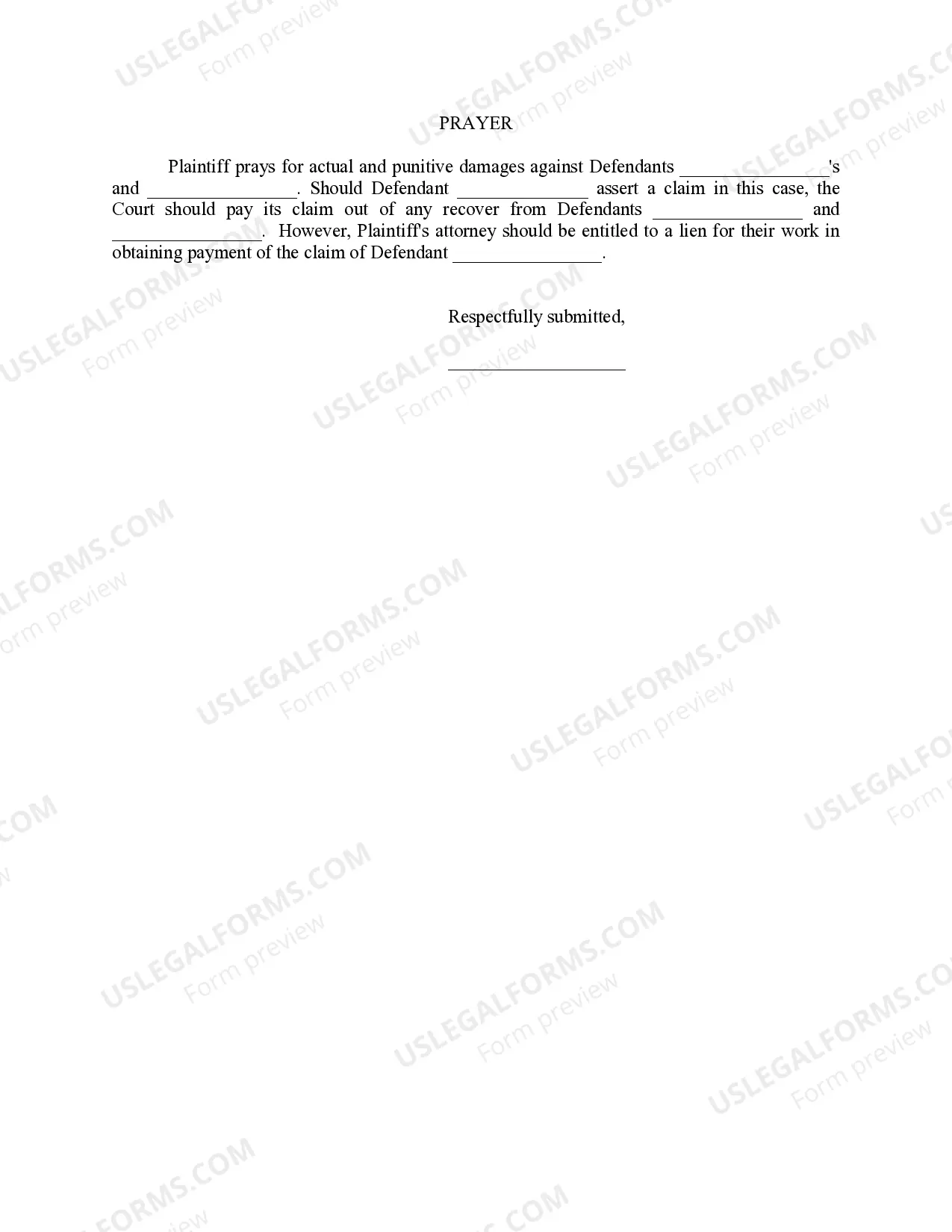

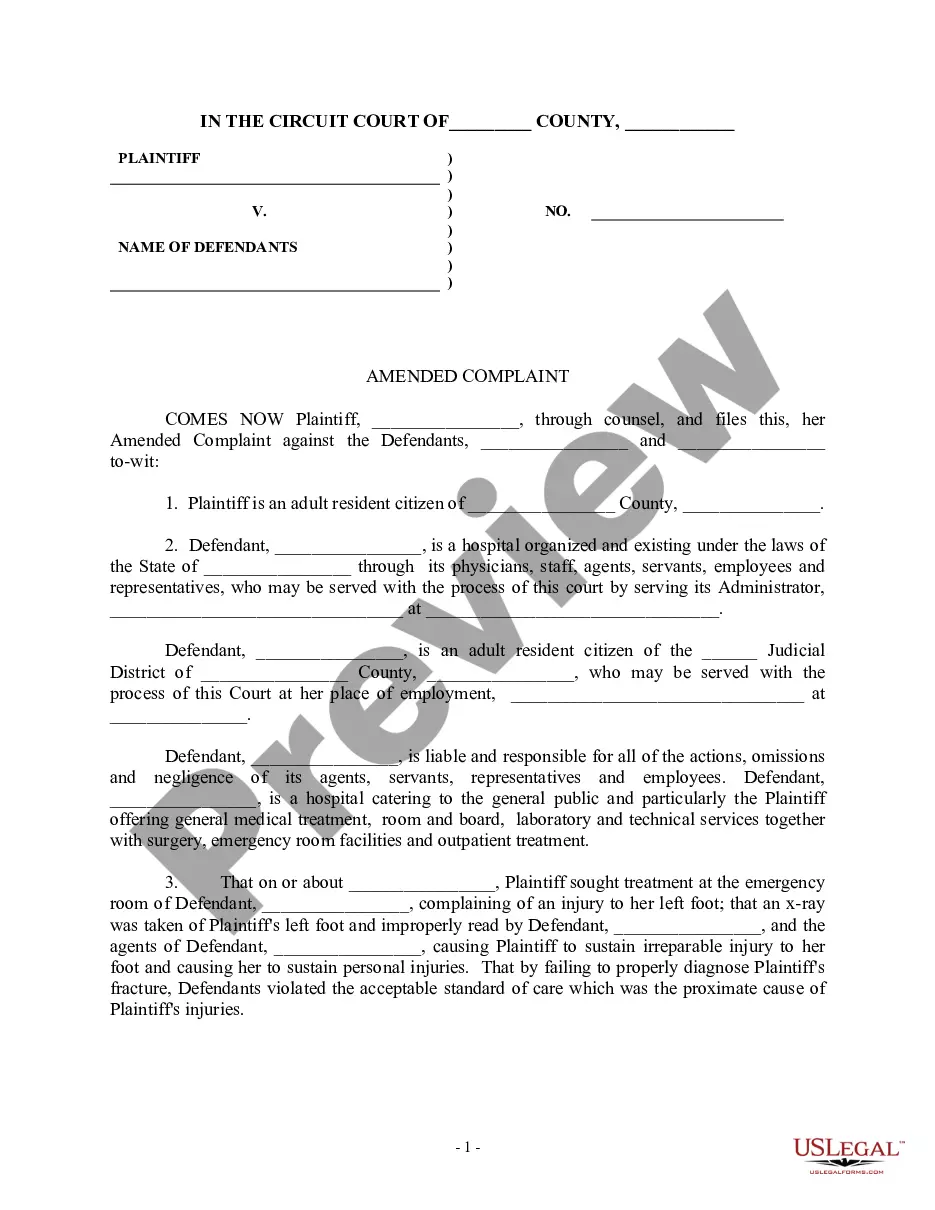
Get your form ready online
Our built-in tools help you complete, sign, share, and store your documents in one place.
Make edits, fill in missing information, and update formatting in US Legal Forms—just like you would in MS Word.
Download a copy, print it, send it by email, or mail it via USPS—whatever works best for your next step.
Sign and collect signatures with our SignNow integration. Send to multiple recipients, set reminders, and more. Go Premium to unlock E-Sign.
If this form requires notarization, complete it online through a secure video call—no need to meet a notary in person or wait for an appointment.
We protect your documents and personal data by following strict security and privacy standards.

Make edits, fill in missing information, and update formatting in US Legal Forms—just like you would in MS Word.

Download a copy, print it, send it by email, or mail it via USPS—whatever works best for your next step.

Sign and collect signatures with our SignNow integration. Send to multiple recipients, set reminders, and more. Go Premium to unlock E-Sign.

If this form requires notarization, complete it online through a secure video call—no need to meet a notary in person or wait for an appointment.

We protect your documents and personal data by following strict security and privacy standards.
Looking for another form?







Form popularity
FAQ
No you can't. The only circumstance in which you can refuse to teach a student is if you fear there is an immediate danger to safety.
There is no government guidance on this, so it is up to the school to decide what their rules are. If you are not happy with a school's toilet policy, you should first discuss your child's specific needs with their teacher or headteacher to see if you can work out a solution.
Except in emergency situations, teachers are likely to be in breach of contract if they refuse to teach students. Industrial action to refuse to teach cannot be taken until relevant procedures, including an industrial action ballot, have been followed and union rules satisfied.
Teachers shouldn't shout at students in a way that is abusive, threatening or intended to humiliate them. Raising your voice to gain attention or control a situation can sometimes happen, especially when managing classroom behaviour. However, it shouldn't cross the line into shouting in an aggressive or harmful manner.
The main types of assault are: Common assault: when someone uses force, such as pushing or slapping, or makes threats of violence. Actual Bodily Harm (ABH): when you are injured as the result of an assault, for example bruised, scratched or bitten.
Pupils (or parents) don't have a legal right to refuse detention. The school must give notice in some circumstances, and there are exceptions that the parents can offer (medical appointment, religious constraint, etc) but outside that, its entirely legal for them to enforce a detention.
To make a claim, you have to be able to prove three things: The school owed you a duty of care; They failed in that duty of care; and as a result, You were injured as a result of that failure.
Under common law, even minimal force can count as assault if it's perceived as unlawful and unwanted. Therefore, pushing can indeed be classified as assault, especially if it leads to a complaint or charges.
Common assault is when a person inflicts violence on someone else or makes them think they are going to be attacked. It does not have to involve physical violence. Threatening words or a raised fist is enough for the crime to have been committed provided the victim thinks that they are about to be attacked.
It is not meant to be considered legal advice and is far less useful than actually having legal representation from an experienced criminal solicitor, as the nuances of your case cannot be explored in a short article. Common assault is considered the lowest level and most minor of the assault charges.