Nebraska Bar Association Form 990 In Wayne
Description
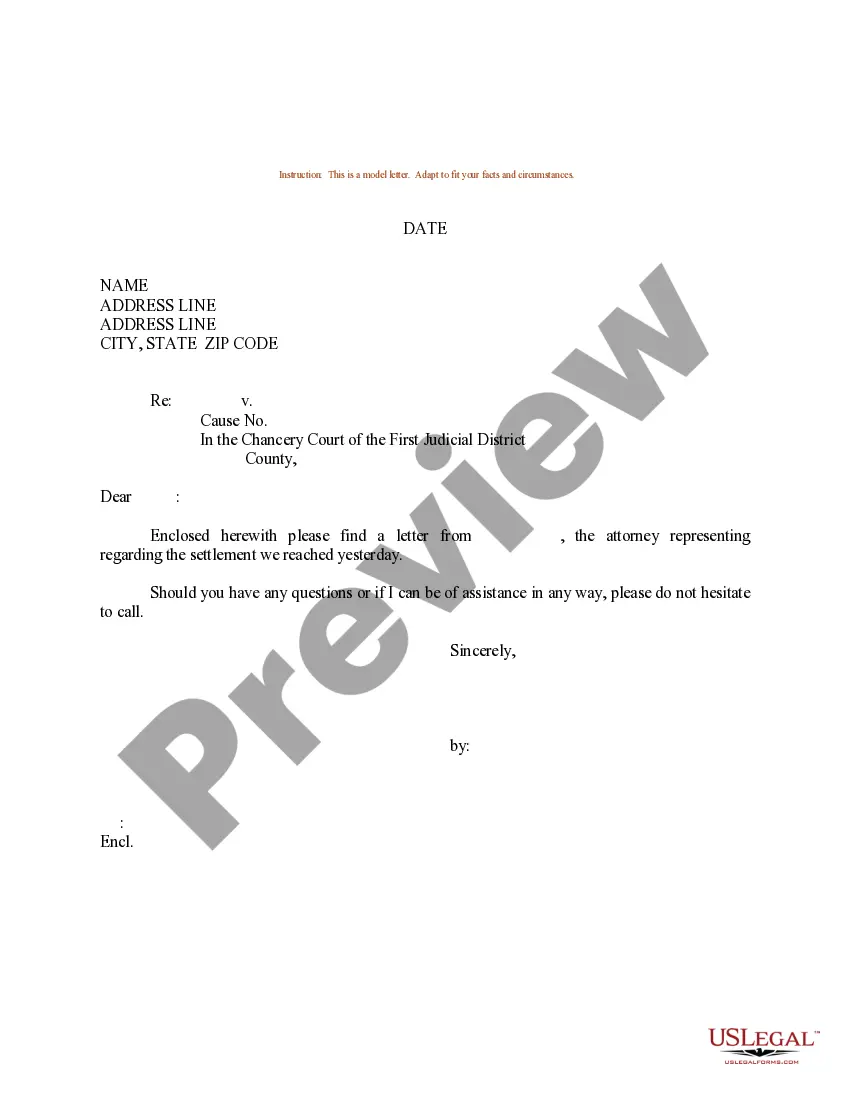
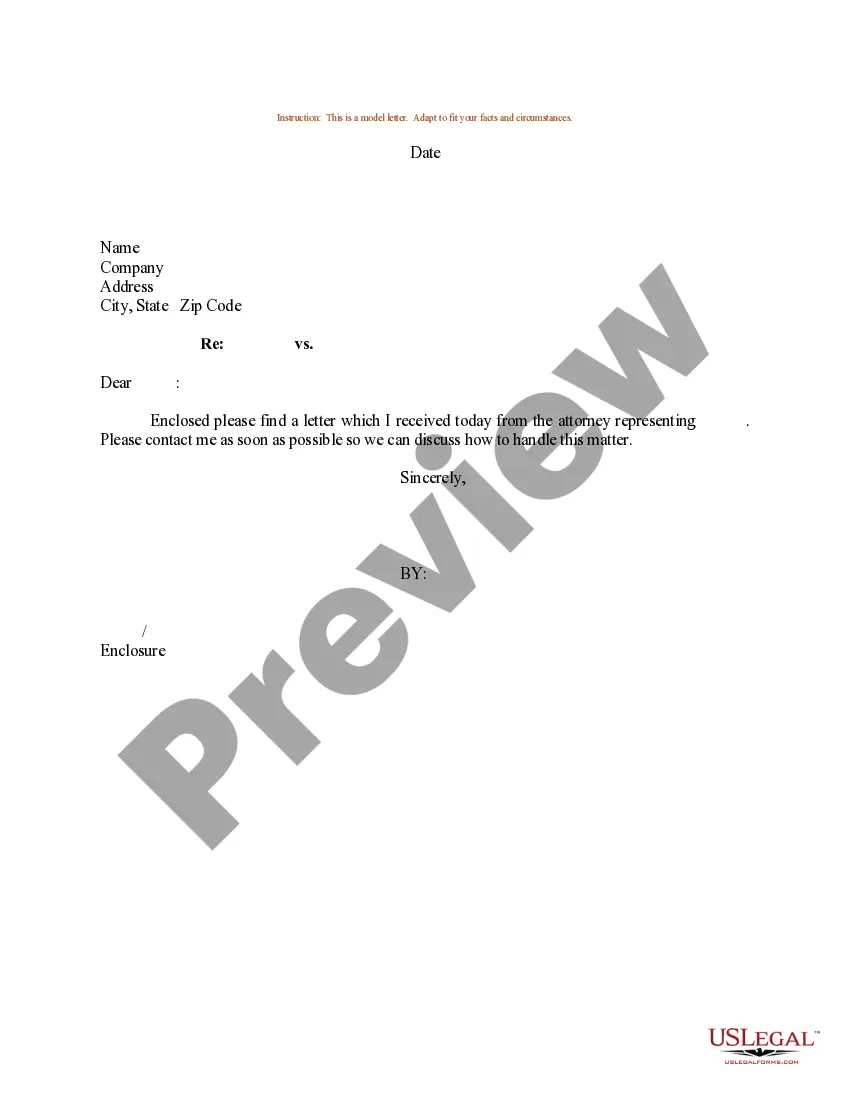
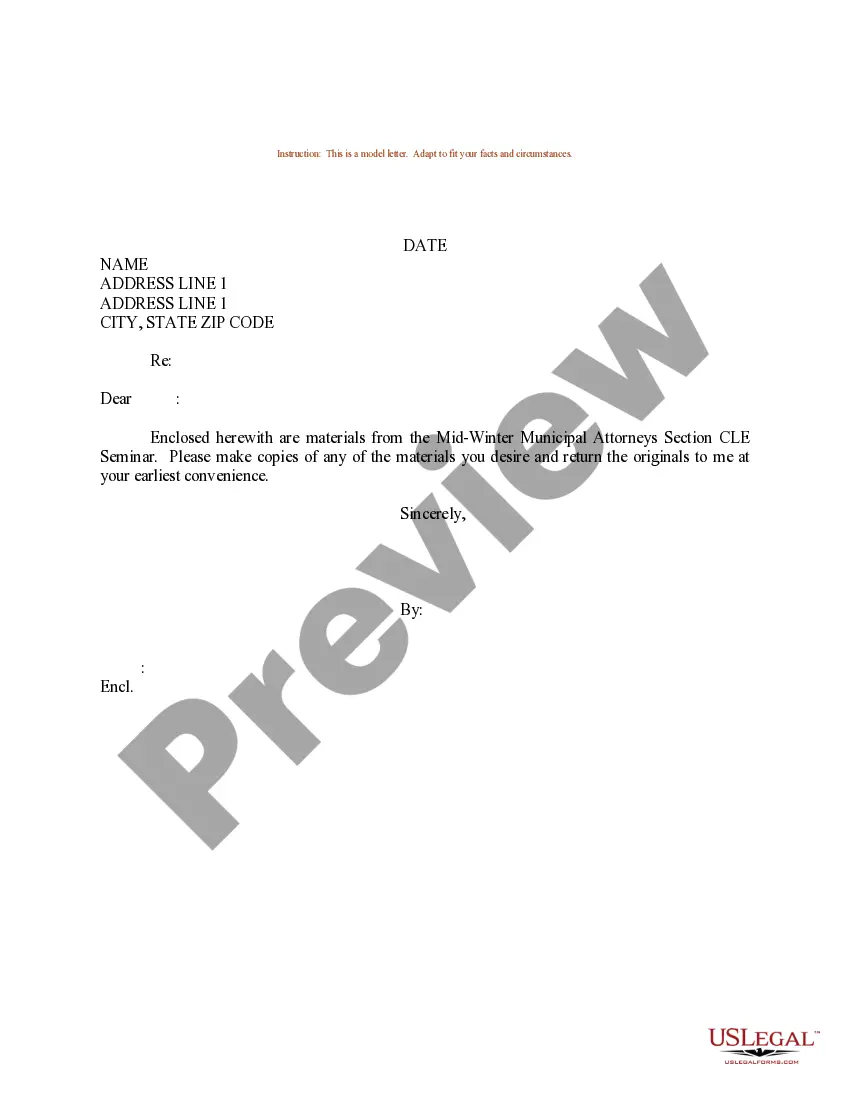
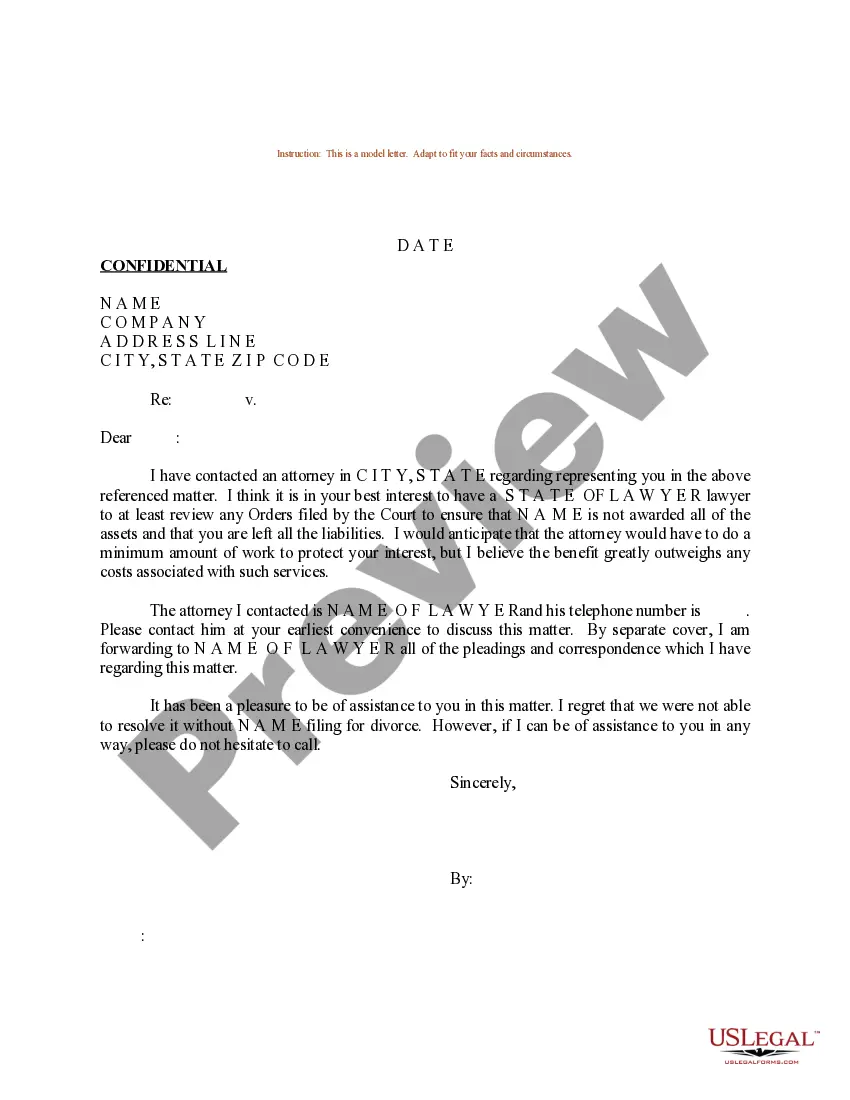
Get your form ready online
Our built-in tools help you complete, sign, share, and store your documents in one place.
Make edits, fill in missing information, and update formatting in US Legal Forms—just like you would in MS Word.
Download a copy, print it, send it by email, or mail it via USPS—whatever works best for your next step.
Sign and collect signatures with our SignNow integration. Send to multiple recipients, set reminders, and more. Go Premium to unlock E-Sign.
If this form requires notarization, complete it online through a secure video call—no need to meet a notary in person or wait for an appointment.
We protect your documents and personal data by following strict security and privacy standards.

Make edits, fill in missing information, and update formatting in US Legal Forms—just like you would in MS Word.

Download a copy, print it, send it by email, or mail it via USPS—whatever works best for your next step.

Sign and collect signatures with our SignNow integration. Send to multiple recipients, set reminders, and more. Go Premium to unlock E-Sign.

If this form requires notarization, complete it online through a secure video call—no need to meet a notary in person or wait for an appointment.

We protect your documents and personal data by following strict security and privacy standards.
Looking for another form?









Form popularity
FAQ
Tax-exempt organizations, nonexempt charitable trusts, and section 527 political organizations file Form 990 to provide the IRS with the information required by section 6033.
Forms 990, Return of Organization Exempt from Income Tax, and 990-PF, Return of Private Foundation or Section 4947(a)(1) Trust Treated as Private Foundation, for tax years ending July 31, 2020 and later MUST be filed electronically.
Form 990, Return of Organization Exempt From Income Tax An organization must file Form 990, if it is: An organization with either: ► gross receipts of $200,000 or more, or ► total assets of $500,000 or more. A sponsoring organization of one or more donor-advised funds.
How do I file a 990? Gather your required information before you start filing. Decide which form is right for your organization. Make sure you are filing for the appropriate tax year. Enter your details onto the form. Review your form before you transmit it. File Electronically.
The 990 is a public document that you can search for on the websites for the Secretary of State or the Attorney General where the organization is incorporated. In addition, 990s are available from a variety of open source and subscription sources. You may also request them from an organization or from the IRS.
Forms 990, Return of Organization Exempt from Income Tax, and 990-PF, Return of Private Foundation or Section 4947(a)(1) Trust Treated as Private Foundation, for tax years ending July 31, 2020 and later MUST be filed electronically.
Box 7704, San Francisco, CA 94120-7704.
Department of the Treasury, Internal Revenue Service Center, Ogden, UT 84201-0050.
Use the address where you live, i.e. the address you want the IRS to use if they need to contact you. There's no reason to use your parents address for taxes unless you want mail to go there. When you move again, use the new address the following year.
Form 990-N must be completed and filed electronically. There is no paper form. Form 990-N must be completed and filed electronically.

