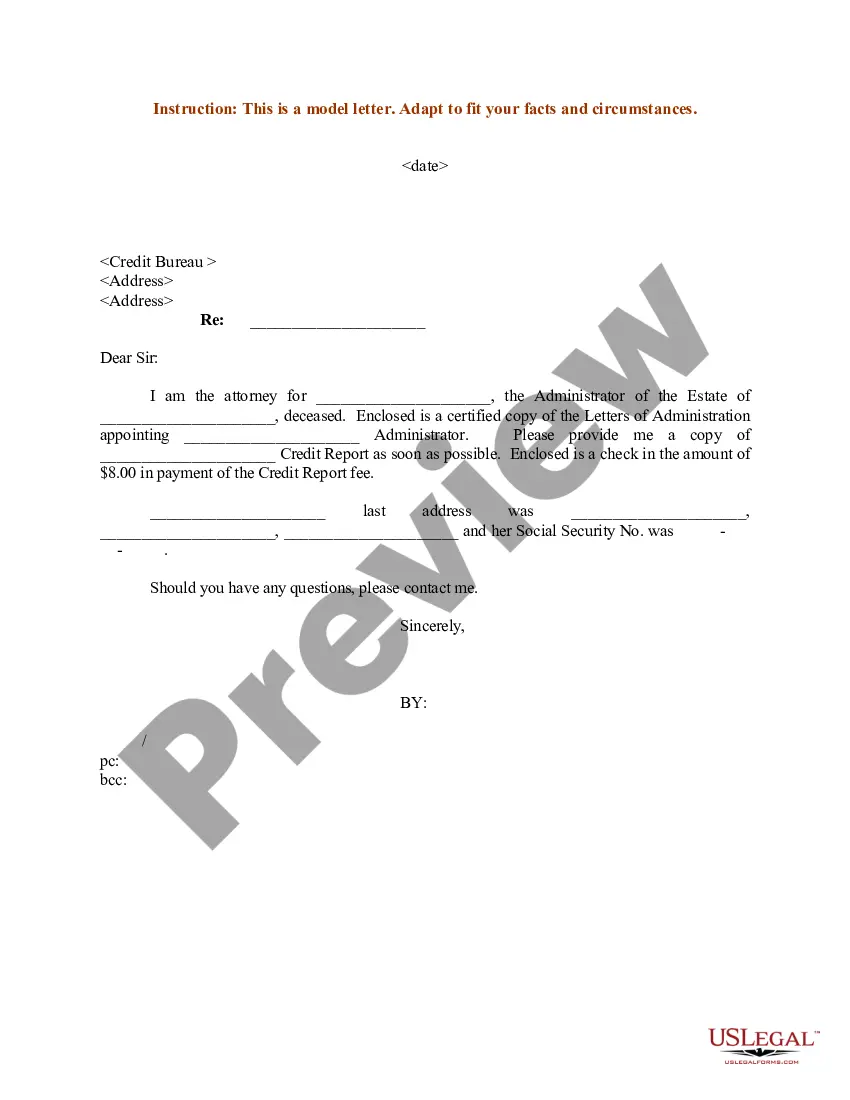
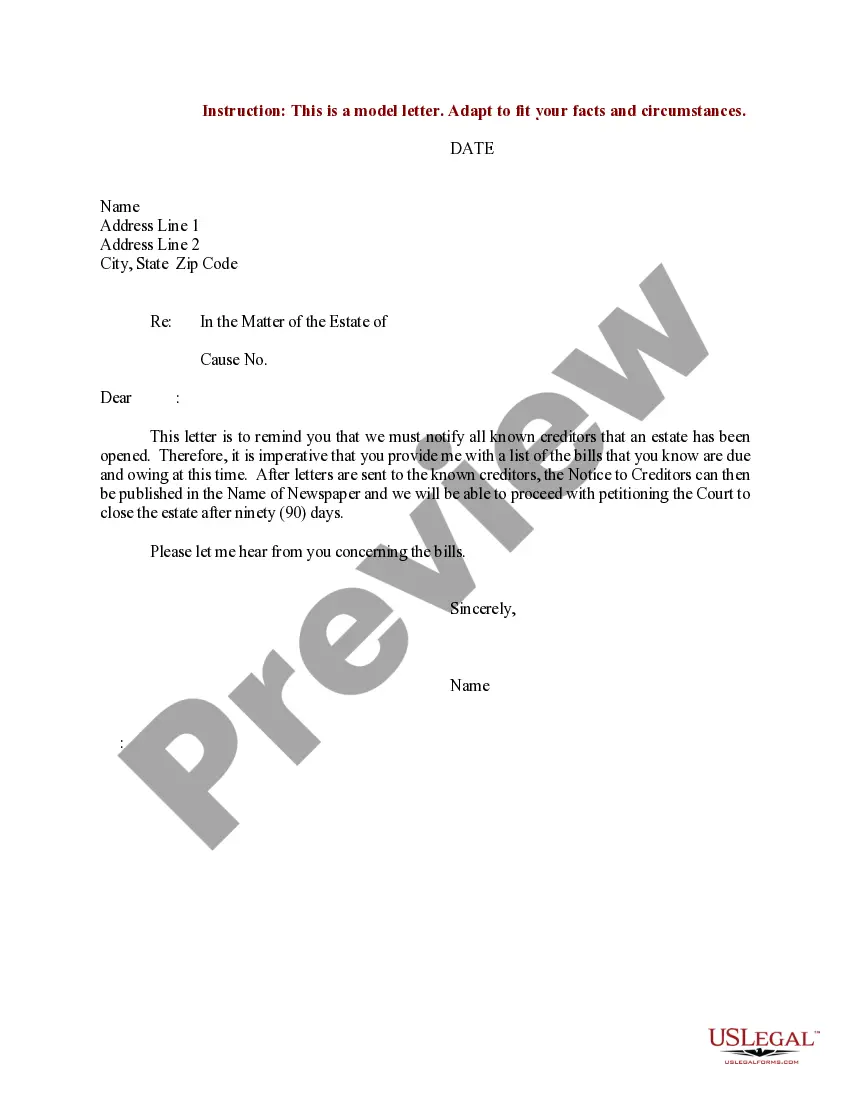
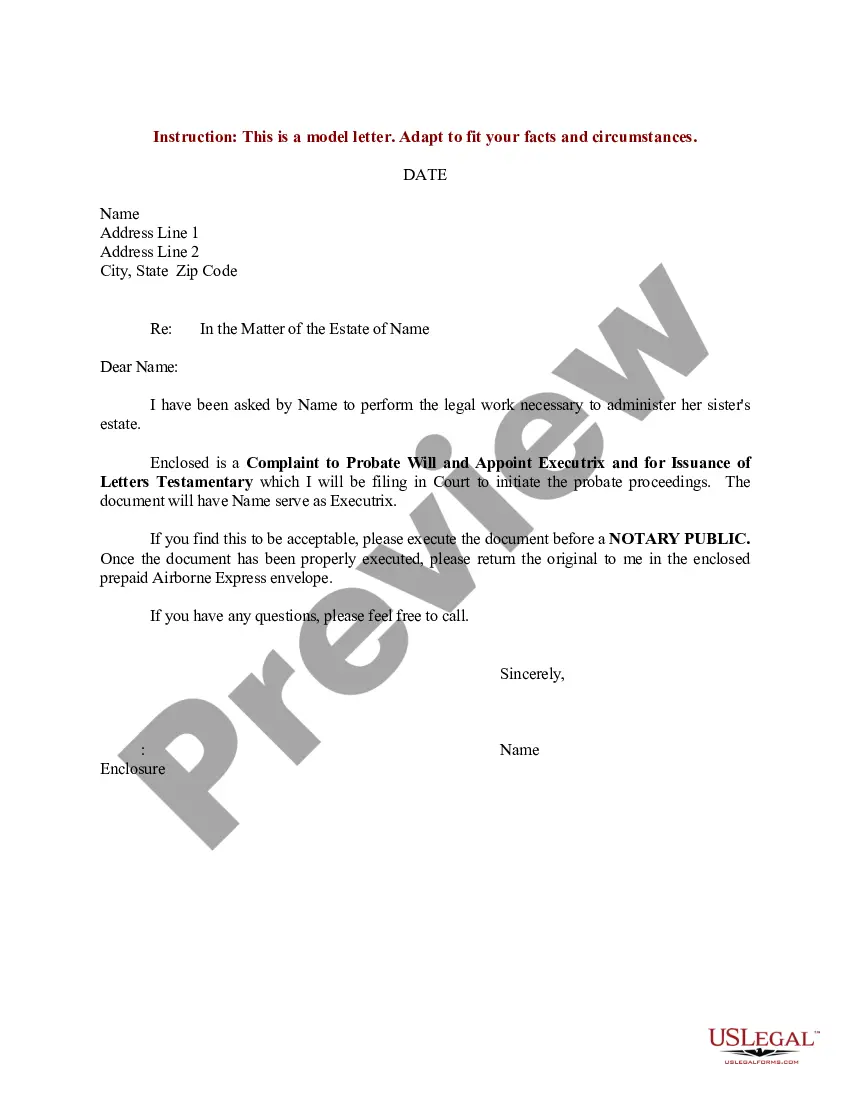
Credit Letter Example With Ps In Minnesota
Description

Get your form ready online
Our built-in tools help you complete, sign, share, and store your documents in one place.
Make edits, fill in missing information, and update formatting in US Legal Forms—just like you would in MS Word.
Download a copy, print it, send it by email, or mail it via USPS—whatever works best for your next step.
Sign and collect signatures with our SignNow integration. Send to multiple recipients, set reminders, and more. Go Premium to unlock E-Sign.
If this form requires notarization, complete it online through a secure video call—no need to meet a notary in person or wait for an appointment.
We protect your documents and personal data by following strict security and privacy standards.

Make edits, fill in missing information, and update formatting in US Legal Forms—just like you would in MS Word.

Download a copy, print it, send it by email, or mail it via USPS—whatever works best for your next step.

Sign and collect signatures with our SignNow integration. Send to multiple recipients, set reminders, and more. Go Premium to unlock E-Sign.

If this form requires notarization, complete it online through a secure video call—no need to meet a notary in person or wait for an appointment.

We protect your documents and personal data by following strict security and privacy standards.
Looking for another form?






Form popularity
FAQ
Here are some examples of how to use "PS": "PS: I love you." "I was invited to Maria's wedding.
PS should always be capitalized. Postscripts are commonly abbreviated with (P.S.) or without (PS) periods. Using a colon (PS:) or dash (PS—) after a PS is optional, but following a PS with a comma or semicolon is grammatically incorrect.
Examples of postscript in a Sentence In a postscript to her letter, she promised to write again soon. An interesting postscript to the story is that the two people involved later got married.
PS stands for postscript, originating from the Latin word postscriptum, meaning "written after." Use PS to add short, supplementary information that doesn't fit the main body of an email or letter. Proper formatting for PS includes placing it after your signature and using either PS or P.S., ensuring consistency.
Can I use PS in a formal email? Yes, you can. Using PS is appropriate in formal and informal emails. But ensure that the tone of your PS matches what preceded it.
"PS" stands for the Latin phrase post scriptum, which literally translates to “after text”. Both "PS" and "P.S." are correct. The decision to add periods may depend on the style guide you follow, your audience, and ultimately, your own preferences. Periods or no periods, "PS" should always be capitalized.
What is another word for P.S.? postscriptaddition afterword rider appendix codicil postlude sequel adjunct tailpiece25 more rows
Ing to the Cambridge Dictionary, the correct American format is 'P.S.' with periods after each letter. In contrast, the Chicago Manual of Style advocates PS without periods.
