Pennsylvania Revocation Trust With The Government
Description
Get your form ready online
Our built-in tools help you complete, sign, share, and store your documents in one place.
Make edits, fill in missing information, and update formatting in US Legal Forms—just like you would in MS Word.
Download a copy, print it, send it by email, or mail it via USPS—whatever works best for your next step.
Sign and collect signatures with our SignNow integration. Send to multiple recipients, set reminders, and more. Go Premium to unlock E-Sign.
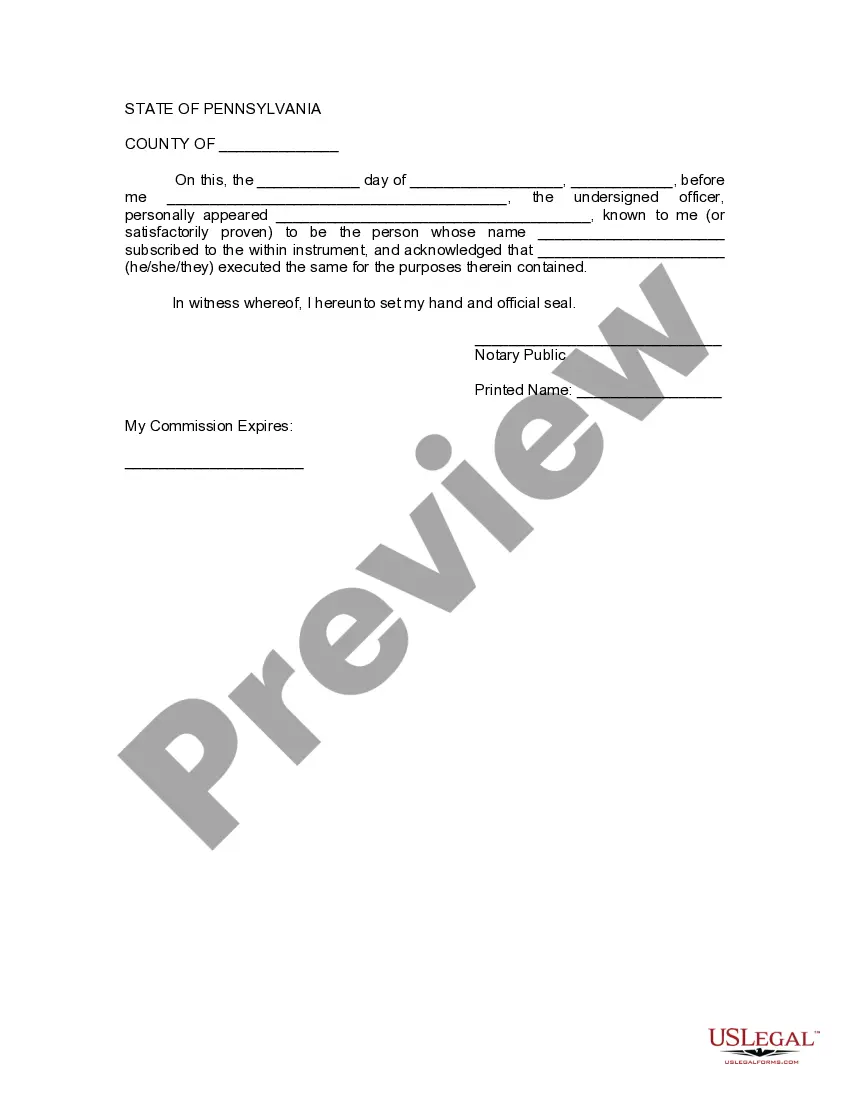
If this form requires notarization, complete it online through a secure video call—no need to meet a notary in person or wait for an appointment.
We protect your documents and personal data by following strict security and privacy standards.

Make edits, fill in missing information, and update formatting in US Legal Forms—just like you would in MS Word.

Download a copy, print it, send it by email, or mail it via USPS—whatever works best for your next step.

Sign and collect signatures with our SignNow integration. Send to multiple recipients, set reminders, and more. Go Premium to unlock E-Sign.

If this form requires notarization, complete it online through a secure video call—no need to meet a notary in person or wait for an appointment.

We protect your documents and personal data by following strict security and privacy standards.
Looking for another form?





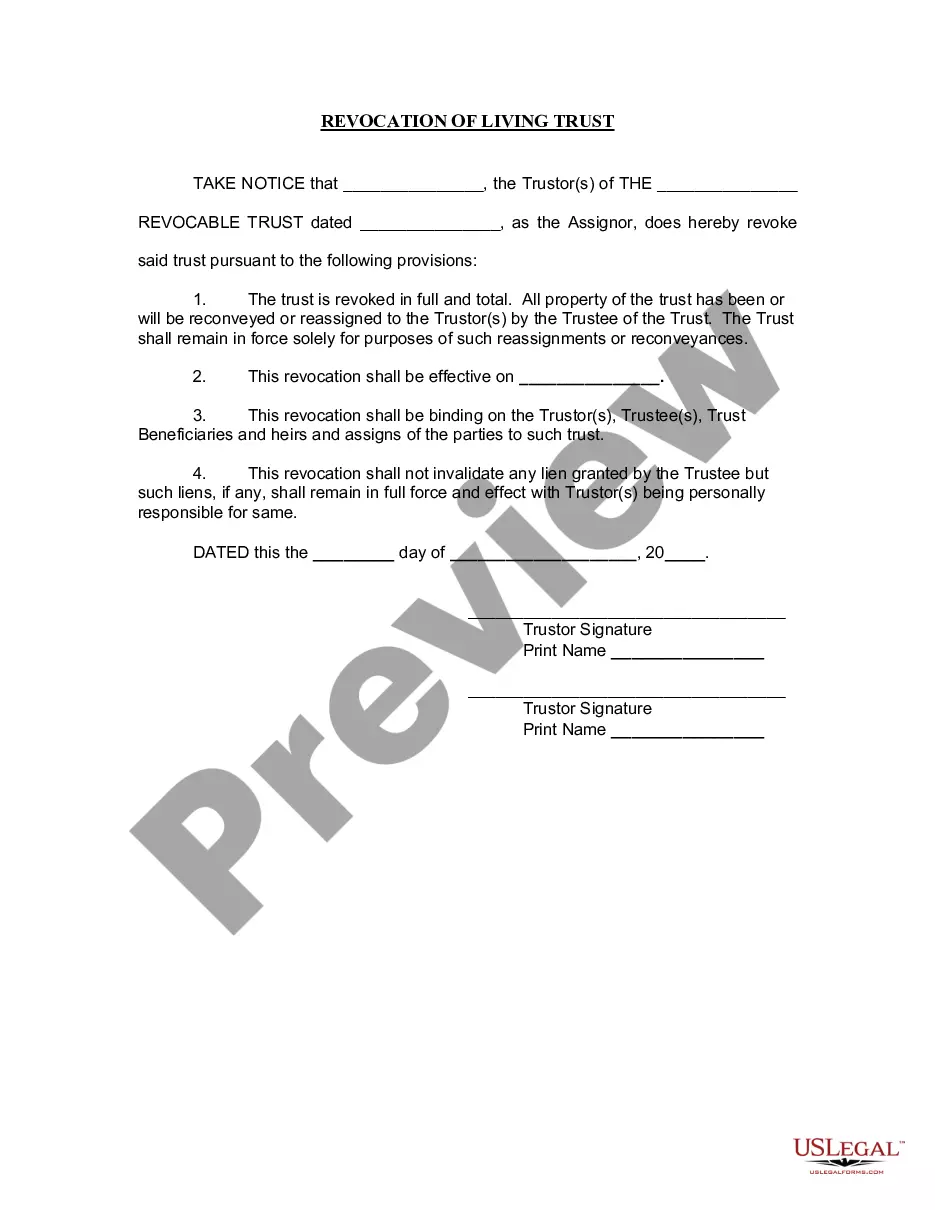
How to fill out Pennsylvania Revocation Of Living Trust?
- Log in to your US Legal Forms account if you're a returning user, or create a new account if this is your first visit.
- Use the search feature to find your desired form related to the Pennsylvania revocation trust and check the preview for accuracy.
- Purchase the appropriate subscription plan by clicking the Buy Now button to gain access to the entire library of legal forms.
- Complete your payment securely using your credit card or PayPal account.
- Download the form to your device, where you can easily fill it out and access it later from the My Forms section of your profile.
By following these simple steps, you can efficiently handle your legal document needs with confidence. US Legal Forms not only offers a robust collection of forms but also empowers users with premium assistance for form completion.
Don’t let legalities overwhelm you—start your journey with US Legal Forms today and secure the documents you need to succeed!
Form popularity
FAQ
Revoking a revocable trust can be a straightforward process, especially when you are informed about the procedures involved. In Pennsylvania, the revocation of a revocation trust with the government typically requires you to follow specific steps outlined in the trust document itself. You usually need to create a written notice stating your intent to revoke the trust, and it's advised to notify all relevant parties involved. For those seeking guidance, platforms like US Legal Forms can provide the necessary templates and resources to ensure a smooth revocation process.
While a Pennsylvania revocation trust with the government provides many advantages, it does have some downsides. One key consideration is that these trusts do not offer tax benefits during your lifetime, as you are still considered the owner of the assets. Additionally, setting up and maintaining a trust may involve legal fees and ongoing management. Therefore, it is essential to weigh these factors before proceeding.
Yes, a Pennsylvania revocation trust with the government can help you avoid probate. Since assets placed in this trust do not fall under your estate upon death, they can pass directly to your beneficiaries. This process not only saves time but also reduces costs associated with probate. By establishing a revocable trust, you ensure a smoother transition of your assets.
A Pennsylvania revocation trust with the government offers numerous benefits for estate planning. It allows you to maintain control over your assets while providing flexibility for future changes. Additionally, this type of trust can simplify the distribution of your estate, ensuring that your wishes are honored without unnecessary delays. Furthermore, it can create privacy, as your estate details remain out of public probate records.
The PA 41 must be filed by fiduciaries of estates or trusts that have received income during the tax year. This includes trustees managing a Pennsylvania revocation trust with the government. Fulfilling this requirement ensures proper reporting of income and helps prevent potential tax issues. Consulting a tax professional can help ensure compliance and accuracy in filing.
To set up a revocable trust in Pennsylvania, begin by drafting a trust document that outlines your wishes and appoints a trustee. It's important to transfer assets into the trust, as this impacts its effectiveness. Using a Pennsylvania revocation trust with the government can simplify the setup process, ensuring you comply with state laws. Professional assistance is often beneficial for tailored advice based on your unique situation.
The executor or administrator of an estate must file a PA inheritance tax return for any estate that exceeds the state’s inheritance tax exemption amount. This includes assets distributed through a Pennsylvania revocation trust with the government. Filing ensures compliance with the state tax laws and helps settle the estate efficiently. It’s wise to consult with a legal expert for proper guidance through this process.
In Pennsylvania, a revocable trust does not avoid inheritance tax, as the assets remain under the control of the grantor until their passing. Upon death, the assets held within such a trust are subject to Pennsylvania's inheritance tax. It is essential to grasp these tax implications when considering a Pennsylvania revocation trust with the government, as they can influence estate planning strategies. Engaging with professionals can provide clarity and guidance.
A PA 41 return is required for estates or trusts that generate income during their operation. Executors or trustees of these estates must complete the PA 41 to report income earned. If your estate is established through a Pennsylvania revocation trust with the government, it may also fall under this requirement. Consulting a tax professional can ensure adherence to all specifics and deadlines.
Residents of Pennsylvania who earn income above certain thresholds must file a PA tax return. This includes individuals, corporations, and partnerships earning income from various sources. Filing a PA return is essential to fulfill state tax obligations, especially for those who have established a Pennsylvania revocation trust with the government. This helps ensure that any income generated is reported correctly to the state.