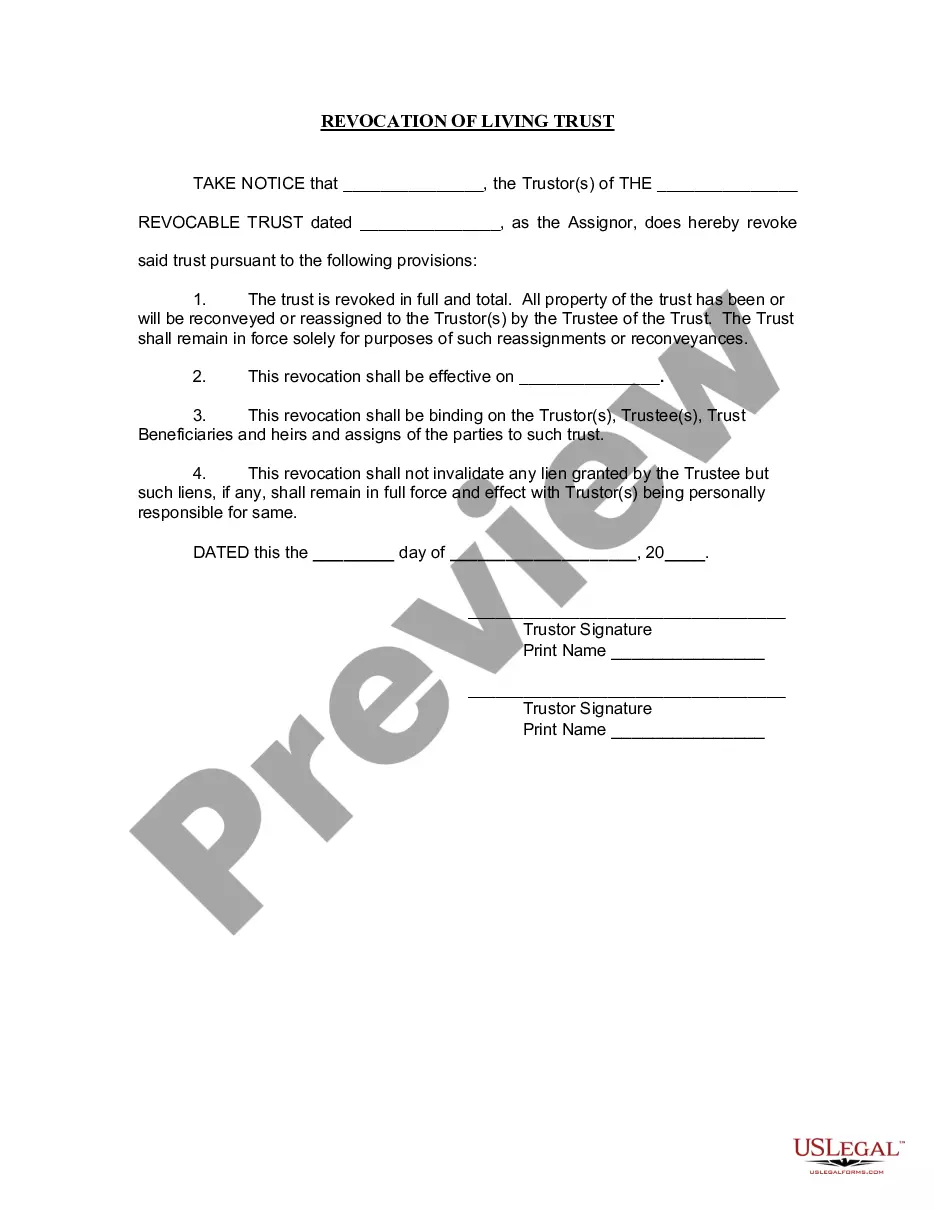
Revocation Living Trust With A Trustee
Description

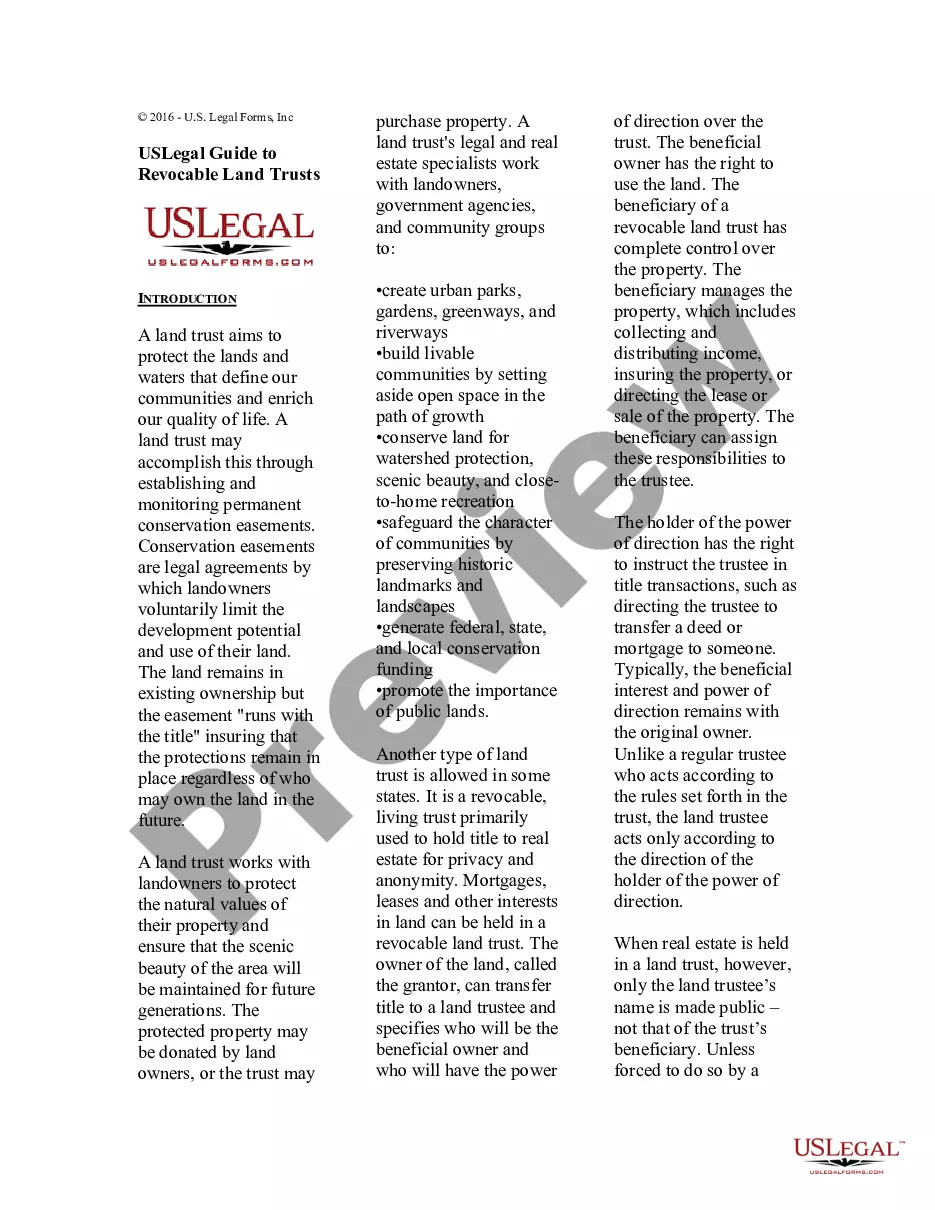
Get your form ready online
Our built-in tools help you complete, sign, share, and store your documents in one place.
Make edits, fill in missing information, and update formatting in US Legal Forms—just like you would in MS Word.
Download a copy, print it, send it by email, or mail it via USPS—whatever works best for your next step.
Sign and collect signatures with our SignNow integration. Send to multiple recipients, set reminders, and more. Go Premium to unlock E-Sign.
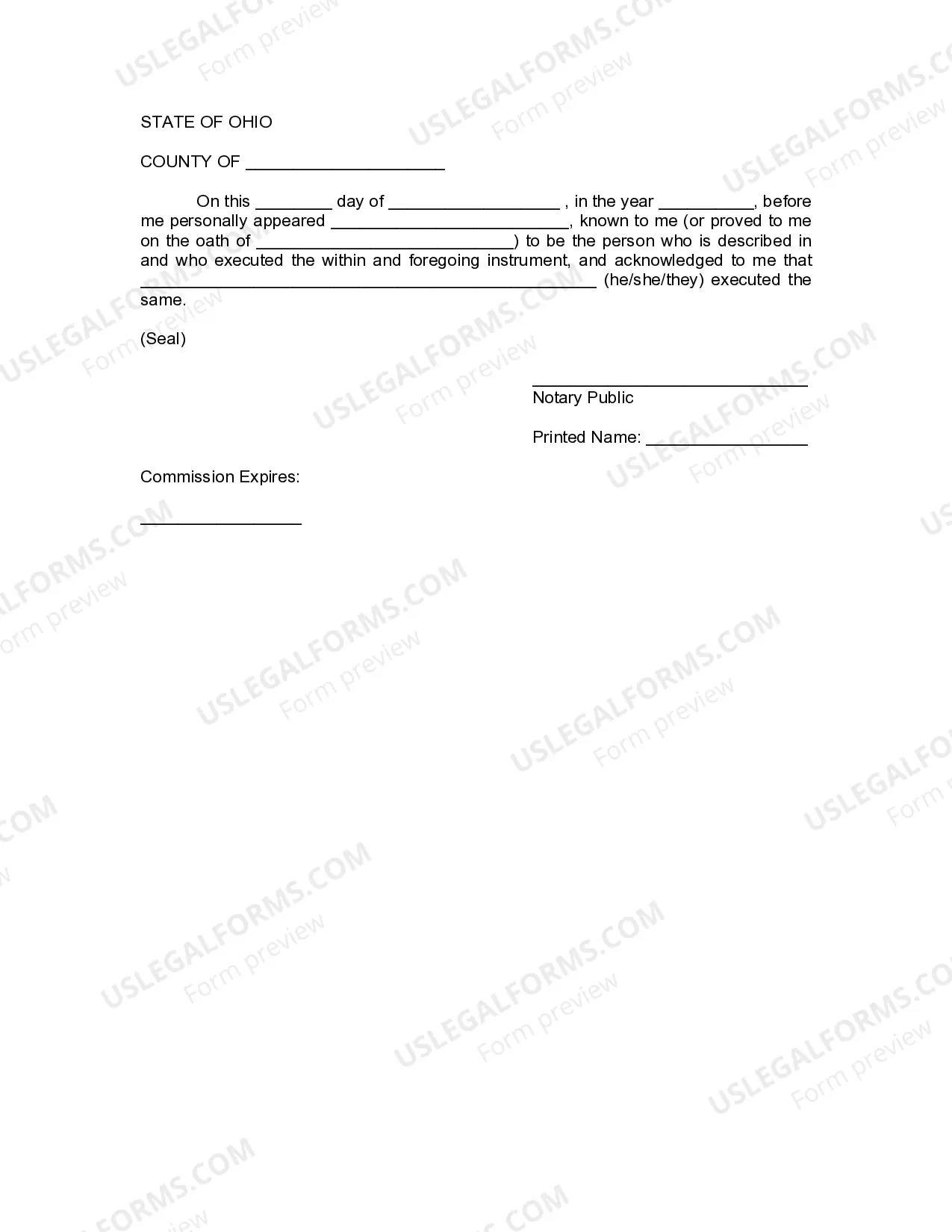
If this form requires notarization, complete it online through a secure video call—no need to meet a notary in person or wait for an appointment.
We protect your documents and personal data by following strict security and privacy standards.

Make edits, fill in missing information, and update formatting in US Legal Forms—just like you would in MS Word.

Download a copy, print it, send it by email, or mail it via USPS—whatever works best for your next step.

Sign and collect signatures with our SignNow integration. Send to multiple recipients, set reminders, and more. Go Premium to unlock E-Sign.

If this form requires notarization, complete it online through a secure video call—no need to meet a notary in person or wait for an appointment.

We protect your documents and personal data by following strict security and privacy standards.
Looking for another form?





How to fill out Ohio Revocation Of Living Trust?
- Sign in to your US Legal Forms account or create a new one if you're a first-time user.
- Browse the extensive library and use the preview mode to find the living trust revocation form that meets your specific needs.
- If necessary, refine your search for additional templates until you locate the appropriate document.
- Select the 'Buy Now' button and choose your desired subscription plan to gain access to the library.
- Complete your purchase by providing payment details for your subscription.
- Download the revocation form directly to your device and access it anytime from the 'My Forms' section of your profile.
After following these steps, you'll have the necessary documentation to successfully revoke your living trust. It's essential to ensure all aspects are in line with your local jurisdiction's requirements.
US Legal Forms empowers you to manage your legal needs with ease. Start the process today and ensure your documents are precise and legally sound!
Form popularity
FAQ
Trust termination can occur through multiple avenues, especially in the context of a revocation living trust with a trustee. Key methods include completing asset distribution, revocation by the trust creator, or reaching a specific termination date outlined in the trust. Additionally, a court can dissolve a trust if it finds that continuing the trust no longer serves its original purpose. Engaging a legal service like US Legal Forms can help you navigate this process smoothly.
A trust can be terminated in several ways, particularly a revocation living trust with a trustee. The first method is by fulfilling its purpose, such as distributing assets to beneficiaries. The second is through a formal written revocation by the trust creator, which requires proper documentation. Lastly, a trust can end when the trust term expires, if specified in the trust agreement.
Removing a trustee from a revocation living trust involves specific procedures that usually need to be outlined in the trust document. Generally, you will need to provide a written notice to the trustee, stating your decision to remove them. Following this, appoint a new trustee if necessary and update the trust document accordingly. This process ensures the trust remains effective and serves your needs.
To shut down a revocation living trust with a trustee, you need to follow a few steps. First, ensure that all trust assets are distributed to the beneficiaries as specified in the trust document. Next, prepare a formal trust termination document that outlines your intent to revoke the trust. Finally, sign and notarize this document, then inform the trustee and beneficiaries about the trust's termination.
Trustees can revoke a trust if the trust document permits it, particularly in the case of a revocation living trust with a trustee. This revocation enables trustees to alter or dissolve the trust according to the established guidelines. It is crucial for trustees to follow the terms outlined in the trust agreement. For assistance with understanding your rights and responsibilities, check out the resources on our US Legal Forms platform.
The power a trustee has over a trust can vary based on the trust's terms and state laws. Generally, a trustee can manage the assets, make distributions, and even revoke the trust if authorized. However, the trustee must always act in the best interest of the beneficiaries. To navigate these responsibilities effectively, consider utilizing the tools available on our US Legal Forms platform.
Yes, a trustee can revoke a trust, but only under certain conditions. Typically, a revocation living trust with a trustee allows for this action if the trust document explicitly provides the power to revoke it. It is essential to review the trust agreement to understand the specific terms. If you are facing confusion or need guidance, our US Legal Forms platform provides resources to help clarify the revocation process.
A sample of a revocation of living trust generally contains a declaration stating your intention to revoke the trust, along with key details including the trust's name and the date it was established. This document should also be signed in the presence of a witness or notarized to ensure its validity. You can find well-crafted samples and guidance at uslegalforms, making your process smoother and more efficient.
A form to dissolve a revocable trust typically includes specific details such as the trust name, the trustee's information, and your signature as the grantor. This document serves as a formal way to terminate the trust's existence and signifies the transfer of assets back to you. You can find effective templates for this purpose on platforms like uslegalforms, which specialize in legal documentation.
Yes, a revocable living trust indeed permits you to revoke or dissolve the trust at any time while you are alive. This flexibility is a critical feature of such trusts, allowing you to adapt to changing circumstances in your estate planning. A revocation living trust with a trustee ensures that you have the support needed during this process. Uslegalforms offers various templates to facilitate this action.