Revocation Living Trust For Foreigners
Description
Get your form ready online
Our built-in tools help you complete, sign, share, and store your documents in one place.
Make edits, fill in missing information, and update formatting in US Legal Forms—just like you would in MS Word.
Download a copy, print it, send it by email, or mail it via USPS—whatever works best for your next step.
Sign and collect signatures with our SignNow integration. Send to multiple recipients, set reminders, and more. Go Premium to unlock E-Sign.
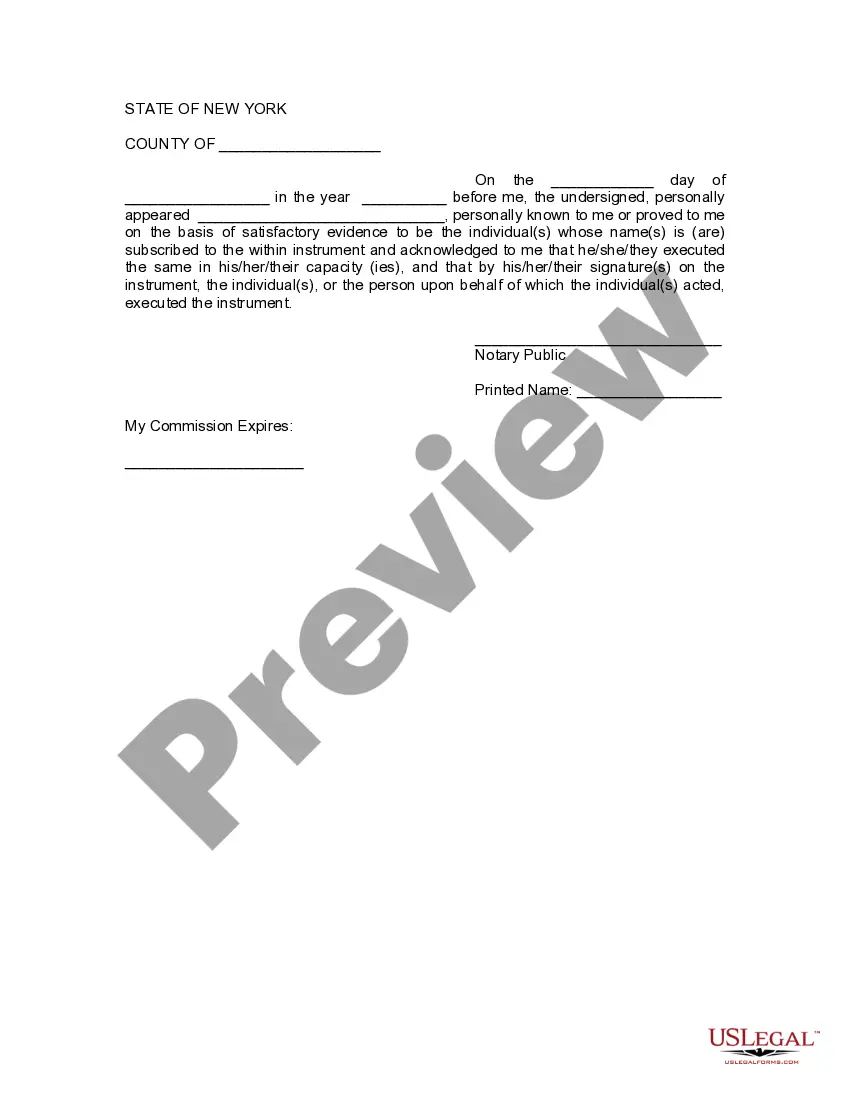
If this form requires notarization, complete it online through a secure video call—no need to meet a notary in person or wait for an appointment.
We protect your documents and personal data by following strict security and privacy standards.

Make edits, fill in missing information, and update formatting in US Legal Forms—just like you would in MS Word.

Download a copy, print it, send it by email, or mail it via USPS—whatever works best for your next step.

Sign and collect signatures with our SignNow integration. Send to multiple recipients, set reminders, and more. Go Premium to unlock E-Sign.

If this form requires notarization, complete it online through a secure video call—no need to meet a notary in person or wait for an appointment.

We protect your documents and personal data by following strict security and privacy standards.
Looking for another form?


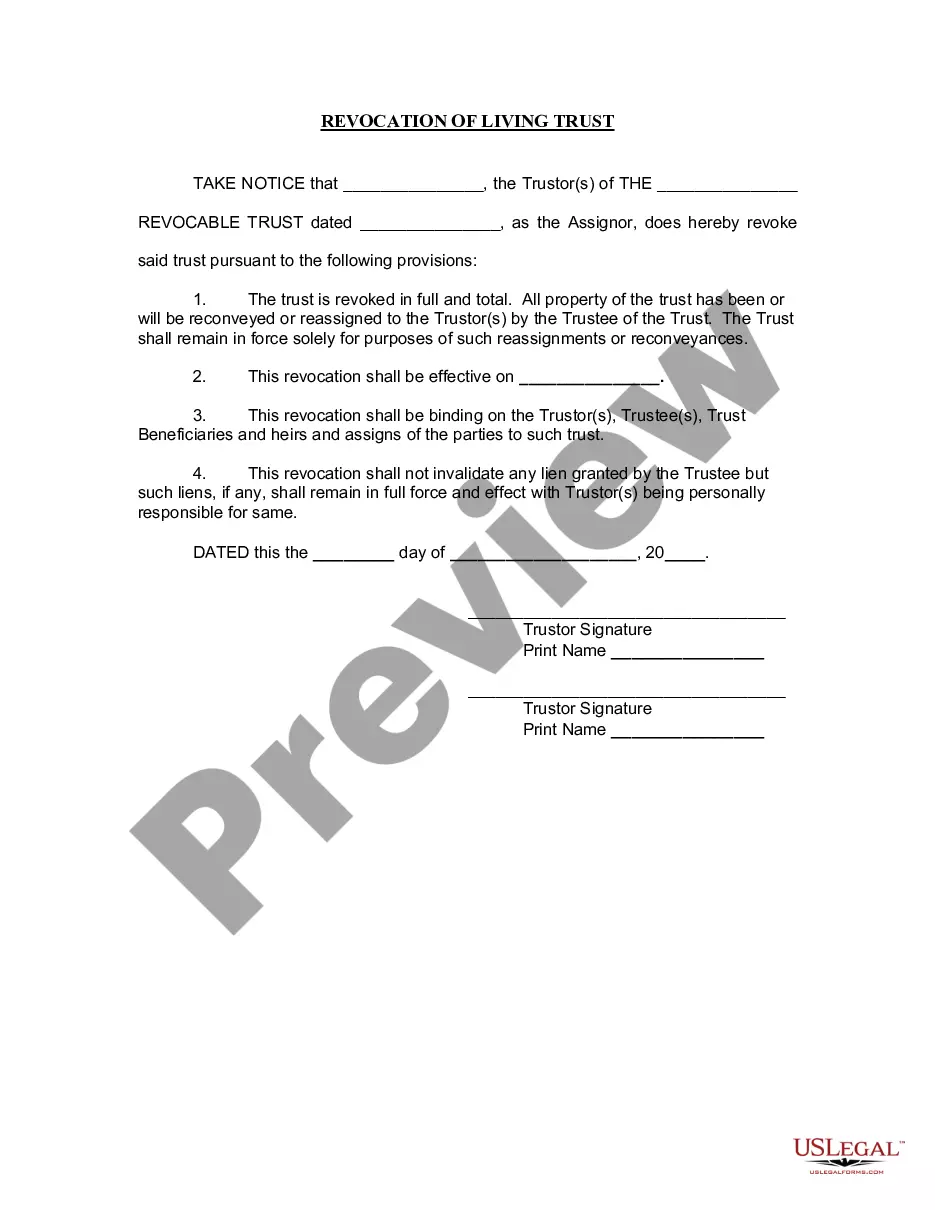
How to fill out New York Revocation Of Living Trust?
- Log in to your existing US Legal Forms account to access previously used documents, ensuring your subscription remains active.
- If you're new to US Legal Forms, start by checking the preview mode and form description. Make sure to select the revocation living trust template that meets your specific needs.
- Utilize the Search tab if the initial template doesn't fit your requirements, allowing you to find the correct form.
- Proceed to purchase the document by clicking on the Buy Now button and selecting your preferred subscription plan. You will need to register for an account for full access.
- Complete your transaction by providing payment information, either through credit card or PayPal.
- Download your completed form and save it for future reference. You can always access it via the My Forms section in your profile.
In conclusion, using US Legal Forms not only streamlines the process of obtaining your revocation living trust but also ensures you have access to an extensive library of editable legal forms, backed by expert assistance.
Take control of your legal needs today by visiting US Legal Forms and navigating your reliable path to obtaining legal documents.
Form popularity
FAQ
Yes, a trustee can be a foreign person when it comes to a Revocation living trust for foreigners. Hiring an experienced foreign trustee can bring unique insights into managing international assets. Nonetheless, it's essential to ensure that such arrangements comply with local regulations and the specific terms of the trust.
In the USA, any adult who is of sound mind and meets the state's qualifications can be a trustee of a trust. This includes U.S. citizens and, in many cases, non-citizens as well. A trustee should be trustworthy, responsible, and capable of managing the trust according to its terms, especially for a Revocation living trust for foreigners.
Indeed, a non-US citizen can be a trustee of a trust, including a Revocation living trust for foreigners. This flexibility allows foreigners to play an active role in managing assets within the trust. It's vital, however, to ensure compliance with U.S. laws governing trusts in order to avoid complications.
Certain individuals cannot act as trustees, such as minors, individuals deemed mentally incompetent, or those convicted of certain crimes. Additionally, individuals who have a conflict of interest or who do not meet the state’s eligibility requirements may be excluded. Understanding these limitations is essential when establishing a Revocation living trust for foreigners.
Yes, a non-U.S. citizen can serve as a trustee of a trust, including a Revocation living trust for foreigners. However, it's important to understand that the governing laws may vary by state. Non-citizen trustees should be familiar with the specific requirements and responsibilities attached to the trust they oversee.
A revocable trust becomes irrevocable when the grantor passes away or when the grantor explicitly states in the trust document that it should become irrevocable under certain conditions. This transition is crucial as it can affect beneficiaries’ rights and the management of assets. For foreigners, navigating these rules can be complex, so it’s wise to seek guidance on revocation living trusts for foreigners to ensure compliance with U.S. law. Understanding this transition can significantly impact your estate planning strategy.
Yes, a non-U.S. citizen can be a beneficiary of a trust established in the United States. This includes revocable trusts, allowing you to specify foreign beneficiaries without complications. When setting up your trust, be mindful of how U.S. tax laws may impact these beneficiaries. For detailed assistance, consider the services available through platforms that specialize in revocation living trusts for foreigners.
To revoke a revocable trust, you must follow the procedures specified in your trust document. Often, this involves signing a document that explicitly states your intent to revoke. For foreigners, it’s critical to ensure you comply with U.S. legal standards during this process. Engaging with professionals who specialize in revocation living trusts for foreigners can be beneficial to ensure everything is done properly.
Revoking a revocable trust is typically a straightforward process. You usually just need to follow the terms outlined in your trust document, which may include writing a formal revocation statement. As a foreigner, it’s essential to understand local laws, as they may differ from your home country. Using resources like US Legal Forms can guide you effectively through the revocation living trust process for foreigners.
A nursing home cannot directly take your revocable trust. However, if you require long-term care, the assets within your trust might be considered for Medicaid eligibility. To protect your assets, you should plan your estate carefully, especially as a foreigner dealing with U.S. legal systems. Consulting with professionals who understand revocation living trusts for foreigners can provide clarity and protection for your assets.