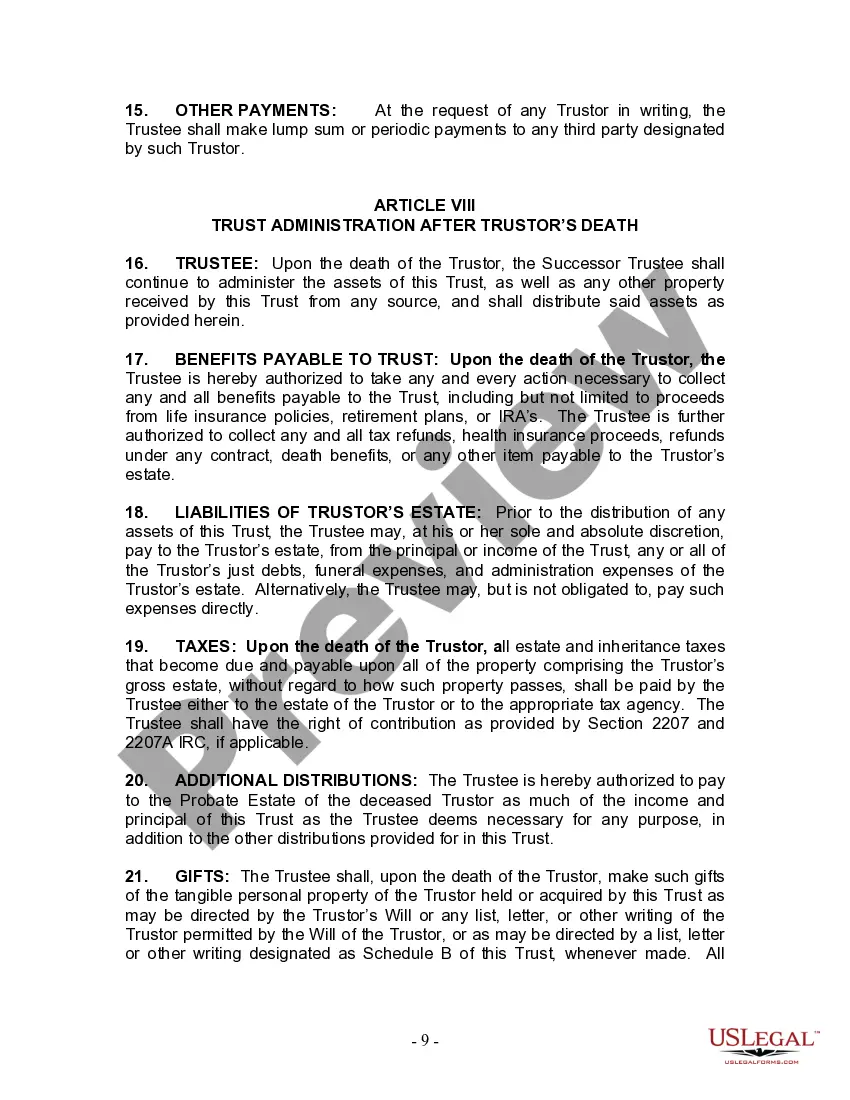
Nevada Trust With Employees
Description
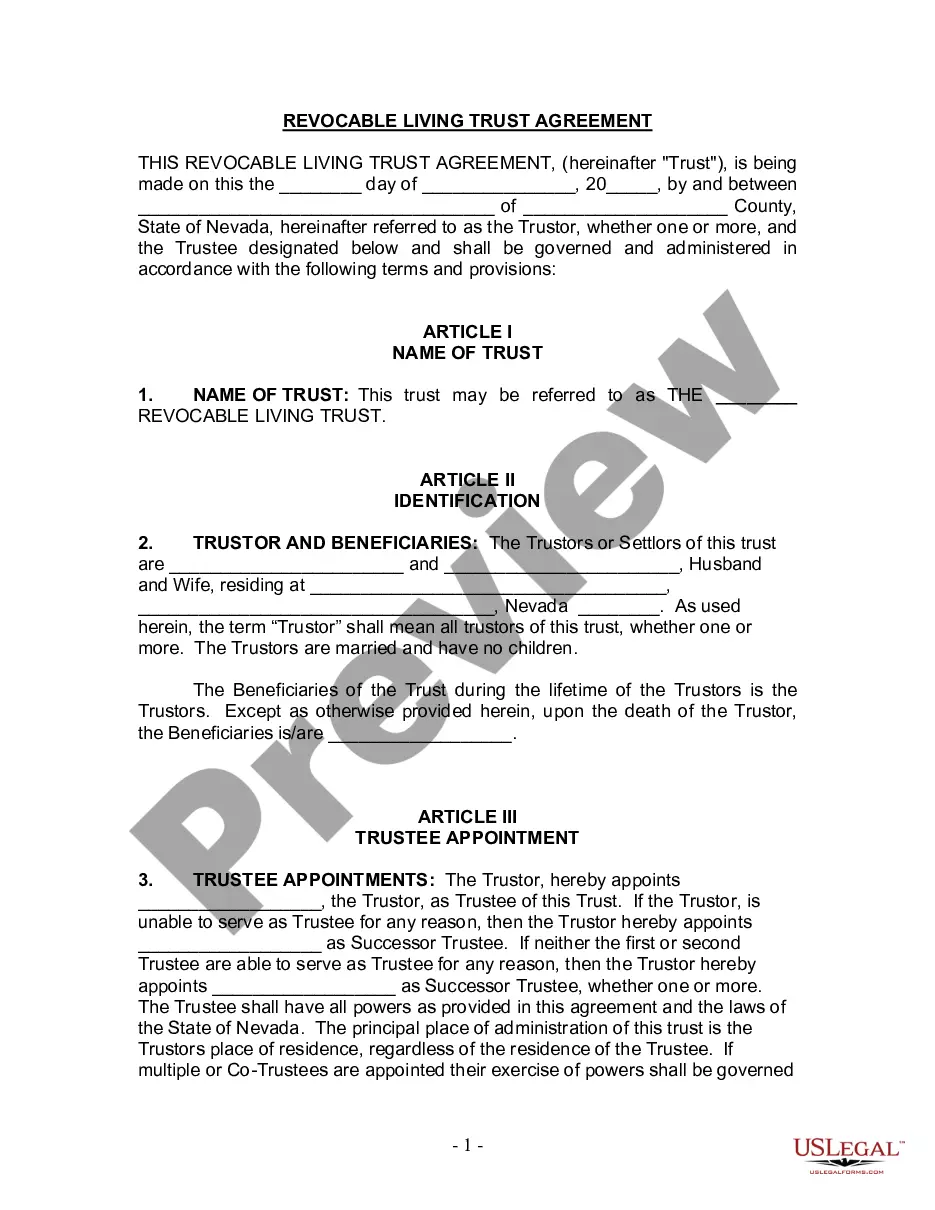
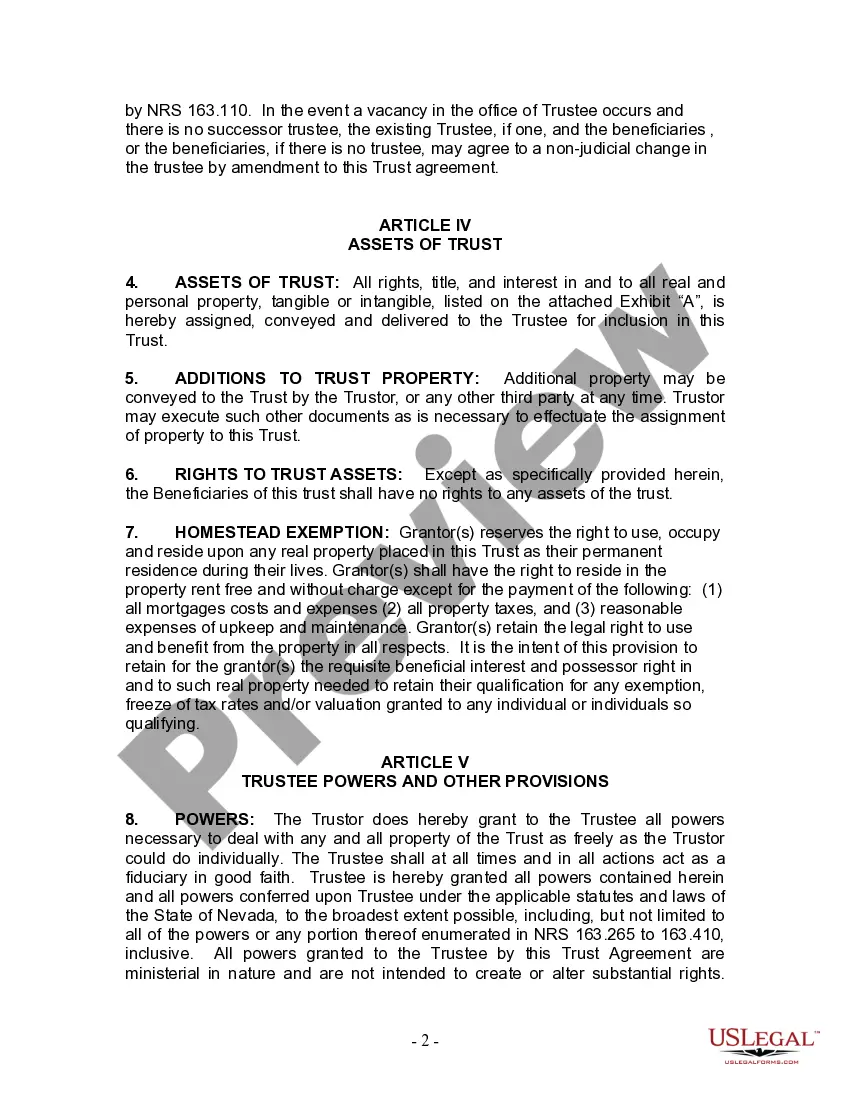
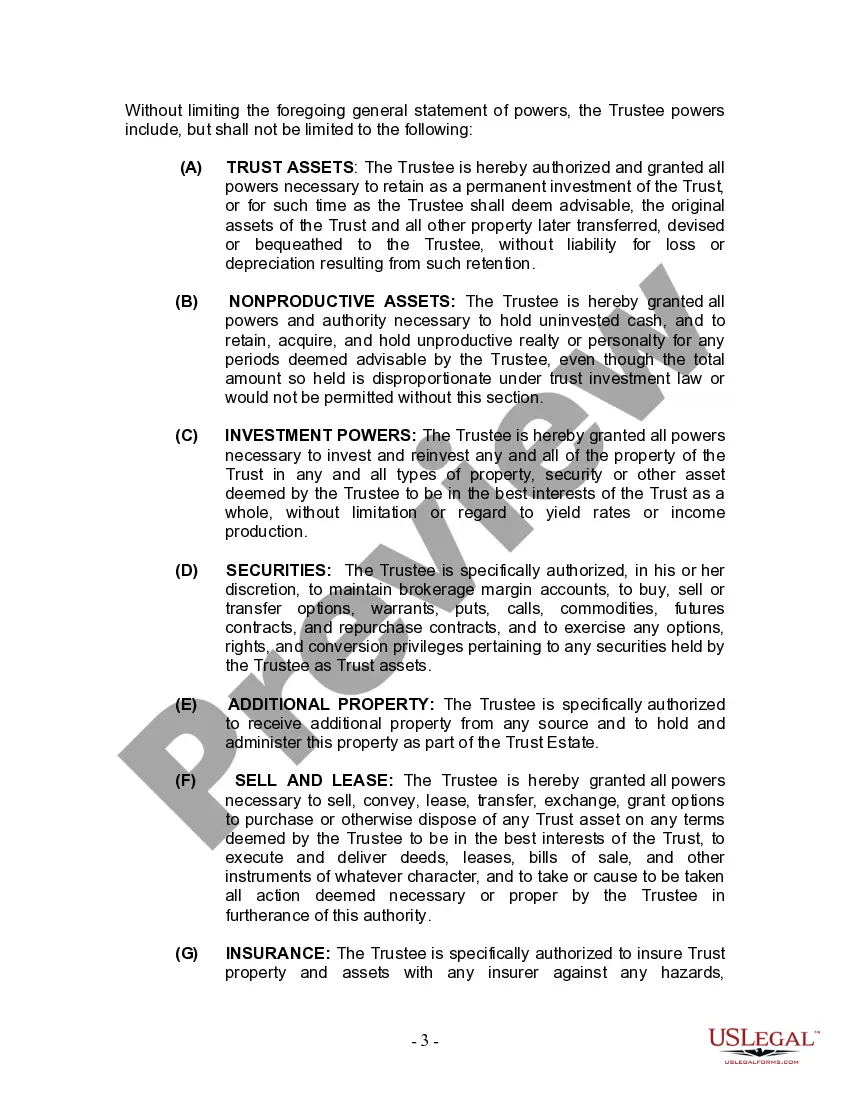
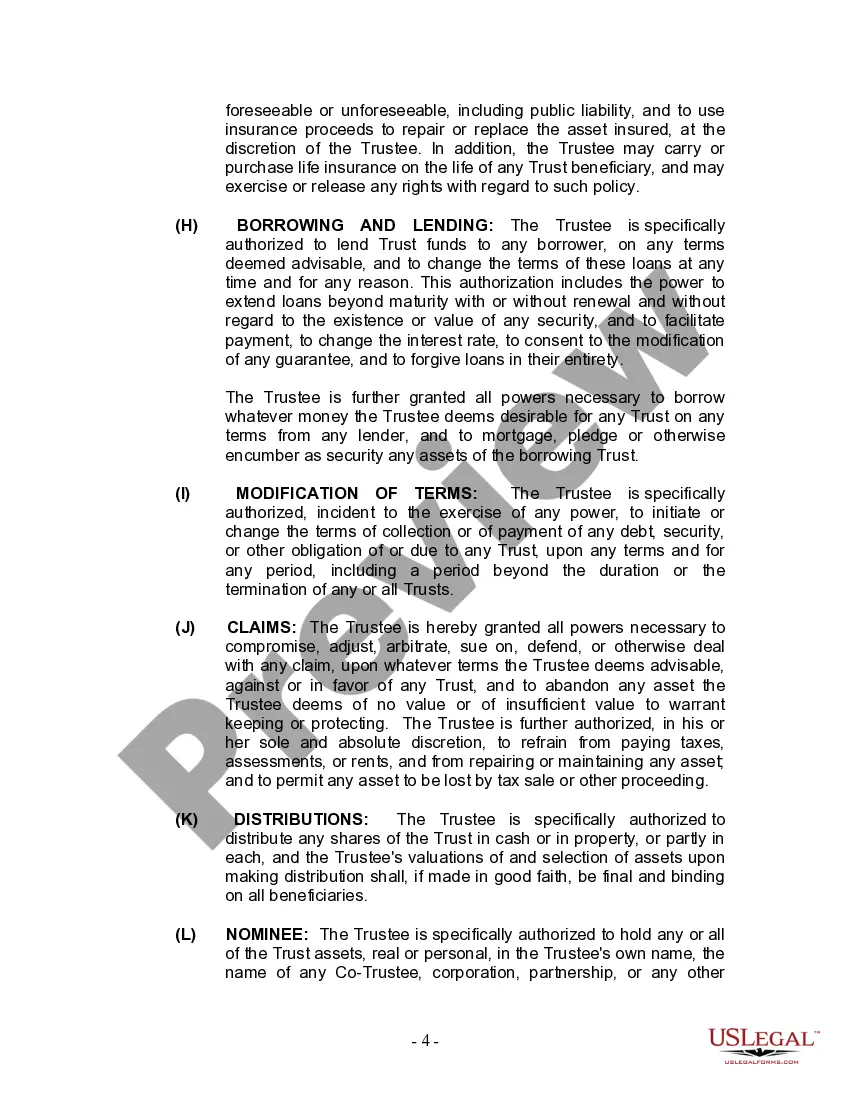
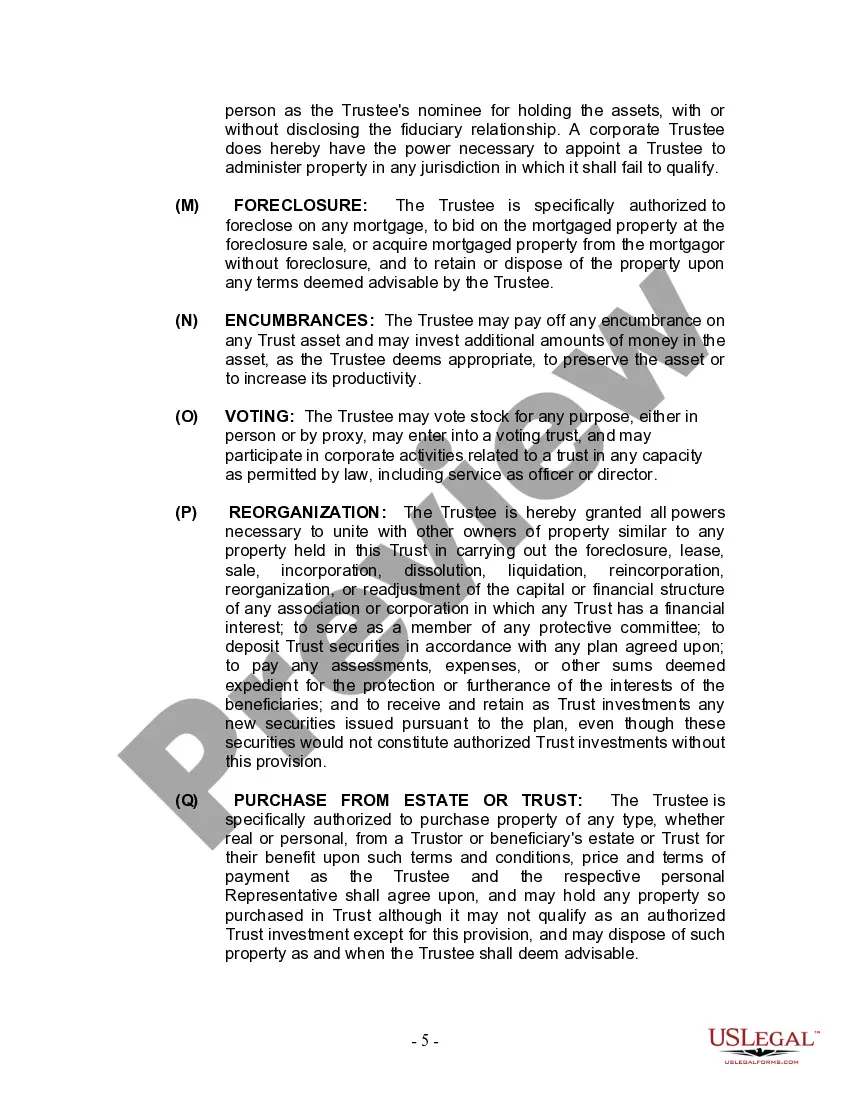
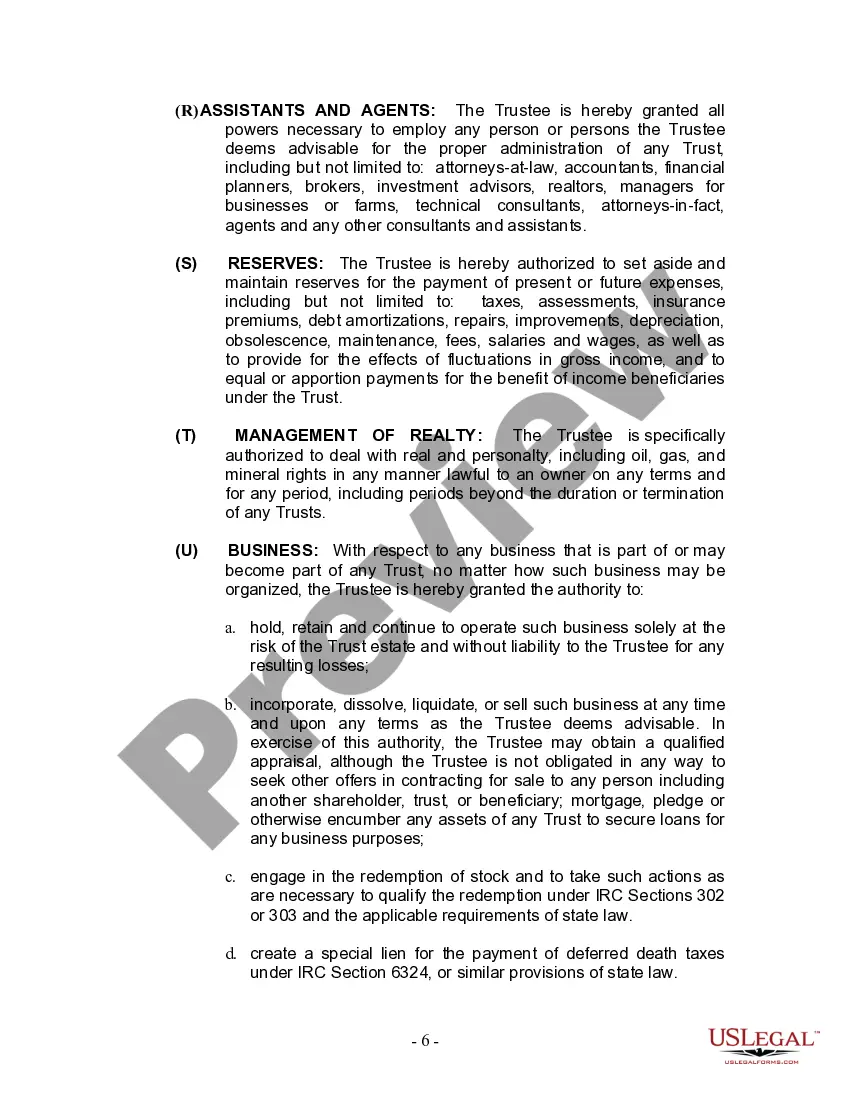
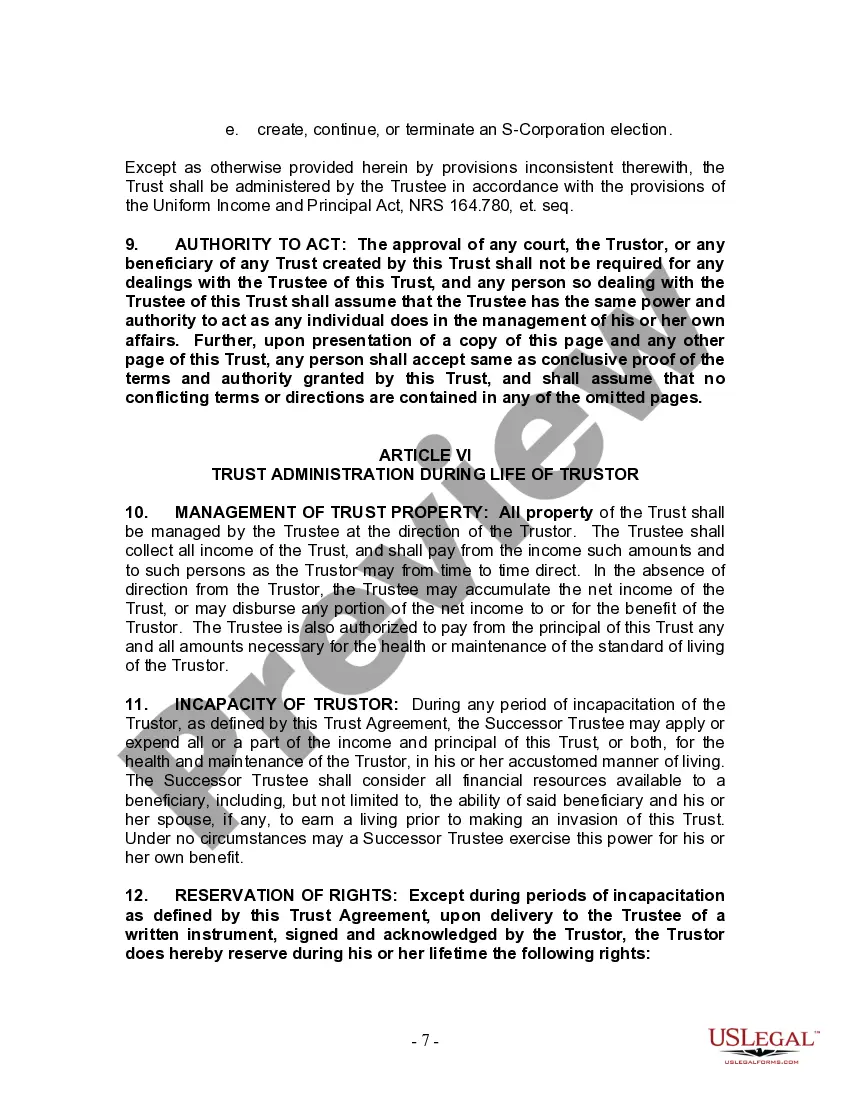
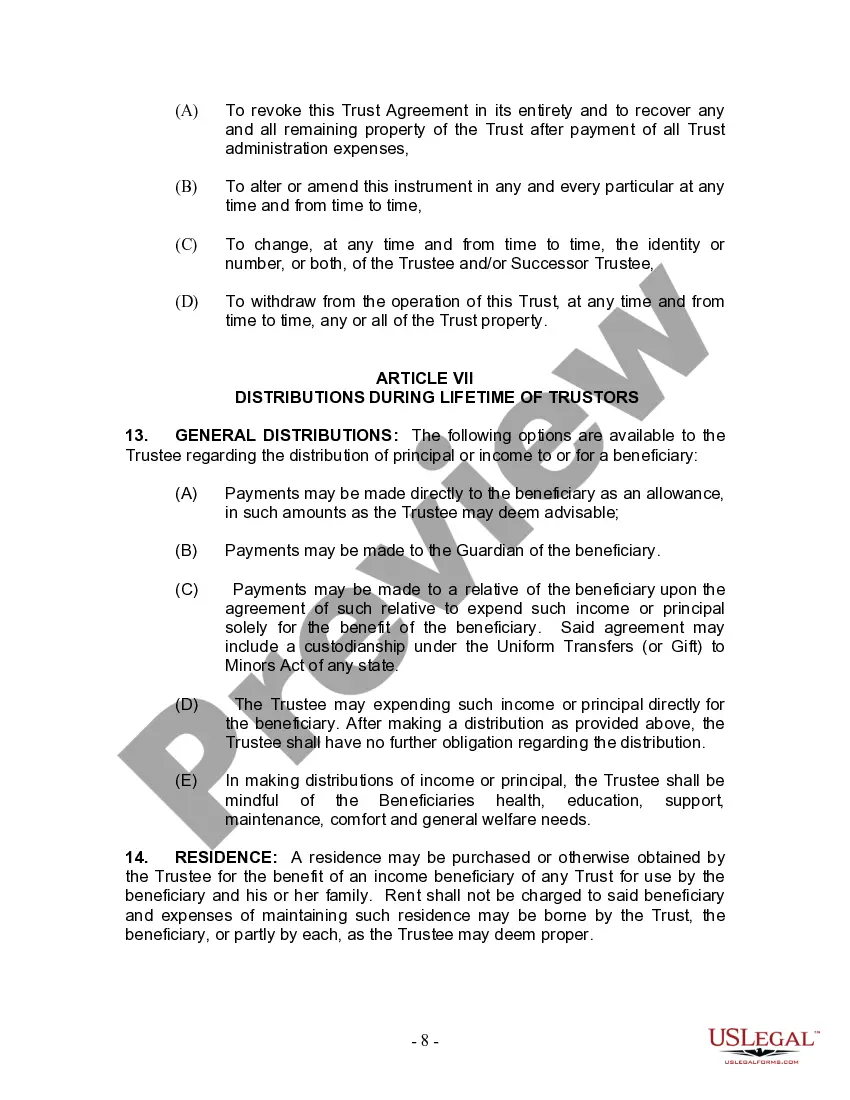




Get your form ready online
Our built-in tools help you complete, sign, share, and store your documents in one place.
Make edits, fill in missing information, and update formatting in US Legal Forms—just like you would in MS Word.
Download a copy, print it, send it by email, or mail it via USPS—whatever works best for your next step.
Sign and collect signatures with our SignNow integration. Send to multiple recipients, set reminders, and more. Go Premium to unlock E-Sign.
If this form requires notarization, complete it online through a secure video call—no need to meet a notary in person or wait for an appointment.
We protect your documents and personal data by following strict security and privacy standards.

Make edits, fill in missing information, and update formatting in US Legal Forms—just like you would in MS Word.

Download a copy, print it, send it by email, or mail it via USPS—whatever works best for your next step.

Sign and collect signatures with our SignNow integration. Send to multiple recipients, set reminders, and more. Go Premium to unlock E-Sign.

If this form requires notarization, complete it online through a secure video call—no need to meet a notary in person or wait for an appointment.

We protect your documents and personal data by following strict security and privacy standards.
Looking for another form?








Form popularity
FAQ
A Nevada trust does not require a trustee to be a resident of Nevada. You can appoint a trustee from another state or even an institution. However, having a local trustee may help with the management of your Nevada trust with employees, ensuring smoother interactions with state laws.
In Nevada, a deed of trust becomes valid upon execution and delivery, but recording is essential for protecting against third-party claims. Recording provides public notice and can prevent potential disputes. If your deed relates to a Nevada trust with employees, it is wise to consider recording it.
Yes, a trust must have a trustee to manage its assets and implement its terms. The trustee plays a crucial role in administering the Nevada trust with employees, ensuring compliance with your wishes and managing resources prudently.
A trust does not need to be filed with the state in Nevada to be legally effective. However, you should keep the trust document in a safe place. You may consider additional steps to protect your interests, especially when it involves complex assets or a Nevada trust with employees.
Filing a trust in Nevada involves drafting the trust document and executing it according to state laws. While you do not file the trust with the state, it is wise to keep it in a secure location. Utilizing services like USLegalForms can streamline this process and ensure you meet all legal requirements.
Yes, a trustee can reside in a different state from where the trust is established. This flexibility allows you to choose a trustworthy individual or institution, ensuring your Nevada trust with employees is managed effectively and adheres to your directives.
In Nevada, you do not need to record a trust to make it valid. However, for certain asset protection benefits, recording may be advisable. By using a Nevada trust with employees, you can better protect your assets and provide clarity in management.
People set up trusts in Nevada for various reasons, including favorable tax laws, strong privacy protections, and efficient estate planning strategies. Incorporating a Nevada trust with employees can offer enhanced asset protection while benefiting family and business interests. Additionally, Nevada's laws provide flexibility in managing and distributing assets, making it a popular choice. Overall, these advantages encourage individuals to consider Nevada for their trust needs.
Yes, you can create your own trust in Nevada, but it's essential to ensure it meets legal standards. While the process may seem straightforward, small errors can lead to significant complications down the line, particularly regarding the Nevada trust with employees. Utilizing resources from platforms like USLegalForms can provide you with templates and guidance to help you create a trust accurately and efficiently.
To establish a trust in Nevada, you will first need to decide on the type of trust best suited for your goals. Next, draft a trust document that outlines the terms and conditions, including details about the Nevada trust with employees, if applicable. Finally, fund the trust by transferring assets into it and ensure you follow any state-specific legal requirements. Seeking assistance from professionals, like those at USLegalForms, can streamline the process for you.
