North Dakota Trust For Sale
Description

Get your form ready online
Our built-in tools help you complete, sign, share, and store your documents in one place.
Make edits, fill in missing information, and update formatting in US Legal Forms—just like you would in MS Word.
Download a copy, print it, send it by email, or mail it via USPS—whatever works best for your next step.
Sign and collect signatures with our SignNow integration. Send to multiple recipients, set reminders, and more. Go Premium to unlock E-Sign.
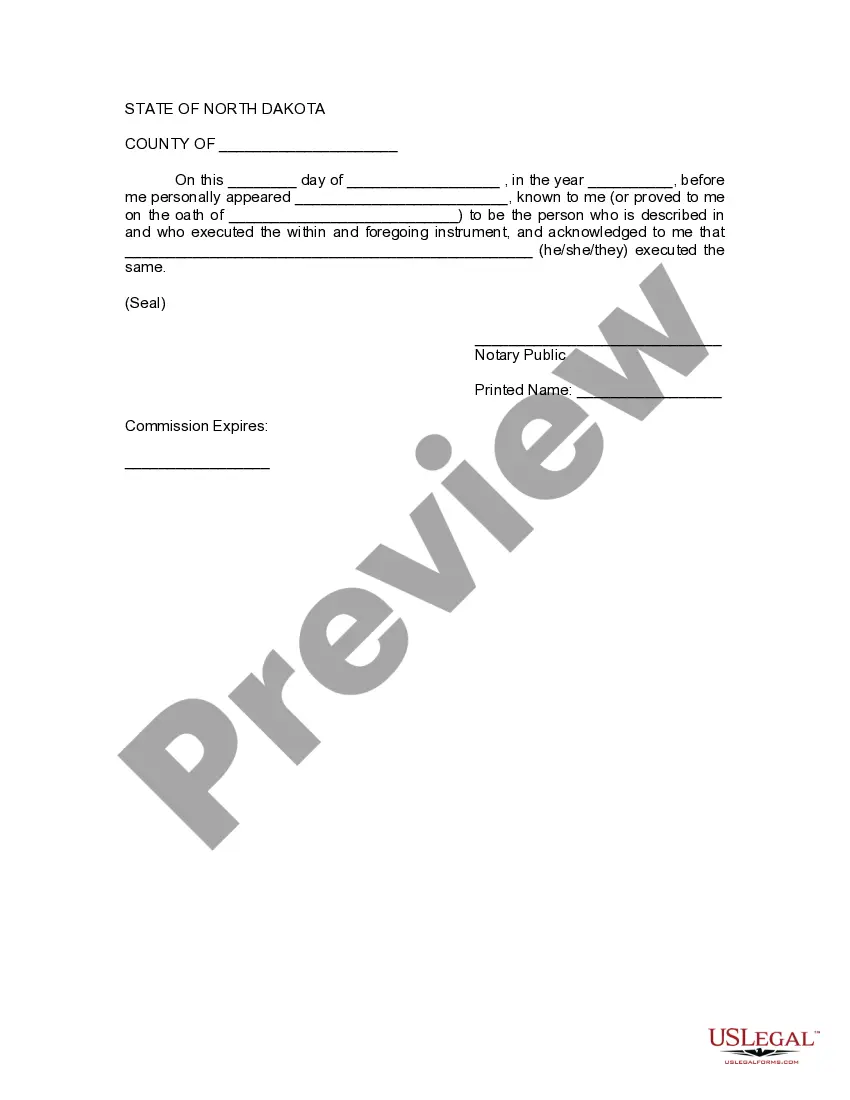
If this form requires notarization, complete it online through a secure video call—no need to meet a notary in person or wait for an appointment.
We protect your documents and personal data by following strict security and privacy standards.

Make edits, fill in missing information, and update formatting in US Legal Forms—just like you would in MS Word.

Download a copy, print it, send it by email, or mail it via USPS—whatever works best for your next step.

Sign and collect signatures with our SignNow integration. Send to multiple recipients, set reminders, and more. Go Premium to unlock E-Sign.

If this form requires notarization, complete it online through a secure video call—no need to meet a notary in person or wait for an appointment.

We protect your documents and personal data by following strict security and privacy standards.
Looking for another form?









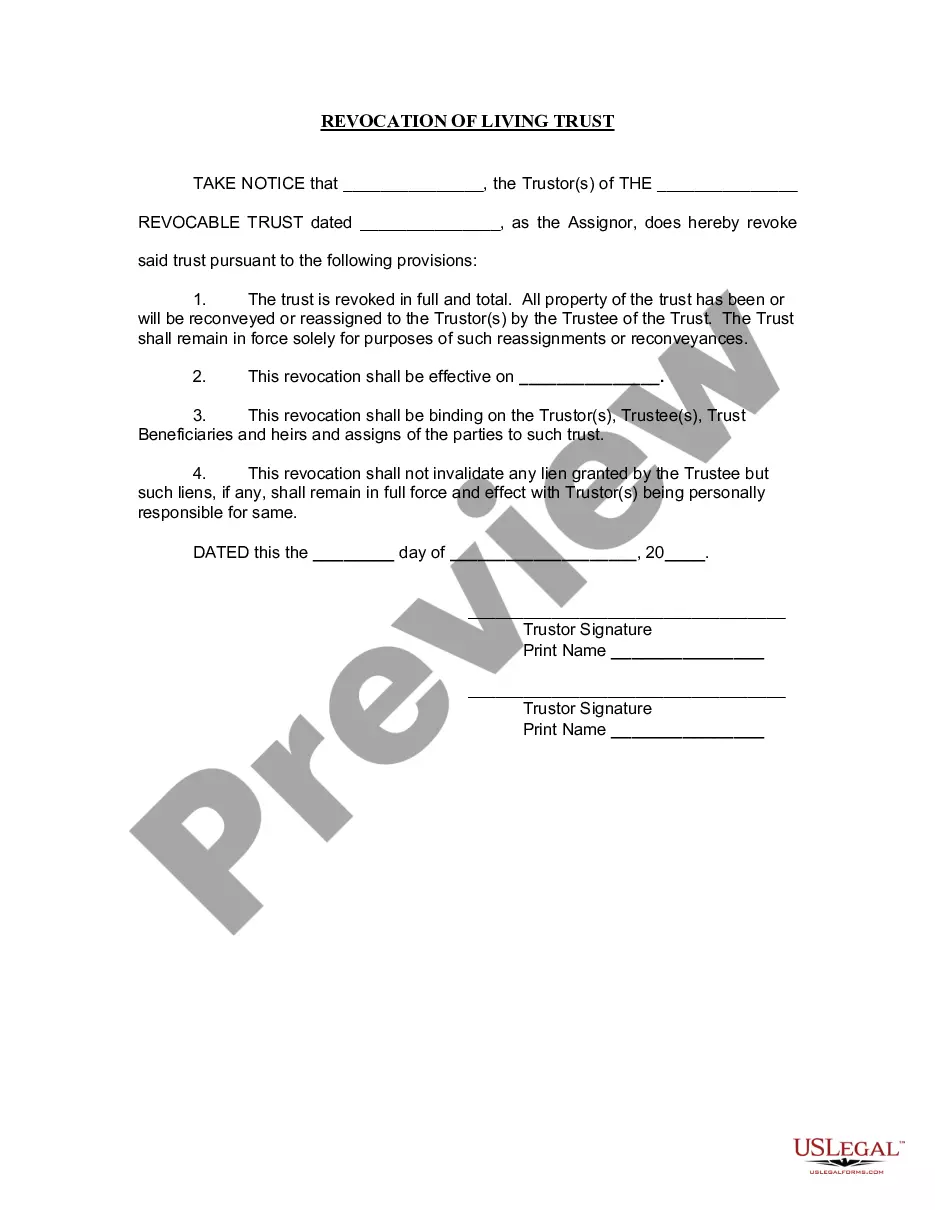
How to fill out North Dakota Revocation Of Living Trust?
- Log into your US Legal Forms account and confirm your subscription status. If expired, renew your subscription according to your chosen payment plan.
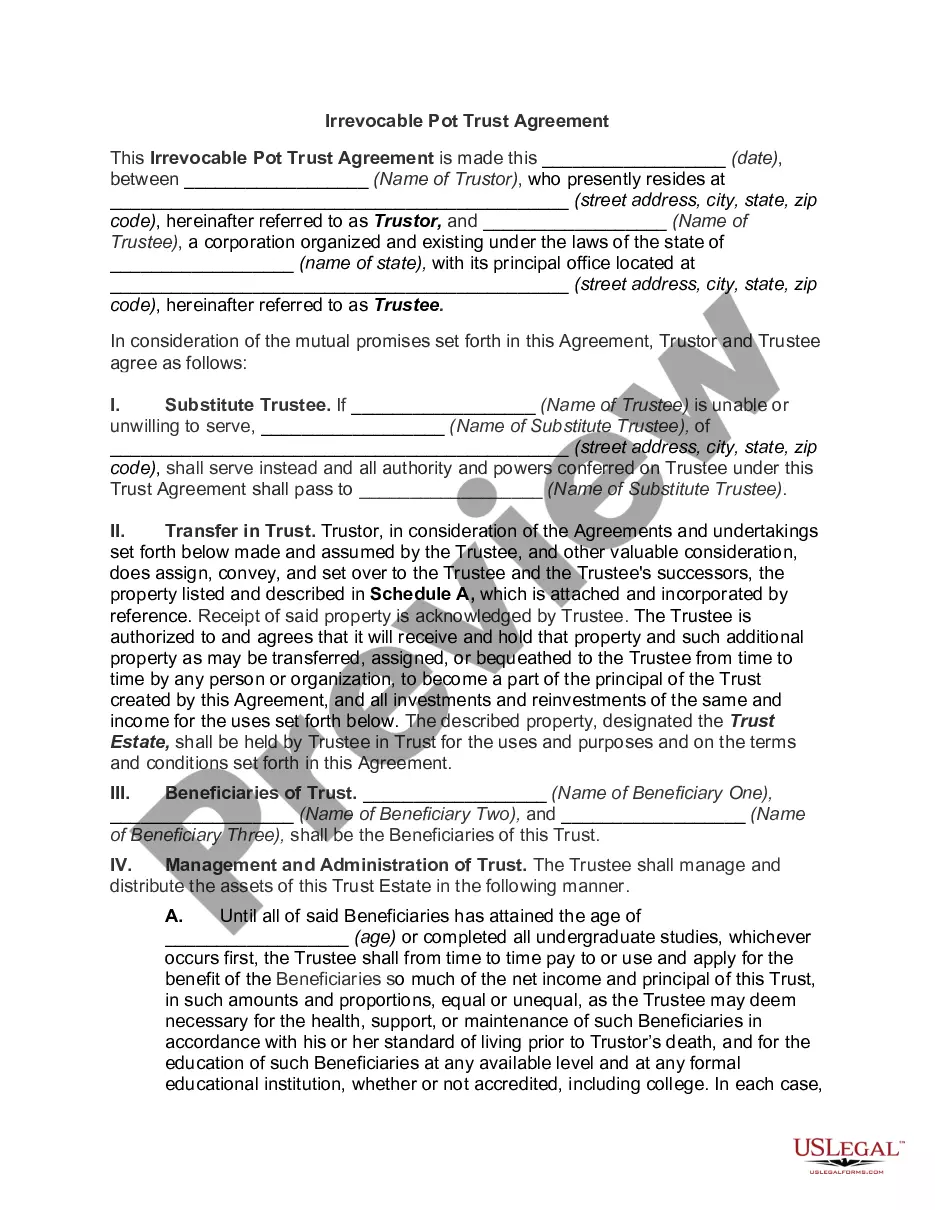
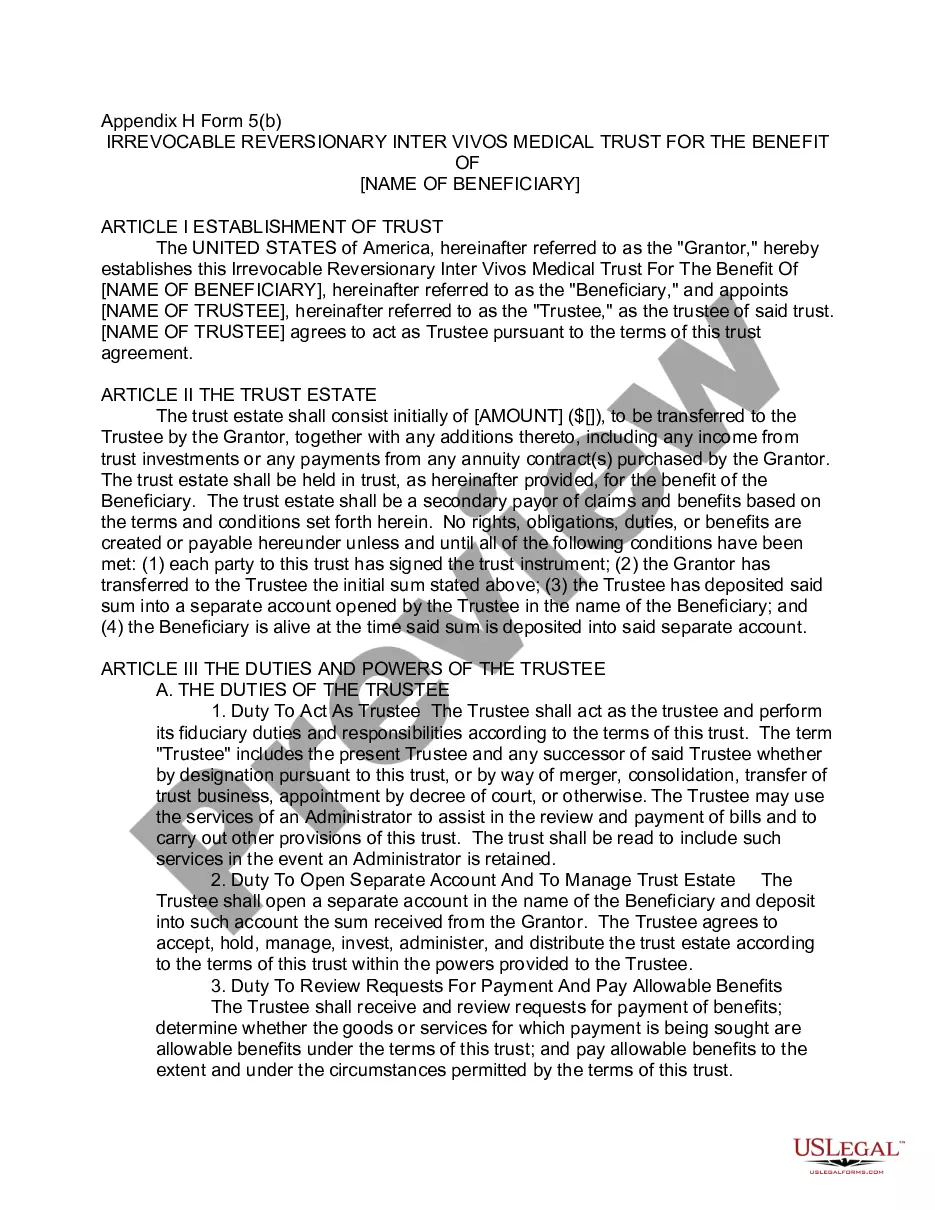
- Browse through the Preview mode to verify that the form description matches your requirements. Ensure it adheres to your local jurisdiction criteria.
- In case of any discrepancies, utilize the Search tab above to locate the correct form template.
- Click on the 'Buy Now' button and select your preferred subscription plan to access all available resources.
- Complete the payment process by entering your credit card information or utilizing your PayPal account.
- Download your selected document and save it to your device for immediate use. You can also access it anytime through the 'My Forms' section in your profile.
By following these steps, you'll have your North Dakota trust for sale document ready for completion in no time. The wide range of forms available ensures that you find exactly what you need.
Don't wait any longer; get started today with US Legal Forms to streamline your legal documentation process!
Form popularity
FAQ
Documenting income from a North Dakota trust for sale requires thorough record-keeping. You should maintain all bank statements, financial records, and records of transactions related to the trust. If applicable, use Schedule K-1 forms to document income distributed to beneficiaries. Utilizing a platform like USLegalForms can help you generate necessary documentation and forms to ensure proper compliance.
Yes, income generated from a North Dakota trust for sale needs to be reported to the IRS. The trust itself files Form 1041 if it earns income, regardless of whether that income is distributed to beneficiaries. Additionally, individual beneficiaries must report their share of the trust income on their personal tax returns. Compliance ensures you avoid any penalties and maintain proper tax records.
To report income from a North Dakota trust for sale, you will need to complete the appropriate tax forms. Typically, this involves Form 1041 for estate and trust income tax returns. You must also include any Schedule K-1 forms showing the income distributed to beneficiaries. It’s important to keep comprehensive records of all transactions for accurate reporting.
Yes, North Dakota accepts federal extensions for trusts. This allows trustees to file their tax returns later, as long as they meet federal deadlines. If you are in the process of selling a North Dakota trust for sale, knowing this can provide valuable flexibility in your financial arrangements.
To file income from a trust, you generally need to report the income on the trust's tax return. This often involves using IRS Form 1041 and, possibly, a Schedule K-1 to report distributions to beneficiaries. If your income pertains to a North Dakota trust for sale, being meticulous in your filing can help you adhere to both federal and state requirements.
The file extension ND typically relates to files associated with certain software applications or geographic information systems. However, in the context of taxation, it's also used to denote documents and forms specific to North Dakota. For those dealing with a North Dakota trust for sale, ensuring all document types are correctly filed is crucial.
Schedule K-1 Form 38 is used in North Dakota to report income, deductions, and credits from pass-through entities. This form is particularly important for trusts, partnerships, and S corporations. If you're handling a North Dakota trust for sale, understanding how to fill out this form can significantly affect your tax filings.
Most states, including North Dakota, conform to federal extensions in some form. This conformity helps simplify the tax filing process for individuals and entities, including trusts. If you are managing a North Dakota trust for sale, knowing the states that conform can be beneficial, especially if your trust has ties outside of North Dakota.
In North Dakota, a trust must be established with a clear intention and must have a designated trustee. The trust requires assets to be transferred into it and must comply with state laws governing trusts. If you're considering a North Dakota trust for sale, make sure to review these requirements to ensure your trust is valid.
Yes, IRS extensions can apply to trusts under certain conditions. Trusts can file for an extension just like individuals do. If you have a North Dakota trust for sale, understanding how these extensions work is essential for managing your trust's tax responsibilities effectively.