North Dakota Revocation of Living Trust
About this form
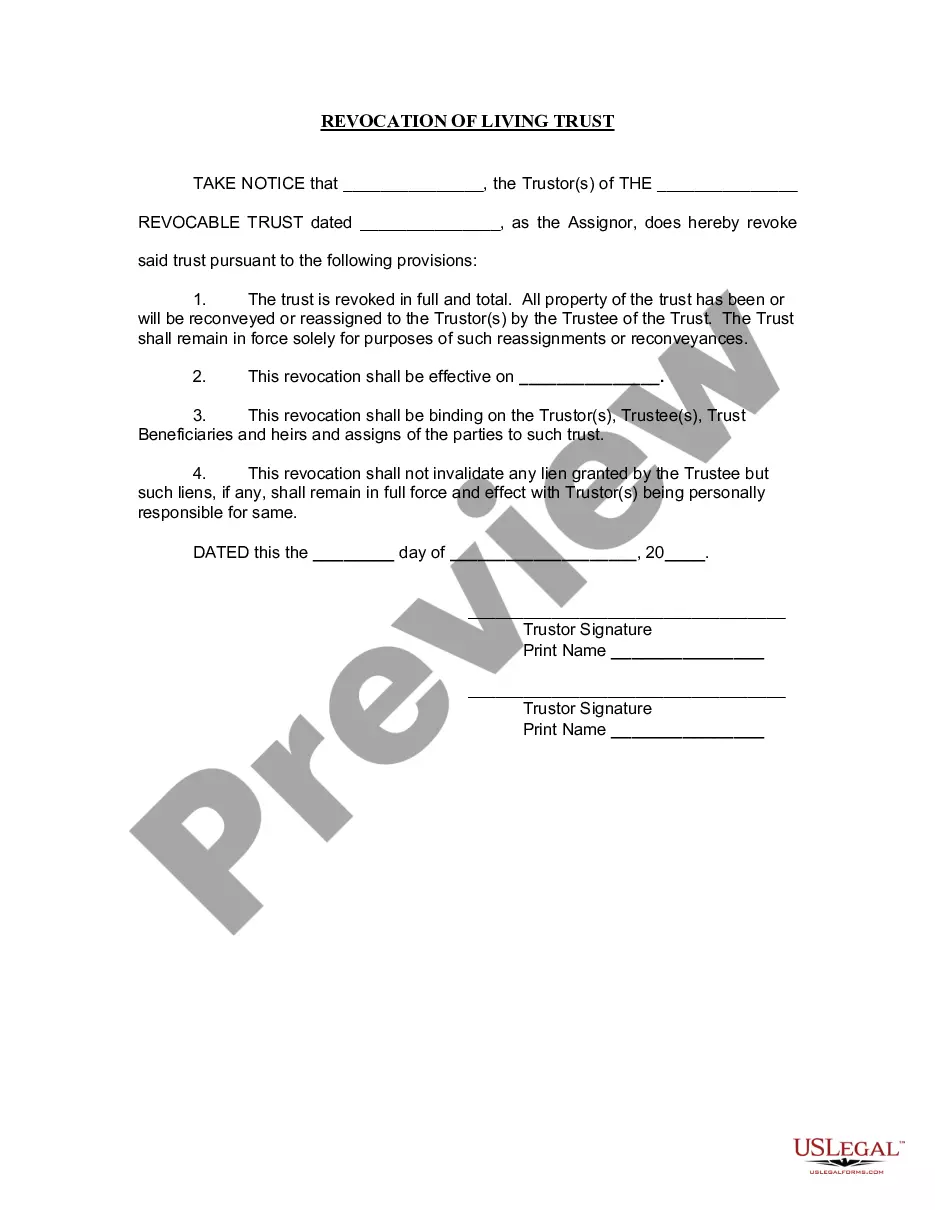
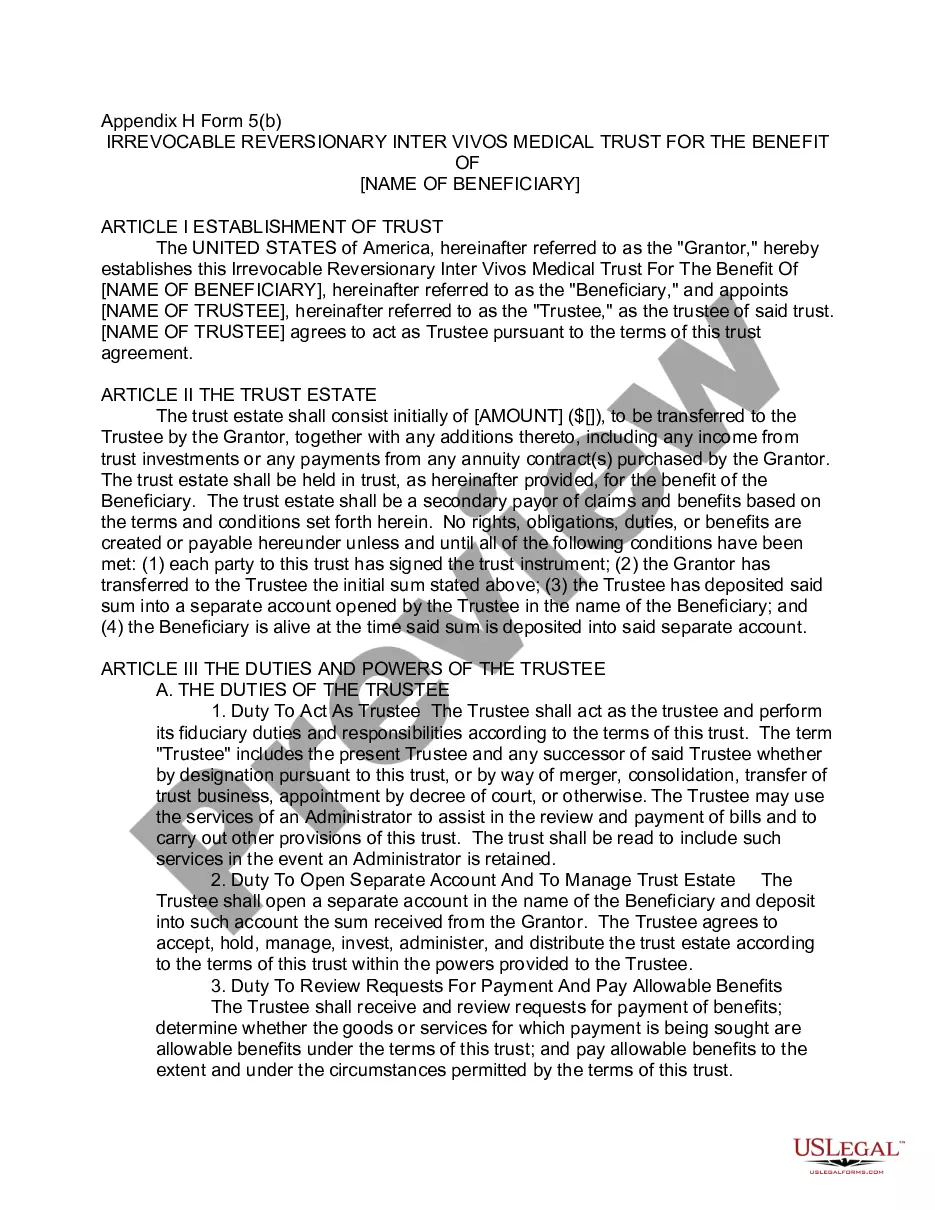
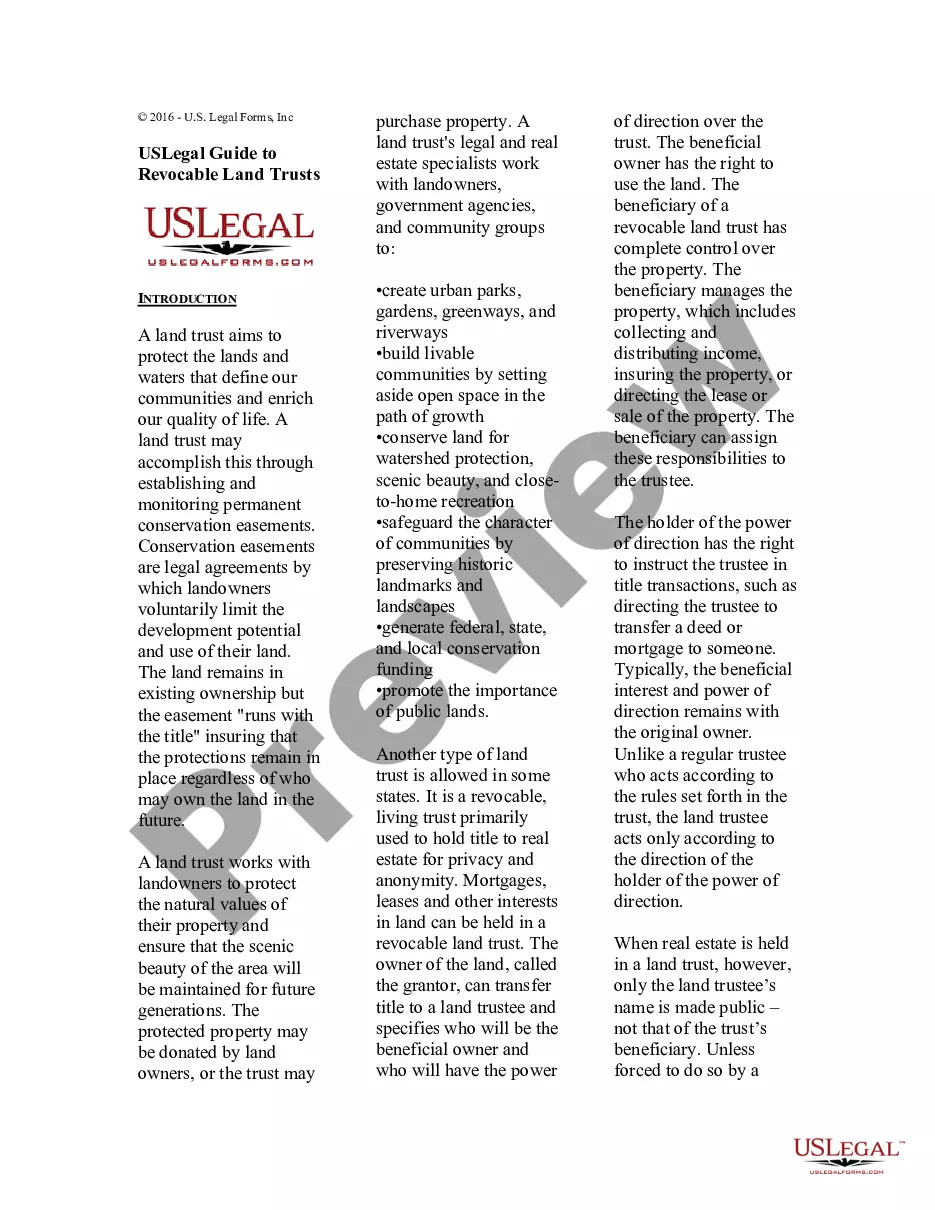
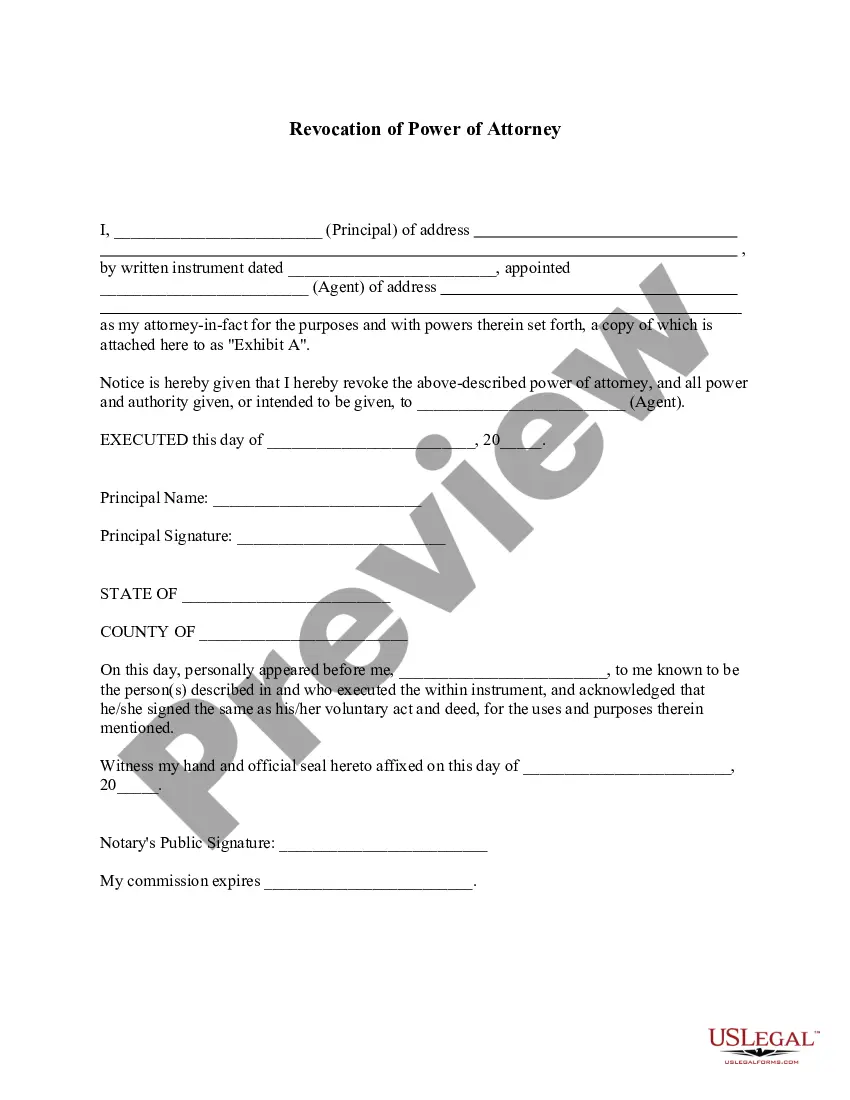
The Revocation of Living Trust form is a legal document used to officially revoke a living trust established during an individual's lifetime. This form declares the complete withdrawal of a specific living trust, facilitating the return of trust assets to the trustor(s). It is distinct from other trust-related forms because it specifically addresses the termination of a living trust arrangement. The revocation becomes effective on a specified date and must be executed in the presence of a notary public to ensure its validity.
Key components of this form
- Trustor(s) declaration of revocation.
- Identification of the specific living trust being revoked.
- Effective date of the revocation.
- Details regarding the reconveyance of trust property to trustor(s).
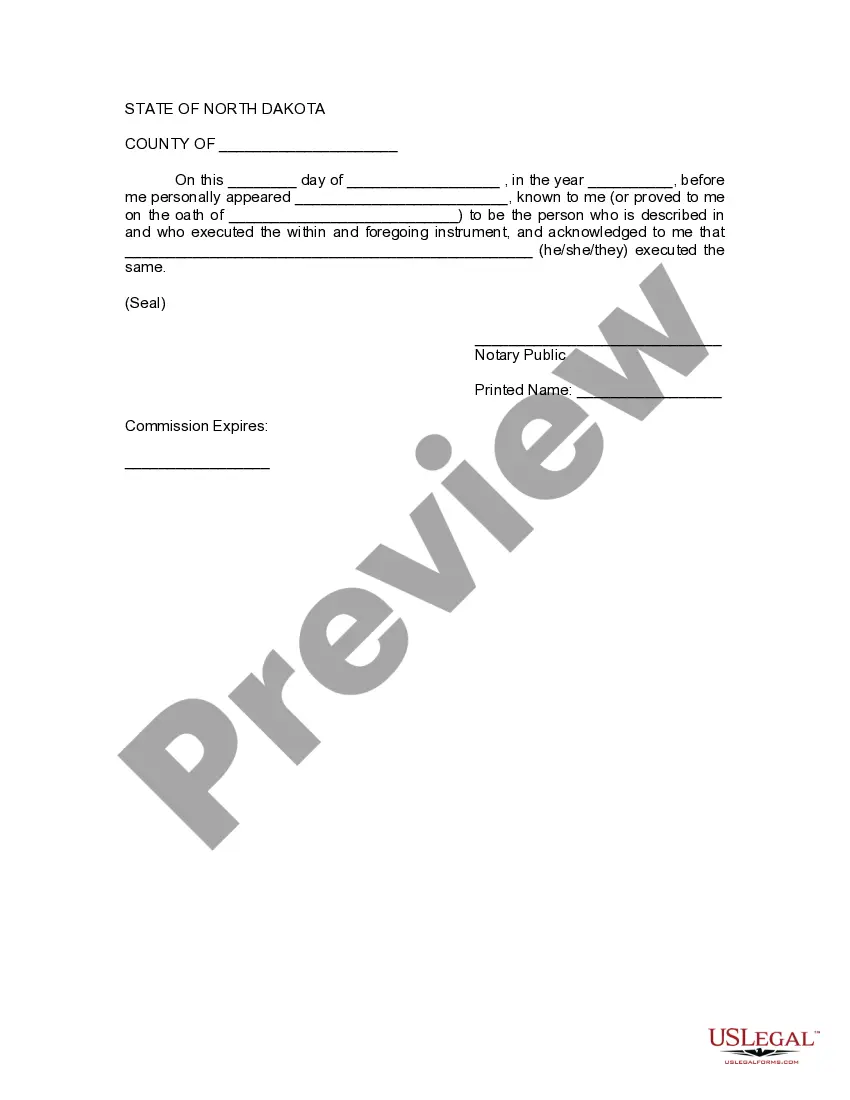
- Signatures of the trustor(s) and notary public acknowledgment.

Situations where this form applies
This form should be used when a trustor decides to terminate a living trust they created, whether due to changes in financial circumstances, relationships, or simply because they wish to manage their assets differently. It is essential to revoke the living trust formally to ensure that all assets are returned to the trustor(s) and the trust is no longer in effect.
Intended users of this form
- Individuals who have established a living trust and wish to revoke it.
- Trustors who want to reclaim their assets managed under a living trust.
- Persons considering a different estate planning strategy.
How to prepare this document
- Identify the trustor(s) by entering their names in the designated fields.
- Specify the name of the living trust you are revoking.
- Set the effective date of the revocation.
- Sign the document in the presence of a notary public.
- Ensure the notary public completes their acknowledgment section after witnessing the signatures.
Does this form need to be notarized?
Yes, this form must be notarized to be legally valid. US Legal Forms offers integrated online notarization services, allowing users to complete this step securely through video calls, ensuring convenience and compliance with legal requirements.
Get your form ready online
Our built-in tools help you complete, sign, share, and store your documents in one place.
Make edits, fill in missing information, and update formatting in US Legal Forms—just like you would in MS Word.
Download a copy, print it, send it by email, or mail it via USPS—whatever works best for your next step.
Sign and collect signatures with our SignNow integration. Send to multiple recipients, set reminders, and more. Go Premium to unlock E-Sign.
If this form requires notarization, complete it online through a secure video call—no need to meet a notary in person or wait for an appointment.
We protect your documents and personal data by following strict security and privacy standards.

Make edits, fill in missing information, and update formatting in US Legal Forms—just like you would in MS Word.

Download a copy, print it, send it by email, or mail it via USPS—whatever works best for your next step.

Sign and collect signatures with our SignNow integration. Send to multiple recipients, set reminders, and more. Go Premium to unlock E-Sign.

If this form requires notarization, complete it online through a secure video call—no need to meet a notary in person or wait for an appointment.

We protect your documents and personal data by following strict security and privacy standards.
Avoid these common issues
- Failing to date the revocation accurately.
- Not having the document notarized as required.
- Leaving out necessary signatures or misspelling names.
Benefits of using this form online
- Convenience: Download the form quickly from anywhere with internet access.
- Editability: Fill in your information easily and make adjustments as needed.
- Reliability: Access legally compliant documents reviewed by licensed attorneys.
Legal use & context
- This form serves as a formal declaration of intent to revoke a living trust, ensuring clarity and legality.
- It protects the interests of the trustor by creating a record of the revocation.
- Compliance with state laws is critical to enforceability; thus, always check local requirements.
Key takeaways
- The Revocation of Living Trust is essential for formally ending a living trust agreement.
- Proper completion and notarization are crucial for legal validity.
- This form helps facilitate the transfer back of trust assets to the trustor(s).
Looking for another form?
Form popularity
FAQ
A revocable trust, or living trust, is a legal entity to transfer assets to heirs without the expense and time of probate.A living trust also can be revoked or dissolved if there is a divorce or other major change that can't be accommodated by amending the trust.
In some states, your trustee must submit a formal accounting of the trust's operation to all beneficiaries.Trustees can sometimes waive this requirement if all beneficiaries agree in writing. In either case, after the report is made, the trust's assets can be distributed and the trust can be dissolved.
When a trust dissolves, all income and assets moving to its beneficiaries, it becomes an empty vessel. That's why no income tax return is required it no longer has any income. That income is charged to the beneficiaries instead, and they must report it on their own personal tax returns.
EXAMPLE: Yvonne and Andre make a living trust together. Step 1: Transfer ownership of trust property from yourself as trustee back to yourself. Step 2: A revocation prints out with your trust document. Step 3: Complete the Revocation of Trust by filling in the date, and then sign it in front of a notary public.
The terms of an irrevocable trust may give the trustee and beneficiaries the authority to break the trust. If the trust's agreement does not include provisions for revoking it, a court may order an end to the trust. Or the trustee and beneficiaries may choose to remove all assets, effectively ending the trust.
Dissolving irrevocable trusts if you're a beneficiary or trustee. State trust law may also permit a trust beneficiary or trustee to petition the court if they want to dissolve (or amend) the trust. The court may grant approval based on reasons cited above.
This can take as long as 18 months or so if real estate or other assets must be sold, but it can go on much longer. How long it takes to settle a revocable living trust can depend on numerous factors.
A revocation of a will generally means that the beneficiaries will no longer receive the specified property or financial assets. A beneficiary may have been depending on the trust property for various reasons. If the revocation occurs at a certain time, it can cause legal conflicts in many cases.
Whether your trust closes immediately after your death or lives on for a while to serve your intentions, it must eventually close. This typically involves payment of any outstanding debts or taxes before the trustee distributes the trust's assets and income to your named beneficiaries.