Revocation Living Trust For Foreigners
Description

Get your form ready online
Our built-in tools help you complete, sign, share, and store your documents in one place.
Make edits, fill in missing information, and update formatting in US Legal Forms—just like you would in MS Word.
Download a copy, print it, send it by email, or mail it via USPS—whatever works best for your next step.
Sign and collect signatures with our SignNow integration. Send to multiple recipients, set reminders, and more. Go Premium to unlock E-Sign.
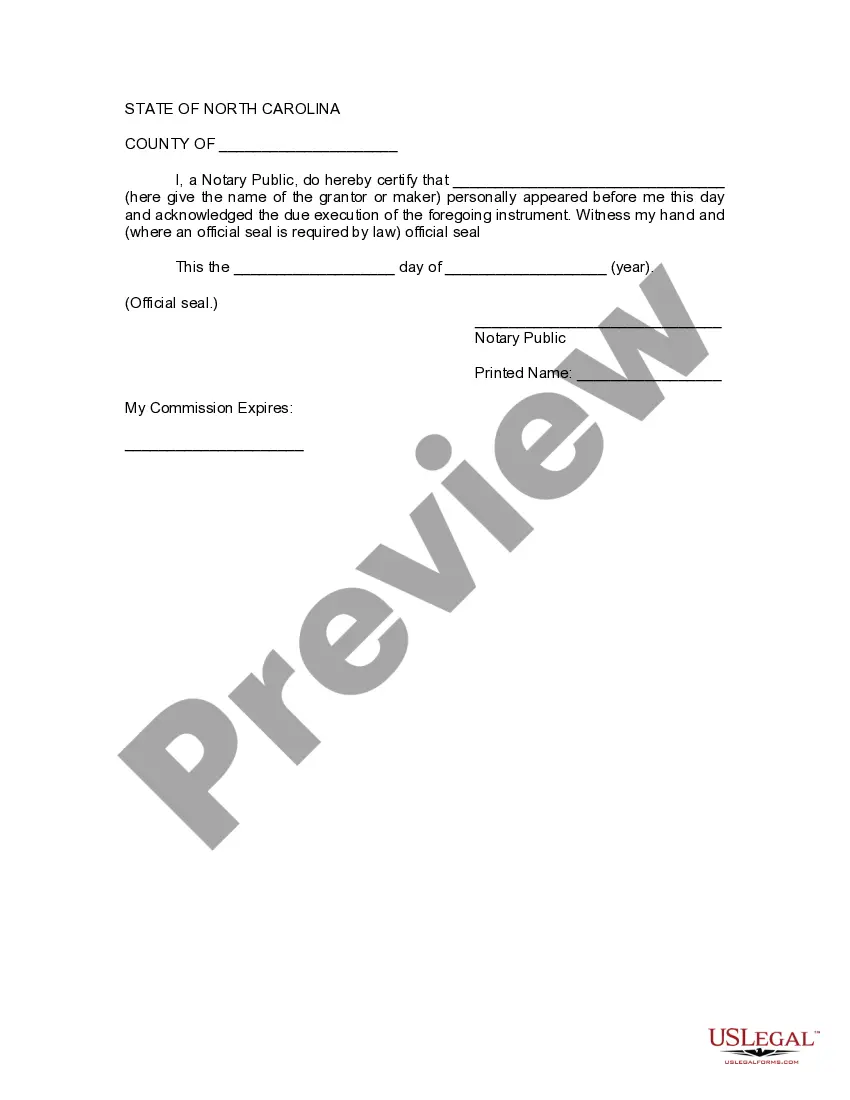
If this form requires notarization, complete it online through a secure video call—no need to meet a notary in person or wait for an appointment.
We protect your documents and personal data by following strict security and privacy standards.

Make edits, fill in missing information, and update formatting in US Legal Forms—just like you would in MS Word.

Download a copy, print it, send it by email, or mail it via USPS—whatever works best for your next step.

Sign and collect signatures with our SignNow integration. Send to multiple recipients, set reminders, and more. Go Premium to unlock E-Sign.

If this form requires notarization, complete it online through a secure video call—no need to meet a notary in person or wait for an appointment.

We protect your documents and personal data by following strict security and privacy standards.
Looking for another form?







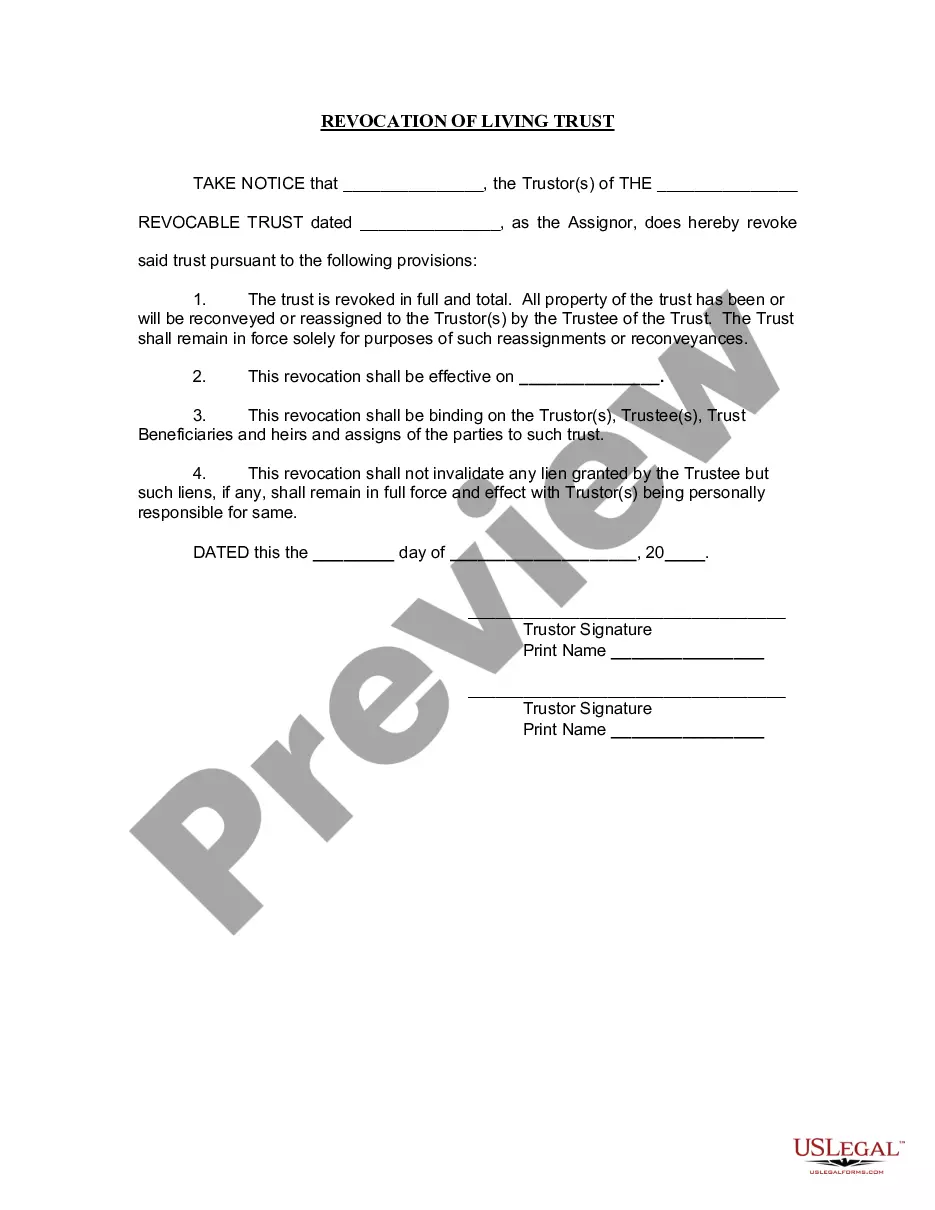
How to fill out North Carolina Revocation Of Living Trust?
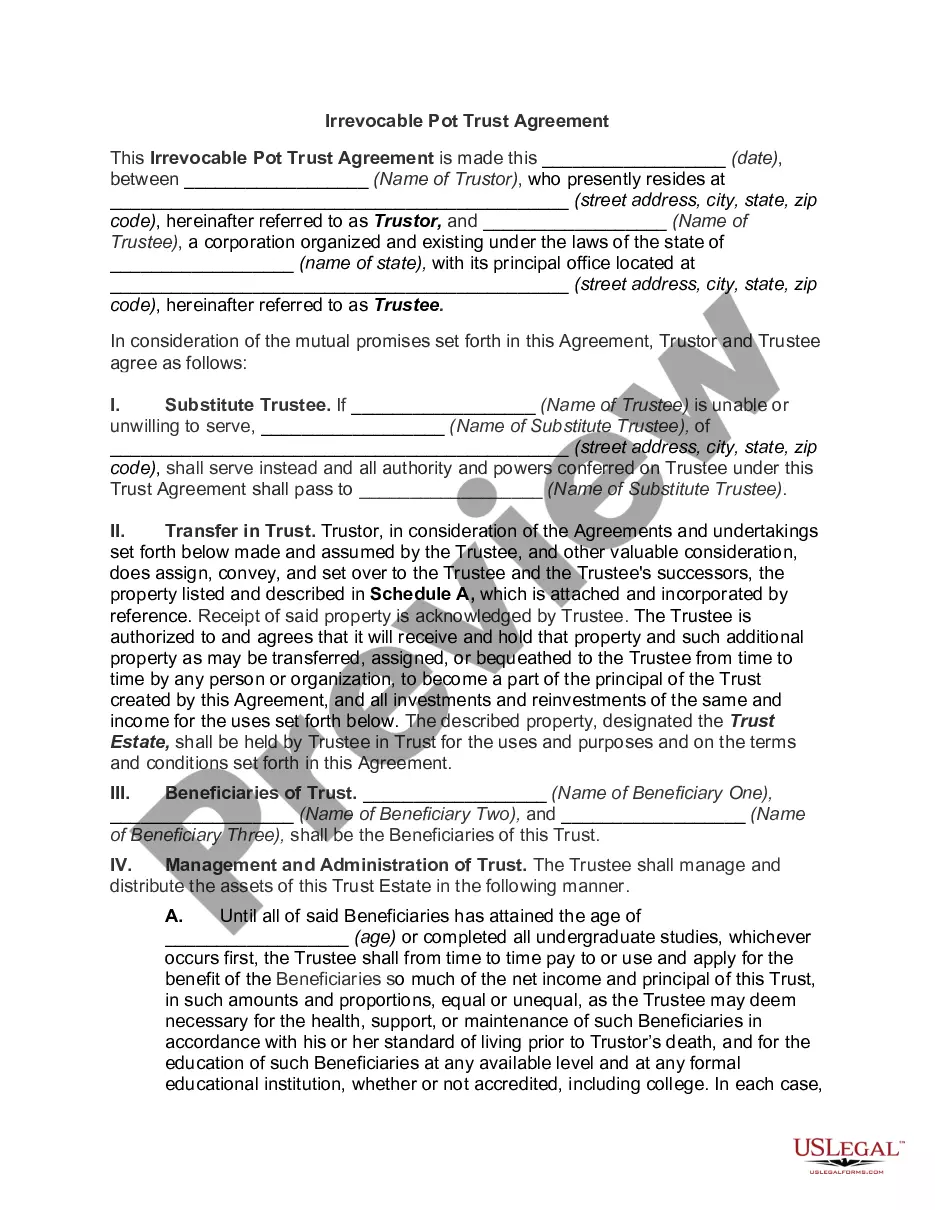
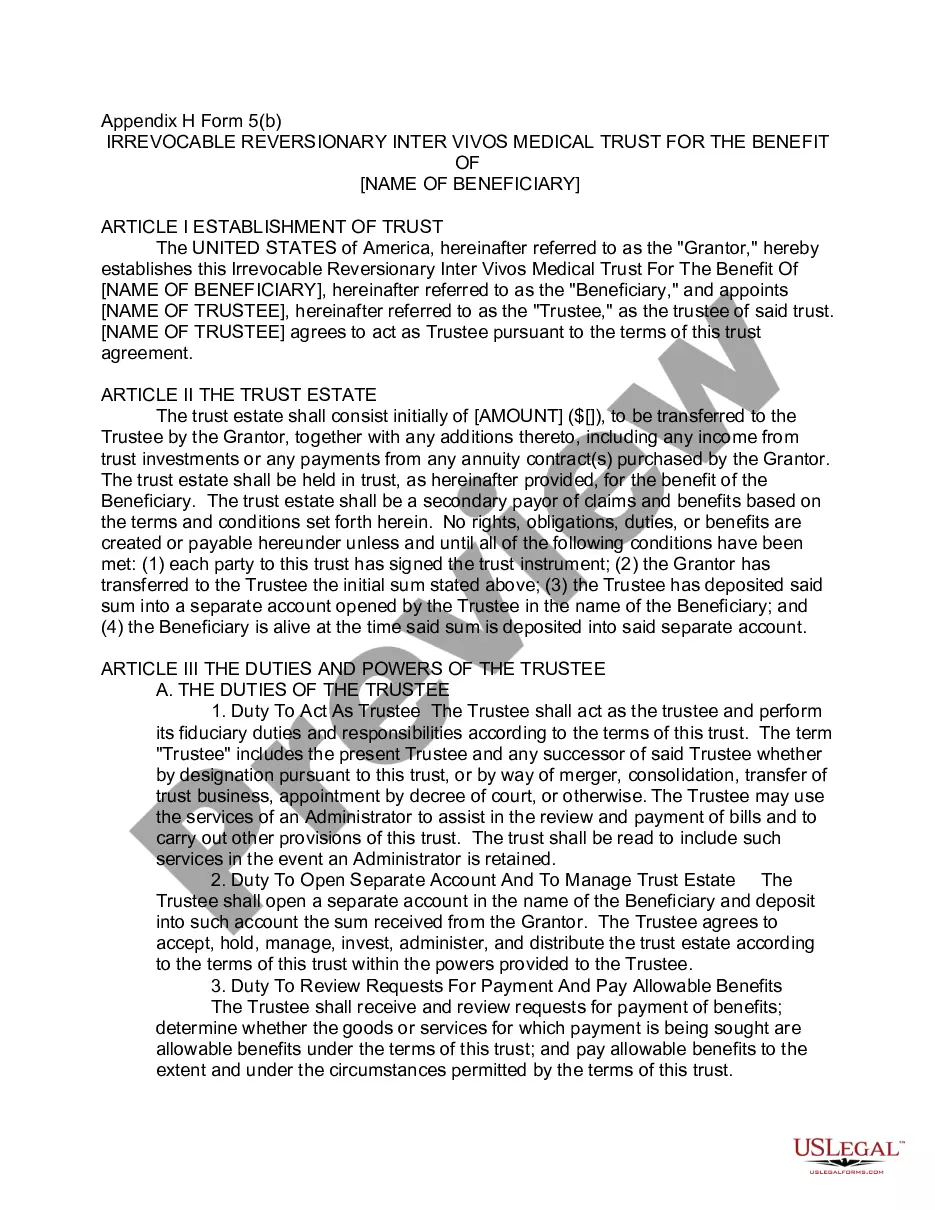
- Start by checking the preview mode and form description to ensure you select the correct revocation living trust form.
- If you need to look for additional templates, utilize the search feature to find documents that best meet your requirements.
- Select your preferred subscription plan by clicking the Buy Now button and create an account to access the extensive library.
- Complete your purchase using your credit card or PayPal to finalize the transaction and activate your subscription.
- Once you have access, download the revocation living trust form directly to your device and keep it stored for easy reference in your account's My Documents section.
In conclusion, using US Legal Forms simplifies the process of obtaining and managing legal documents. Whether you're a returning user or new to their services, the streamlined approach ensures you have access to the right tools every step of the way.
Start your journey today by visiting US Legal Forms and empower yourself to handle your legal needs efficiently!
Form popularity
FAQ
Invalidating a living trust typically requires demonstrating that it was not created according to state laws, such as lacking necessary elements like capacity or intent. You may need to engage in a legal process, presenting evidence to support your case. If you're uncertain about this process as a foreigner, resources that focus on revocation living trust for foreigners can help you navigate these challenges.
To void a living trust, the creator must either revoke it formally or prove that it was created under duress or fraud. This process might involve legal documentation and possibly court proceedings to ensure that the trust is rendered void. Should you need assistance in voiding a living trust as a foreigner, it's advisable to seek guidance on revocation living trust for foreigners.
Yes, a non US citizen can serve as a trustee of a US trust, but there are certain conditions to consider. It is essential to understand the legal implications and duties of a trustee in the US. If you're navigating the complexities of estate planning as a foreigner, utilizing resources related to revocation living trust for foreigners can provide clarity.
A living trust can become invalid if it does not meet legal requirements, such as lacking proper signatures or failing to transfer assets into the trust. Additionally, if the creator was not mentally competent at the time of creation, it may be challenged. To ensure your living trust remains valid, especially for foreigners, consider consulting professionals who specialize in revocation living trust for foreigners.
One downside of placing assets in a trust is the possible loss of control over those assets. Once transferred, it can become complicated to reclaim them if needed, especially in a revocation living trust for foreigners situation. To avoid misunderstandings, it’s crucial to have open discussions and proper legal guidance before making a decision.
A family trust may create family disputes, particularly if beneficiaries have different opinions on estate management. Moreover, with a revocation living trust for foreigners, understanding tax implications can be challenging. It is essential to have clear communication among family members and consult professionals to mitigate these issues.
One potential downfall of having a trust includes the initial costs and ongoing management requirements. Setting up a revocation living trust for foreigners can involve legal fees and taxes that might not be familiar to those from other countries. Additionally, if not managed properly, a trust can complicate the distribution process rather than simplify it.
To revoke a revocable living trust, you need to create a formal revocation document. This document should explicitly state your intent to revoke the trust and can be drafted using user-friendly platforms like USLegalForms. By following the appropriate steps, especially with a revocation living trust for foreigners, you can ensure the process is legally sound and recognized.
Putting assets in a trust can be beneficial for your parents in managing and protecting their assets. It may simplify the distribution of assets upon their passing and help avoid probate. When considering a revocation living trust for foreigners, it's important to assess their specific needs and consult with legal experts to ensure the trust complies with applicable laws.
A trust revocation declaration is a formal document stating that a trust is revoked. For instance, it could say, 'I, Your Name, hereby revoke the revocable living trust established on date.' When dealing with a revocation living trust for foreigners, it’s crucial to ensure that the declaration meets the legal requirements of the individuals’ country of residence and U.S. laws.