Time Sheet For Employees Meaning
Description
Get your form ready online
Our built-in tools help you complete, sign, share, and store your documents in one place.
Make edits, fill in missing information, and update formatting in US Legal Forms—just like you would in MS Word.
Download a copy, print it, send it by email, or mail it via USPS—whatever works best for your next step.
Sign and collect signatures with our SignNow integration. Send to multiple recipients, set reminders, and more. Go Premium to unlock E-Sign.
If this form requires notarization, complete it online through a secure video call—no need to meet a notary in person or wait for an appointment.
We protect your documents and personal data by following strict security and privacy standards.

Make edits, fill in missing information, and update formatting in US Legal Forms—just like you would in MS Word.

Download a copy, print it, send it by email, or mail it via USPS—whatever works best for your next step.

Sign and collect signatures with our SignNow integration. Send to multiple recipients, set reminders, and more. Go Premium to unlock E-Sign.

If this form requires notarization, complete it online through a secure video call—no need to meet a notary in person or wait for an appointment.

We protect your documents and personal data by following strict security and privacy standards.
Looking for another form?





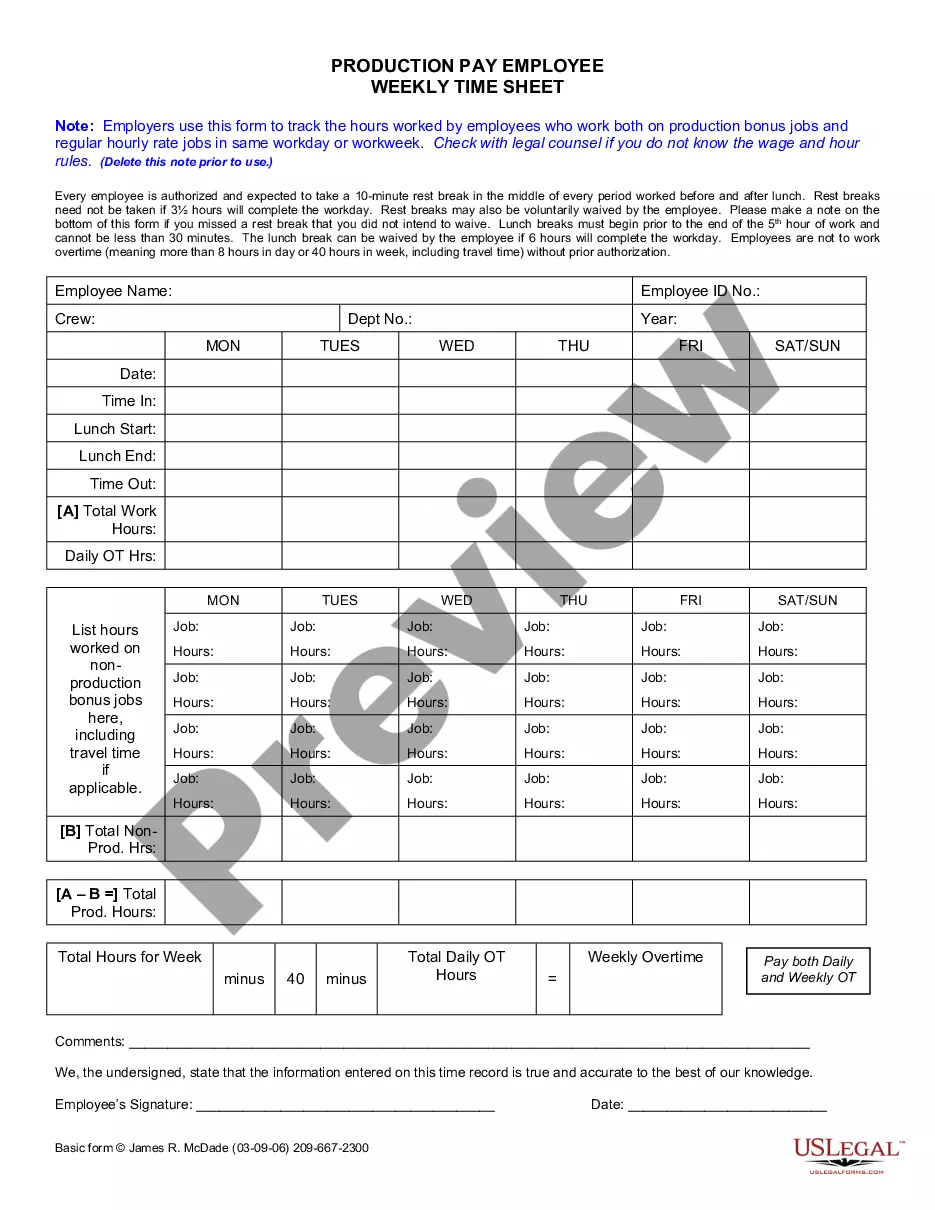
How to fill out California Weekly Time Sheet For Production Pay Employee?
- Log in to your account if you are a returning user and check the validity of your subscription. If needed, renew according to your plan before downloading any forms.
- For new users, start by browsing the extensive library of over 85,000 legal forms. Preview forms related to time sheets to identify the one that suits your needs and complies with local laws.
- If you don’t find the perfect match, utilize the search function to explore additional templates until you locate the ideal form.
- Once you find the appropriate time sheet, click on the 'Buy Now' button and select a subscription plan that aligns with your requirements. A user account is necessary to access the library's resources.
- Complete your purchase by entering your payment details or opting for PayPal, ensuring your subscription is activated.
- Finally, download your selected time sheet template and store it securely on your device. You can always find it later under the 'My Forms' section of your profile for easy access.
Utilizing US Legal Forms not only simplifies accessing legal documents but also connects you with premium experts who ensure that your forms are completed correctly and legally sound.
Take the first step towards efficient time tracking and legal compliance by visiting US Legal Forms today!
Form popularity
FAQ
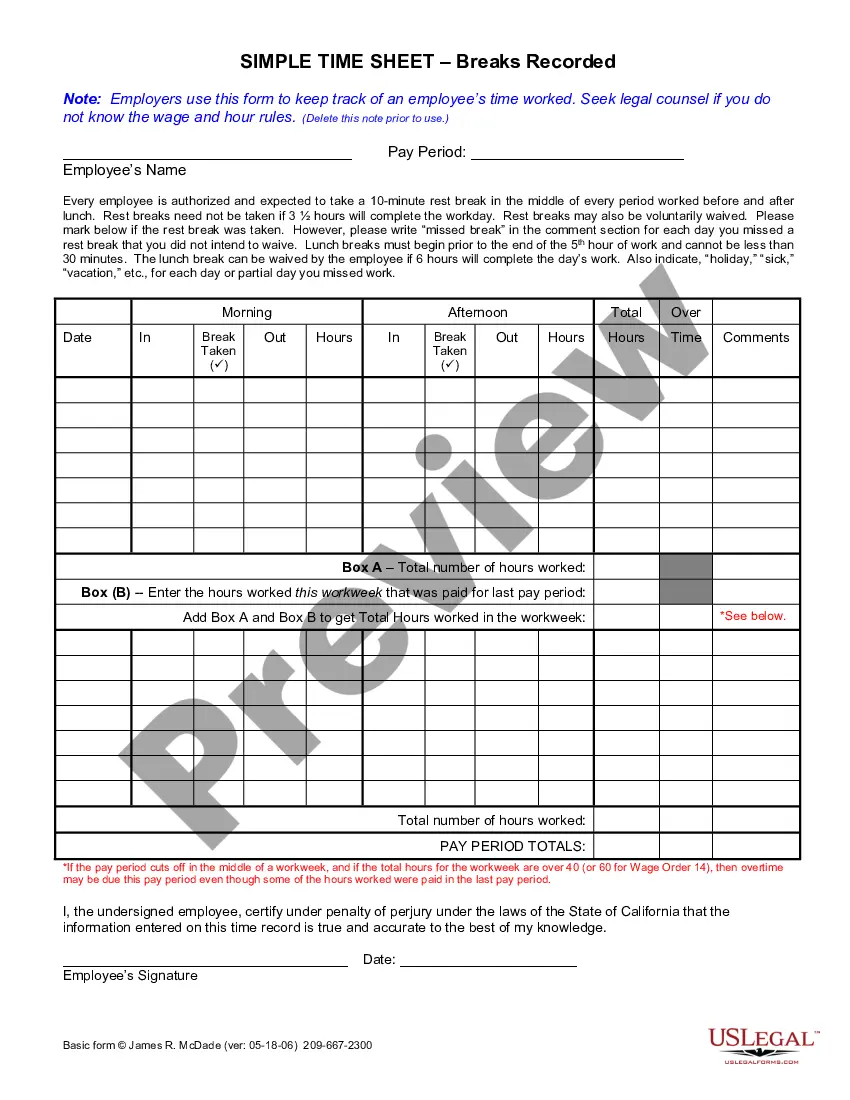
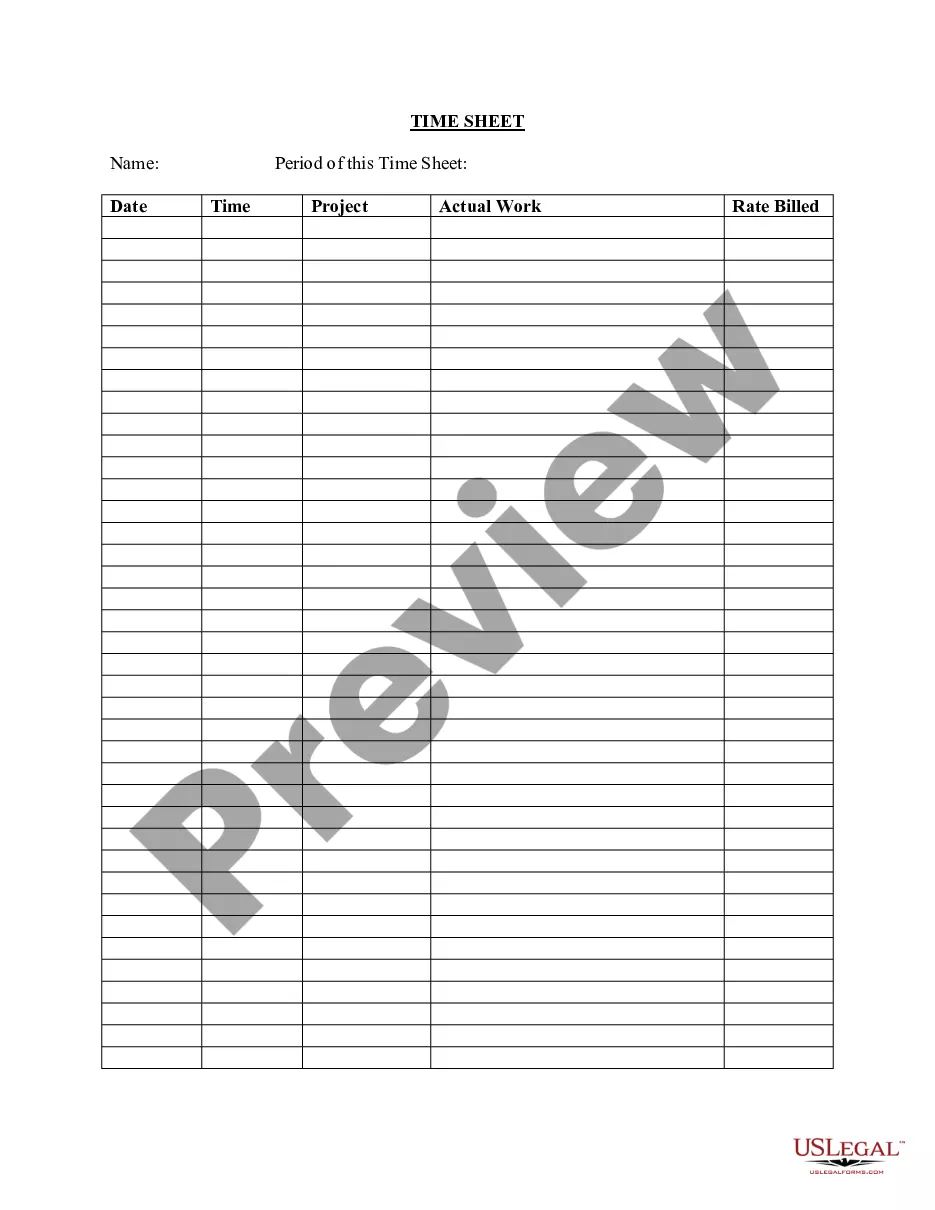
The primary purpose of a time sheet is to document the hours worked by employees for payroll and project management. Time sheets provide insights into how time is spent on tasks or projects, allowing businesses to analyze productivity. A well-maintained time sheet for employees meaning enhances transparency in labor billing and helps identify areas for efficiency improvement. It also aids in managing resources effectively over time.
The time sheet for employees refers to a document used to track the hours worked by an employee during a specific period. It serves as a record for payroll processing, ensuring that employees receive proper compensation. Furthermore, this tool aids in monitoring productivity and managing project timelines. By using time sheets, organizations can streamline their operations, enhancing clarity about the time sheet for employees meaning.
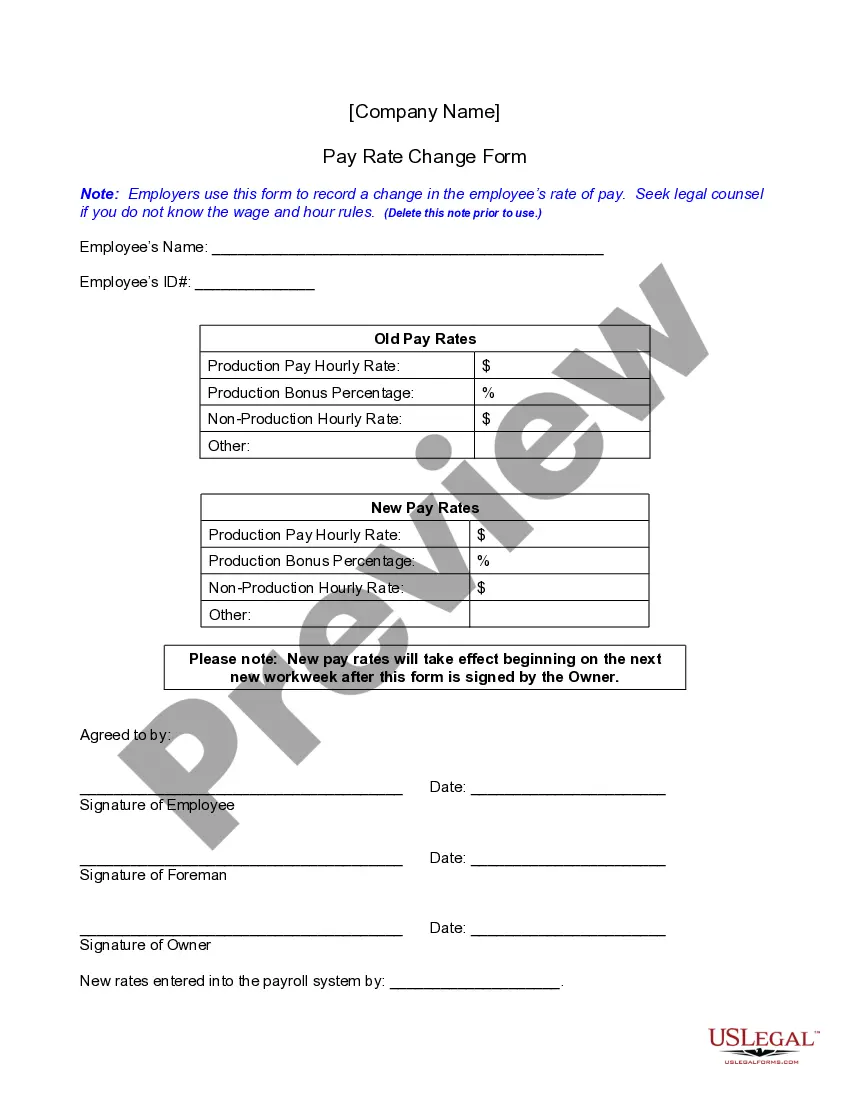
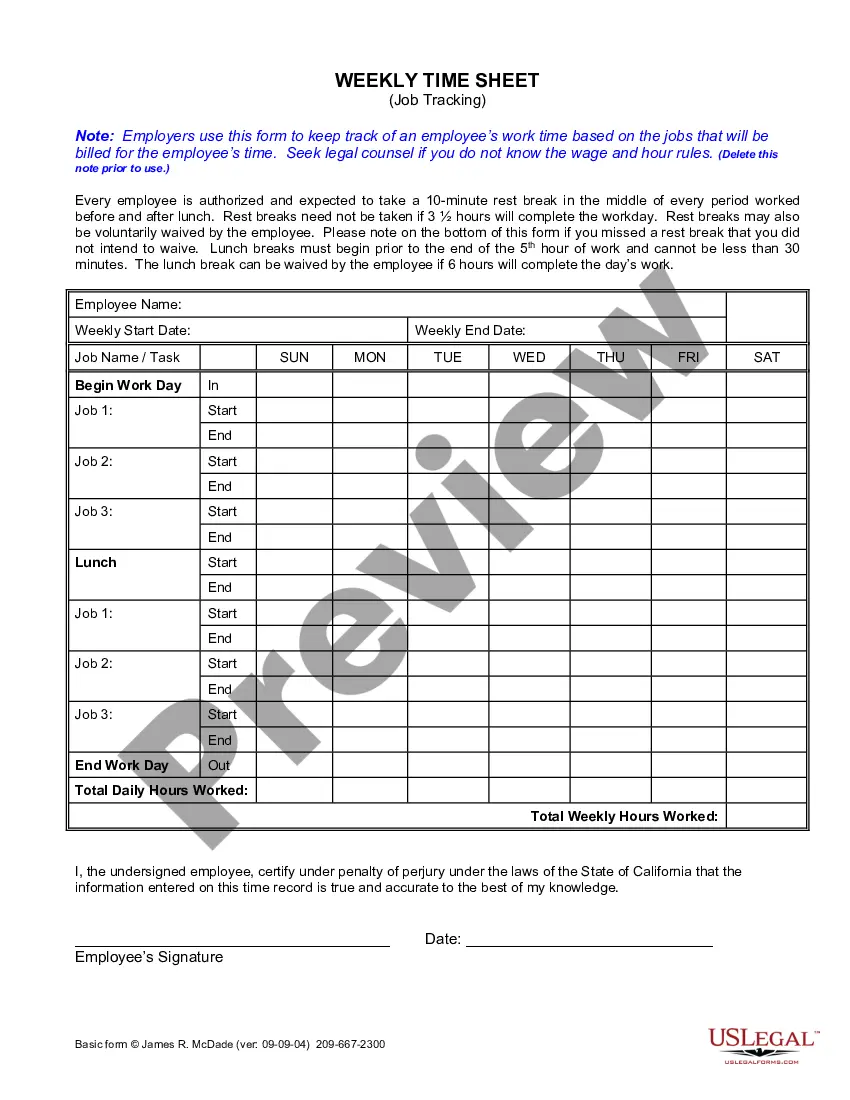
To fill out a time log, identify the tasks you performed during your work period, writing them down in chronological order. Record the start and end times for each task, ensuring that you capture all breaks accurately. At the end of the logging period, review your entries for accuracy. A time log reinforces the understanding of time sheet for employees meaning, offering insight into how time is spent at work.
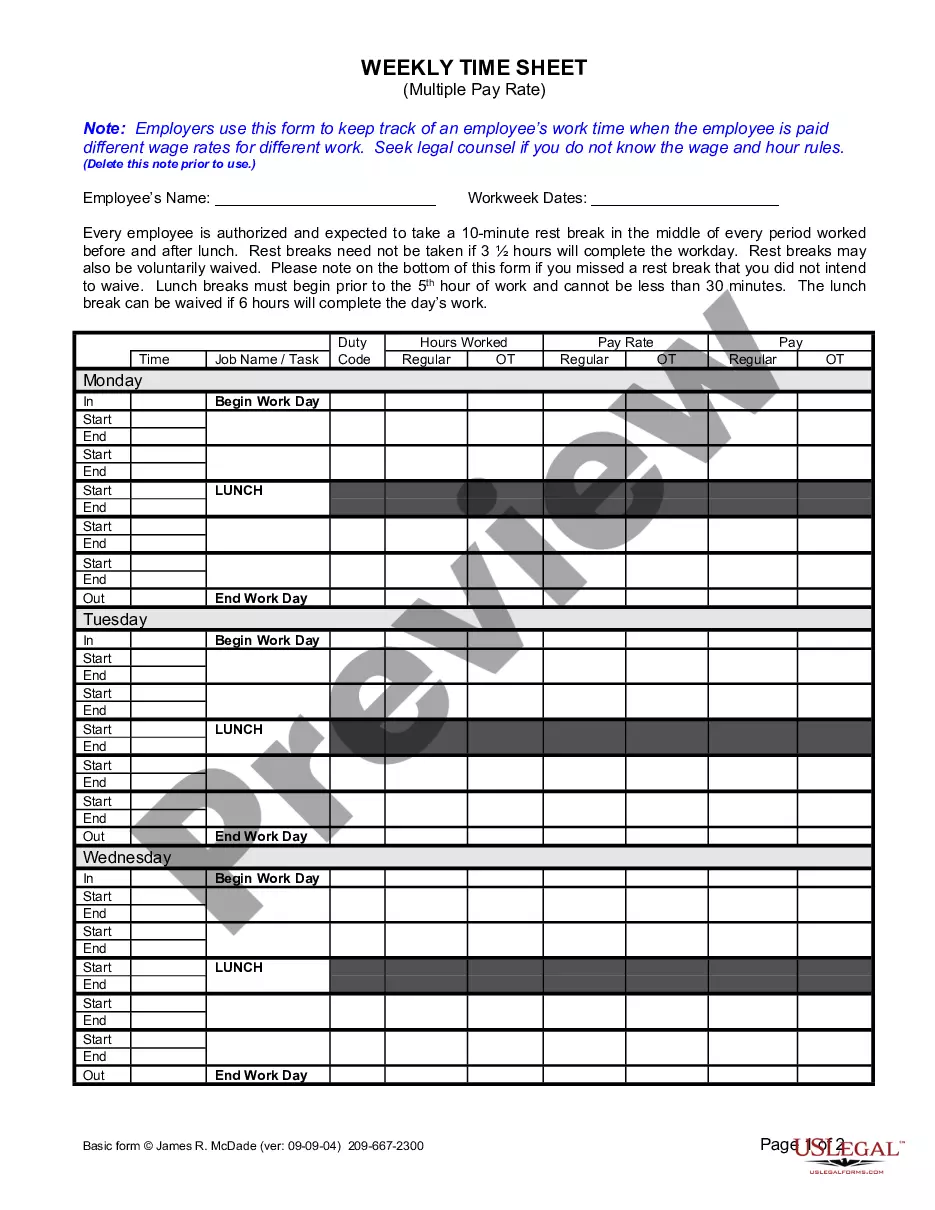
To create a time management sheet, first outline the tasks you need to complete along with their deadlines. Next, organize these tasks into a grid format, allowing space for start and end times, as well as durations. Consider using digital tools or templates for added functionality. A time management sheet aligns well with the time sheet for employees meaning, providing a structured approach to managing work hours.
The 7 8 9 rule for time management refers to allocating time for seven hours of work, eight hours of rest, and nine hours of personal activities. This balanced approach helps maintain productivity while ensuring personal well-being. By applying this rule, you can effectively manage your time and improve your workflow. Grasping the time sheet for employees meaning assists in implementing effective time management strategies.
To fill out a time sheet, start by entering your name and employee identification number at the top. Next, record the date and time for each work period, ensuring accuracy for hours worked. Finally, total the hours at the end of the sheet, and submit it according to your company's guidelines. Understanding the time sheet for employees meaning helps ensure compliance and clarity in tracking work hours.
Tracking employee hours is primarily the employer's responsibility, ensuring that all recorded hours align with labor laws. However, employees must accurately report their time, taking an active role in the process. Knowing the time sheet for employees meaning empowers both parties to maintain accurate records, which can lead to smoother payroll processing and compliance efforts.
Encouraging timely submission of timesheets starts with clear communication and deadlines. Implementing reminders, using automated systems, and incentivizing punctuality can greatly enhance compliance. By emphasizing the importance of the time sheet for employees meaning, you can foster a culture of accountability and responsibility.
The responsibility for timesheets often lies with the business owner or HR department to ensure compliance and accuracy. While employees record their hours, management must validate these records to maintain legal compliance. Adopting effective practices around the time sheet for employees meaning promotes an organized approach to tracking hours worked.
Ultimately, both employees and management share responsibility for the timesheet. Employees must accurately record their hours, while managers oversee the collection and review process. Understanding the time sheet for employees meaning helps establish clear expectations and mitigates misunderstandings in record-keeping.