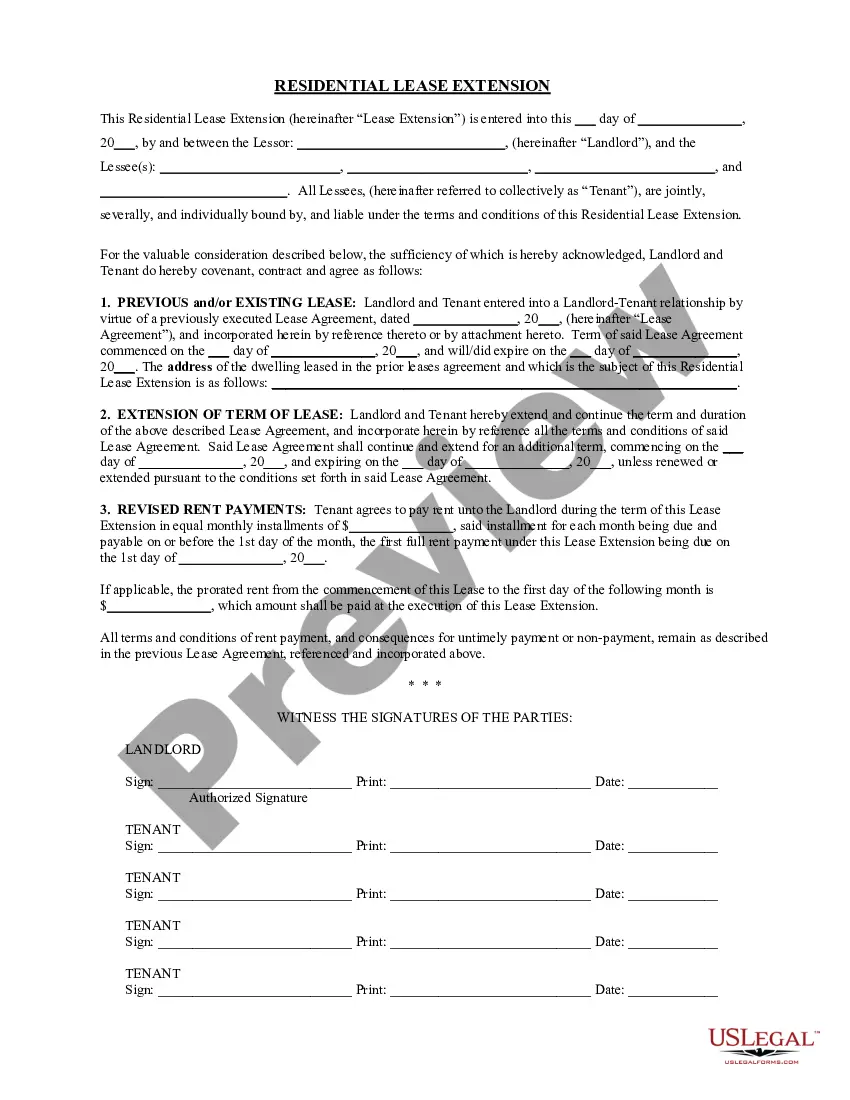
Lease Extension Form California For Elderly
Description
Get your form ready online
Our built-in tools help you complete, sign, share, and store your documents in one place.
Make edits, fill in missing information, and update formatting in US Legal Forms—just like you would in MS Word.
Download a copy, print it, send it by email, or mail it via USPS—whatever works best for your next step.
Sign and collect signatures with our SignNow integration. Send to multiple recipients, set reminders, and more. Go Premium to unlock E-Sign.
If this form requires notarization, complete it online through a secure video call—no need to meet a notary in person or wait for an appointment.
We protect your documents and personal data by following strict security and privacy standards.

Make edits, fill in missing information, and update formatting in US Legal Forms—just like you would in MS Word.

Download a copy, print it, send it by email, or mail it via USPS—whatever works best for your next step.

Sign and collect signatures with our SignNow integration. Send to multiple recipients, set reminders, and more. Go Premium to unlock E-Sign.

If this form requires notarization, complete it online through a secure video call—no need to meet a notary in person or wait for an appointment.

We protect your documents and personal data by following strict security and privacy standards.
Looking for another form?


How to fill out California Residential Or Rental Lease Extension Agreement?
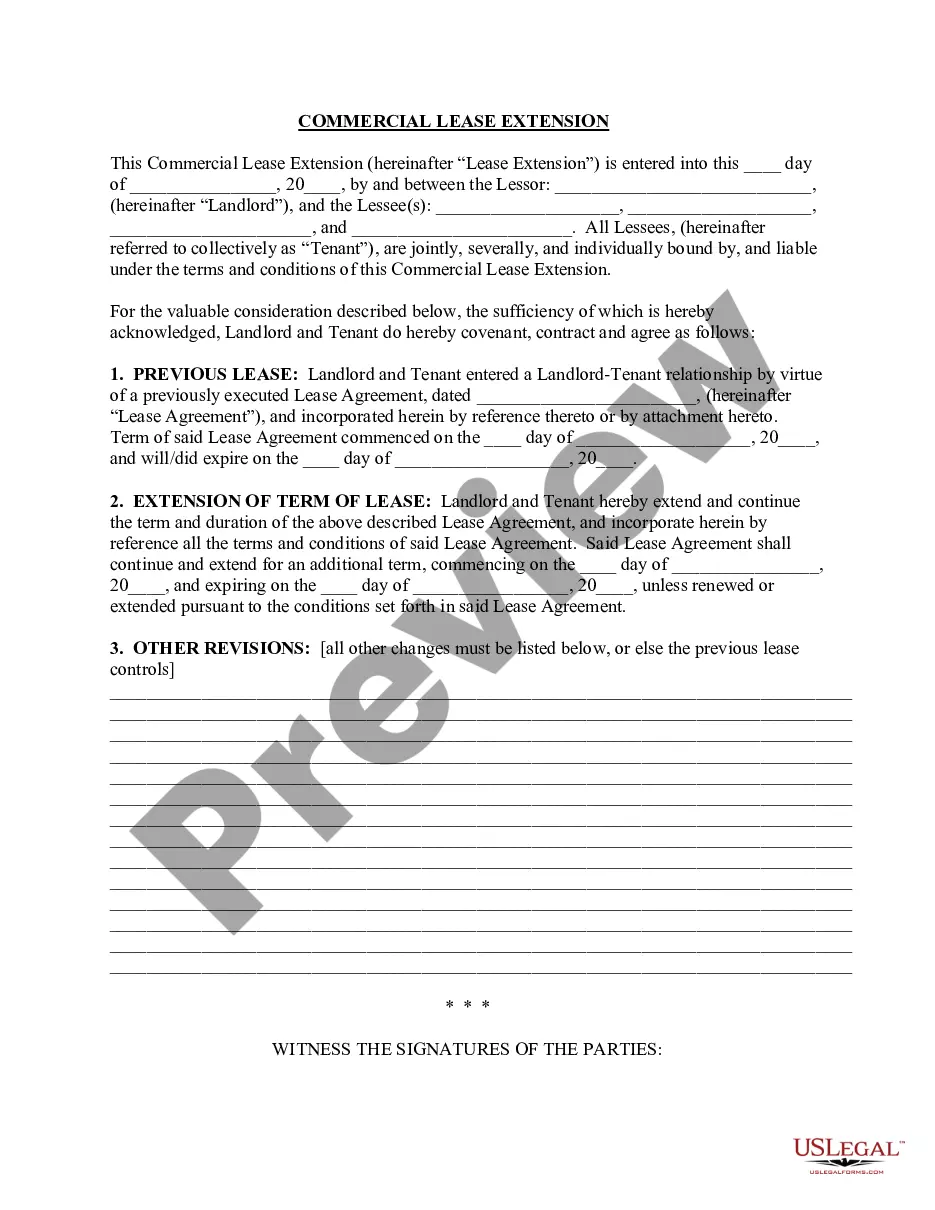
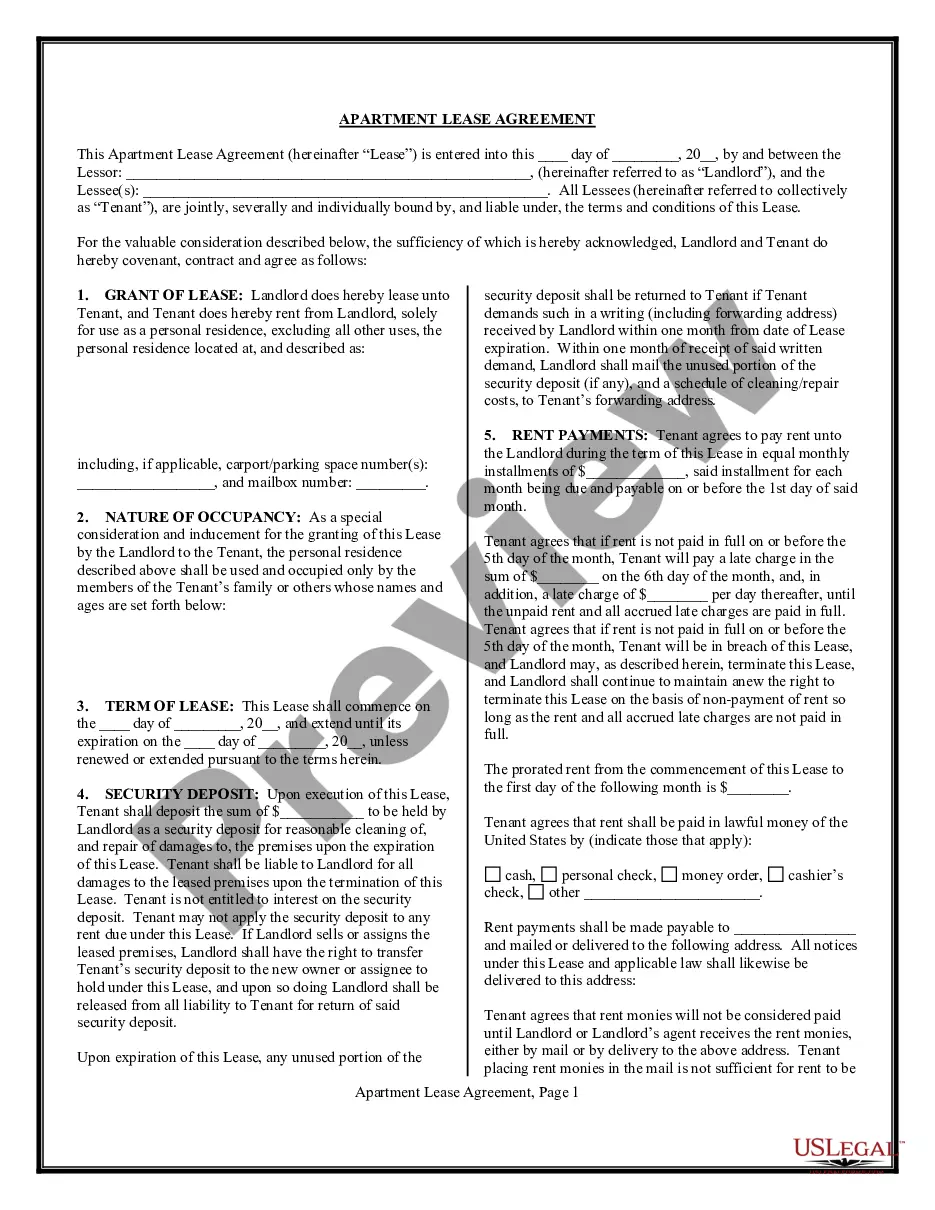
The Lease Extension Document California For Seniors you see on this page is a reusable legal template created by professional attorneys in accordance with federal and state regulations.
For over 25 years, US Legal Forms has offered individuals, businesses, and lawyers more than 85,000 validated, state-specific documents for any commercial and personal scenario. It’s the fastest, simplest, and most reliable way to obtain the forms you require, as the service ensures bank-level data security and anti-malware safeguards.
Fill out and sign the document. Print the template to complete it manually. Alternatively, utilize an online multi-functional PDF editor to swiftly and accurately fill out and sign your form with a legally-binding electronic signature. Download your documents again. Use the same document whenever necessary. Access the My documents tab in your profile to redownload any previously acquired forms. Register for US Legal Forms to have verified legal templates for all of life's situations at your fingertips.
- Examine the document you need and review it.
- Search through the file you sought and preview it or check the form description to confirm it meets your needs. If it doesn’t, utilize the search bar to find the correct one. Click Buy Now when you have found the template you require.
- Choose and Log In.
- Select the pricing plan that works for you and set up an account. Use PayPal or a credit card for quick payment. If you already possess an account, Log In and verify your subscription to proceed.
- Obtain the fillable template.
- Select the format you prefer for your Lease Extension Document California For Seniors (PDF, DOCX, RTF) and download the sample onto your device.
Form popularity
FAQ
In California, residential rental agreements automatically convert to month-to-month tenancies at the end of your lease term. At the end of each month thereafter, the agreement renews automatically for themselves in perpetuity as long as you, the tenant, remain in possession of your home.
Lease Expiration or Termination Once the lease expires, you no longer have the right to live in the property unless you get the lease extended or sign a new lease. This is true even if you were to continue paying rent. That said, your landlord doesn't have the right to evict you immediately after your lease expires.
Most landlords in California require advance notice of at least six months before the expiration of the current lease term. As long as you haven't breached the agreement, and you send in your notice to renew exactly as outlined in your lease, you can renew your lease. The landlord cannot waive the provision.
Rent Control Laws ing to the AB-1482 from the California Tenant Protection Act), any rent increase is capped at 5% plus inflation or 10% of the lowest price paid in the last 12 months. These laws started in January 2020, and it's expected to last until January 2030. You can read more about this measure here.
Once the lease expires, you no longer have the right to live in the property unless you get the lease extended or sign a new lease. This is true even if you were to continue paying rent. That said, your landlord doesn't have the right to evict you immediately after your lease expires.