California Tenancy in Common Agreement - Single Dwelling - Domestic Partners
What is this form?
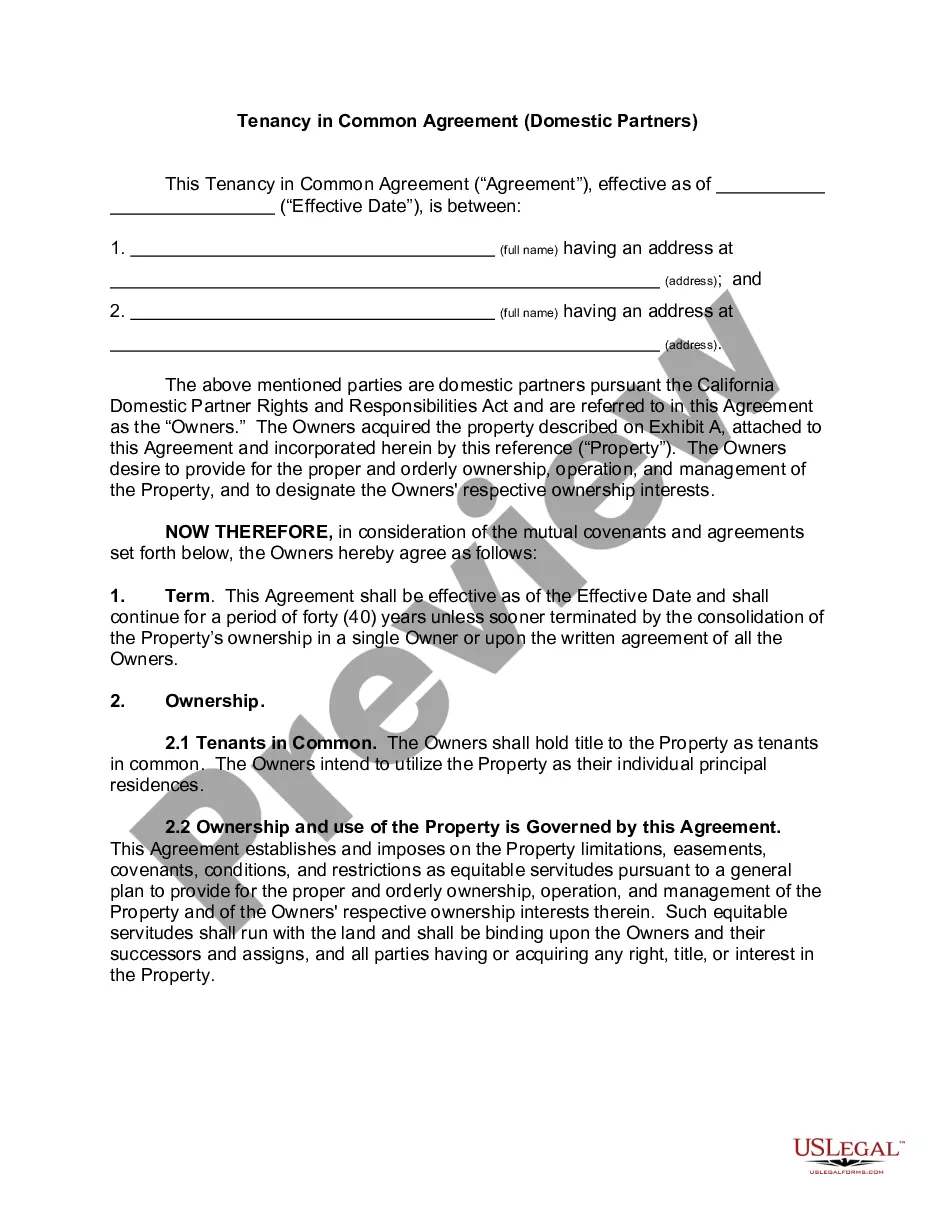
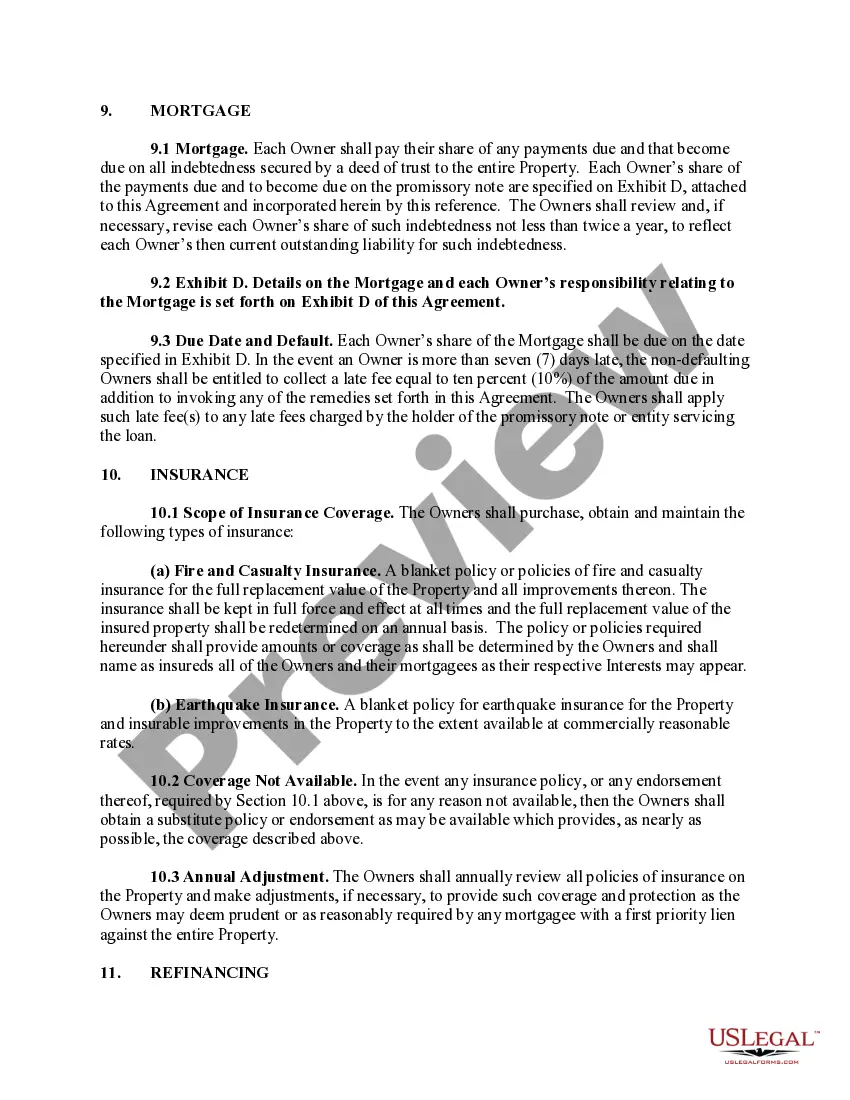
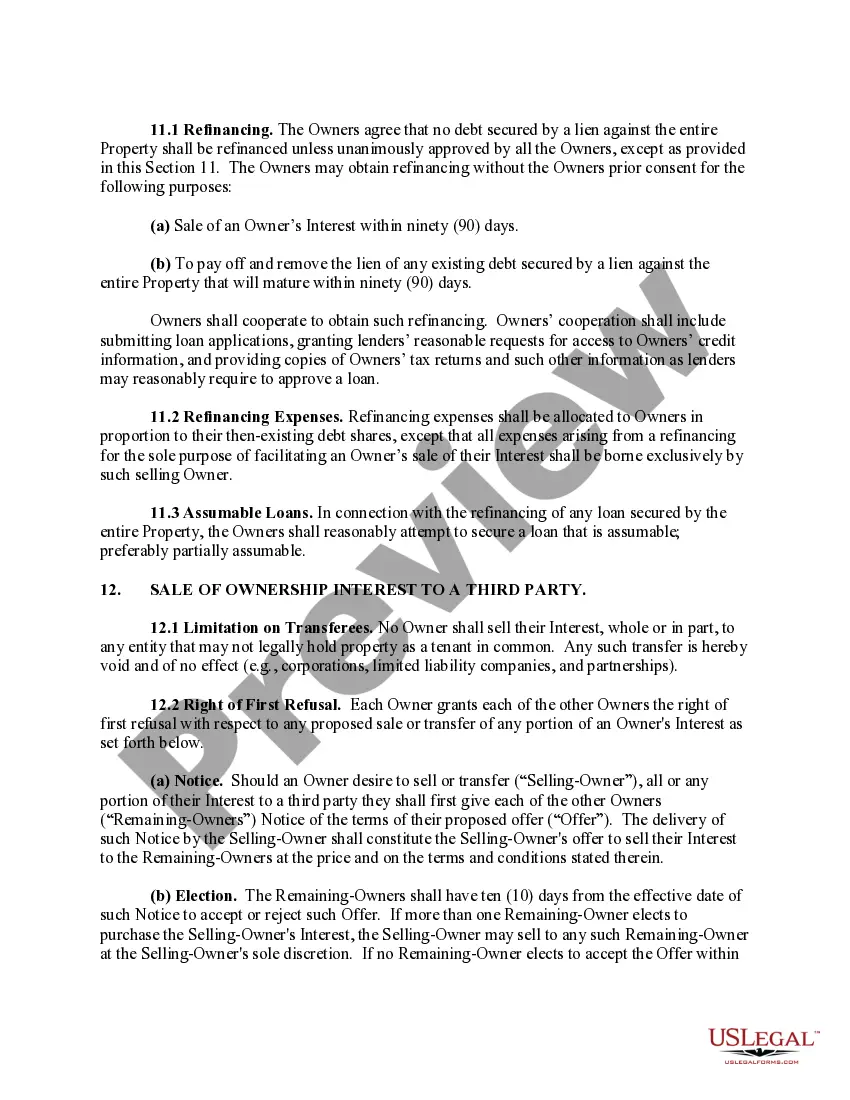
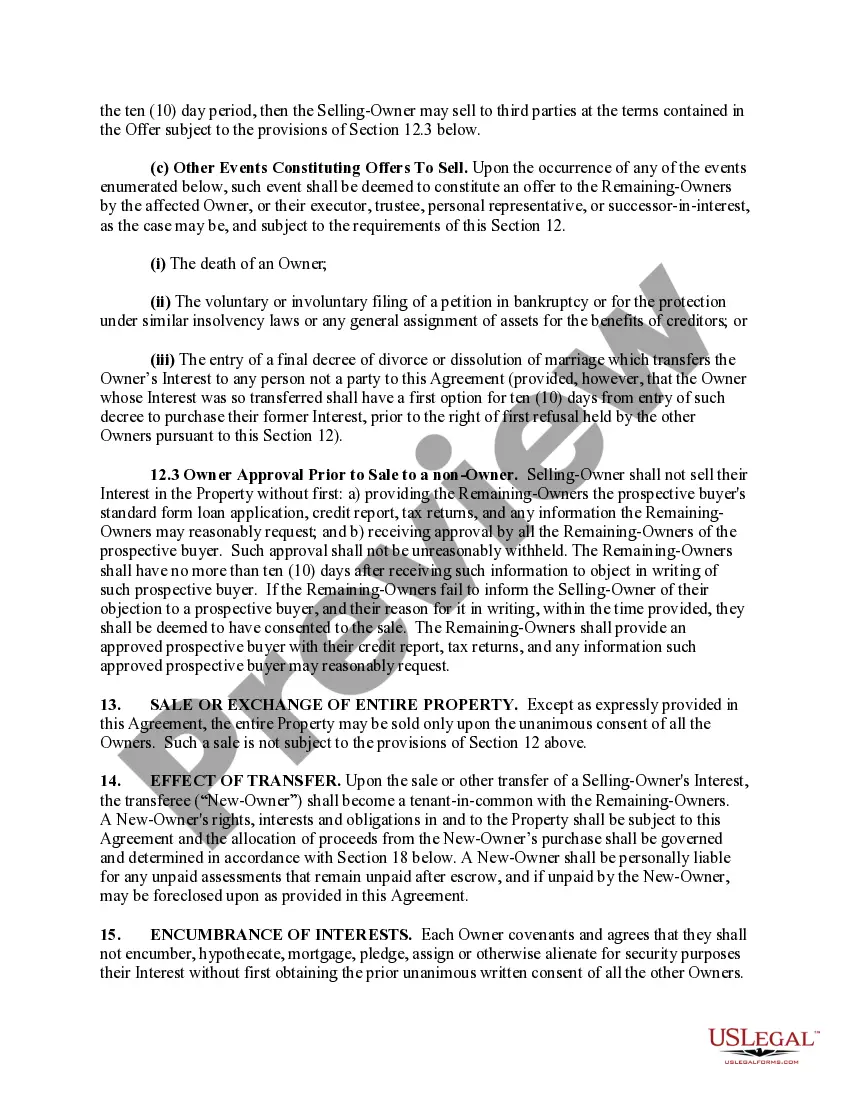
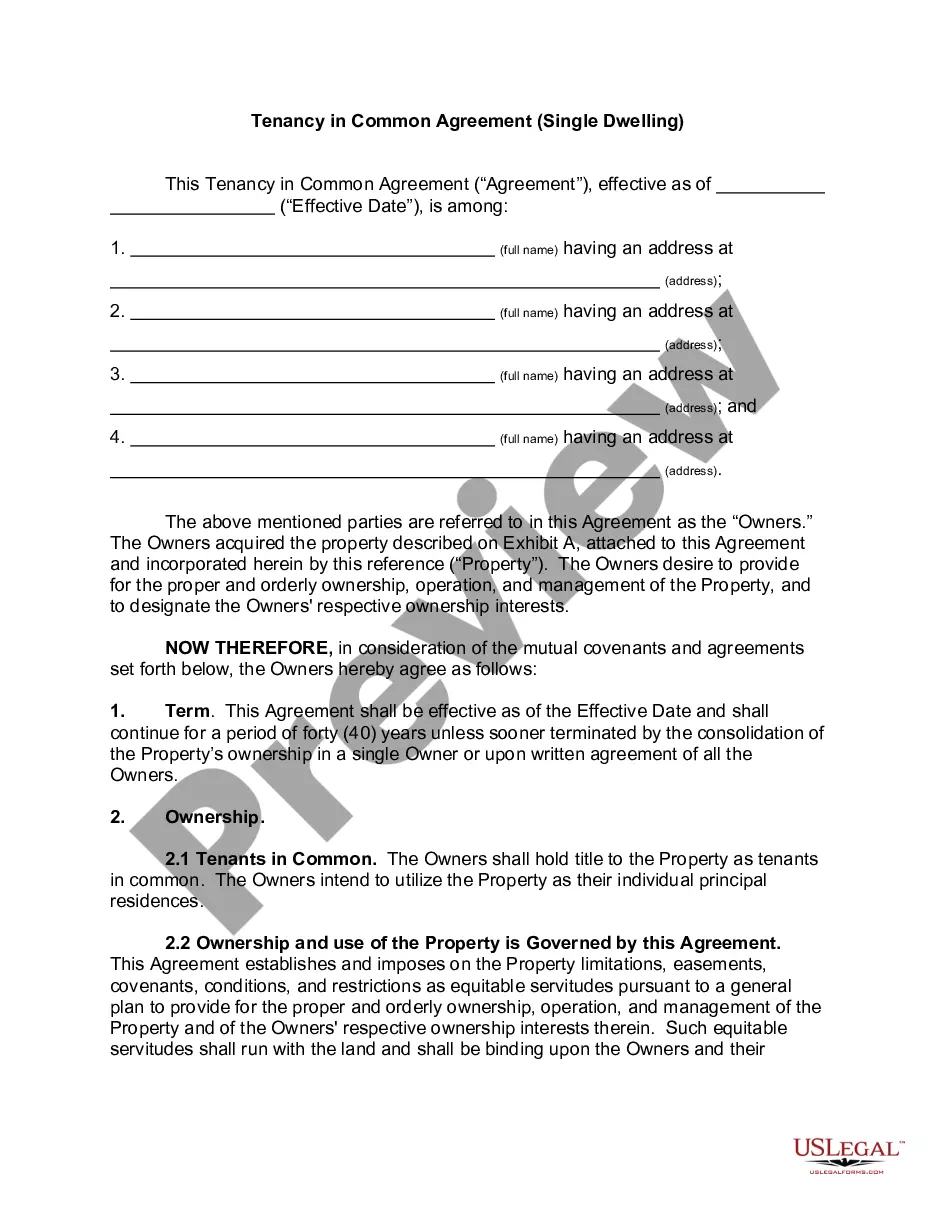
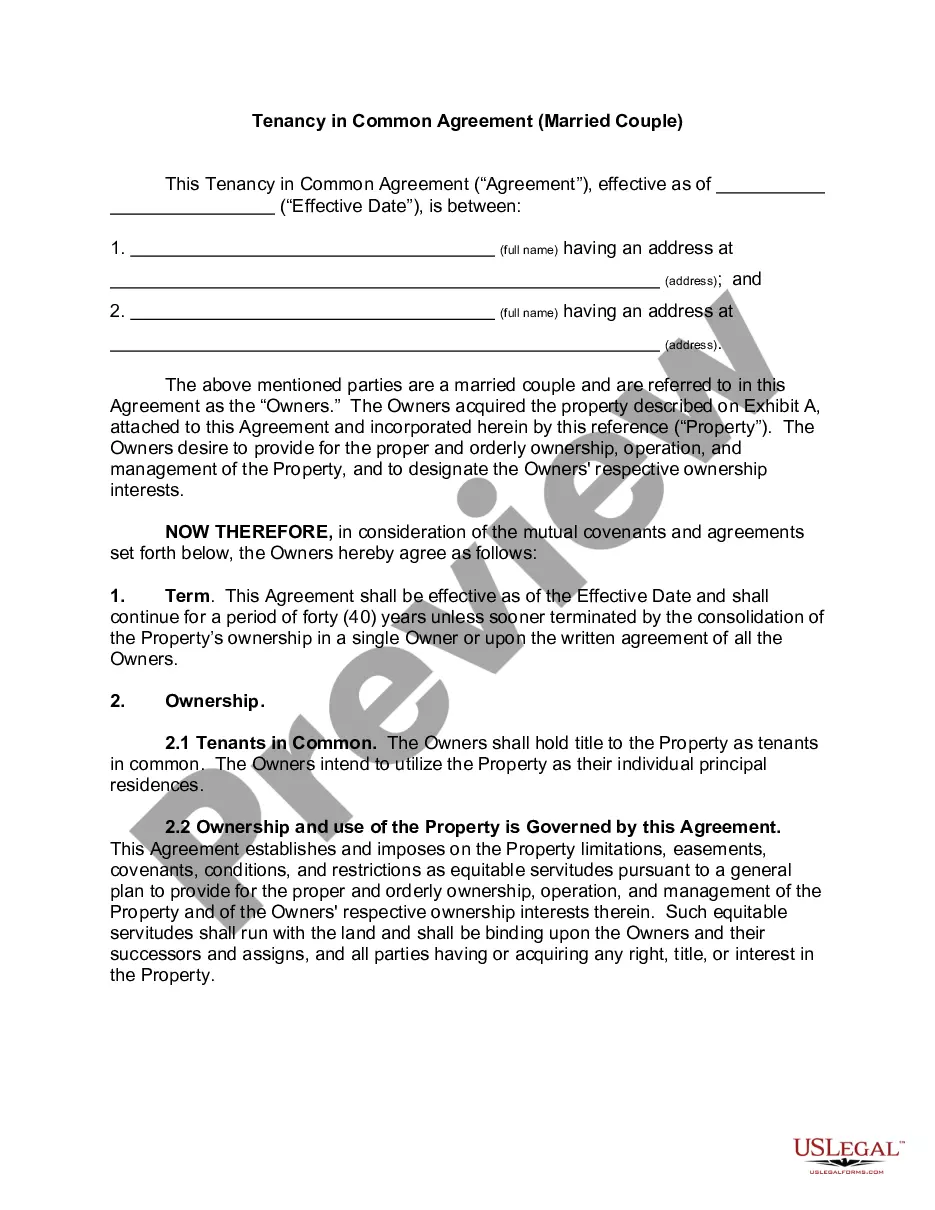
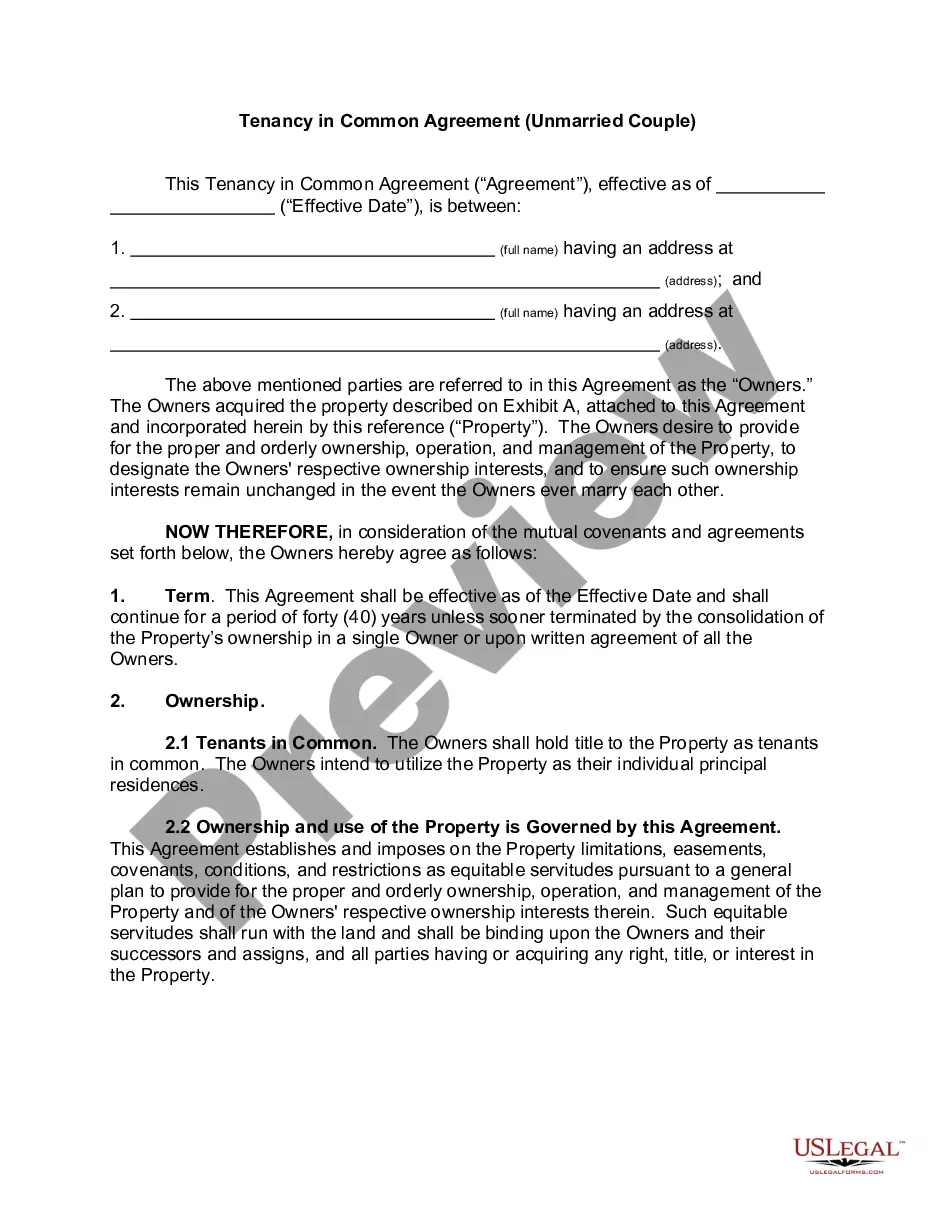
The Tenancy in Common Agreement for Domestic Partners is a legal document that establishes the ownership rights of domestic partners in a jointly owned property. This agreement creates a tenancy in common arrangement rather than a community property structure, meaning each partner holds separate ownership interests. It also outlines rules for property use, maintenance responsibilities, and procedures for dealing with disputes or changes in ownership. This form is particularly useful for domestic partners in California who wish to clarify their legal rights regarding shared property ownership.
Key components of this form
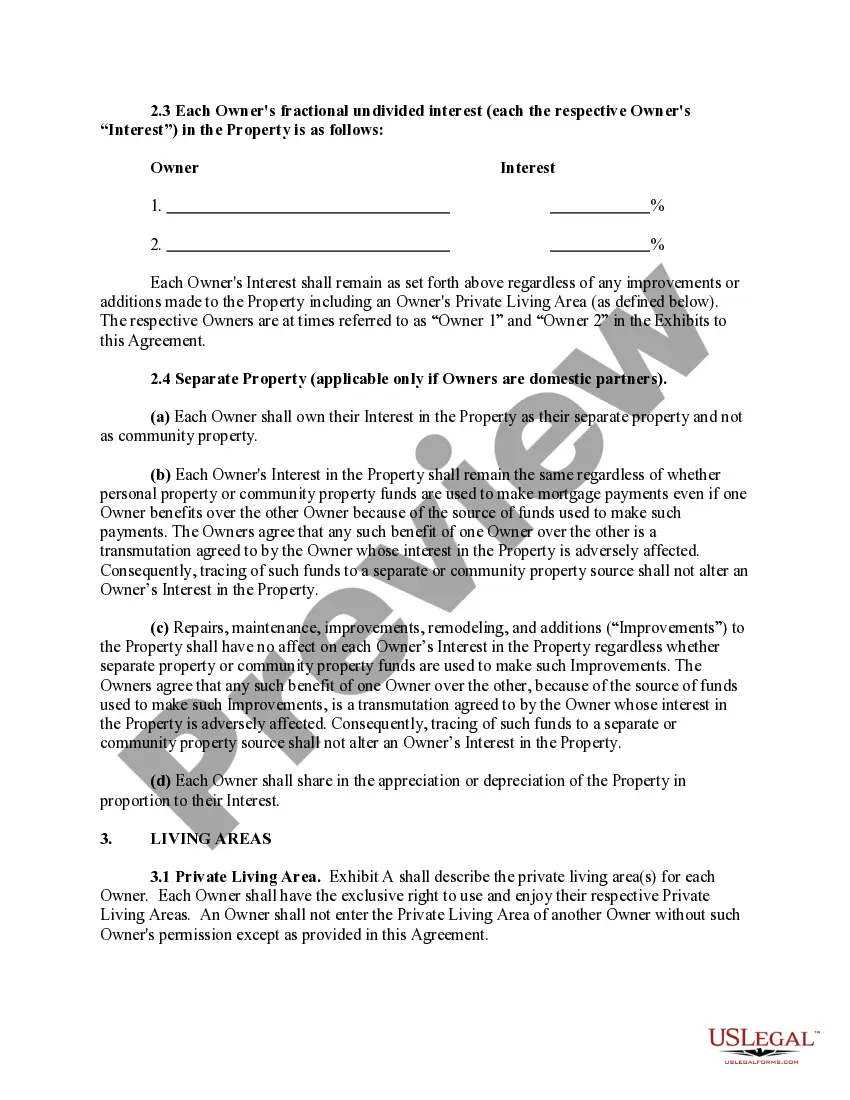
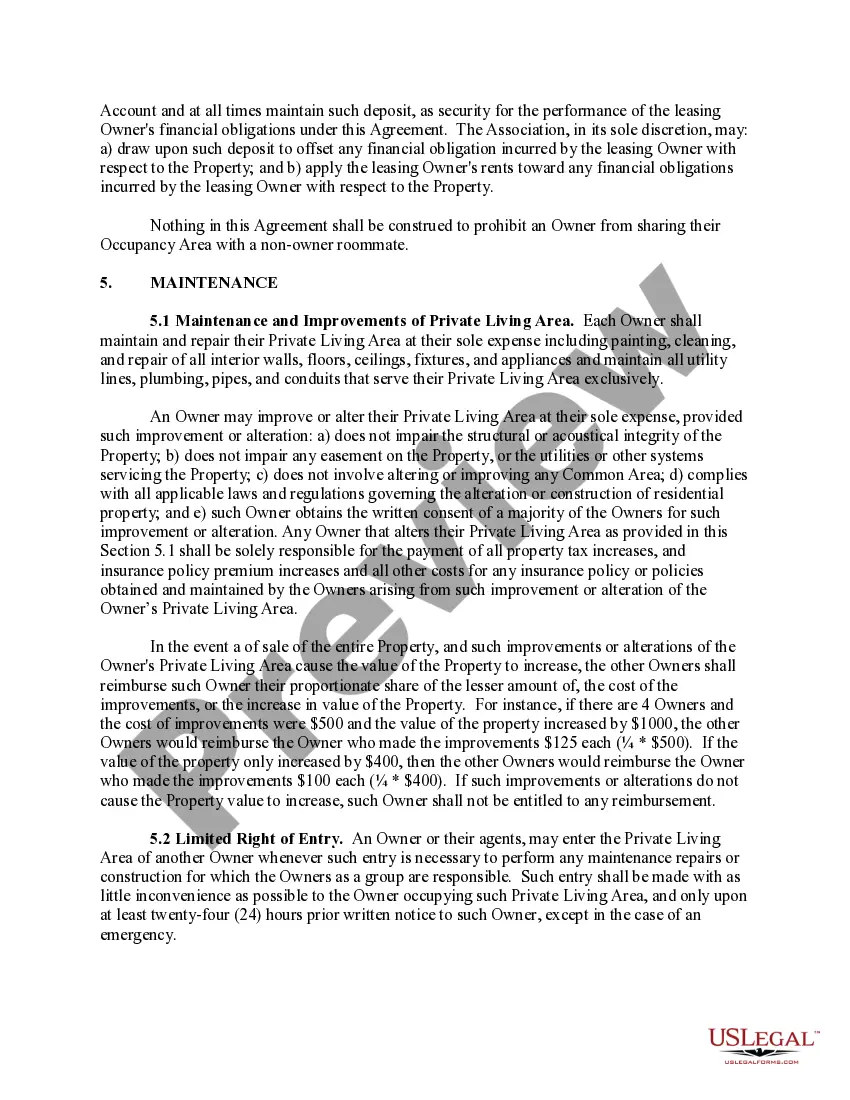
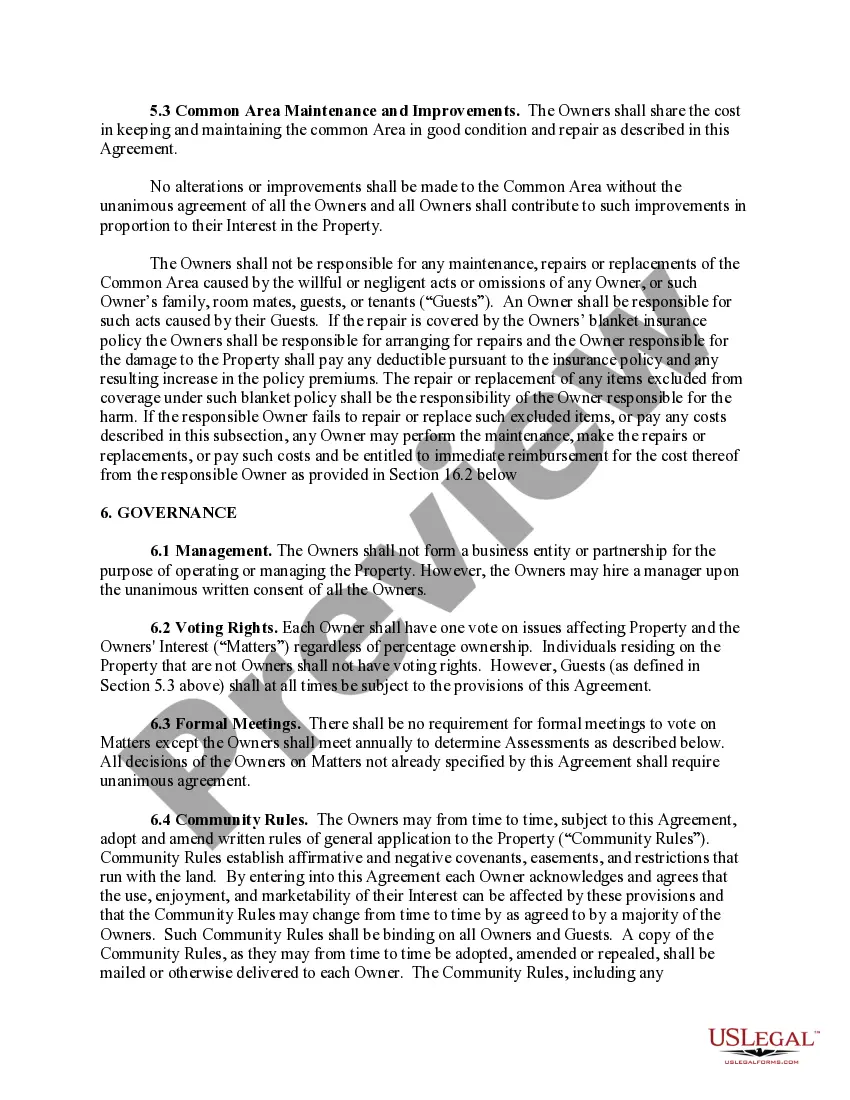
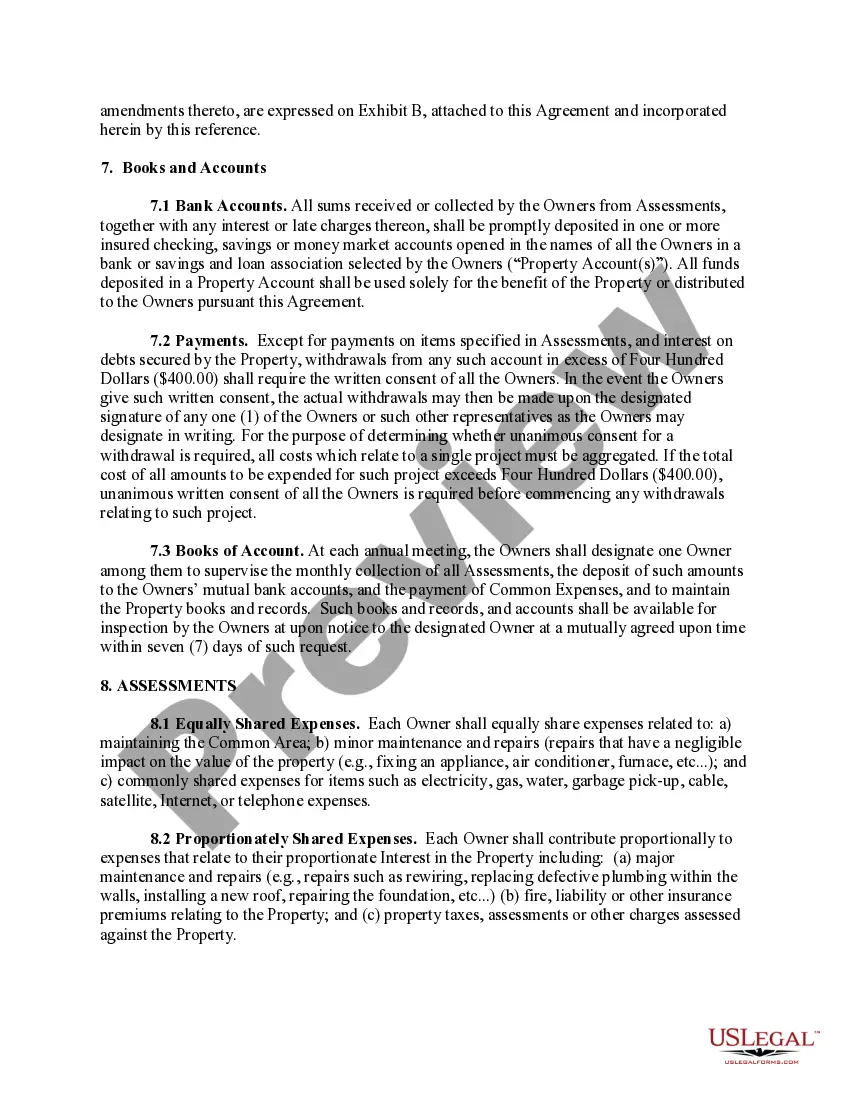
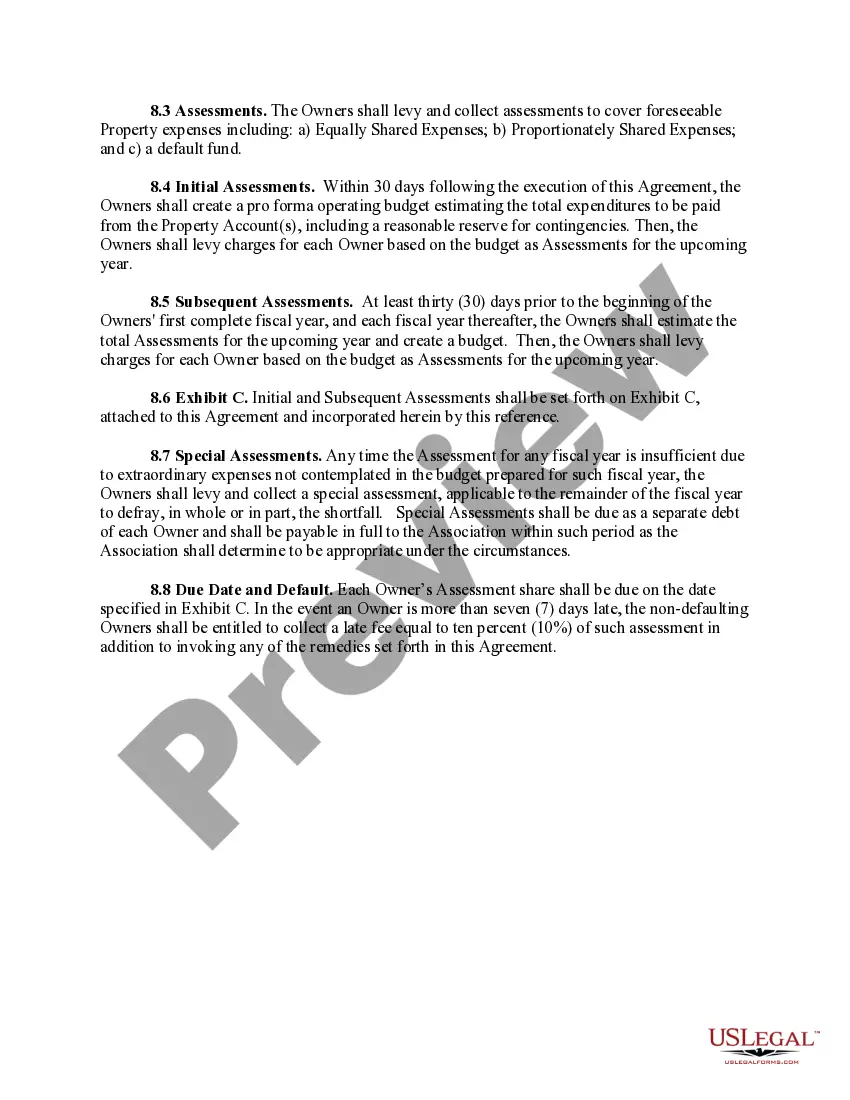
- Defines ownership interests as separate rather than community property.
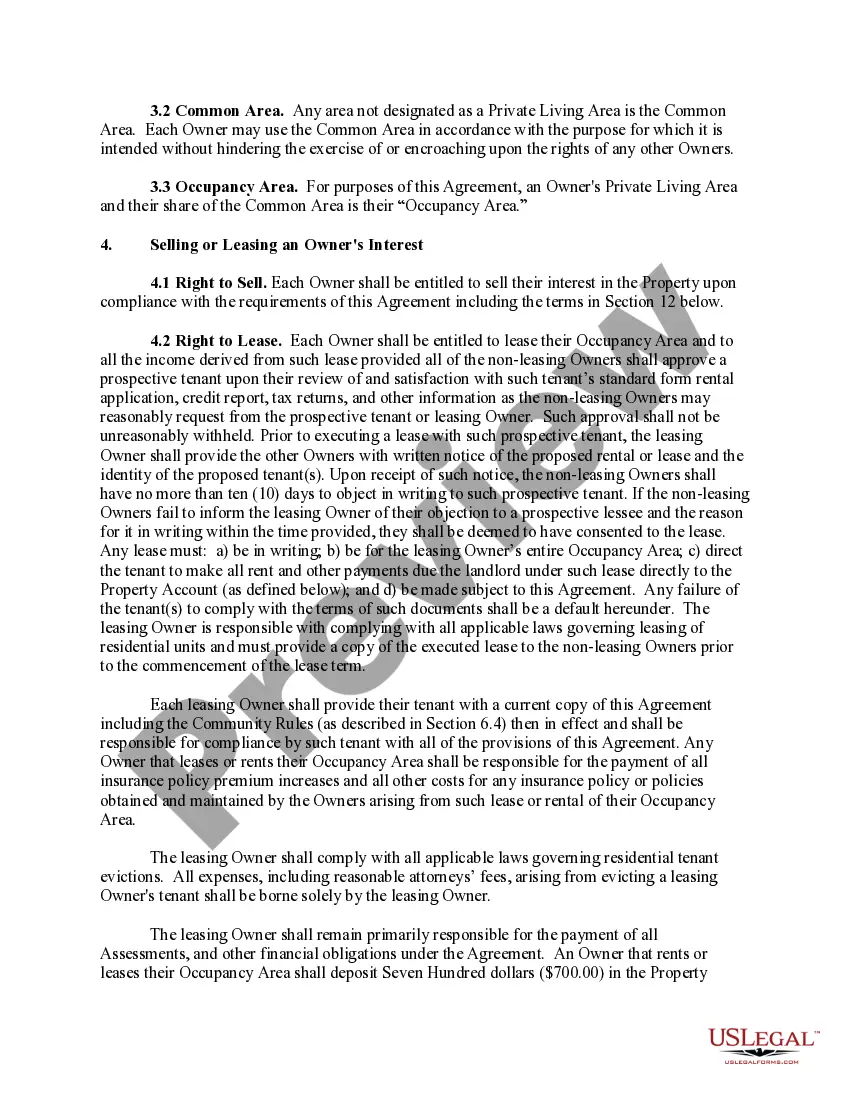
- Establishes rules for exclusive private living areas and common areas.
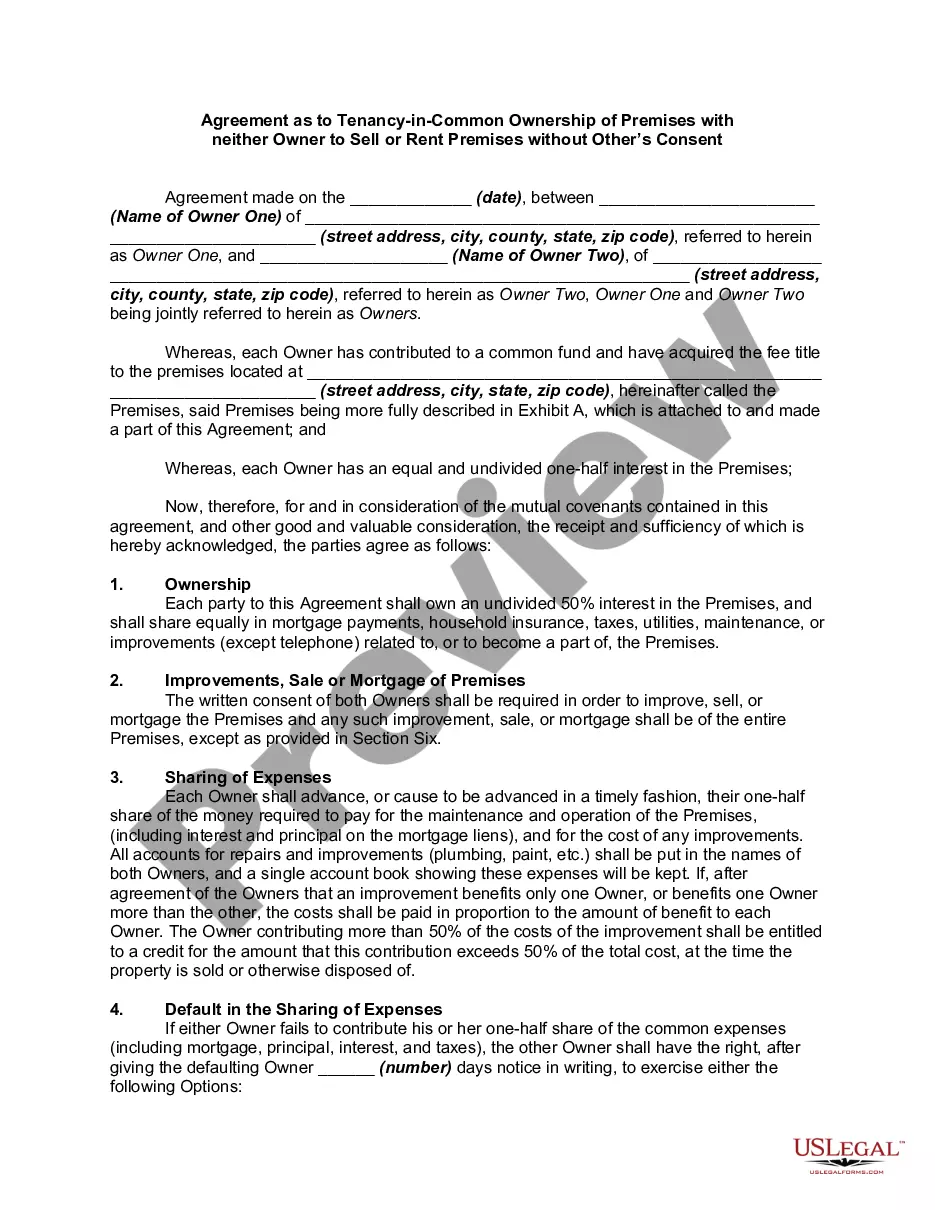
- Outlines shared financial responsibilities, including mortgage payments and utilities.
- Specifies processes for selling or leasing ownership interests.
- Includes provisions for dispute resolution through mediation and arbitration.

When this form is needed
This form should be used when domestic partners wish to jointly purchase property but want to maintain separate interests rather than communal ownership. It is beneficial when clarifying individual responsibilities related to property management, financial obligations, and arrangements for potential disputes or ownership changes.
Who this form is for
- Domestic partners entering into joint property ownership.
- Couples looking to establish clear legal rights and responsibilities.
- Partners who wish to avoid community property arrangements.
- Individuals seeking a legally binding agreement to govern shared property terms.
Steps to complete this form
- Identify the parties involved, including their full names and addresses.
- Specify the property being jointly owned in Exhibit A.
- Determine and document each partner's ownership interest percentages.
- Complete necessary sections outlining financial obligations and maintenance responsibilities.
- Sign and date the agreement in the designated signature areas.
Notarization requirements for this form
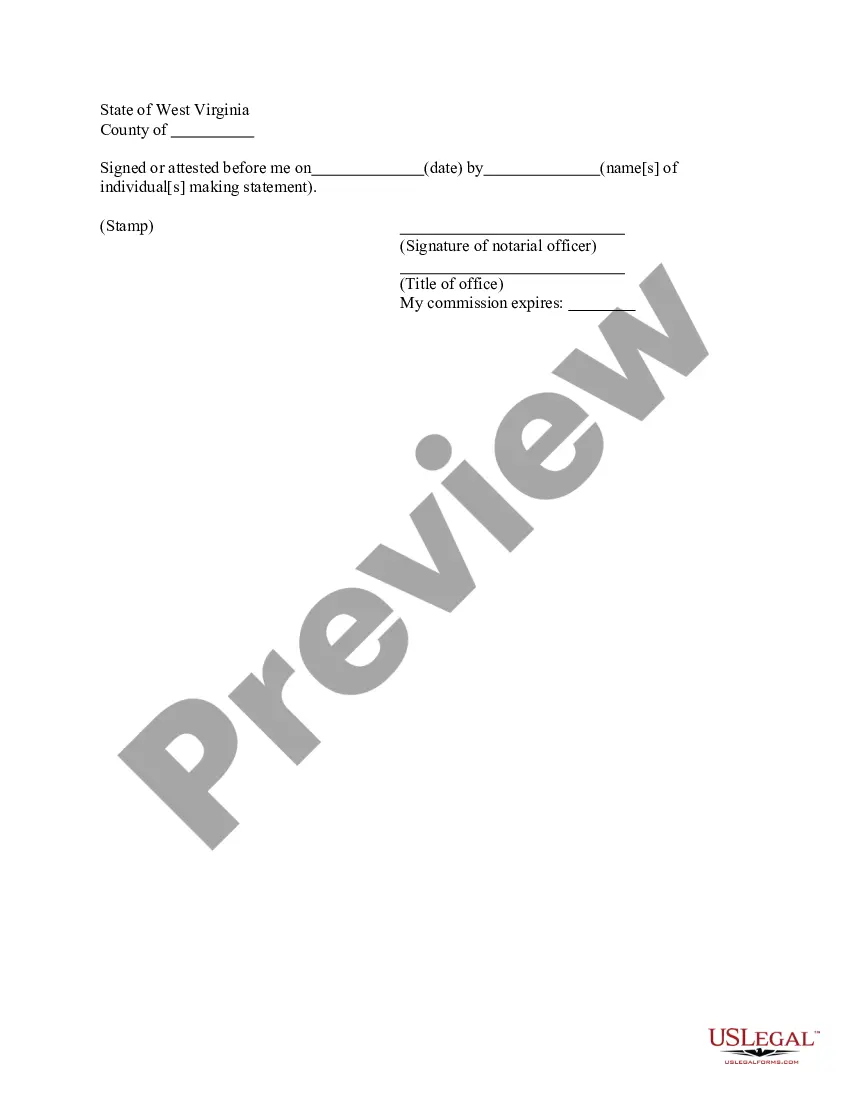
Notarization is required for this form to take effect. Our online notarization service, powered by Notarize, lets you verify and sign documents remotely through an encrypted video session, available 24/7.
Get your form ready online
Our built-in tools help you complete, sign, share, and store your documents in one place.
Make edits, fill in missing information, and update formatting in US Legal Forms—just like you would in MS Word.
Download a copy, print it, send it by email, or mail it via USPS—whatever works best for your next step.
Sign and collect signatures with our SignNow integration. Send to multiple recipients, set reminders, and more. Go Premium to unlock E-Sign.
If this form requires notarization, complete it online through a secure video call—no need to meet a notary in person or wait for an appointment.
We protect your documents and personal data by following strict security and privacy standards.

Make edits, fill in missing information, and update formatting in US Legal Forms—just like you would in MS Word.

Download a copy, print it, send it by email, or mail it via USPS—whatever works best for your next step.

Sign and collect signatures with our SignNow integration. Send to multiple recipients, set reminders, and more. Go Premium to unlock E-Sign.

If this form requires notarization, complete it online through a secure video call—no need to meet a notary in person or wait for an appointment.

We protect your documents and personal data by following strict security and privacy standards.
Common mistakes to avoid
- Failing to accurately specify ownership interest percentages, which can lead to disputes later.
- Not clearly defining maintenance responsibilities, resulting in misunderstandings about upkeep.
- Overlooking the necessity for all parties to sign the agreement, which can invalidate it.
Benefits of completing this form online
- Convenience of downloading and filling out the form at your own pace.
- Editable format allows for easy customization to fit specific needs.
- Access to legal forms drafted by licensed attorneys ensures reliability and compliance with state laws.
Looking for another form?

Form popularity
FAQ
In a tenancy in common relationship under a California Tenancy in Common Agreement - Single Dwelling - Domestic Partners, each partner must agree on the ownership percentage of the property. Additionally, it's essential to document financial contributions and usage rights in the agreement. All partners should also discuss future plans, such as selling the property or what happens if one partner wants to exit the arrangement. This clear communication helps maintain a positive relationship and avoids potential conflicts.
A California Tenancy in Common Agreement - Single Dwelling - Domestic Partners allows two or more individuals to co-own property while having distinct ownership shares. Each partner holds their share independently and may decide how to use the property. This agreement provides clarity on the rights and responsibilities of each party, ensuring that all partners are on the same page regarding property management, usage, and financial contributions. By clearly outlining these aspects, it fosters a smoother partnership.
For unmarried couples, a tenancy in common often proves to be the best option. This allows each partner to maintain separate ownership shares and rights over the property. It can also facilitate a smoother process if one partner decides to sell or transition ownership, reinforcing the benefits of a California Tenancy in Common Agreement - Single Dwelling - Domestic Partners in safeguarding each party's interests.
When a married couple holds title as community property, one spouse can will their half-share, but specific laws govern this process. Generally, the surviving spouse has rights to the entire property unless otherwise stated in the will. This highlights the importance of having clear agreements, such as a California Tenancy in Common Agreement - Single Dwelling - Domestic Partners, for domestic partners wishing to secure their interests.
The best tenancy for married couples often depends on their goals. Community property typically simplifies inheritance and tax matters, benefiting married partners. However, if they prefer individualized ownership, a California Tenancy in Common Agreement - Single Dwelling - Domestic Partners can offer flexibility while addressing each partner's distinct needs.
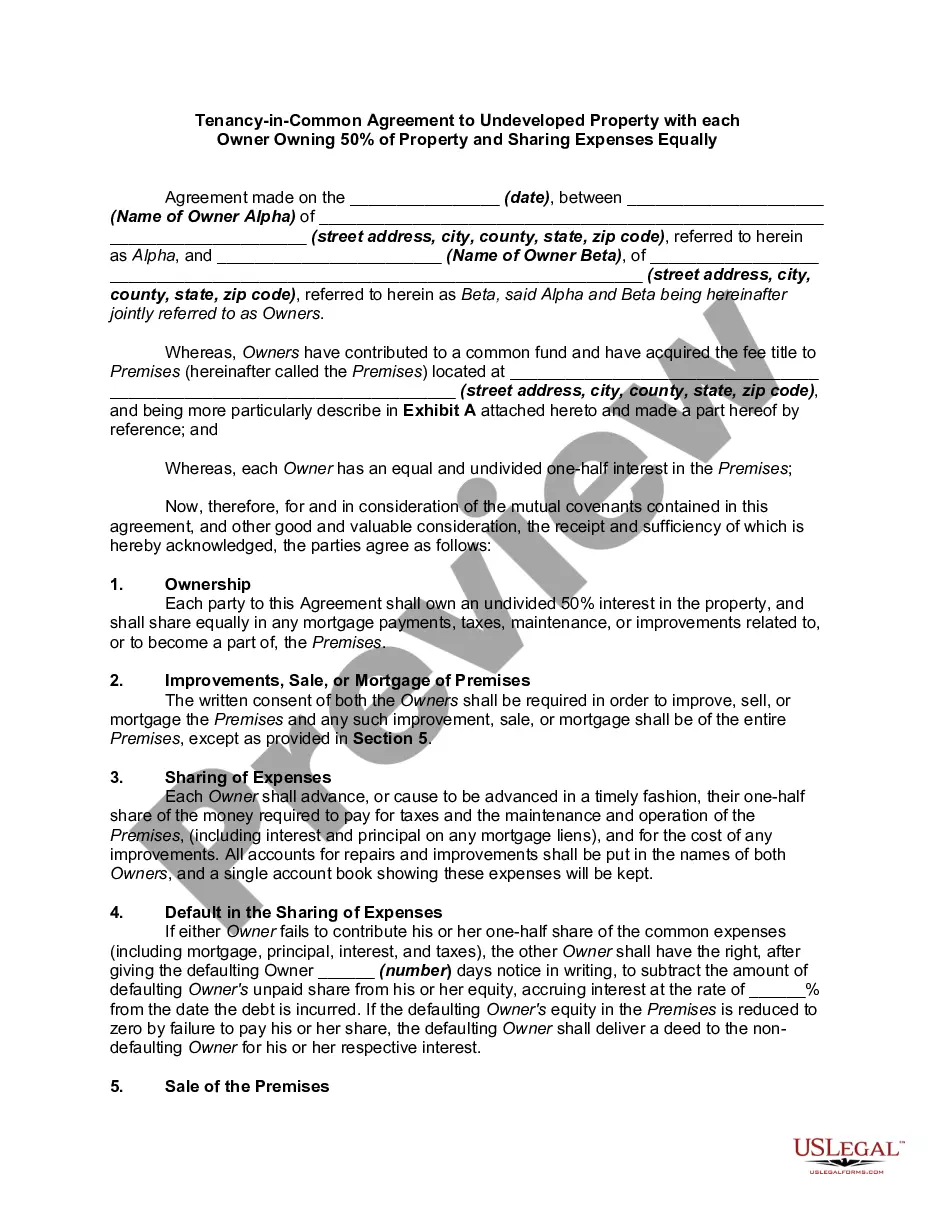
Tenancy in Common (TIC) operates by allowing two or more individuals to hold undivided shares of a property. Each owner enjoys equal rights to use the entire property, regardless of their ownership percentage. A California Tenancy in Common Agreement - Single Dwelling - Domestic Partners helps clarify each owner's contributions and responsibilities, making co-ownership smoother.
A tenancy in common agreement in California is a legal document that outlines the rights and responsibilities of co-owners of a property. This type of agreement specifies each owner’s share, how decisions are made, and what happens if one owner wants to sell. It’s essential for domestic partners using a California Tenancy in Common Agreement - Single Dwelling - Domestic Partners to protect their interests.
The best way for a married couple to hold title in California often depends on their individual situation. Traditionally, community property offers specific advantages for tax and inheritance purposes. However, a California Tenancy in Common Agreement - Single Dwelling - Domestic Partners also provides an effective way to establish separate ownership interests if desired.
Yes, you can change the title from joint tenants to tenants in common in California. This process typically involves executing a new deed that clearly states the change in ownership structure. Using a California Tenancy in Common Agreement - Single Dwelling - Domestic Partners can help facilitate this transition and ensure all parties understand their rights.
Yes, husbands and wives can hold title as tenants in common in California. This arrangement allows each partner to have distinct shares of the property, providing flexibility in ownership. With a California Tenancy in Common Agreement - Single Dwelling - Domestic Partners, you can clearly outline your respective interests in the property.