Credit Memo
What is this form?
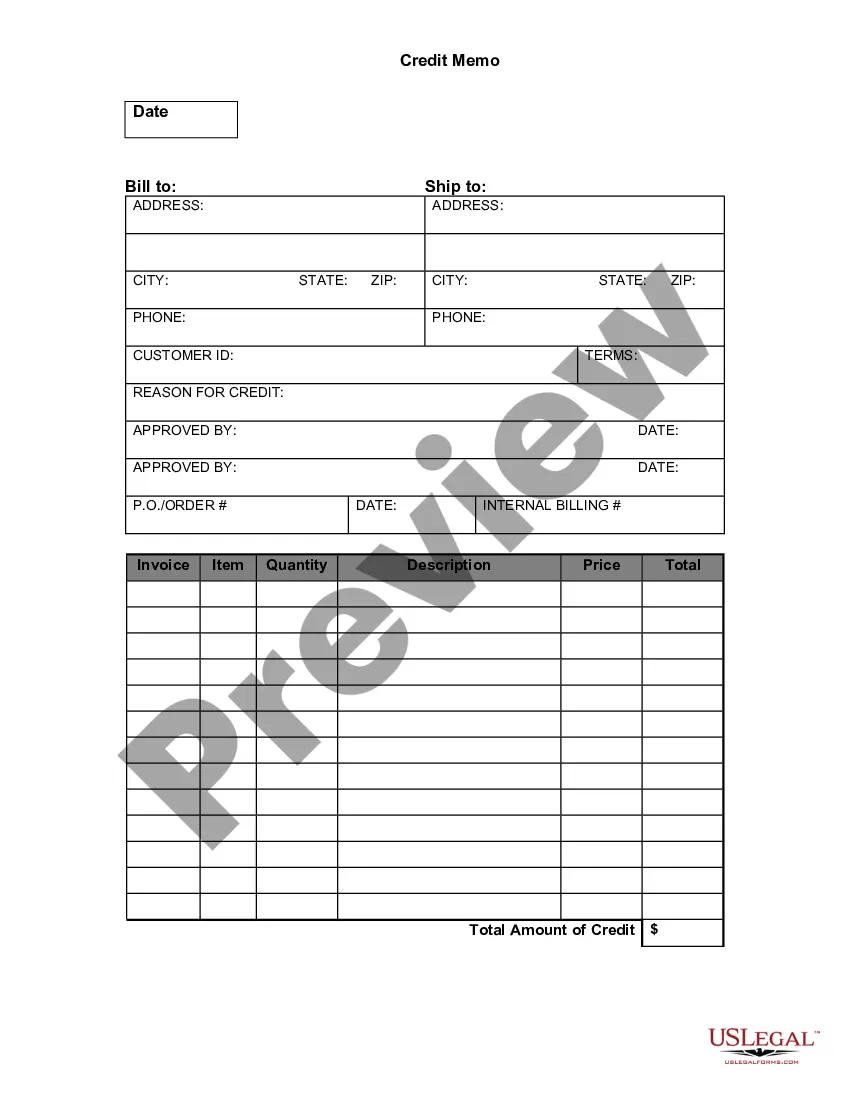
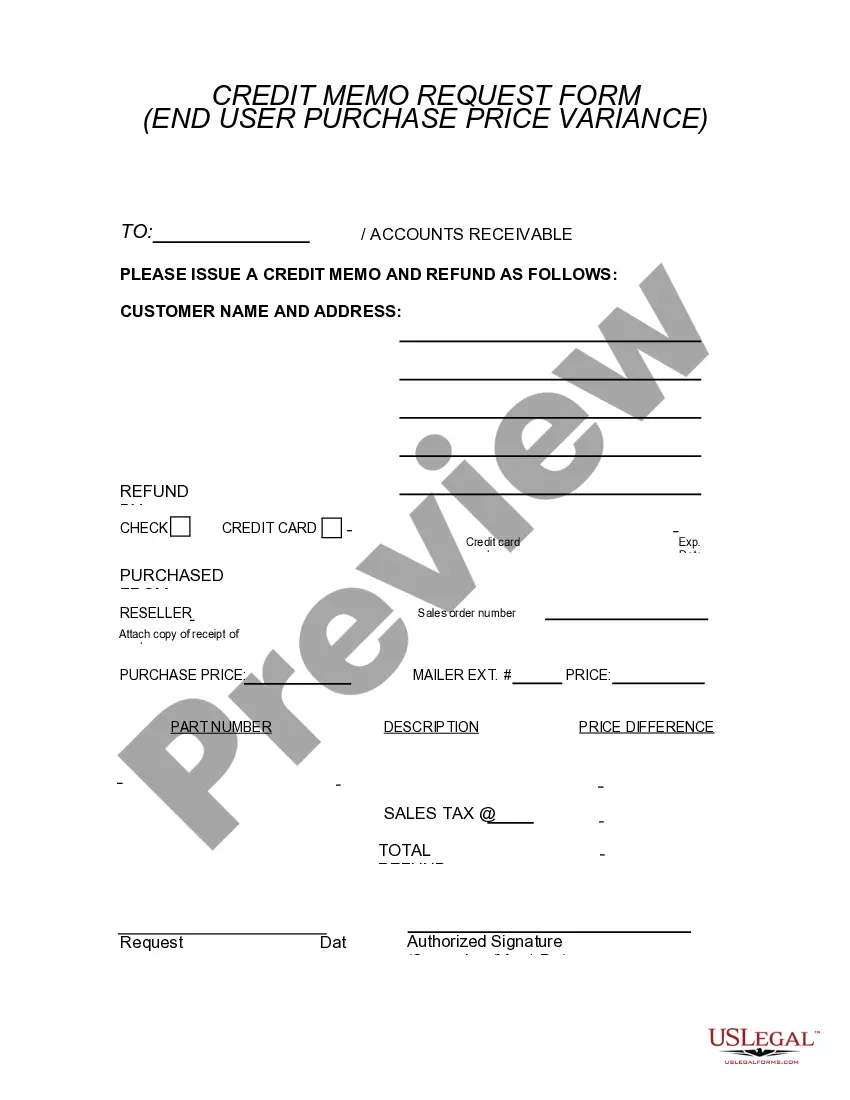
A credit memo is a document issued to a customer, acknowledging that they are entitled to a credit against their account. It serves as a record of adjustments to a customerâs account balance, often due to returns, overpayments, or billing errors. Unlike an invoice, which requests payment, a credit memo reflects a decrease in the amount owed.
Form components explained
- Date of the memo
- Customer identification, including ID and contact information
- Terms and conditions of the credit
- Reason for credit specified
- Amount of credit issued
- Approval signatures and dates
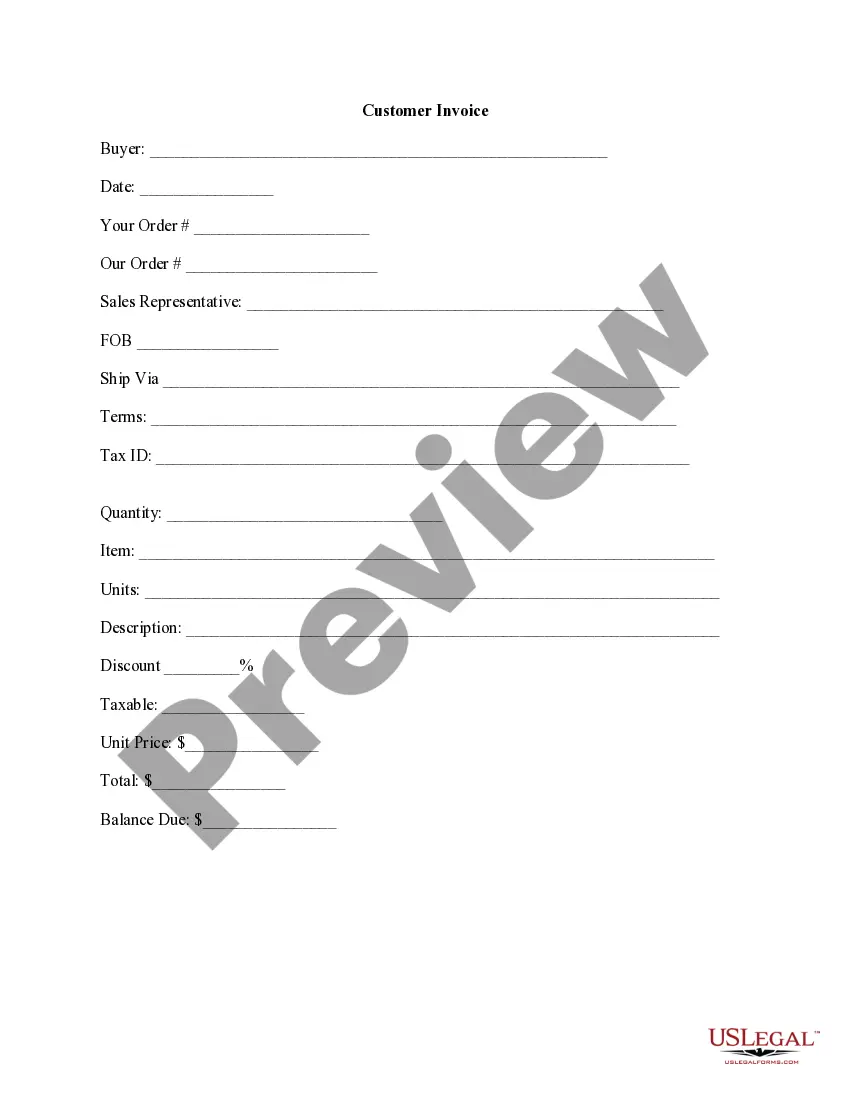
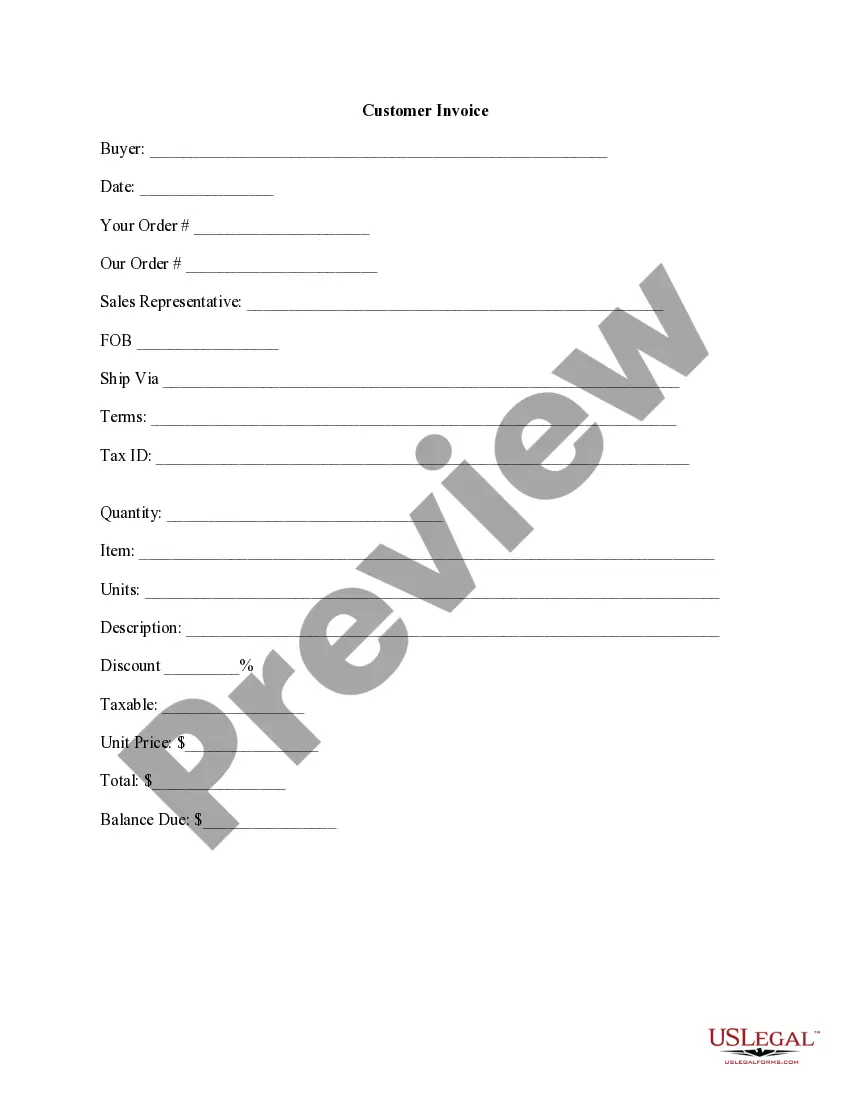
When to use this document
This form is useful in several situations, such as when a customer returns a product, when there has been an overbilling, or when a discount needs to be formally acknowledged. It ensures clarity in financial transactions and maintains accurate accounting records between businesses and their customers.
Who this form is for
Intended audience for the credit memo includes:
- Business owners managing customer accounts
- Accountants responsible for financial documentation
- Customer service representatives handling returns and credits
- Sellers or suppliers who need to adjust invoices
Steps to complete this form
Follow these steps to complete the credit memo:
- Enter the date and relevant customer information.
- Clearly specify the reason for the credit.
- List any applicable terms and conditions.
- Detail the items being credited, including quantity and prices.
- Include the total amount of credit being issued.
- Request necessary approval signatures and dates.
Notarization guidance
This form does not typically require notarization unless specified by local law.
Get your form ready online
Our built-in tools help you complete, sign, share, and store your documents in one place.
Make edits, fill in missing information, and update formatting in US Legal Forms—just like you would in MS Word.
Download a copy, print it, send it by email, or mail it via USPS—whatever works best for your next step.
Sign and collect signatures with our SignNow integration. Send to multiple recipients, set reminders, and more. Go Premium to unlock E-Sign.
If this form requires notarization, complete it online through a secure video call—no need to meet a notary in person or wait for an appointment.
We protect your documents and personal data by following strict security and privacy standards.

Make edits, fill in missing information, and update formatting in US Legal Forms—just like you would in MS Word.

Download a copy, print it, send it by email, or mail it via USPS—whatever works best for your next step.

Sign and collect signatures with our SignNow integration. Send to multiple recipients, set reminders, and more. Go Premium to unlock E-Sign.

If this form requires notarization, complete it online through a secure video call—no need to meet a notary in person or wait for an appointment.

We protect your documents and personal data by following strict security and privacy standards.
Mistakes to watch out for
- Not specifying the reason for the credit, which can lead to confusion.
- Failing to obtain required approvals, which may affect validity.
- Incorrectly calculating the total amount of credit.
- Not including customer identification information, making tracking difficult.
Advantages of online completion
- Convenience of downloadable templates that save time.
- Editability allows for customization according to specific needs.
- Ensured reliability from templates drafted by licensed attorneys.
Key takeaways
- A credit memo formally acknowledges amounts owed back to a customer.
- It includes essential details such as customer ID, reasons for credit, and approval signatures.
- Proper use of this form can streamline customer relations and financial accuracy.
Looking for another form?

Form popularity
FAQ
Click the Plus (+) icon and select Credit Memo. Choose the customer name. Enter the Credit Memo Date. Fill in the necessary information. Click Save and close.
In regard to recording a credit memorandum, the buyer records the memo in its accounts payable. Accounts payables are balance as a reduction. The seller, then, must also record the memo as a reduction, but it is a reduction of its accounts receivable (money coming in).
A few examples of a bank credit memo appearing in a company's bank account include: The bank adding interest that was earned for having money on deposit. The bank having collected a note for the company. A refund of a previous bank charge.
A credit memo is a commercial document issued by a supplier to the customer notifying the reduction of the amount that a customer owes to the seller.A credit memo is called Credit Memorandum and more popularly known as 'Credit Note'.
Within accounts receivable automation is credit memo processing, which corrects errors made in invoices that have already been sent to customers.It incorporates eForm, imaging, workflow, and ERP integration to capture, process, and output credit memos to customers.
The contact information for your business (name, phone.nr, address, email) The contact information of your customer (name, phone.nr, address, email) Information from the original invoice including invoice nr, date and products/services. A new credit note number and date.
The seller records the credit memo as a reduction of its accounts receivable balance, while the buyer records it as a reduction in its accounts payable balance.If the buyer has not yet paid the seller, the buyer can use the credit memo as a partial offset to its invoice-based payment to the seller.
A bank credit memo is an item on a company's bank account statement that increases a company's checking account balance.To record the bank credit memo the company will debit Cash and credit another account.