Motion to Rescind Quitclaim Deed Dated on a Specific Date - short form
Understanding this form
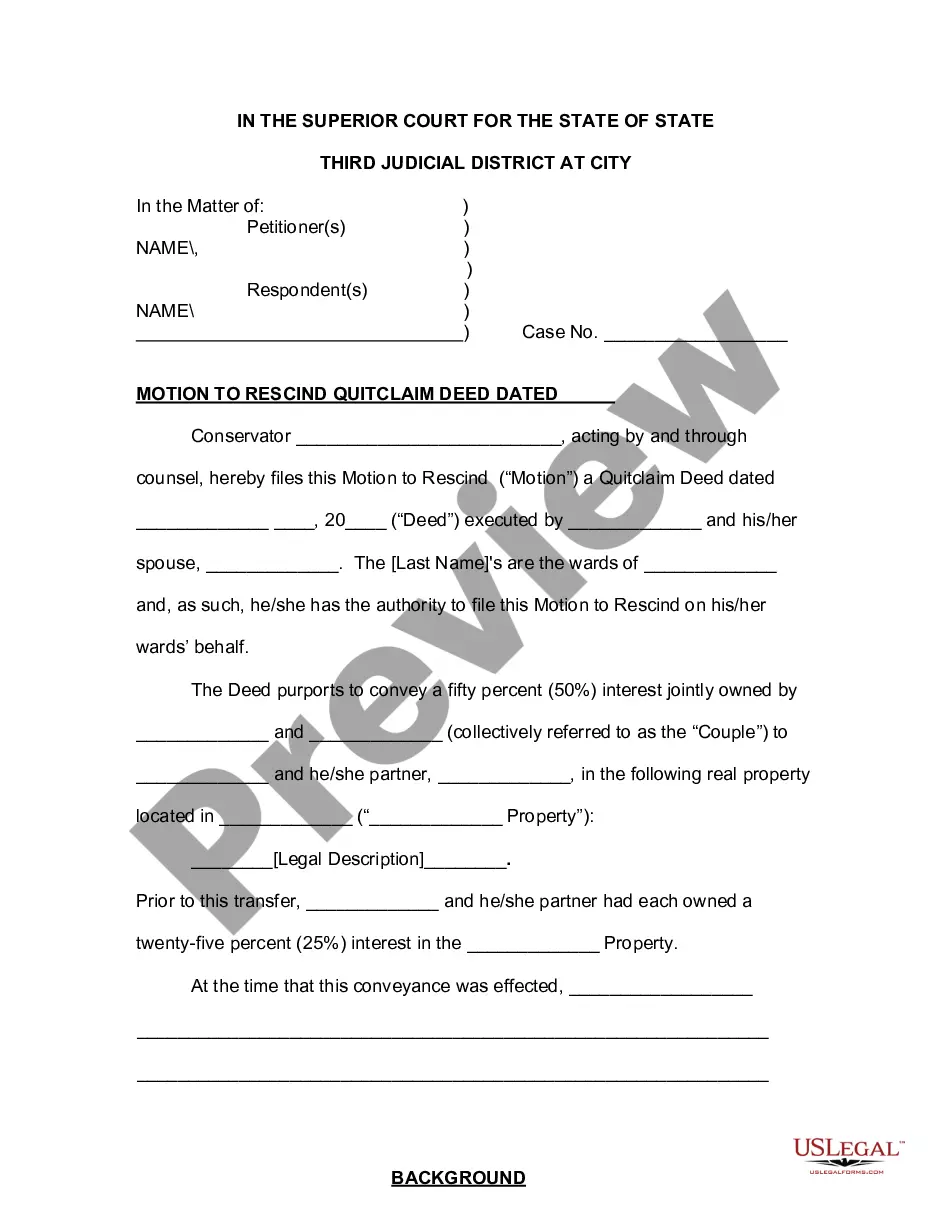
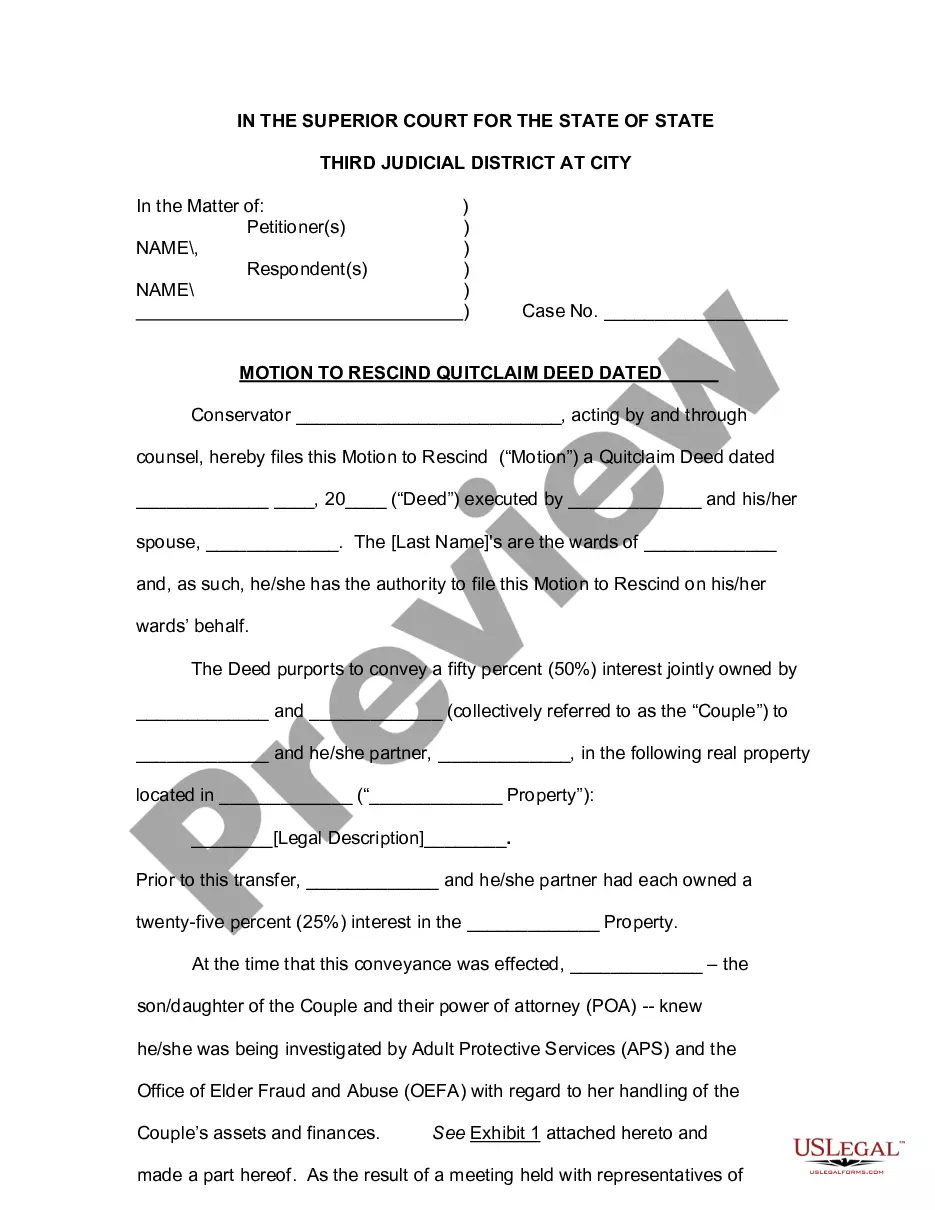
The Motion to Rescind Quitclaim Deed is a legal document used to reverse a previous quitclaim deed, effectively returning ownership interests back to the original owners. This form is particularly tailored for use by conservators and is crucial in ensuring the protection of joint assets during legal proceedings. Unlike other property transfer documents, this motion specifically addresses the need to rescind a deed due to concerns over asset preservation and fairness among parties involved.
Form components explained
- Petitioner's Information: Details about the petitioner or conservator filing the motion.
- Respondent's Information: Information about the individuals or parties involved in the original deed.
- Property Description: A legal description of the real property being discussed and the interests involved.
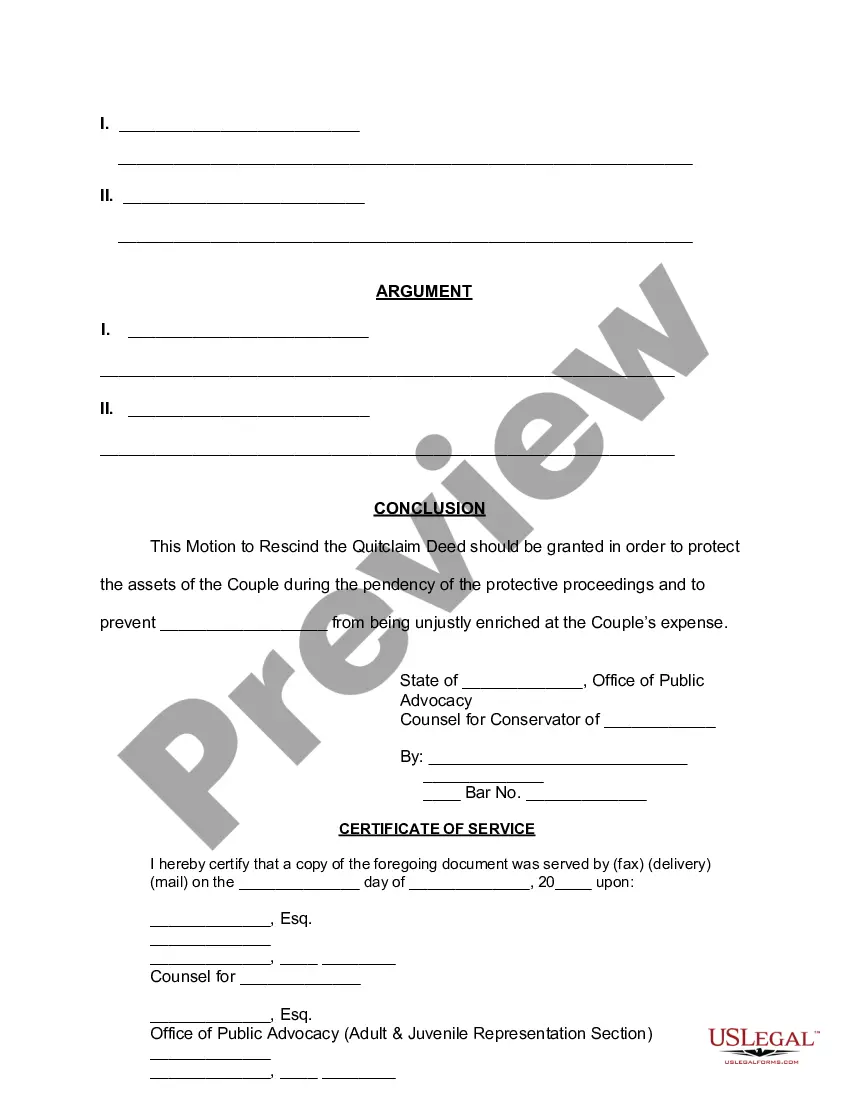
- Background Section: A narrative explaining the context and reasons behind the rescinding of the quitclaim deed.
- Argument Section: Legal reasoning supporting the motion to rescind the deed.
- Conclusion: A statement summarizing why the motion should be granted.

When this form is needed
This form should be used in situations where a quitclaim deed has been executed to transfer property ownership but there are valid reasons to reverse that transaction. Common scenarios include disputes among co-owners, concerns about asset protection during legal proceedings, or cases where the transfer was made under misleading circumstances. It is vital for conservators managing assets on behalf of individuals who may be incapacitated or in protective custody.
Who should use this form
- Conservators acting on behalf of individuals whom they manage assets for.
- Parties involved in a joint ownership dispute over property.
- Individuals seeking to correct or reverse an improperly executed quitclaim deed.
- Legal representatives or attorneys handling asset protection cases.
Instructions for completing this form
- Identify the parties: Clearly state the names of the petitioner and the respondent.
- Specify the property: Provide detailed information about the property, including its legal description.
- Enter background information: Fill in the background details explaining the context for rescinding the deed.
- Articulate your argument: Outline the legal reasons why the court should grant the motion to rescind.
- Conclude the motion: Summarize the request succinctly, emphasizing the importance of protecting the parties' interests.
Is notarization required?
This form does not typically require notarization unless specified by local law. However, if you are uncertain about your specific jurisdiction's requirements, it is advisable to consult an attorney or review local regulations to ensure compliance.
Get your form ready online
Our built-in tools help you complete, sign, share, and store your documents in one place.
Make edits, fill in missing information, and update formatting in US Legal Forms—just like you would in MS Word.
Download a copy, print it, send it by email, or mail it via USPS—whatever works best for your next step.
Sign and collect signatures with our SignNow integration. Send to multiple recipients, set reminders, and more. Go Premium to unlock E-Sign.
If this form requires notarization, complete it online through a secure video call—no need to meet a notary in person or wait for an appointment.
We protect your documents and personal data by following strict security and privacy standards.

Make edits, fill in missing information, and update formatting in US Legal Forms—just like you would in MS Word.

Download a copy, print it, send it by email, or mail it via USPS—whatever works best for your next step.

Sign and collect signatures with our SignNow integration. Send to multiple recipients, set reminders, and more. Go Premium to unlock E-Sign.

If this form requires notarization, complete it online through a secure video call—no need to meet a notary in person or wait for an appointment.

We protect your documents and personal data by following strict security and privacy standards.
Common mistakes
- Failing to include complete and accurate property descriptions.
- Not providing sufficient background or context for the rescission.
- Leaving out signatures or official details of the conservator.
- Inaccurate identification of parties involved in the original deed.
Why complete this form online
- Convenient access to customizable templates.
- Easy to download and complete from anywhere.
- Reliability of professionally drafted legal documents.
- Clear guidance to help ensure proper completion.
Looking for another form?
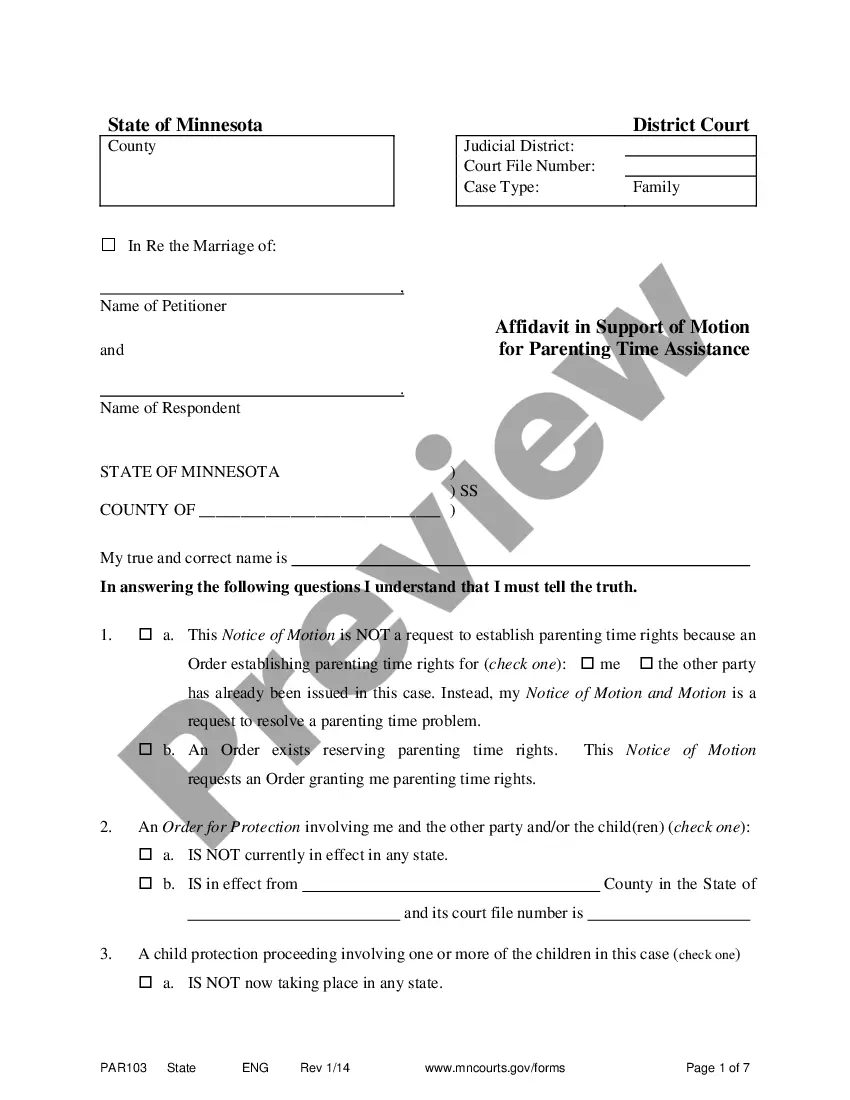
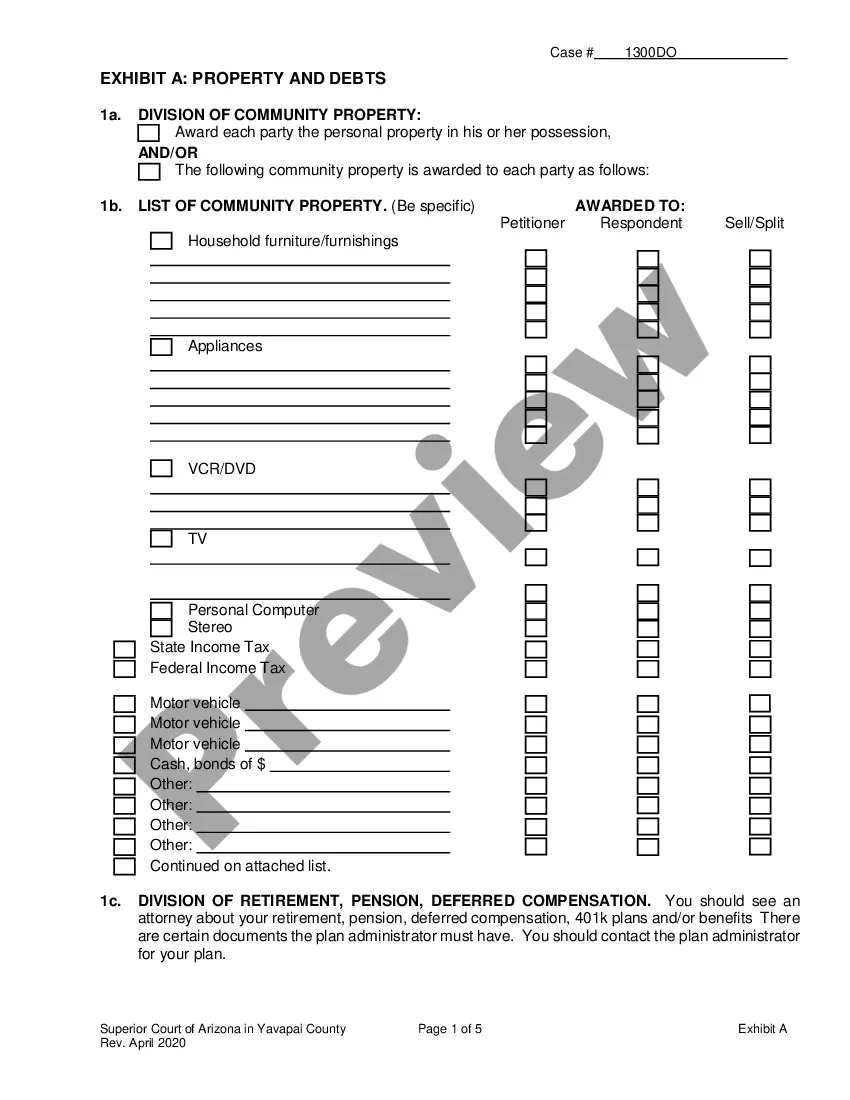
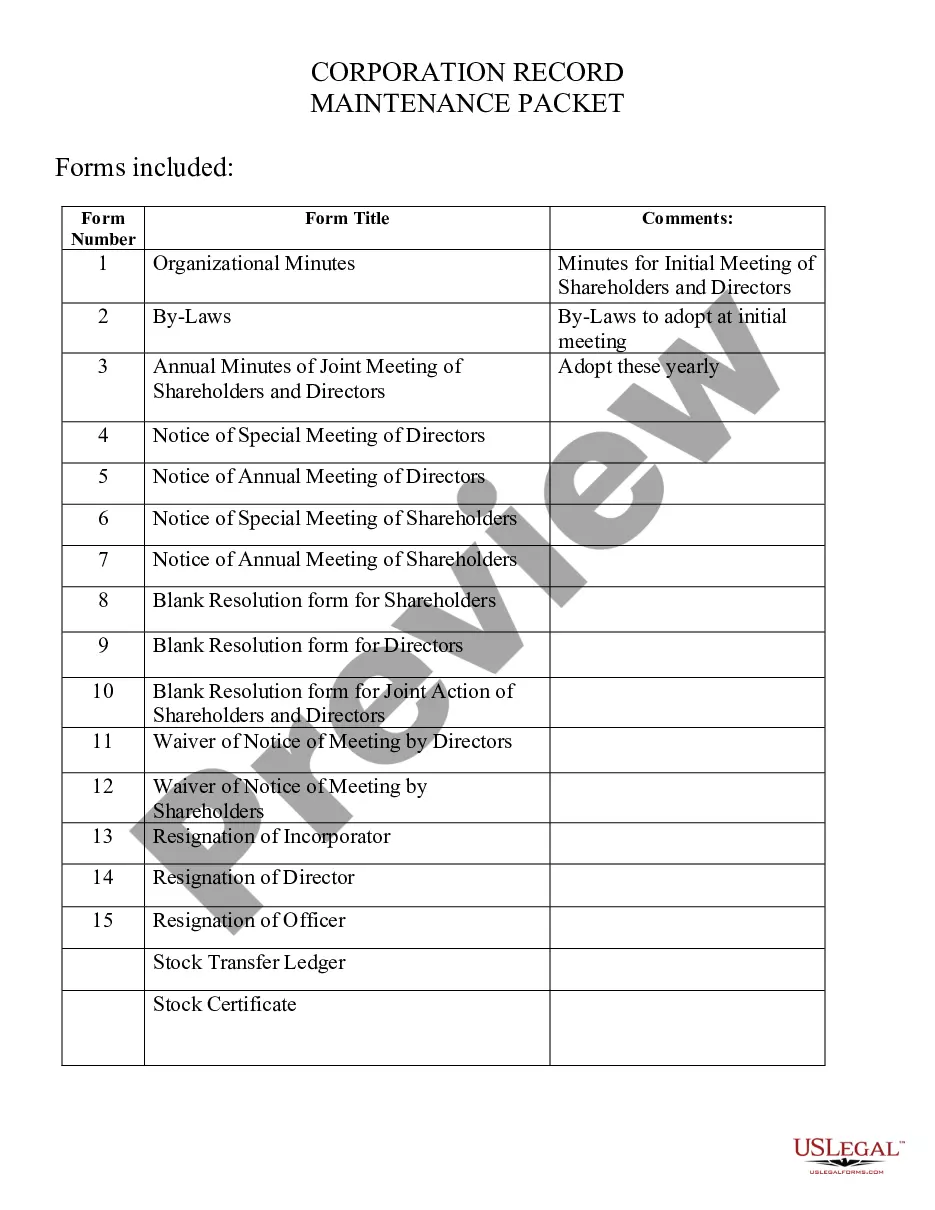
Form popularity
FAQ
How to Write a Washington Quitclaim Deed Name and mailing address of the person to whom the recorded deeds should be sent. Document titles in filing and reference numbers of related documents. Full names of all grantors. The legal description of the property. Assessor's property tax parcel/account number.
A quitclaim deed is often used if the grantor is not sure of the status of the title (whether it contains any defects) or if the grantor wants no liability under the title covenants.
The deed was forged; The deed was induced by fraud, misrepresentation, coercion, duress, or undue influence; The deed was not delivered, or not delivered properly, and there was no acceptance by the grantee.
With a warranty deed, the person transferring title of a property (the seller or grantor) is guaranteeing that they have a defensible ownership interest in the property and can therefore transfer their ownership interest to the other party (the buyer).
Under Washington law, a quitclaim deed must be in writing and signed by the grantor. The law requires acknowledgment of the signature and recording of the quitclaim deed. A filing fee and a transfer tax are due before the recording.
Quitclaim deeds are used for many purposes, including gifts of property, conveyances to correct prior deeds, and conveyances to settle a legal dispute. Quitclaim deeds are also used simply to confirm that the grantor does not claim any interest in the described property.
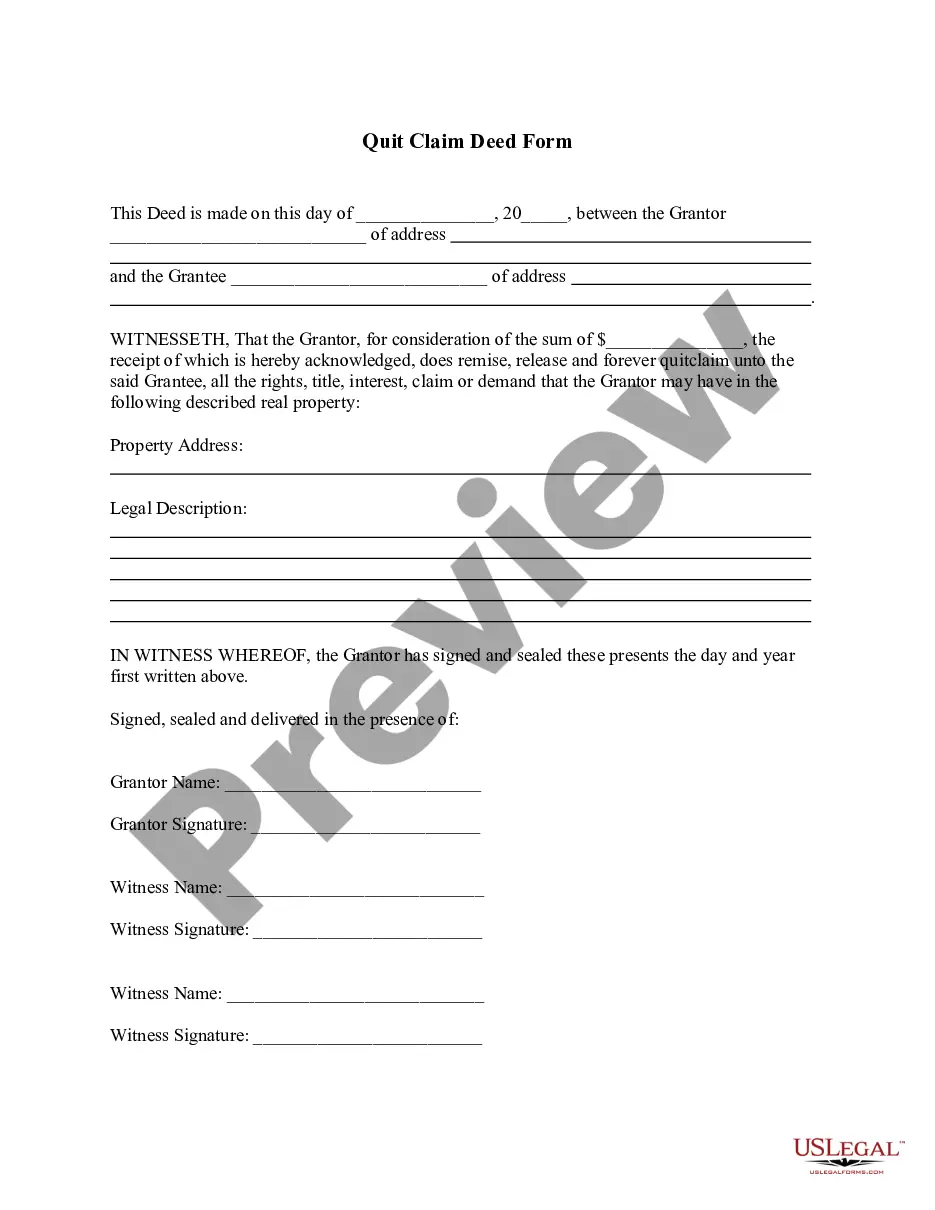
A Washington quit claim deed form (sometimes called a quick claim deed or quitclaim deed) transfers Washington real estate from the current owner (grantor) to a new owner (grantee) with no warranty of title.
A Deed is a legal document that conveys interest in real property from one person or entity to another. The three types of deeds approved by Washington State Legislature are; the Warranty Deed, Bargain and Sale Deed and the Quit Claim Deed.