Exit Mechanism Issues List
Overview of this form
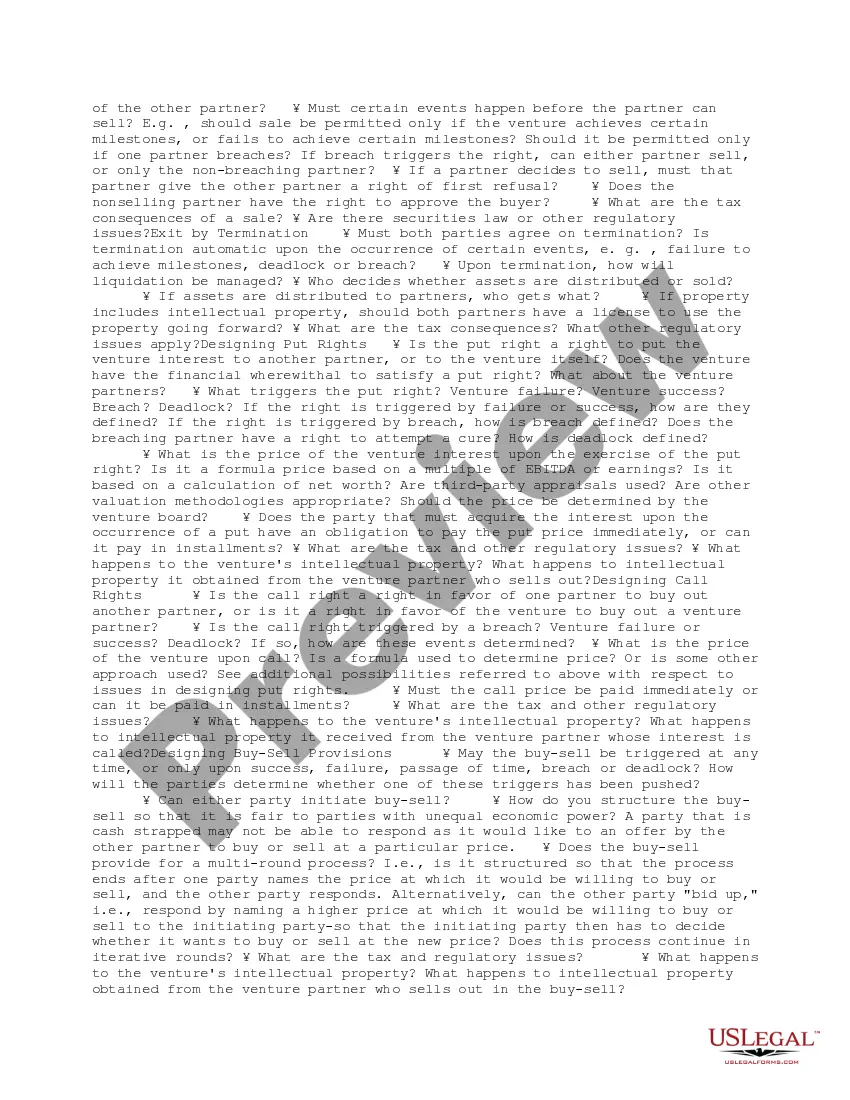
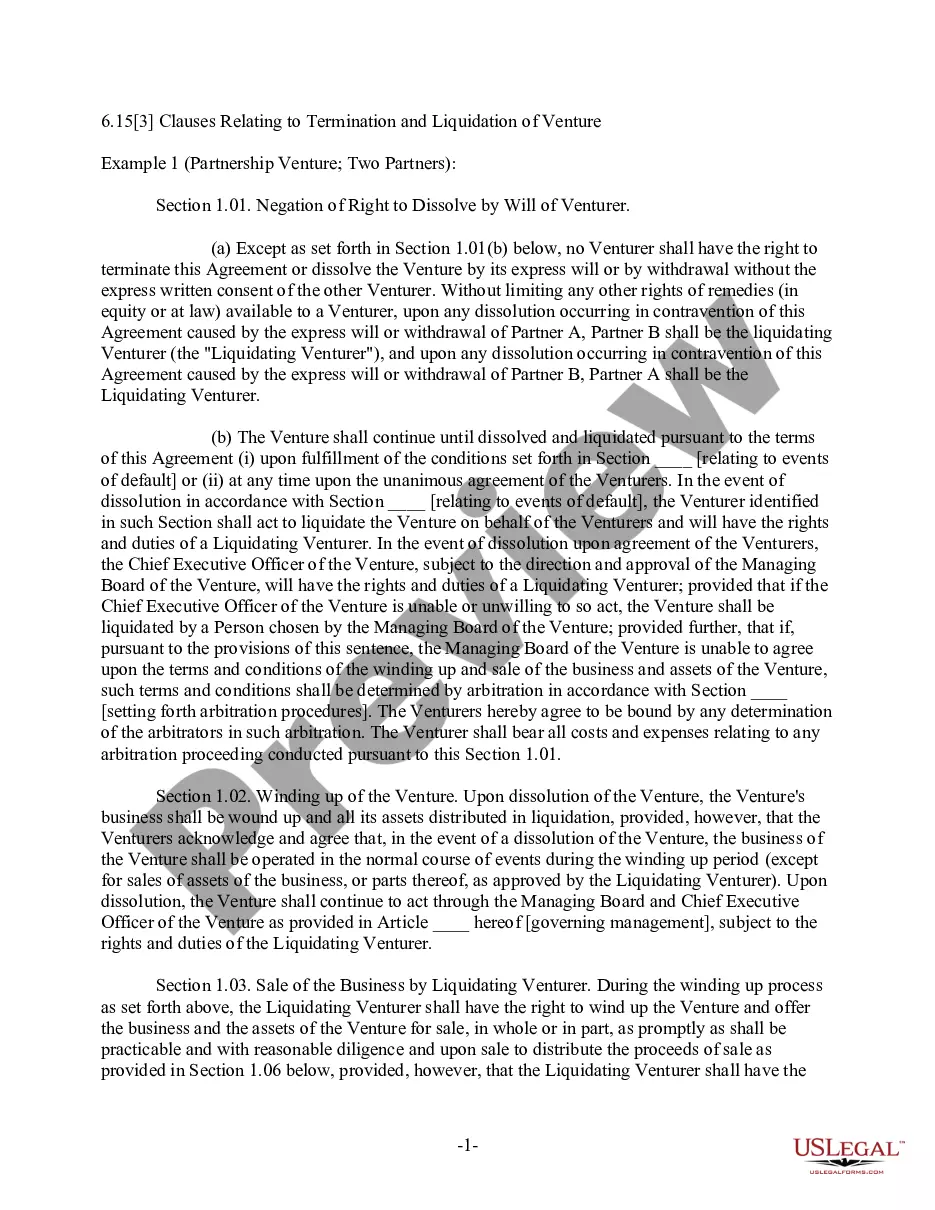
The Exit Mechanism Issues List is a crucial document for partners in a venture, detailing the various mechanisms and circumstances that allow a partner to exit the partnership. Unlike other legal forms, this list provides a comprehensive overview of exit provisions and triggers that are essential for effective joint venture management. It aids in understanding potential exit strategies, ensuring that all partners are aware of their rights and obligations during the exit process.
What’s included in this form
- Types of exit mechanisms available to venture partners.
- Definitions of specific exit triggers prompting an exit.
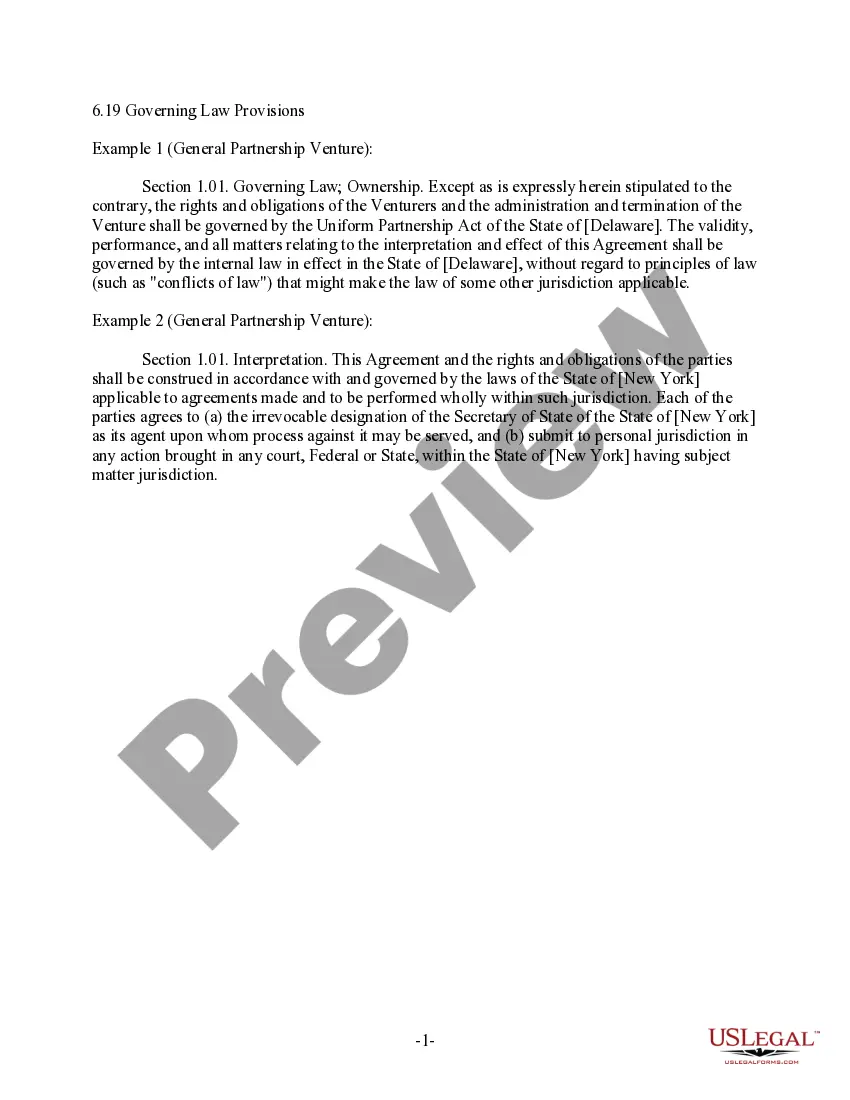
- Discussion on various provisions related to the exit process.
- Procedures for selling venture interests or liquidating the venture.
- Considerations for buy-sell provisions and call/put rights.


Situations where this form applies
This form is necessary when partners in a joint venture seek to outline the conditions and processes by which one partner may exit the venture. It is particularly useful in instances of venture success or failure, partner breaches, or disputes leading to potential deadlocks. Utilizing this list helps partners prepare for various scenarios that may impact their willingness or ability to continue in the venture.
Who should use this form
- Venture partners involved in joint business ventures.
- Legal professionals drafting or reviewing joint venture agreements.
- Business consultants advising clients on exit strategies.
- Entrepreneurs setting up agreements for partnerships.
How to prepare this document
- Identify the partners involved and their respective venture interests.
- Specify the types of exit mechanisms that will be adopted.
- Define the triggers that would allow for an exit by any partner.
- Outline the process for liquidation or sale of the venture or interests.
- Include any necessary clauses regarding call or put rights.
Notarization requirements for this form
Notarization is not commonly needed for this form. However, certain documents or local rules may make it necessary. Our notarization service, powered by Notarize, allows you to finalize it securely online anytime, day or night.
Get your form ready online
Our built-in tools help you complete, sign, share, and store your documents in one place.
Make edits, fill in missing information, and update formatting in US Legal Forms—just like you would in MS Word.
Download a copy, print it, send it by email, or mail it via USPS—whatever works best for your next step.
Sign and collect signatures with our SignNow integration. Send to multiple recipients, set reminders, and more. Go Premium to unlock E-Sign.
If this form requires notarization, complete it online through a secure video call—no need to meet a notary in person or wait for an appointment.
We protect your documents and personal data by following strict security and privacy standards.
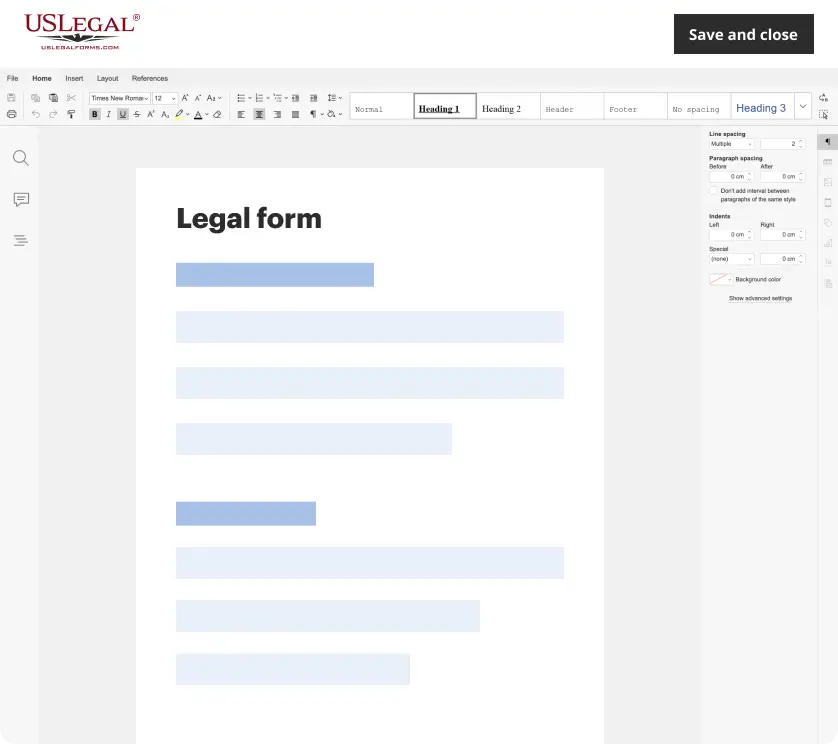
Make edits, fill in missing information, and update formatting in US Legal Forms—just like you would in MS Word.
Download a copy, print it, send it by email, or mail it via USPS—whatever works best for your next step.
Sign and collect signatures with our SignNow integration. Send to multiple recipients, set reminders, and more. Go Premium to unlock E-Sign.

If this form requires notarization, complete it online through a secure video call—no need to meet a notary in person or wait for an appointment.
We protect your documents and personal data by following strict security and privacy standards.
Common mistakes to avoid
- Failing to clearly define exit triggers can lead to disputes later.
- Not considering the tax implications of exit mechanisms.
- Assuming all partners have the same view on venture success or failure without written agreement.
- Neglecting to review local laws that could affect exit strategies.
Benefits of completing this form online
- Instant access to professionally drafted exit mechanism provisions.
- Easily editable to fit specific circumstances of your joint venture.
- Ensures reliability by being drafted by licensed attorneys.
- Streamlines the process of preparing legal documents compared to manual drafting.
Legal use & context
- This form is designed to facilitate clear communication and agreement between venture partners on exit strategies.
- Properly drafted exit provisions can help avoid disputes and ensure a smooth transition in case of exit.
- While generally enforceable, specific state laws may affect the validity of certain exit mechanisms.
Quick recap
- The Exit Mechanism Issues List is essential for managing partner exits in joint ventures.
- Understanding the various exit mechanisms and triggers can prevent future conflicts.
- This form is valuable for legal professionals and business partners alike.
- Using this form can enhance clarity and transparency in partnership agreements.
Looking for another form?







Form popularity
FAQ
1) Liquidation. 2) Liquidation Over Time. 3) Keep Your Business in the Family. 4) Sell Your Business to Managers and/or Employees. 5) Sell the Business in the Open Market. 6) Sell to Another Business. 7) The IPO (Initial Public Offering)
Prepare your finances. Consider your options. Speak with your investors. Choose new leadership. Tell your employees. Inform your customers.
Lifestyle company exit. Legacy. Mergers and acquisitions. Acquihires. Management and employee buyouts. Selling your stake to a partner or investor. Initial public offering (IPO) Liquidating.
Prepare your finances. Consider your options. Speak with your investors. Choose new leadership. Tell your employees. Inform your customers.
Merger. In a merger, two businesses combine into one. Acquisition. An acquisition is when a company buys another business. Sell to someone you know. You may want to see your business live on under someone else's ownership. Initial public offering. Liquidation.
Passing the business to a successor. Transferring ownership through a management or employee buyout. Selling the business to a third party.