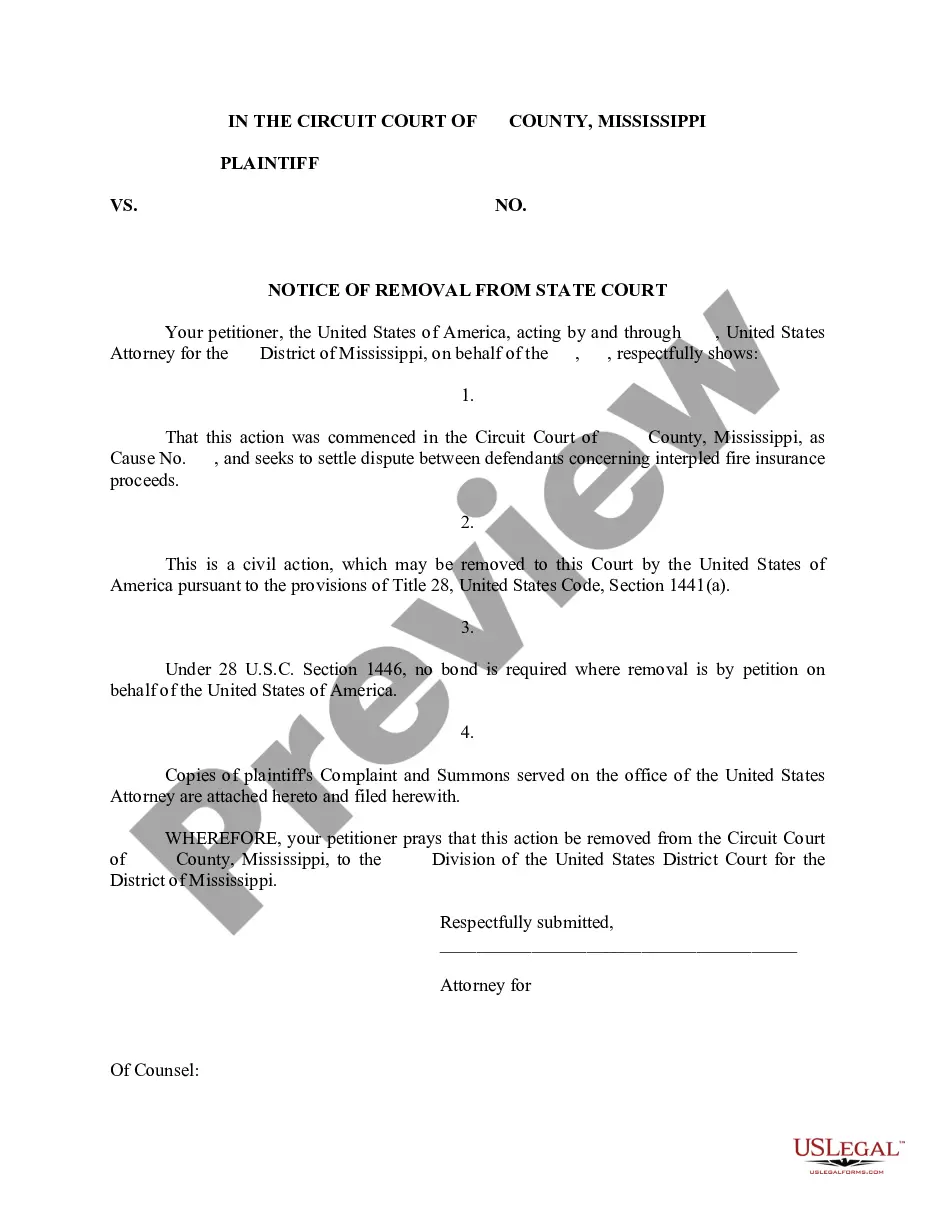
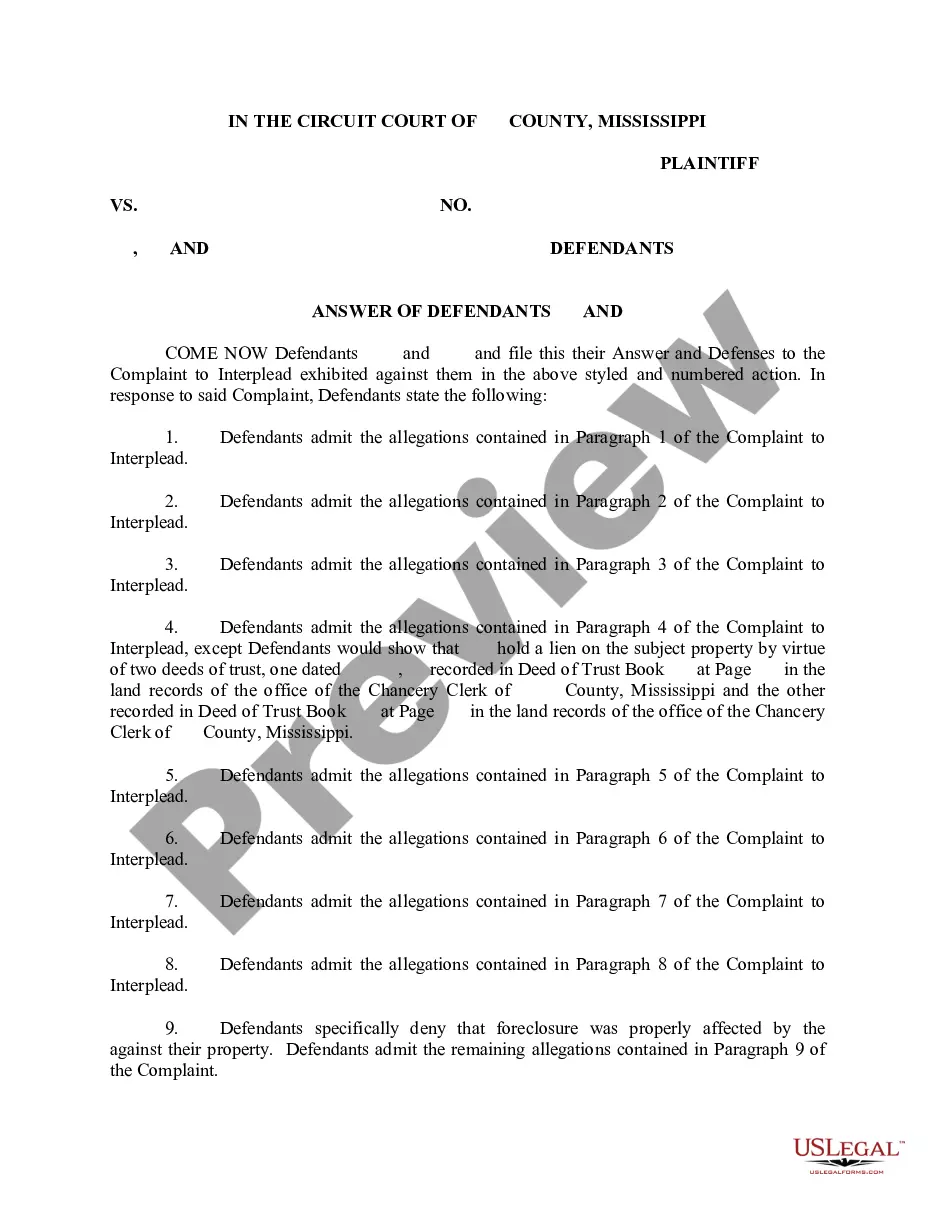
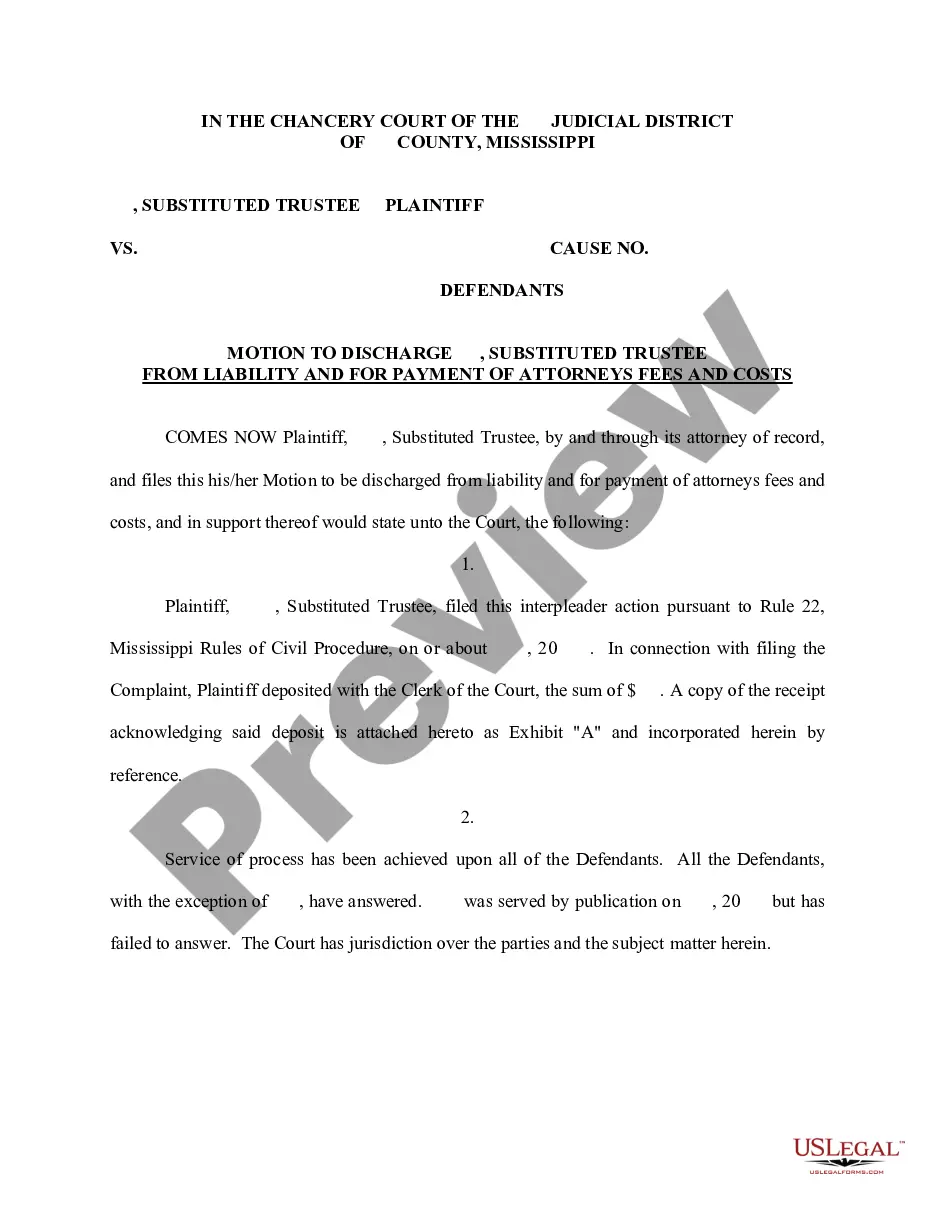
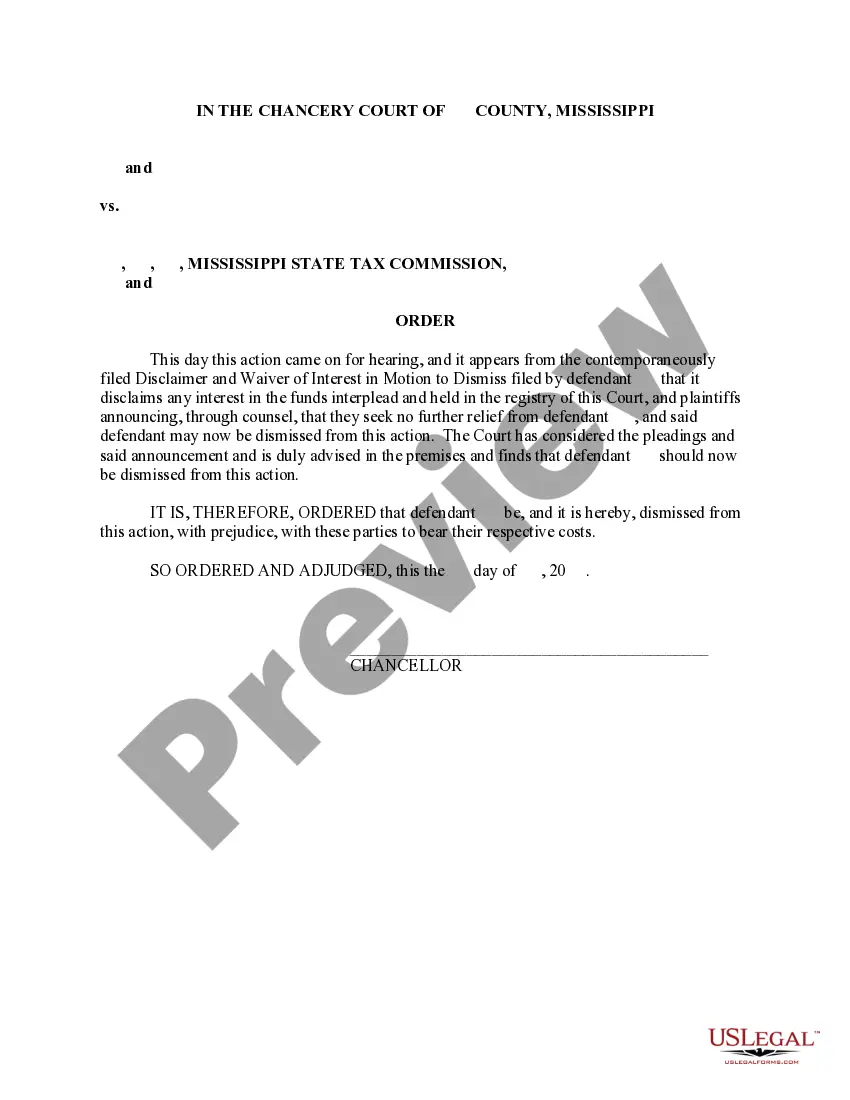
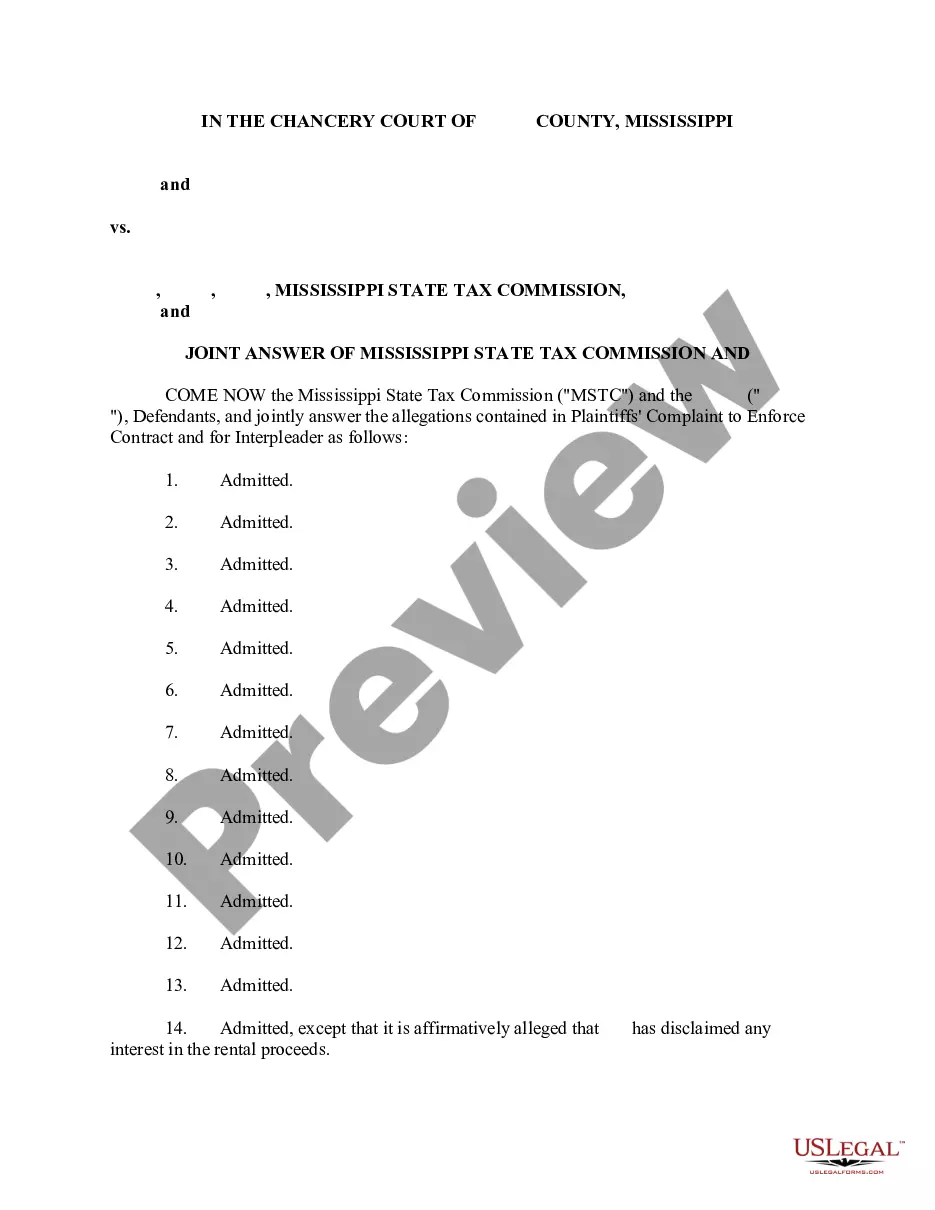
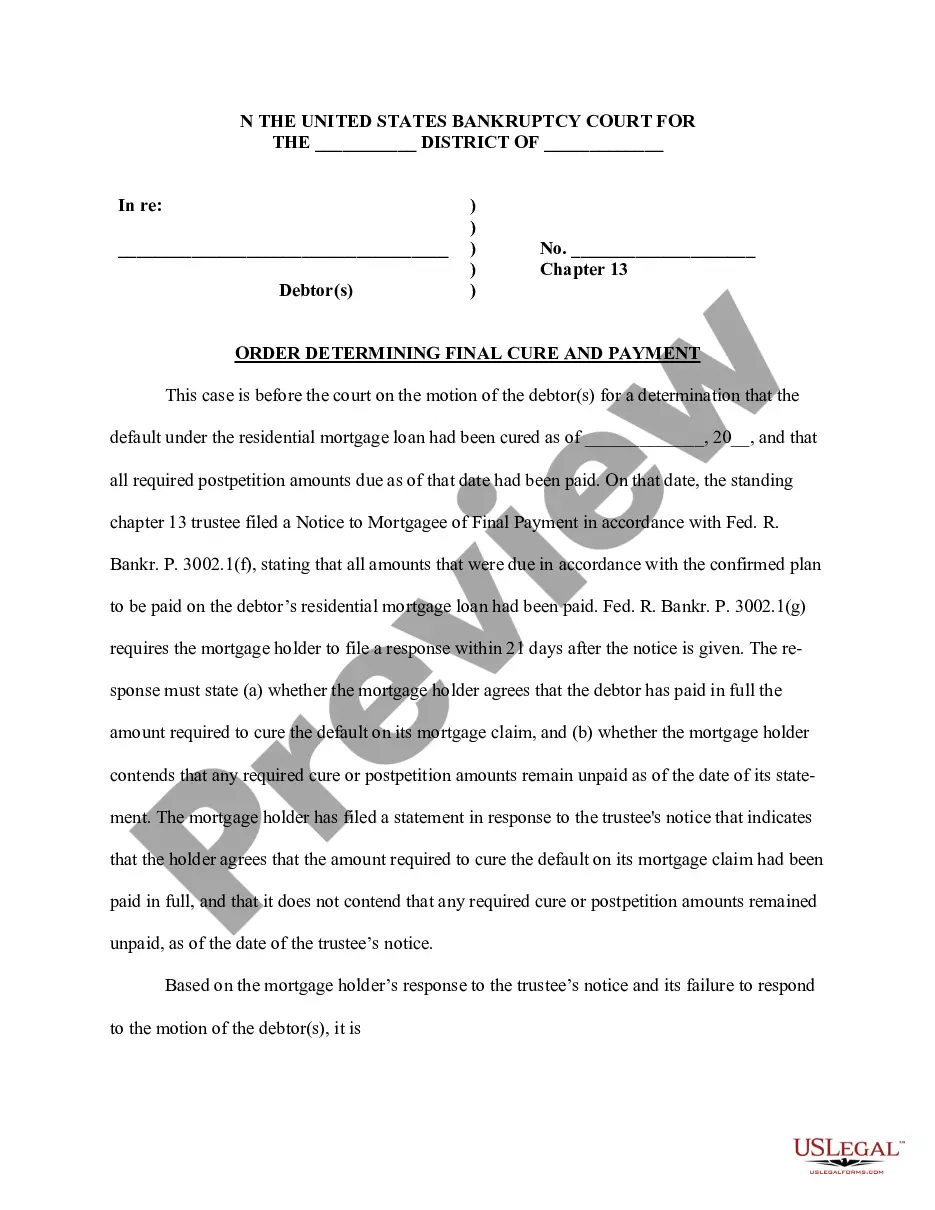
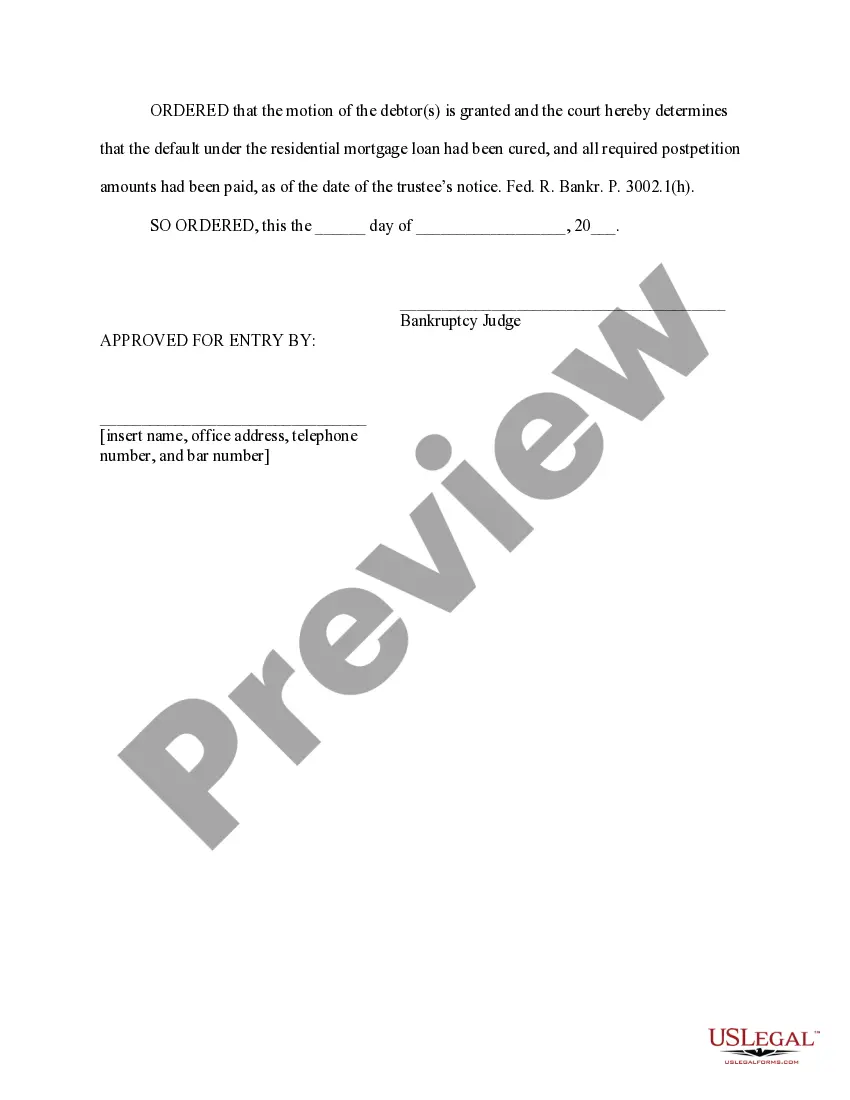
Order granting motion to determine final cure and payment (mortgagee's response agrees with trustee's notice)
Overview of this form
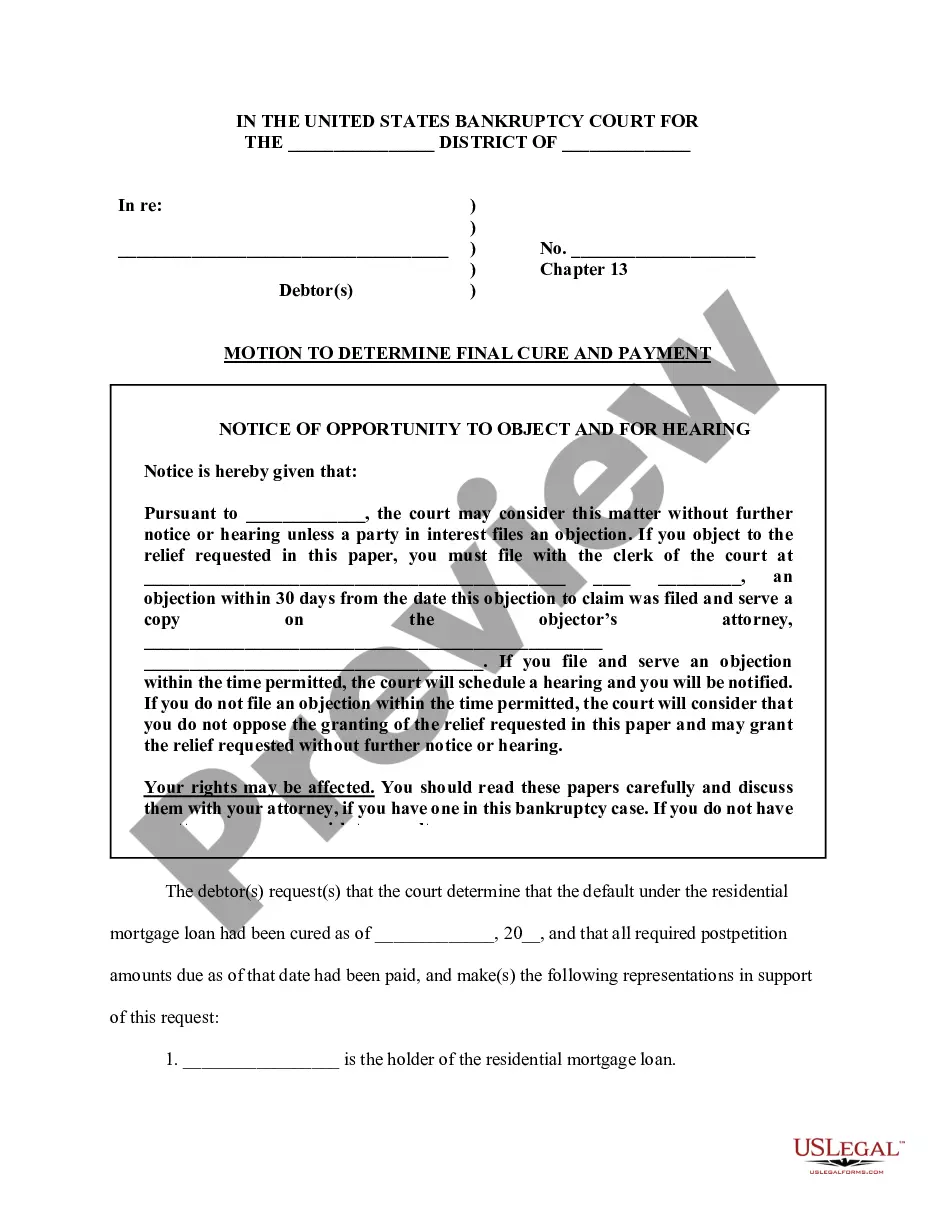
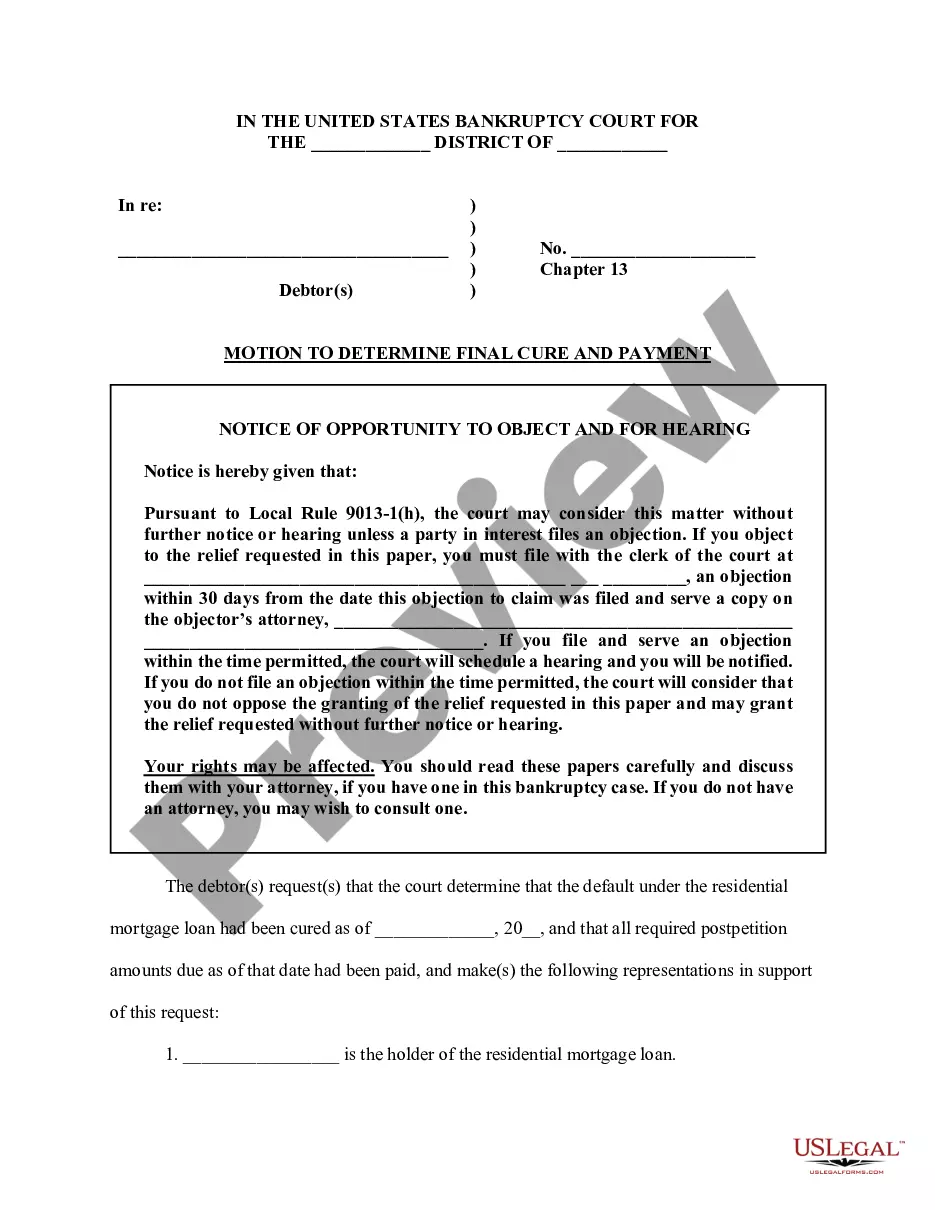
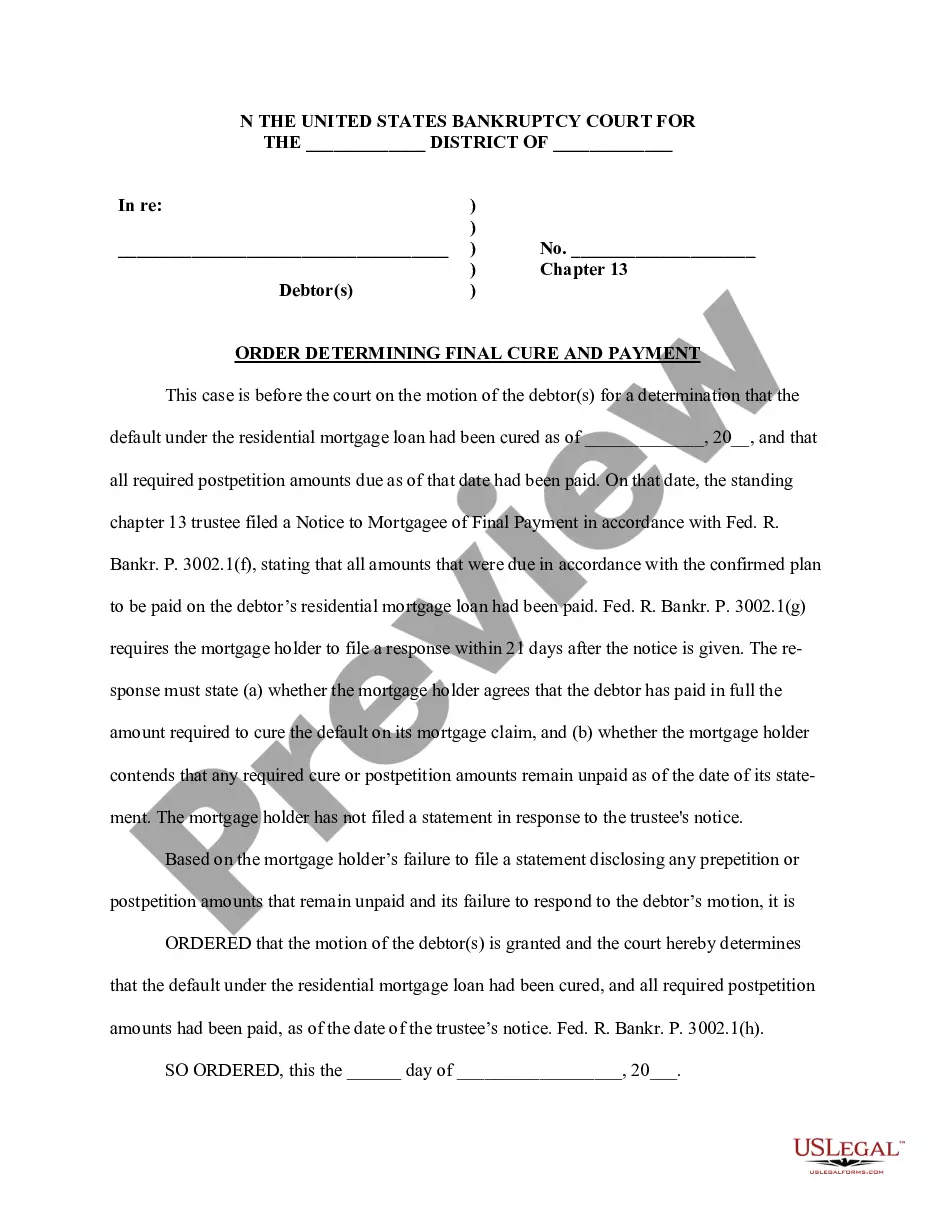
The Order Granting Motion to Determine Final Cure and Payment is a legal document used in bankruptcy proceedings, particularly for Chapter 13 cases. This form confirms that a debtor has successfully cured any mortgage loan defaults and that all required postpetition payments have been made. Unlike other bankruptcy forms, this order specifically addresses the mortgage holder's agreement with the trustee's notice regarding the debtor's payment status.
Key parts of this document
- The title clearly identifies the purpose of the order.
- Identification of the court and case details, including the district and case number.
- Affirmation that the debtor has cured any defaults on their mortgage loan.
- A summary of responses from the mortgage holder regarding payment status.
- A declaration signed by the Bankruptcy Judge to finalize the order.
When this form is needed
This form should be used after a debtor has filed for Chapter 13 bankruptcy and has made all necessary payments related to their residential mortgage. It is typically required when the standing chapter 13 trustee has notified the mortgage holder that the debtor has complied with the payment plan, and the mortgage holder has agreed that all dues are cleared. This enables the debtor to regain rightful standing on their mortgage account.
Who can use this document
- Debtors in Chapter 13 bankruptcy wanting to verify their mortgage payment status.
- Mortgage holders responding to a trustee's notice regarding final payments.
- Bankruptcy attorneys representing clients in Chapter 13 cases.
Instructions for completing this form
- Complete the case details, including the district and case number.
- Fill in the debtor's name and information as well as the mortgage holder's response.
- Specify the date on which the default was cured.
- Sign the order section as indicated, including the Bankruptcy Judge's signature.
- Ensure all provided information is accurate before submission to the court.
Notarization guidance
This form does not typically require notarization unless specified by local law. Always verify the requirements in your jurisdiction before submission.
Get your form ready online
Our built-in tools help you complete, sign, share, and store your documents in one place.
Make edits, fill in missing information, and update formatting in US Legal Forms—just like you would in MS Word.
Download a copy, print it, send it by email, or mail it via USPS—whatever works best for your next step.
Sign and collect signatures with our SignNow integration. Send to multiple recipients, set reminders, and more. Go Premium to unlock E-Sign.
If this form requires notarization, complete it online through a secure video call—no need to meet a notary in person or wait for an appointment.
We protect your documents and personal data by following strict security and privacy standards.
Make edits, fill in missing information, and update formatting in US Legal Forms—just like you would in MS Word.
Download a copy, print it, send it by email, or mail it via USPS—whatever works best for your next step.
Sign and collect signatures with our SignNow integration. Send to multiple recipients, set reminders, and more. Go Premium to unlock E-Sign.

If this form requires notarization, complete it online through a secure video call—no need to meet a notary in person or wait for an appointment.
We protect your documents and personal data by following strict security and privacy standards.
Avoid these common issues
- Failing to file the mortgage holder's response within the 21-day deadline.
- Inaccurate entries in case details leading to complications.
- Not including the required signatures from parties involved.
Advantages of online completion
- Convenience of filling out the form from anywhere with internet access.
- Editable and customizable to fit specific case details.
- Reliability of using professionally drafted legal templates.
Looking for another form?
Form popularity
FAQ
Once you have paid off all of your chapter 13 bankruptcy debts, you will go to the bankruptcy court for one last hearing ? your discharge hearing. You have the option of directing your attorney to attend the hearing in your place. The bankruptcy judge will review all of your case details.
Cure Payment means the payment of Cash or the distribution of other property (as the parties may agree or the Bankruptcy Court may order) that is necessary to cure any and all defaults under an executory contract or unexpired lease so that such contract or lease may be assumed, or assumed and assigned, pursuant to
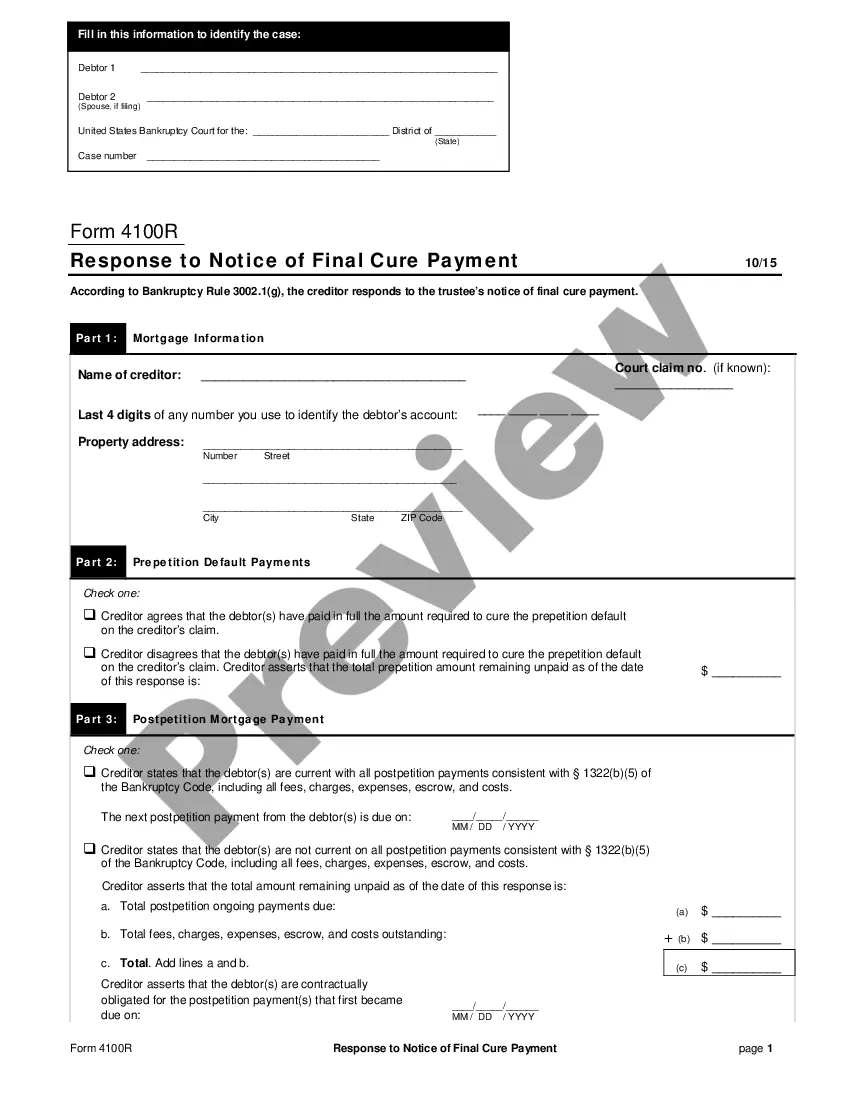
Bankruptcy Rule 3002.1(g) provides that once the trustee files a Notice of Final Cure of mortgage payments, a mortgage lender must file a response within 21 days indicating whether it agrees that the arrears have been fully cured and whether payments are current.
If the trustee files a Notice of Final Cure Payment, the creditor should respond regardless of whether the debtor is current or if relief is obtained. If you fail to do this, it is at your own risk.
While Chapter 7 eliminates all your debt, Chapter 13 is a repayment plan. Once you file, you'll work with a trustee to come up with a court-approved payment plan. You pay the trustee, who then pays your creditors. No more creditors calling or sending intimidating letters.
Overview. A Notice of Final Cure Mortgage Payment is filed by the trustee within 30 days of the date the debtor completes all payments under the plan. The purpose of the notice is to state whether the debtor has paid the full amount required to cure the mortgage default.
Stopping the Foreclosure Process Once the foreclosure process has started, a property owner, or another lienholder, may stop the process by ?curing? the default. A written Notice of Intent to Cure must be filed with the Public Trustee's Office no later than 15 days prior to the scheduled sale date.
Cure Amounts means all amounts, costs and expenses required by the Bankruptcy Court to cure all defaults and other amounts outstanding under the Assumed Contracts and Additional Assumed Contracts to the extent required so that they may be assumed by the applicable Selling Entities and assigned to Buyer pursuant to