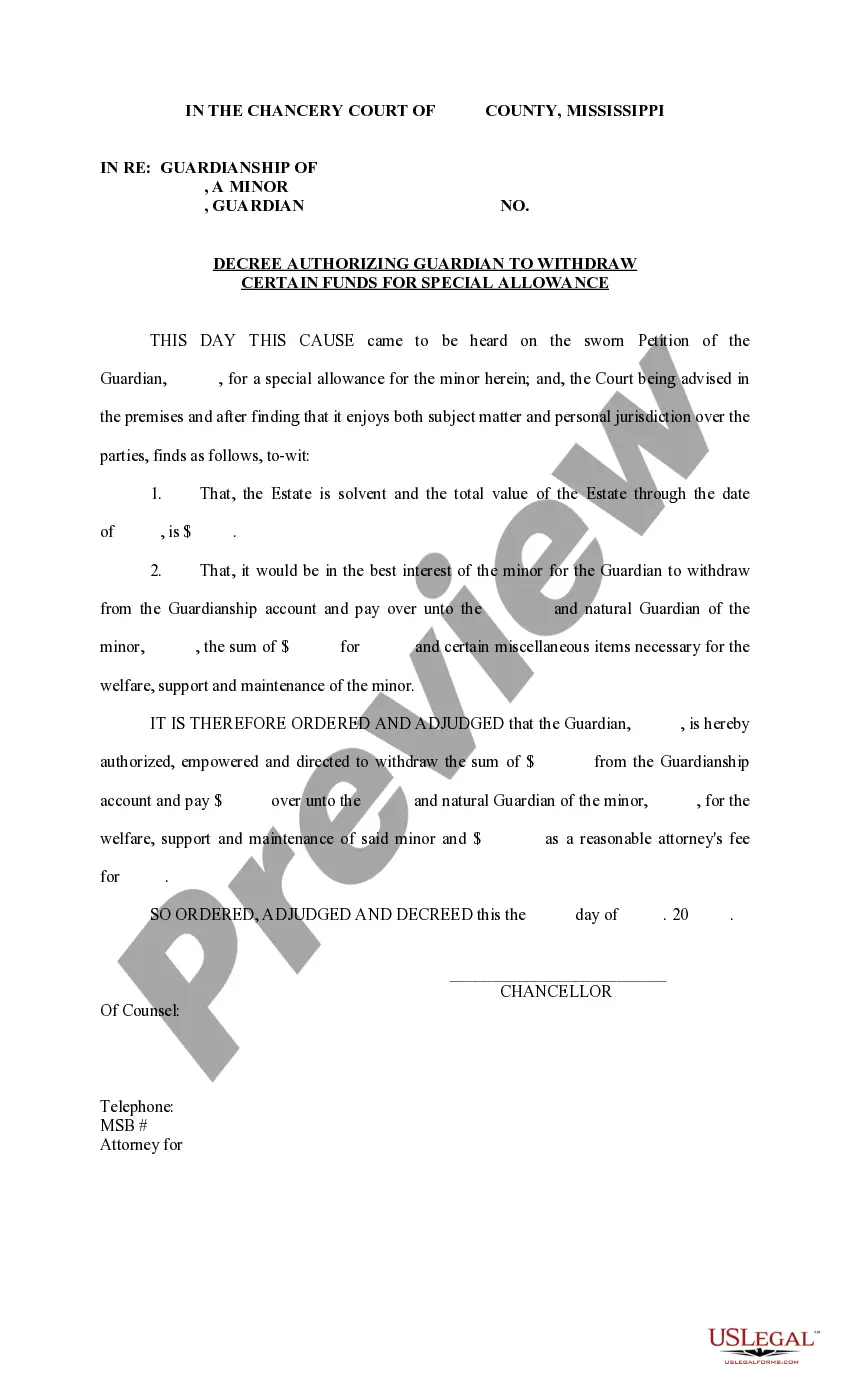
Mississippi Decree Authorizing Guardian to Withdraw Certain Funds
What is this form?
The Decree Authorizing Guardian to Withdraw Certain Funds is a legal document issued by a court that allows a guardian to access funds on behalf of a minor or incapacitated individual. This decree ensures compliance with court orders, enabling guardians to manage financial matters responsibly. It differs from other forms as it specifically addresses the withdrawal of funds, emphasizing the need for judicial approval in such transactions.
Key parts of this document
- Court heading indicating the jurisdiction and case number.
- Identification of the guardian and the individual for whom they are acting.
- A clear statement of the funds or accounts from which withdrawals are permitted.
- Specifics on the use of the withdrawn funds.
- Signature line for the judge's approval.
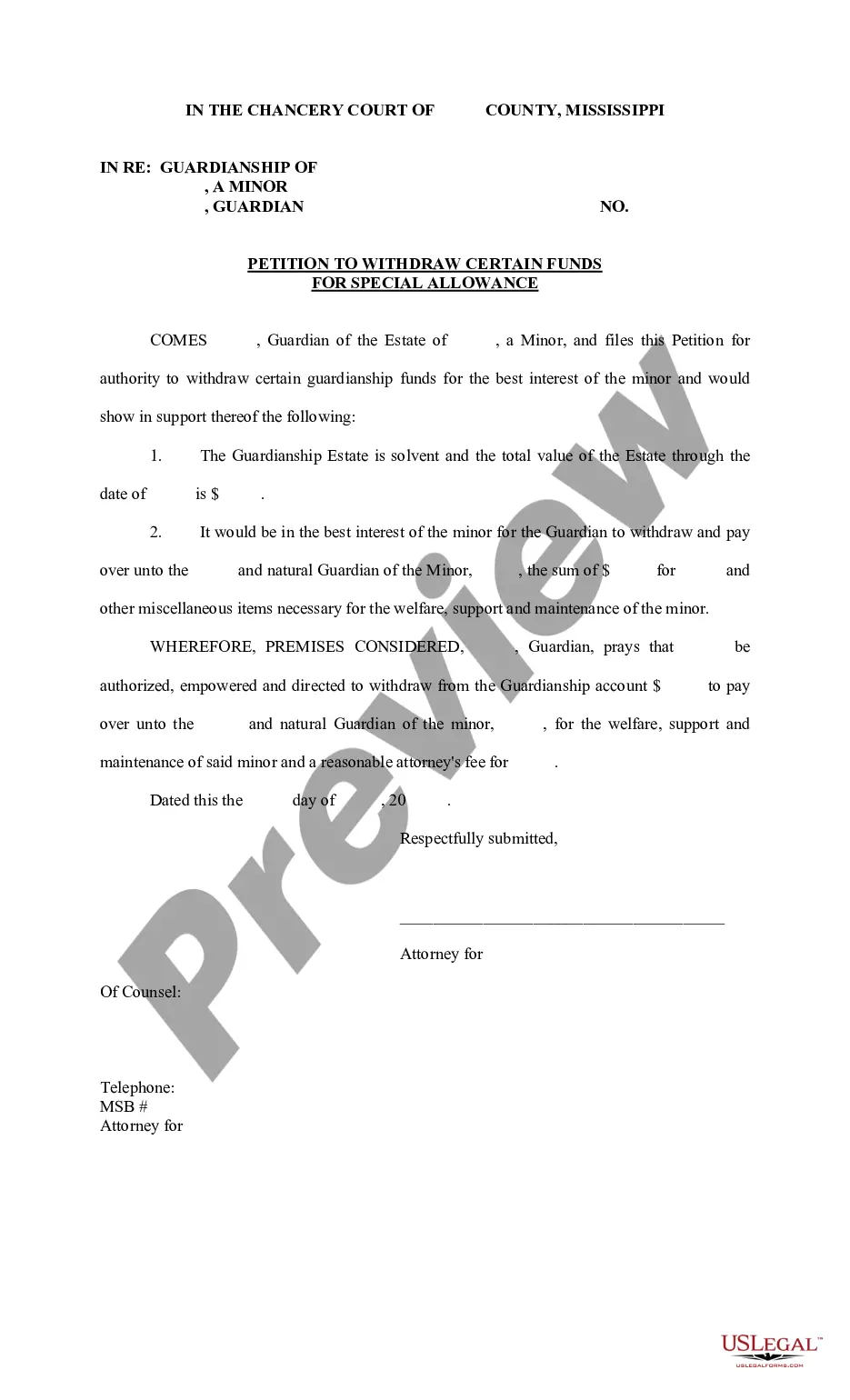
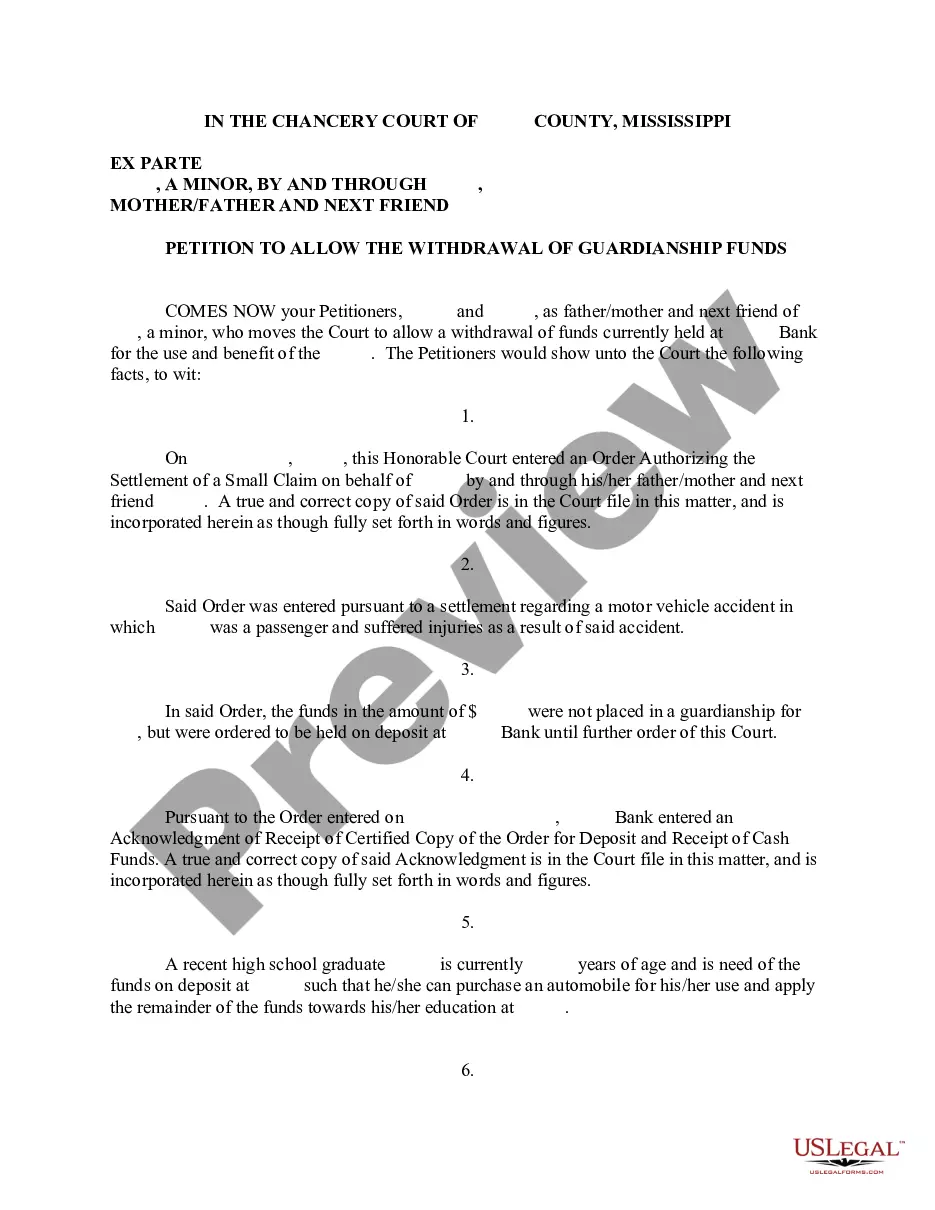
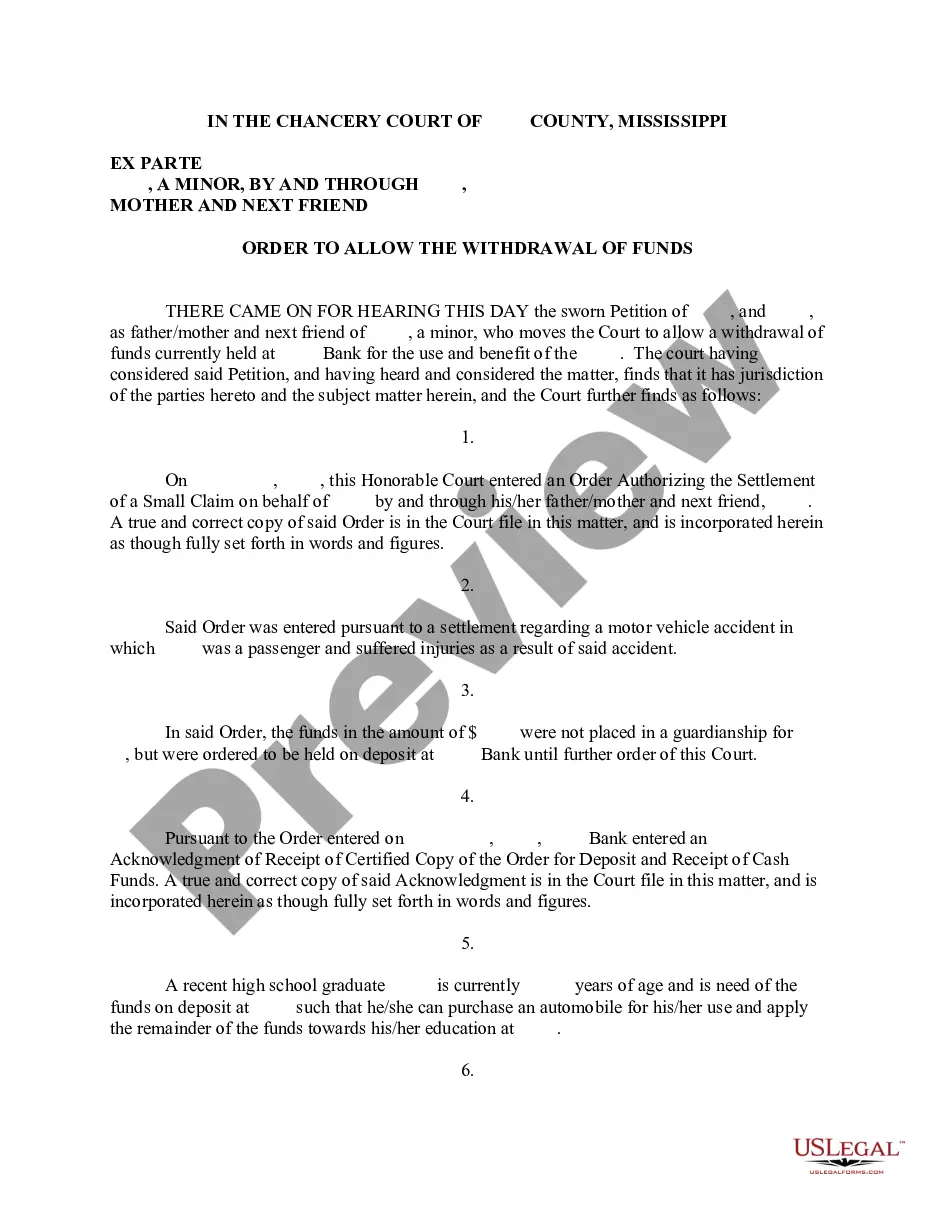
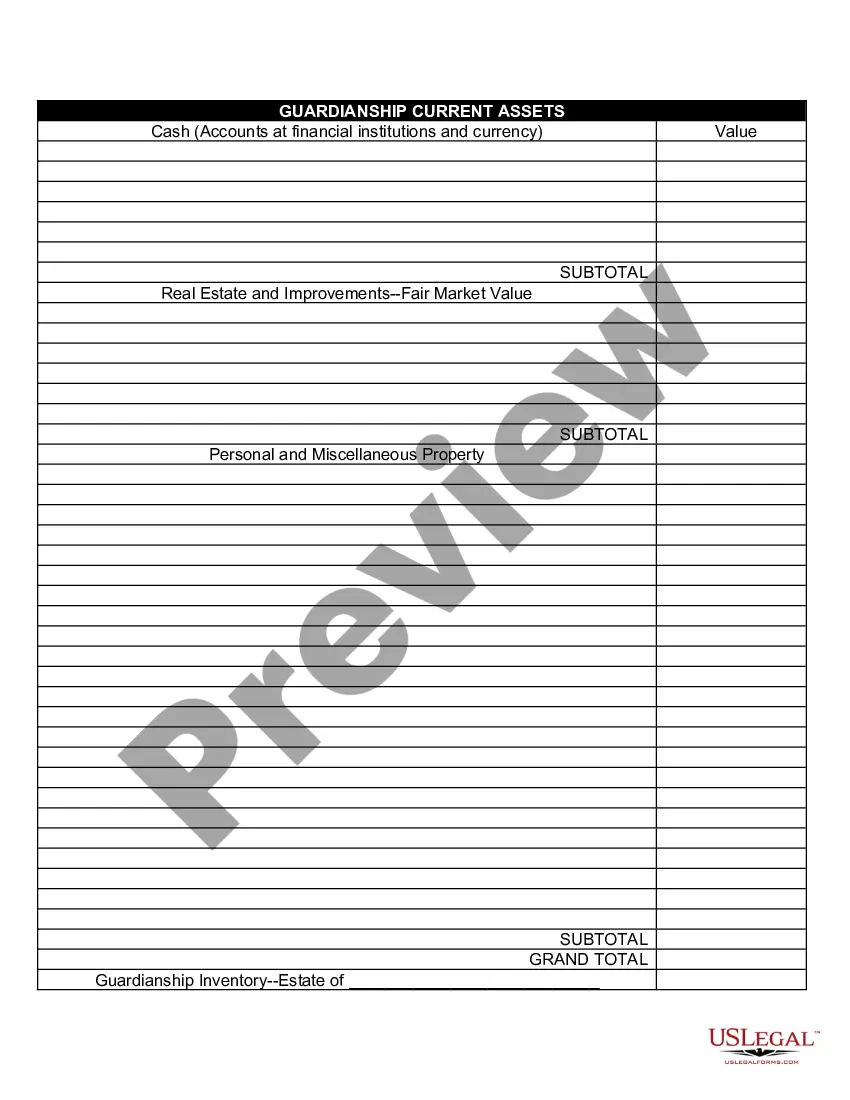
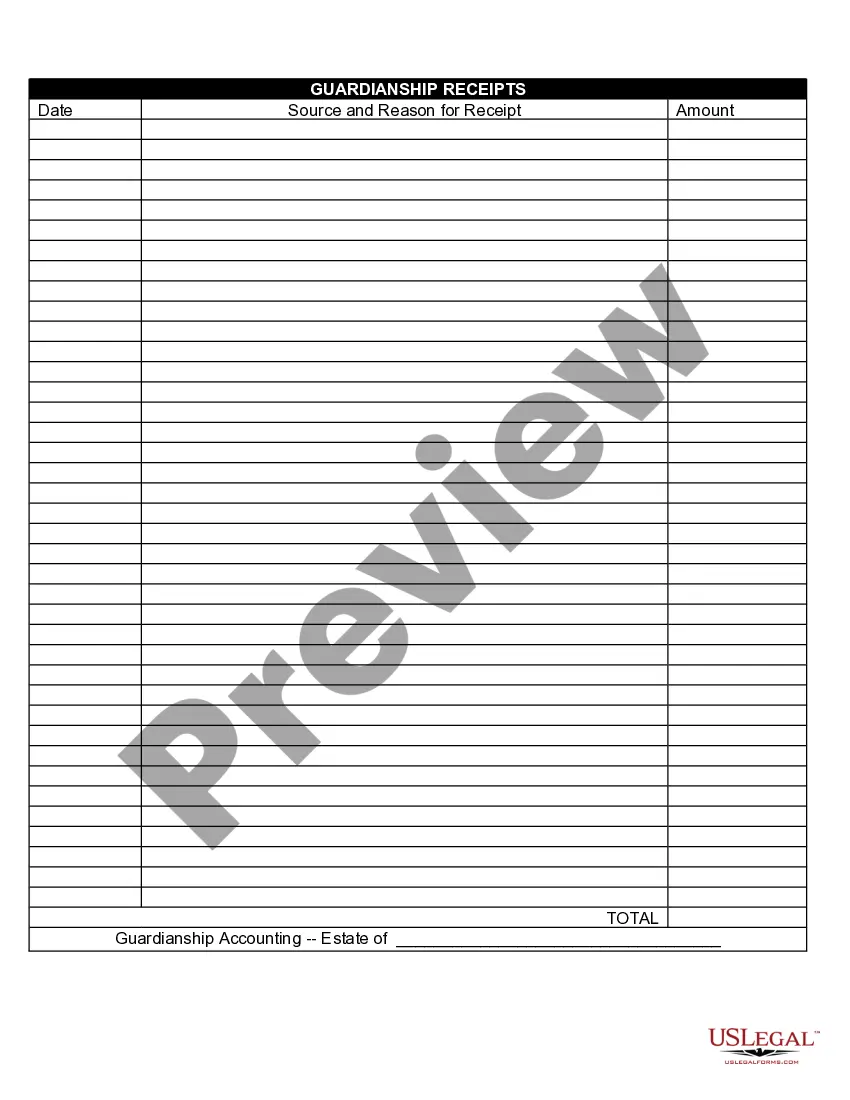
When to use this document
This form is necessary when a guardian needs to access funds that belong to a minor or an incapacitated person for specific needs, such as medical expenses, education, or other essential services. It is utilized in situations where the guardianship has been established and financial access is legally required to ensure the welfare of the individual under guardianship.
Who needs this form
- Guardians who have legal authority over a minor or incapacitated individual.
- Legal representatives seeking a court order to facilitate financial transactions.
- Individuals involved in the management of funds for minors or wards of the state.
How to complete this form
- Identify the guardian and the individual for whom the guardian is acting.
- List the specific funds or accounts from which withdrawals are being authorized.
- Specify how the withdrawn funds will be used to benefit the individual.
- Provide any necessary case numbers and court information.
- Ensure the judge signs the document for it to be valid.
Notarization guidance
This document requires notarization to meet legal standards. US Legal Forms provides secure online notarization powered by Notarize, allowing you to complete the process through a verified video call, available 24/7.
Get your form ready online
Our built-in tools help you complete, sign, share, and store your documents in one place.
Make edits, fill in missing information, and update formatting in US Legal Forms—just like you would in MS Word.
Download a copy, print it, send it by email, or mail it via USPS—whatever works best for your next step.
Sign and collect signatures with our SignNow integration. Send to multiple recipients, set reminders, and more. Go Premium to unlock E-Sign.
If this form requires notarization, complete it online through a secure video call—no need to meet a notary in person or wait for an appointment.
We protect your documents and personal data by following strict security and privacy standards.

Make edits, fill in missing information, and update formatting in US Legal Forms—just like you would in MS Word.

Download a copy, print it, send it by email, or mail it via USPS—whatever works best for your next step.

Sign and collect signatures with our SignNow integration. Send to multiple recipients, set reminders, and more. Go Premium to unlock E-Sign.

If this form requires notarization, complete it online through a secure video call—no need to meet a notary in person or wait for an appointment.

We protect your documents and personal data by following strict security and privacy standards.
Avoid these common issues
- Failing to include all necessary identification information for the guardian and the individual.
- Leaving out details about how the funds will be used.
- Not obtaining the judge's signature before attempting to withdraw the funds.
- Using outdated or incorrect forms that do not comply with current legal standards.
Benefits of using this form online
- Convenience of accessing and completing the form from home.
- Editable templates that can be customized for specific needs.
- Reliable resources ensuring that the forms are legally accurate and up to date.
Looking for another form?
Form popularity
FAQ
The guardian can be authorized to make legal, financial, and health care decisions for the ward. Depending on the terms of the guardianship and state practices, the guardian may or may not have to seek court approval for various decisions.
The guardian is responsible for deciding where the ward's liquid assets will be held and who will be responsible for overseeing the investments. If the ward owns any real estate, the guardian is responsible for paying all of the bills for maintaining the property such as taxes, mortgages and insurance.
Protect, preserve, manage, and dispose of the estate according to law and for the best interest of the protected person. Use the protected person's estate for the proper care, maintenance, education, and support of the protected person and anyone to whom the protected person owes a legal duty of support.
A guardian is generally paid an amount which is not more than five percent of the ward's yearly income. The amount may vary slightly, but in no case should the guardian's compensation be fixed at less than fifty dollars for a year.
A guardianship is for managing the person's personal affairs; a conservatorship is for managing the person's financial matters. A conservatorship generally supercedes a power of attorney.
Under certain circumstances, a Guardian may be personally liable for improper distributions, and may be compelled by a Court to make a distribution at the Ward's or Interested Person's request.
The person who wants to end the guardianship will have to file some forms, set a court hearing, and serve the guardians and all other relatives so a judge can see everyone in person and decide whether the guardianship is still needed.
Guardianship of the person. The legal guardian has the right to consent for the minor and make all decisions regarding the minor's health and education. A legal guardian will maintain custody of the minor until the minor reaches the age of eighteen, or until a judge determines that the minor no longer needs a guardian.
Once a parent is no longer competent, he or she cannot revoke the power of attorney.If the court finds the agent is not acting in the principal's best interest, the court can revoke the power of attorney and appoint a guardian. The power of attorney ends at death.