Compensation for Injuries or Sickness IRS Code 104
Overview of this form
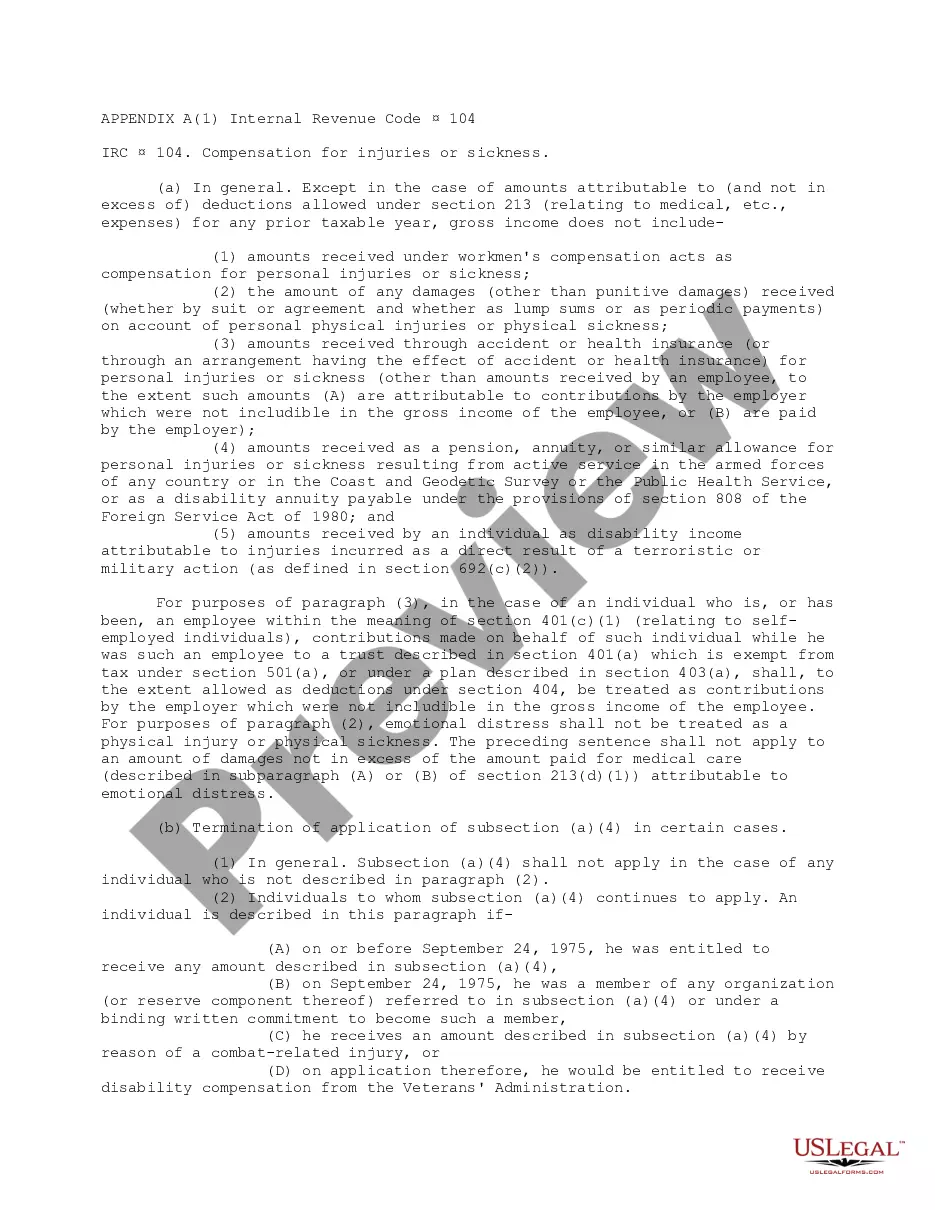
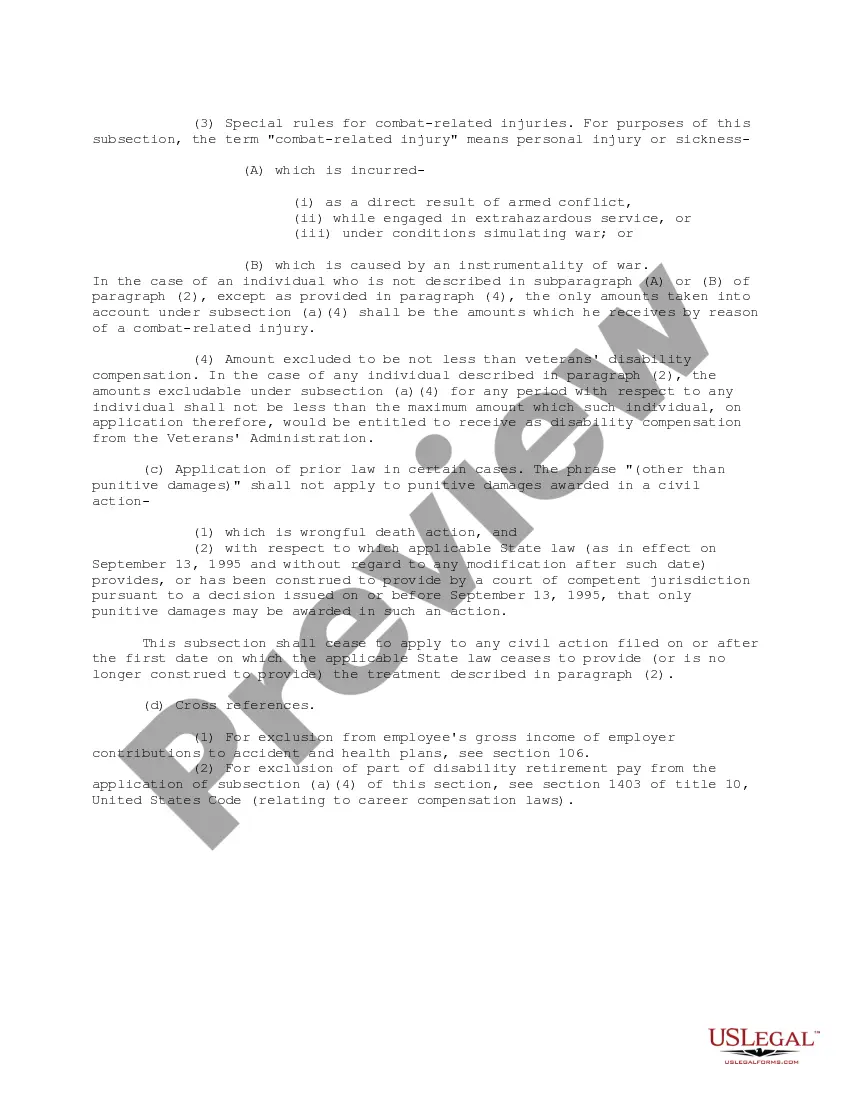
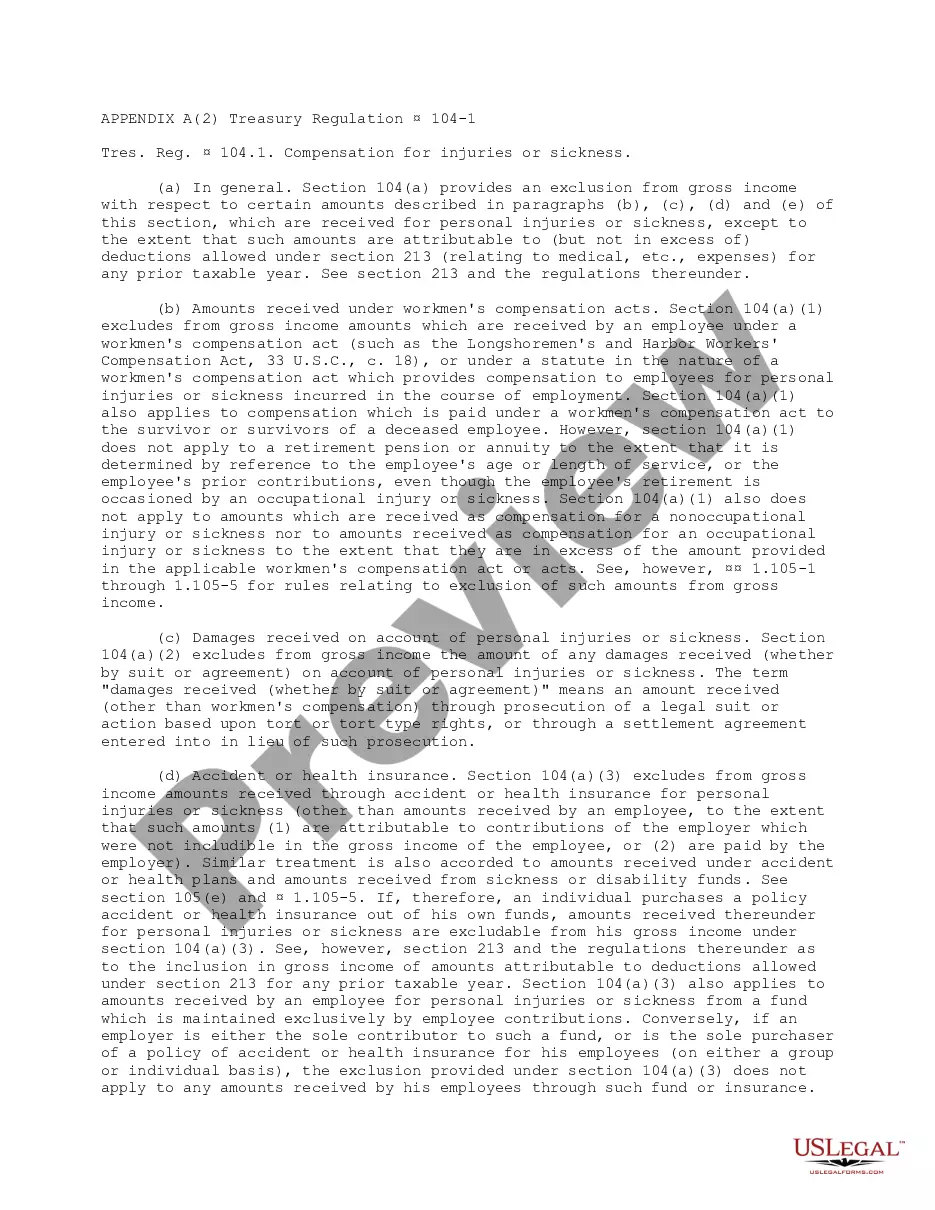
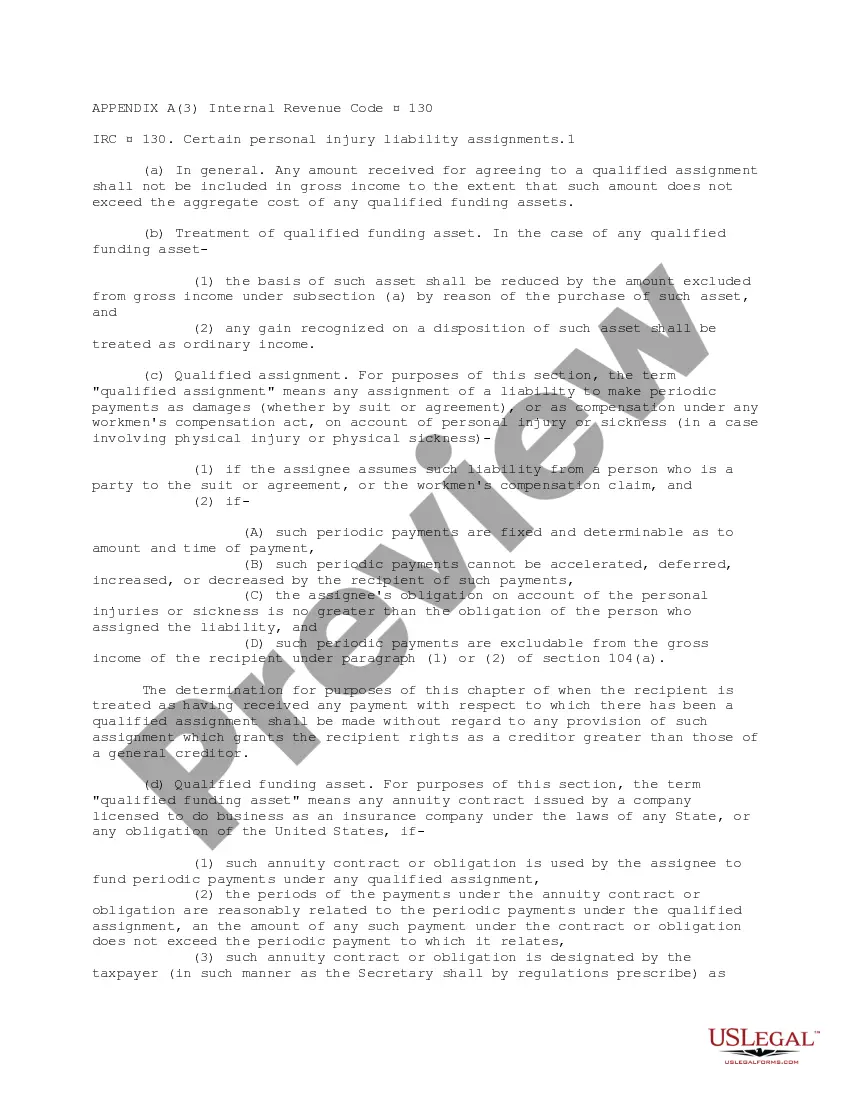
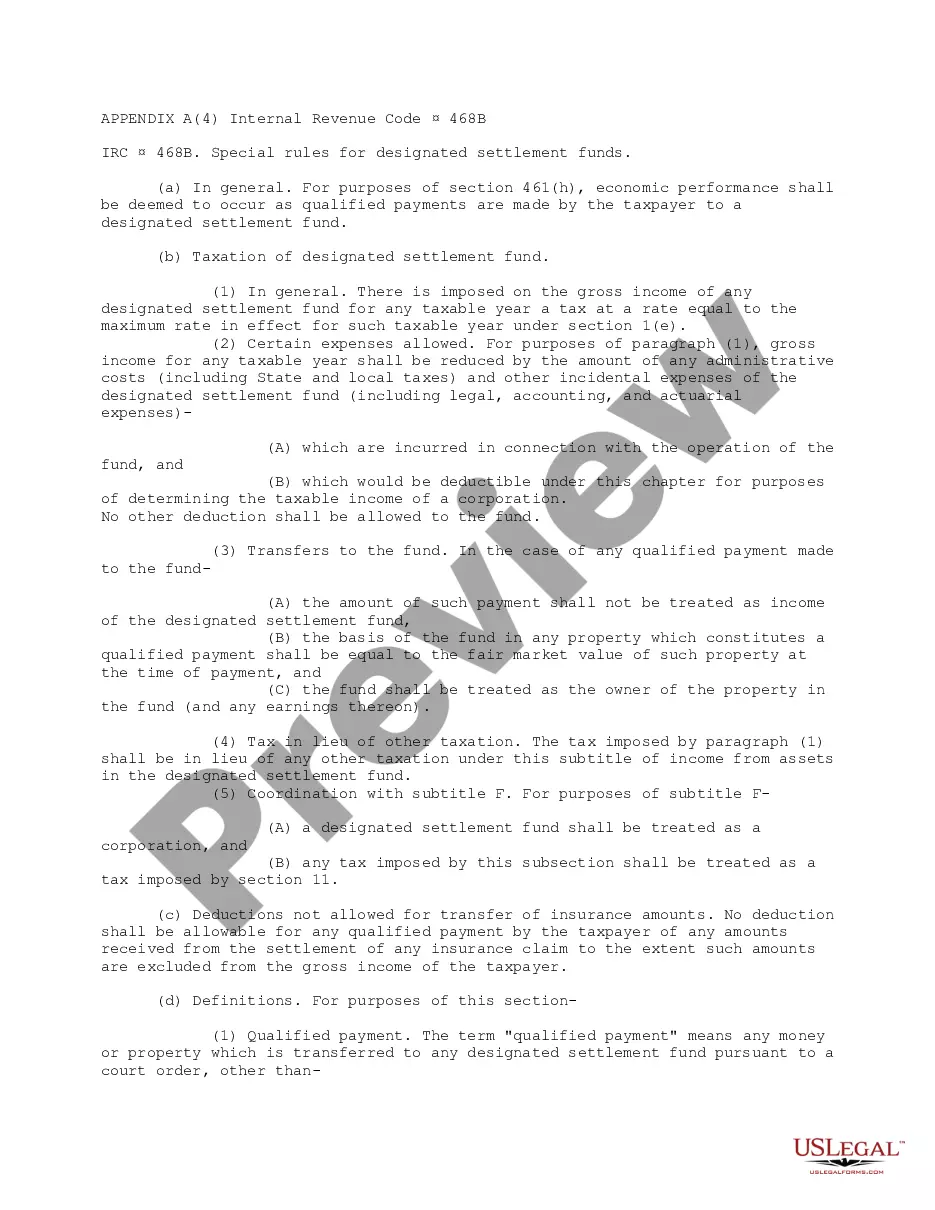
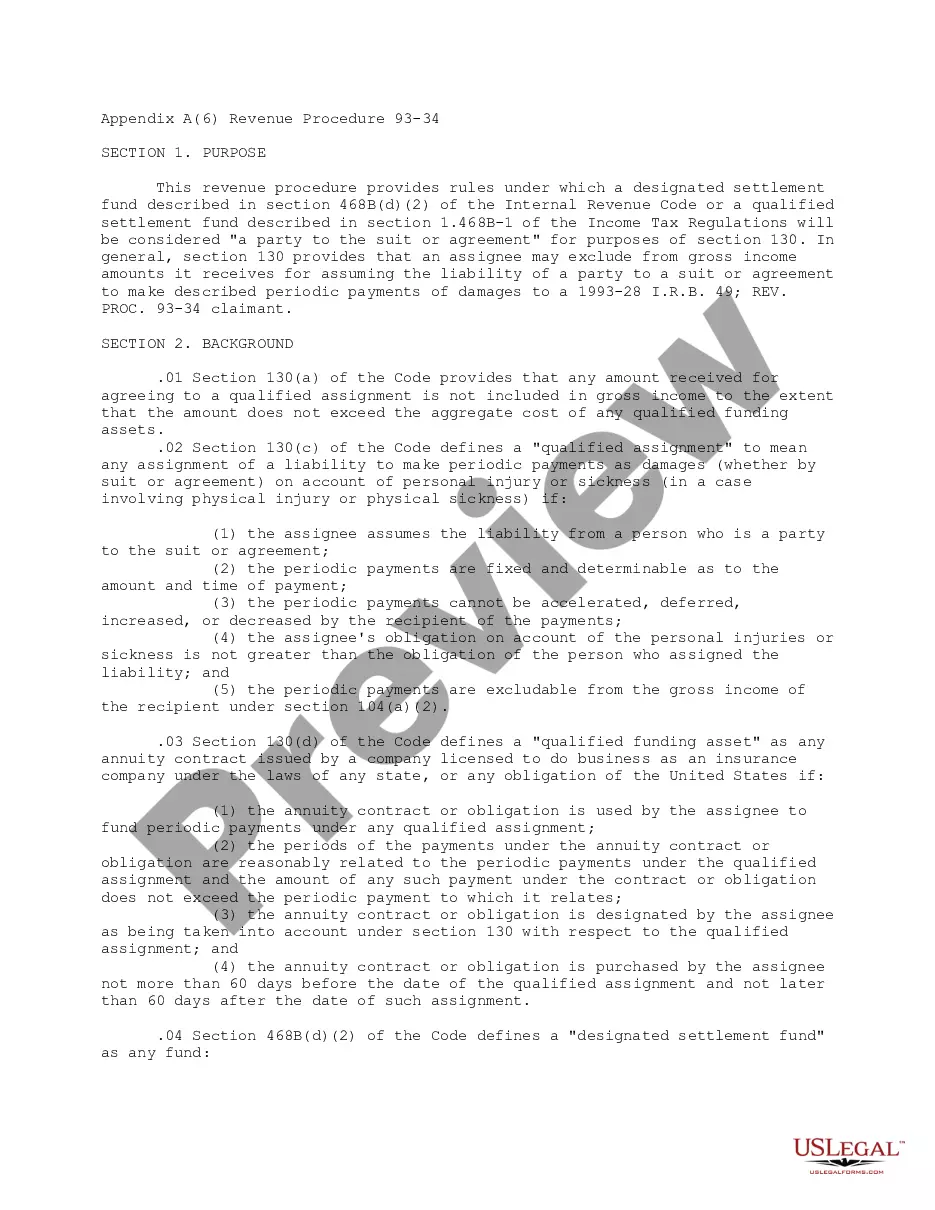
The Compensation for Injuries or Sickness IRS Code 104 form outlines the statutory guidelines for the tax treatment of various types of compensation received due to personal injuries or sickness. This form distinguishes between compensations such as those received under workers' compensation acts, damages from lawsuits, and insurance payouts. Understanding this form is critical for individuals who have received such compensation and need to navigate the complexities of tax exemptions associated with the IRS Code.
Key parts of this document
- General exclusions from gross income related to injuries or sickness.
- Specific provisions for damages received through lawsuits or agreements.
- Details on amounts received from health insurance or accident insurance.
- Guidelines for pensions and disability payments related to military service.
- Clarifications on emotional distress claims regarding physical injuries.

When to use this document
This form is essential when an individual needs to report compensation received for personal injuries or sickness. Scenarios may include receiving workers' compensation after a workplace injury, settling a personal injury lawsuit, or claiming benefits from accident and health insurance policies. It is crucial for taxpayers to utilize this form to ensure proper reporting and to claim any applicable tax exemptions under the IRS Code.
Who this form is for
This form is intended for:
- Individuals who have received workers' compensation benefits.
- Taxpayers who have received damages for personal injuries through a lawsuit.
- People who are beneficiaries of accident or health insurance payouts.
- Retired military personnel receiving disability compensation.
- Anyone involved in a case of injury directly related to military actions.
How to complete this form
- Identify the type of compensation you received (e.g., workers' compensation, lawsuit settlement).
- Determine if any amounts are taxable or qualify for exclusion based on the IRS guidelines.
- Collect any supporting documents that confirm your compensation type and amount.
- Fill out the necessary sections by including details such as the amount, source, and date of compensation.
- Review your completed form to ensure accuracy before submission.
Notarization requirements for this form
This form usually doesn’t need to be notarized. However, local laws or specific transactions may require it. Our online notarization service, powered by Notarize, lets you complete it remotely through a secure video session, available 24/7.
Get your form ready online
Our built-in tools help you complete, sign, share, and store your documents in one place.
Make edits, fill in missing information, and update formatting in US Legal Forms—just like you would in MS Word.
Download a copy, print it, send it by email, or mail it via USPS—whatever works best for your next step.
Sign and collect signatures with our SignNow integration. Send to multiple recipients, set reminders, and more. Go Premium to unlock E-Sign.
If this form requires notarization, complete it online through a secure video call—no need to meet a notary in person or wait for an appointment.
We protect your documents and personal data by following strict security and privacy standards.

Make edits, fill in missing information, and update formatting in US Legal Forms—just like you would in MS Word.

Download a copy, print it, send it by email, or mail it via USPS—whatever works best for your next step.

Sign and collect signatures with our SignNow integration. Send to multiple recipients, set reminders, and more. Go Premium to unlock E-Sign.

If this form requires notarization, complete it online through a secure video call—no need to meet a notary in person or wait for an appointment.

We protect your documents and personal data by following strict security and privacy standards.
Typical mistakes to avoid
- Failing to report all types of compensation received.
- Misclassifying emotional distress damages as physical injuries.
- Not keeping proper documentation for compensation amounts.
- Overlooking deadlines for filing this form with tax returns.
Benefits of using this form online
- Convenience of instant access and download from anywhere.
- Editability allows for accurate completion tailored to individual needs.
- Reliable templates drafted by licensed attorneys ensure compliance with the latest legal standards.
- Easy storage and retrieval of completed forms for future reference.
Legal use & context
- Compensation for injuries or sickness is often exempt from gross income under IRS guidelines.
- Proper use of this form can protect individuals from unnecessary taxation on received funds.
- Consultation with legal or tax professionals is advised to ensure compliance with all applicable laws.
Main things to remember
- This form is crucial for individuals reporting compensation for injuries or sickness.
- Exemptions outlined can provide significant tax relief.
- Careful completion and documentation are essential for proper filing.
- State-specific considerations should be reviewed to ensure compliance.
Looking for another form?






Form popularity
FAQ
If you receive a settlement, the IRS requires the paying party to send you a Form 1099-MISC. Box 3 of Form 1099-MISC will show other income in this case, money received from a legal settlement. Generally, all taxable damages are required to be reported in Box 3.
Settlement money and damages collected from a lawsuit are considered income, which means the IRS will generally tax that money, although personal injury settlements are an exception (most notably: car accident settlement and slip and fall settlements are nontaxable).
If you receive a settlement for personal physical injuries or physical sickness and did not take an itemized deduction for medical expenses related to the injury or sickness in prior years, the full amount is non-taxable.The tax benefit amount should be reported as Other Income on line 21 of Form 1040, Schedule 1.
As a taxpayer, any monetary award you receive is assumed to be gross income and is taxable. Fortunately, the Internal Revenue Code (IRC) permits a taxpayer to avoid paying taxes on any settlement money aside from punitive damages received due to personal physical injuries or physical sickness.
Pain and suffering, along with emotional distress directly caused by a physical injury or ailment from an accident, are not taxable in a California settlement for personal injuries.
Section 104 does not limit the exclusion to personal physical injury. It also allows for any type of any nonphysical injury inflicted.
Report taxable settlement amounts on Line 6 of Form 1040 after completing Schedule 1 (1040).
Pain and suffering, along with emotional distress directly caused by a physical injury or ailment from an accident, are not taxable in a California settlement for personal injuries.
As opposed to claims originating from a physical injury, settlement recoveries for emotional distress claims usually are taxed. This rule also highlights the difference between a plaintiff showing physical signs of emotional distress (such as headaches, insomnia, and nausea) and physical injuries or sickness.