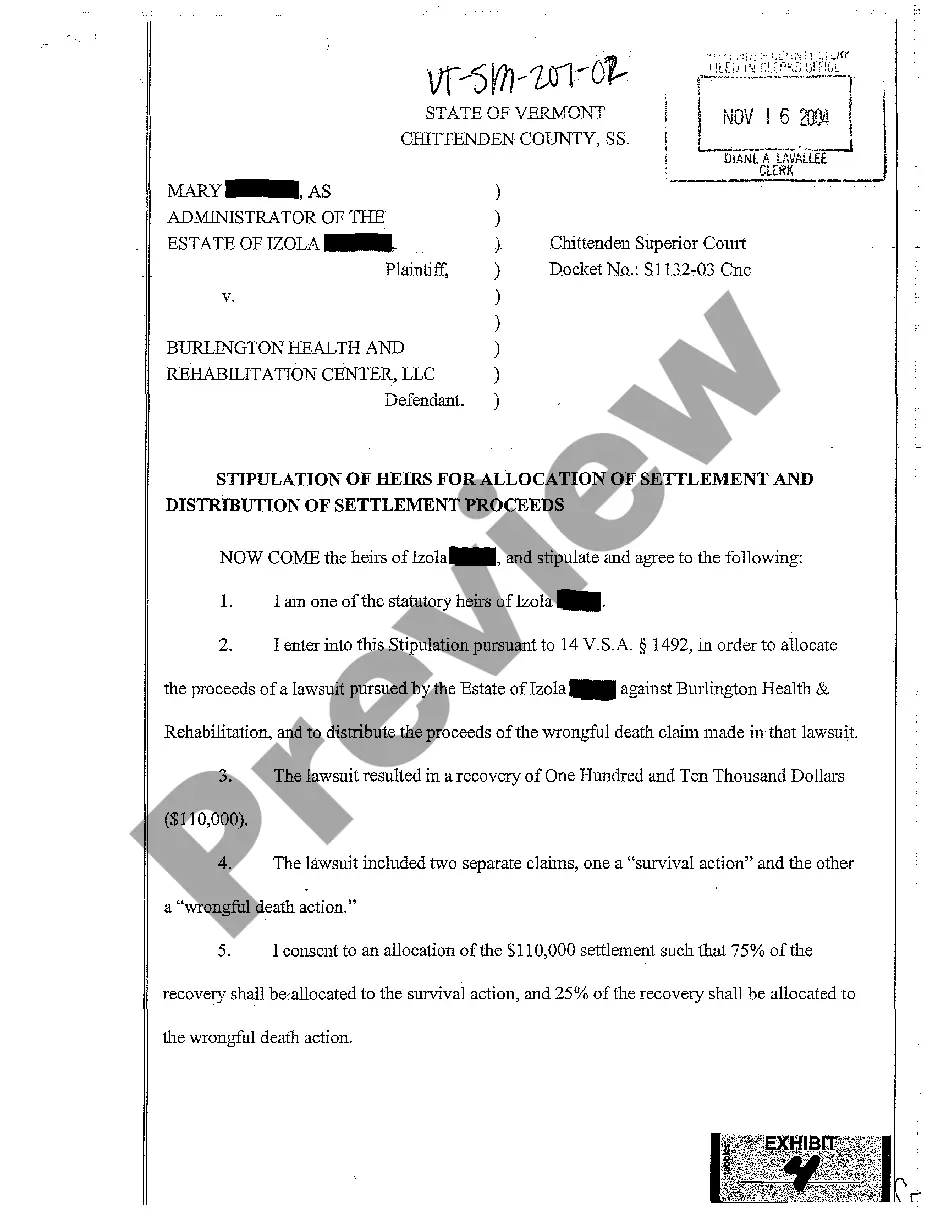
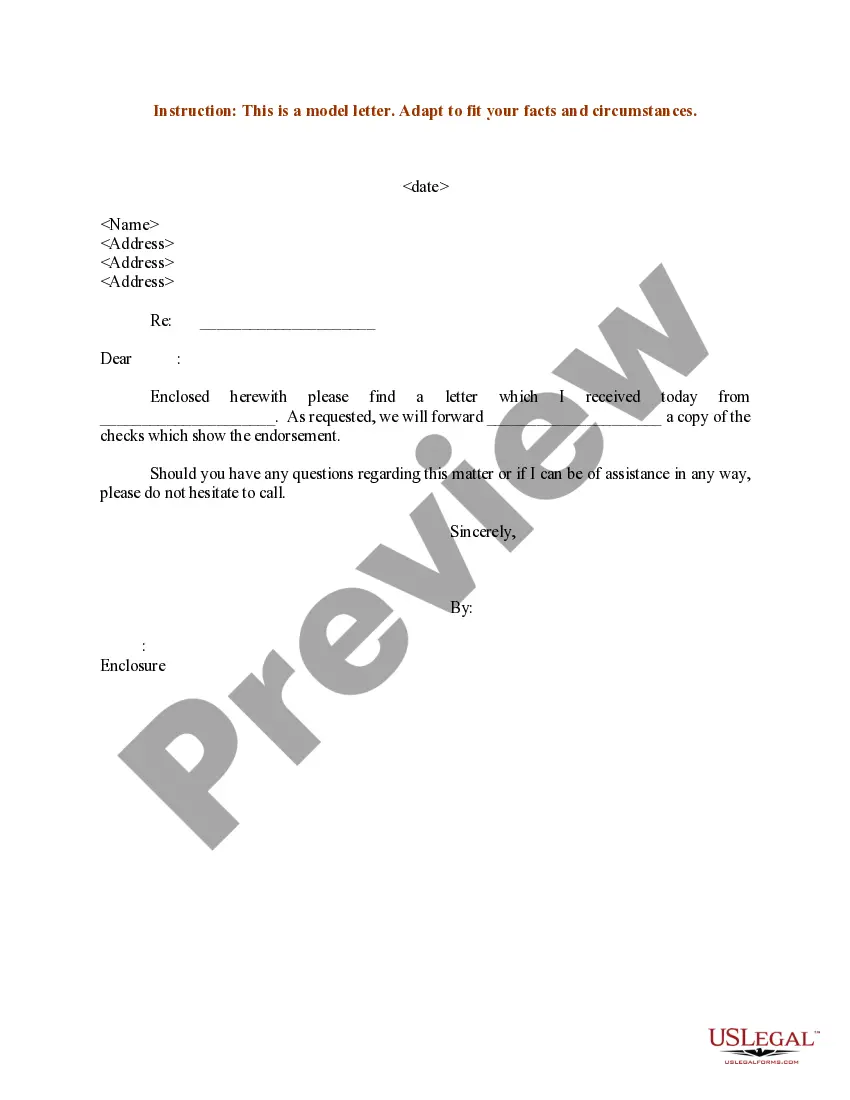
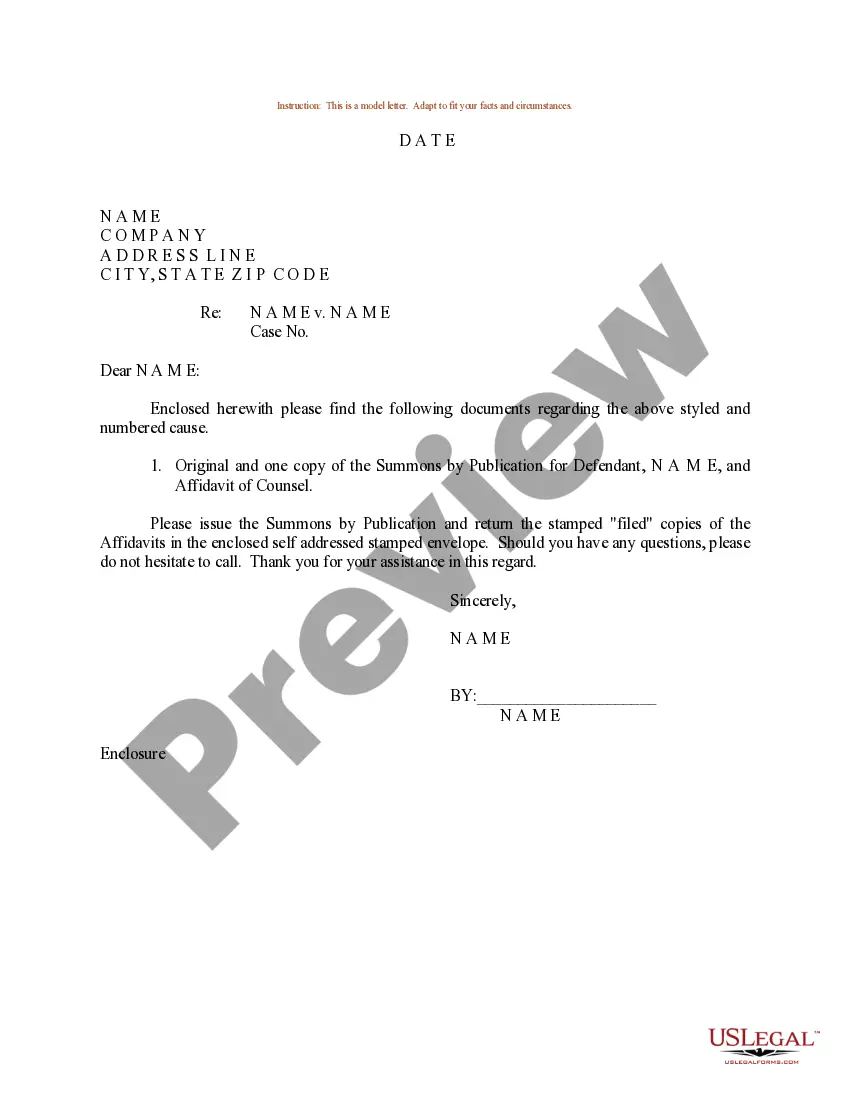
Sample Letter for Correspondence received from Defendant
Understanding this form
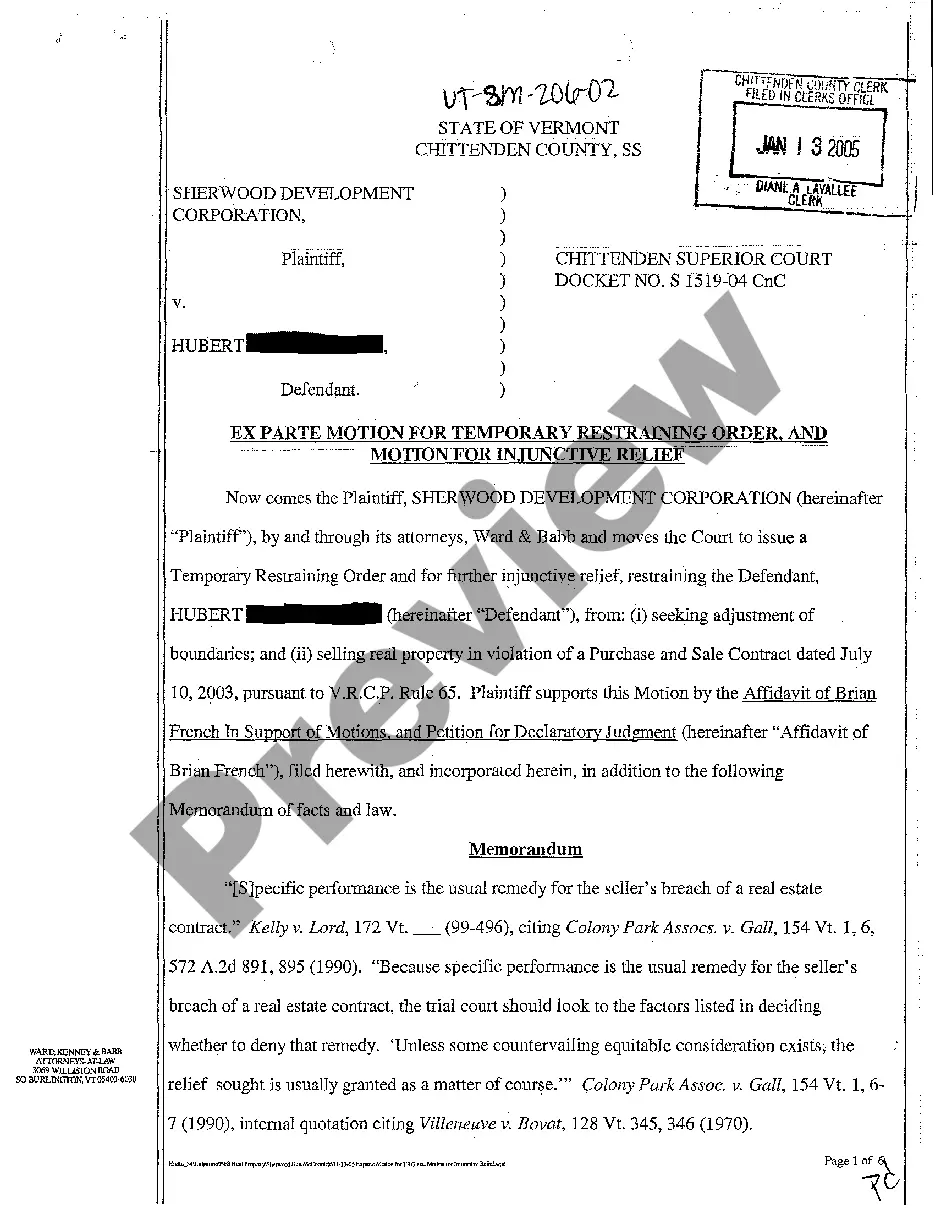
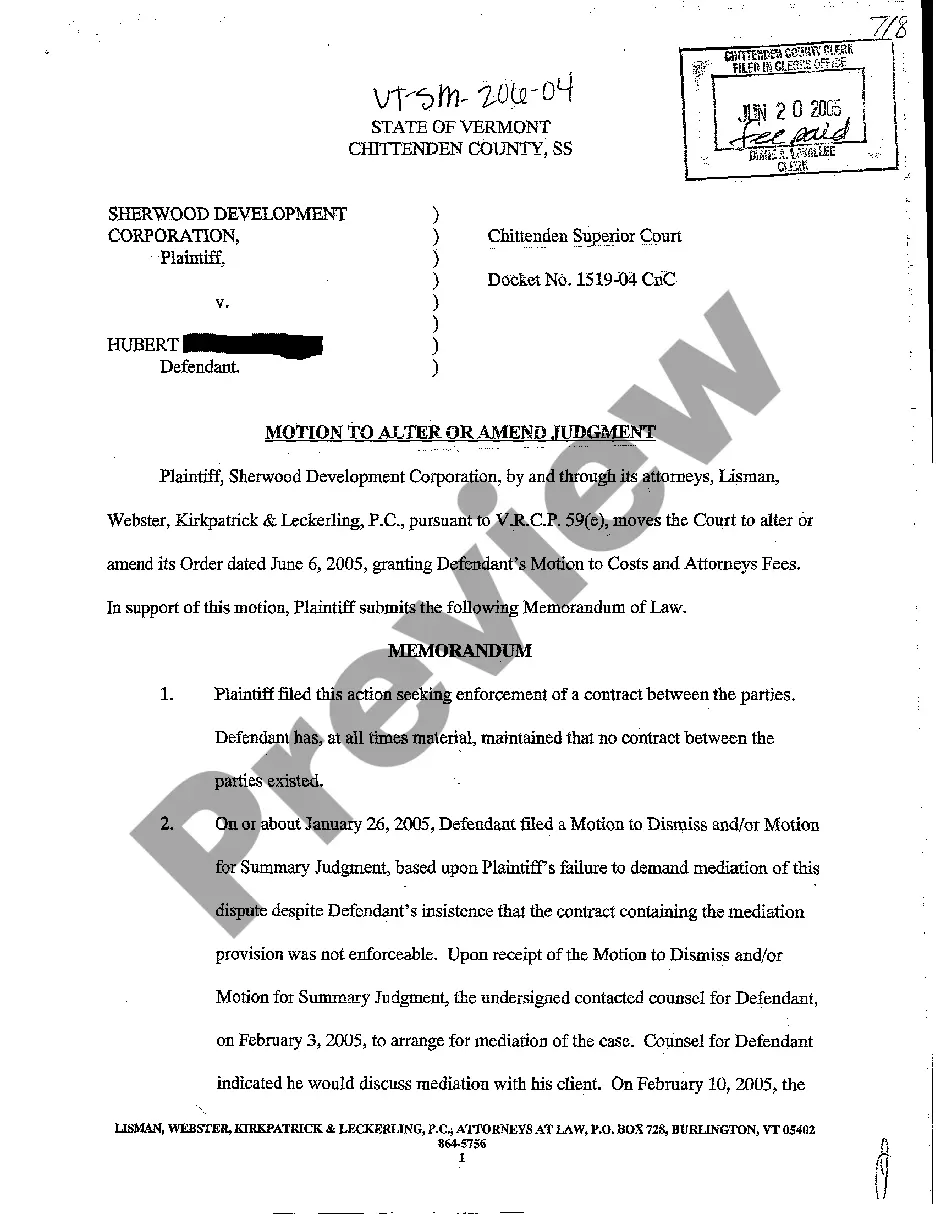
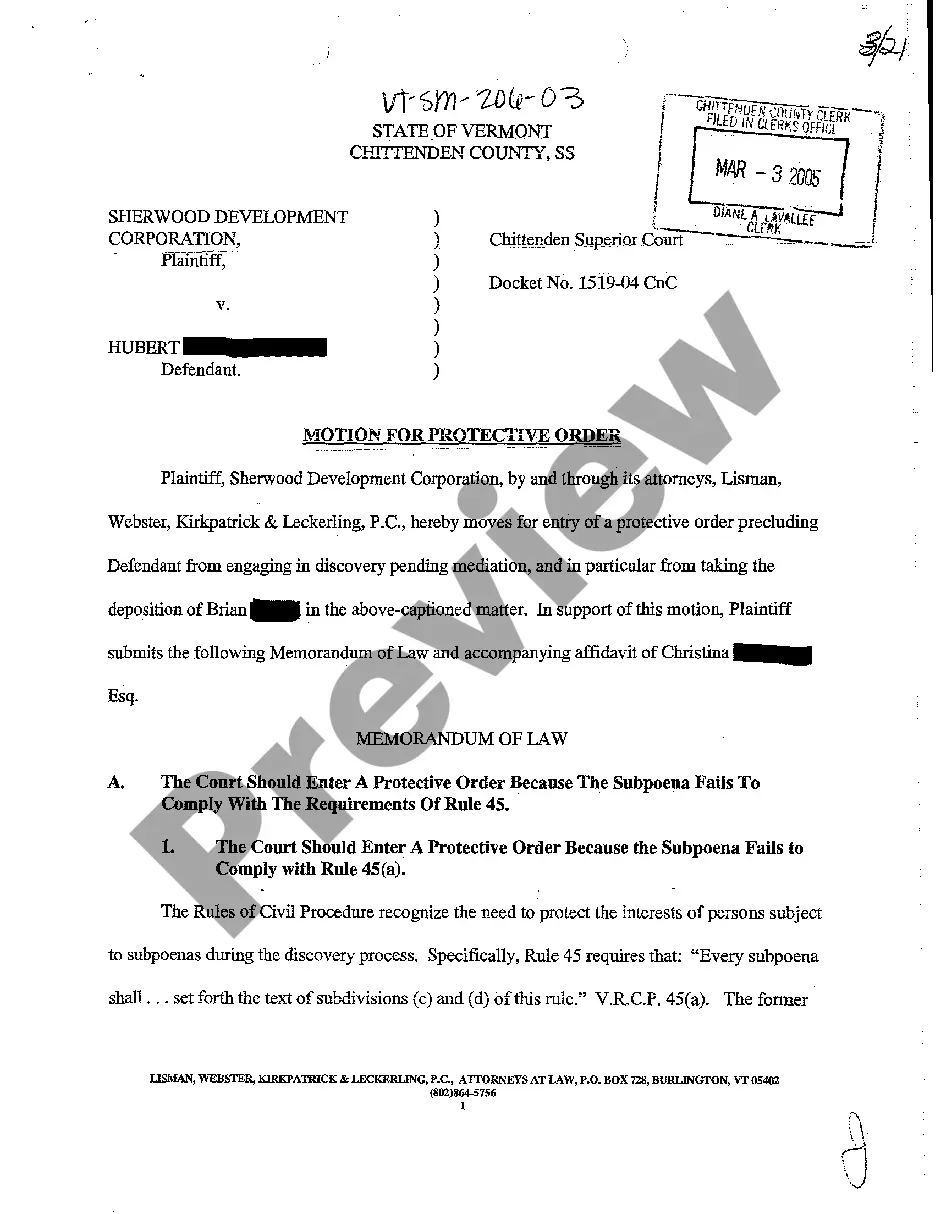
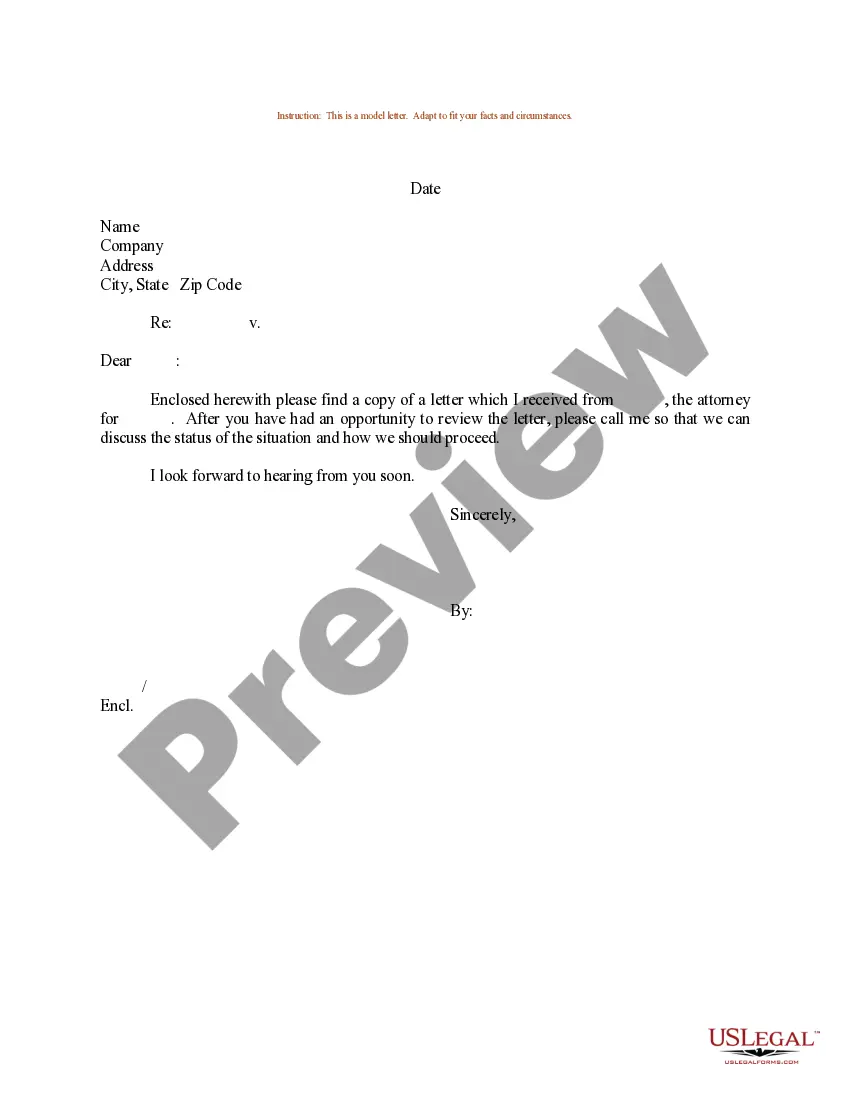
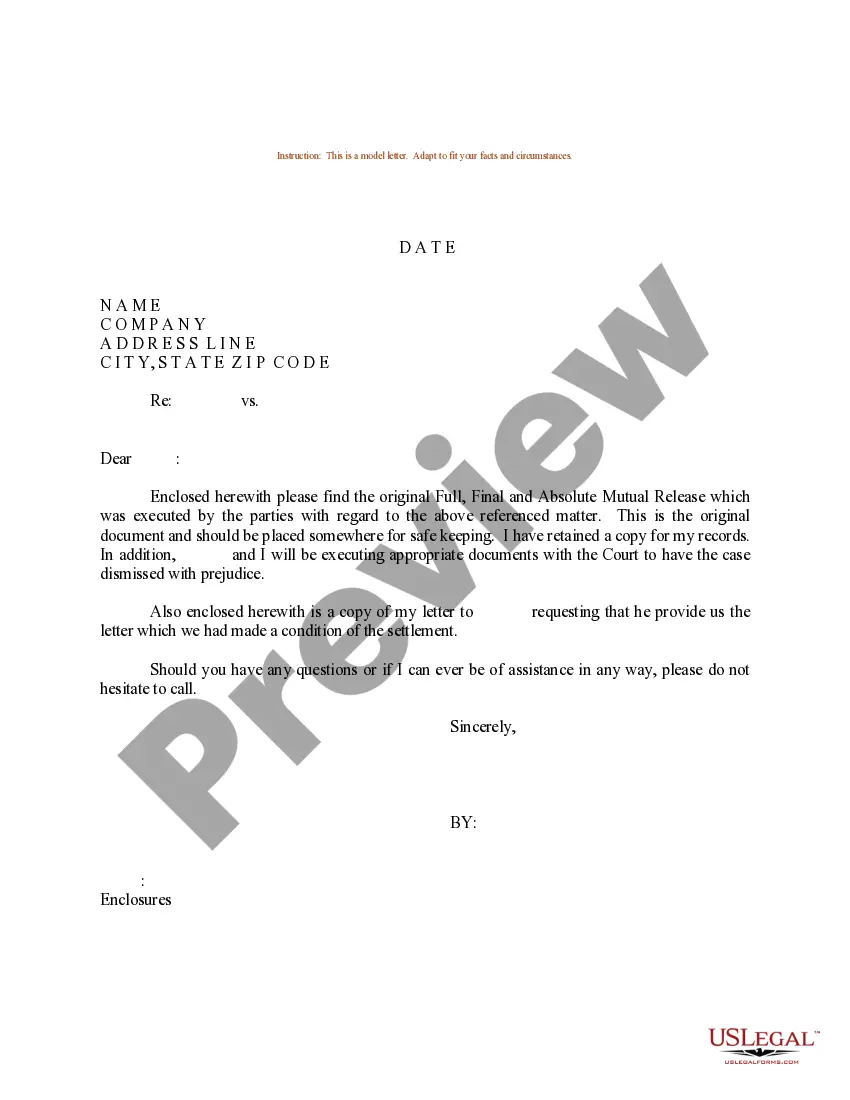
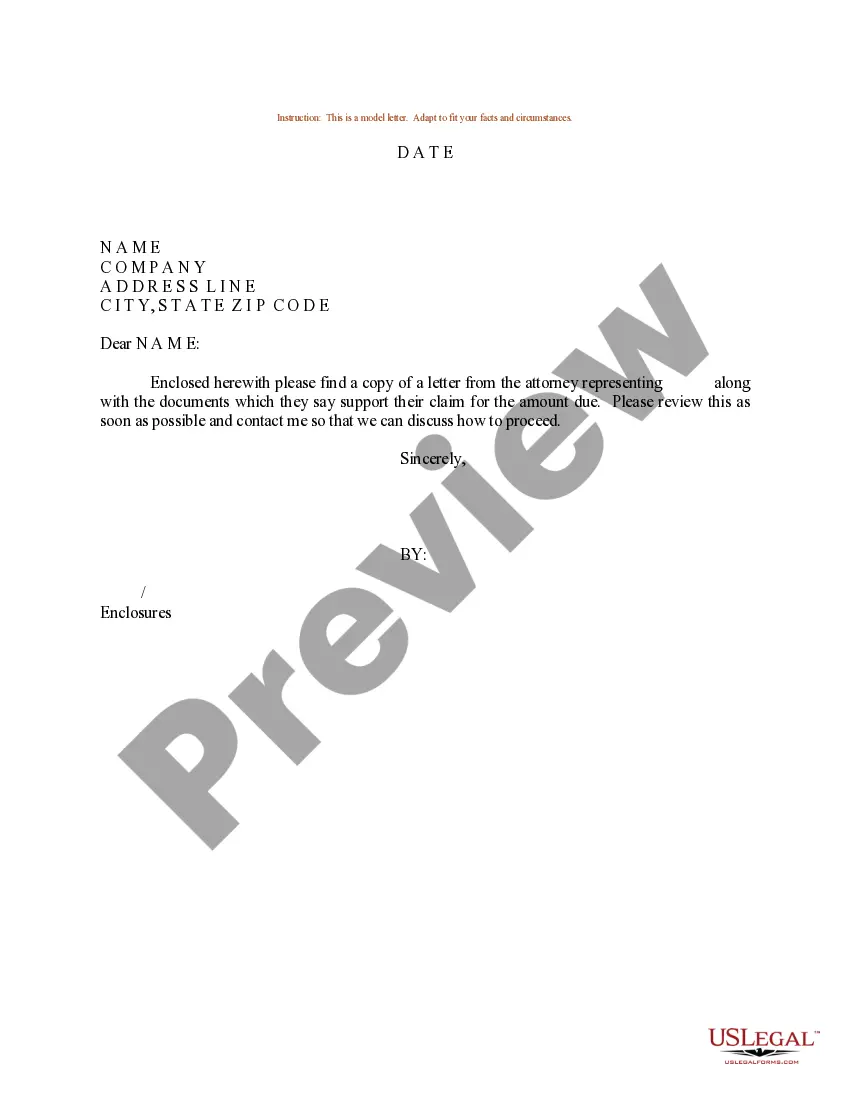
This Sample Letter for Correspondence Received from Defendant is a template designed to help you communicate with a defendant regarding any correspondence you have received. This form streamlines communication and provides a clear framework for your response, ensuring you address key concerns without omitting important details. It is distinct from other legal forms, such as responses to motions or settlement offers, as it focuses solely on correspondence issues.
Key parts of this document
- Date of correspondence.
- Recipient's name and address.
- Subject line indicating the purpose of the letter.
- Content for detailed response to the defendant.
When to use this document
This form should be used when you receive correspondence from a defendant in a legal matter and need to respond formally. It is suitable for cases involving disputes, negotiations, or clarifications about issues raised in previous communications. Utilizing this template helps maintain professionalism and clarity in your correspondence.
Who needs this form
- Individuals or entities involved in legal disputes with a defendant.
- Clients seeking to respond formally to a defendant's letter.
- Attorneys needing a framework for drafting a response to client correspondence.
Instructions for completing this form
- Enter the date of the letter at the top.
- Fill in the recipient's name and address accurately.
- Specify the subject of the correspondence clearly.
- Write your response to address the issues raised in the defendant's communication.
- Include your signature at the end of the letter.
Is notarization required?
Notarization is not commonly needed for this form. However, certain documents or local rules may make it necessary. Our notarization service, powered by Notarize, allows you to finalize it securely online anytime, day or night.
Get your form ready online
Our built-in tools help you complete, sign, share, and store your documents in one place.
Make edits, fill in missing information, and update formatting in US Legal Forms—just like you would in MS Word.
Download a copy, print it, send it by email, or mail it via USPS—whatever works best for your next step.
Sign and collect signatures with our SignNow integration. Send to multiple recipients, set reminders, and more. Go Premium to unlock E-Sign.
If this form requires notarization, complete it online through a secure video call—no need to meet a notary in person or wait for an appointment.
We protect your documents and personal data by following strict security and privacy standards.

Make edits, fill in missing information, and update formatting in US Legal Forms—just like you would in MS Word.

Download a copy, print it, send it by email, or mail it via USPS—whatever works best for your next step.

Sign and collect signatures with our SignNow integration. Send to multiple recipients, set reminders, and more. Go Premium to unlock E-Sign.

If this form requires notarization, complete it online through a secure video call—no need to meet a notary in person or wait for an appointment.

We protect your documents and personal data by following strict security and privacy standards.
Common mistakes to avoid
- Failing to include a clear subject line.
- Leaving out important facts or context in the response.
- Inaccurate addressing of the recipient.
Why complete this form online
- Instant access to a legally vetted template.
- Easy to fill out and customize for your needs.
- Ability to download and save your final document securely.
Legal use & context
This form is legally significant as it provides a formal method of communication that can be documented as part of a legal proceeding. It's important to maintain such records to support any claims or defenses in court. Users should be aware that local rules may dictate the specifics of correspondence in certain cases.
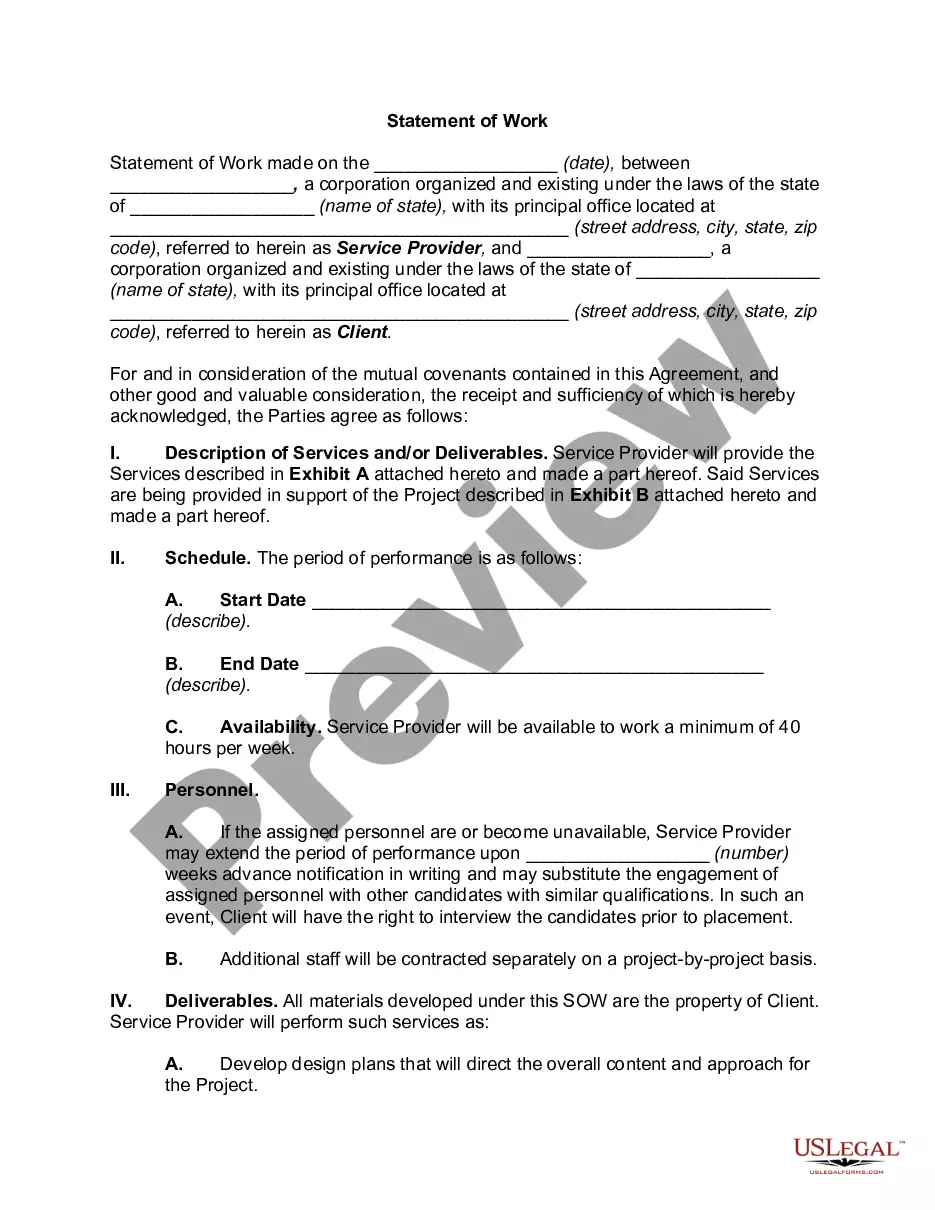
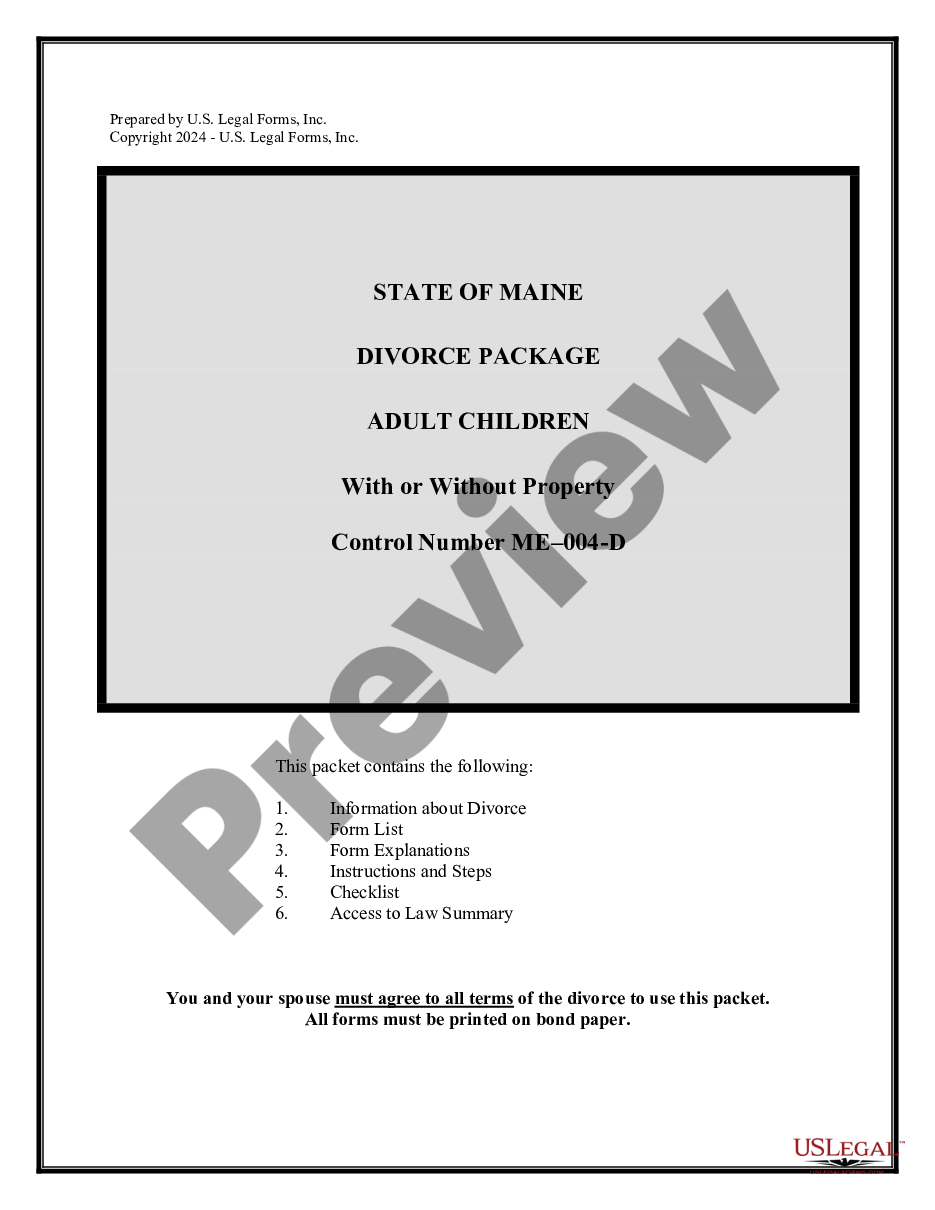
Looking for another form?





Form popularity
FAQ
No, a demand letter is not necessary prior to filing a superior court limited/unlimited jurisdiction lawsuit in California.
A demand letter has little or no legal value, so it can be delivered by email or otherwise.
Character letters should include your name, mailing address, phone number and email address so that the court can verify your information. They should be addressed either to the Honorable FIRST NAME LAST NAME or Judge FIRST NAME LAST NAME.
Practice professionalism. Since the letter is going to be reviewed by a judge, the format and tone of the statement must be professional. Introduce yourself by name and profession. Discuss how you met the defendant and how long you have known him or her.
Introduce yourself. State what your occupation is and any qualifications you hold. Outline your relationship with the person who is the subject of the legal proceedings. DO. Acknowledge the charges that have been brought against the person. DO. State your opinion of the person's general character. DO.
Your letter should tell the judge briefly who you are, your relationship to the defendant, and that you are familiar with the criminal matter for which sentence is about to be imposed. Some topics you may want to include in your letter are: --good personal qualities which you have known the defendant to possess.
Although an attorney often writes the demand letter, you can also do it yourself in several cases:If you have a fairly simple legal issue and you want to go through the process yourself, without an attorney. If you want to clarify your thoughts on what happened and what you want.
Type your letter. Concisely review the main facts. Be polite. Write with your goal in mind. Ask for exactly what you want. Set a deadline. End the letter by stating you will promptly pursue legal remedies if the other party does not meet your demand. Make and keep copies.
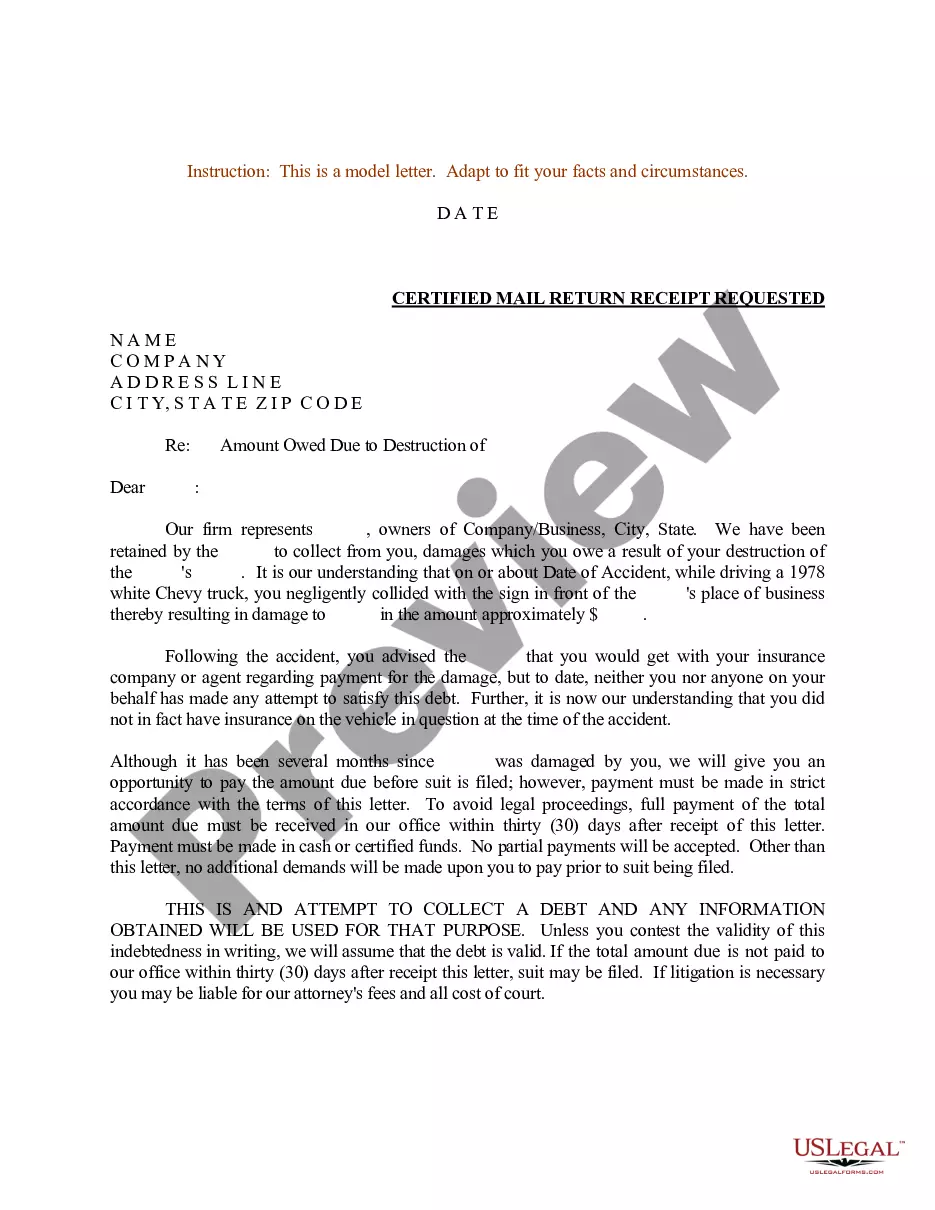
A demand letter is a formal, professional document sent by one party to another requesting payment or other action to right a wrong.Demand letters are usually written by a lawyer and are frequently used in business before the aggrieved party takes legal action against the recipient.