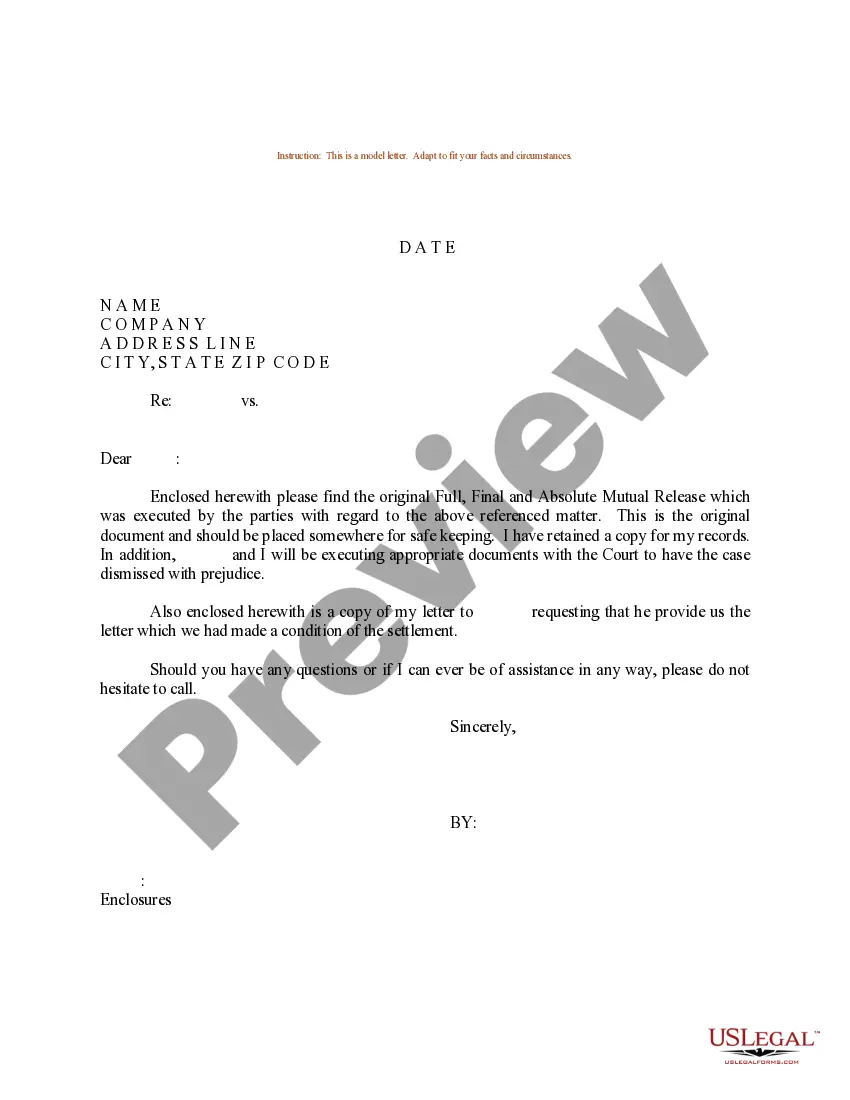
Sample Letter for Correspondence to Defendant
What this document covers
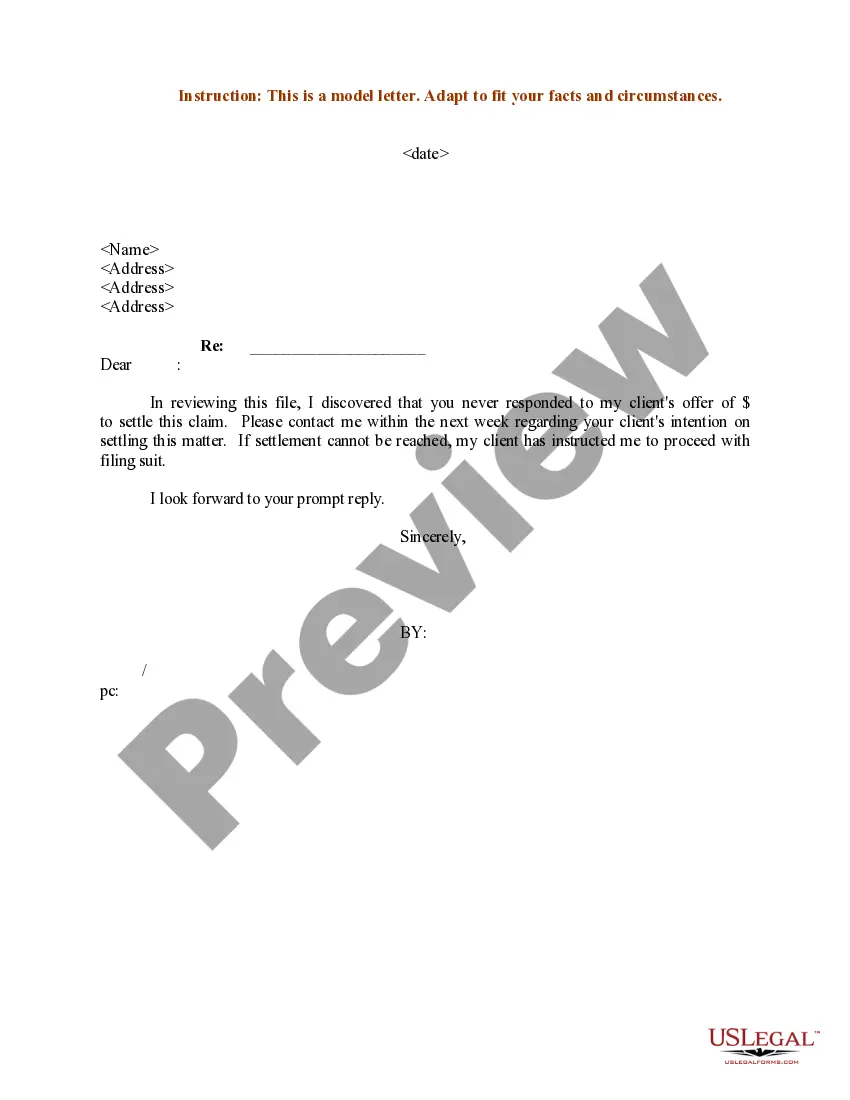
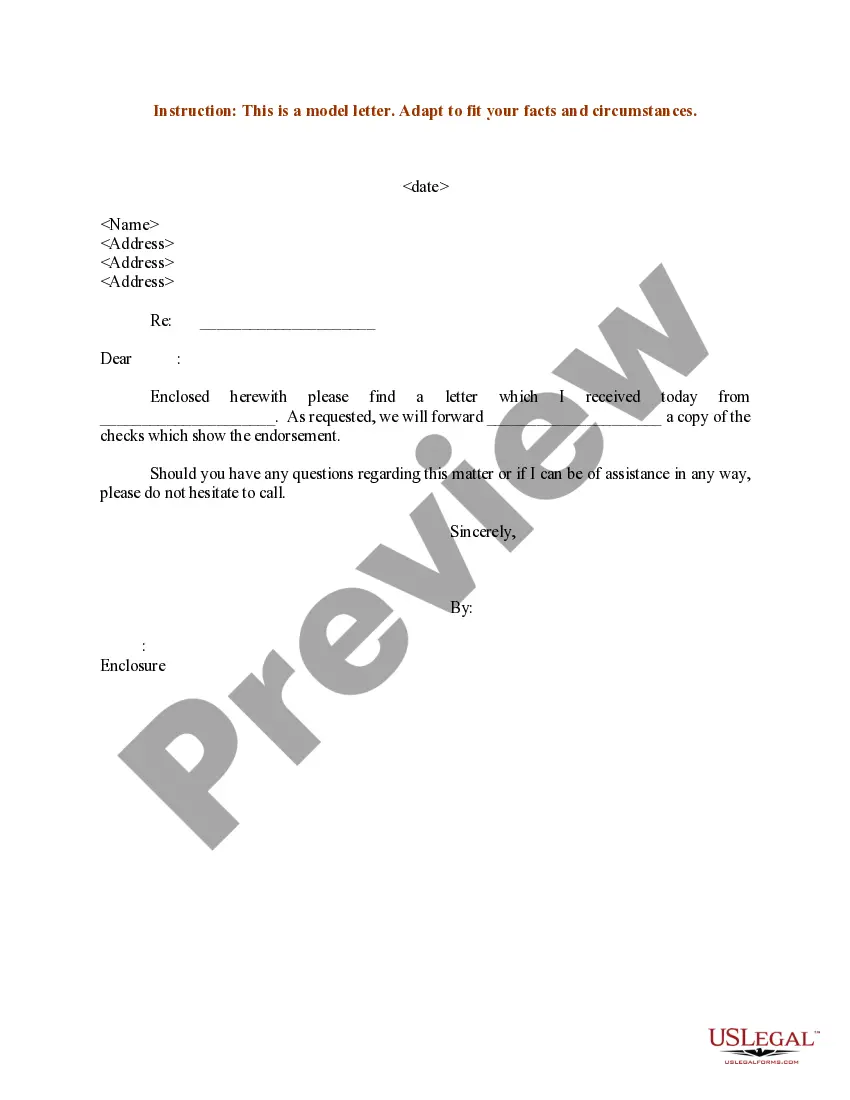
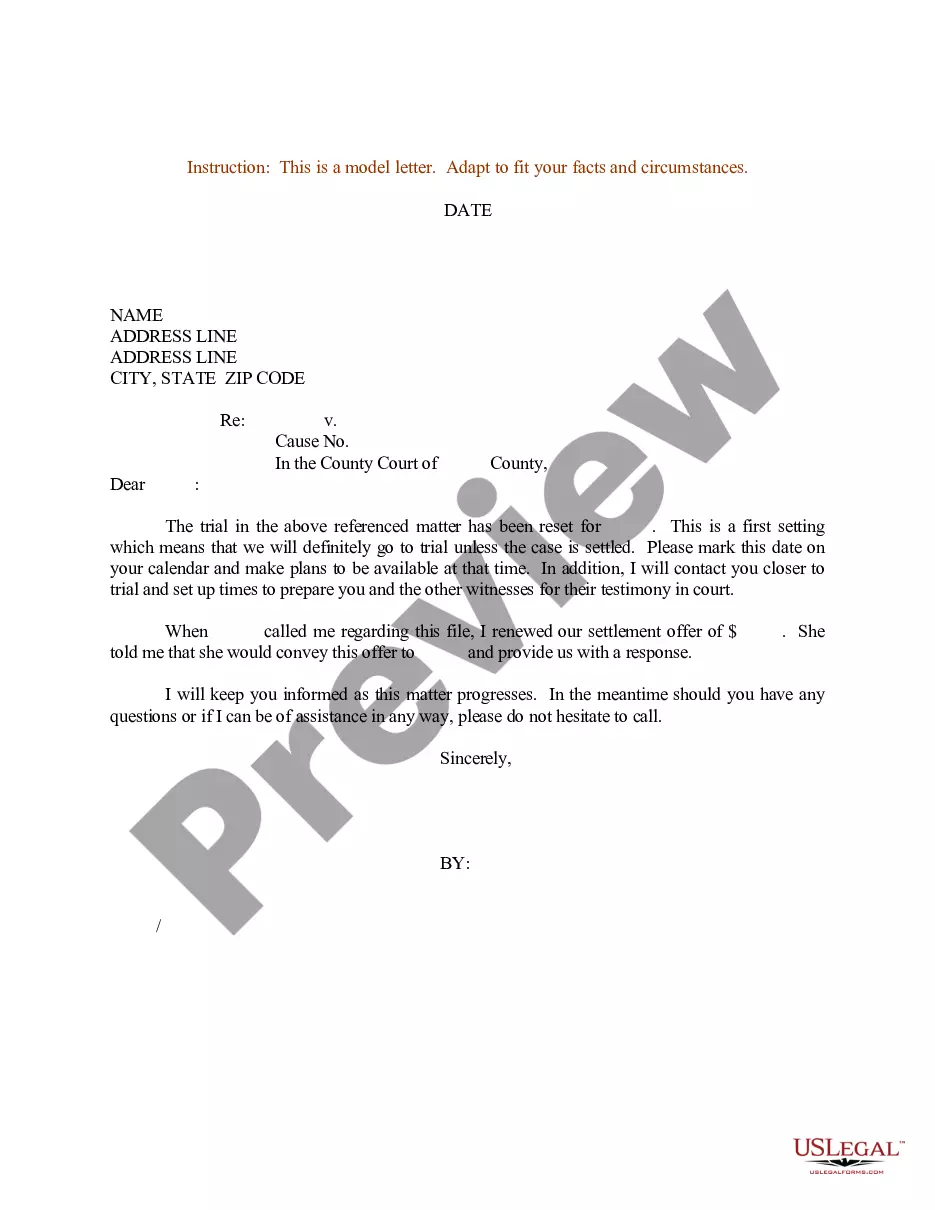
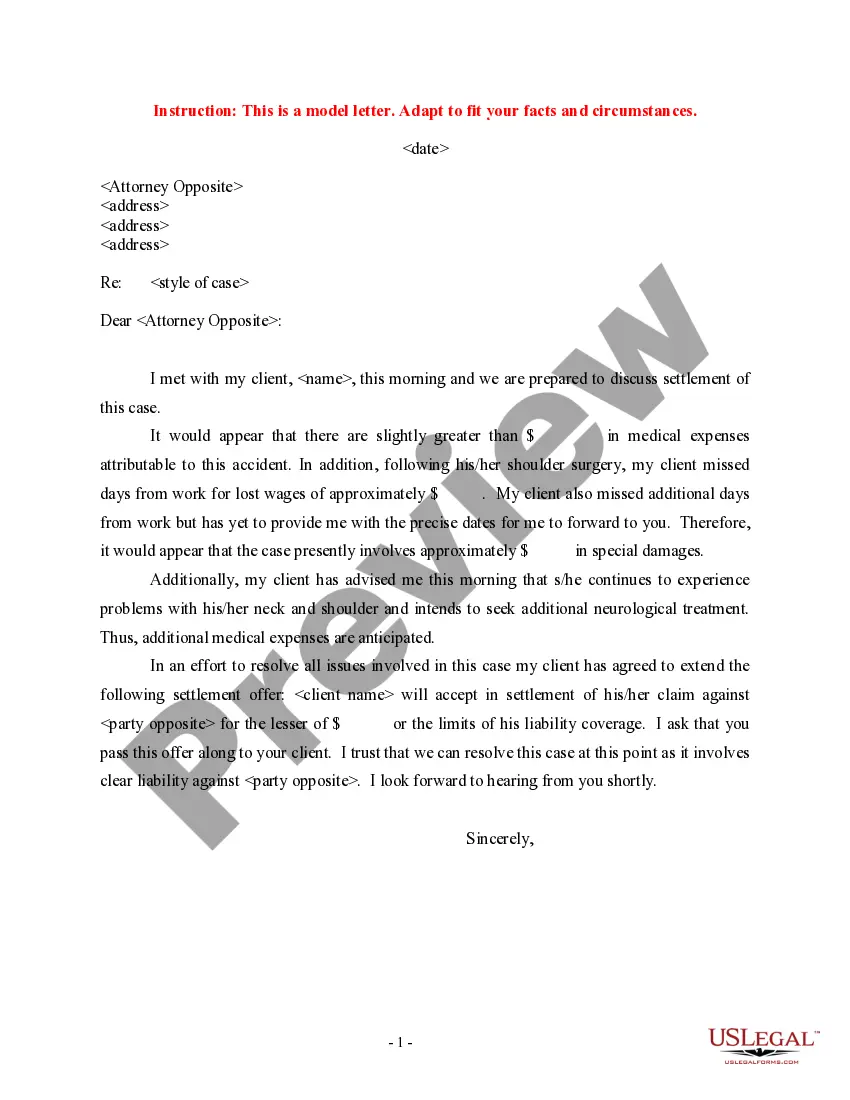
The sample letter for correspondence to a defendant is a Word document template designed to assist individuals in communicating pertinent information to a defendant involved in a legal matter. This form serves as a structured framework for creating formal correspondence, ensuring clarity and professionalism. Unlike generic letters, this sample letter specifically addresses legal contexts, making it more suitable for such communications.
Key components of this form
- Date of correspondence
- Sender's name and address
- Receiver's name and address (Defendant)
- Subject line
- Body of the letter
- Closing statement and signature line

When to use this form
This form is useful when you need to formally communicate with a defendant about legal proceedings. It can be utilized in scenarios where you must notify the defendant of scheduled court dates, updates on the case, requests for information, or any other essential details pertinent to the legal matter at hand.
Who needs this form
- Individuals involved in a legal dispute
- Attorneys drafting correspondence on behalf of clients
- Legal assistants preparing communication for legal proceedings
How to complete this form
- Enter the date at the top of the letter.
- Fill in your name and address as the sender.
- Add the defendant's name and address.
- Compose a clear subject line relevant to the purpose of the letter.
- Write the main body of the letter, including all necessary details.
- Include a closing statement and sign the letter at the end.
Does this form need to be notarized?
Notarization is generally not required for this form. However, certain states or situations might demand it. You can complete notarization online through US Legal Forms, powered by Notarize, using a verified video call available anytime.
Get your form ready online
Our built-in tools help you complete, sign, share, and store your documents in one place.
Make edits, fill in missing information, and update formatting in US Legal Forms—just like you would in MS Word.
Download a copy, print it, send it by email, or mail it via USPS—whatever works best for your next step.
Sign and collect signatures with our SignNow integration. Send to multiple recipients, set reminders, and more. Go Premium to unlock E-Sign.
If this form requires notarization, complete it online through a secure video call—no need to meet a notary in person or wait for an appointment.
We protect your documents and personal data by following strict security and privacy standards.

Make edits, fill in missing information, and update formatting in US Legal Forms—just like you would in MS Word.

Download a copy, print it, send it by email, or mail it via USPS—whatever works best for your next step.

Sign and collect signatures with our SignNow integration. Send to multiple recipients, set reminders, and more. Go Premium to unlock E-Sign.

If this form requires notarization, complete it online through a secure video call—no need to meet a notary in person or wait for an appointment.

We protect your documents and personal data by following strict security and privacy standards.
Common mistakes to avoid
- Using informal language or tone when drafting the letter.
- Forgetting to proofread for spelling and grammatical errors.
- Neglecting to include essential details or context relevant to the case.
Benefits of completing this form online
- Convenience of accessing and downloading the template at any time.
- Editability allows for quick adjustments to fit your specific needs.
- Reliability from a format that has been drafted by licensed attorneys.
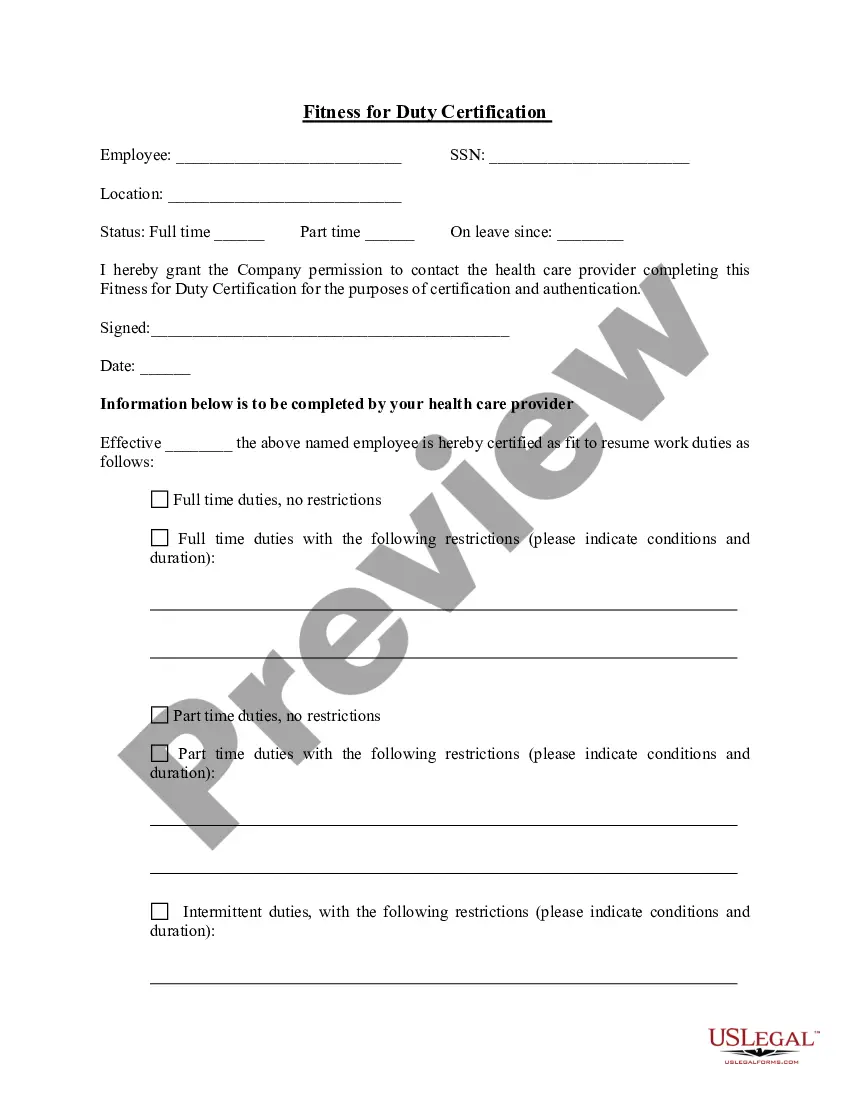
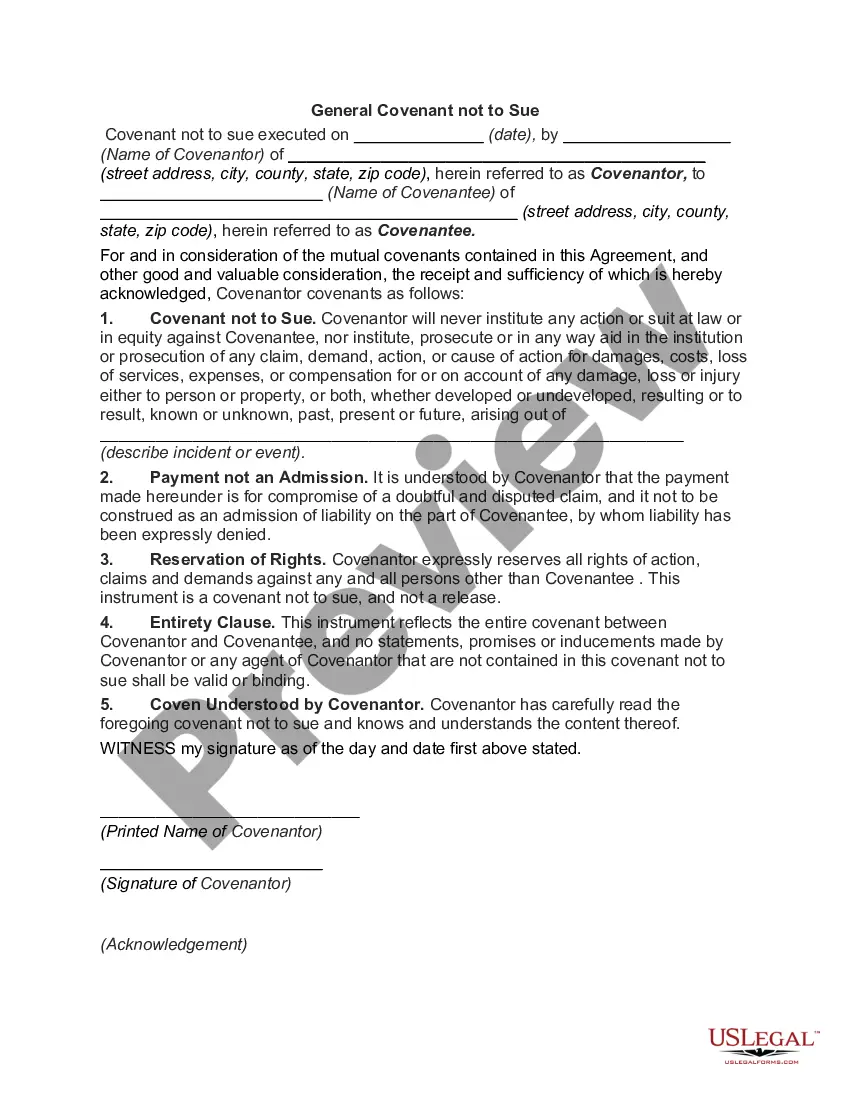
Looking for another form?
Form popularity
FAQ
Definition of correspondence. 1a : communication by letters or email also : the letters or emails exchanged I have a pile of correspondence on my desk.
Correspondence is an exchange of letters, or missives, between two parties. Letters has a couple of meanings. One is the collective of all correspondences. Letters are either individual units of correspondence, pluralizedorin a larger sense, all the writings of a particular individual.
Introduce yourself. State what your occupation is and any qualifications you hold. Outline your relationship with the person who is the subject of the legal proceedings. DO. Acknowledge the charges that have been brought against the person. DO. State your opinion of the person's general character. DO.
Business correspondence means the exchange of information in a written format for the process of business activities.The correspondence refers to the written communication between persons.
Internal Correspondence. External Correspondence. Sales Correspondence. Personalized Correspondence. Circulars.
There isn't any need to write about the crime, and there isn't any need to write about the sentence. Good character reference letters help the judge understand the defendant as an individual.Any personal examples or experiences with the defendant can reveal that the writer truly knows about the defendant's character.
CORRESPONDENCE. The letters written by one to another, and the answers thereto, make what is called the correspondence of the parties. 2. In general, the correspondence of the parties contains the best evidence of the facts to which it relates. See Letter, contracts; Proposal.
Letterhead/logo: Sender's name and return address. The heading: names the recipient, often including address and date. Salutation: Dear ______ use the recipient's name, if known. The introduction: establishes the overall purpose of the letter. The body: articulates the details of the message.
Use "Re:" (an abbreviation for "regarding" or "with reference to"), followed by a brief identifying phrase. Begin with a salutation. Write "Dear Judge (last name)," to start the message of your letter. Note that you should use "the Honorable" when referring to the judge, but use "Judge" addressing him or her directly.