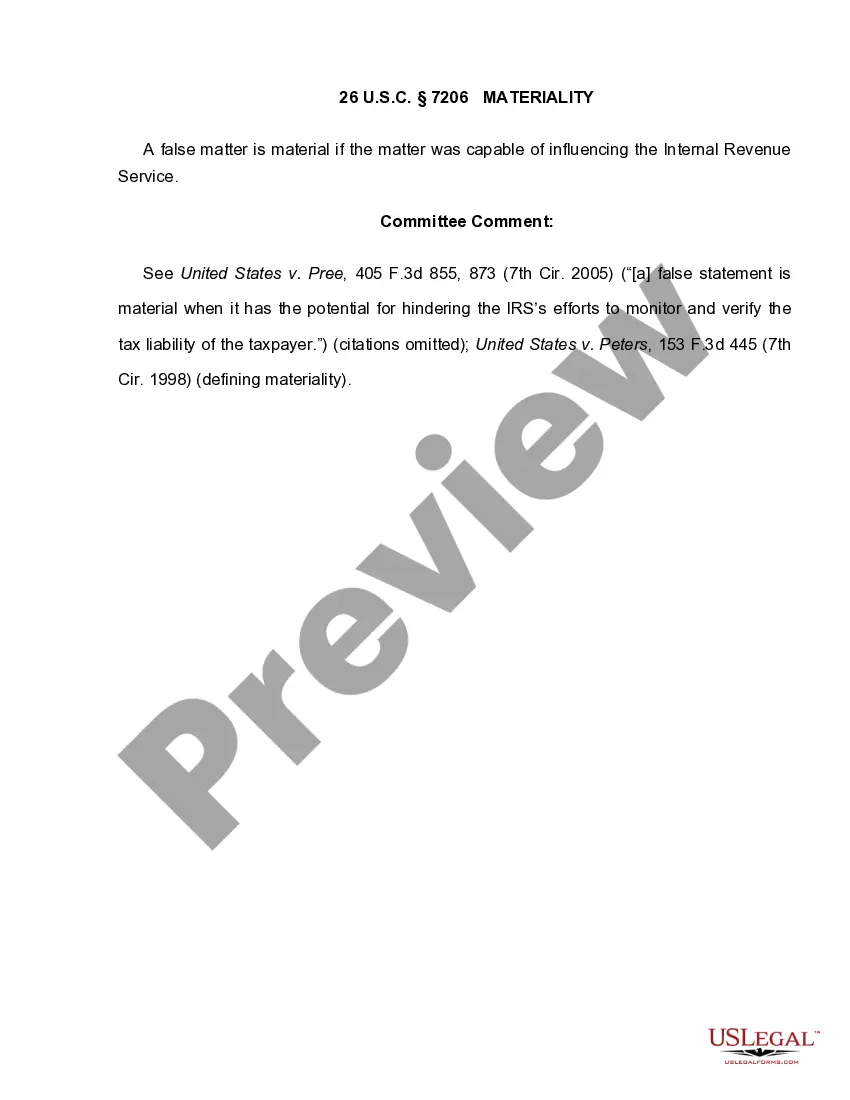
Sample Letter for General and Absolute Release and Final Judgment of Dismissal with Prejudice
Understanding this form
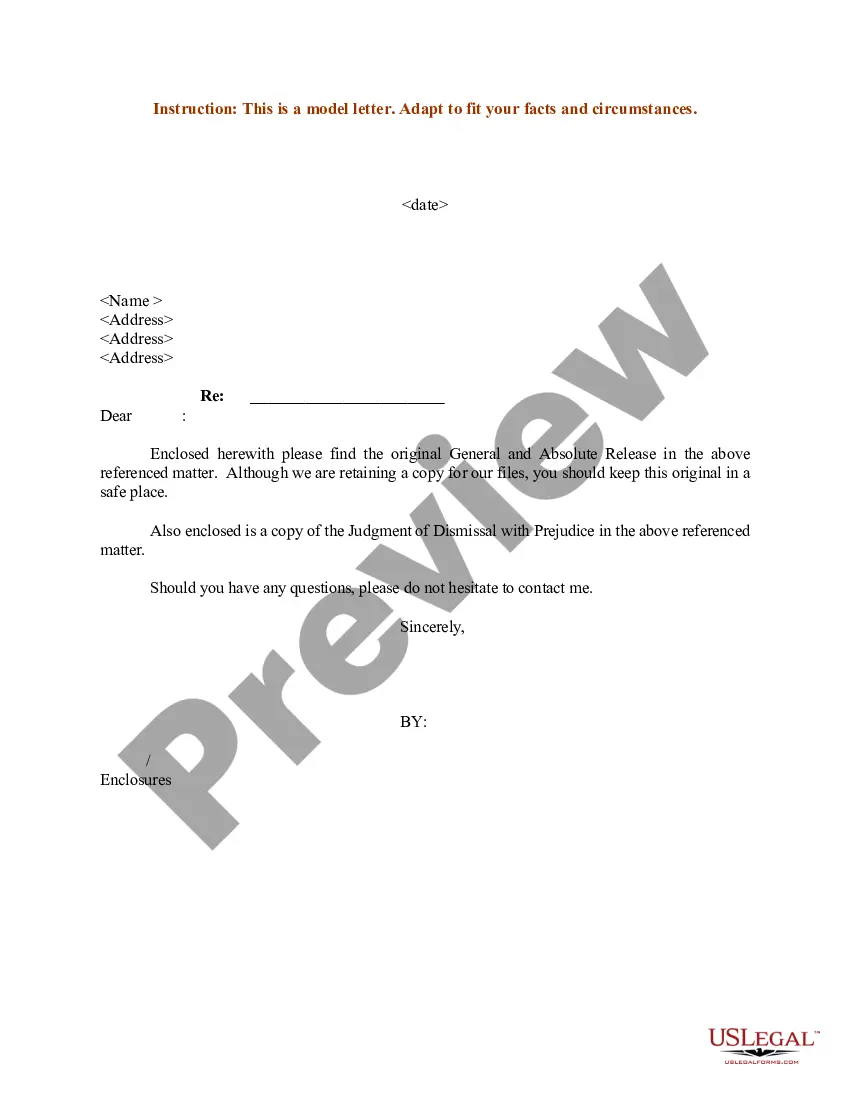
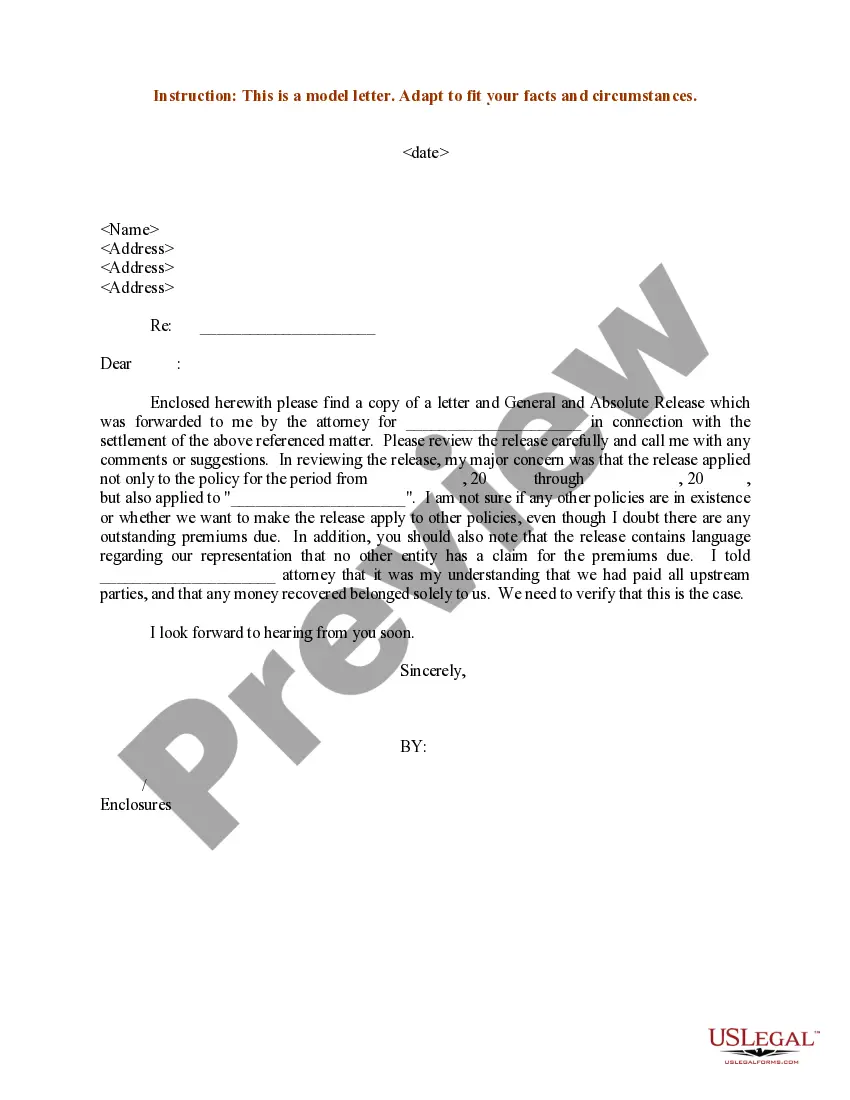
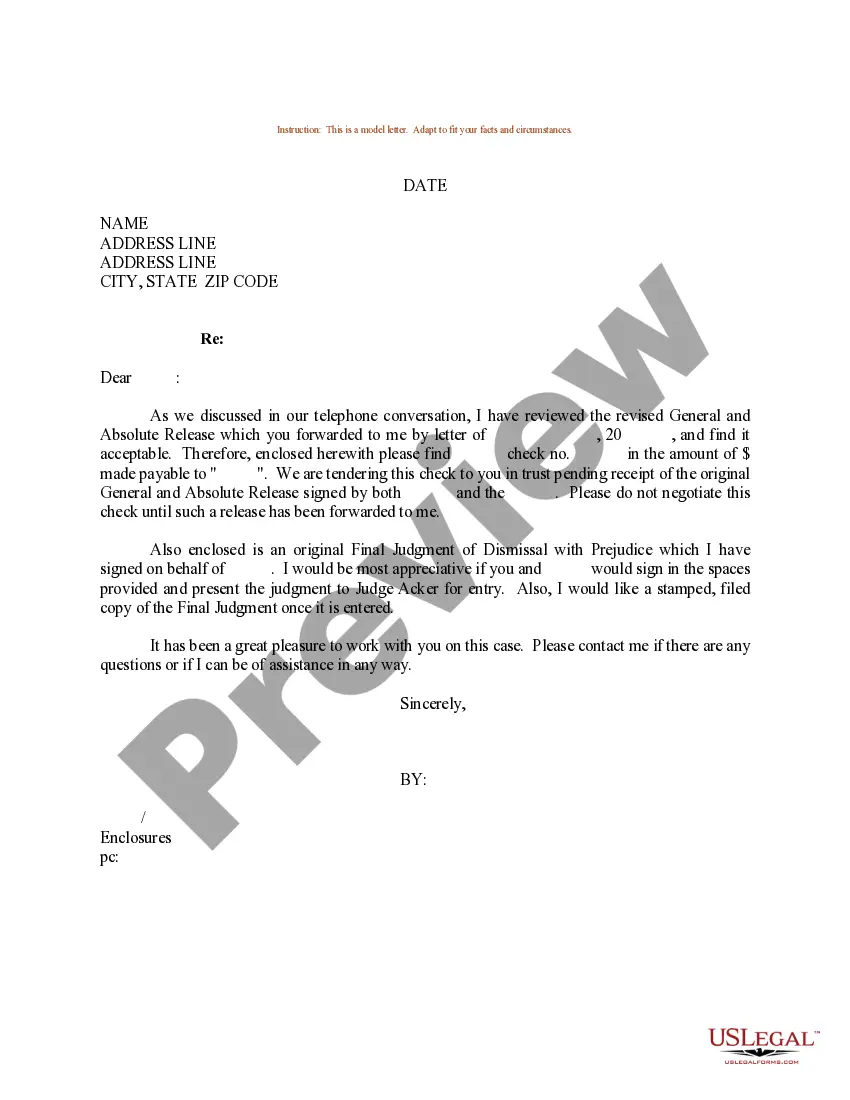
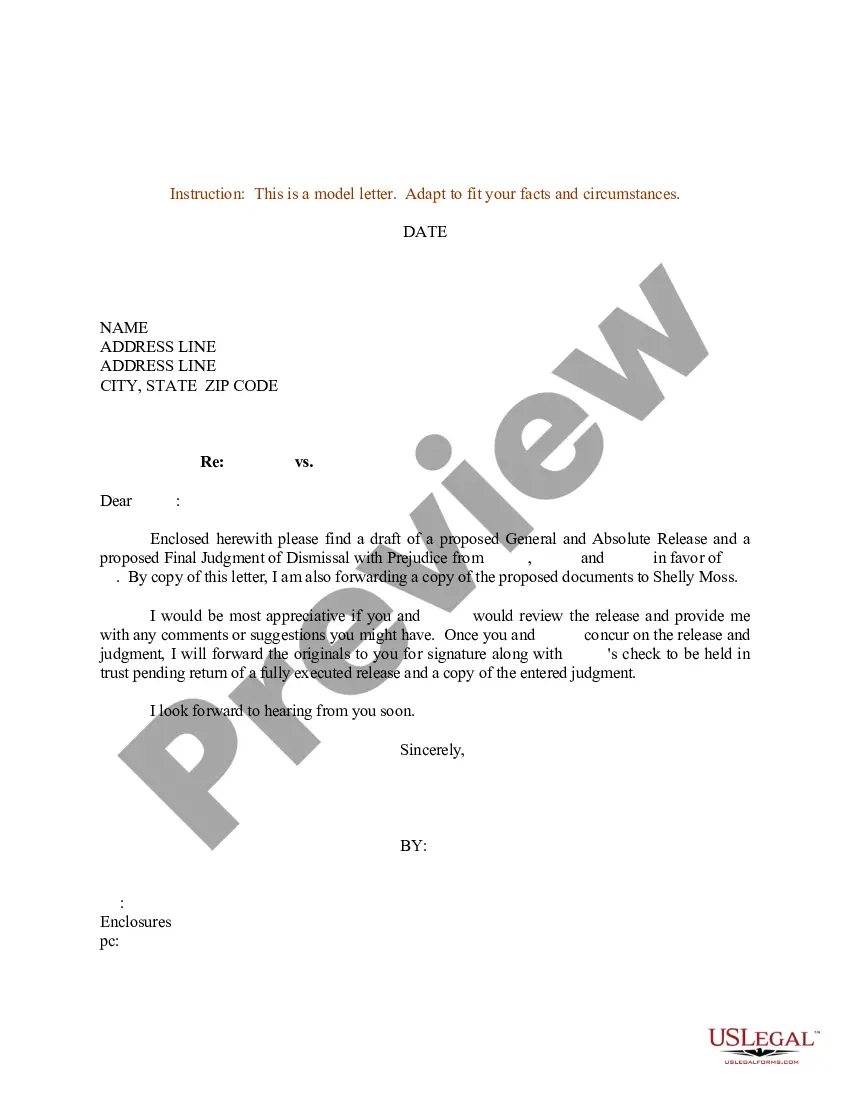
The Sample Letter for General and Absolute Release and Final Judgment of Dismissal with Prejudice is a document used to formally communicate the release of claims between parties after a lawsuit has been resolved. This letter serves as evidence that the involved parties agree to dismiss the case with prejudice, preventing the claims from being pursued again in the future. Unlike other dismissal letters, this form includes a release component, which is crucial for finalizing the matter conclusively.
What’s included in this form
- Date of the letter.
- Name and address of the recipient.
- Subject line referencing the case involved.
- A copy of the General and Absolute Release.
When to use this document
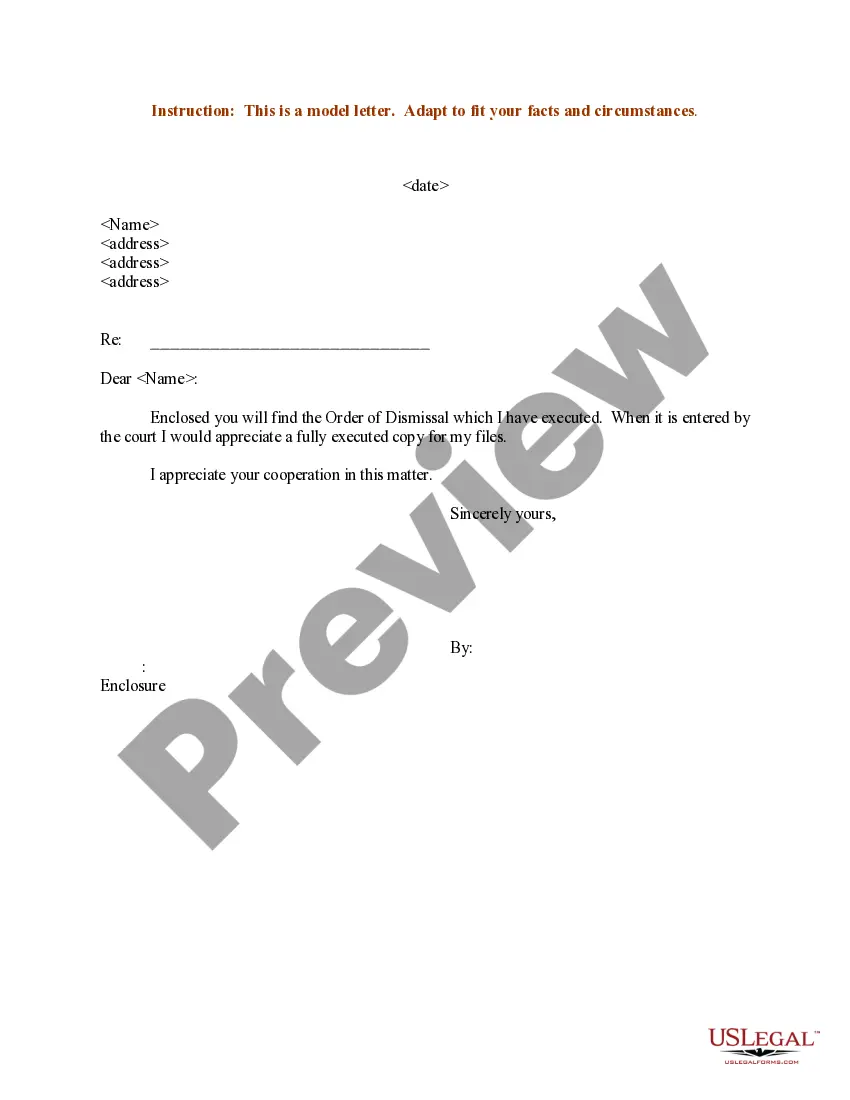
This form is typically used when two or more parties have settled a dispute and want to formally document the dismissal of the case while releasing all claims against each other. You may need this form after reaching a settlement agreement in civil disputes, family law cases, or business disagreements, ensuring legal protections for all parties involved.
Who can use this document
This Sample Letter for General and Absolute Release and Final Judgment of Dismissal with Prejudice is intended for:
- Individuals or businesses involved in a legal case who have reached a settlement.
- Attorneys seeking a template for drafting dismissal letters.
- Parties wishing to confirm the finality of their settlement agreement.
Steps to complete this form
- Identify the date you are sending the letter.
- Enter the name and address of the recipient.
- Clearly state the subject line of the letter, referring to the case.
- Attach a copy of the General and Absolute Release.
Notarization requirements for this form
This form does not typically require notarization unless specified by local law. It is recommended to check jurisdictional requirements before finalizing the document.
Get your form ready online
Our built-in tools help you complete, sign, share, and store your documents in one place.
Make edits, fill in missing information, and update formatting in US Legal Forms—just like you would in MS Word.
Download a copy, print it, send it by email, or mail it via USPS—whatever works best for your next step.
Sign and collect signatures with our SignNow integration. Send to multiple recipients, set reminders, and more. Go Premium to unlock E-Sign.
If this form requires notarization, complete it online through a secure video call—no need to meet a notary in person or wait for an appointment.
We protect your documents and personal data by following strict security and privacy standards.

Make edits, fill in missing information, and update formatting in US Legal Forms—just like you would in MS Word.

Download a copy, print it, send it by email, or mail it via USPS—whatever works best for your next step.

Sign and collect signatures with our SignNow integration. Send to multiple recipients, set reminders, and more. Go Premium to unlock E-Sign.

If this form requires notarization, complete it online through a secure video call—no need to meet a notary in person or wait for an appointment.

We protect your documents and personal data by following strict security and privacy standards.
Mistakes to watch out for
- Failing to include the necessary attachments, such as the release document.
- Not providing accurate names and addresses for the involved parties.
- Leaving out the subject line, which can cause confusion about the letter's purpose.
Why complete this form online
- Convenient access to a legal template that can be customized to fit specific needs.
- Editable format allows for quick changes where necessary.
- Reliable and professionally drafted content by licensed attorneys ensures compliance with legal standards.
Legal use & context
- This letter serves as a legal record of dismissal and release.
- It protects parties from future claims regarding the settled matter.
- Ensures enforceability of the terms agreed upon in the settlement.
Quick recap
- This form is crucial for finalizing legal disputes with a release of claims.
- Ensure all relevant details and signatures are included for validity.
- Check state-specific requirements to ensure compliance.
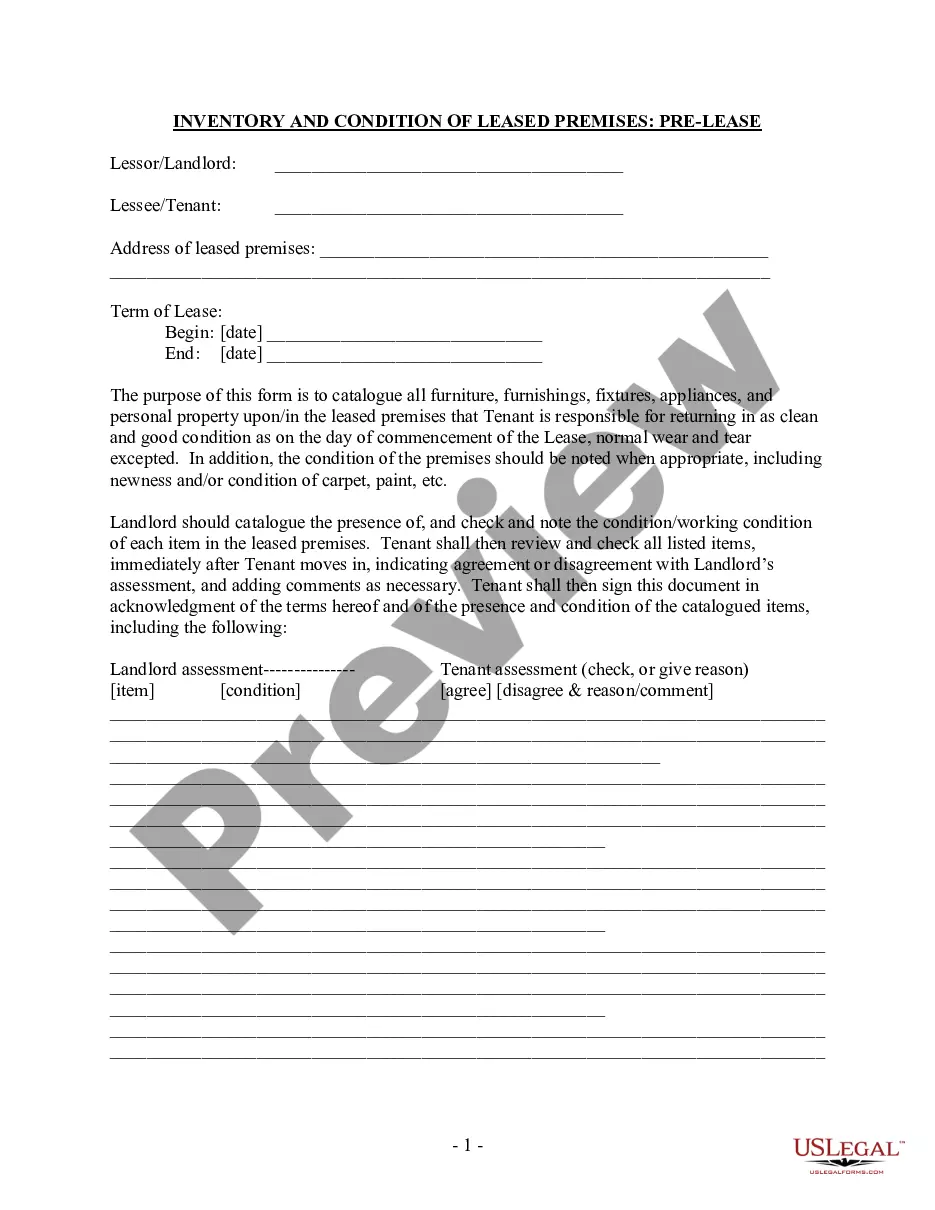
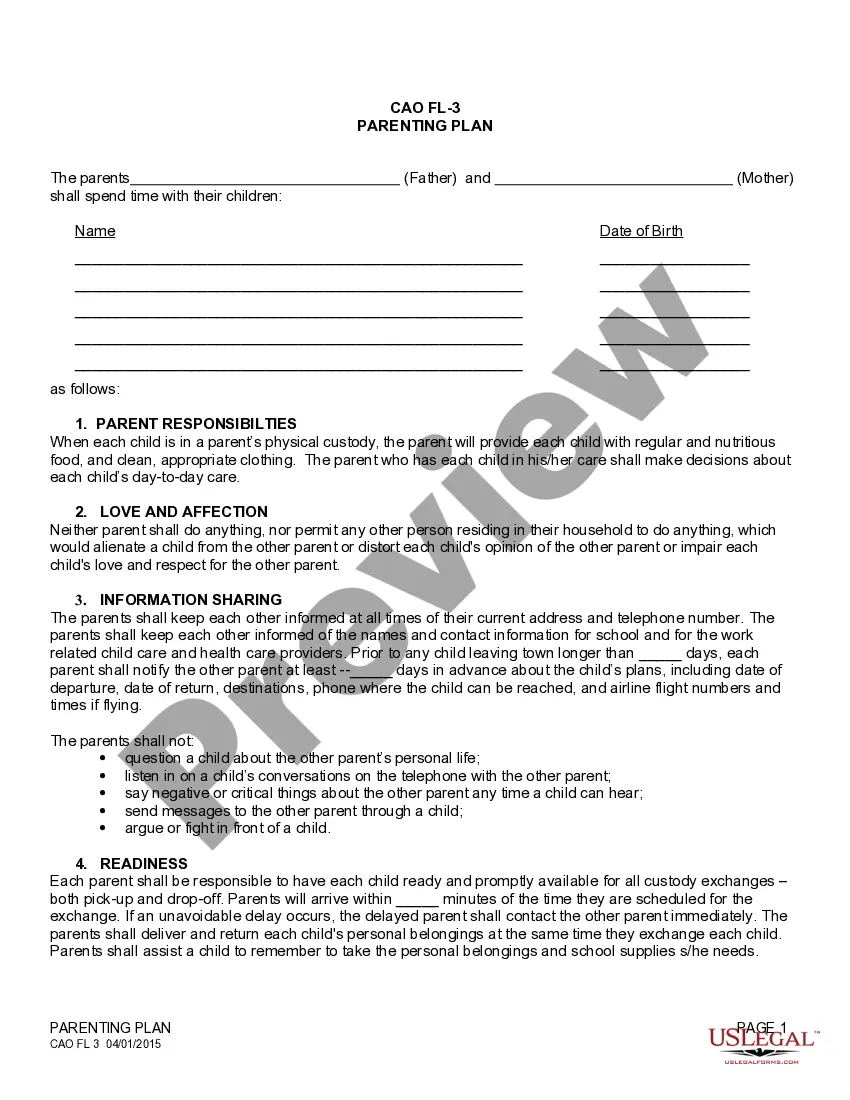
Looking for another form?
Form popularity
FAQ
A release is an agreement not to sue; it waives your right to sue and company and "releases" your employer from legal liability for claims you may have against it.(Employers typically want the release to be as broad as possible, to protect themselves from any possible legal exposure.)
A written contract in which one or more parties agree to give up legal causes of action against the other party in exchange for adequate consideration (that is, something of value to which the party releasing the legal claims is not already entitled).
The short answer is no. You don't have to accept what your employer offers, nor do you have to sign a release. A release is valid only if it's voluntary: If your employer requires or coerces you sign, it won't be upheld in court. This doesn't mean, however, that you are entitled to severance.
Dear ABC, We regret to inform you that your employment with (add company name) shall officially get terminated on (add date). The reason for termination of employment and the details of your severance benefit and compensation are mentioned in the attached document. The decision is final and irrevocable.
Send them a soft copy of your resignation. Send them a copy of any communication where your boss has agreed to relieve you but HR has not. ( If you do not have any such communication in writing, you could obtain one, it is possible) Ask them to help you out.
Send a letter requesting to cancel the contract. The FTC's "cooling off" rule. Check your state's consumer-protection laws. Breach the contract. Talk to an attorney.
A Debt Release Letter is a letter written by a creditor to a debtor when their debt has been recouped in full.It establishes that a financial obligation no longer exists between the creditor and debtor.
Add the employee name, ID number, position, and department. Add the name of manager or supervisor handling termination. Include any severance, benefits, and compensation the employee is entitled to. Detail any company property employee is expected to return.
Authorization Letter to Release Information Simply speaking, this is a letter to assign someone the task to perform on your behalf. Having sent this letter, you make sure that the concerned organization should not take any objection to the person sent by you to go through the official or legal procedure on your behalf.
The letter must clearly state the reason why the employee is being released. The letter must also state that all the official belongings that the employee has must be returned to the office. The Closing paragraph must clearly state that all the debt of the employee must be paid before releasing the employee.