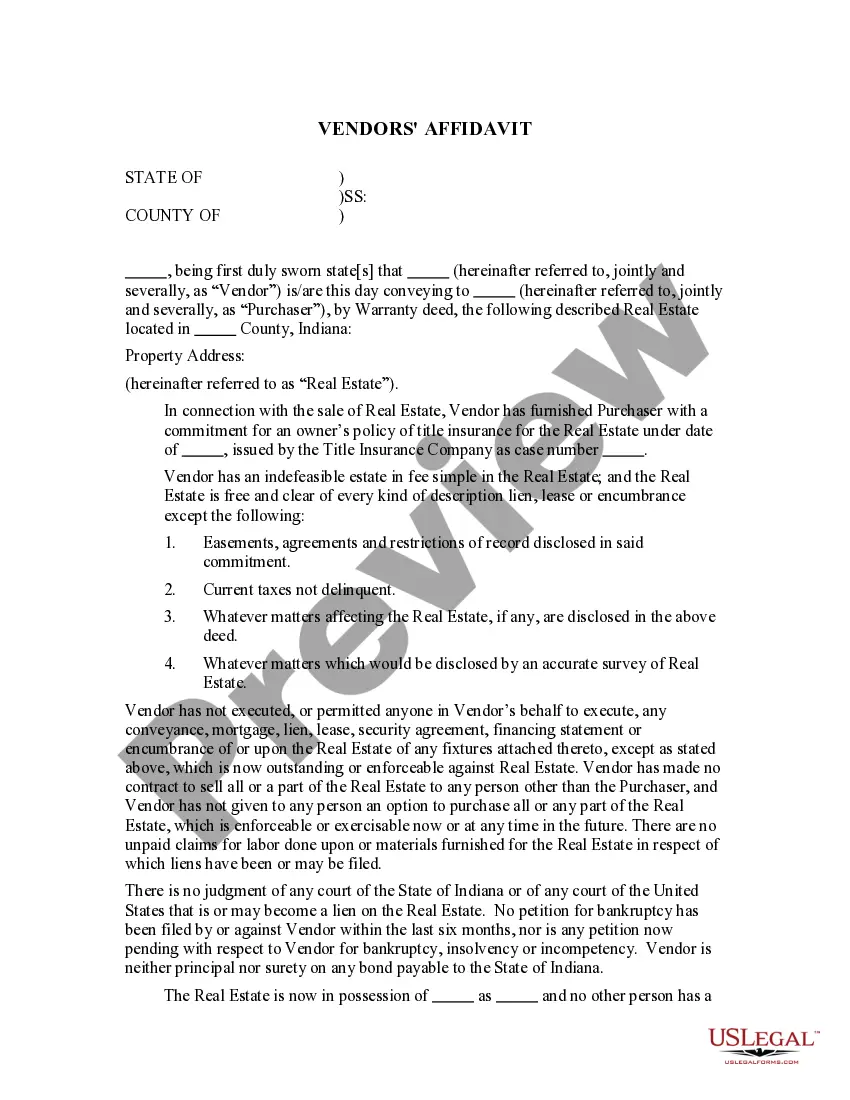
Oregon Newly Widowed Individuals Package
What this form package covers
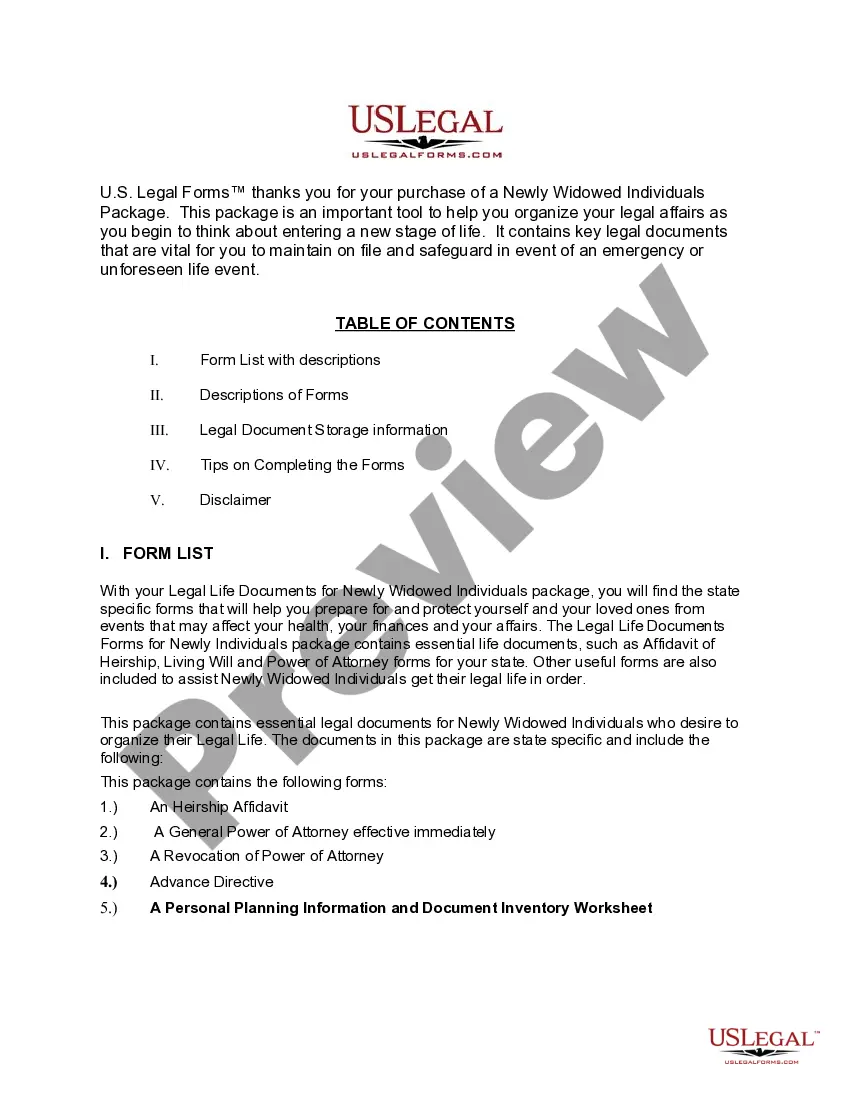
The Oregon Newly Widowed Individuals Package is a collection of essential legal documents designed specifically for individuals who have recently lost a spouse. This package aims to help you organize your legal affairs during a challenging time, ensuring that you have the necessary tools to manage your rights, health care decisions, and financial matters. Unlike generic legal forms, all documents included in this package are tailored to Oregon's legal requirements, offering peace of mind as you navigate this transitional phase.
What’s included in this form package
- Last Will and Testament
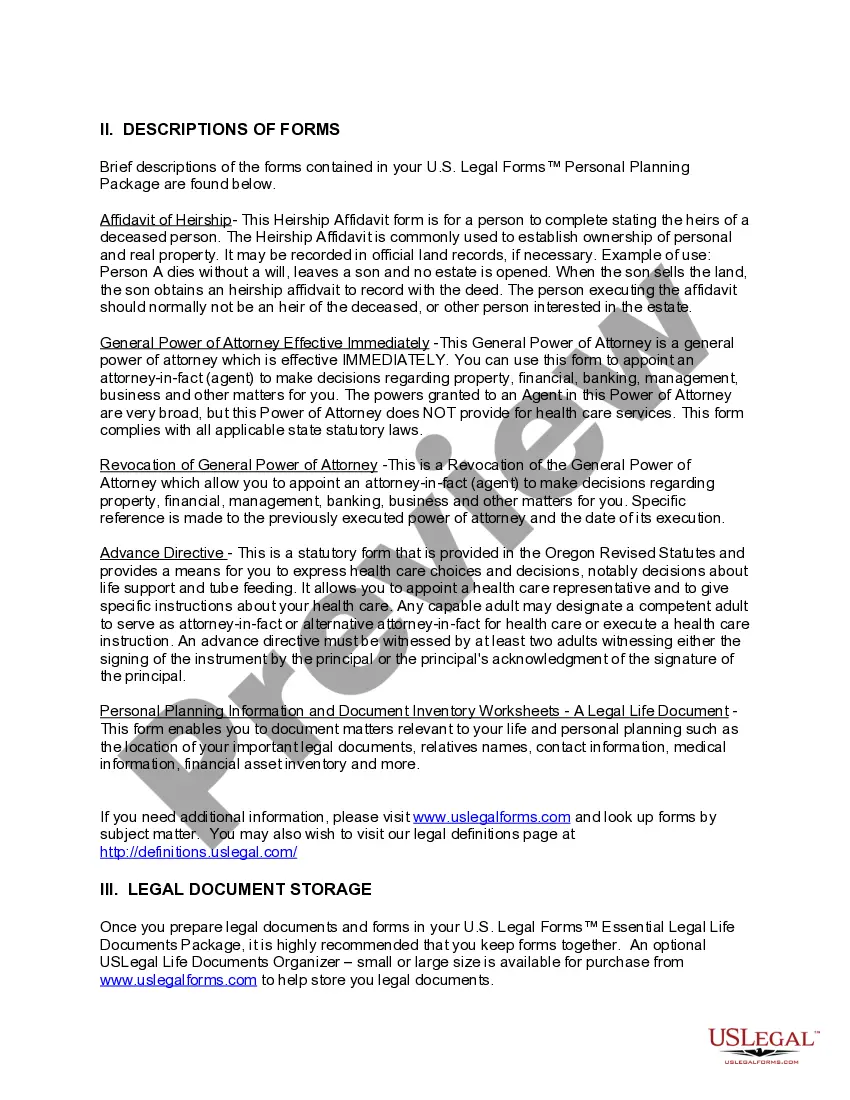
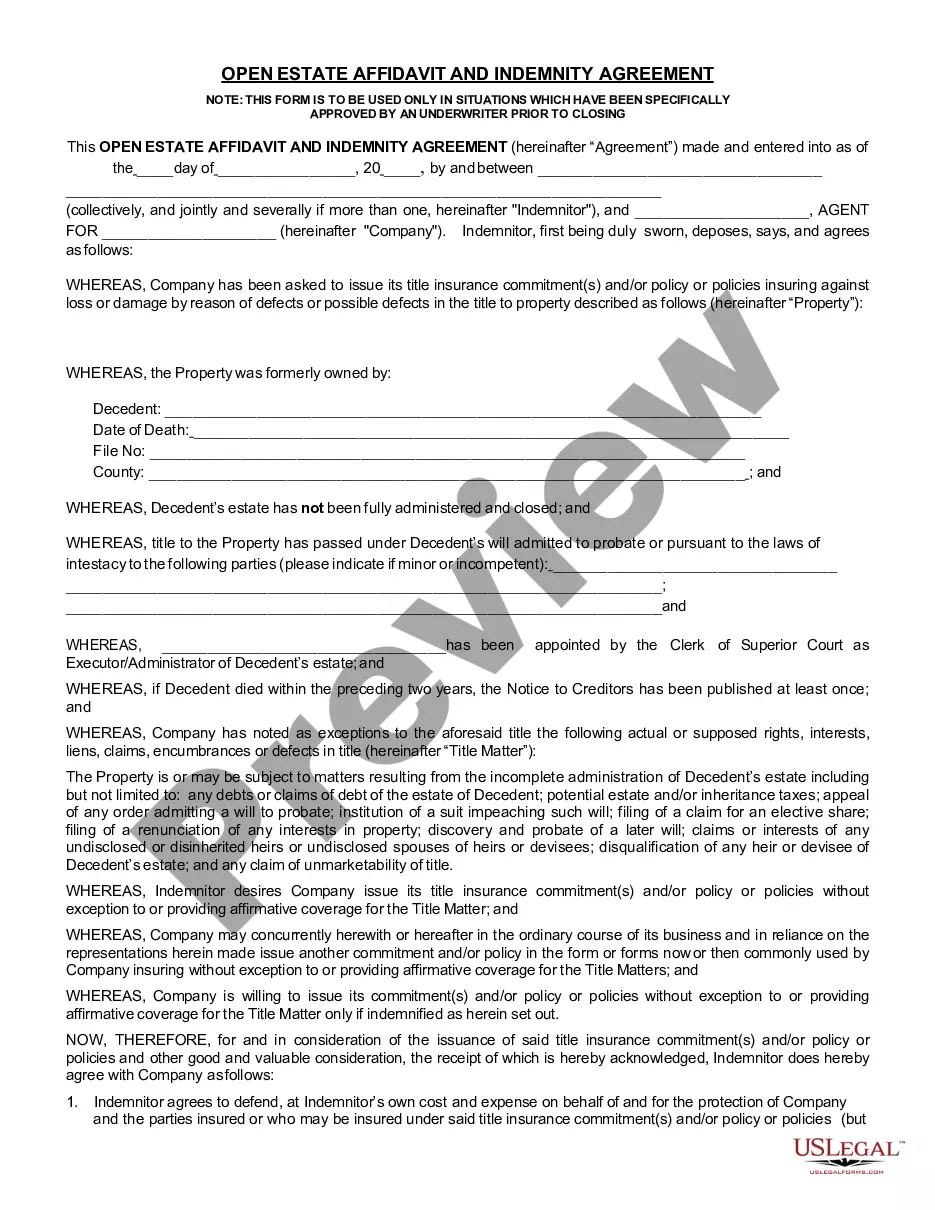
- Heirship Affidavit - Descent
- General Durable Power of Attorney for Property and Finances or Financial Effective Immediately
- Revocation of General Durable Power of Attorney
- Health Care Directive - Advance Healthcare directive - includes Living Will and Health Care Decisions Statutory form
- Personal Planning Information and Document Inventory Worksheets - A Legal Life Document


When this form package is needed
This package is beneficial in several real-world scenarios, including:
- When you need to make immediate legal decisions regarding health care and finances after the death of a spouse.
- When you require a clear plan for distributing assets and managing estate matters.
- If you want to express medical wishes in a legally binding way.
- When organizing important documents and personal information becomes necessary for your peace of mind.
Who should use this form package
- Individuals who have recently lost their spouse and need to address legal matters efficiently.
- Anyone in Oregon looking to formalize their health care and legal decisions during a difficult time.
- Those who want to ensure their wishes regarding asset distribution and health care are clearly expressed.
Completing these forms step by step
- Review all included forms carefully to understand their purpose.
- Gather necessary information, such as personal details, medical preferences, and asset inventories.
- Complete each form by filling in the required information in the provided fields.
- Ensure all forms are signed and dated as required, with witnesses if necessary, especially for health care directives.
- Store your completed documents in a secure location and inform trusted individuals of their whereabouts.
Notarization guidance for this package
Some included forms must be notarized to ensure validity. US Legal Forms provides secure online notarization powered by Notarize, allowing you to complete the process through a verified video call anytime.
Get your form ready online
Our built-in tools help you complete, sign, share, and store your documents in one place.
Make edits, fill in missing information, and update formatting in US Legal Forms—just like you would in MS Word.
Download a copy, print it, send it by email, or mail it via USPS—whatever works best for your next step.
Sign and collect signatures with our SignNow integration. Send to multiple recipients, set reminders, and more. Go Premium to unlock E-Sign.
If this form requires notarization, complete it online through a secure video call—no need to meet a notary in person or wait for an appointment.
We protect your documents and personal data by following strict security and privacy standards.

Make edits, fill in missing information, and update formatting in US Legal Forms—just like you would in MS Word.

Download a copy, print it, send it by email, or mail it via USPS—whatever works best for your next step.

Sign and collect signatures with our SignNow integration. Send to multiple recipients, set reminders, and more. Go Premium to unlock E-Sign.

If this form requires notarization, complete it online through a secure video call—no need to meet a notary in person or wait for an appointment.

We protect your documents and personal data by following strict security and privacy standards.
Common mistakes to avoid
- Failing to sign or date the forms, which can render them ineffective.
- Not having the Advance Health Care Directive witnessed as required by state law.
- Overlooking the need to communicate with family members about document storage and wishes.
- Using outdated or incorrect forms that do not comply with current Oregon laws.
Why complete this package online
- The convenience of accessing all required documents in one package, tailored specifically for Oregon residents.
- Editability allows you to complete forms at your own pace.
- Reliability is ensured as all documents are drafted by licensed attorneys experienced in Oregon law.
- Instant access gives you the ability to manage your legal responsibilities quickly and efficiently.
Legal use & context
- These forms are legally recognized in the state of Oregon for handling the affairs of newly widowed individuals.
- Each form is designed to ensure your wishes are respected and your legal rights are protected during a challenging time.
- Completing these forms does not guarantee against legal challenges, so they should be filled out carefully and accurately.
Looking for another form?


Form popularity
FAQ
A surviving spouse can collect 100 percent of the late spouse's benefit if the survivor has reached full retirement age, but the amount will be lower if the deceased spouse claimed benefits before he or she reached full retirement age.
A widow or widower age 60 or older (age 50 or older if disabled) is eligible for Social Security survivor benefits provided the couple was married at least nine months. There is no age limit for a widow or widower caring for dependent children under age 16.
There are two kinds of benefits that loved ones left behind may be entitled to receive after the death of a spouse. These are: Widowed parent's allowance. Bereavement allowance and bereavement payment.
Employees may also be eligible to receive Medicare benefits through a deceased spouse if that spouse had earned 40 credits prior to their death and they were married to them at the time of the spouse's death.
These are examples of the benefits that survivors may receive: Widow or widower, full retirement age or older 100 percent of the deceased worker's benefit amount. Widow or widower, age 60 full retirement age 71½ to 99 percent of the deceased worker's basic amount.
For Your Widow Or WidowerWidows and widowers can receive: Reduced benefits as early as age 60 or full benefits at full retirement age or older. If widows or widowers qualify for retirement benefits on their own record, they can switch to their own retirement benefit as early as age 62.
Widows can claim benefits at any time between 60 and their survivor full retirement age.
Be at least age 60. Be the widow or widower of a fully insured worker. Meet the marriage duration requirement. Be unmarried, unless the marriage can be disregarded.
Generally, spouses and ex-spouses become eligible for survivor benefits at age 60 50 if they are disabled provided they do not remarry before that age. These benefits are payable for life unless the spouse begins collecting a retirement benefit that is greater than the survivor benefit.