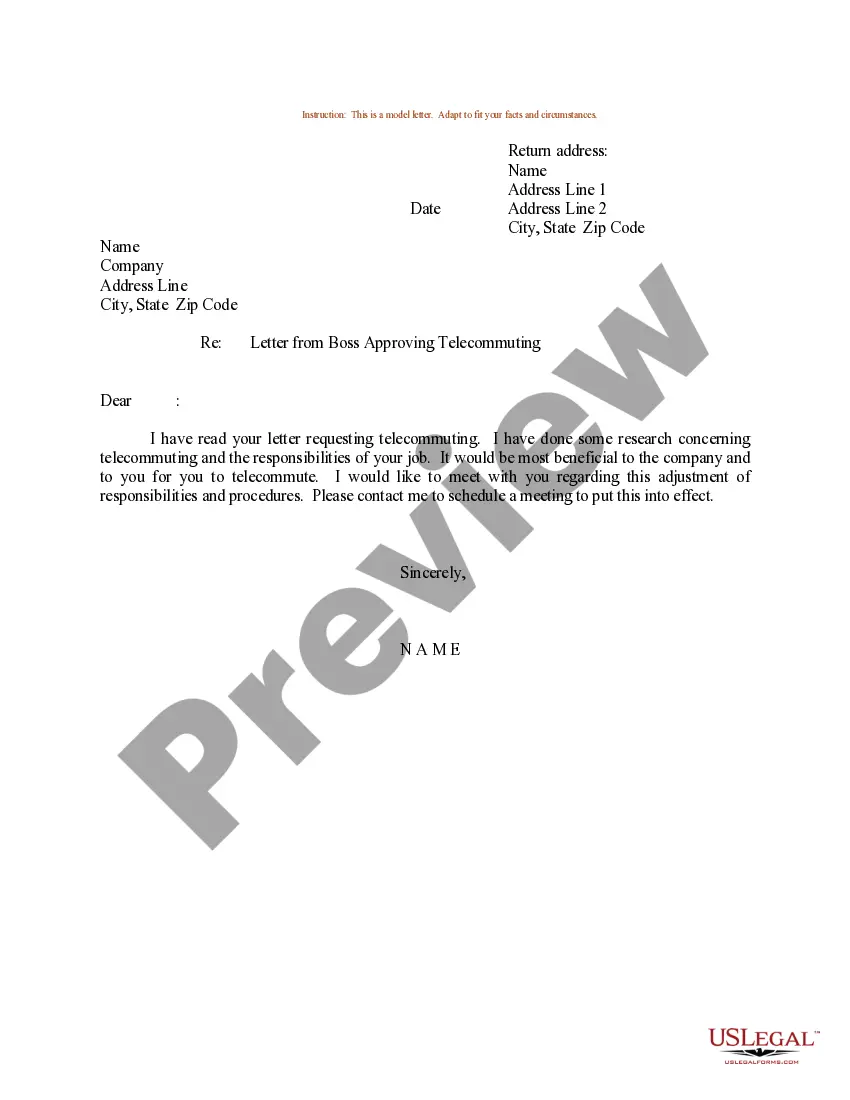
Address Telecommuting Zip With Passwords
Description
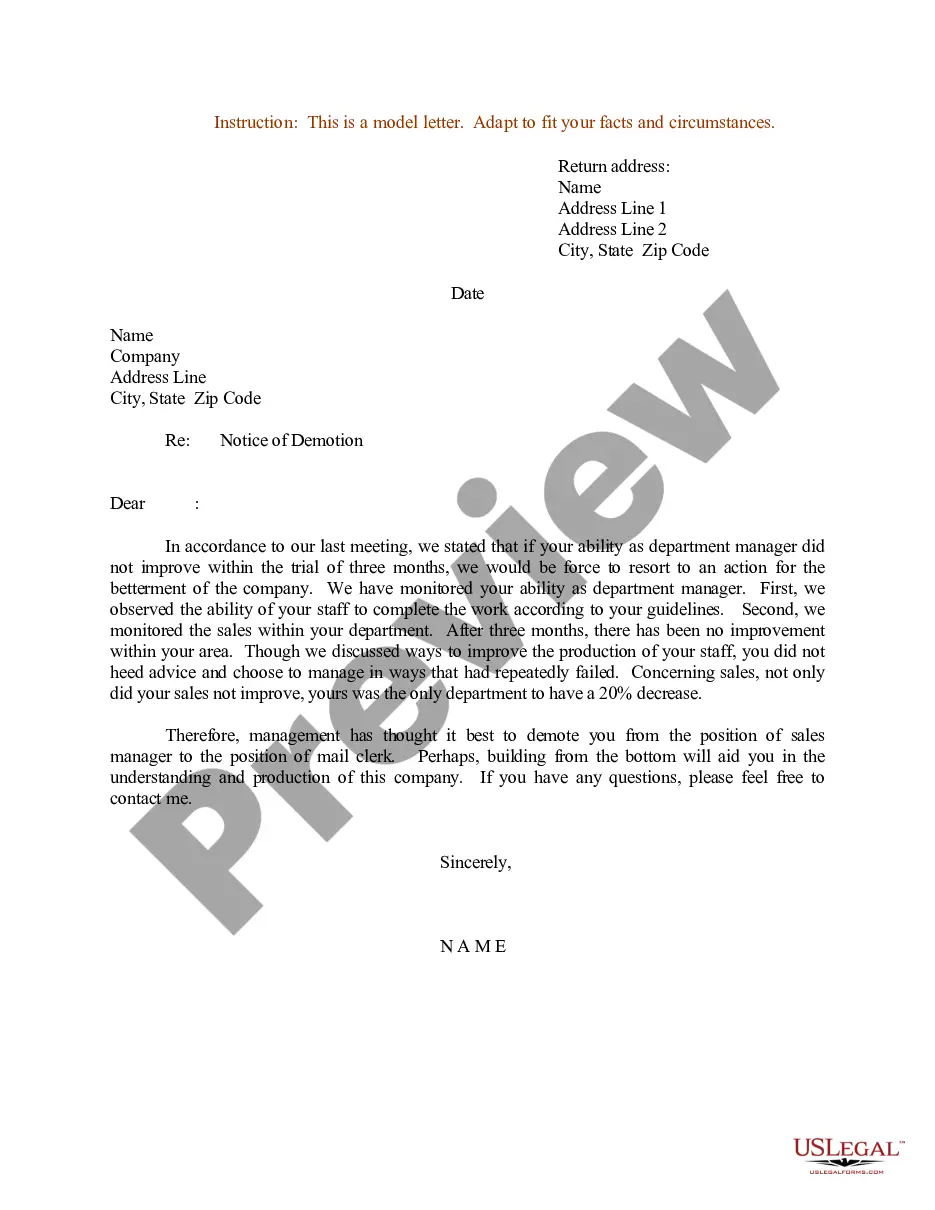
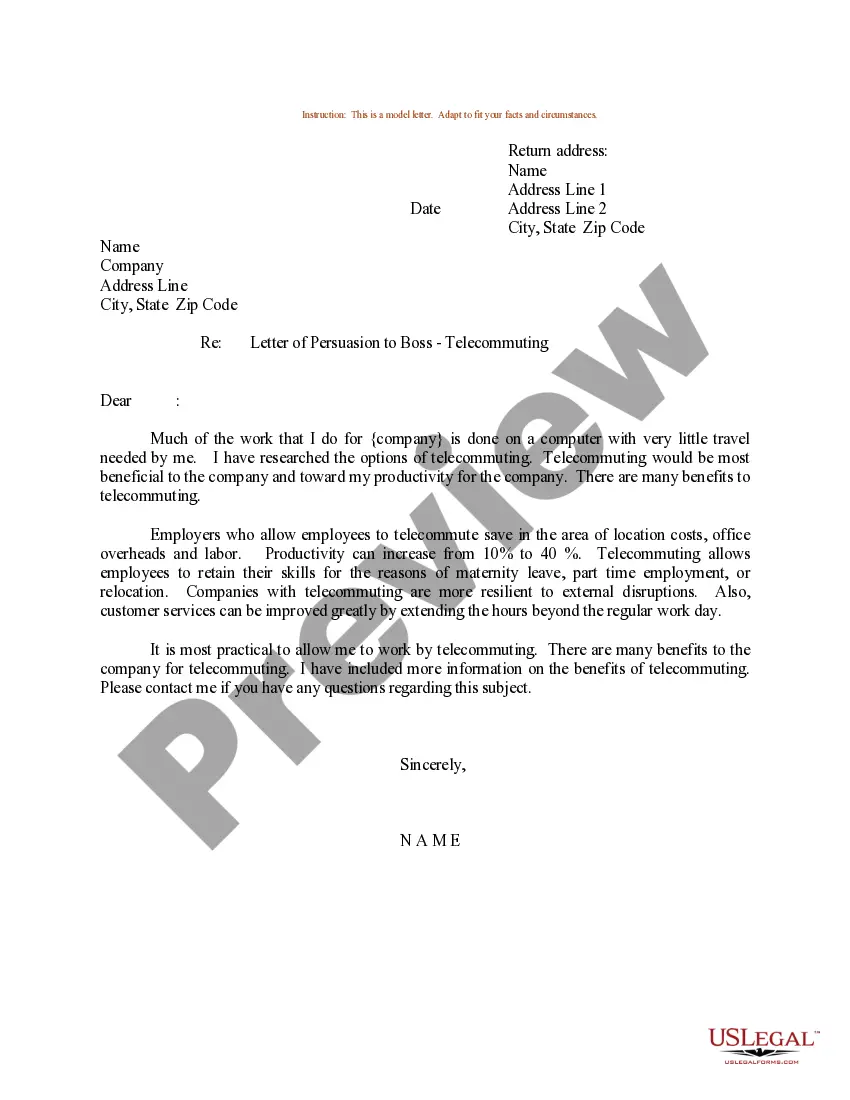
Get your form ready online
Our built-in tools help you complete, sign, share, and store your documents in one place.
Make edits, fill in missing information, and update formatting in US Legal Forms—just like you would in MS Word.
Download a copy, print it, send it by email, or mail it via USPS—whatever works best for your next step.
Sign and collect signatures with our SignNow integration. Send to multiple recipients, set reminders, and more. Go Premium to unlock E-Sign.
If this form requires notarization, complete it online through a secure video call—no need to meet a notary in person or wait for an appointment.
We protect your documents and personal data by following strict security and privacy standards.

Make edits, fill in missing information, and update formatting in US Legal Forms—just like you would in MS Word.

Download a copy, print it, send it by email, or mail it via USPS—whatever works best for your next step.

Sign and collect signatures with our SignNow integration. Send to multiple recipients, set reminders, and more. Go Premium to unlock E-Sign.

If this form requires notarization, complete it online through a secure video call—no need to meet a notary in person or wait for an appointment.

We protect your documents and personal data by following strict security and privacy standards.
Looking for another form?
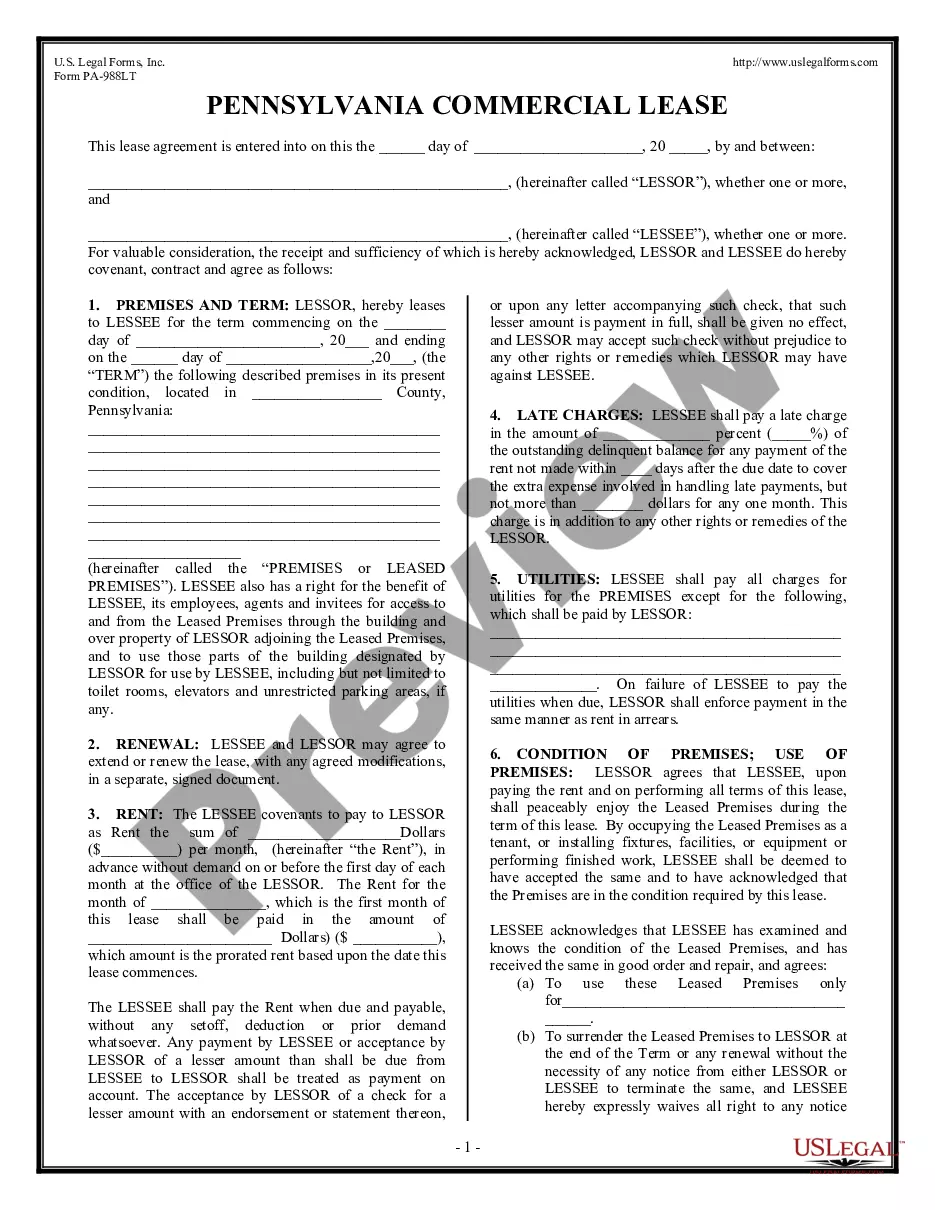

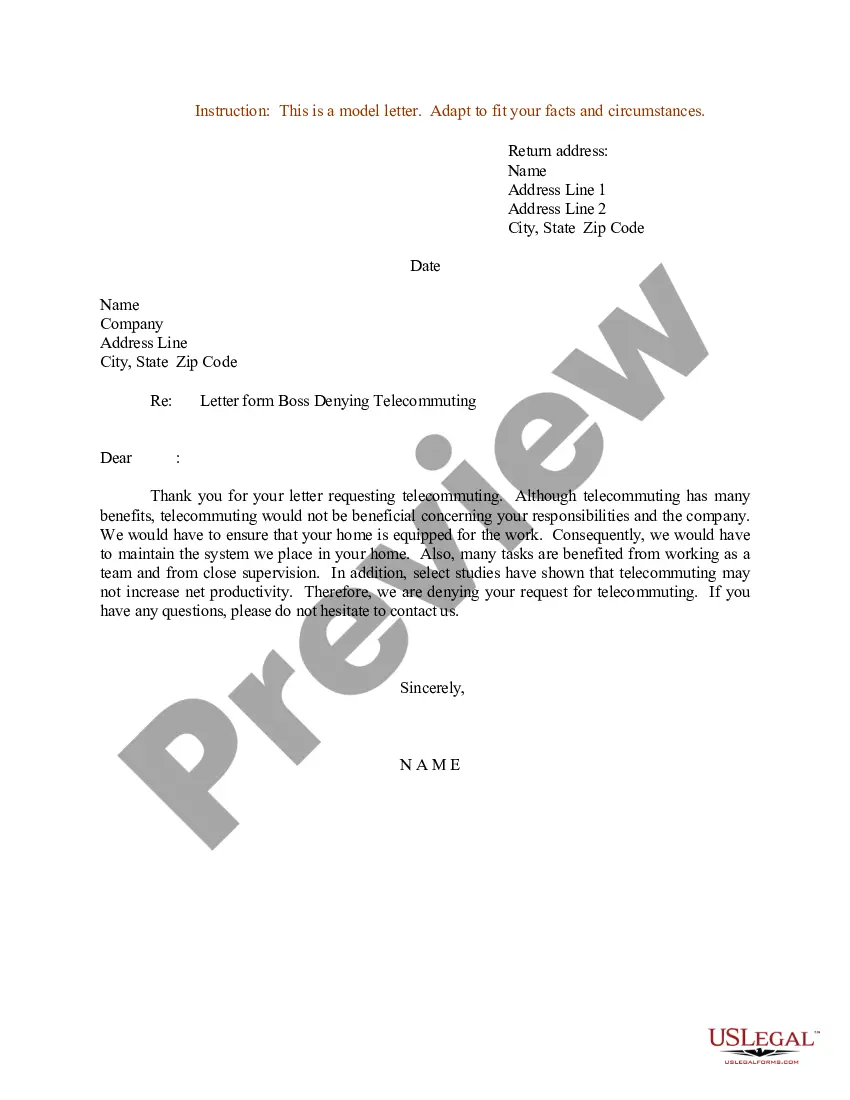
How to fill out Sample Letter For Letter From Boss Approving Telecommuting?
- If you're a returning user, log in to your account and locate the required form template. Make sure your subscription is current; if it has expired, renew it according to your payment preference.
- For first-time users, start by reviewing form previews and descriptions. Ensure the template aligns with your legal needs and adheres to local regulations.
- If you need to look for other templates, utilize the Search feature at the top to find any necessary documents that better suit your requirements.
- Once you have identified the right form, select the Buy Now option and choose your desired subscription plan. Creating an account is essential for accessing the extensive library.
- Proceed with payment by entering your credit card information or using your PayPal account to finalize your subscription.
- After your purchase, download the form to your device for completion. You can easily access it later through the My Forms section of your profile.
By following these steps, you can efficiently navigate the process of obtaining essential legal documents with absolute confidence, ensuring they meet all legal standards.
Don't hesitate to explore US Legal Forms today and experience the advantages of our extensive library and expert support!
Form popularity
FAQ
To put a password on a zip file, choose a reliable file compression tool such as WinRAR, 7-Zip, or WinZip. First, select the file you want to compress and click on the option to create an archive. Then, navigate to the settings to set your password. This practice is crucial for keeping your files safe, especially when addressing telecommuting zip with passwords.
Yes, you can password protect a zip folder in Windows 10, but it typically requires third-party software like 7-Zip or WinRAR. After downloading the tool, right-click the folder, select the compression option, and look for an option to add a password. This feature ensures that your sensitive data stays secure, particularly important when addressing telecommuting zip with passwords.
There are several reasons why you might not be able to password protect a zip file. It could be that the built-in tools of your operating system do not support this feature. Alternatively, you may need to use specific software designed for secure compression, which allows password protection. If you face challenges, consider using reliable services to address telecommuting zip with passwords effectively.
In Windows 11, you can password protect a zip file using third-party applications like WinZip or 7-Zip. Begin by right-clicking the file and choosing 'Add to archive' if using 7-Zip. Here, you can set a password under the encryption section before creating your zip file. Ensuring secure access is crucial, especially when addressing telecommuting zip with passwords.
To zip a file with a password, start by selecting the file you want to compress. Use file compression software that supports password protection, such as WinRAR or 7-Zip. After choosing the compression option, look for a setting to add a password before finalizing the zip file. This way, only those who know the password can access the contents, making it ideal for addressing telecommuting zip with passwords.