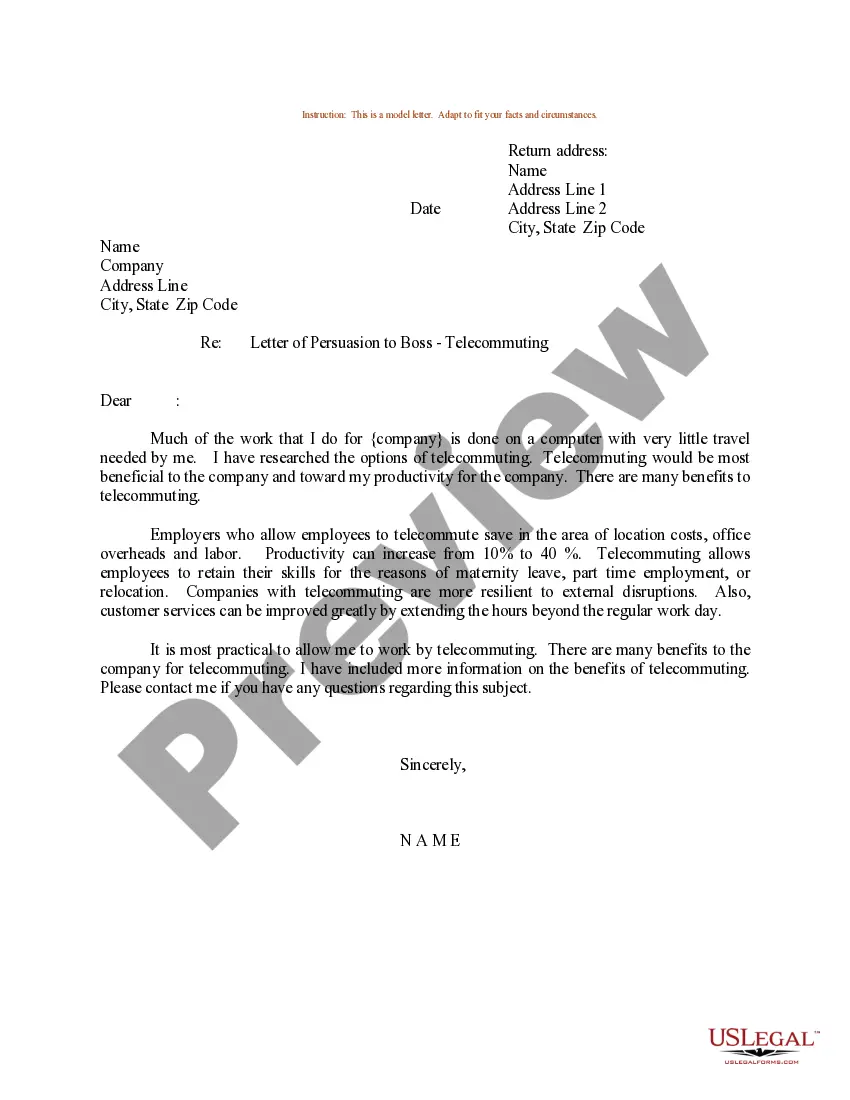
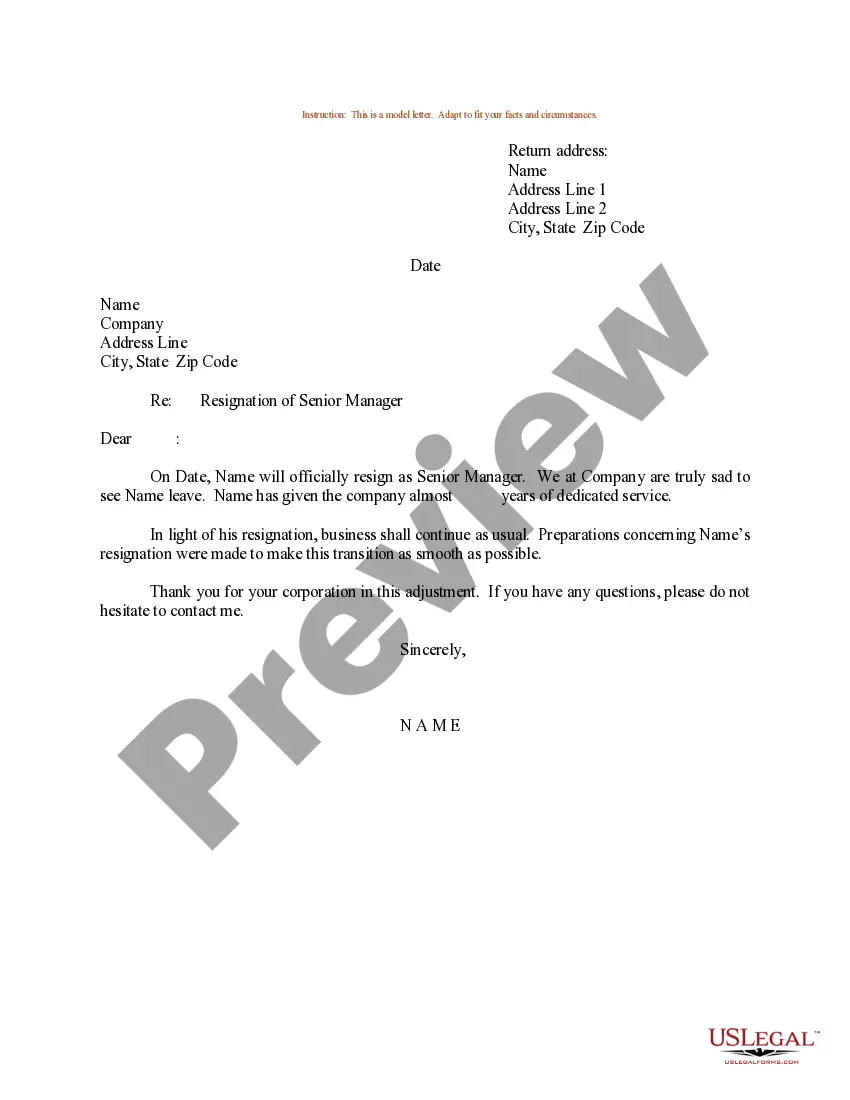
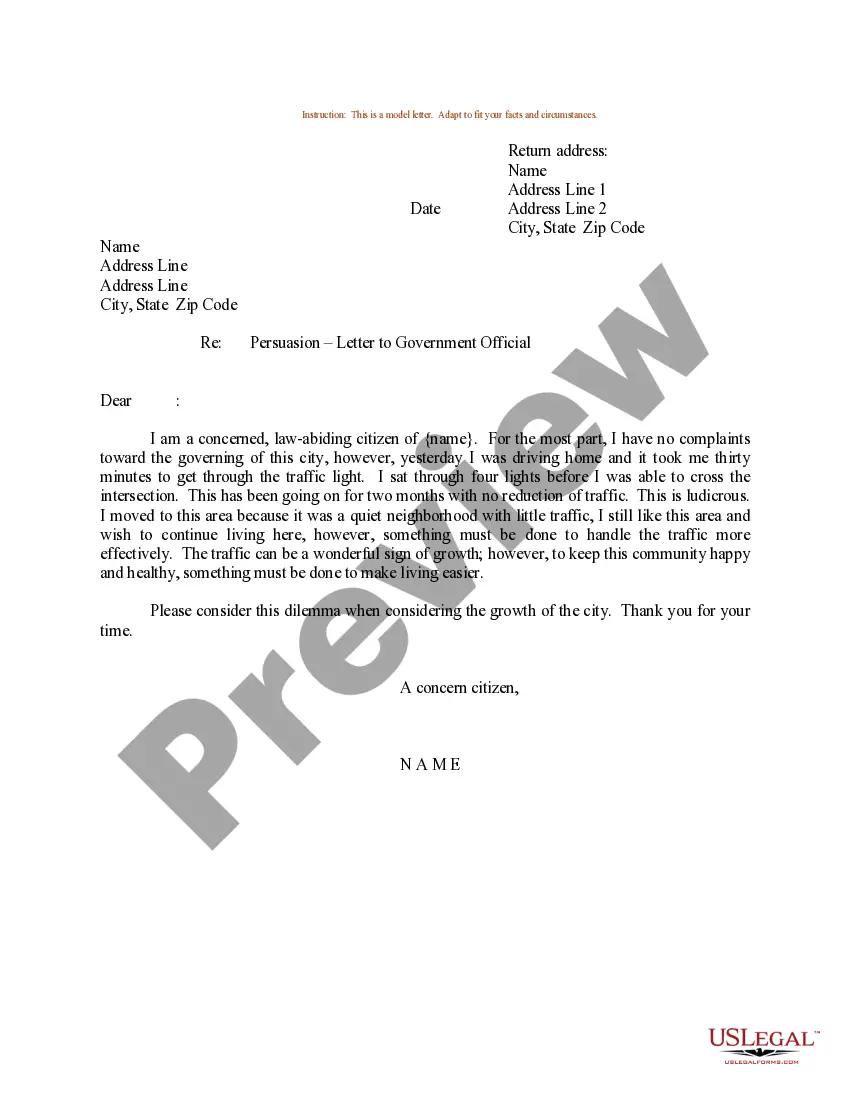
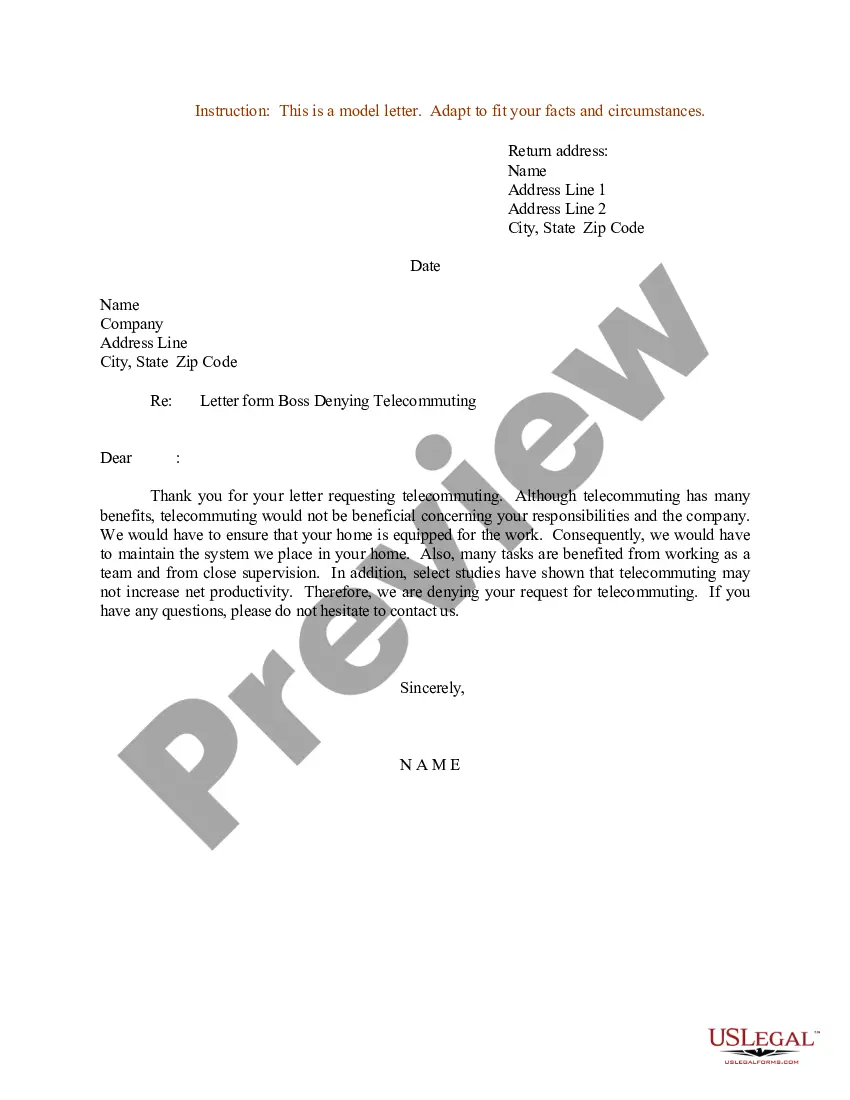
Boss Letter For Employee
Description
Get your form ready online
Our built-in tools help you complete, sign, share, and store your documents in one place.
Make edits, fill in missing information, and update formatting in US Legal Forms—just like you would in MS Word.
Download a copy, print it, send it by email, or mail it via USPS—whatever works best for your next step.
Sign and collect signatures with our SignNow integration. Send to multiple recipients, set reminders, and more. Go Premium to unlock E-Sign.
If this form requires notarization, complete it online through a secure video call—no need to meet a notary in person or wait for an appointment.
We protect your documents and personal data by following strict security and privacy standards.

Make edits, fill in missing information, and update formatting in US Legal Forms—just like you would in MS Word.

Download a copy, print it, send it by email, or mail it via USPS—whatever works best for your next step.

Sign and collect signatures with our SignNow integration. Send to multiple recipients, set reminders, and more. Go Premium to unlock E-Sign.

If this form requires notarization, complete it online through a secure video call—no need to meet a notary in person or wait for an appointment.

We protect your documents and personal data by following strict security and privacy standards.
Looking for another form?






Form popularity
FAQ
Writing a professional letter requires clear intent and an organized approach. Structure the letter with a formal greeting, a concise body that communicates your main points, and an appropriate closing. If you need templates or examples for a boss letter for an employee, the US Legal Forms platform offers resources to assist you.
Filling out a professional letter involves clearly stating your message while maintaining formality. In a boss letter for an employee, use concise sentences and organized paragraphs, focusing on key points. Additionally, make sure to proofread for any errors to present a polished communication.
You can begin your formal letter with a brief introduction that states the purpose of your communication. For a boss letter for an employee, it's helpful to establish context and express respect. Phrases like 'I am writing to inform you about...' effectively guide your reader into the content.
A formal letter, including a boss letter for an employee, should follow a structured format. Begin with your contact information at the top, followed by the date, and then the recipient's contact information. Use clear sections for the greeting, body, closing, and signature to ensure clarity and professionalism.
When addressing a boss letter for an employee, start with the recipient's name, followed by their title. It's important to include both the last name and the appropriate salutation, such as 'Dear Mr. Smith' or 'Dear Ms. Johnson'. If you're unsure of the recipient's gender, using their full name is a respectful alternative.
Identifying whether your boss wants you to leave can be subtle but revealing. Look for changes in their communication style, such as decreased feedback or support. You might also notice a lack of engagement in your work. If you feel uncertain, consider having an open conversation with them about your role and future to clarify any concerns or expectations.
Writing an email about your achievements should be straightforward but impactful. Start with a clear subject line that summarizes your success. In the body, briefly outline the achievement, its significance, and how it contributes to the team's objectives. Include a request for a boss letter for an employee to formally recognize your work, adding a layer of professionalism to your communication.
To encourage your boss to document discussions and decisions, kindly explain the importance of having a written record for clarity and accountability. Frame it as a way to support both parties in understanding expectations and avoiding misunderstandings. You might say, 'Having a boss letter for an employee will help us keep track of our agreements and ensure we are aligned on our goals.'
If you need to seek a second chance from your boss, be honest and express your desire to learn from past mistakes. Highlight what you have done to improve and how you plan to ensure better performance moving forward. Mentioning your request for a boss letter for an employee can also show your commitment, as it provides a written acknowledgment of your renewed dedication.
To convince your boss to take action, present your idea thoughtfully and back it up with relevant data or examples. Address potential concerns they may have and emphasize the benefits of the proposal. For instance, if you want a boss letter for an employee for a new initiative, outline how this document can enhance productivity and communication within the team.