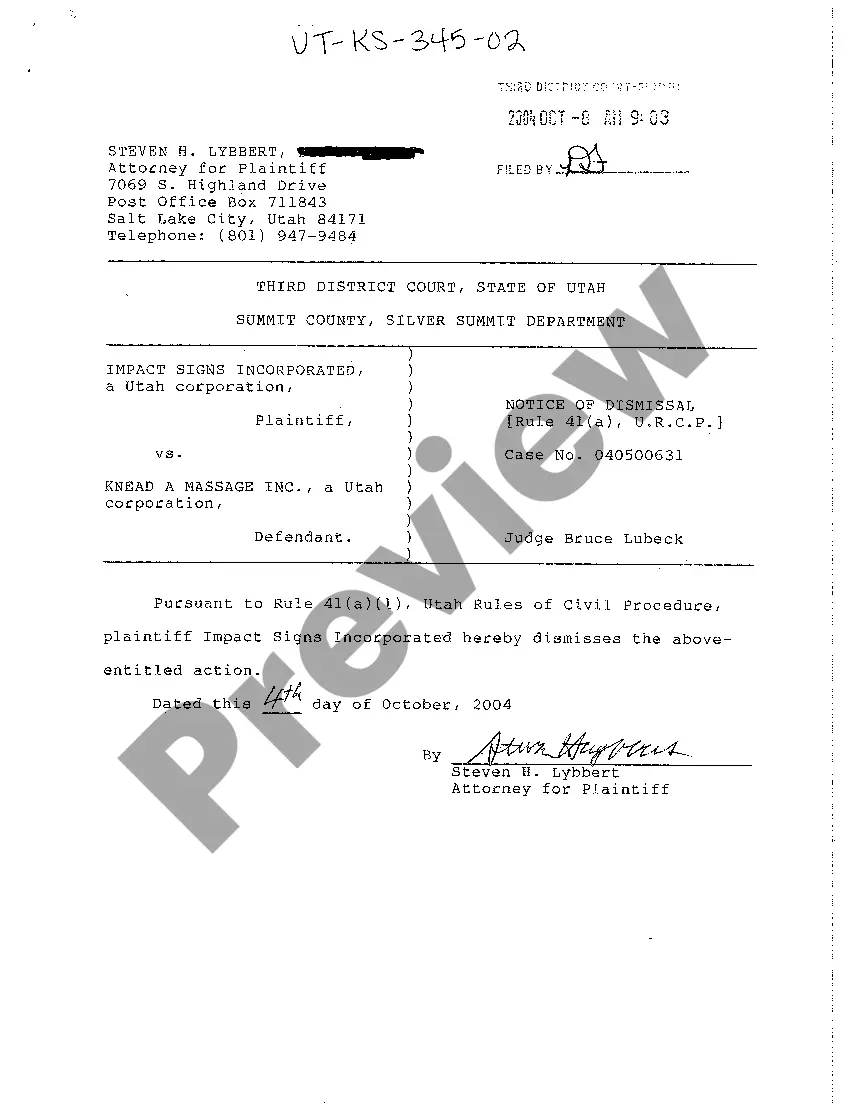
Washington Electrical Contract for Contractor
What this document covers
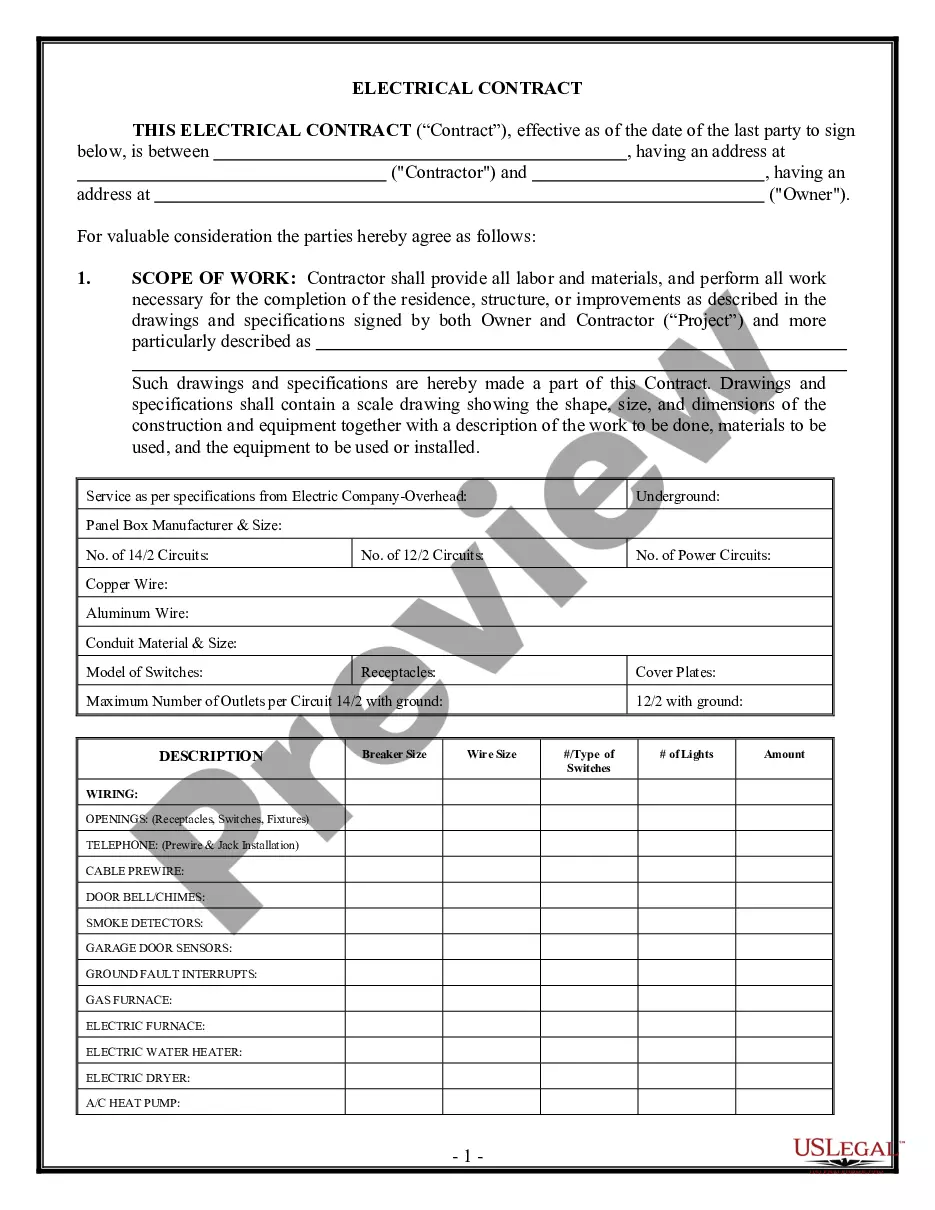
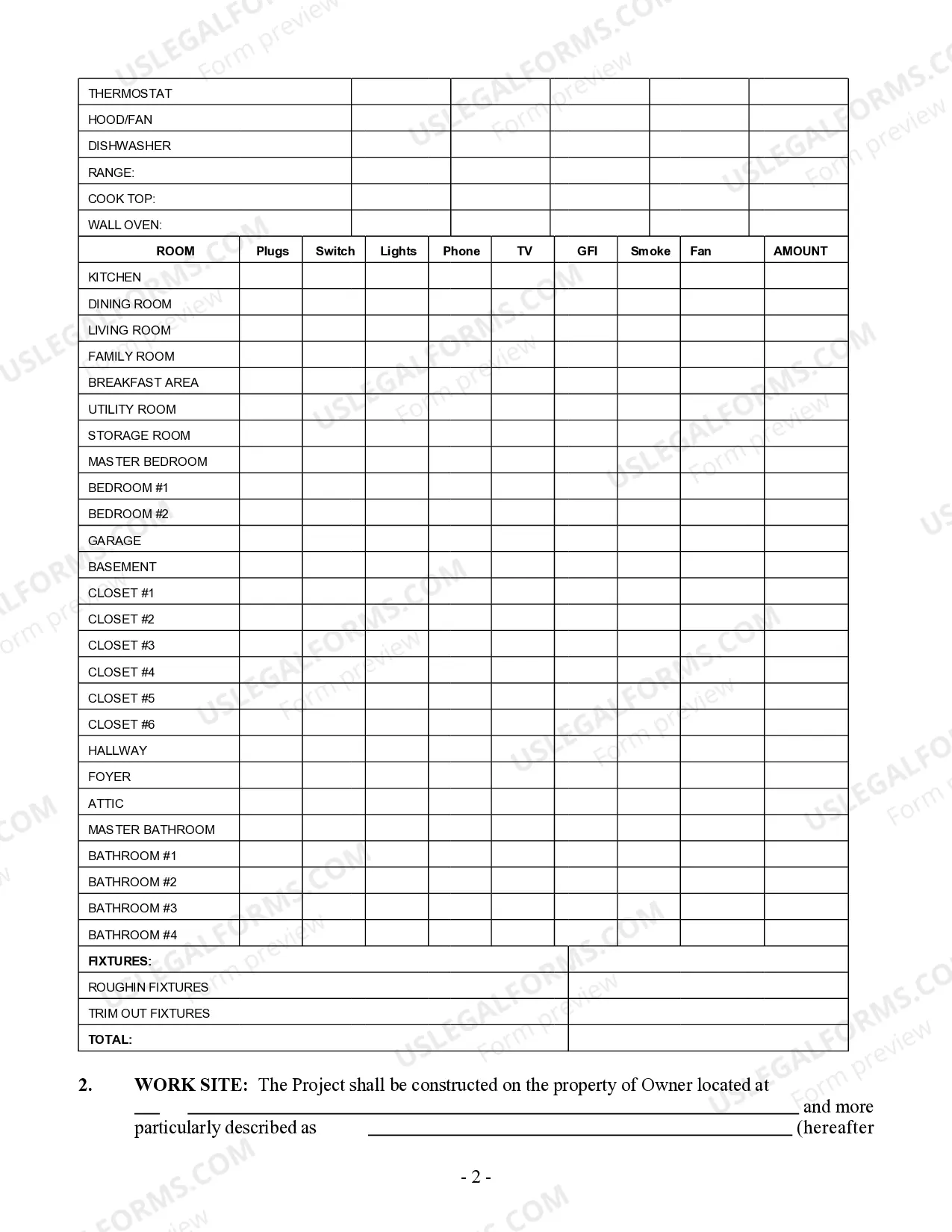
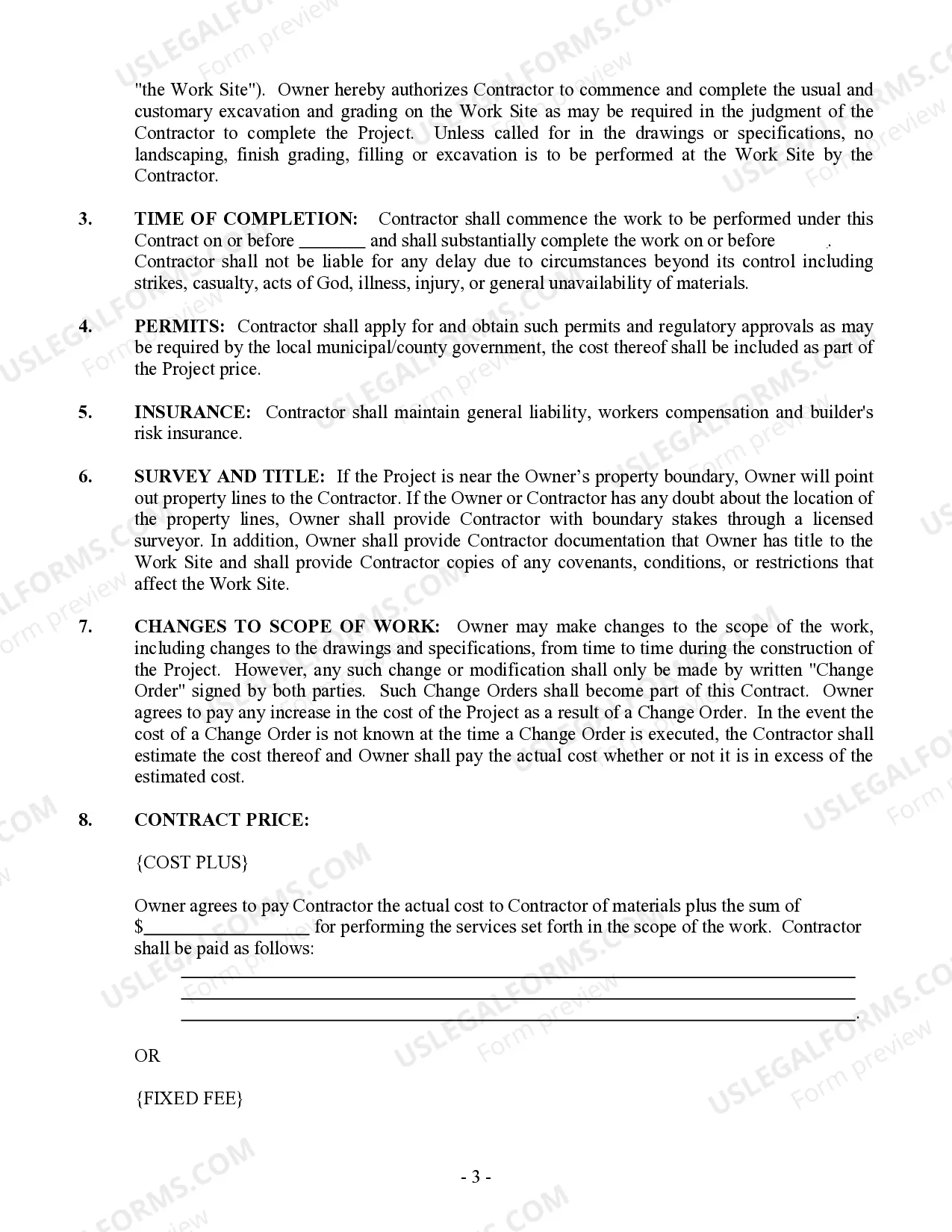
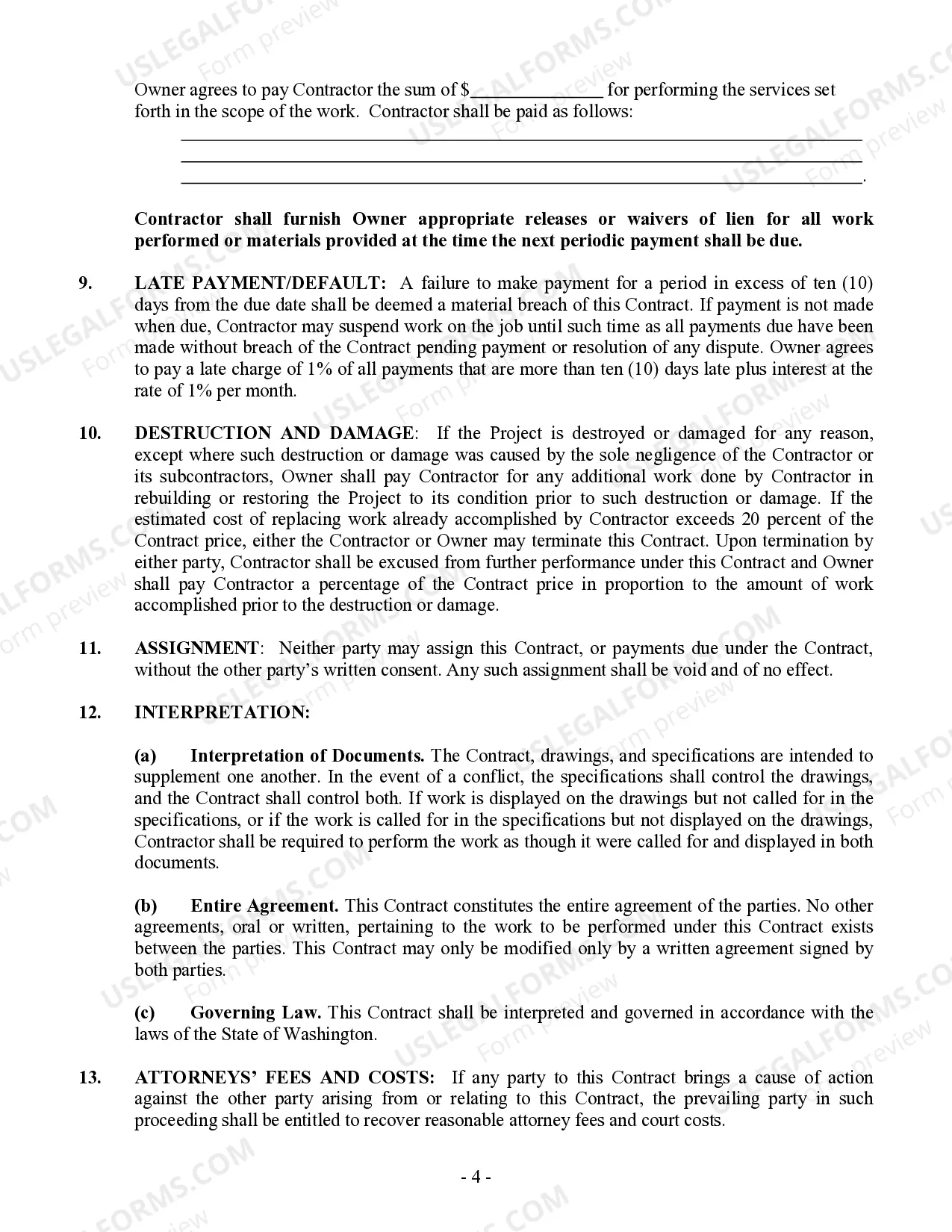
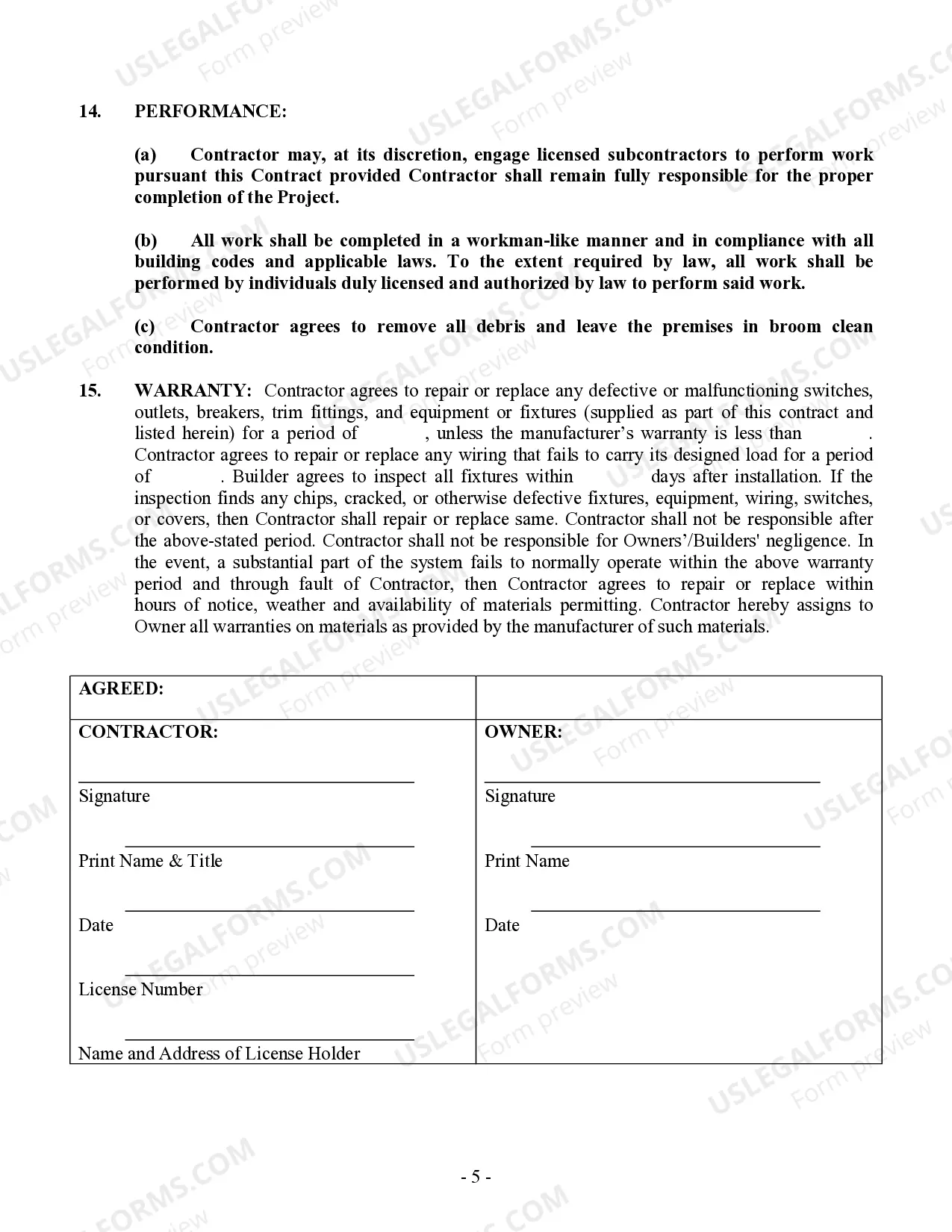
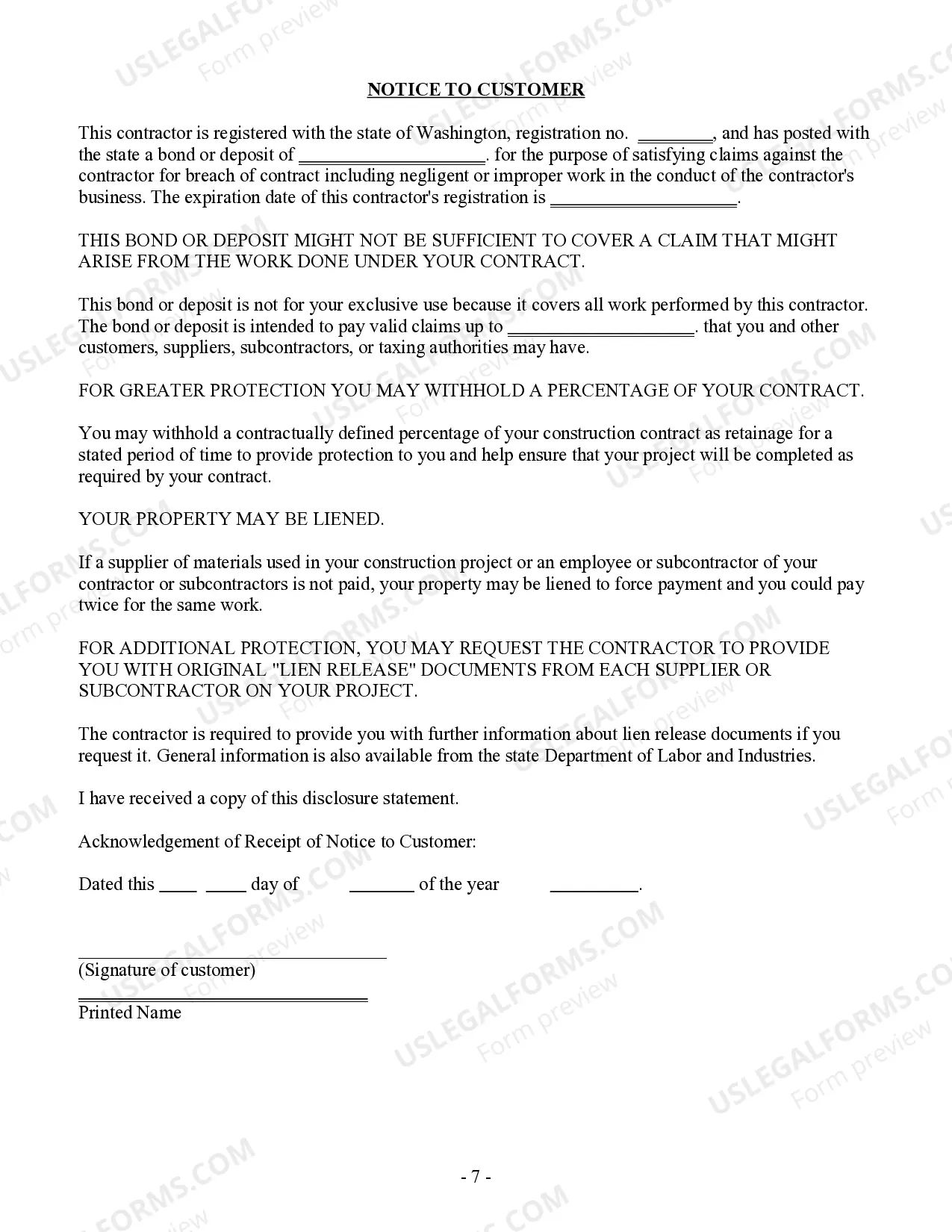
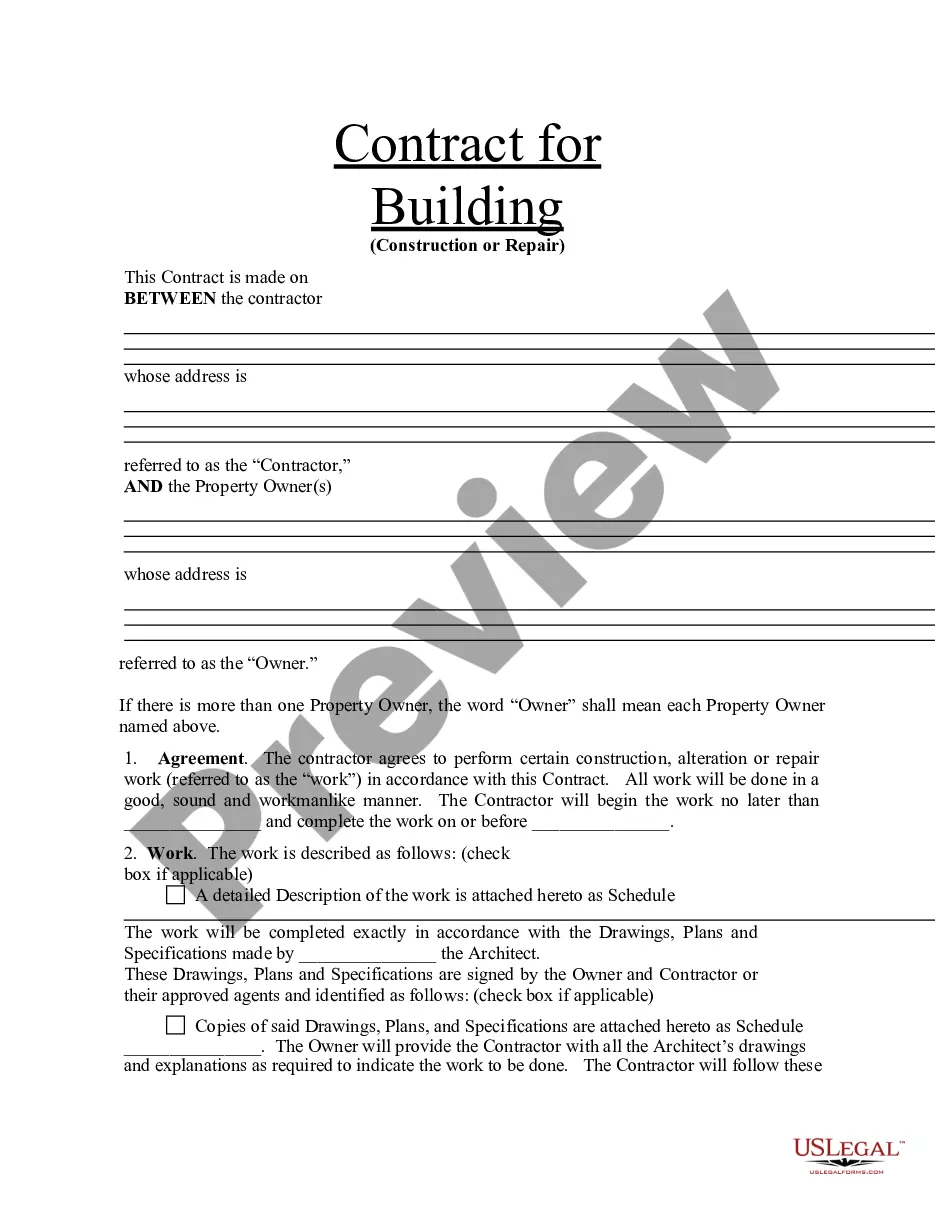
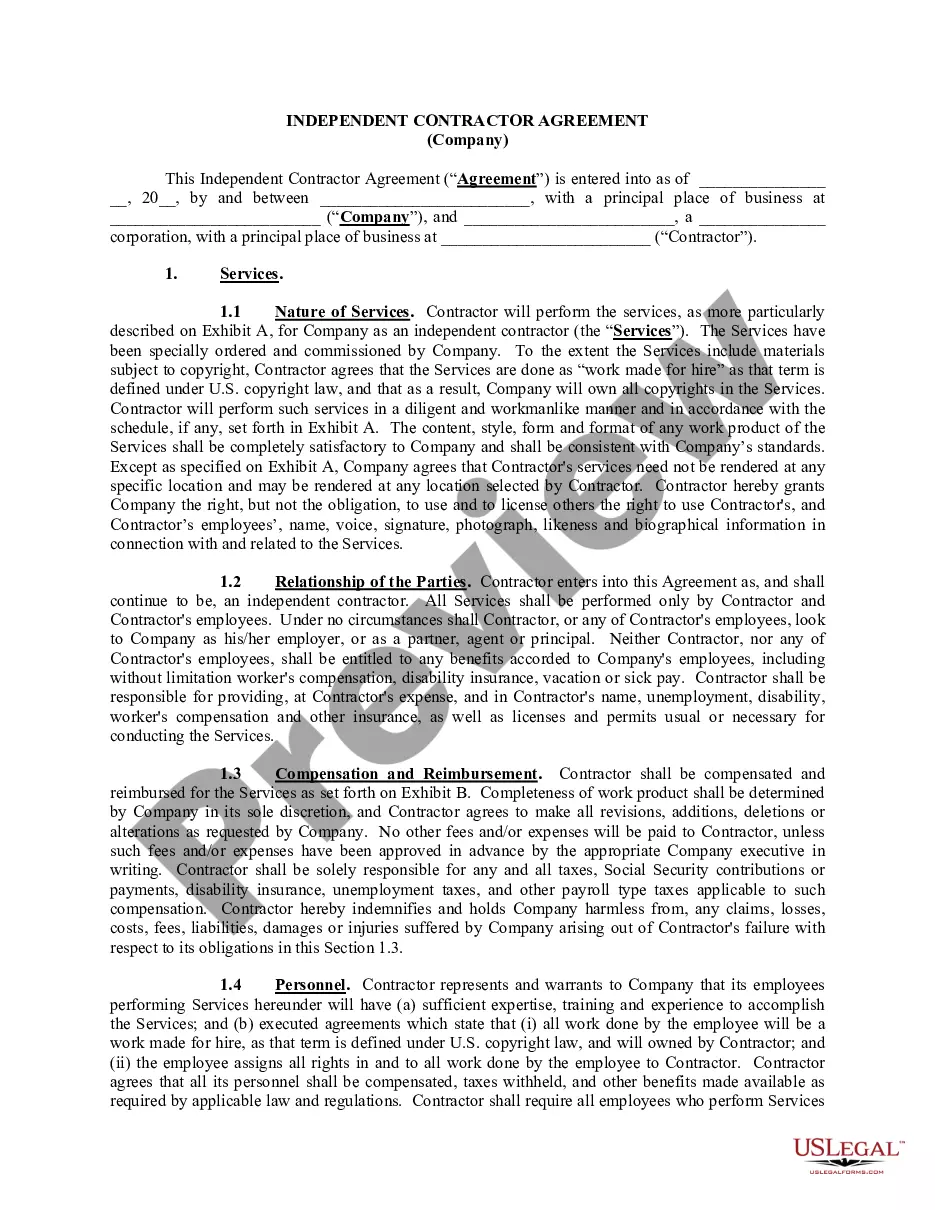
The Electrical Contract for Contractor is a legal agreement designed for use between electrical contractors and property owners. This form can be executed under either a cost-plus or fixed-fee payment arrangement. It is specifically drafted to address critical aspects such as change orders, insurance, permits, and work site information, ensuring compliance with applicable laws of the State of Washington. This makes it distinct from other general construction contracts by focusing specifically on electrical work requirements.
Key components of this form
- Permitting responsibilities and associated costs
- Requirements for insurance coverage, including general liability
- Procedures for change orders and adjustments in the scope of work
- Conditions surrounding destruction or damage to the project
- Assignment clauses and their implications
- Legal governance and interpretation of contract documents



Situations where this form applies
This Electrical Contract should be used whenever an electrical contractor is hired to perform work on a property. It is particularly necessary if the project involves significant electrical installations or alterations, especially under a specific payment arrangement like cost-plus or fixed fee. Property owners will benefit from having clear delineations of responsibilities and obligations, thus protecting their interests throughout the construction process.
Who this form is for
- Electrical contractors seeking to formalize arrangements with property owners
- Property owners who are hiring contractors for electrical work
- Parties located in the State of Washington where this contract complies with local laws
Steps to complete this form
- Identify and clearly state the parties involved in the contract (Contractor and Owner).
- Specify the project details, including scope and payment arrangement (cost-plus or fixed fee).
- Include information about the required permits and insurance coverage.
- Outline procedures for handling changes through written change orders.
- Ensure all signatures are collected from both parties to formalize the agreement.
Is notarization required?
This form does not typically require notarization unless specified by local law. It is advisable to check local regulations to ensure compliance with any additional requirements that may apply.
Get your form ready online
Our built-in tools help you complete, sign, share, and store your documents in one place.
Make edits, fill in missing information, and update formatting in US Legal Forms—just like you would in MS Word.
Download a copy, print it, send it by email, or mail it via USPS—whatever works best for your next step.
Sign and collect signatures with our SignNow integration. Send to multiple recipients, set reminders, and more. Go Premium to unlock E-Sign.
If this form requires notarization, complete it online through a secure video call—no need to meet a notary in person or wait for an appointment.
We protect your documents and personal data by following strict security and privacy standards.

Make edits, fill in missing information, and update formatting in US Legal Forms—just like you would in MS Word.

Download a copy, print it, send it by email, or mail it via USPS—whatever works best for your next step.

Sign and collect signatures with our SignNow integration. Send to multiple recipients, set reminders, and more. Go Premium to unlock E-Sign.

If this form requires notarization, complete it online through a secure video call—no need to meet a notary in person or wait for an appointment.

We protect your documents and personal data by following strict security and privacy standards.
Avoid these common issues
- Failing to specify the payment arrangement clearly.
- Omitting details on insurance coverage needed for the project.
- Not including terms for change orders affecting the project scope.
- Neglecting to obtain required permits before beginning work.
- Overlooking signatures from both parties for contract validity.
Benefits of using this form online
- Convenient downloadable format for immediate use.
- Editability allows for customization based on specific project needs.
- Reliably drafted by licensed attorneys to ensure legal compliance.
- Accessible online, allowing users to complete the form at their convenience.
Legal use & context
- The contract creates legally binding obligations between the contractor and property owner.
- Standard provisions ensure that both parties are aware of their rights and responsibilities.
- Failure to comply with the terms outlined may lead to delays, disputes, or even litigation.
- The contract adheres to Washington state legal requirements, which enhances its enforceability in that jurisdiction.
Quick recap
- An Electrical Contract for Contractor clearly defines the roles and responsibilities of both the contractor and property owner.
- This form is tailored to meet the legal requirements of Washington state.
- Proper completion and understanding of the document can help prevent disputes and ensure smooth project progression.
Looking for another form?

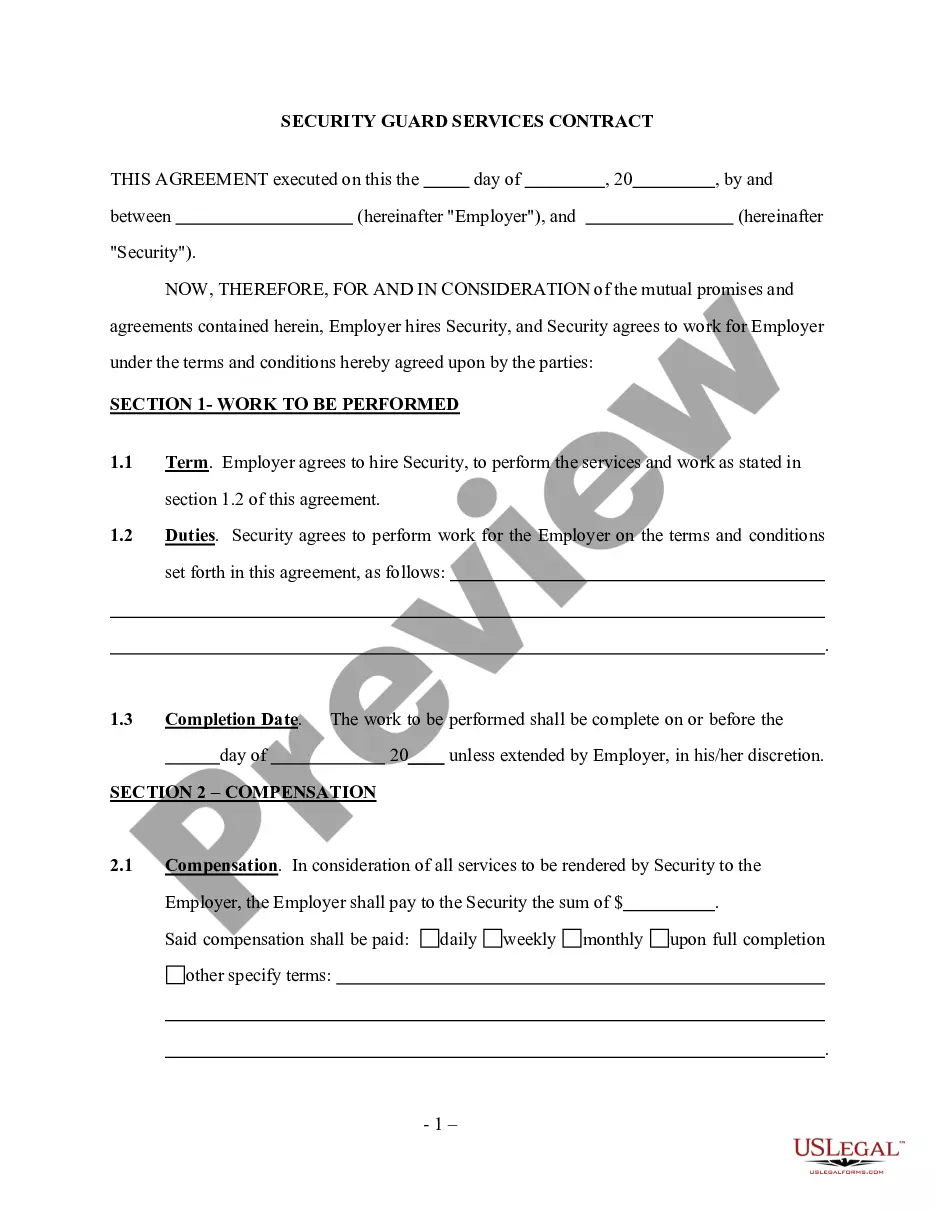
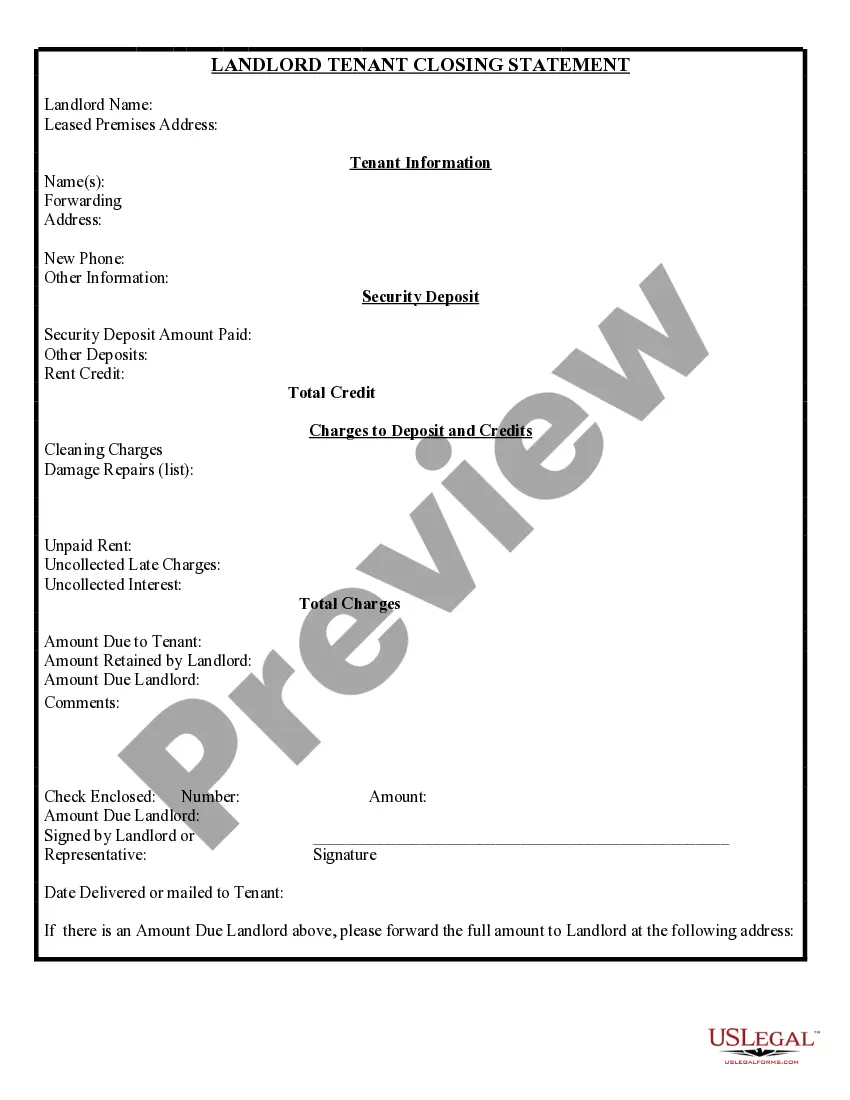
Form popularity
FAQ
It's a four-year course, which involves both on-the-job and off-the-job training. Completing the Cert III allows you to become an electrician or electrical tradesperson in Australia. It's also a handy pathway to the Diploma of Electrical Engineering, which will open up a higher paying career area.
Identify the Electrical Contractor and the Customer. Define the Scope of the Electrical Project. Identify the Plans and Specifications and the Location. Set Out the Payment Schedule. List Completion Dates and Schedules. Set Out Who Will Pay for Licenses and Fees. Explain the Safety Protocol.
General contractors can perform most types of construction work. They can hire subcontractors in multiple specialties. However, contractors working with plumbing, electrical, elevators, mobile home installation, boilers, and asbestos have additional requirements for education, examination, and licensing.
In Washington state are authorized to perform work in a variety of trades/crafts, including (but not limited to) boiler/steam fitting, cabinetry, and closet installations. To register as a general contractor, applicants must: Be at least 18 years old with a high school diploma or GED.
The Simple Differences Between an Electrician and a General Contractor. And there is a difference. While both can perform some of the same functions, the essential difference is that when you hire a general contractor you're hiring someone who is a licensed electrician, but not a master electrician.
In Washington state, you can get an electrical permit as an owner/builder. Although the inspectors hold you to the same standards as a regular electrician, you are permitted to do all the work yourself. In fact, you're required to you're prohibited from paying a non-electrician to do the work for you.
If you are interested in becoming an electrical contractor in the state of Washington you will first need to get licensed. Washington contractor licenses are issued by the Washington State Department of Labor and Industries. You can reach their electrical licensing department at 360-902-5269.
Our latest figures for 2018 show the average annual taxable income for an electrical contractor is $91,788.