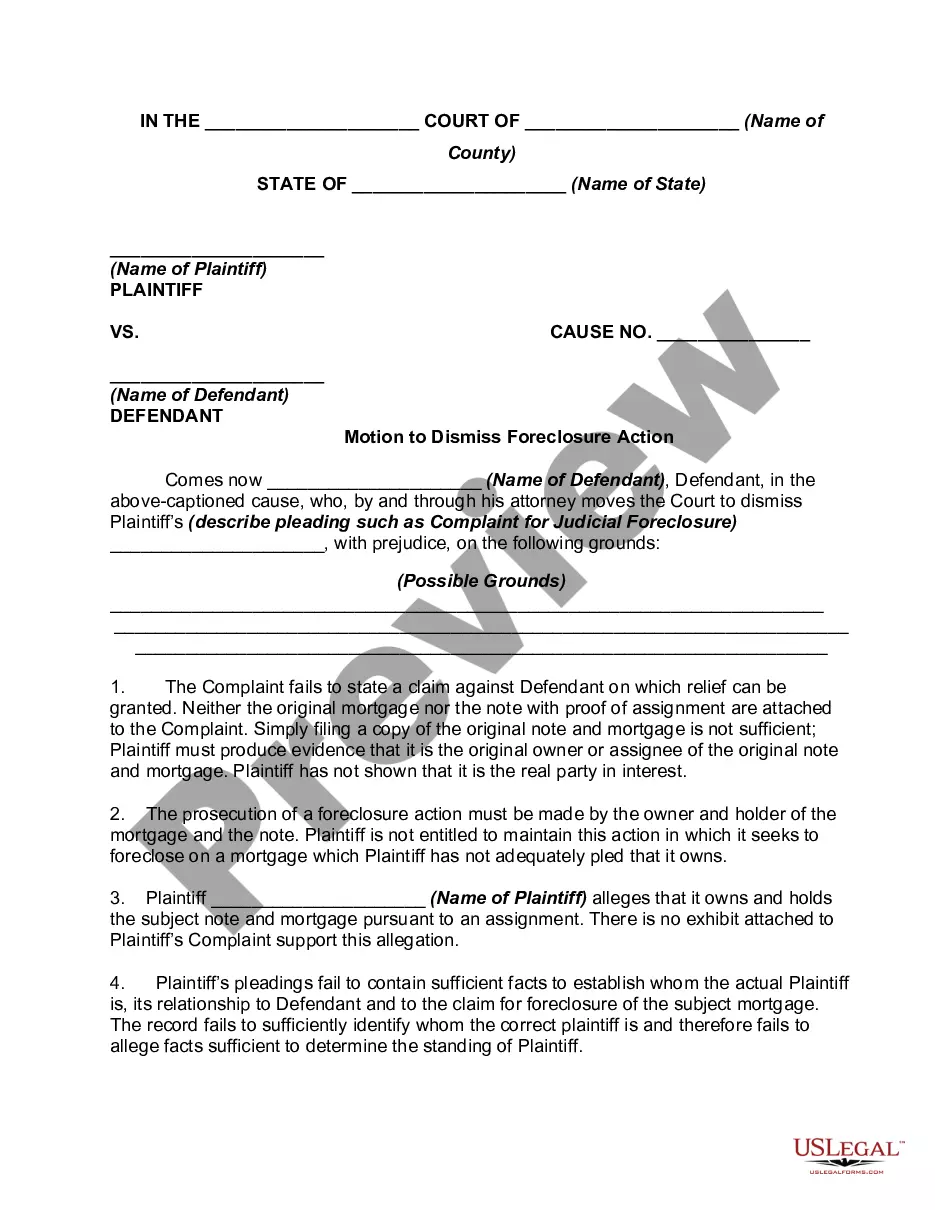
Dismiss Motion For Summary Judgment
Description

Get your form ready online
Our built-in tools help you complete, sign, share, and store your documents in one place.
Make edits, fill in missing information, and update formatting in US Legal Forms—just like you would in MS Word.
Download a copy, print it, send it by email, or mail it via USPS—whatever works best for your next step.
Sign and collect signatures with our SignNow integration. Send to multiple recipients, set reminders, and more. Go Premium to unlock E-Sign.
If this form requires notarization, complete it online through a secure video call—no need to meet a notary in person or wait for an appointment.
We protect your documents and personal data by following strict security and privacy standards.

Make edits, fill in missing information, and update formatting in US Legal Forms—just like you would in MS Word.

Download a copy, print it, send it by email, or mail it via USPS—whatever works best for your next step.

Sign and collect signatures with our SignNow integration. Send to multiple recipients, set reminders, and more. Go Premium to unlock E-Sign.

If this form requires notarization, complete it online through a secure video call—no need to meet a notary in person or wait for an appointment.

We protect your documents and personal data by following strict security and privacy standards.
Looking for another form?






Form popularity
FAQ
In Texas, a defendant can file both a traditional motion for summary judgment and a no-evidence motion for summary judgment. A traditional motion argues that the evidence is so clear that no reasonable jury could find in favor of the plaintiff. On the other hand, a no-evidence motion asserts that the plaintiff lacks sufficient evidence to support their claims, potentially leading to a quick dismissal. To ensure you effectively dismiss a motion for summary judgment, consider leveraging resources from platforms like USLegalForms, which offer guidance tailored to your needs.
In Texas, a motion to dismiss challenges the legal sufficiency of a complaint, often arguing that the plaintiff has not stated a valid claim. Conversely, a motion for summary judgment seeks to resolve a case without a trial by demonstrating that there are no genuine disputes over material facts. Understanding how to properly dismiss a motion for summary judgment can significantly affect your case's progression. Thus, it’s essential to consult legal resources or platforms like USLegalForms to navigate these motions effectively.
Beating a summary judgment requires a strategic approach aimed at highlighting inconsistencies in the other party's case. Utilize credible witnesses and experts to provide testimony that challenges the evidence presented. By demonstrating that factual disputes exist, you can effectively dismiss the motion for summary judgment. Resources available on US Legal Forms can assist you in preparing the necessary documents and support your case.
To effectively dismiss a motion for summary judgment, focus on creating a clear record of genuine disputes regarding material facts. Present well-organized evidence that contradicts the claims of the opposing party. Utilize affidavits, depositions, and relevant documents to support your position. Additionally, consider leveraging tools from platforms like US Legal Forms to streamline the documentation process.
