Sample Order For Judge To Sign In Illinois
Description


Get your form ready online
Our built-in tools help you complete, sign, share, and store your documents in one place.
Make edits, fill in missing information, and update formatting in US Legal Forms—just like you would in MS Word.
Download a copy, print it, send it by email, or mail it via USPS—whatever works best for your next step.
Sign and collect signatures with our SignNow integration. Send to multiple recipients, set reminders, and more. Go Premium to unlock E-Sign.
If this form requires notarization, complete it online through a secure video call—no need to meet a notary in person or wait for an appointment.
We protect your documents and personal data by following strict security and privacy standards.

Make edits, fill in missing information, and update formatting in US Legal Forms—just like you would in MS Word.

Download a copy, print it, send it by email, or mail it via USPS—whatever works best for your next step.

Sign and collect signatures with our SignNow integration. Send to multiple recipients, set reminders, and more. Go Premium to unlock E-Sign.

If this form requires notarization, complete it online through a secure video call—no need to meet a notary in person or wait for an appointment.

We protect your documents and personal data by following strict security and privacy standards.
Looking for another form?




Form popularity
FAQ
Yes. Certain ex parte communications to a judge or court personnel are allowed by law. For example, if you are contesting a citation (commonly called a “ticket”) for a traffic infraction, the law allows you to submit a written explanation directly to the court.
What you say to them may hurt the defendant, even if you think it will help. If you want to send a letter to the judge, address it "Dear Judge (judge's last name)," but send it to the defendant's attorney. The attorney will review it and forward it to the judge if and when it is helpful.
Commentary. (June 27, 1994) By this amendment, Rule 23 creates a presumption against disposing of Appellate Court cases by full, published opinions and authorizes a third type of disposition by summary order in select circumstances.
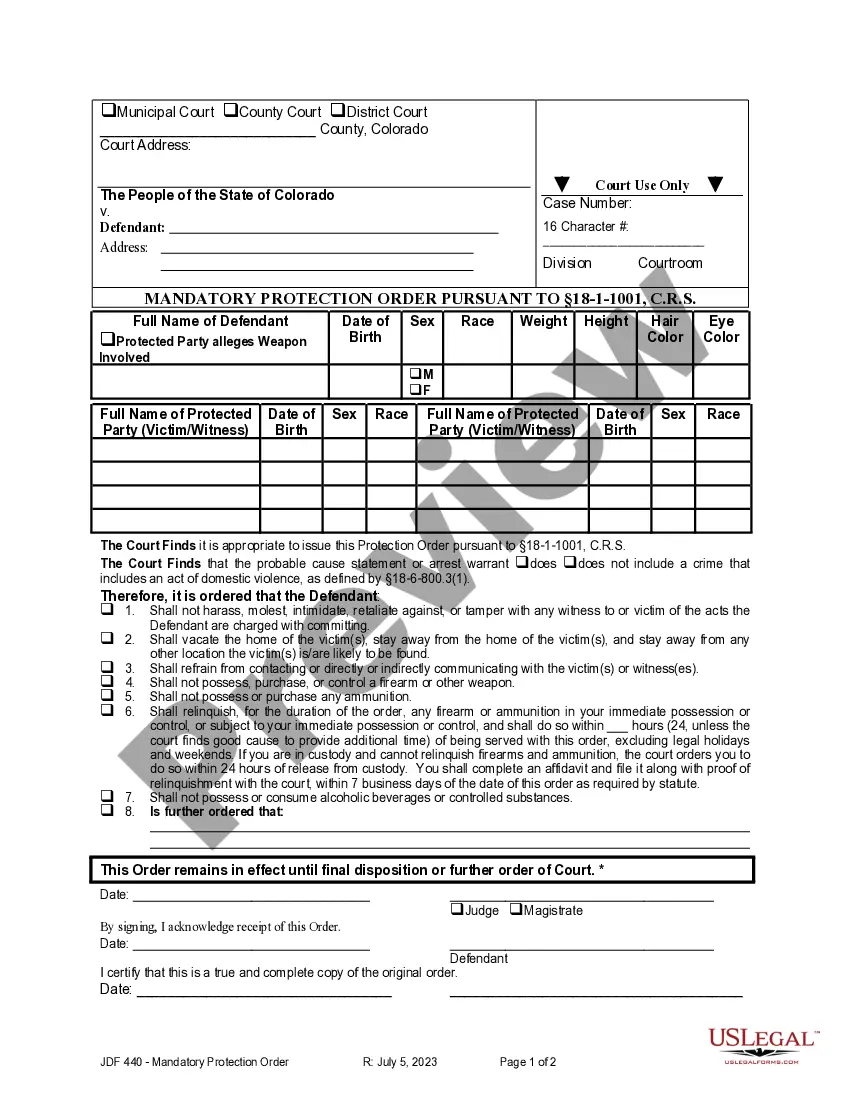
If you want to tell the judge about your case or if you want to ask the judge to take cer tain action in your case, you should not call or write the judge directly. Instead, you should mail a written motion to the clerk of the judge's court or drop off that document in person at the clerk's office.
Letters from non-lawyers to judges are absolutely to be avoided. They are inappropriate and violate many rules regarding proper communication with judges. Some letters may be in violation of criminal law that prohibits improper efforts to influenc...
Not all courts will accept a letter. Instead, the court might grant a continuance over the phone, or the court could require that you have a representative appear before the judge in your place.
Rule 298 - Application for Waiver of Court Fees.
You can address the judge to “The Honorable First Name Last Name” or “Judge First Name Last Name” or “Judge Last Name.” It is redundant to say “Honorable Judge” so use either “Judge” or “Honorable.”
You may file a motion to reconsider within thirty days after the court enters an order. You cannot file a motion to reconsider simply because you do not like the outcome. It is not enough that you want the court to change its opinion. Rather, Illinois law limits motions to reconsider to a few distinct situations.
Petitions are the first step, introducing the case to the court, whereas motions are maneuvers within the ongoing litigation, addressing issues as they arise. This difference is critical, impacting how these documents are used to advance a party's position in the case.
