Prior instruments and Obligations
Overview of this form
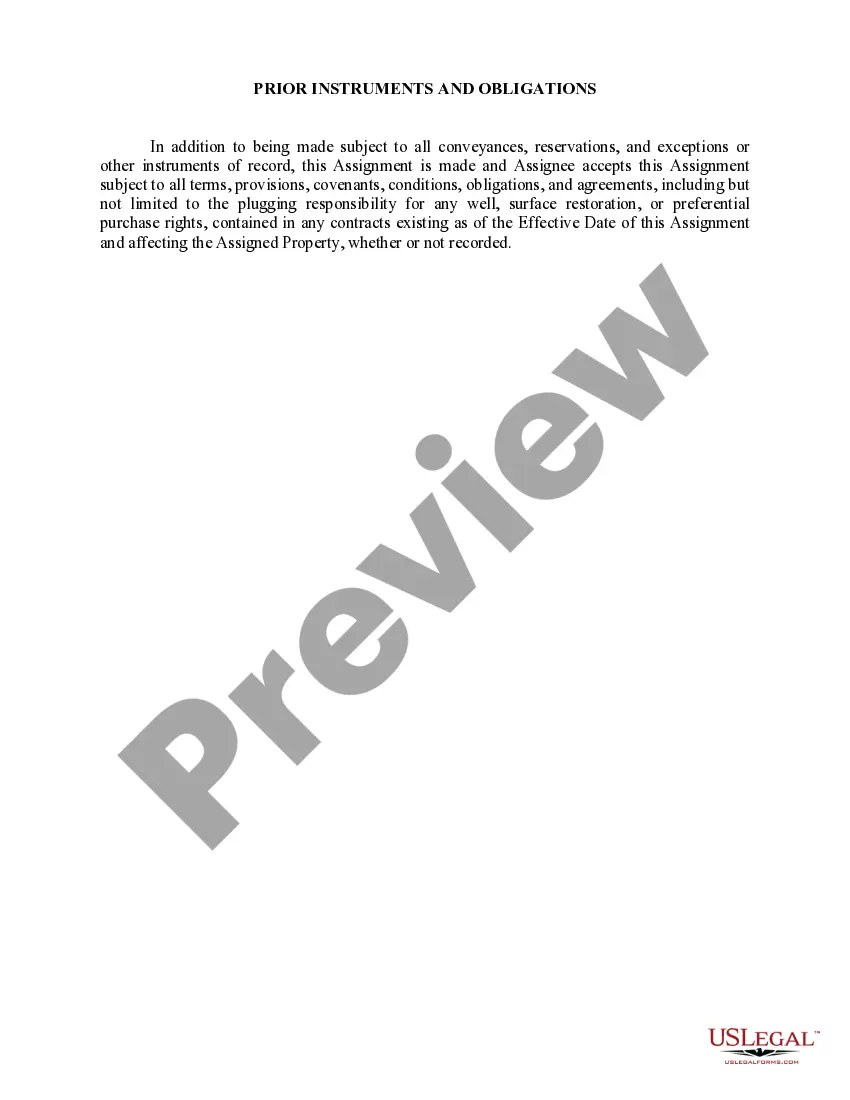
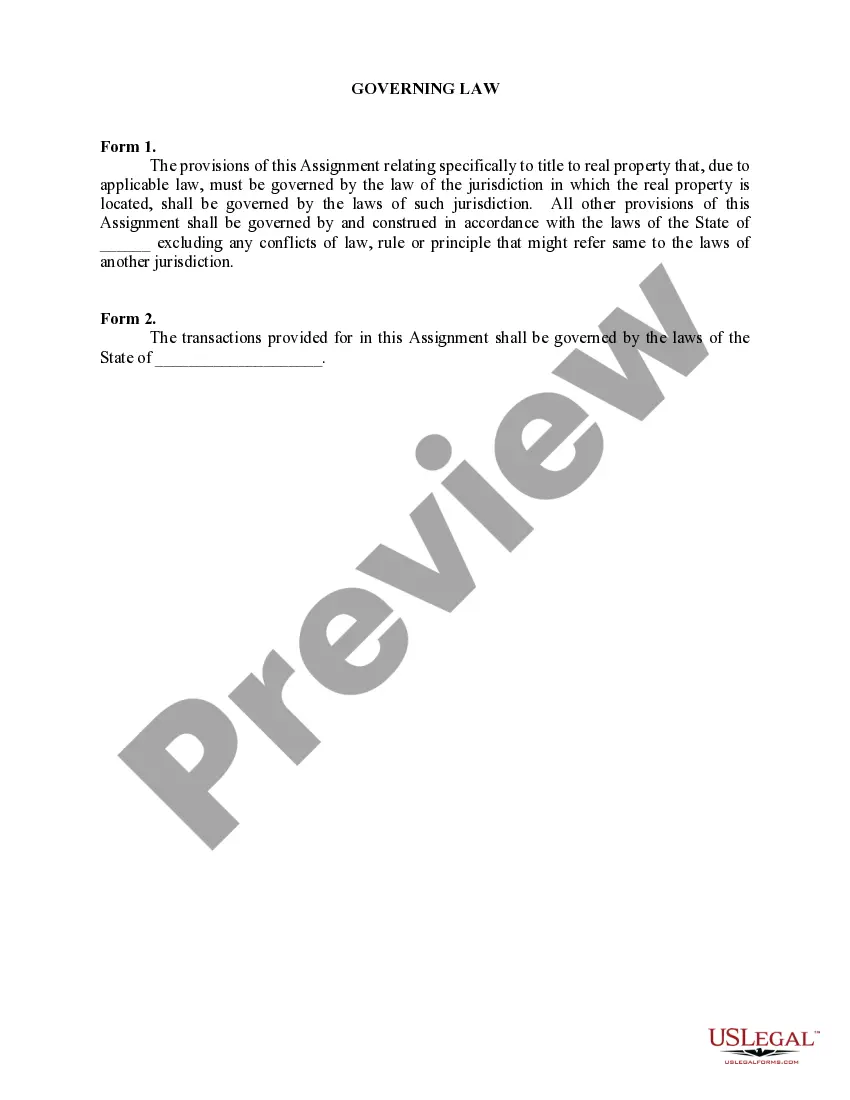
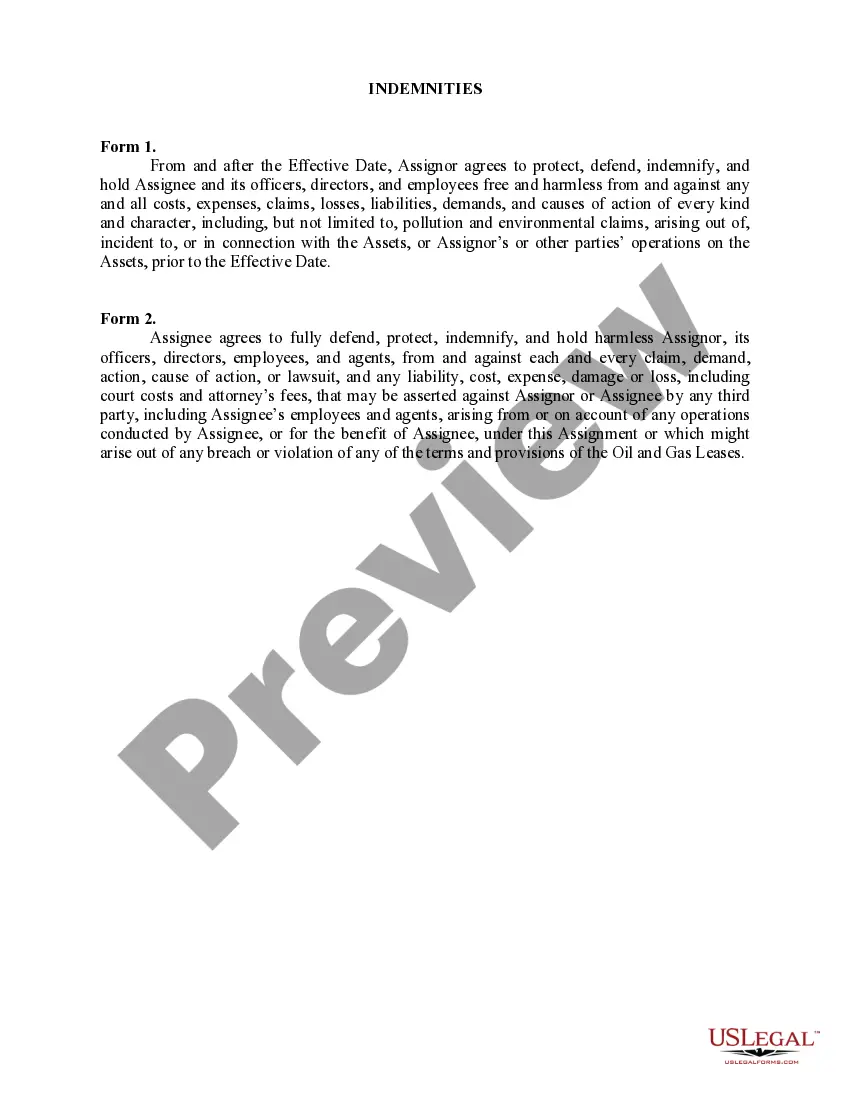
The Prior Instruments and Obligations form is a legal document that outlines the responsibilities and agreements related to assigned property. This form is essential for ensuring that all obligations, such as well plugging responsibilities and surface restoration, are formally recognized. It differs from similar forms by specifically addressing existing contracts and obligations at the time of assignment, helping both parties understand the terms they are agreeing to.
Key parts of this document
- Assignment of rights and obligations related to the property.
- Acceptance of the assignment by the assignee.
- Referencing terms of existing contracts, including any duties or responsibilities.
- Clarification of covenants, conditions, and agreements affecting the property.

Common use cases
This form should be used when transferring rights to a property while ensuring that the new assignee understands any existing obligations. Scenarios include real estate transactions, oil and gas leases, or when a landlord assigns a lease to another tenant. It is crucial to use this form to formally document the transfer and acknowledge pre-existing agreements that the new assignee must follow.
Intended users of this form
- Property owners transferring rights to another party.
- Entities involved in real estate, oil, or gas transactions.
- Individuals or businesses assuming existing leases or responsibilities.
Steps to complete this form
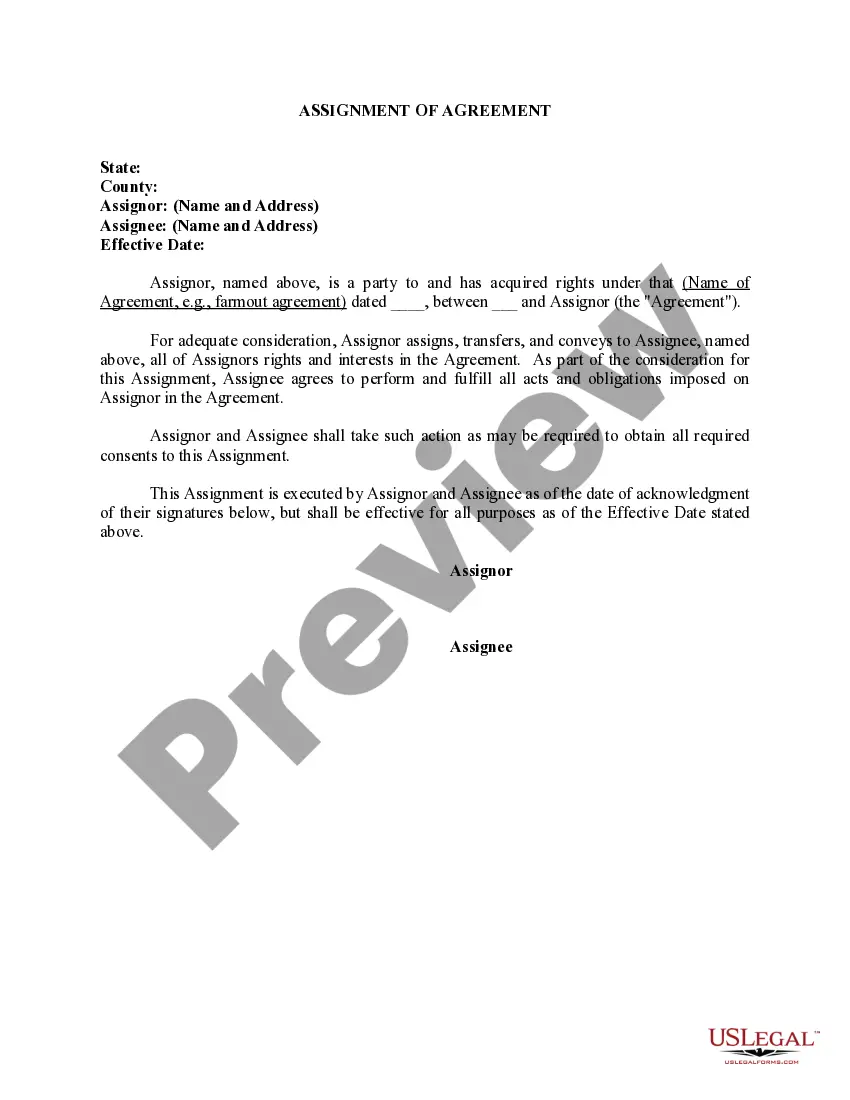
- Identify the parties involved: the assignor and the assignee.
- Specify the property being assigned, including any relevant details.
- Outline the existing obligations and agreements that the assignee will assume.
- Enter the effective date of the assignment.
- Ensure both parties sign and date the document to confirm acceptance.
Is notarization required?
This form does not typically require notarization unless specified by local law. However, checking local regulations is advisable to ensure compliance.
Get your form ready online
Our built-in tools help you complete, sign, share, and store your documents in one place.
Make edits, fill in missing information, and update formatting in US Legal Forms—just like you would in MS Word.
Download a copy, print it, send it by email, or mail it via USPS—whatever works best for your next step.
Sign and collect signatures with our SignNow integration. Send to multiple recipients, set reminders, and more. Go Premium to unlock E-Sign.
If this form requires notarization, complete it online through a secure video call—no need to meet a notary in person or wait for an appointment.
We protect your documents and personal data by following strict security and privacy standards.

Make edits, fill in missing information, and update formatting in US Legal Forms—just like you would in MS Word.

Download a copy, print it, send it by email, or mail it via USPS—whatever works best for your next step.

Sign and collect signatures with our SignNow integration. Send to multiple recipients, set reminders, and more. Go Premium to unlock E-Sign.

If this form requires notarization, complete it online through a secure video call—no need to meet a notary in person or wait for an appointment.

We protect your documents and personal data by following strict security and privacy standards.
Avoid these common issues
- Failing to specify all existing obligations related to the property.
- Not including the effective date, which can lead to disputes.
- Neglecting to have both parties sign the form, making it unenforceable.
Why complete this form online
- Convenience of immediate access and download from any location.
- Editability allows for customization to fit specific circumstances.
- Reliable templates drafted by licensed attorneys ensure legal compliance.
Legal use & context
- The form provides clarity on existing contracts related to property assignments.
- Enforceability might vary based on local modifications or contractual stipulations.
- Using this form helps prevent legal disputes regarding property obligations.
What to keep in mind
- The Prior Instruments and Obligations form is essential for transferring property rights while recognizing existing responsibilities.
- Properly documenting assignments protects all parties involved from future disputes.
- Ensure all obligations are detailed and that the form is appropriately executed by both parties.
Looking for another form?

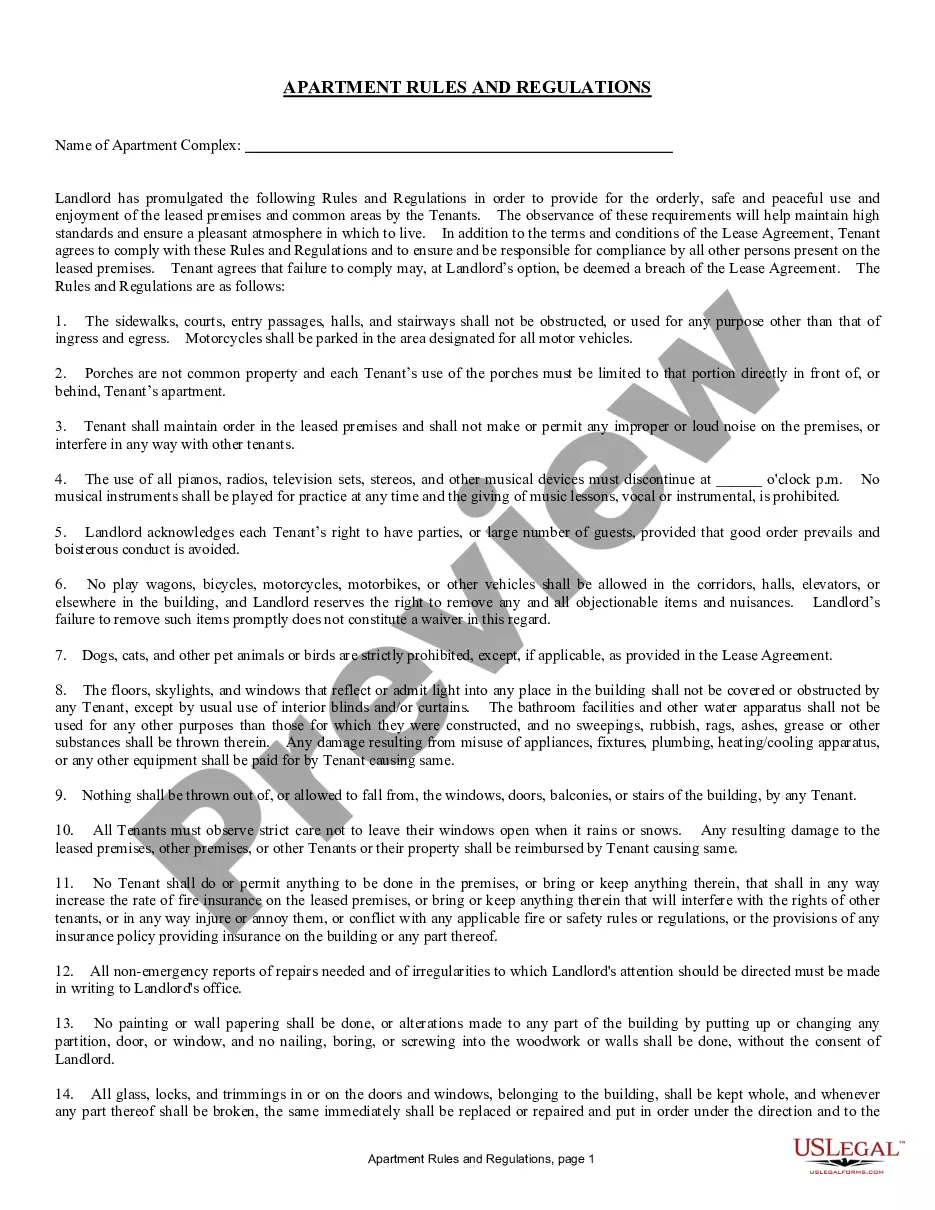
Form popularity
FAQ
To comply with this law, financial institutions must obtain personal identification information about the individual conducting the transaction such as a Social Security number as well as a driver's license or other government issued document.
This means that if a customer makes a transaction that requires a CTR to be filed, you need to have him or her show some official ID a driver's license, passport, or state-issued identity card is fine. Basically, if a customer can use the ID to cash a check, you can use it to identify the customer on a CTR.
Dollar Amount Thresholds Banks are required to file a SAR in the following circumstances: insider abuse involving any amount; transactions aggregating $5,000 or more where a suspect can be identified; transactions aggregating $25,000 or more regardless of potential suspects; and transactions aggregating $5,000 or
It must be in writing. It must be signed by the maker or drawer. It must be an unconditional promise or order to pay. It must be for a fixed amount in money. It must be payable on demand or at a definite time. It must be payable to order or bearer, unless it is a check.
As of April 1, 2013, all FinCEN CTRs must be filed within 15 calendar days of the reported transaction(s). 13.
Federal law requires financial institutions to report currency (cash or coin) transactions over $10,000 conducted by, or on behalf of, one person, as well as multiple currency transactions that aggregate to be over $10,000 in a single day. These transactions are reported on Currency Transaction Reports (CTRs).
A currency transaction report (CTR) is a bank form used in the United States to help prevent instances of money laundering. This form must be filled out by a bank representative who has a customer requesting to deposit or withdraw a currency transaction greater than $10,000.
The reporting requirement for a CTR is triggered when a bank customer initiates a transaction of more than $10,000, not when they complete it. If a bank customer refuses the transaction or modifies it to fall below the threshold, the bank employee is required to file a suspicious activity report.