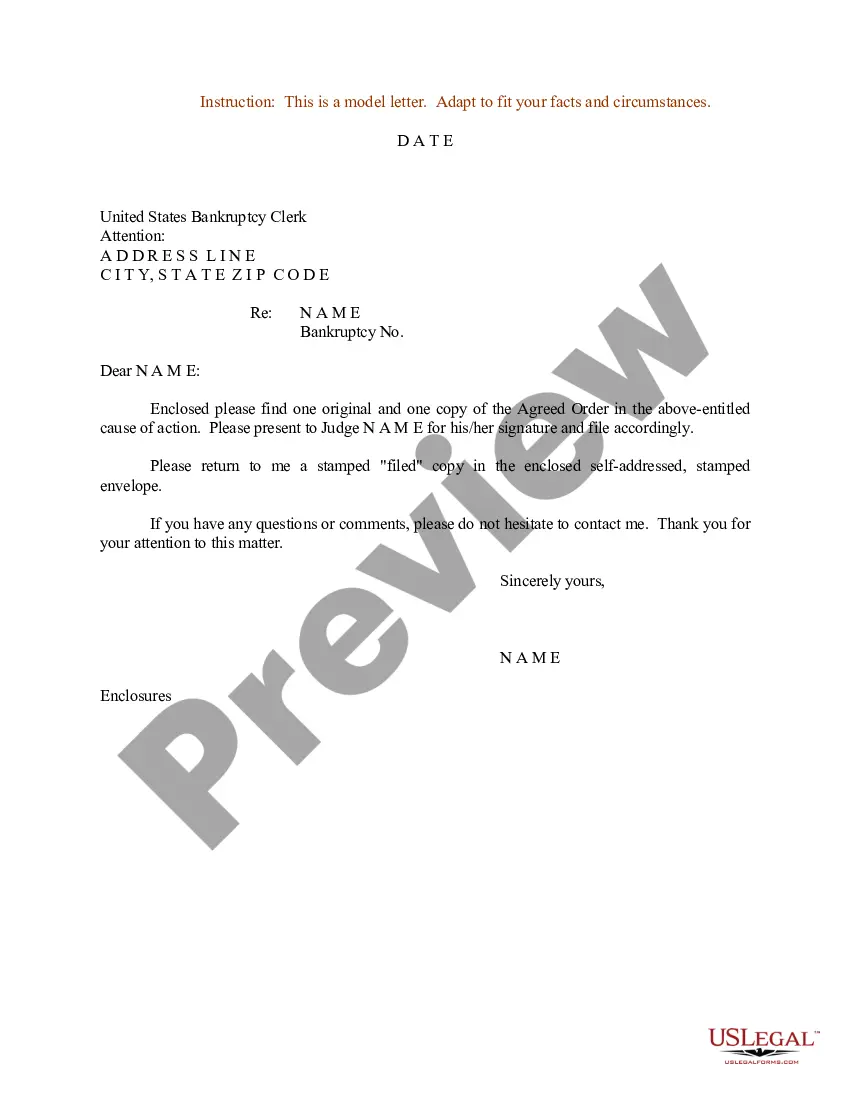
Sample Order For Judge To Sign In Alameda
Description


Get your form ready online
Our built-in tools help you complete, sign, share, and store your documents in one place.
Make edits, fill in missing information, and update formatting in US Legal Forms—just like you would in MS Word.
Download a copy, print it, send it by email, or mail it via USPS—whatever works best for your next step.
Sign and collect signatures with our SignNow integration. Send to multiple recipients, set reminders, and more. Go Premium to unlock E-Sign.
If this form requires notarization, complete it online through a secure video call—no need to meet a notary in person or wait for an appointment.
We protect your documents and personal data by following strict security and privacy standards.

Make edits, fill in missing information, and update formatting in US Legal Forms—just like you would in MS Word.

Download a copy, print it, send it by email, or mail it via USPS—whatever works best for your next step.

Sign and collect signatures with our SignNow integration. Send to multiple recipients, set reminders, and more. Go Premium to unlock E-Sign.

If this form requires notarization, complete it online through a secure video call—no need to meet a notary in person or wait for an appointment.

We protect your documents and personal data by following strict security and privacy standards.
Looking for another form?









Form popularity
FAQ
You must state your objection in writing and file it with the court within 7 days after you receive a copy of the notice (form FOC 54).
The Judge can Order you to sign documents to effectuate a prior Order. If you refuse to follow a Court Order that requires some affirmative action on your part and the Court finds you in Contempt of that Order, you can be held in jail, basically until you comply with the Order.
If the proposed order needs to be served on parties, DO NOT include a proof of service page on the back of the proposed order. Instead, LBR 9021-1(b)(3) provides that the party who lodges an order must first serve and file a "Notice of Lodgment".
Once the trial wraps up, the judge's decision is typically issued within 3 to 6 months, and in some cases, it may take even longer. This post-trial period allows the judge to thoroughly review the evidence presented and finalize the decision in writing.
Rule 3.31. Unless otherwise authorized by the court, discovery meet and confer obligations require an in-person, telephonic, or video conference between parties.
In most types of cases, for a judge sitting in a county with less than 100,000 inhabitants (i.e., theoretically less work to do), the court must enter an order within 30 days. For counties with more than 100,000 inhabitants, it is 90 days. However, these deadlines can be extended.
Under normal circumstances when courts are open, a motion becomes "ripe" to rule upon after any opposition to the motion has been filed or the time to do so has passed. For most motions, that is 15 days from filing of the motion, plus an additional 3 days if the motion was mailed to the opposing party.
It can take a few days to a few weeks to obtain the actual signed order from the judge.
Provide a brief introduction explaining the purpose of the ex parte order, followed by a statement of facts summarizing the relevant events and evidence. Then, present your legal argument, referencing applicable laws and precedents supporting your position.

