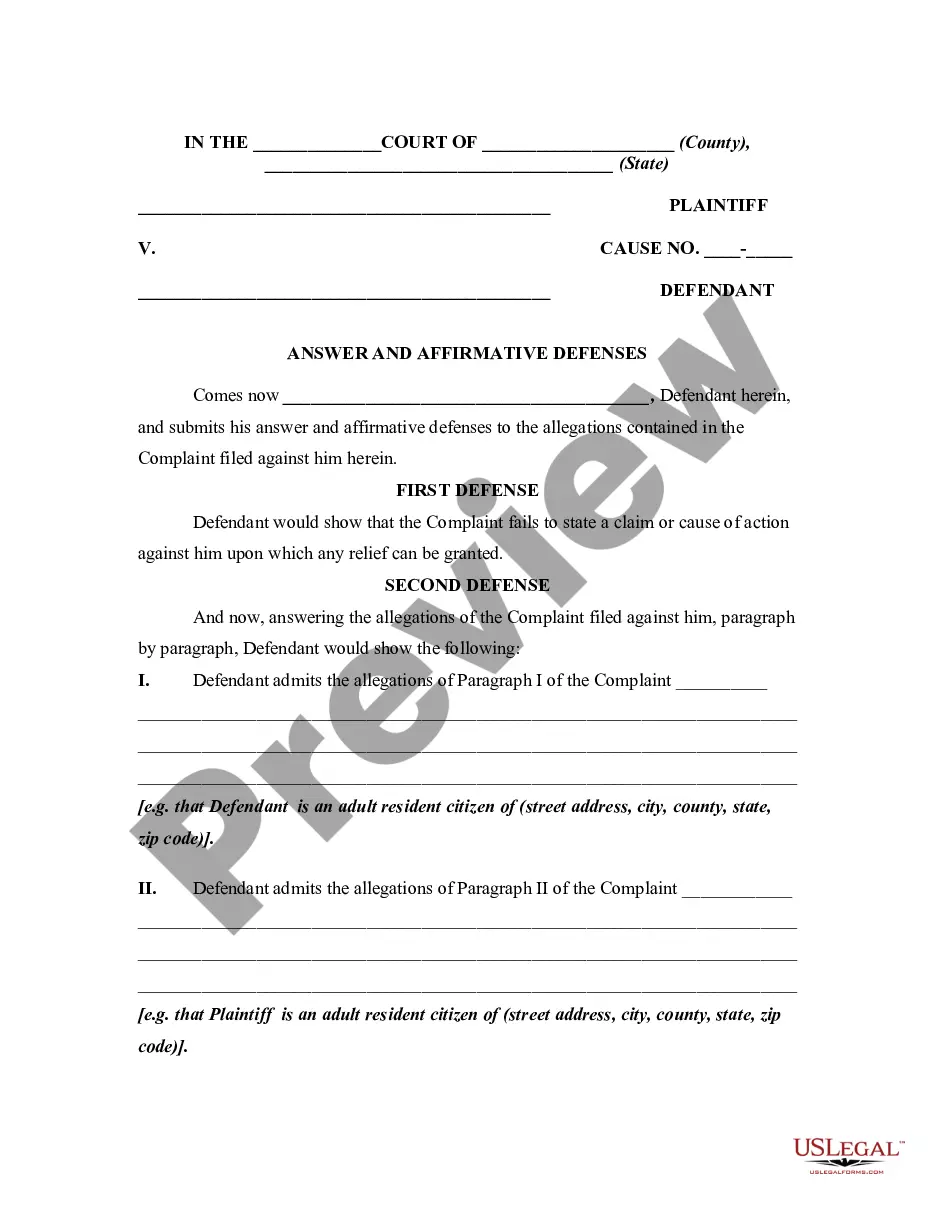
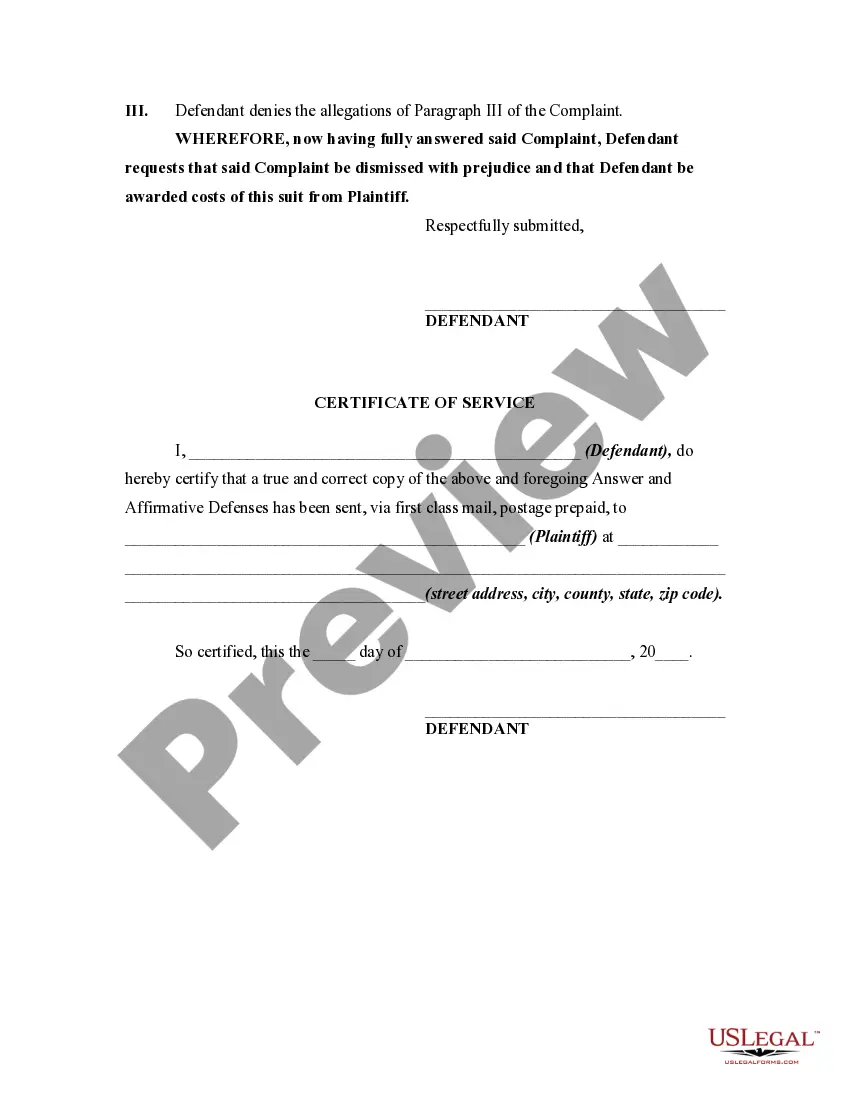
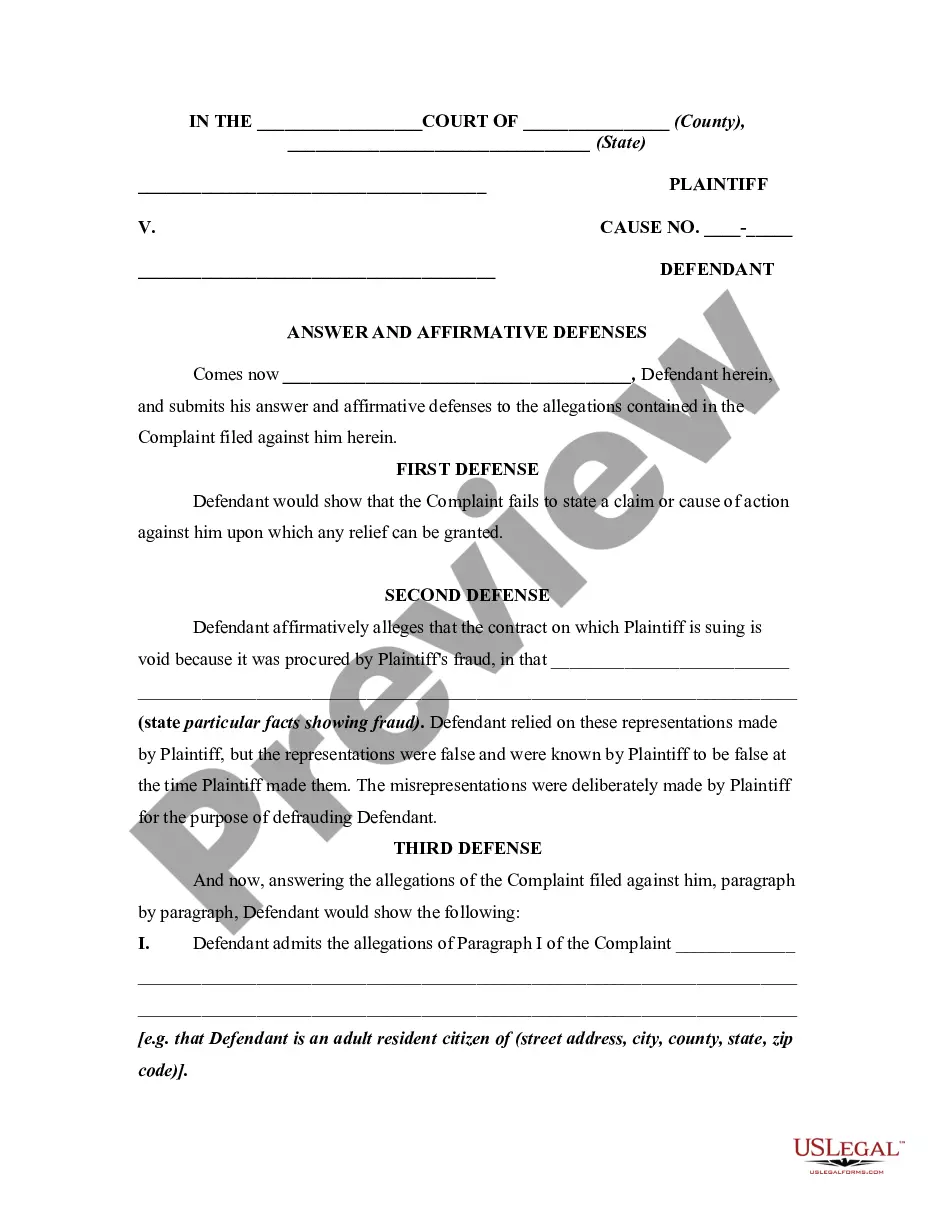
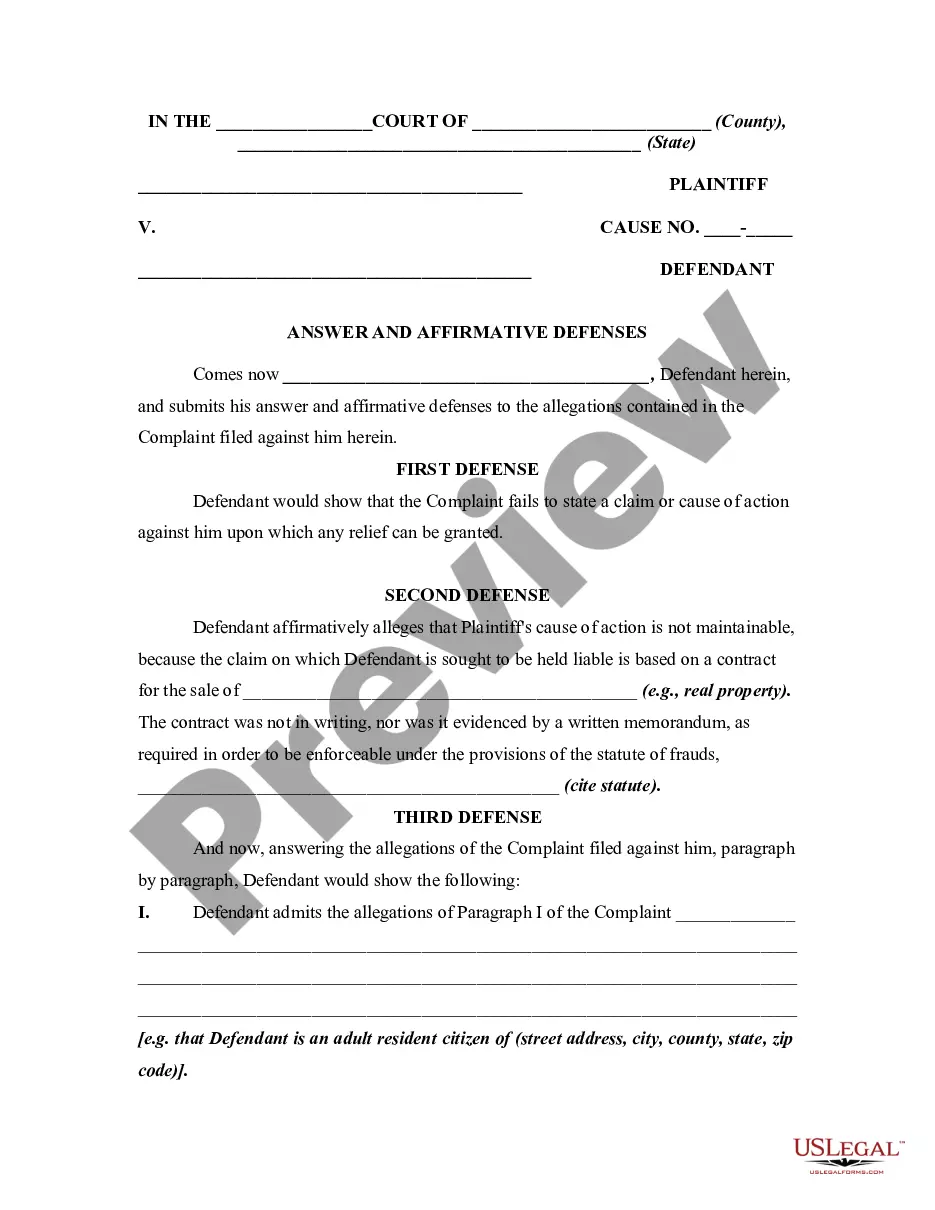
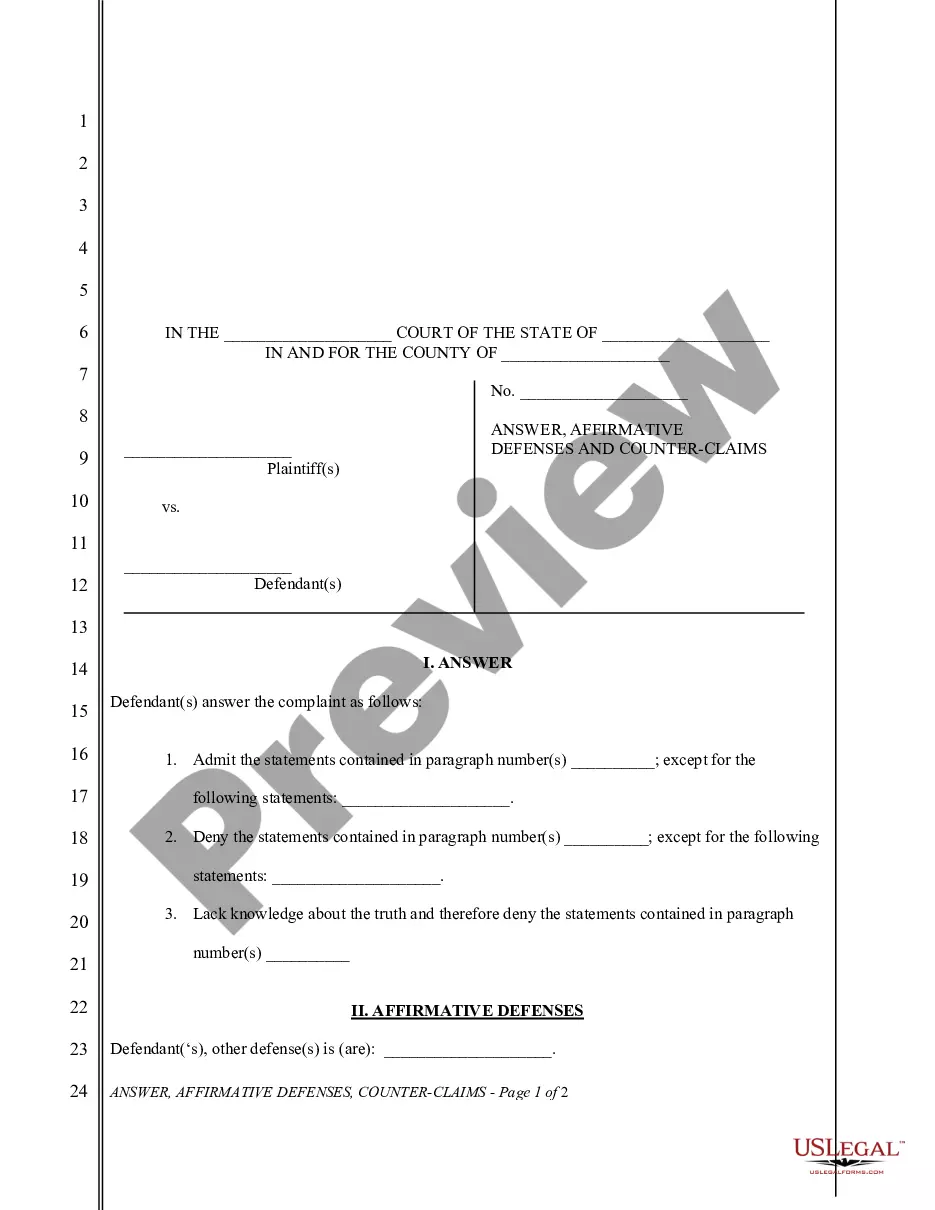
Answer Form Lawsuit Without An Attorney
Description
Get your form ready online
Our built-in tools help you complete, sign, share, and store your documents in one place.
Make edits, fill in missing information, and update formatting in US Legal Forms—just like you would in MS Word.
Download a copy, print it, send it by email, or mail it via USPS—whatever works best for your next step.
Sign and collect signatures with our SignNow integration. Send to multiple recipients, set reminders, and more. Go Premium to unlock E-Sign.
If this form requires notarization, complete it online through a secure video call—no need to meet a notary in person or wait for an appointment.
We protect your documents and personal data by following strict security and privacy standards.

Make edits, fill in missing information, and update formatting in US Legal Forms—just like you would in MS Word.

Download a copy, print it, send it by email, or mail it via USPS—whatever works best for your next step.

Sign and collect signatures with our SignNow integration. Send to multiple recipients, set reminders, and more. Go Premium to unlock E-Sign.

If this form requires notarization, complete it online through a secure video call—no need to meet a notary in person or wait for an appointment.

We protect your documents and personal data by following strict security and privacy standards.
Looking for another form?
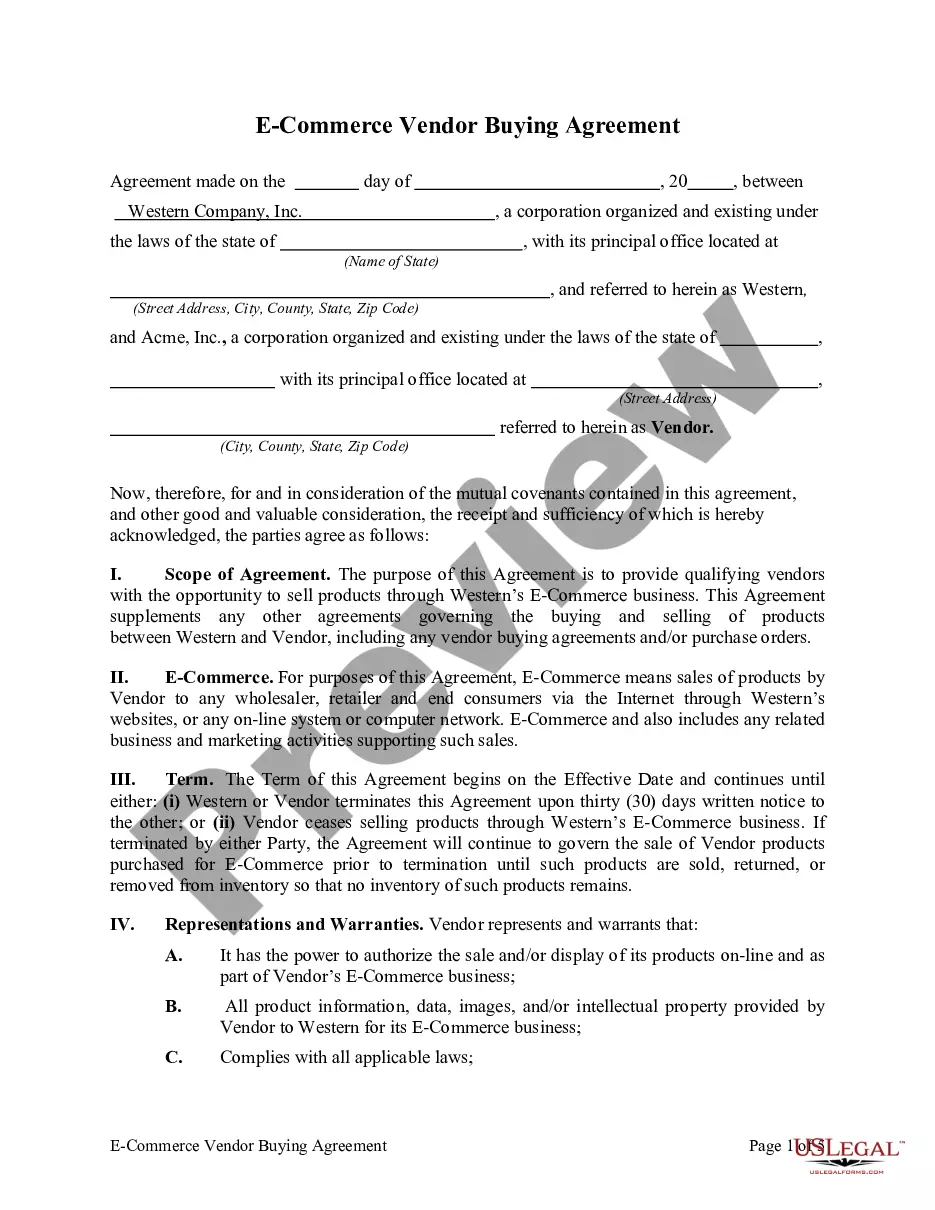
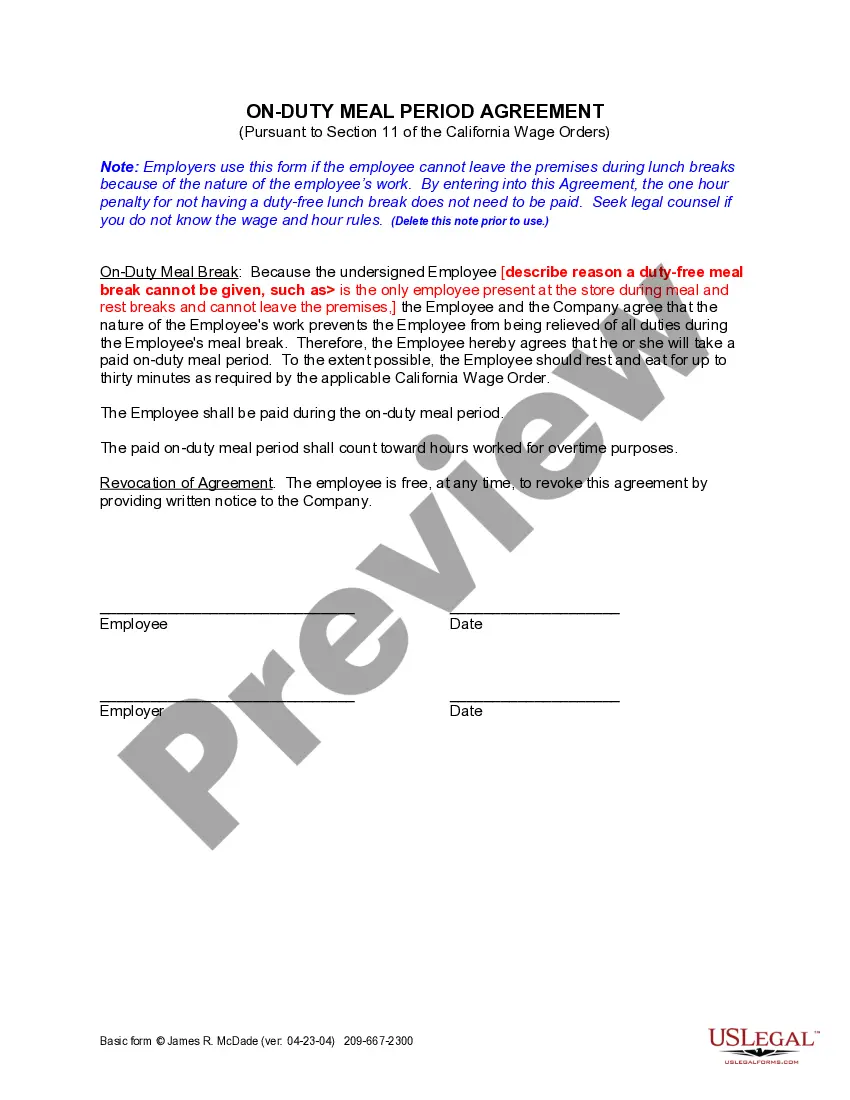


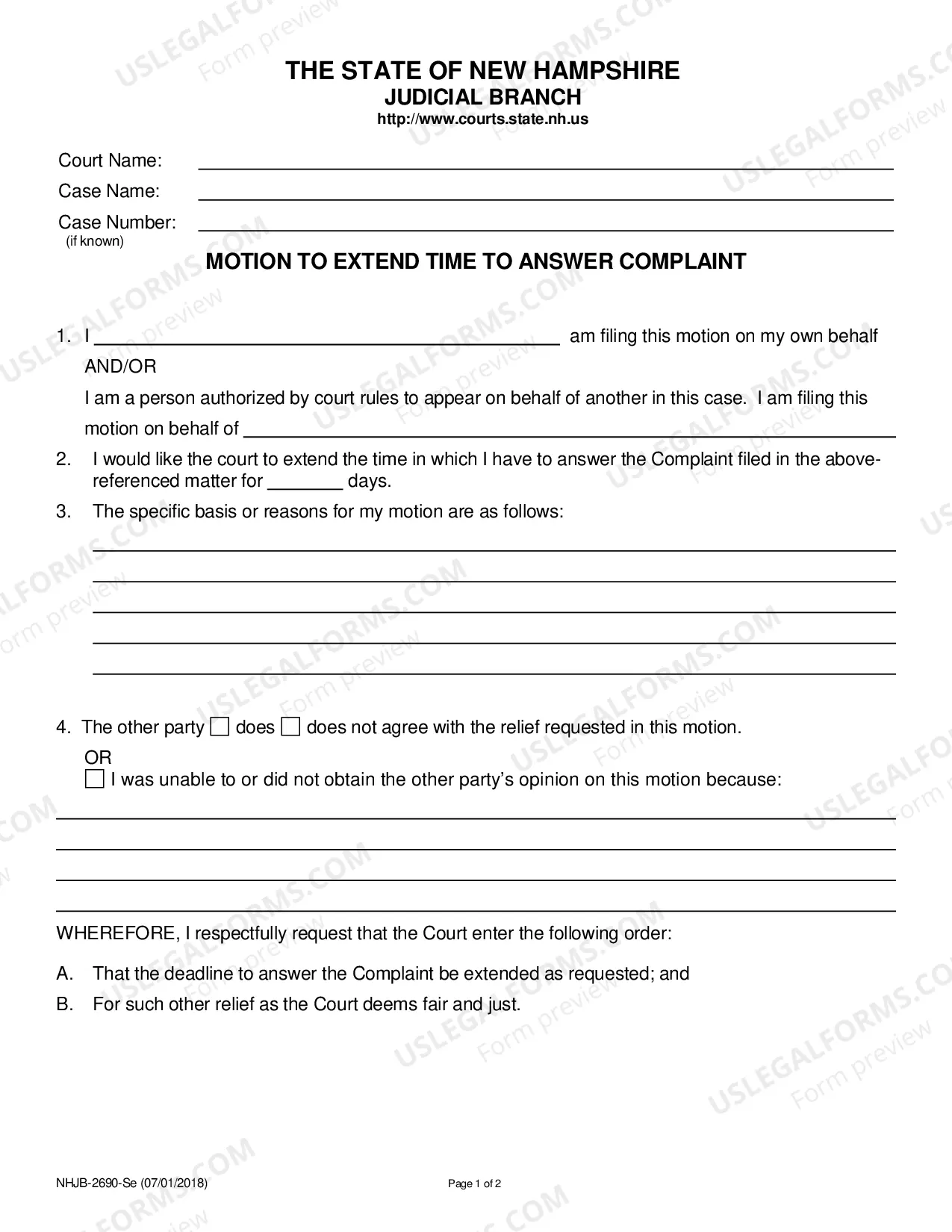
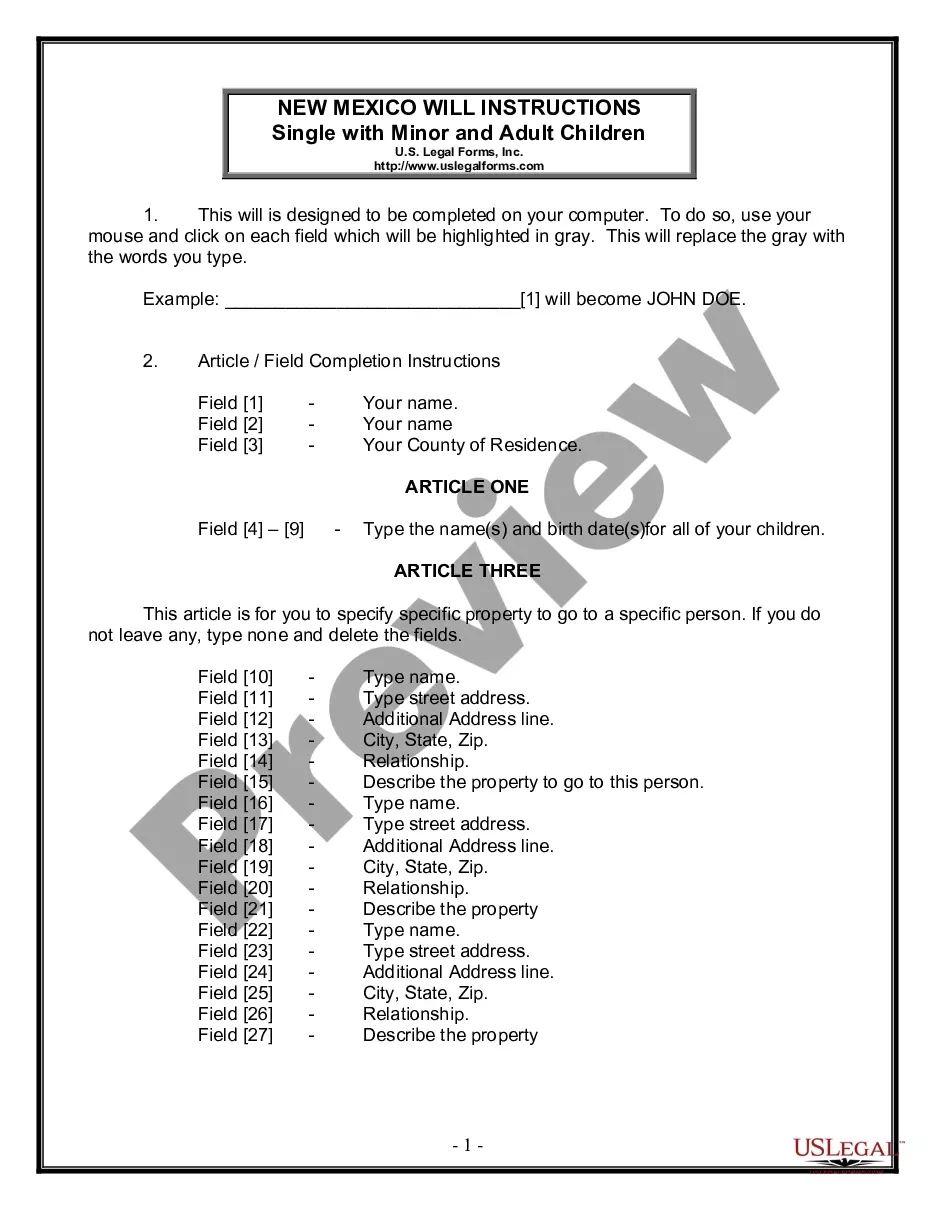

How to fill out General Form Of An Answer By Defendant In A Civil Lawsuit?
Creating legal documents from the ground up can occasionally be overwhelming. Certain situations may require extensive research and significant financial resources.
If you’re seeking a more straightforward and economical method for generating an Answer Form Lawsuit Without An Attorney or other forms without unnecessary complications, US Legal Forms is always available to assist you.
Our online collection of over 85,000 current legal documents encompasses nearly every facet of your financial, legal, and personal matters. With just a few clicks, you can quickly obtain state- and county-specific templates meticulously crafted for you by our legal experts.
Utilize our site whenever you require trustworthy and dependable services that allow you to easily find and download the Answer Form Lawsuit Without An Attorney. If you’re already familiar with our website and have an existing account, simply Log In to your account, choose the template, and download it or re-download it anytime from the My documents section.
Select the most appropriate subscription option to acquire the Answer Form Lawsuit Without An Attorney. Download the file, then complete, sign, and print it. US Legal Forms boasts a strong reputation and over 25 years of expertise. Join us today and simplify the form completion process!
- Don’t have an account? No worries. It takes just a few minutes to register and browse the catalog.
- However, before proceeding to download the Answer Form Lawsuit Without An Attorney, consider these pointers.
- Examine the document preview and descriptions to confirm that you are on the correct form.
- Ensure the template you choose complies with the regulations and laws of your state and county.
Form popularity
FAQ
One can file civil case directly without the help of lawyer/advocate. There is nothing binding that one has to file civil case through an advocate only. The party can always appear in person in court for defending his case.
You must fill out an Answer, serve the plaintiff, and file your Answer form with the court. Generally, this is due within 30 days after you were served.
Responding to a Lawsuit File an answer. The most common way to respond to a complaint is by filing an answer. ... Negotiate. Being served with a lawsuit does not automatically mean you need to appear in court. ... Request more information from the plaintiff. ... Cross-complain. ... File a motion to dismiss.
Overview Step 1: Calculate your deadline to respond. Step 2: Evaluate your options. Step 3: Prepare a response. Step 4: File your response with the court. Step 5: Give plaintiff a copy of your response. Step 6: Know what to expect next.
General Civil Suits These suits are typically filed when the parties are unable to resolve their dispute outside of court. Like small claims suits, general civil suits involve a less formal process and the parties may represent themselves without lawyers.