Limited Companies
Description



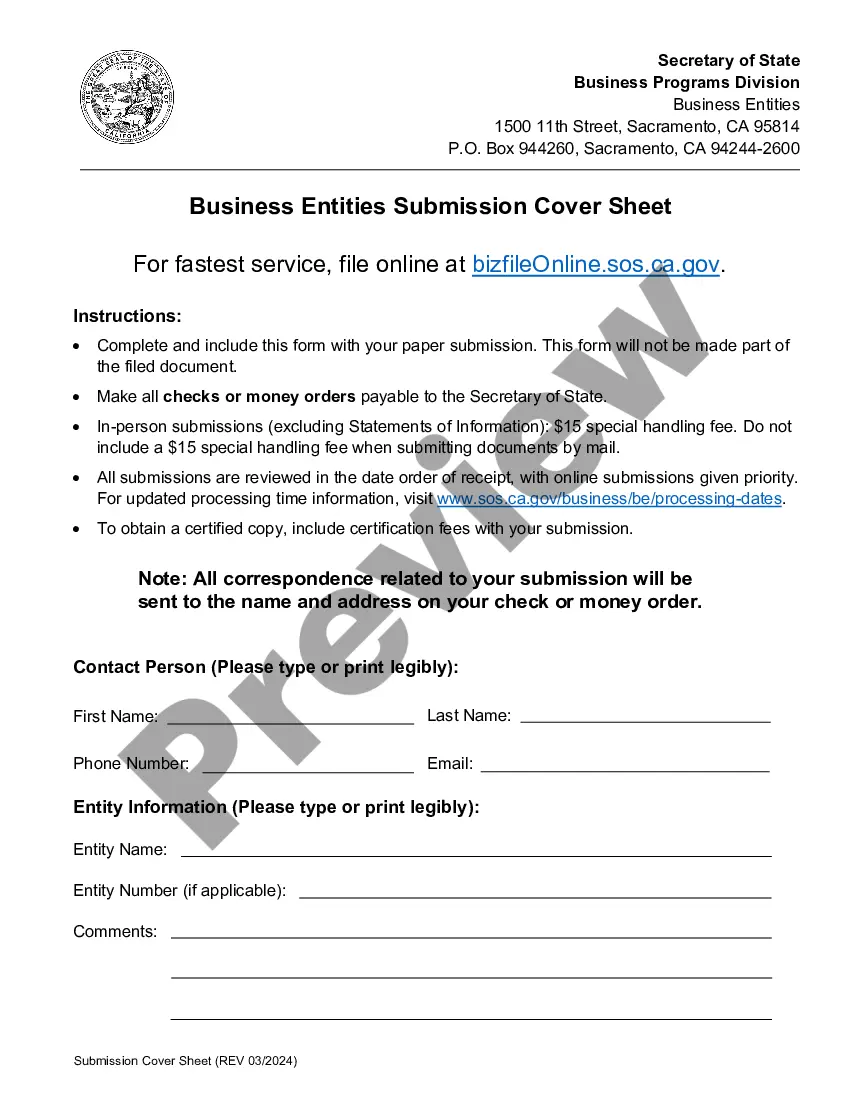
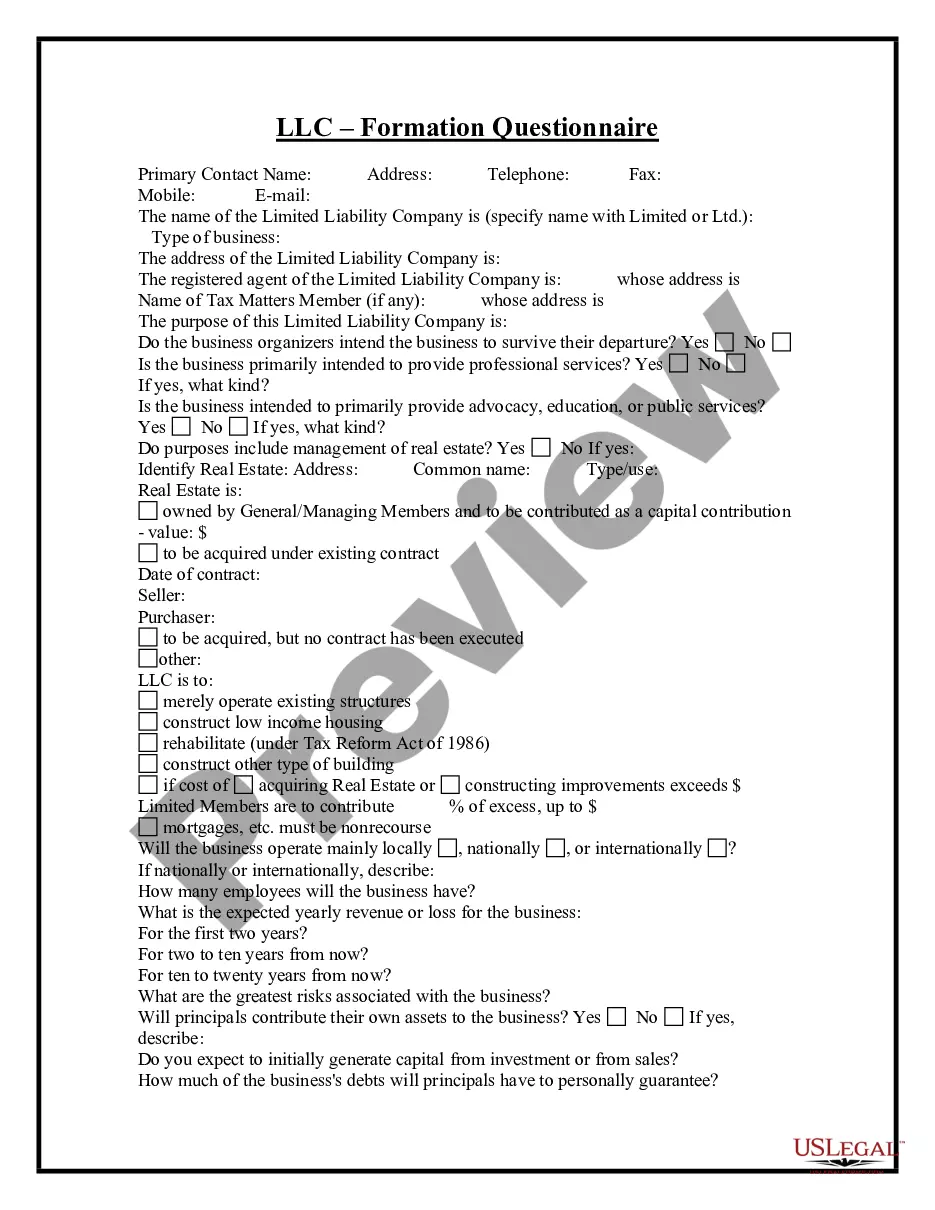
Get your form ready online
Our built-in tools help you complete, sign, share, and store your documents in one place.
Make edits, fill in missing information, and update formatting in US Legal Forms—just like you would in MS Word.
Download a copy, print it, send it by email, or mail it via USPS—whatever works best for your next step.
Sign and collect signatures with our SignNow integration. Send to multiple recipients, set reminders, and more. Go Premium to unlock E-Sign.
If this form requires notarization, complete it online through a secure video call—no need to meet a notary in person or wait for an appointment.
We protect your documents and personal data by following strict security and privacy standards.

Make edits, fill in missing information, and update formatting in US Legal Forms—just like you would in MS Word.

Download a copy, print it, send it by email, or mail it via USPS—whatever works best for your next step.

Sign and collect signatures with our SignNow integration. Send to multiple recipients, set reminders, and more. Go Premium to unlock E-Sign.

If this form requires notarization, complete it online through a secure video call—no need to meet a notary in person or wait for an appointment.

We protect your documents and personal data by following strict security and privacy standards.
Looking for another form?



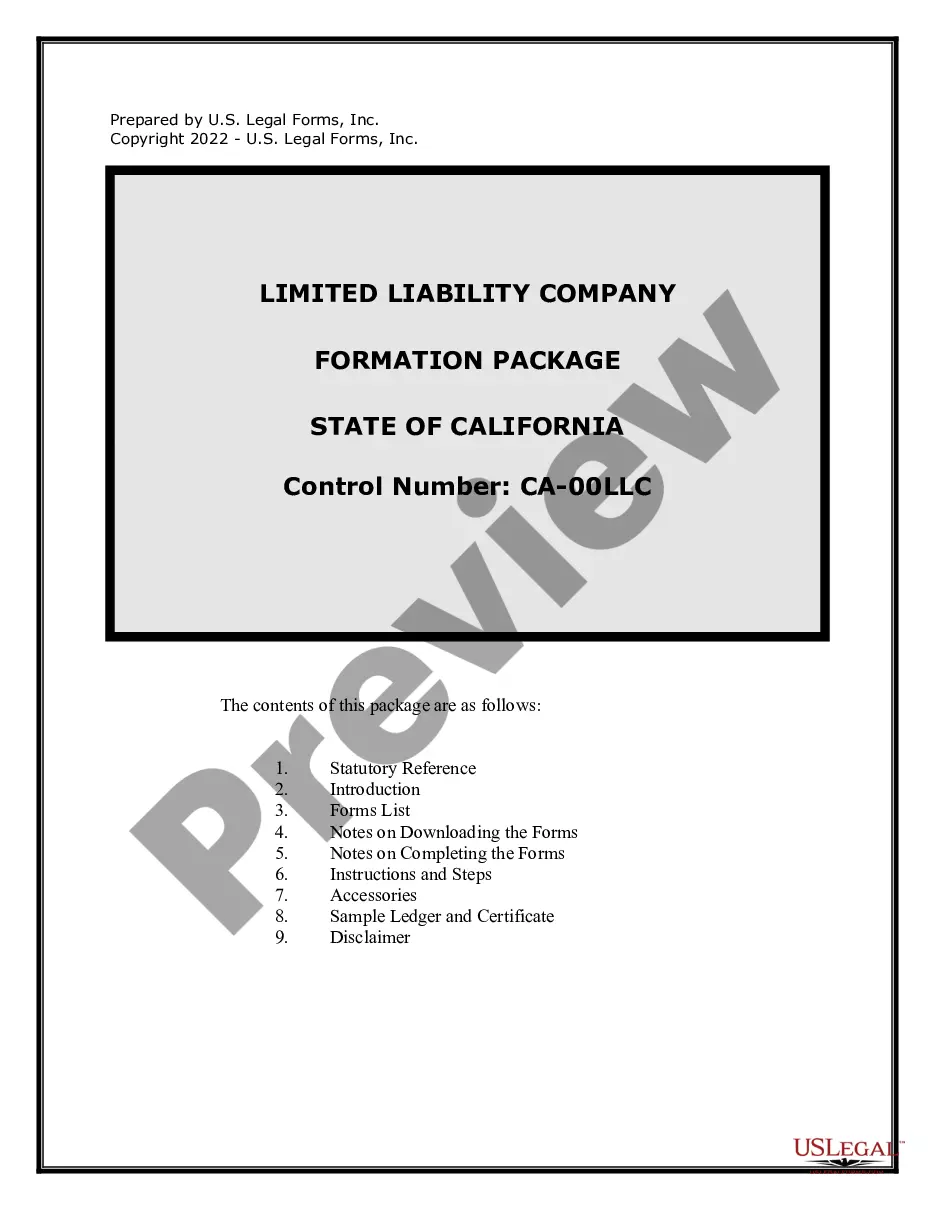
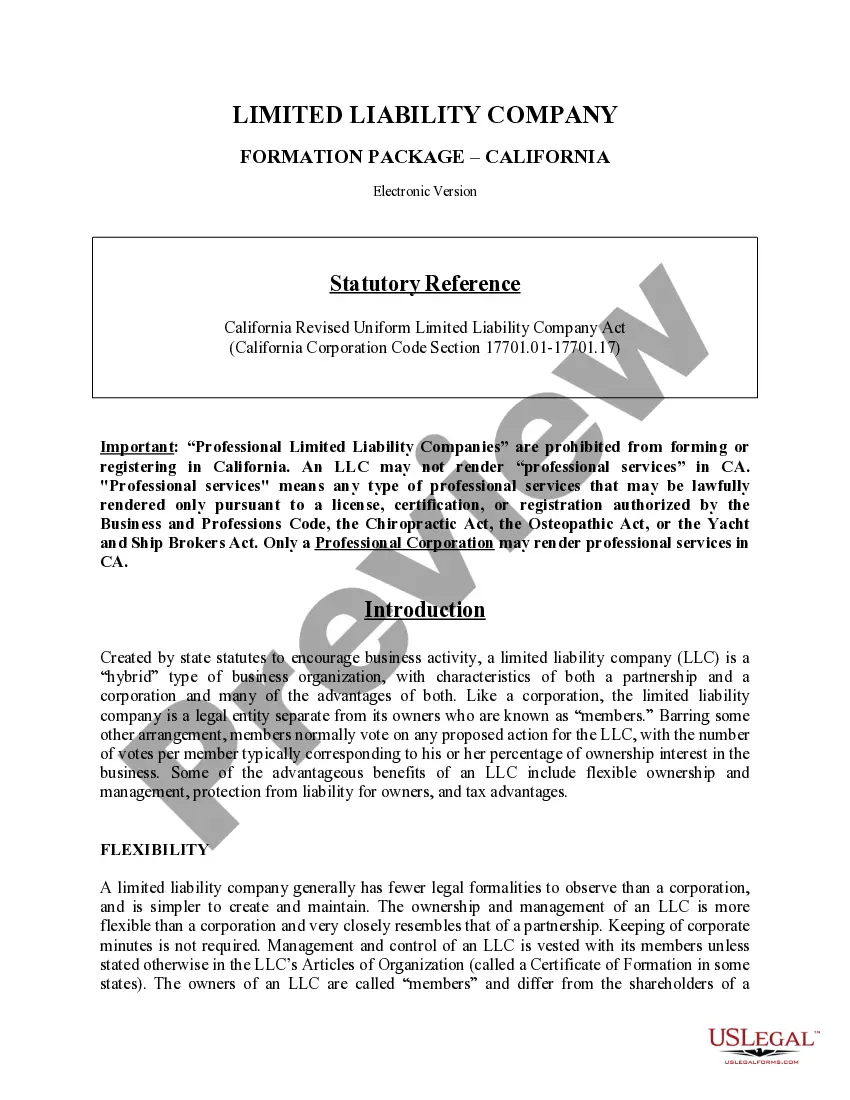
How to fill out California Limited Liability Company LLC Formation Package?
- Log in to your existing US Legal Forms account or create a new one if you're a first-time user.
- Browse through the Preview mode to find the form relevant to your needs. Verify that it aligns with your local jurisdiction requirements.
- If you need a different template, use the Search tab to find any inconsistencies and locate the correct form.
- Select the desired document by clicking on the Buy Now button and choose a subscription plan that fits your needs.
- Complete the purchase by providing your credit card or PayPal information to secure your subscription.
- Download and save the form to your device. You can access it anytime from your profile in the My Forms section.
By following these steps, you can leverage US Legal Forms' comprehensive library to ensure that your limited company's legal documents are precise, legally sound, and tailored to your requirements.
Don't hesitate to explore the vast resources of US Legal Forms today and streamline your legal processes!
Form popularity
FAQ
A limited company is a specific type of business organization that limits the liability of its owners. This structure can be utilized by various businesses, from small startups to large corporations. Limited companies enjoy distinct advantages, such as reduced personal risk for owners and potential tax benefits. If you are considering starting a business, exploring the limited company option through platforms like US Legal Forms can simplify the formation process.
Yes, Apple is indeed a limited company, specifically a corporation. As a publicly traded company, Apple combines aspects of limited companies to manage its large-scale operations efficiently. Being a limited company allows Apple to raise capital through stock sales while safeguarding its shareholders’ personal assets. This structure encourages investment and innovation, contributing to Apple's global leadership in technology.
One real-life example of a limited liability company, or LLC, is the popular coffee chain, Starbucks. Limited companies like Starbucks protect their owners' personal assets from business liabilities. This means that if the company faces legal issues, the owners’ personal finances remain safe. In choosing an LLC structure, many entrepreneurs enjoy the benefits of flexibility and easier tax filing, making these limited companies a preferred choice.
When comparing LLCs (Limited Liability Companies) and LPs (Limited Partnerships), it often comes down to your personal goals. An LLC offers full liability protection and flexibility in management, while an LP typically has both general and limited partners with varying levels of liability. Consider how actively you want to manage your business when making this decision. Resources like UsLegalForms provide guidance to help you navigate these options.
The primary difference between LLC and limited companies lies in their formation and operational rules. An LLC, or Limited Liability Company, operates under specific state laws in the US, providing flexible management. Meanwhile, a limited company often adheres to more complex regulations, especially if it's publicly traded. Evaluating these differences assists you in making an informed choice for your business.
A private limited company (LTD) and an LLC are similar but have fundamental differences. While both limit personal liability, an LTD operates under stricter regulatory requirements in many countries. On the other hand, an LLC offers more flexibility in terms of management and taxation. It's essential to review your business goals to decide which structure fits your needs.
LTD and LLC are not the same, although they serve similar purposes. An LTD refers to a limited company typically found in the UK and offers a formal management structure. In contrast, an LLC is more common in the US and provides operational flexibility. Understanding these differences helps you navigate business structures effectively.
An example of a limited company is a software development firm that incorporates as a private limited company. This business would protect its owners from personal liability while providing additional credibility to clients. Many well-known firms around the world operate under this structure, showcasing the viability of limited companies for growth and stability.
Choosing between an LLC and an LTD depends on your specific needs. LLCs (Limited Liability Companies) offer more flexibility in management and structure, while LTDs (Limited Companies) cater to a wider audience and facilitate raising capital. Both structures provide limited liability protection, so consider factors like tax implications and operational preferences. Consulting resources like UsLegalForms can help clarify which option suits you best.
Being a limited company means that the business is a separate legal entity. This separation provides distinct advantages, such as protecting the owners' personal assets from business liabilities. Additionally, limited companies often enjoy more credibility with clients and suppliers. Many entrepreneurs find this structure beneficial for growth and investment.