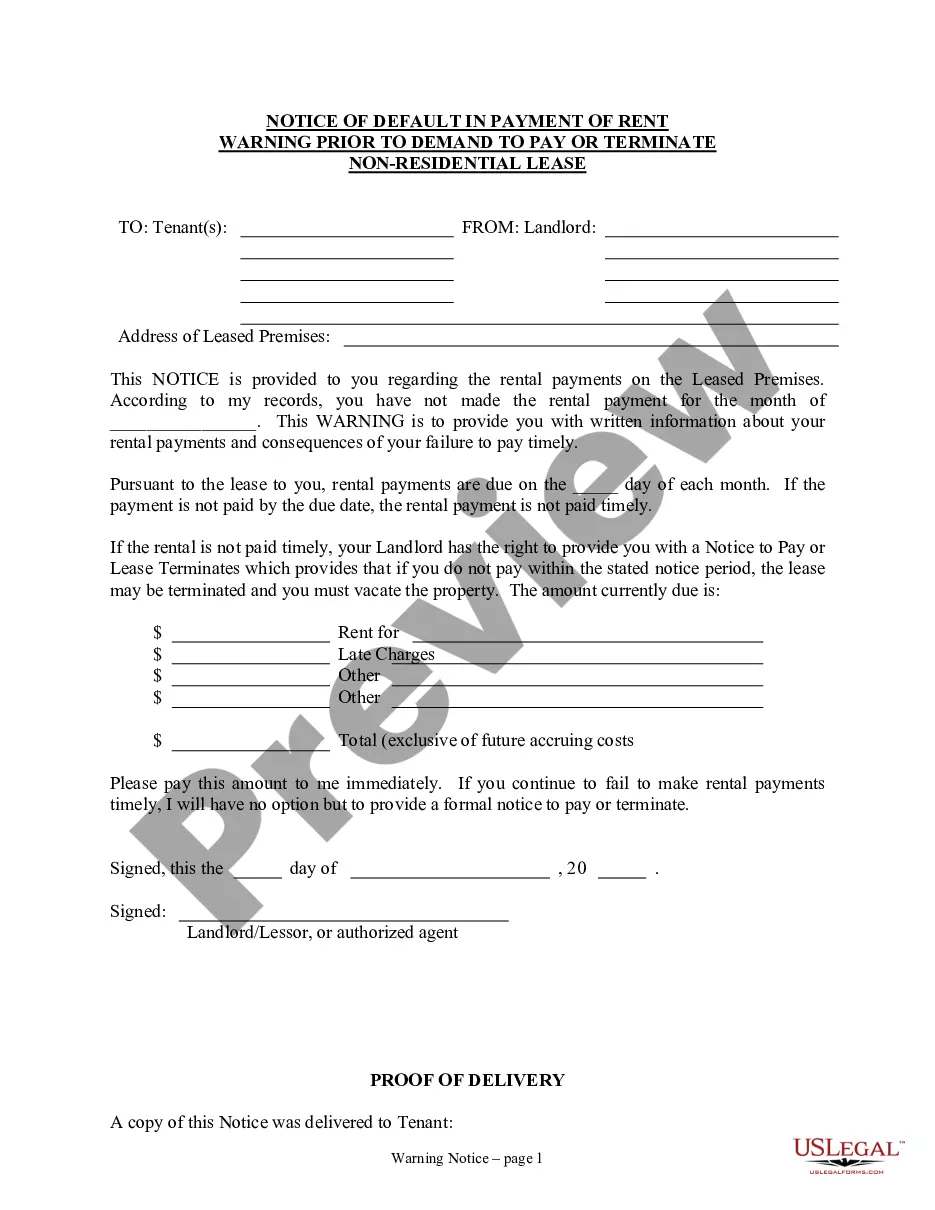
North Carolina Renunciation And Disclaimer of Property from Life Insurance or Annuity Contract
Understanding this form
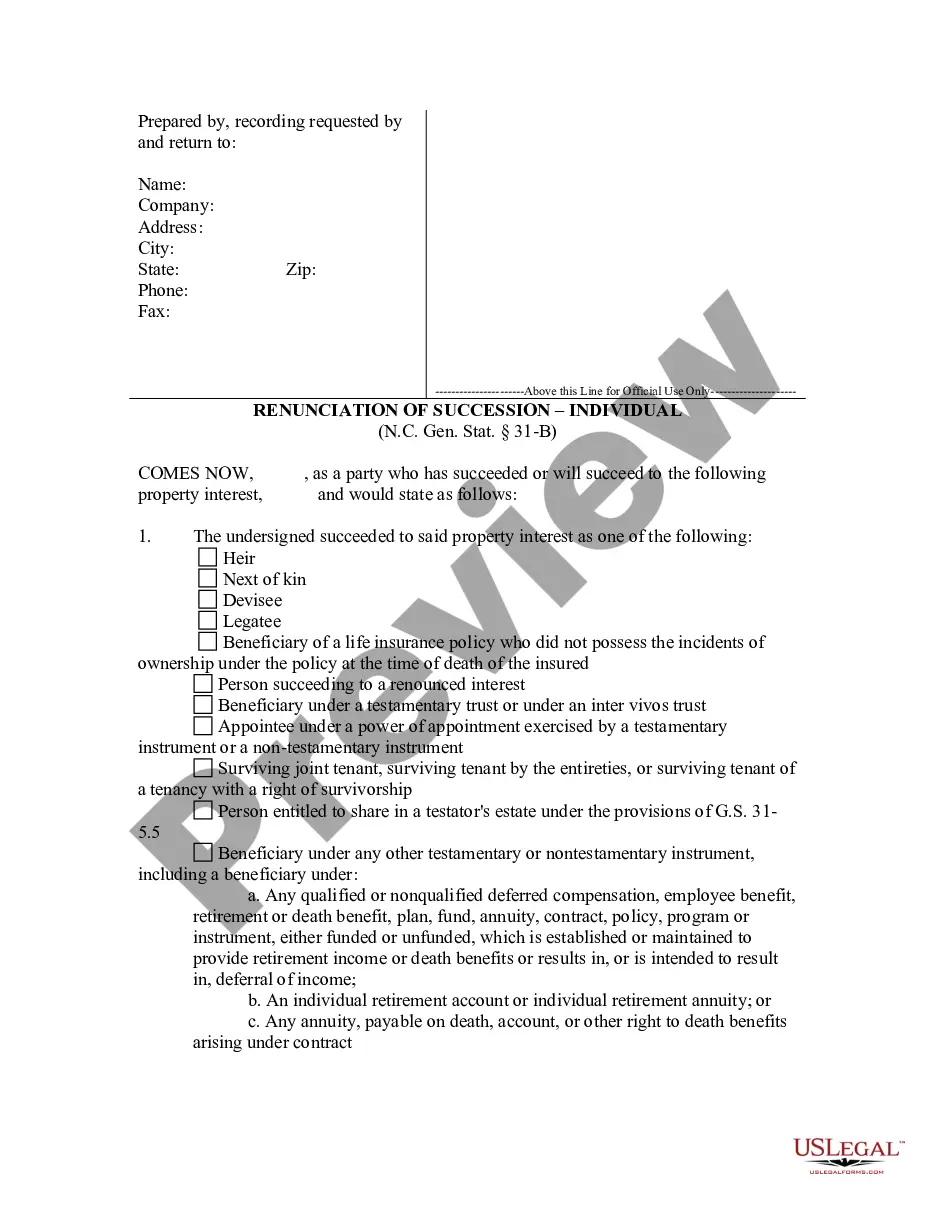
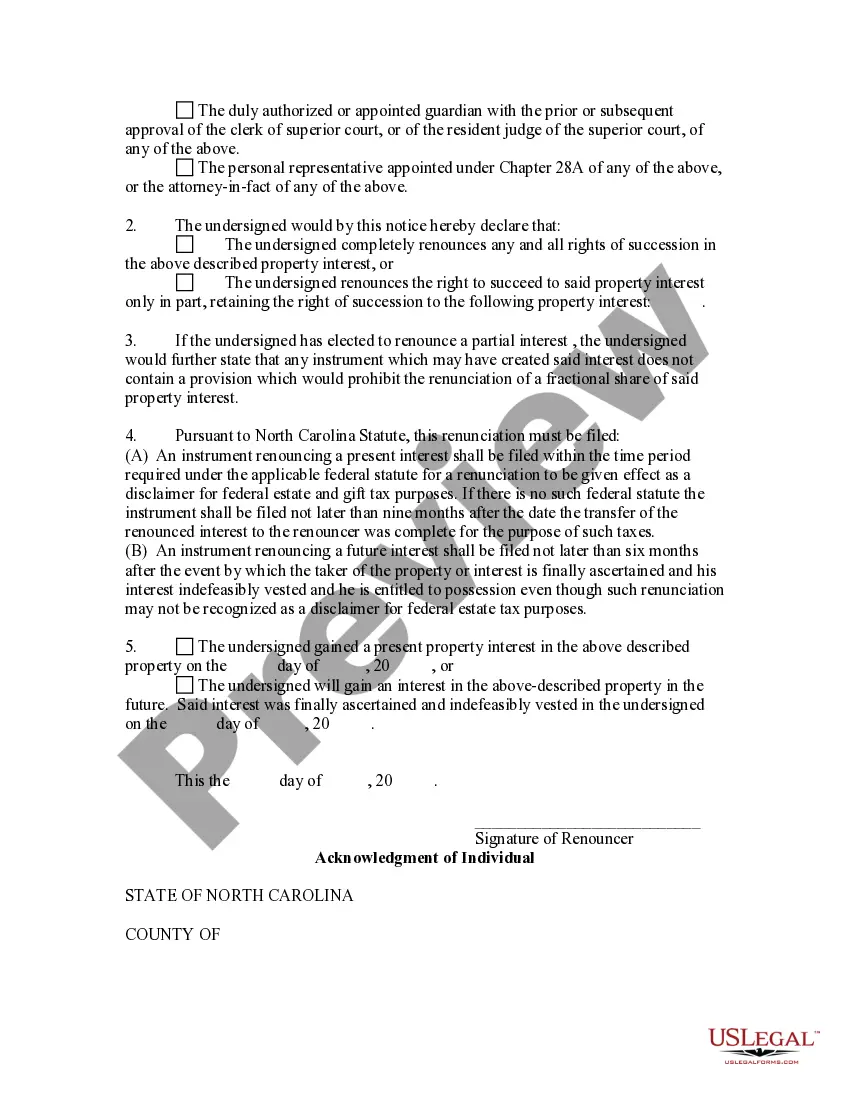
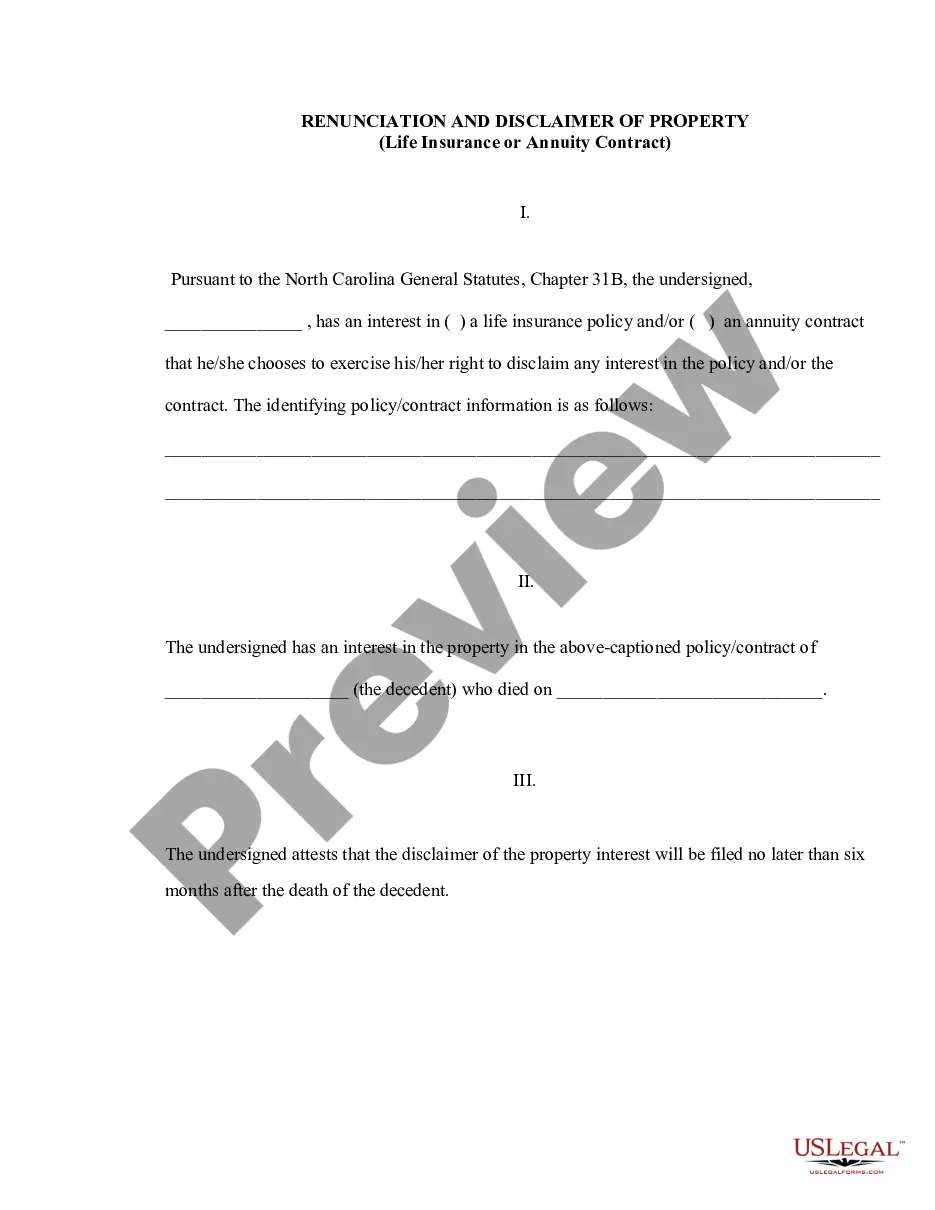
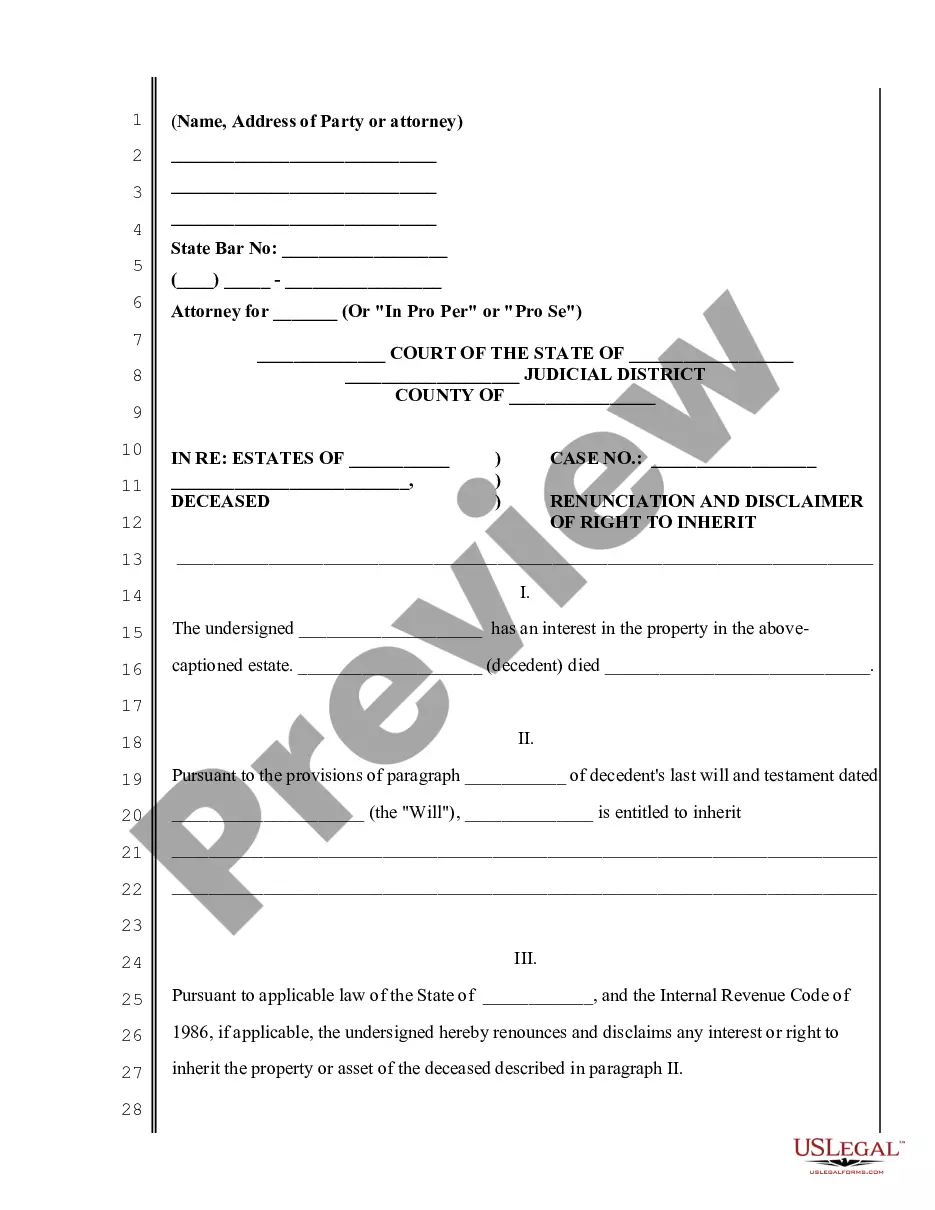
The Renunciation and Disclaimer of Property from Life Insurance or Annuity Contract is a legal document used by beneficiaries to formally waive their rights to inherit proceeds from a life insurance policy or annuity following the death of the insured. This form is specifically designed for individuals who, under North Carolina law, choose to renounce their interest in such proceeds. By using this form, beneficiaries can ensure the disclaimer is legally recognized and filed within the designated timeframe to comply with state laws and federal tax regulations.
Main sections of this form
- Identification of the renouncing beneficiary and the relevant life insurance or annuity contract.
- A declaration of full renunciation of rights to the described property interest.
- Notification of filing deadlines to preserve the validity of the disclaimer.
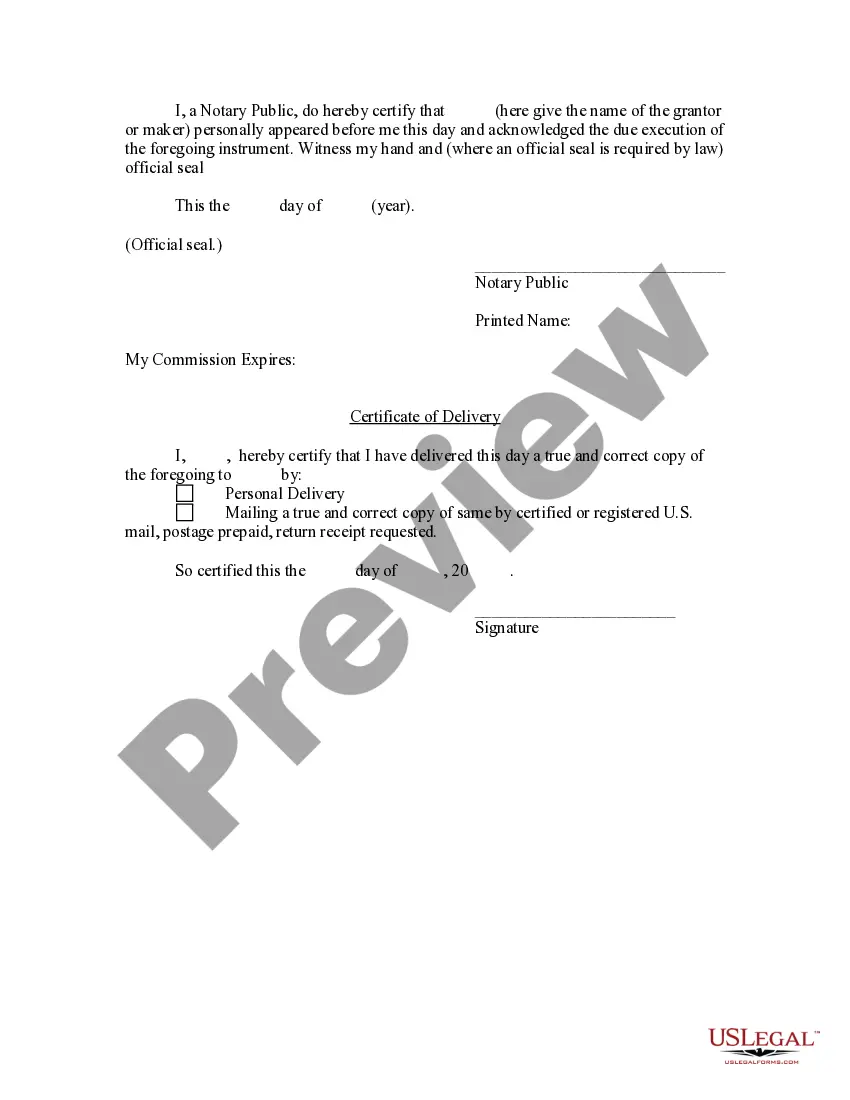
- A state-specific acknowledgment to ensure compliance with North Carolina law.
- A certificate to verify the delivery of the disclaimer to necessary parties.
Common use cases
This form is necessary when a beneficiary decides to renounce their interest in proceeds from a life insurance policy or annuity following the death of the policyholder. Situations where this may apply include if the beneficiary prefers not to receive the funds for personal, estate planning, or tax-related reasons. Beneficiaries must act within nine months of the date of death to ensure the disclaimer is valid.
Who can use this document
- Beneficiaries named in life insurance policies or annuity contracts.
- Individuals or representatives renouncing an interest for estate planning purposes.
- Guardians or personal representatives acting on behalf of beneficiaries.
- Anyone needing to disclaim property interests for tax or legal reasons.
Completing this form step by step
- Identify the beneficiary or representative completing the disclaimer.
- Fill in the details of the life insurance or annuity contract, including policy numbers and insured individual's name.
- Clearly state the intention to renounce the interest in the policy proceeds.
- Include signatures and date the document to affirm the renunciation.
- File the completed form within the required timeframe to ensure it is legally valid.
Is notarization required?
This form usually doesn’t need to be notarized. However, local laws or specific transactions may require it. Our online notarization service, powered by Notarize, lets you complete it remotely through a secure video session, available 24/7.
Get your form ready online
Our built-in tools help you complete, sign, share, and store your documents in one place.
Make edits, fill in missing information, and update formatting in US Legal Forms—just like you would in MS Word.
Download a copy, print it, send it by email, or mail it via USPS—whatever works best for your next step.
Sign and collect signatures with our SignNow integration. Send to multiple recipients, set reminders, and more. Go Premium to unlock E-Sign.
If this form requires notarization, complete it online through a secure video call—no need to meet a notary in person or wait for an appointment.
We protect your documents and personal data by following strict security and privacy standards.

Make edits, fill in missing information, and update formatting in US Legal Forms—just like you would in MS Word.

Download a copy, print it, send it by email, or mail it via USPS—whatever works best for your next step.

Sign and collect signatures with our SignNow integration. Send to multiple recipients, set reminders, and more. Go Premium to unlock E-Sign.

If this form requires notarization, complete it online through a secure video call—no need to meet a notary in person or wait for an appointment.

We protect your documents and personal data by following strict security and privacy standards.
Mistakes to watch out for
- Failing to file the disclaimer within the nine-month deadline.
- Not clearly identifying the life insurance or annuity contract involved.
- Forgetting to include necessary signatures or dates.
- Neglecting to notify relevant parties about the renunciation.
Benefits of completing this form online
- Convenience of immediate access and download from home.
- Editability allows users to tailor the form to their specific situation.
- Reliability of professionally drafted templates by licensed attorneys.
- Quick filing ensures compliance with state laws and deadlines.
Legal use & context
- The disclaimer serves to legally forfeit rights to the specified property interest.
- It is crucial for tax purposes to ensure the disclaimer aligns with federal estate and gift tax regulations.
- Failure to properly complete or file the form can lead to unintended inheritance of tax liabilities.
What to keep in mind
- The form is designed for beneficiaries who wish to renounce their rights to life insurance or annuity proceeds.
- Filing must occur within nine months of the insured's death to be effective.
- The form must be completed accurately to ensure legal compliance.
Looking for another form?
Form popularity
FAQ
Anyone named as an executor in a will may abandon the role by signing a renunciation witnessed by a disinterested witness, ie the witness must not be mentioned in the will, and should not be a family member. It is only possible to renounce if you have not intermeddled in the deceased's estate.
This is a form where a person waives his/her superior rights to serve as Executor or Administrator of a decedent's estate.
A: You may need to clarify what type of administration you are referring to, but if you are asking about administration of a decedent's estate, then renunciation refers to giving up your right to be qualified as the Administrator of the estate.
When you relinquish property, you don't get any say in who inherits in your place. If you want to control who gets the inheritance, you must accept it and give it to that person. If you relinquish the property and the deceased didn't name a back-up heir, the court will apply state law to decide who inherits.
Disclaim Inheritance, Definition In a nutshell, it means you're refusing any assets that you stand to inherit under the terms of someone's will, a trust or, in the case of a person who dies intestate, the inheritance laws of your state.
You may find that serving as executor is too difficult or time consuming, or that you don't have the skills necessary to serve effectively. In that case, you can, and should, resign as executor. In California, you can resign at any time, for any reason, by filing a petition with the court.
In the law of inheritance, wills and trusts, a disclaimer of interest (also called a renunciation) is an attempt by a person to renounce their legal right to benefit from an inheritance (either under a will or through intestacy) or through a trust.A disclaimer of interest is irrevocable.
If you refuse to accept an inheritance, you will not be responsible for inheritance taxes, but you'll have no say in who receives the assets in your place. The bequest passes either to the contingent beneficiary listed in the will or, if that person died without a will, according to your state's laws of intestacy.
In most states, all you need to complete is a Renunciation of Executor form, which is a legal document that states the person named in the will as executor will not act as executor for the estate. This form can be filled out in your local probate court. Some states offer this form online as well.