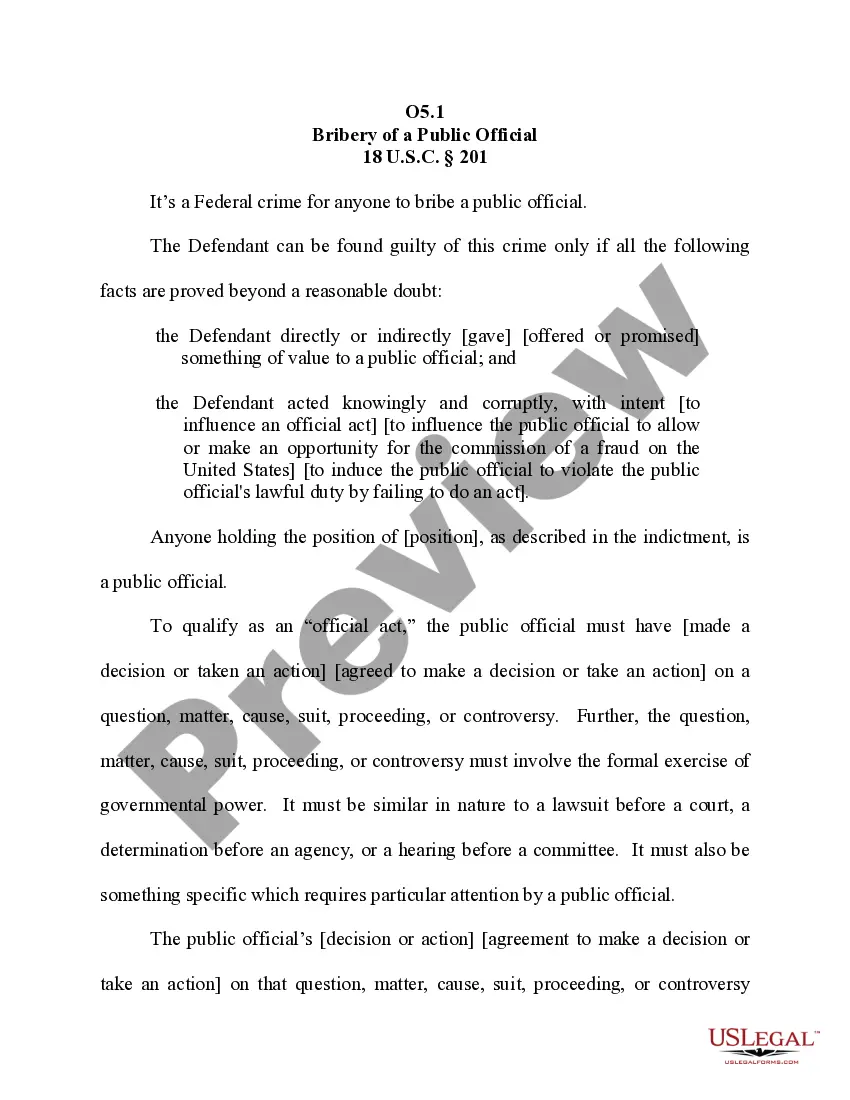
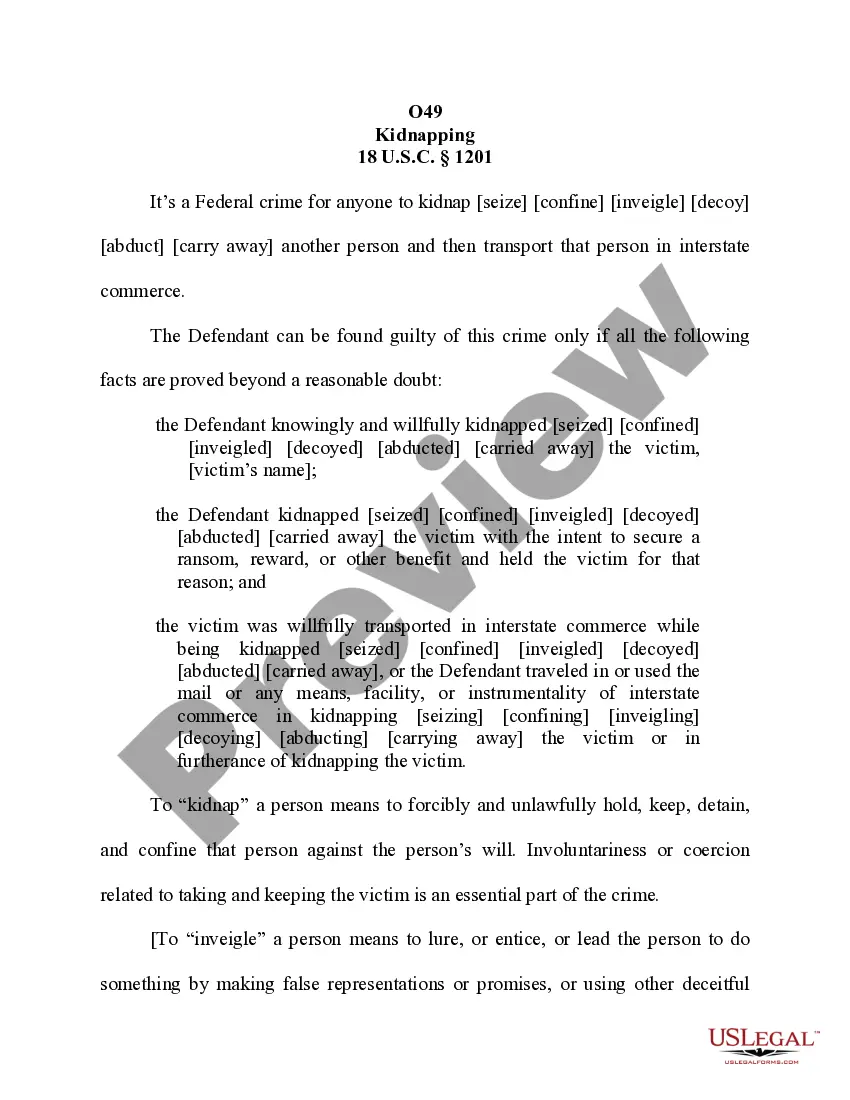
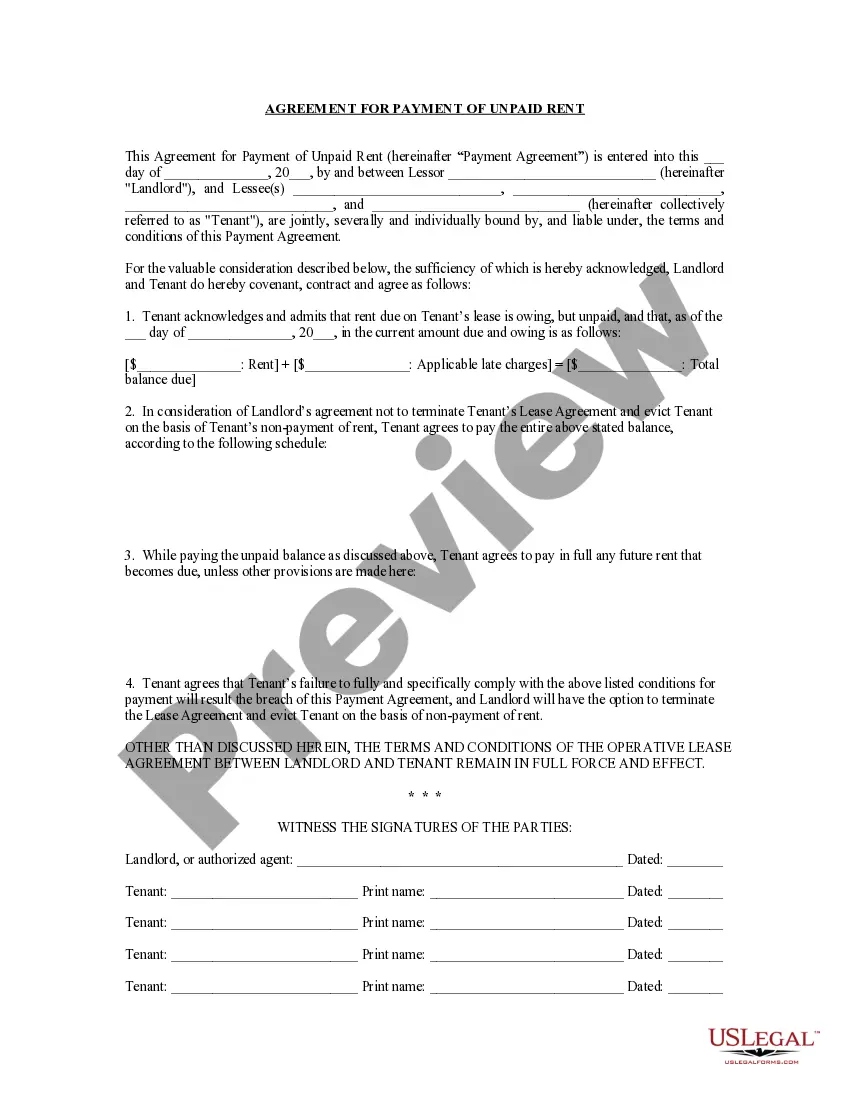
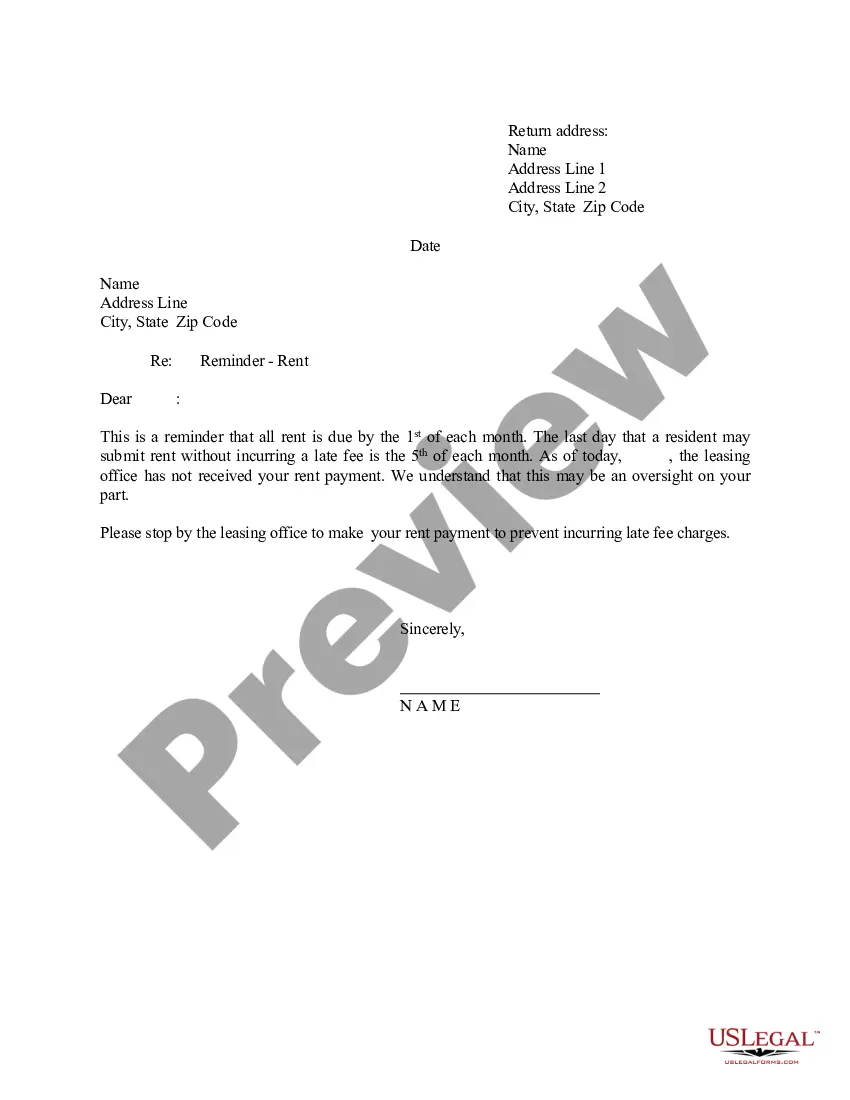
Vermont Agreement for Payment of Unpaid Rent
About this form
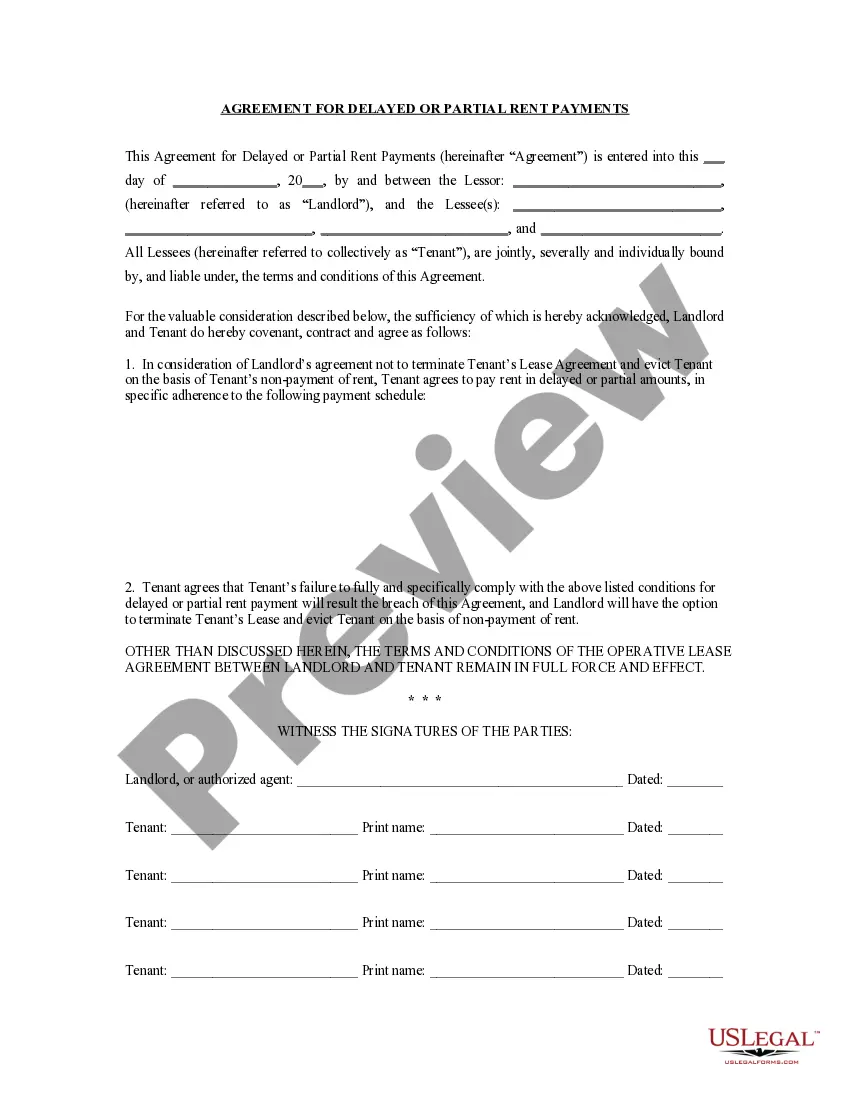
The Agreement for Payment of Unpaid Rent is a legal tool designed for landlords and tenants to establish a structured payment plan for overdue rent. This agreement allows tenants to repay unpaid rent over time while protecting them from eviction, provided they adhere to the outlined terms. Unlike other rental agreements, this form specifically addresses overdue payments and can help maintain a stable landlord-tenant relationship during financial difficulties.
What’s included in this form
- Identification of parties: The full names of the landlord (Lessor) and all tenants (Lessee(s)) involved in the agreement.
- Rent details: A clear statement of the unpaid rent amount, including any applicable late charges.
- Payment plan structure: Terms detailing how and when overdue rent will be paid.
- Continuity clause: A statement confirming that the original lease terms remain in effect, except as modified by the agreement.
- Signatures: Space for both landlord and tenants to sign and date the agreement, indicating their acceptance of the terms.

Common use cases
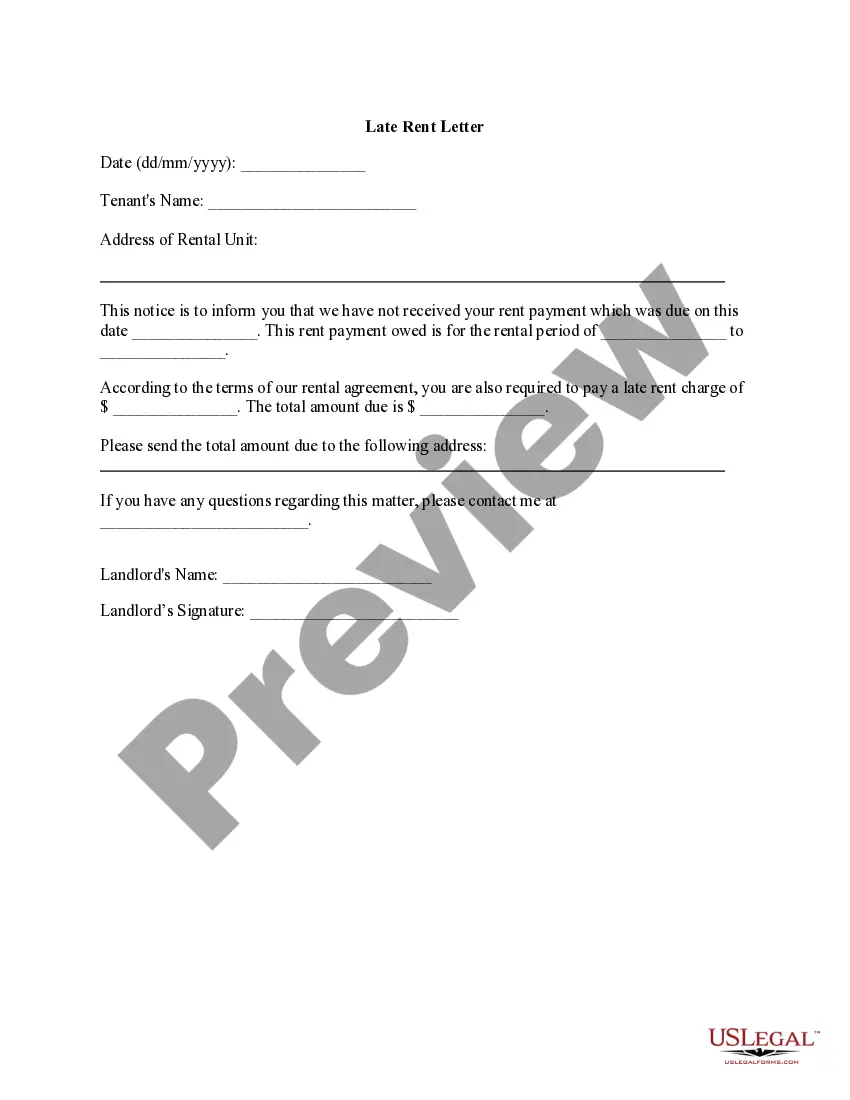
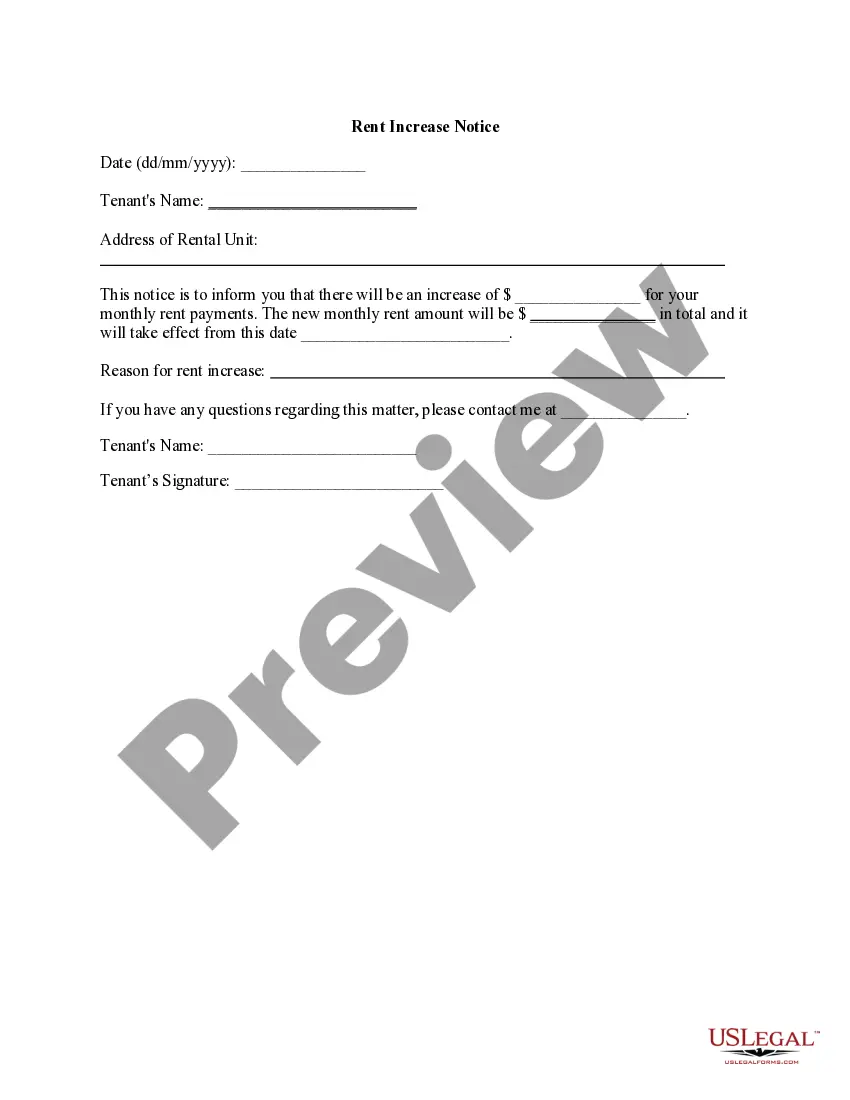
This form is useful in situations where a tenant has fallen behind on rent payments but wishes to avoid eviction. It can be used when a tenant is experiencing temporary financial difficulties and the landlord prefers to work out a payment plan instead of pursuing eviction. Additionally, this agreement can help document the understanding between parties about how overdue rent will be handled moving forward.
Intended users of this form
- Landlords seeking to establish a formal payment plan for tenants with overdue rent.
- Tenants who need to negotiate a repayment schedule for unpaid rent while avoiding the risk of eviction.
- Property managers who handle rental properties and need a consistent method for addressing overdue rent issues.
Steps to complete this form
- Identify the parties by entering the landlord's and tenants' full names in the specified sections.
- Fill in the date when the agreement is being entered into.
- Detail the current amount of unpaid rent and any applicable late charges.
- Specify a repayment plan, including deadlines for payment completion.
- Ensure all parties sign and date the agreement to validate it as a legally binding document.
Notarization guidance
This form usually doesn’t need to be notarized. However, local laws or specific transactions may require it. Our online notarization service, powered by Notarize, lets you complete it remotely through a secure video session, available 24/7.
Get your form ready online
Our built-in tools help you complete, sign, share, and store your documents in one place.
Make edits, fill in missing information, and update formatting in US Legal Forms—just like you would in MS Word.
Download a copy, print it, send it by email, or mail it via USPS—whatever works best for your next step.
Sign and collect signatures with our SignNow integration. Send to multiple recipients, set reminders, and more. Go Premium to unlock E-Sign.
If this form requires notarization, complete it online through a secure video call—no need to meet a notary in person or wait for an appointment.
We protect your documents and personal data by following strict security and privacy standards.

Make edits, fill in missing information, and update formatting in US Legal Forms—just like you would in MS Word.

Download a copy, print it, send it by email, or mail it via USPS—whatever works best for your next step.

Sign and collect signatures with our SignNow integration. Send to multiple recipients, set reminders, and more. Go Premium to unlock E-Sign.

If this form requires notarization, complete it online through a secure video call—no need to meet a notary in person or wait for an appointment.

We protect your documents and personal data by following strict security and privacy standards.
Avoid these common issues
- Failing to include all tenants' names, which can lead to enforceability issues.
- Not specifying the full amount of unpaid rent and late charges clearly.
- Overlooking the need for signatures from all parties involved.
- Neglecting to outline specific deadlines for payments, which can cause confusion later.
Benefits of completing this form online
- Convenience: Download and complete the form at your own pace without the need for legal appointments.
- Editability: Customizable to fit your specific circumstances and easily adjustable as terms change.
- Reliability: Form templates are drafted by licensed attorneys, ensuring legal compliance and effectiveness.
Looking for another form?
Form popularity
FAQ
The amount of the security deposit is usually one month's rent. The maximum for residential tenants is 2 months' rent on an unfurnished apartment or 3 months' rent on a fully furnished apartment, with a small exception.
Know the Law and Document the Landlord-Tenant Relationship. Before Filing a Lawsuit, Negotiate with the Tenant. Give the Tenant a Formal Eviction Notice. File an Eviction Complaint with the Court. Get Ready for the Eviction Hearing. Evict the Tenant.
When your tenant still can't pay... Let them leave, if they simply can't pay it may be your best option. Simply let them break their contract (if you're still within the fixed term period) and leave your property. Then you can get a new tenant in and not waste any more time.
1 Keep a record of rent payments. 2 Talk to your tenants. 3 Write to your tenant. 4 Send a letter to the guarantor. 5 Claim possession of your property. 6 Go to court. 7 Rent arrears and court action.
Your landlord is entitled to deduct any unpaid rent from your deposit. If you owe more than the value of your deposit your landlord may take court action to get the extra money back. You may decide to withhold the last month's rent in case the landlord refuses to return the deposit. This is not advisable.
Step 1: Check Your Lease Documents and Payment Records. Step 2: Send a Late Rent Notice. Step 3: Make a Phone Call. Step 4: Send a Pay or Quit Notice. Step 5: Take Legal Action.
Your landlord can't take unreasonable amounts of money from your deposit. They should tell you why they're taking money off - if they don't, ask them. It's best to get your landlord's reasons in writing if you can - that way you can refer back to them if you need to take action to get your deposit back.
5 Times a Landlord Does Not Have to Return a Tenant's Security Deposit. Breaking or Terminating a Lease Early. Nonpayment of Rent. Damage to the Property. Cleaning Costs. Unpaid Utilities.
Your landlord can use your deposit to cover rent arrears. Show your landlord proof of what you've paid if you disagree about the amount of rent you owe.