Utah Warranty Deed from Husband to Himself and Wife
Overview of this form
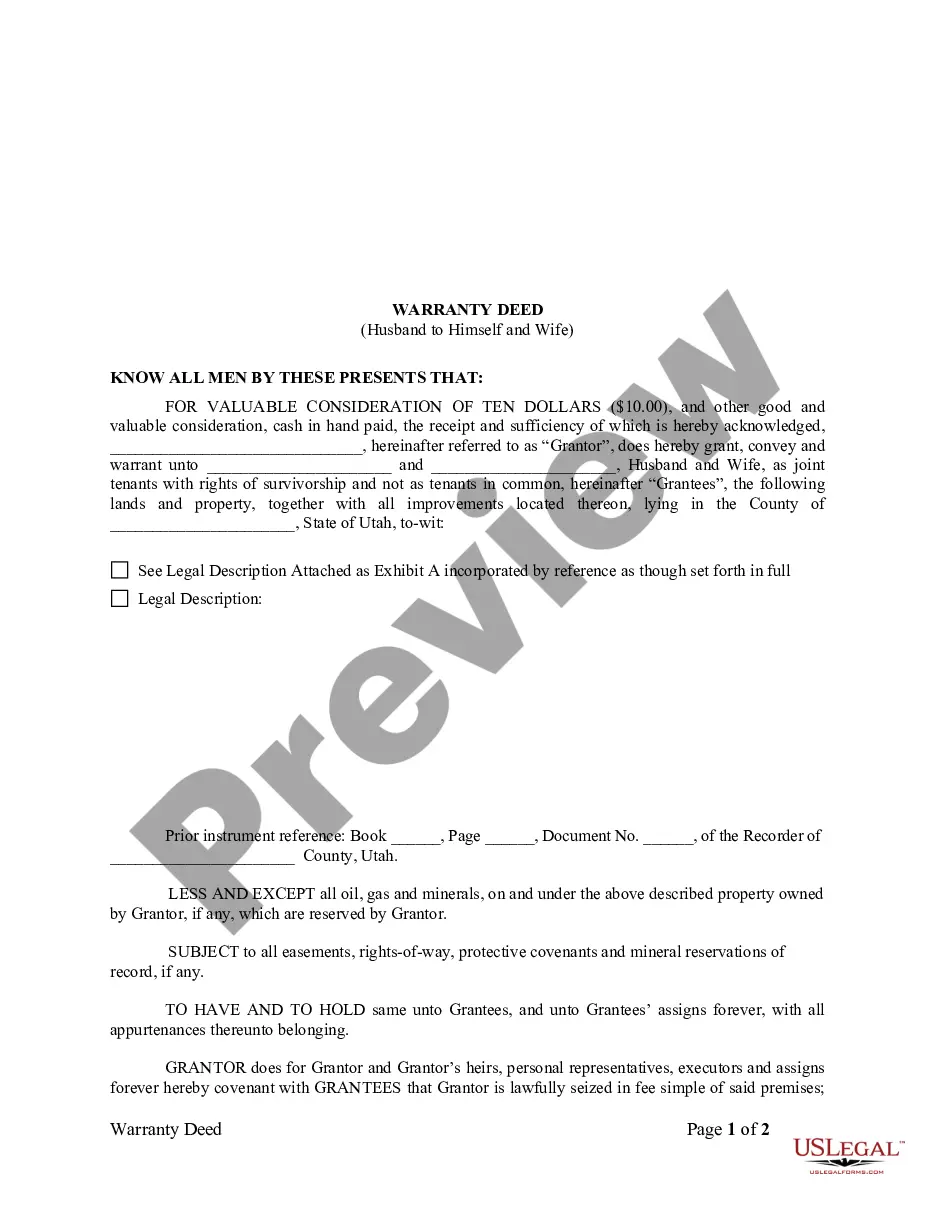
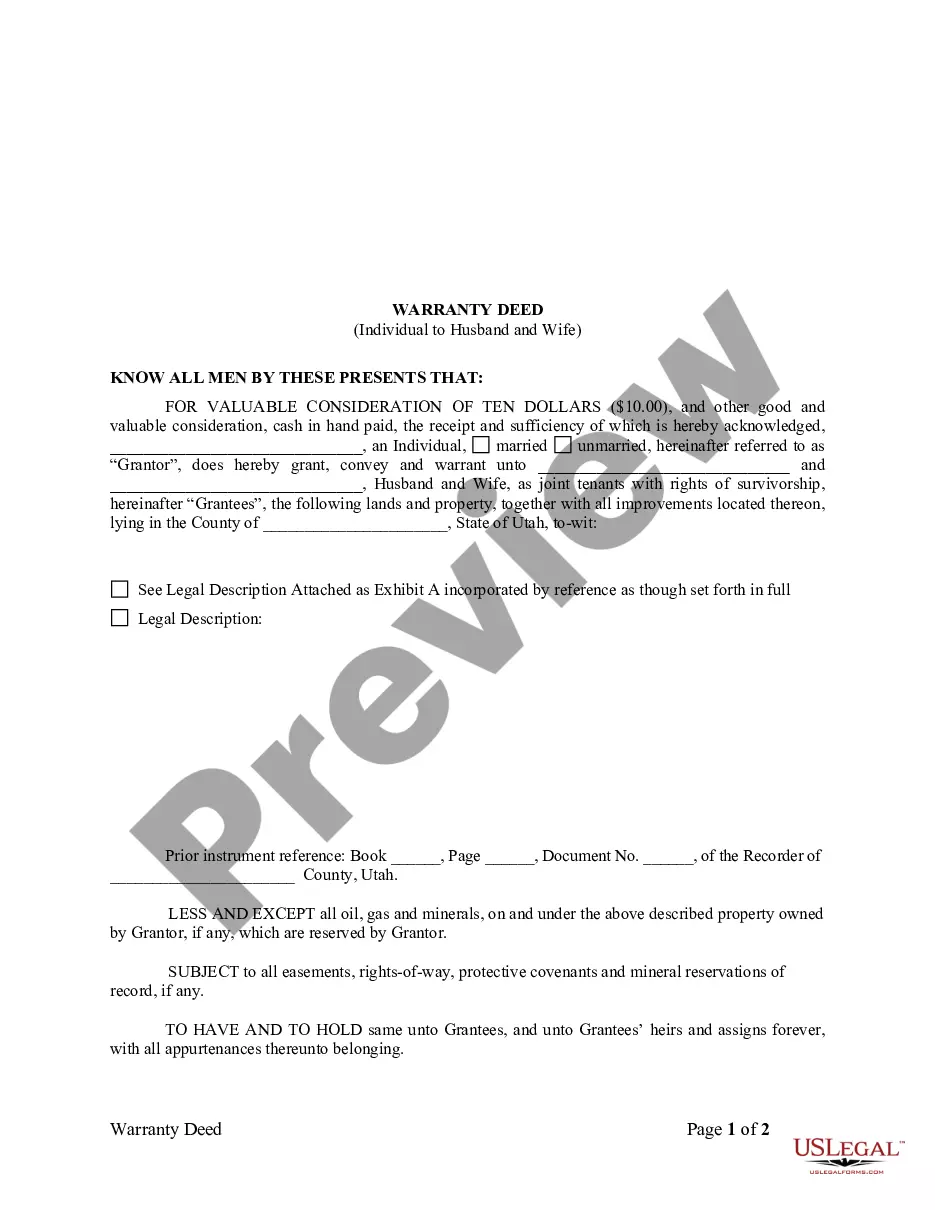
This Warranty Deed from Husband to Himself and Wife is a legal document used to transfer property ownership from a husband to both himself and his wife, establishing them as joint tenants with rights of survivorship. This form assures that the property is conveyed securely, protecting both parties in the event of oneâs death, as ownership automatically transfers to the surviving partner. Unlike other deed forms, this particular warranty deed includes specific provisions related to rights of survivorship and excludes mineral rights, providing a clear and comprehensive transfer of property without complications.
Key components of this form
- Identification of the Grantor (husband) and Grantees (husband and wife).
- Legal description of the property involved in the transfer.
- Terms establishing joint tenancy with rights of survivorship.
- Covenants assuring the title is free from encumbrances.
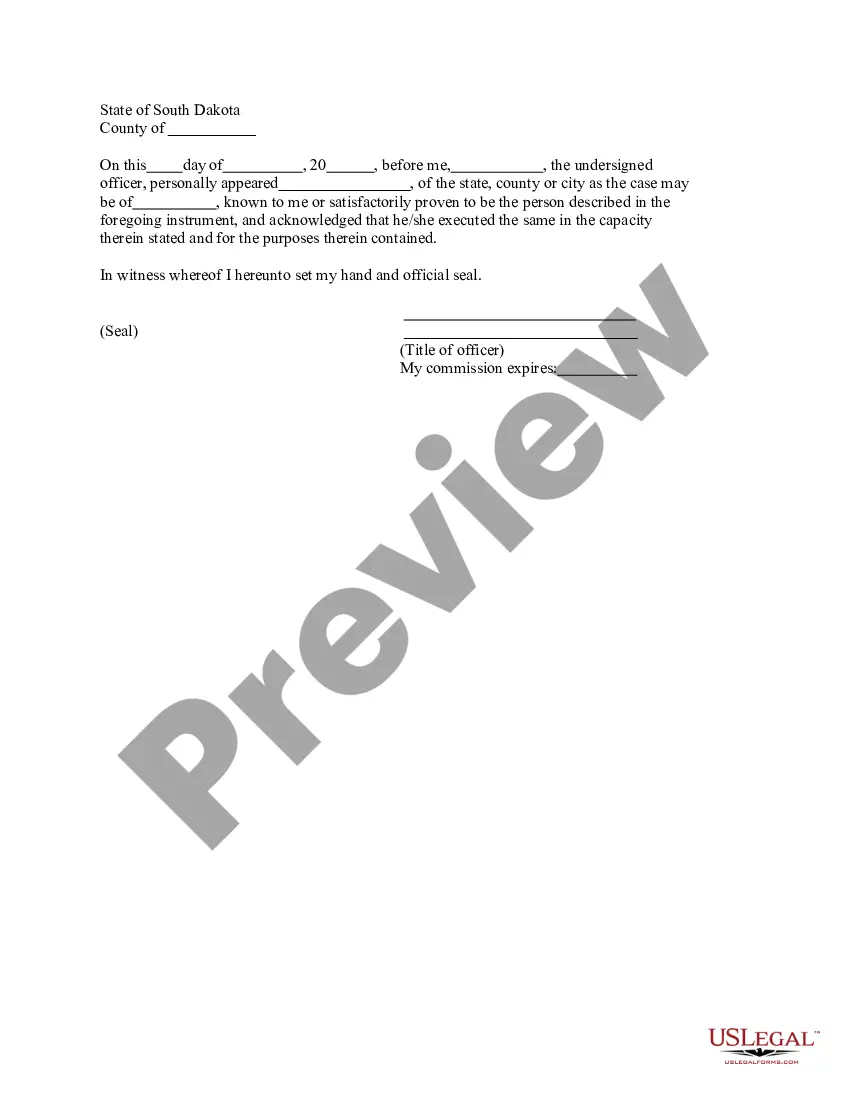
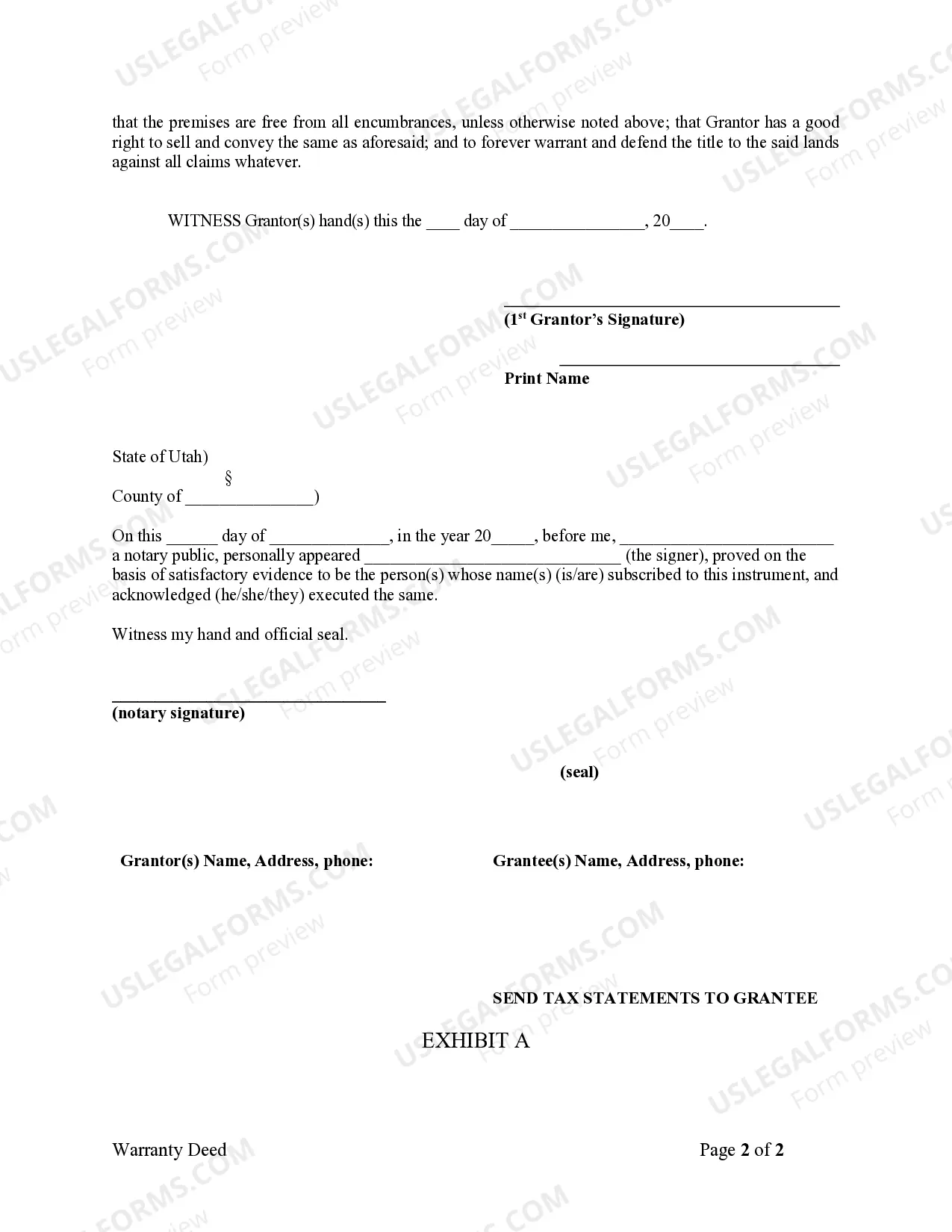
- Signature and acknowledgment of all parties involved.


When this form is needed
This form is suitable for couples who wish to own property together and want to ensure that both partners have equal rights to the property. It is particularly useful when one partner wants to transfer their individually owned property into joint ownership with their spouse, thereby simplifying estate planning and facilitating the transfer of ownership upon death without going through probate.
Who can use this document
- Married couples looking to consolidate property ownership.
- Husbands wishing to add their wives as co-owners of their property.
- Individuals planning for estate management and transfer on death.
- Property owners wanting to clarify ownership rights between spouses.
How to complete this form
- Identify the parties involved: the Grantor (husband) and the Grantees (husband and wife).
- Clearly specify the property being transferred, including a legal description.
- Indicate the consideration amount, typically ten dollars.
- Obtain signatures from both the Grantor and Grantees, along with the date of signing.
- Ensure acknowledgment of any exceptions or reservations regarding mineral rights.
Does this document require notarization?
This form does not typically require notarization unless specified by local law. However, it is advisable to have it notarized to enhance its legal validity and to ensure all parties are properly identified and witnessed.
Get your form ready online
Our built-in tools help you complete, sign, share, and store your documents in one place.
Make edits, fill in missing information, and update formatting in US Legal Forms—just like you would in MS Word.
Download a copy, print it, send it by email, or mail it via USPS—whatever works best for your next step.
Sign and collect signatures with our SignNow integration. Send to multiple recipients, set reminders, and more. Go Premium to unlock E-Sign.
If this form requires notarization, complete it online through a secure video call—no need to meet a notary in person or wait for an appointment.
We protect your documents and personal data by following strict security and privacy standards.

Make edits, fill in missing information, and update formatting in US Legal Forms—just like you would in MS Word.

Download a copy, print it, send it by email, or mail it via USPS—whatever works best for your next step.

Sign and collect signatures with our SignNow integration. Send to multiple recipients, set reminders, and more. Go Premium to unlock E-Sign.

If this form requires notarization, complete it online through a secure video call—no need to meet a notary in person or wait for an appointment.

We protect your documents and personal data by following strict security and privacy standards.
Typical mistakes to avoid
- Failing to include a complete legal description of the property.
- Not specifying the correct tenancy type (joint tenants vs. tenants in common).
- Overlooking to sign and date the document properly.
- Neglecting to address any mineral rights or reservations clearly.
Advantages of online completion
- Convenient access and immediate download of legally drafted forms.
- Editability allows you to customize the document to your specific needs.
- Reliable templates created by licensed attorneys ensure legal compliance.
- Cost-effective solution for preparing essential legal documentation.
Key takeaways
- The Warranty Deed facilitates property transfer between spouses.
- It provides rights of survivorship, preserving ownership in the event of death.
- Correct completion is essential for legal enforcement and clarity.
Looking for another form?
Form popularity
FAQ
Adding someone to your house deed requires the filing of a legal form known as a quitclaim deed. When executed and notarized, the quitclaim deed legally overrides the current deed to your home. By filing the quitclaim deed, you can add someone to the title of your home, in effect transferring a share of ownership.
If you live in a common-law state, you can keep your spouse's name off the title the document that says who owns the property.You can put your spouse on the title without putting them on the mortgage; this would mean that they share ownership of the home but aren't legally responsible for making mortgage payments.
Adding someone to your house deed requires the filing of a legal form known as a quitclaim deed. When executed and notarized, the quitclaim deed legally overrides the current deed to your home. By filing the quitclaim deed, you can add someone to the title of your home, in effect transferring a share of ownership.
Typically, the lender will provide you with a copy of the deed of trust after the closing. The original warranty deeds are often mailed to the grantee after they are recorded. These are your original copies and should be kept in a safe place, such as a fireproof lockbox or a safe deposit box at a financial institution.
If you've recently married and already own a home or other real estate, you may want to add your new spouse to the deed for your property so the two of you own it jointly. To add a spouse to a deed, all you have to do is literally fill out, sign and record a new deed in your county recorder's office.
Two of the most common ways to transfer property in a divorce are through an interspousal transfer deed or quitclaim deed. When spouses own property together, but then one spouse executes an interspousal transfer or a quitclaim deed, this is known as transmutation.
A In order to make your partner a joint owner you will need to add his name at the Land Registry, for which there is a fee of £280 (assuming you transfer half the house to him). You won't, however, have to pay capital gains tax, as gifts between civil partners (and spouses) are tax free.
In California, all property bought during the marriage with income that was earned during the marriage is deemed "community property." The law implies that both spouses own this property equally, regardless of which name is on the title deed.