Letter Notice to Borrower of Satisfaction of Mortgage
What is this form?
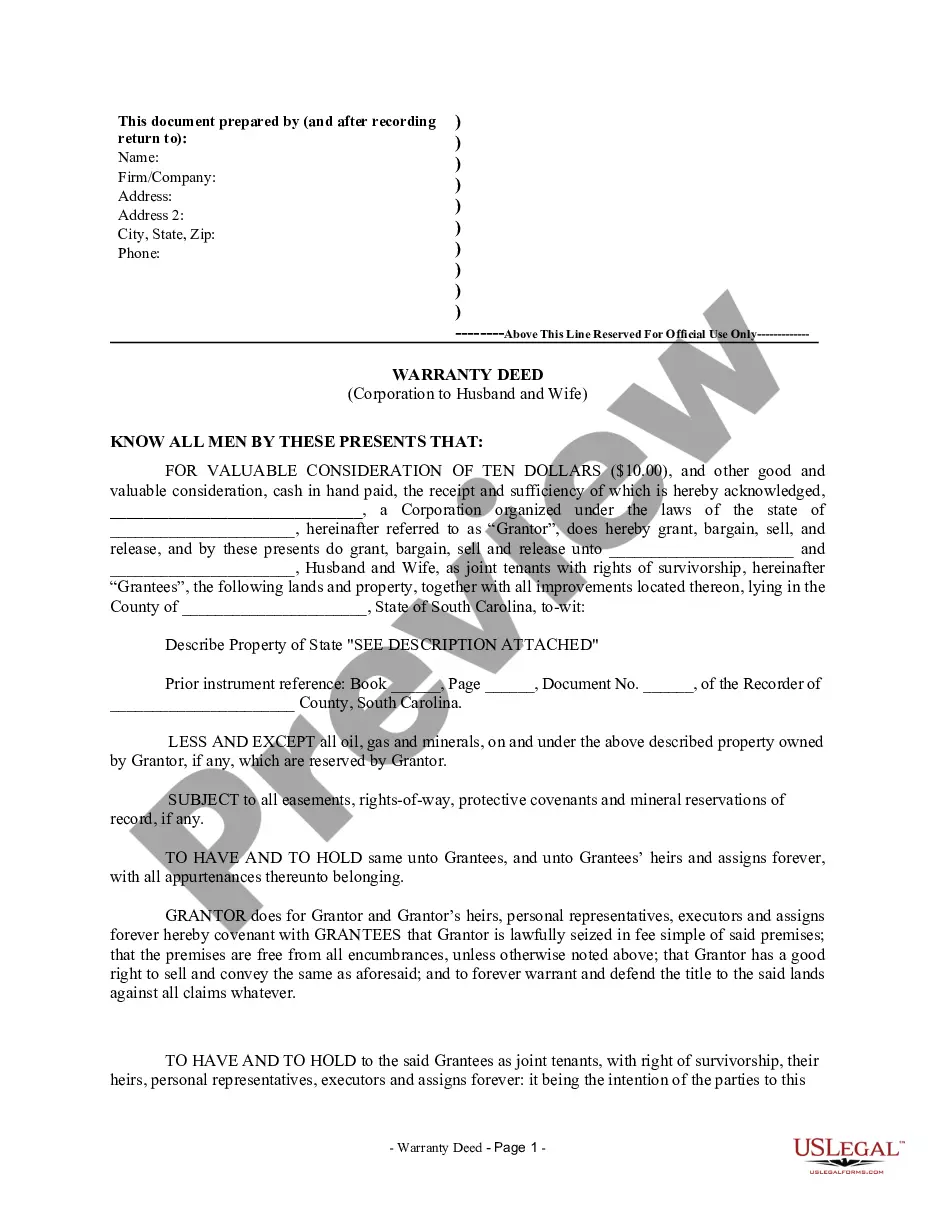
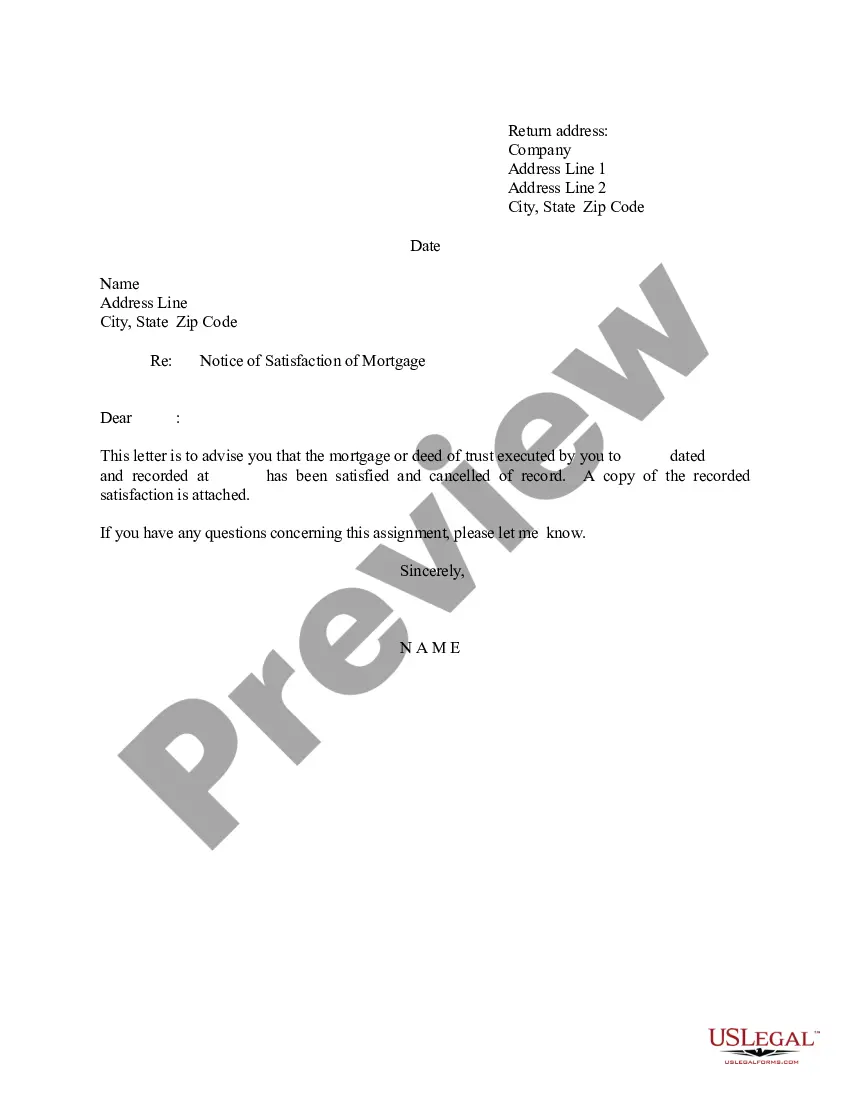
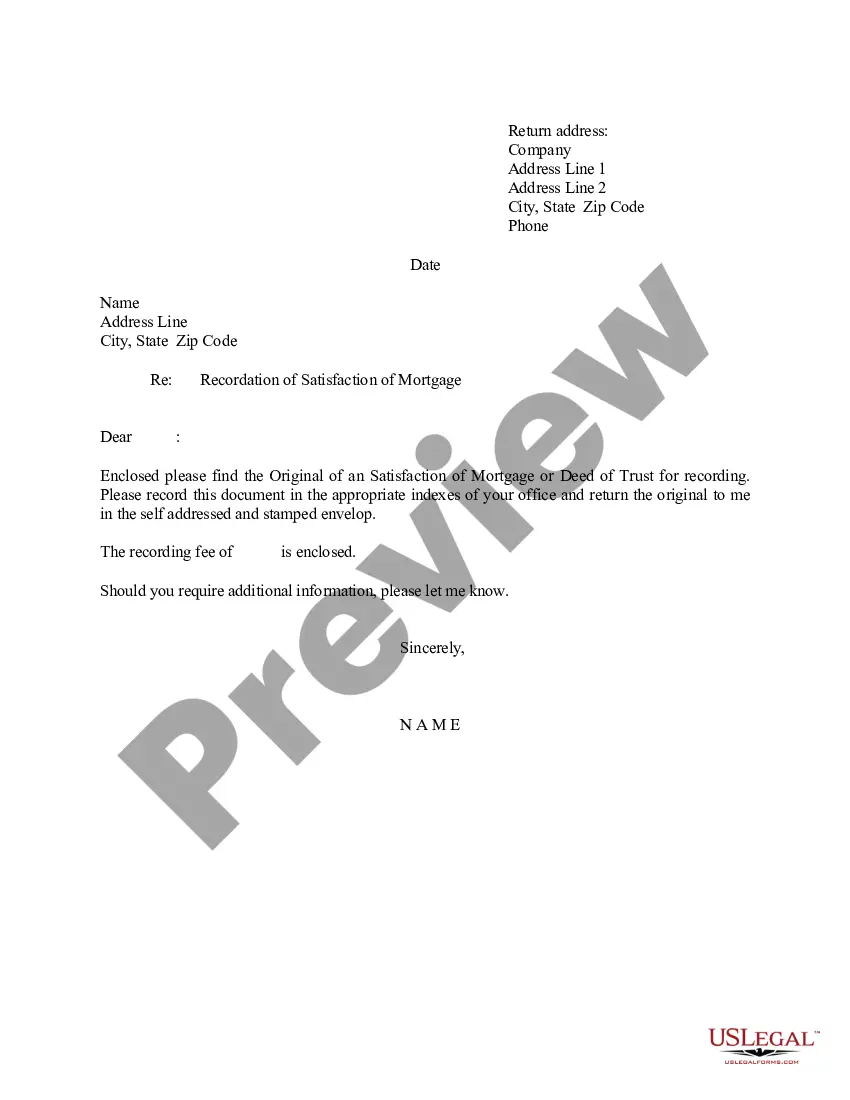
The Letter Notice to Borrower of Satisfaction of Mortgage is a formal document used to notify a borrower that their mortgage or deed of trust has been fully satisfied and recorded. This letter serves as proof that the borrower has completed their mortgage obligations and can be helpful for personal records and in future property transactions. Unlike other forms, this notice specifically confirms the end of the mortgage agreement with official recognition.
Key components of this form
- Return address: Includes the lender's name and address.
- Date: The date on which the notice is issued.
- Borrower's information: The name and address of the borrower.
- Subject line: Clearly states that this is a Notice of Satisfaction of Mortgage.
- Content body: Provides a confirmation of satisfaction regarding the mortgage.

Common use cases
This form is typically used after a borrower has paid off their mortgage in full. It is essential for providing formal notification to the borrower that their mortgage has been satisfied. You should use this form when closing out a mortgage, especially if the lender is required to notify the borrower officially for their records or if the borrower requests such a confirmation.
Who needs this form
- Lenders who have completed the mortgage process with the borrower.
- Borrowers who want official documentation that their mortgage has been paid off.
- Attorneys or legal professionals handling real estate transactions.
Steps to complete this form
- Identify the lender's return address and include it at the top.
- Fill in the date when the notice is issued.
- Enter the borrower's name and address for proper notification.
- State the subject clearly as Notice of Satisfaction of Mortgage.
- Complete the body of the letter by confirming the satisfaction of the mortgage.
- Sign the document to authenticate it before sending it to the borrower.
Does this form need to be notarized?
In most cases, this form does not require notarization. However, some jurisdictions or signing circumstances might. US Legal Forms offers online notarization powered by Notarize, accessible 24/7 for a quick, remote process.
Get your form ready online
Our built-in tools help you complete, sign, share, and store your documents in one place.
Make edits, fill in missing information, and update formatting in US Legal Forms—just like you would in MS Word.
Download a copy, print it, send it by email, or mail it via USPS—whatever works best for your next step.
Sign and collect signatures with our SignNow integration. Send to multiple recipients, set reminders, and more. Go Premium to unlock E-Sign.
If this form requires notarization, complete it online through a secure video call—no need to meet a notary in person or wait for an appointment.
We protect your documents and personal data by following strict security and privacy standards.

Make edits, fill in missing information, and update formatting in US Legal Forms—just like you would in MS Word.

Download a copy, print it, send it by email, or mail it via USPS—whatever works best for your next step.

Sign and collect signatures with our SignNow integration. Send to multiple recipients, set reminders, and more. Go Premium to unlock E-Sign.

If this form requires notarization, complete it online through a secure video call—no need to meet a notary in person or wait for an appointment.

We protect your documents and personal data by following strict security and privacy standards.
Mistakes to watch out for
- Failing to include the lender's return address.
- Omitting the date of issuance.
- Not addressing the borrower properly.
- Leaving out the subject line or making it unclear.
- Not signing the letter before sending it.
Benefits of completing this form online
- Convenient access from anywhere at any time.
- Editable format allows for quick customization.
- Reliability from professional drafting by licensed attorneys.
- Quick download and easy distribution to borrowers.
Looking for another form?

Form popularity
FAQ
An An formal notice that informs a borrower their mortgage or deed of trust has been fully satisfied and recorded. It serves as official proof the loan obligations are complete and is typically used when closing out a mortgage and for the borrower’s records in future property transactions.
Mortgage satisfaction letter is a document that confirms a loan has been paid in full and that the lender acknowledges the debt is satisfied. The Letter Notice to Borrower of Satisfaction of Mortgage is a form of this communication, used to notify the borrower and to document that the mortgage has been satisfied and recorded in public records.
Begin with the lender's return address and the date, then identify the borrower and property, and include a clear subject line stating 'Notice of Satisfaction of Mortgage.' In the body, state that the mortgage has been fully satisfied; sign and date the letter.
To write a loan satisfaction letter using this form, include the return address, date, borrower’s name and address, a clear subject line, and a concise body confirming the loan is satisfied. Use these elements to draft a formal notice and keep copies for both lender and borrower records.
Another name is a Notice of Satisfaction of Mortgage, or mortgage satisfaction notice. The Letter Notice to Borrower of Satisfaction of Mortgage uses this phrasing, serving as formal confirmation that the mortgage has been paid and recorded for the borrower’s records.
This letter is a notice to the borrower that the mortgage is satisfied and recorded, not a deed or lien-clearing instrument. A deed of reconveyance (or lien release) is the actual document that clears the lien, while this form documents the satisfaction for the borrower’s records and for recording purposes.