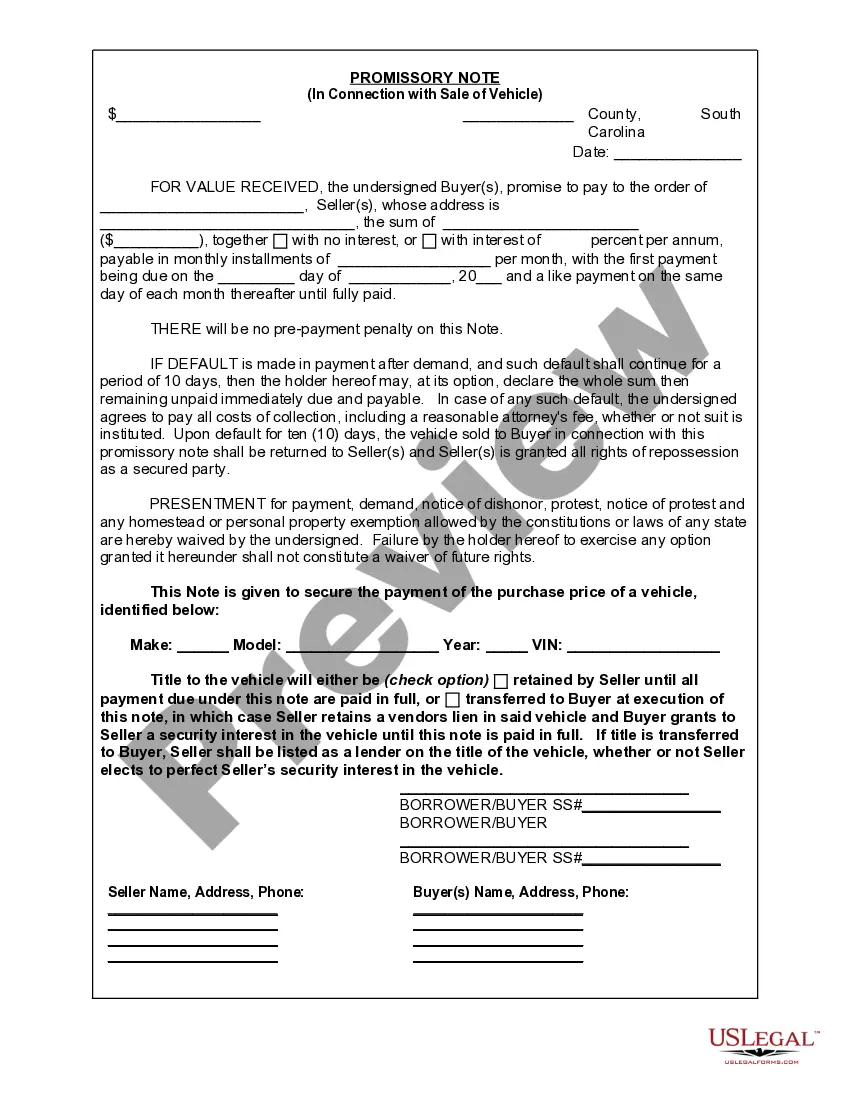
Investor Stock Purchase Agreement
What this document covers
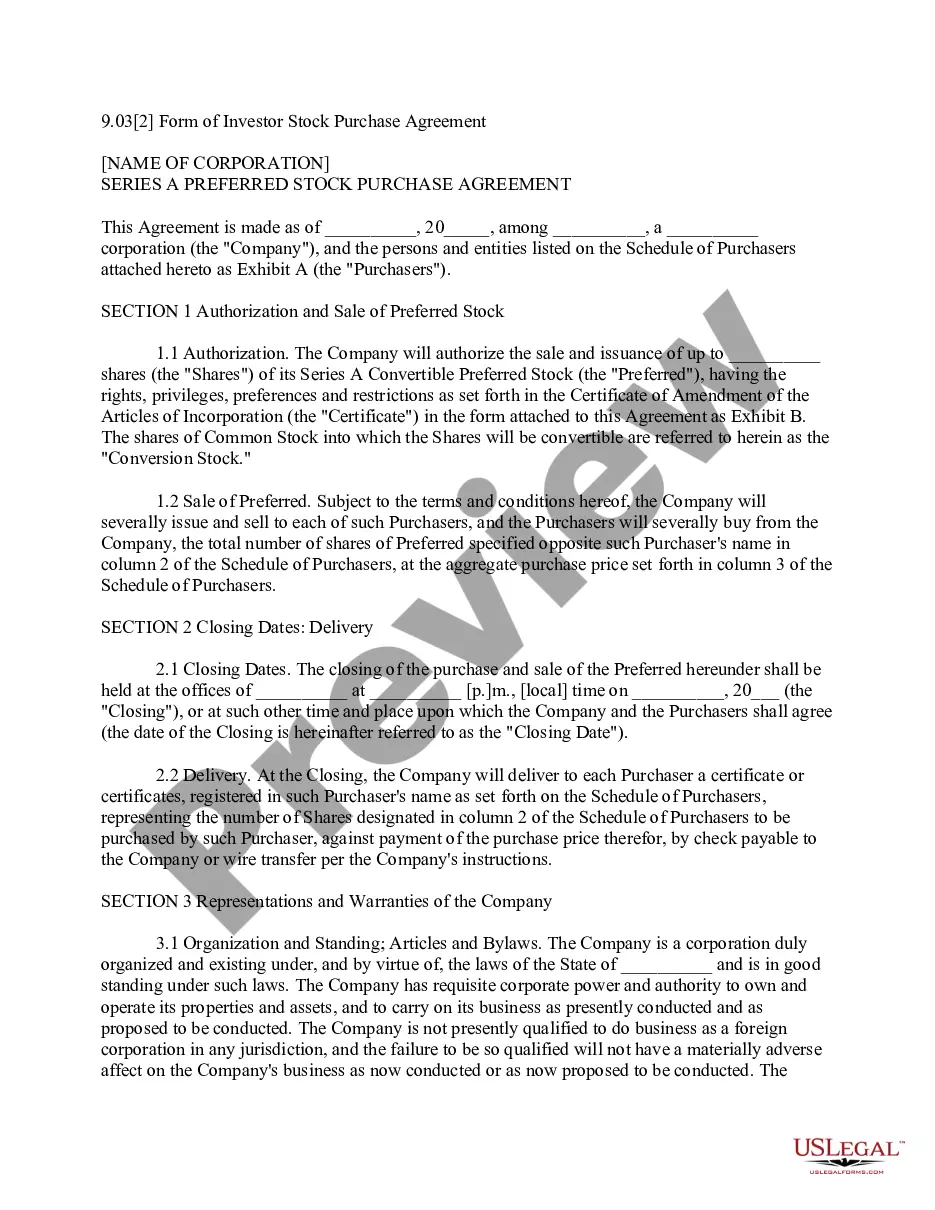
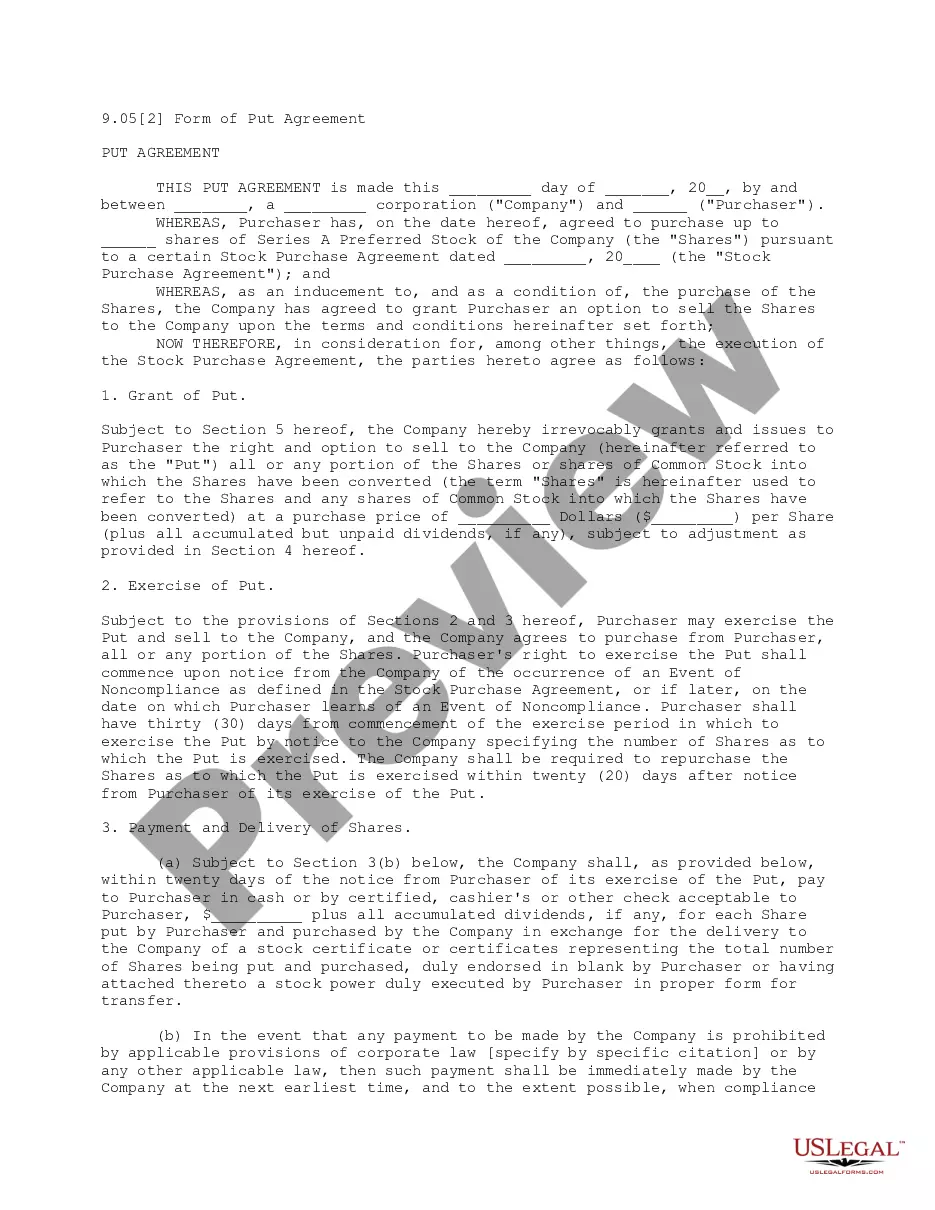
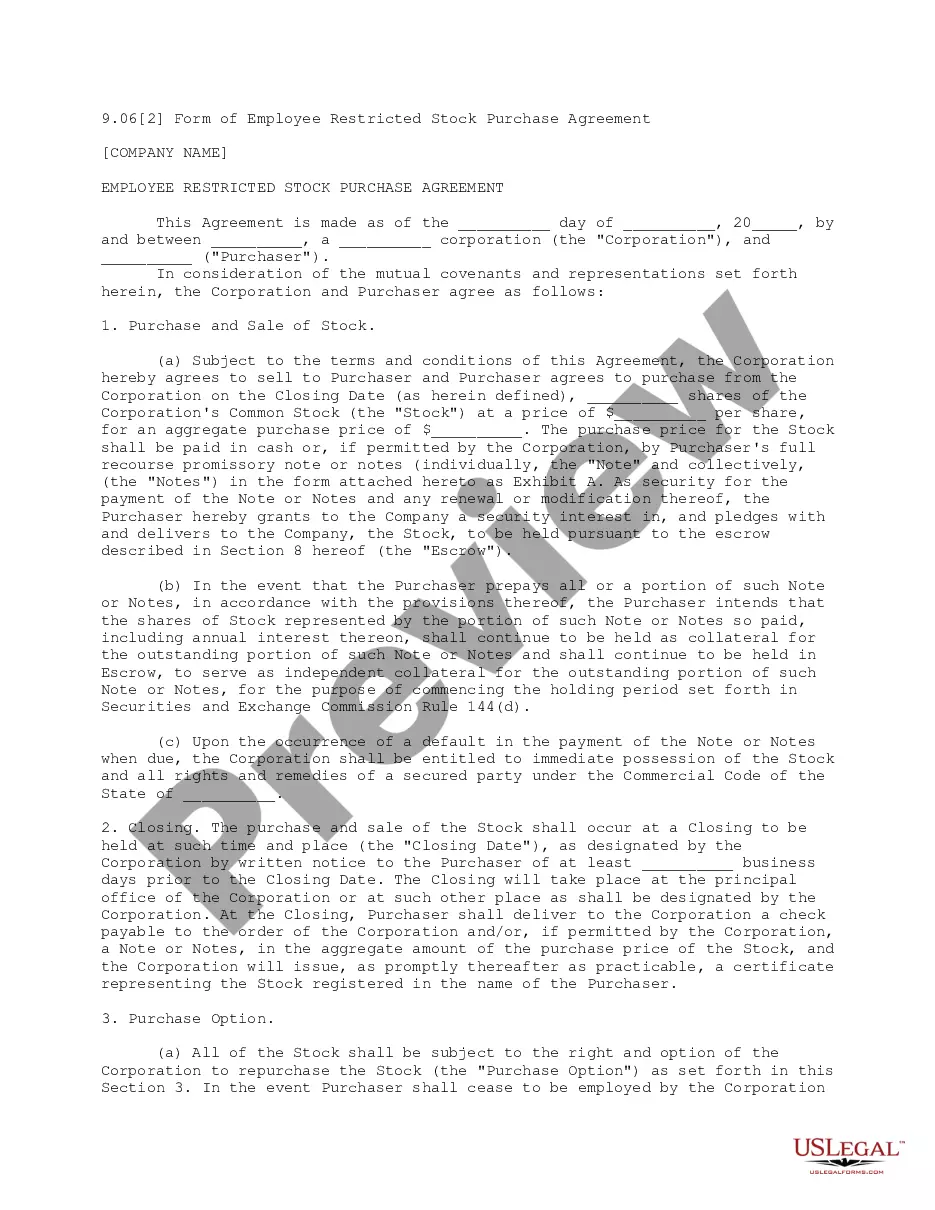
The Investor Stock Purchase Agreement is a legal document that outlines the terms and conditions under which investors will purchase preferred stock from a startup company. This form is specifically tailored for venture capitalists and other investors, ensuring their rights and responsibilities are clearly defined. Unlike other stock agreements, this document emphasizes the unique terms associated with preferred shares, such as dividends and liquidation preferences.
Main sections of this form
- Identification of parties involved: the company and the purchasers.
- Description of the preferred stock being purchased.
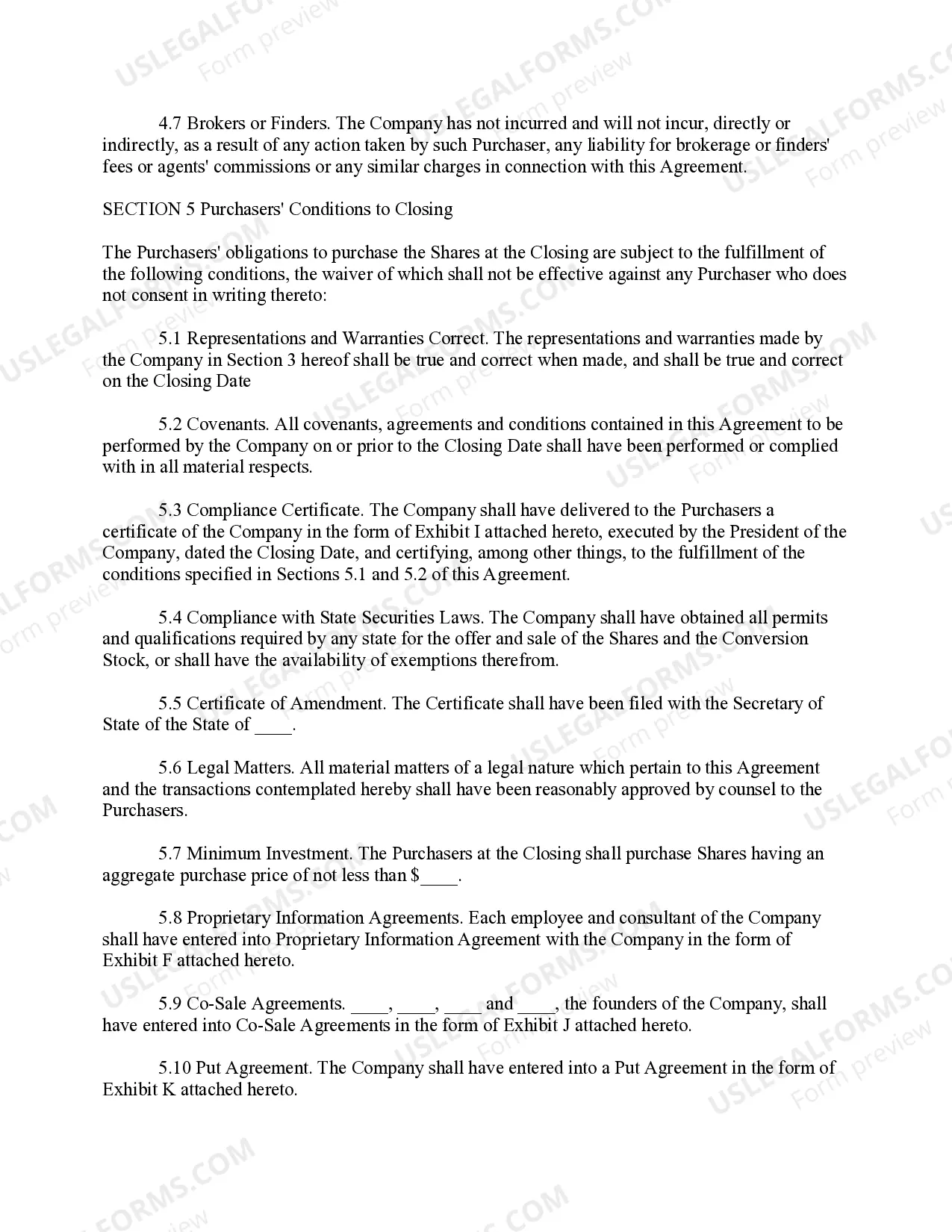
- Terms regarding the closing of the transaction, including payment details.
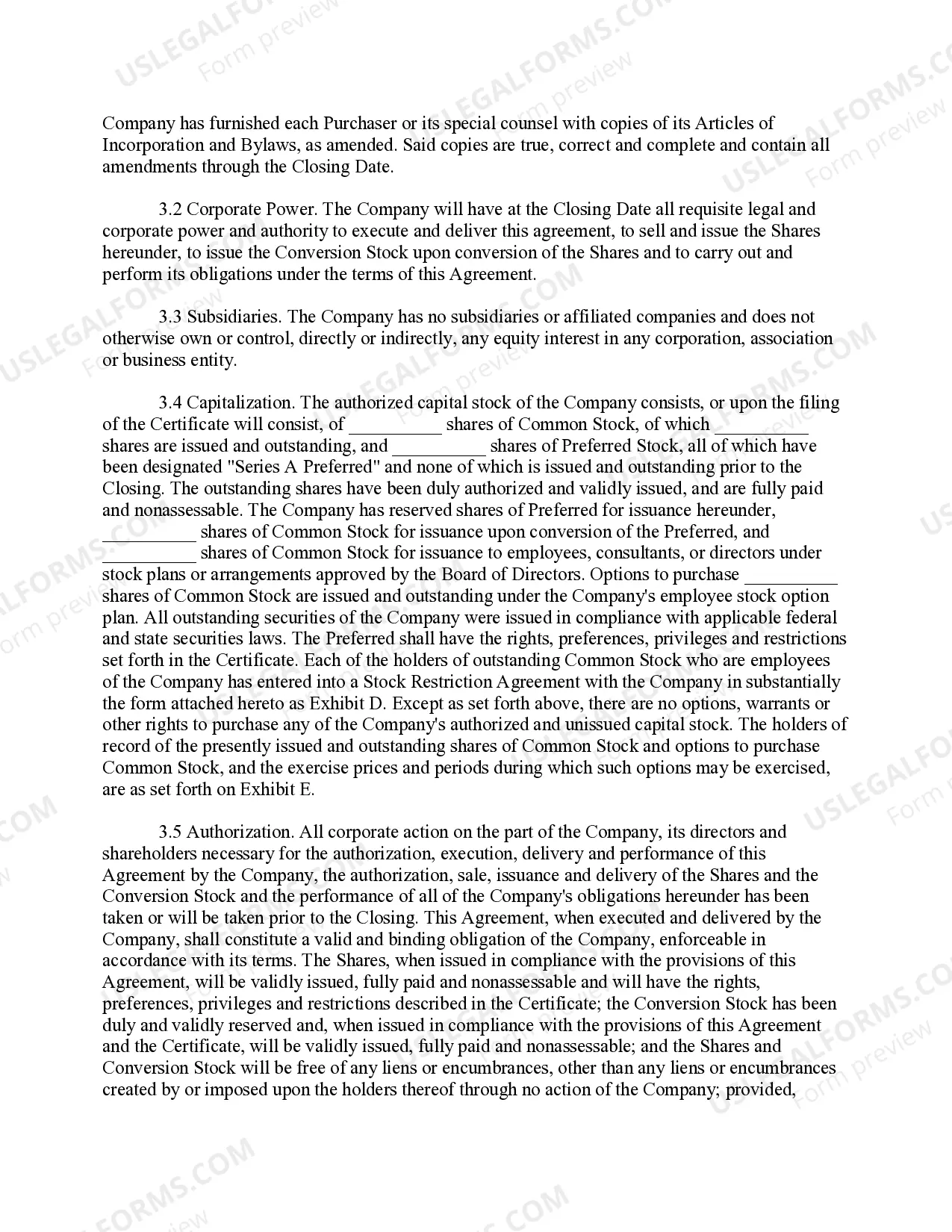
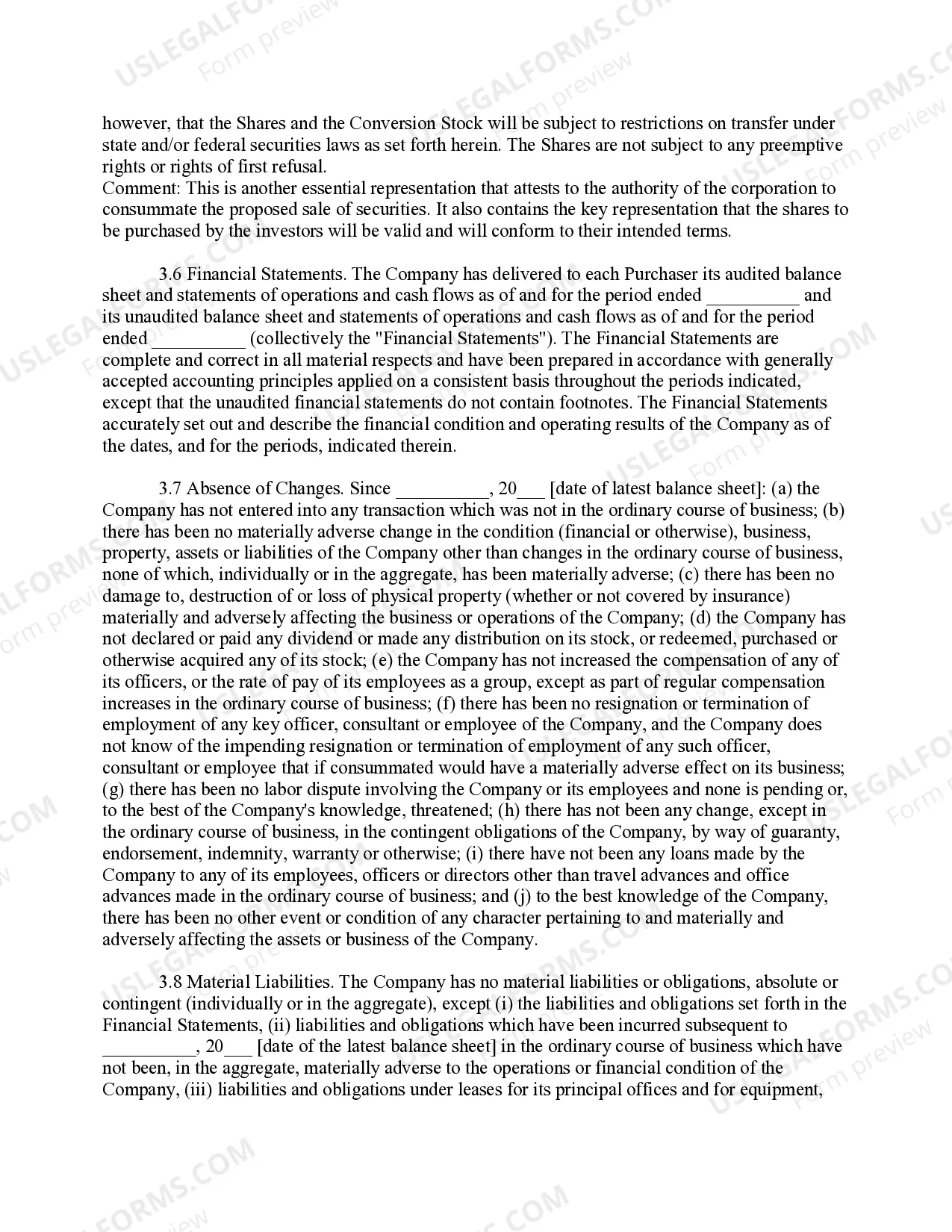
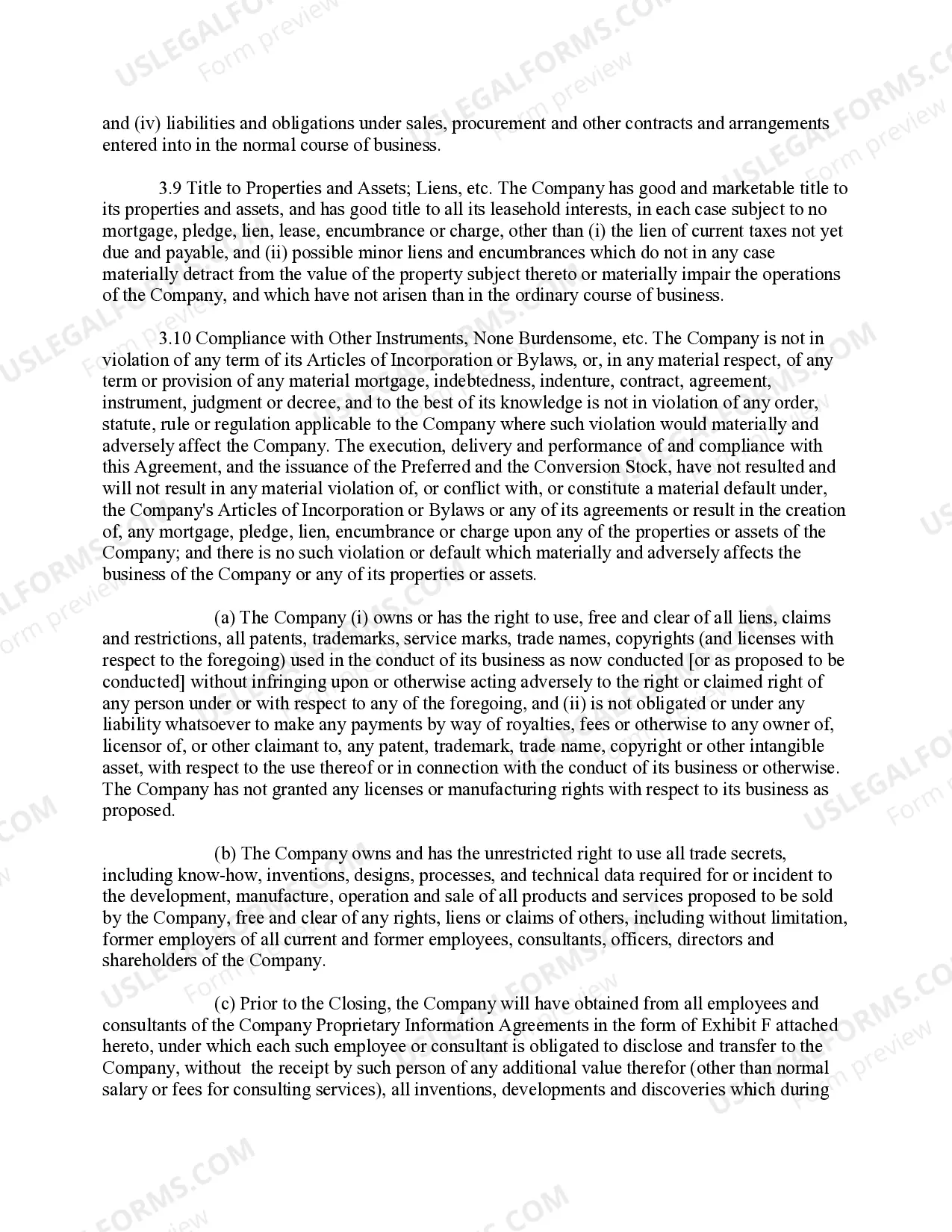
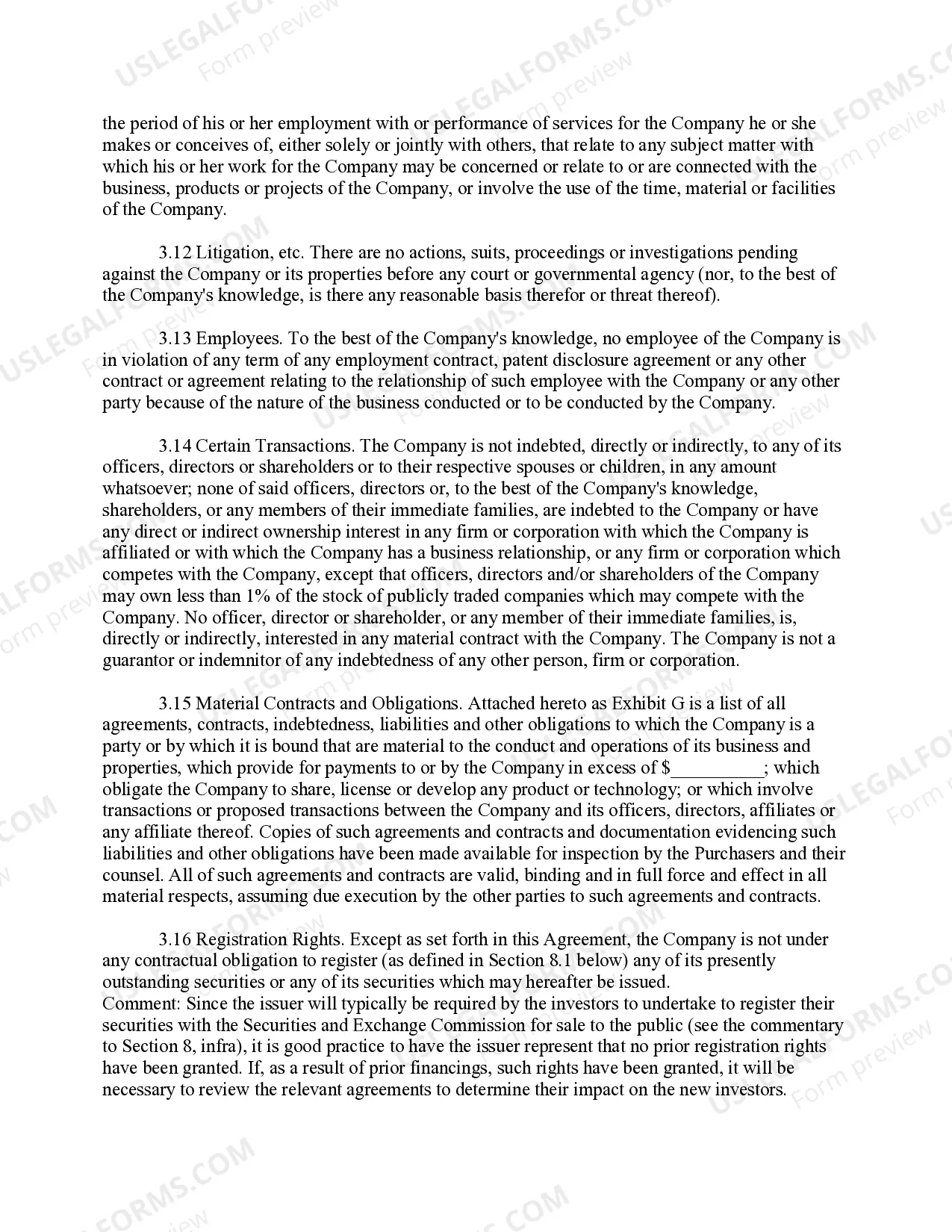
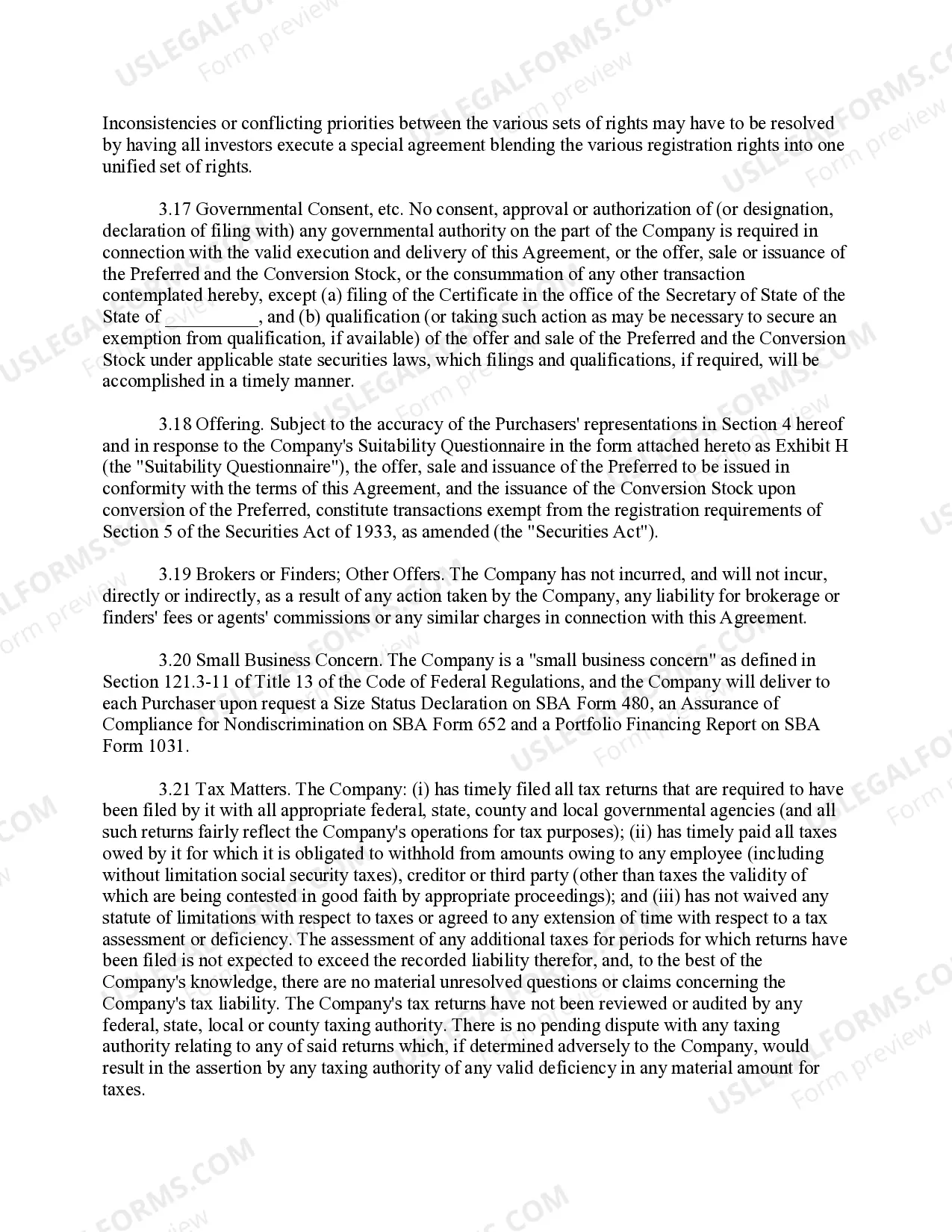
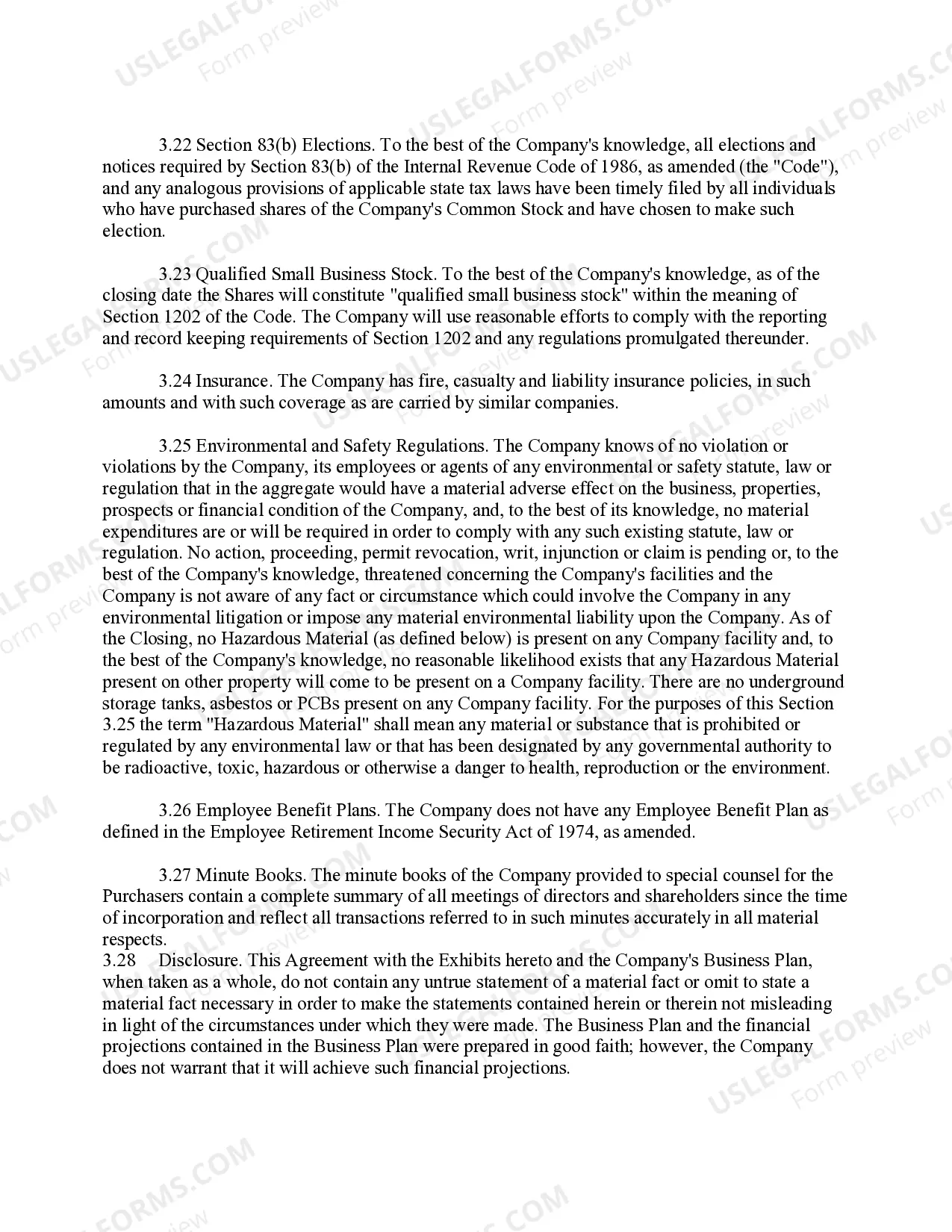
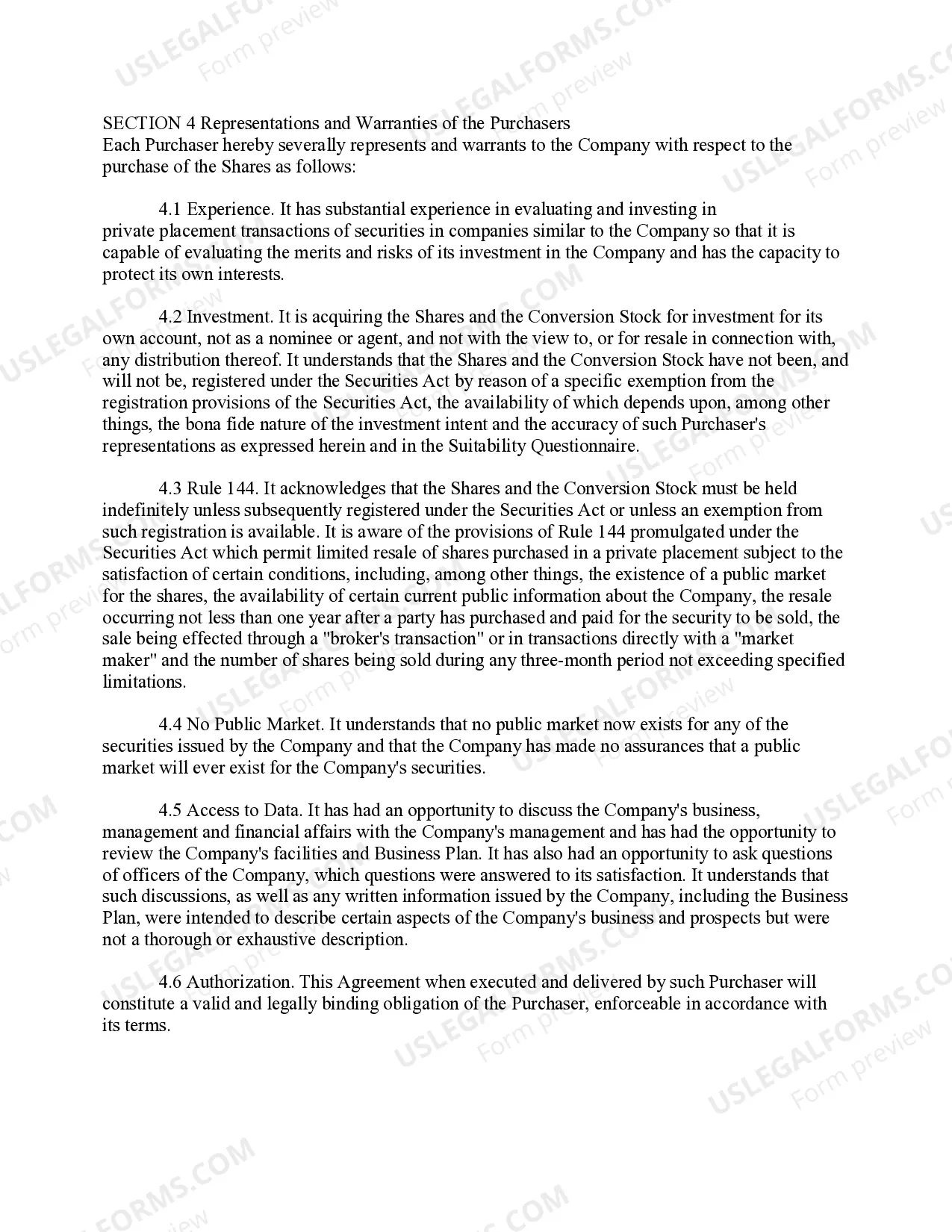
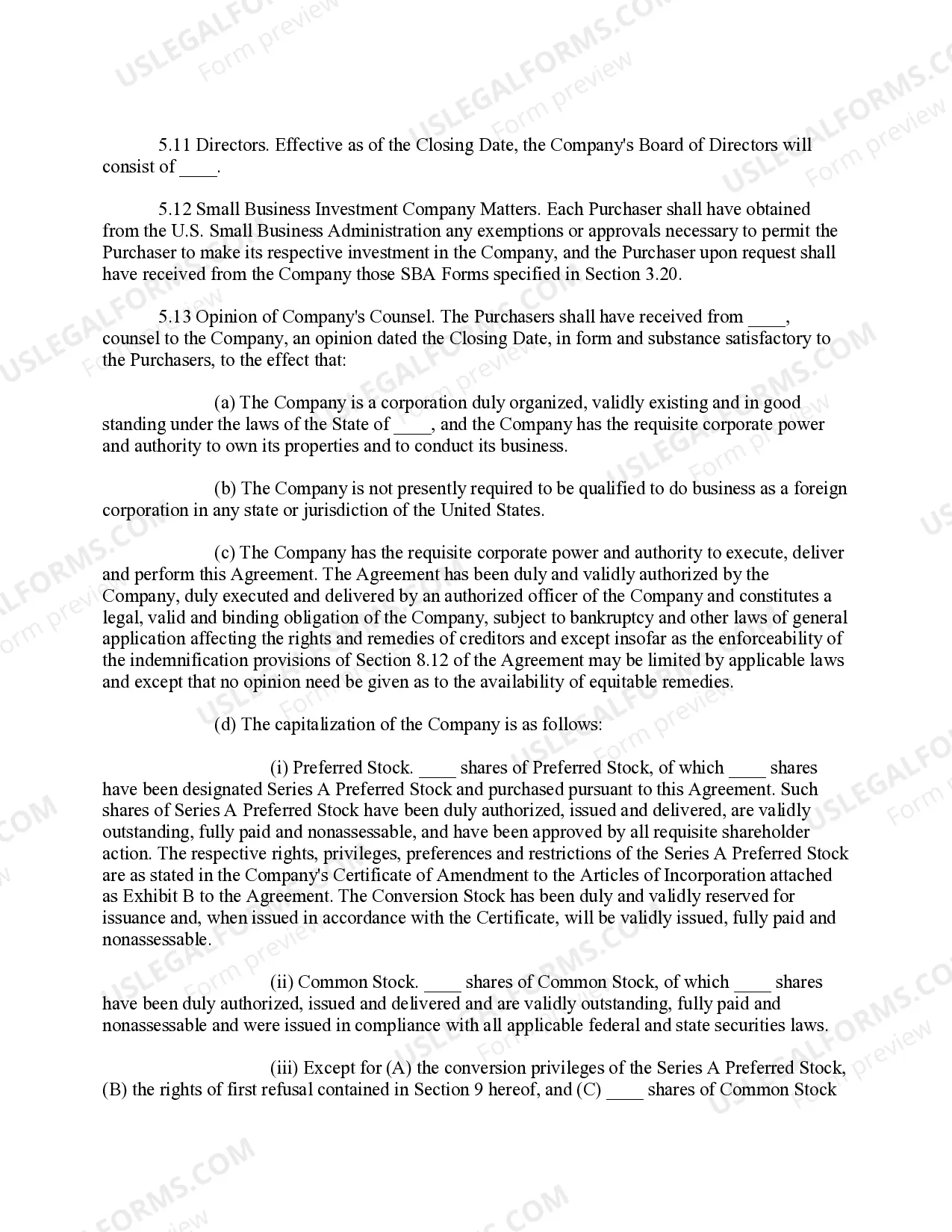
- Representations and warranties made by the company about its business and legal standing.
- Conditions under which the shares can be transferred or sold.

Common use cases
This form should be used when a startup seeks investment through the sale of preferred stock to raise capital. It is essential in circumstances where the company needs to formalize investment agreements with venture capital or private equity investors, ensuring that all parties clearly understand the investment's terms.
Who this form is for
- Startups looking to raise capital through the issuance of preferred stock.
- Venture capitalists and private investors interested in acquiring equity in a startup.
- Corporate attorneys drafting or reviewing investment agreements related to stock purchases.
How to complete this form
- Identify the company and the investors by filling in their legal names and addresses.
- Specify the number of shares being purchased and the total purchase price.
- Add details regarding the payment method to be used at closing.
- Include representations and warranties that the company is legally formed and authorized to issue stock.
- Ensure all parties sign and date the agreement to make it legally binding.
Does this form need to be notarized?
Notarization is generally not required for this form. However, certain states or situations might demand it. You can complete notarization online through US Legal Forms, powered by Notarize, using a verified video call available anytime.
Get your form ready online
Our built-in tools help you complete, sign, share, and store your documents in one place.
Make edits, fill in missing information, and update formatting in US Legal Forms—just like you would in MS Word.
Download a copy, print it, send it by email, or mail it via USPS—whatever works best for your next step.
Sign and collect signatures with our SignNow integration. Send to multiple recipients, set reminders, and more. Go Premium to unlock E-Sign.
If this form requires notarization, complete it online through a secure video call—no need to meet a notary in person or wait for an appointment.
We protect your documents and personal data by following strict security and privacy standards.

Make edits, fill in missing information, and update formatting in US Legal Forms—just like you would in MS Word.

Download a copy, print it, send it by email, or mail it via USPS—whatever works best for your next step.

Sign and collect signatures with our SignNow integration. Send to multiple recipients, set reminders, and more. Go Premium to unlock E-Sign.

If this form requires notarization, complete it online through a secure video call—no need to meet a notary in person or wait for an appointment.

We protect your documents and personal data by following strict security and privacy standards.
Avoid these common issues
- Failing to include all necessary signatures can render the agreement invalid.
- Not providing complete and accurate representations and warranties may lead to legal complications.
- Overlooking state-specific regulatory requirements related to stock issuance.
Benefits of using this form online
- Convenience of accessing and downloading the form from anywhere.
- Editable format allows for easy customization to fit specific needs.
- Access to expert-reviewed templates, ensuring legal compliance and accuracy.
Legal use & context
- This agreement serves as a binding contract between the company and the investors, outlining the terms of the sale of preferred stock.
- Enforceability may depend on state-specific securities laws; it is advisable to seek legal counsel when drafting and completing this form.
- The form provides necessary protections for investors, ensuring that their investment is regulated properly under state and federal laws.
Looking for another form?



Form popularity
FAQ
The share purchase agreement is the main document. It is normally drafted by the buyer although it is common for the seller to produce the first draft on an auction sale. Note. On an auction sale, the first draft of the share purchase agreement is generally prepared by the seller.
A real estate deal can take a turn for the worst if the contract is not carefully written to include all the legal stipulations for both the buyer and seller.You can write your own real estate purchase agreement without paying any money as long as you include certain specifics about your home.
A real estate deal can take a turn for the worst if the contract is not carefully written to include all the legal stipulations for both the buyer and seller.You can write your own real estate purchase agreement without paying any money as long as you include certain specifics about your home.
Name of company. Par value of shares. Name of purchaser. Warranties and representations made by the seller and purchaser. Possible employee issues such as benefits and bonuses. How many shares are being sold. Where and when the transaction takes place.
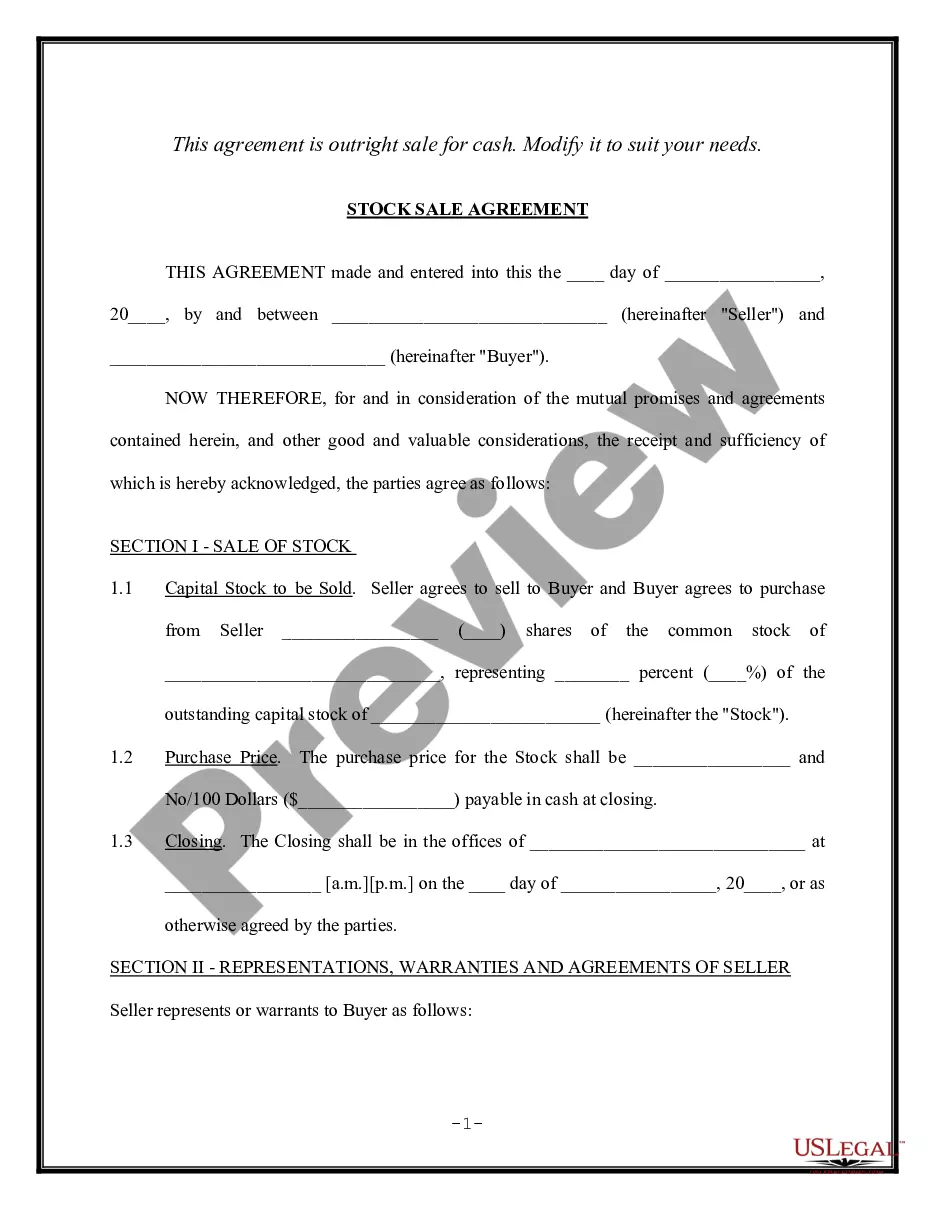
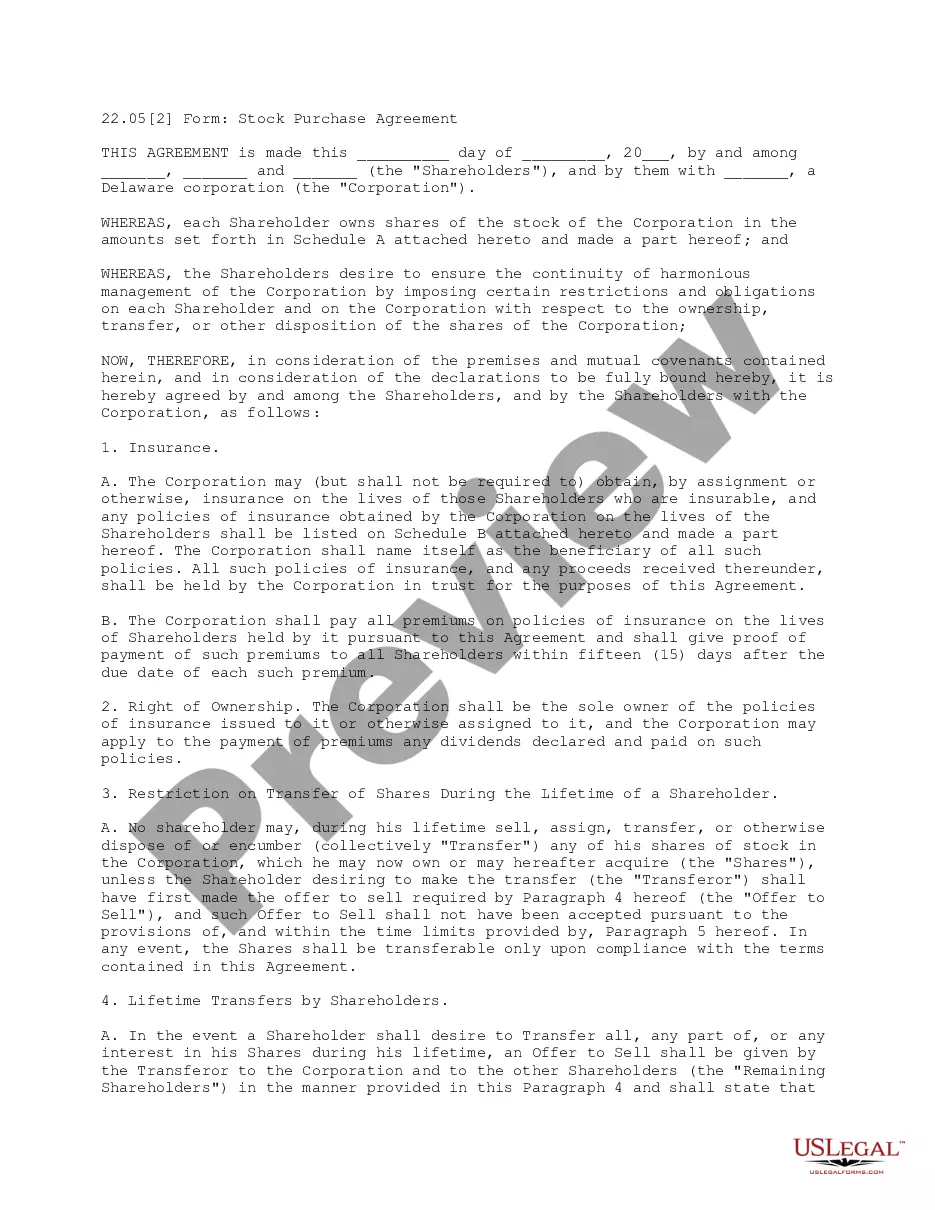
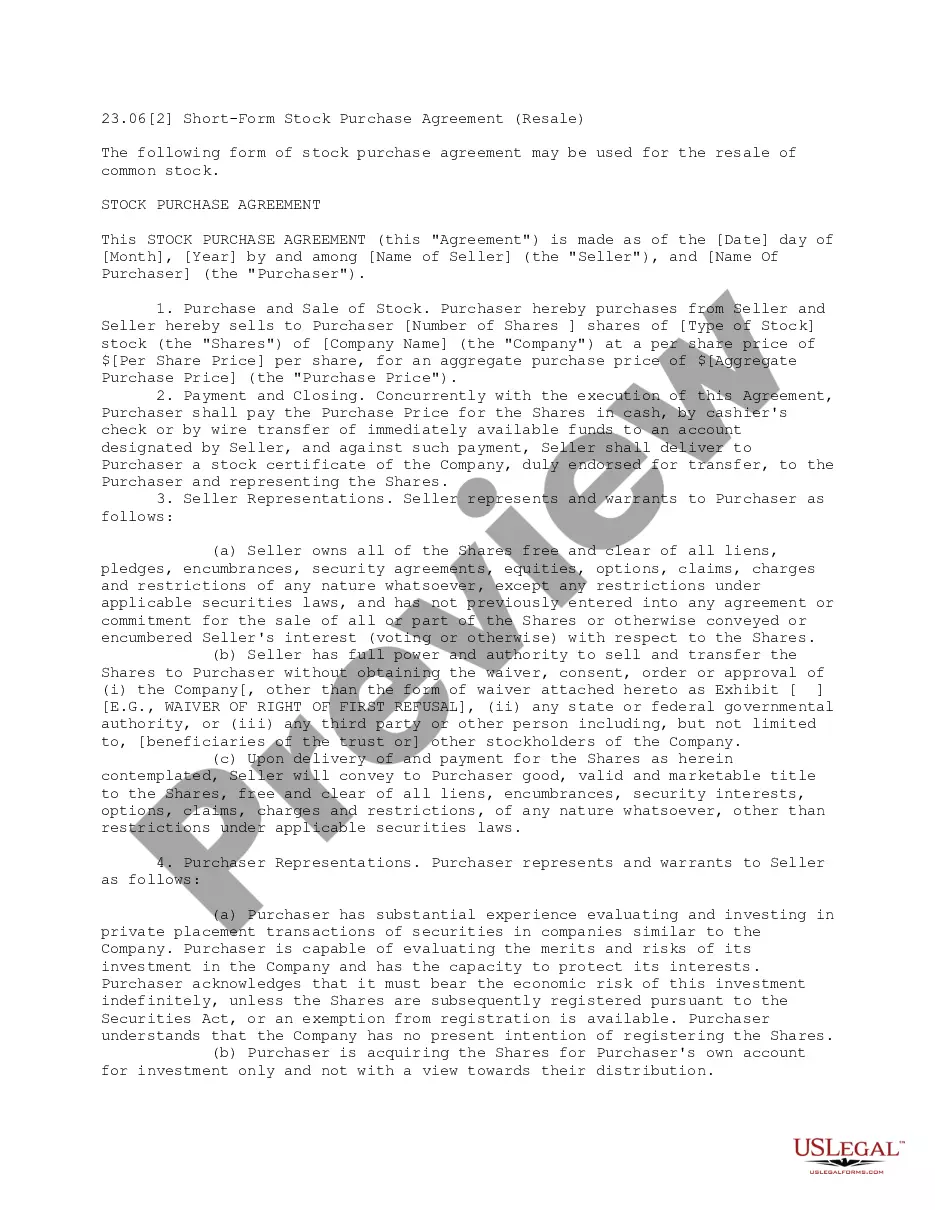
A stock purchase agreement is a contract to transfer ownership of stocks from the seller to the purchaser. The key provisions of a stock purchase agreement have to do with the transaction itself, such as the date of the transaction, the number of stock certificates, and the price per share.
There are three types of investors: pre-investor, passive investor, and active investor.
An investor is any person or other entity (such as a firm or mutual fund) who commits capital with the expectation of receiving financial returns.Investors can analyze opportunities from different angles, and generally prefer to minimize risk while maximizing returns.
Some pay income in the form of interest or dividends, while others offer the potential for capital appreciation. Still, others offer tax advantages in addition to current income or capital gains. All of these factors together comprise the total return of an investment.
Most investors take a percentage of ownership in your company in exchange for providing capital. Angel investors typically want from 20 to 25 percent return on the money they invest in your company.Invariably, an investor will ask for equity in your company so they're with you until you sell the business.