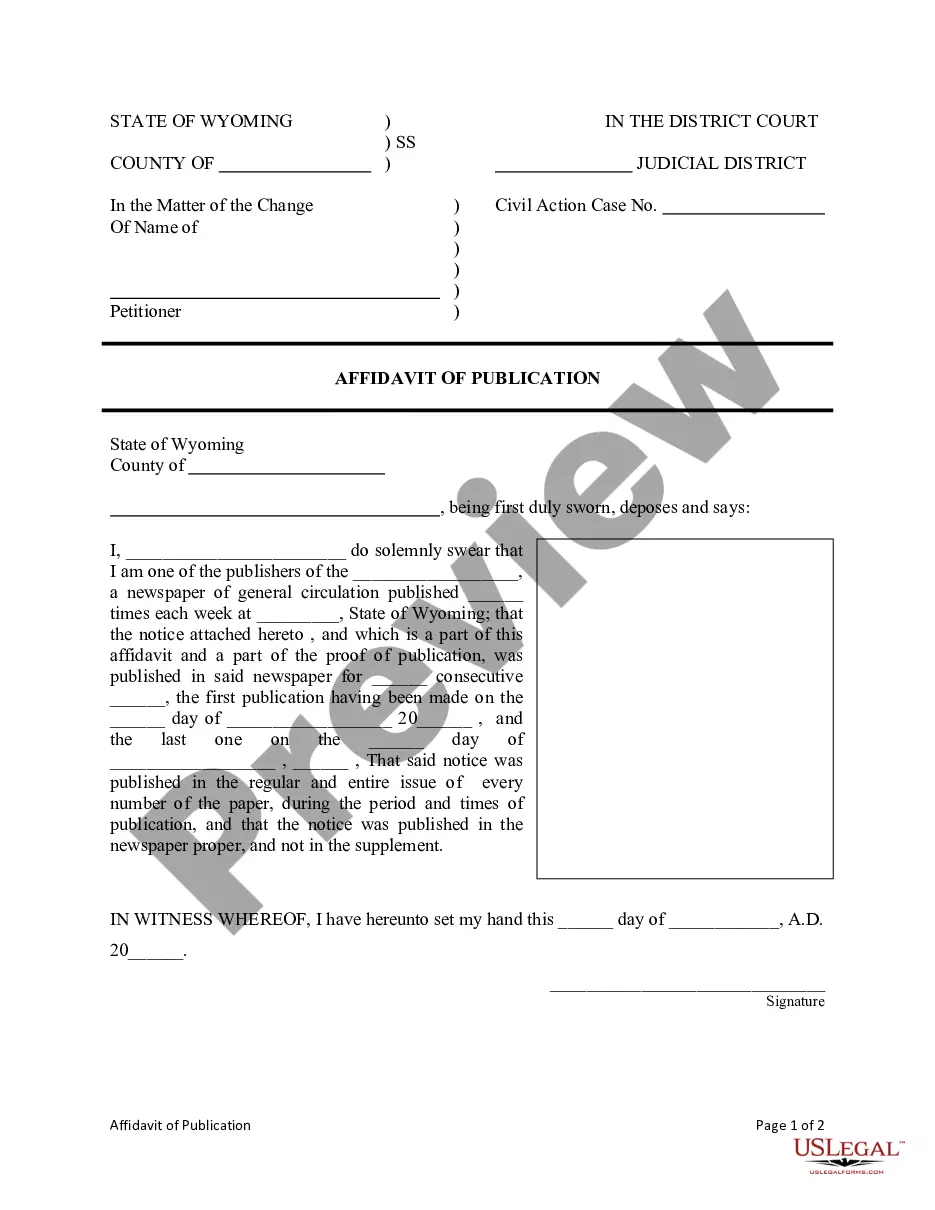
Permission To Provide Medical Or Surgical Care
About this form
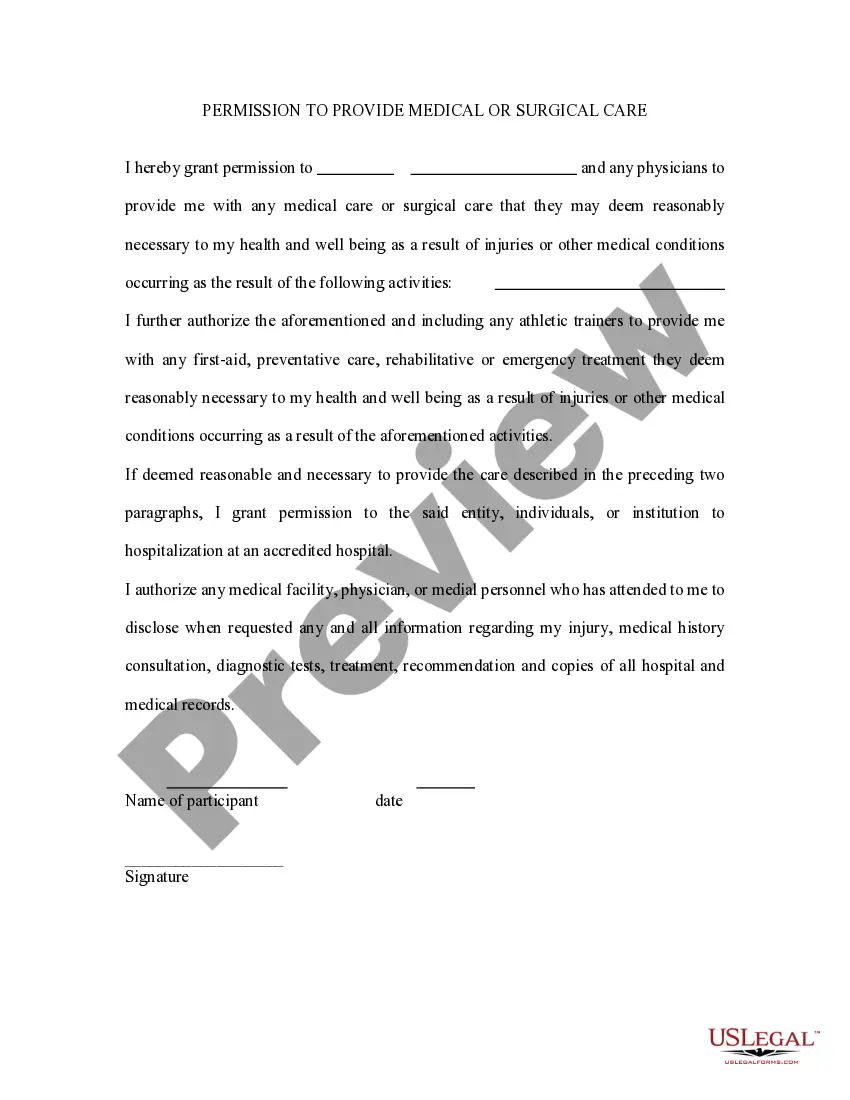
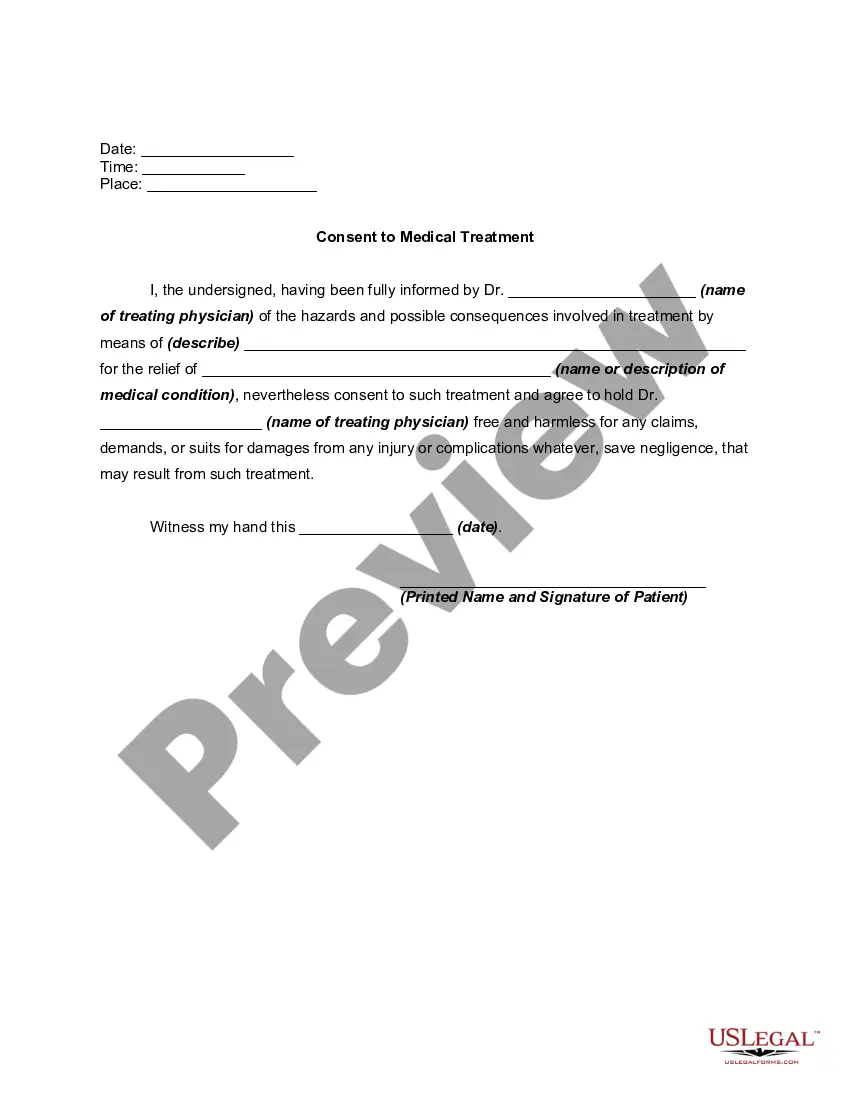
The Permission to Provide Medical or Surgical Care form allows an athlete or activity participant to authorize an organization or institution to provide emergency medical treatment or surgical care if needed. This form is essential in emergency situations, ensuring that medical professionals can act quickly and effectively. Unlike other medical consent forms, this form specifically addresses participation in athletic or group activities.
What’s included in this form
- Participant's name and contact information.
- Details about the entity or institution authorized to provide care.
- A declaration that allows hospitalization at an accredited hospital.
- Signature of the participant or their legal guardian.
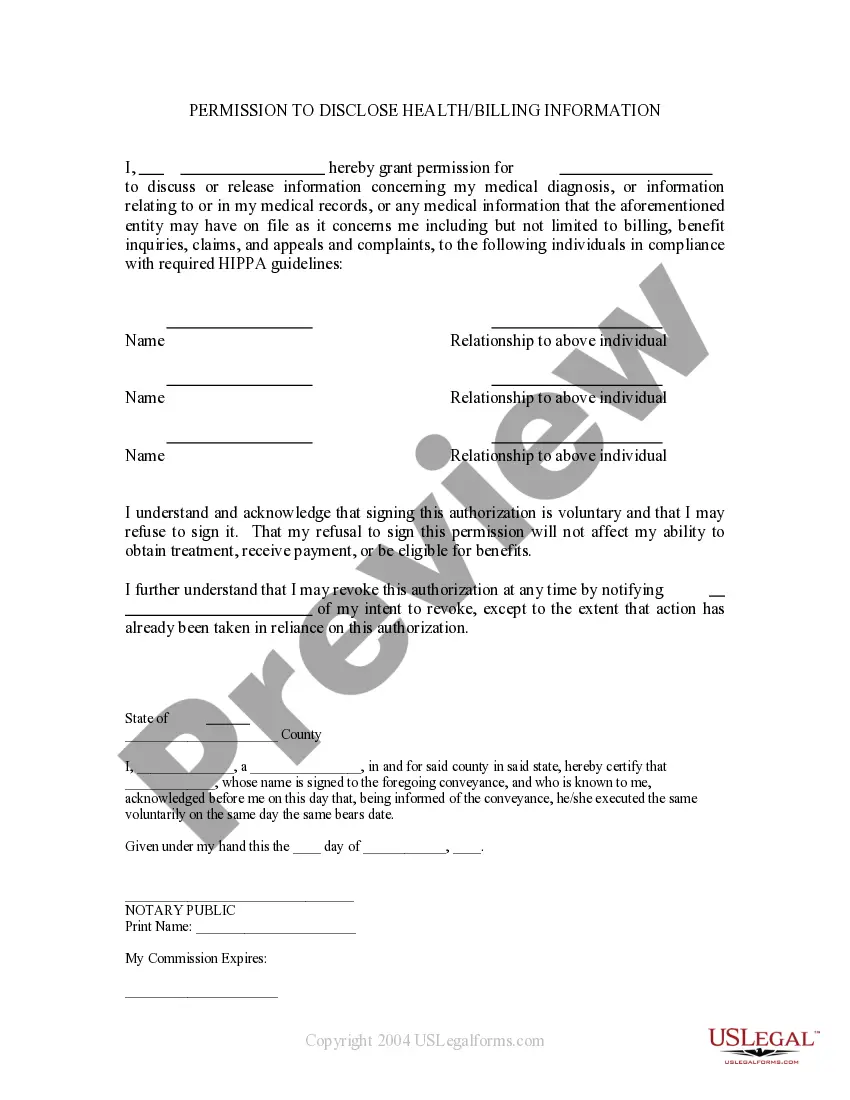
- Release of medical information to third parties as necessary.
When to use this form
This form should be used when an athlete or participant engages in sports, recreational activities, or any events where there may be a risk of injury. It is particularly important when the individual cannot provide consent directly due to the nature of the emergency or their condition.
Who should use this form
- Athletes participating in organized sports.
- Participants in recreational or community events.
- Parents or guardians signing on behalf of minors.
- Coaches and organizers needing to ensure consent for medical treatment.
Completing this form step by step
- Enter the participant's full name and contact information.
- Specify the entity or institution authorized to provide medical care.
- Indicate any specific medical information that is relevant.
- Sign and date the form, ensuring all required signatures are present.
- Ensure that a parent or guardian signs if the participant is a minor.
Notarization guidance
Notarization is generally not required for this form. However, certain states or situations might demand it. You can complete notarization online through US Legal Forms, powered by Notarize, using a verified video call available anytime.
Get your form ready online
Our built-in tools help you complete, sign, share, and store your documents in one place.
Make edits, fill in missing information, and update formatting in US Legal Forms—just like you would in MS Word.
Download a copy, print it, send it by email, or mail it via USPS—whatever works best for your next step.
Sign and collect signatures with our SignNow integration. Send to multiple recipients, set reminders, and more. Go Premium to unlock E-Sign.
If this form requires notarization, complete it online through a secure video call—no need to meet a notary in person or wait for an appointment.
We protect your documents and personal data by following strict security and privacy standards.

Make edits, fill in missing information, and update formatting in US Legal Forms—just like you would in MS Word.

Download a copy, print it, send it by email, or mail it via USPS—whatever works best for your next step.

Sign and collect signatures with our SignNow integration. Send to multiple recipients, set reminders, and more. Go Premium to unlock E-Sign.

If this form requires notarization, complete it online through a secure video call—no need to meet a notary in person or wait for an appointment.

We protect your documents and personal data by following strict security and privacy standards.
Common mistakes
- Failing to provide complete contact information for the participant.
- Not specifying the authorized entity clearly.
- Leaving sections unsigned or without a date.
- Neglecting to inform relevant parties about the existence of the form.
Advantages of online completion
- Convenient access to necessary forms anytime and anywhere.
- Editable templates that can be customized to fit specific needs.
- Reliable and professionally drafted content by licensed attorneys.
- Time-saving option for quick preparation ahead of events.
Main things to remember
- The Permission to Provide Medical or Surgical Care form is crucial for participants in athletic activities.
- It enables quick emergency medical responses, ensuring safety and health.
- Completing the form accurately and thoroughly is essential to prevent issues in emergencies.
Looking for another form?

Form popularity
FAQ
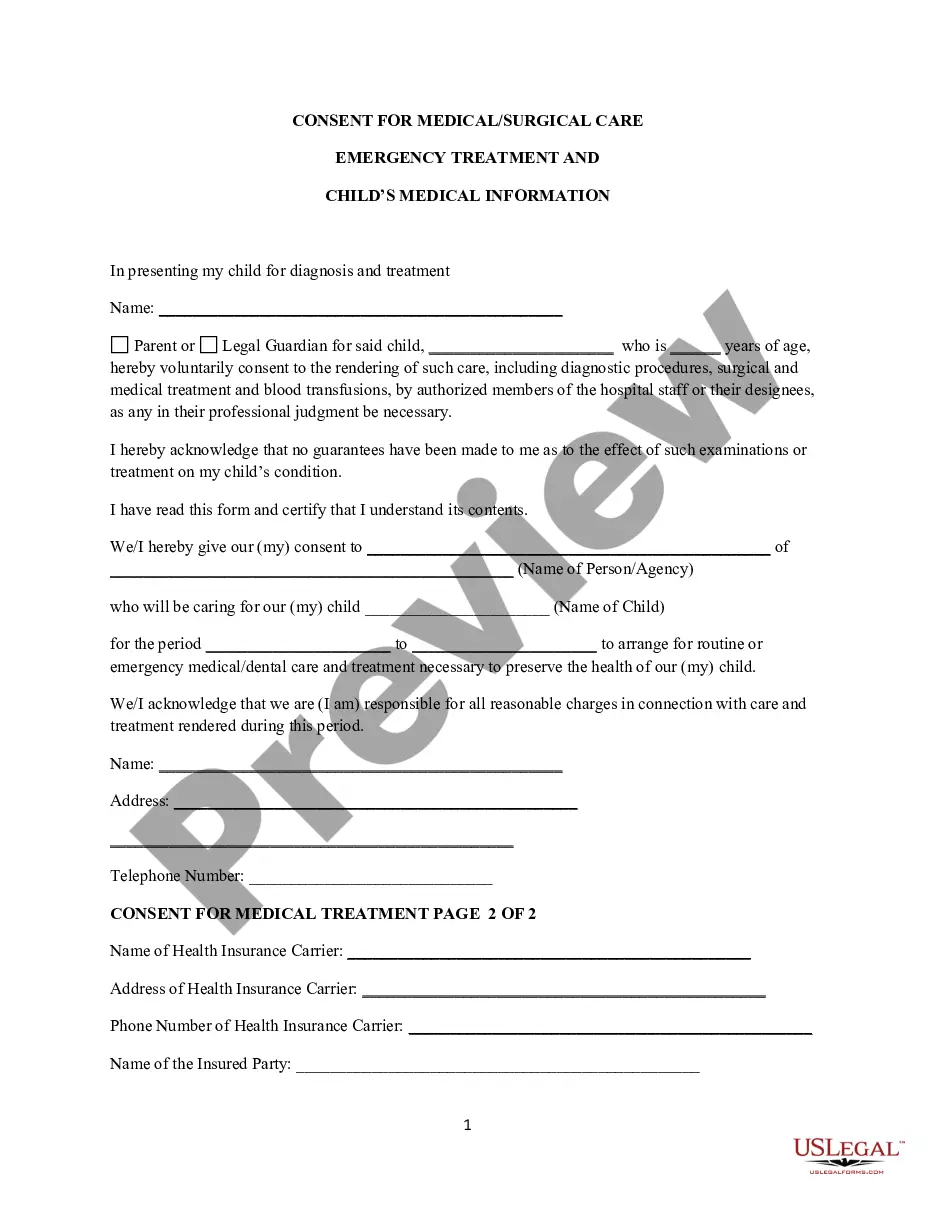
Once appointed, the Medical Enduring Power of Attorney can give consent on behalf of the person in care. In the case of an emergency, doctors and other healthcare professionals can make authorisations for treatment.
In current clinical practice, these four elements translate into five components that should be included in a discussion seeking to obtain informed consent: the diagnosis, the proposed treatment, the attendant risks and benefits of the treatment, alternative treatments and their risks and benefits, and the risks and
Informed consent should be a collaborative activity between the physician, nurse, and patient. The physician should have obtained consent before the nurse has the patient sign a form. Nurses can offer what we do bestpatient teaching, as we check patient understanding and obtain written consent.
The information that must be given to you as a patient includes: The diagnosis and likely outcome (prognosis) of your condition. An explanation of the recommended treatment. The risks of the procedure and common side effects.
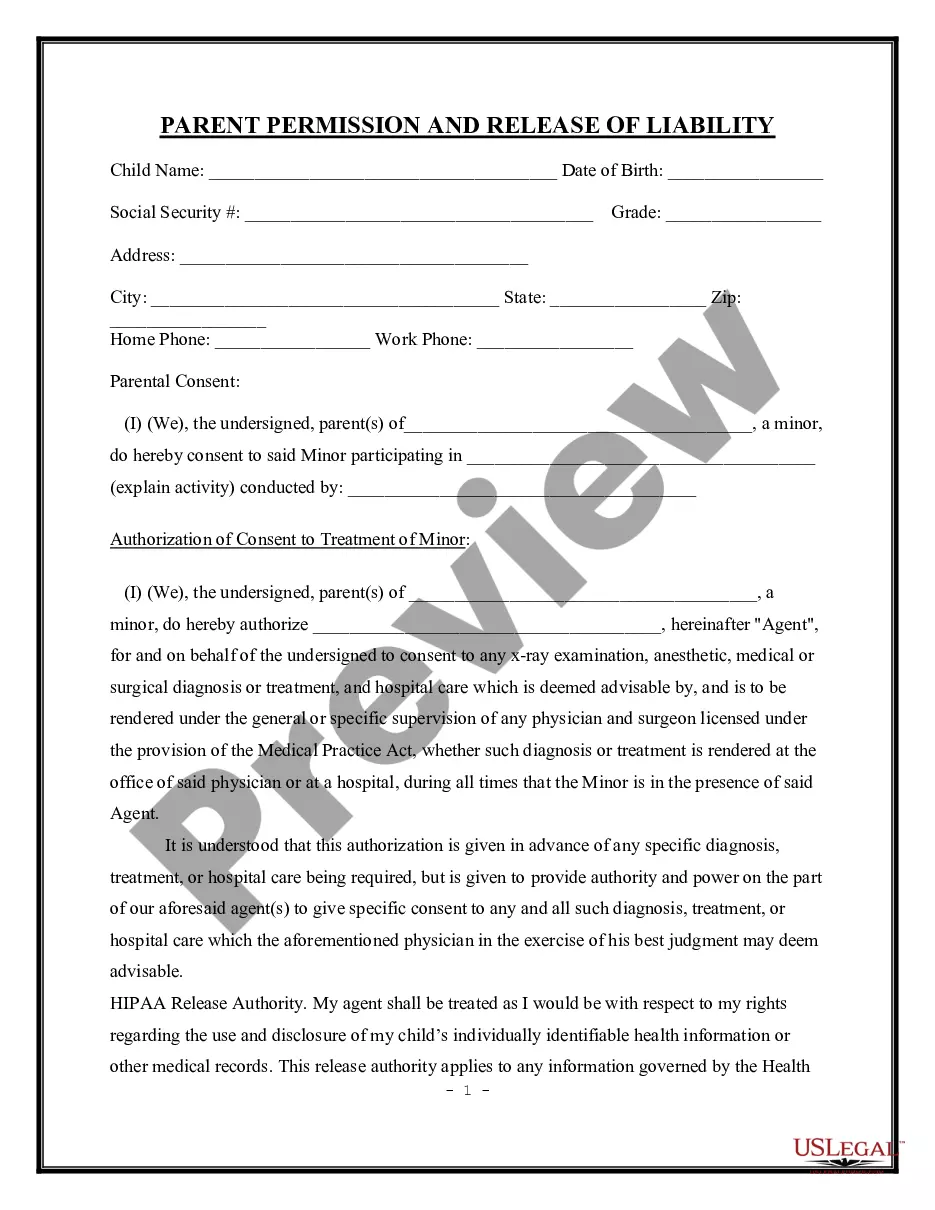
A For most medical procedures, it is sufficient to obtain the consent of one parent (in an intact married couple). However, if treatment poses a significant risk to the minor or violates the personal or religious beliefs of one or both parents, it is advisable to obtain the consent of both parents.
An adult 18 years of age and older can give consent for his or her own treatment, unless they have a guardian who is designated to provide consent for the individual.
You will also be asked to sign an informed consent form. This form states that you understand everything about your surgery. You should read through the consent carefully before signing it. Ask your doctor if you have any questions or need more information.
Valid informed consent for research must include three major elements: (1) disclosure of information, (2) competency of the patient (or surrogate) to make a decision, and (3) voluntary nature of the decision. US federal regulations require a full, detailed explanation of the study and its potential risks.
The surgical consent form is used to ensure a patient has been provided with all the necessary information concerning a proposed surgery/special procedure, and that they agree to undergo the operation. Any risks associated with the procedure and treatment thereafter must be outlined in the form.