Clause Providing for the Periodic Increase in the Tenant Security to Reflect Increases in Base Rent
About this form
This form is a clause providing for the periodic increase in the tenant security deposit to reflect increases in the base rent. It ensures that the owner maintains a security deposit equivalent to two full months of base rent at all times. This clause is important for landlords to protect their financial interests as rental prices increase over time, differentiating it from standard lease agreements that do not include specific provisions for adjusting the security deposit.
Key components of this form
- Definition of the security deposit amount relative to the base rent.
- Requirement for the owner to maintain a security deposit of two full months' base rent.
- Obligation for the tenant to pay any increase in security within ten days of being notified.
- Clear connection between increases in monthly rent and corresponding increases in security deposit.
When to use this document
This form is useful in situations where a tenant's base rent is expected to increase over the lease term. Landlords can use this clause to ensure that security deposits remain adequate and protect them against potential loss. It is particularly relevant in commercial leases where base rent can fluctuate based on market conditions, enabling landlords to adjust security deposits accordingly.
Who can use this document
- Landlords seeking to protect their rental income through increased security deposits.
- Property management companies managing multiple rental properties.
- Tenants entering into a commercial lease agreement and wishing to understand their financial obligations.
Completing this form step by step
- Identify the parties involved in the lease agreement (landlord and tenant).
- Specify the property address being leased.
- Clearly state the base rent amount and any agreed-upon increments.
- Enter the details regarding the security deposit and its increase conditions.
- Ensure all parties sign and date the form to validate the agreement.
Notarization guidance
Notarization is generally not required for this form. However, certain states or situations might demand it. You can complete notarization online through US Legal Forms, powered by Notarize, using a verified video call available anytime.
Get your form ready online
Our built-in tools help you complete, sign, share, and store your documents in one place.
Make edits, fill in missing information, and update formatting in US Legal Forms—just like you would in MS Word.
Download a copy, print it, send it by email, or mail it via USPS—whatever works best for your next step.
Sign and collect signatures with our SignNow integration. Send to multiple recipients, set reminders, and more. Go Premium to unlock E-Sign.
If this form requires notarization, complete it online through a secure video call—no need to meet a notary in person or wait for an appointment.
We protect your documents and personal data by following strict security and privacy standards.

Make edits, fill in missing information, and update formatting in US Legal Forms—just like you would in MS Word.

Download a copy, print it, send it by email, or mail it via USPS—whatever works best for your next step.

Sign and collect signatures with our SignNow integration. Send to multiple recipients, set reminders, and more. Go Premium to unlock E-Sign.

If this form requires notarization, complete it online through a secure video call—no need to meet a notary in person or wait for an appointment.

We protect your documents and personal data by following strict security and privacy standards.
Mistakes to watch out for
- Failing to clearly specify how often the rent increases will occur.
- Not including the timeframe for paying increased security deposits.
- Omitting signatures from all relevant parties.
- Ignoring state regulations regarding security deposits.
Why complete this form online
- Convenient access to a legally drafted form, ensuring reliability.
- Edit the template easily to suit specific rental agreements.
- Save time compared to drafting a clause from scratch.
- Streamlined process for both landlords and tenants to understand their obligations.
Legal use & context
- This clause is enforceable as part of the lease agreement, provided it is properly filled out and agreed upon by both parties.
- It is designed to enhance the security for landlords while also ensuring transparency for tenants regarding their financial obligations.
Main things to remember
- The clause ensures that a tenant's security deposit reflects any increases in base rent.
- Both landlords and tenants have specific obligations under this form.
- Timeliness in responding to security deposit increase notifications is crucial for compliance.
Looking for another form?
Form popularity
FAQ
A typical rent increase is around 3-5% annually.
In cases like this, landlords are entitled to deduct the remaining tax basis in capitalized leasehold improvements made for a particular tenant upon termination of the lease if such improvements are irrevocably disposed of or abandoned and won't be used by a subsequent tenant.
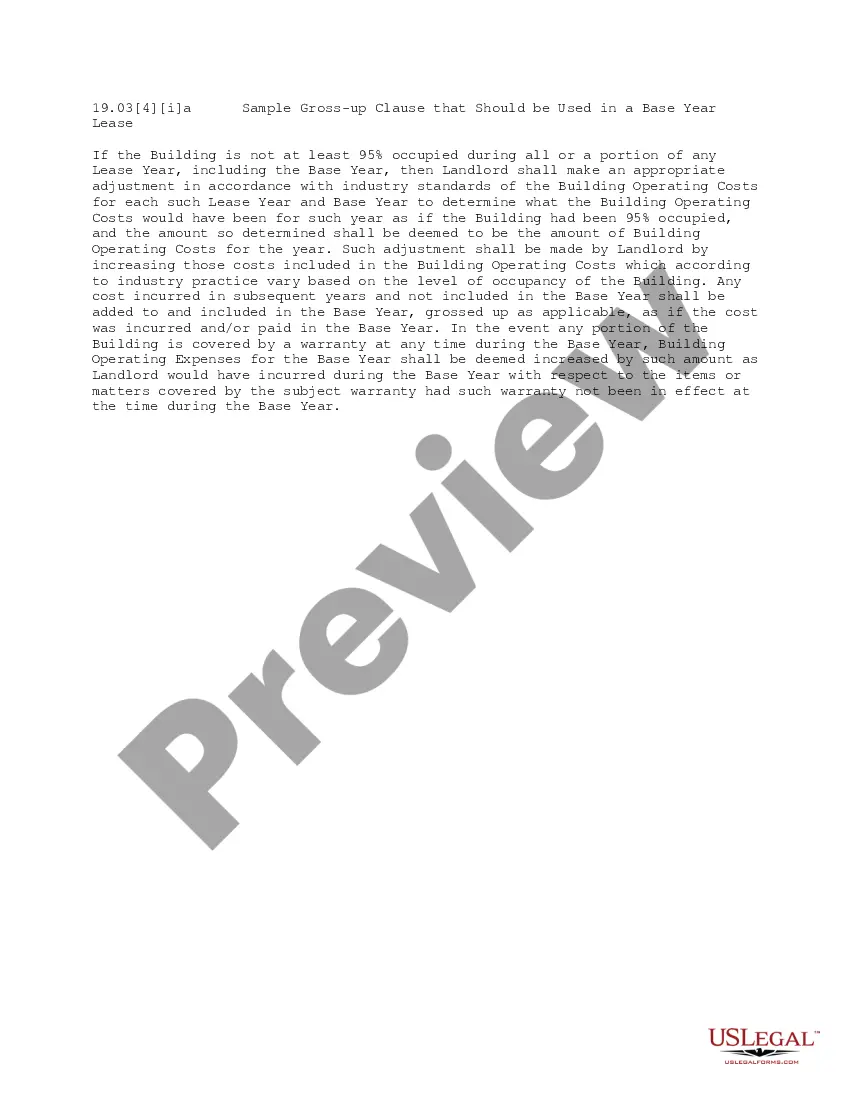
An Annual Increase is a clause in a lease which provides for the base rent amount or operating expenses to be increased and/or to reflect changes in expenses paid by the landlord such as real estate taxes, insurance and operating expenses.
Tenant can claim for: Necessary improvements to protect or preserve the property (costs expended),The claim arises only once the lease is terminated and lessee returned the property. The court has discretion to disallow a claim for useful improvements.
Remember you're a business. Do your research. Raise the rent all at once or incrementally. Don't negotiate or ask tenants what they think a fair rent increase would be. Be courteous and firm. Find a template you like. Send a formal letter by certified mail. Give the tenant notice.
Tenant's name. Property address. Landlord name and contact information. Date the letter is written. Date the rent increase will take effect. Amount of rent increase. Current cost of rent.
Often, landlords will provide a 'leasehold improvement allowance' for their tenants which is merely a set amount they agree to pay for. If the improvements you want cost more than the allowance, you will be responsible for those extra costs.
The name of your tenant. The date. The property address. The lease expiration date. The date the rent increase will take effect. The amount of the increase. The current rental amount. Date the new rent will be due.
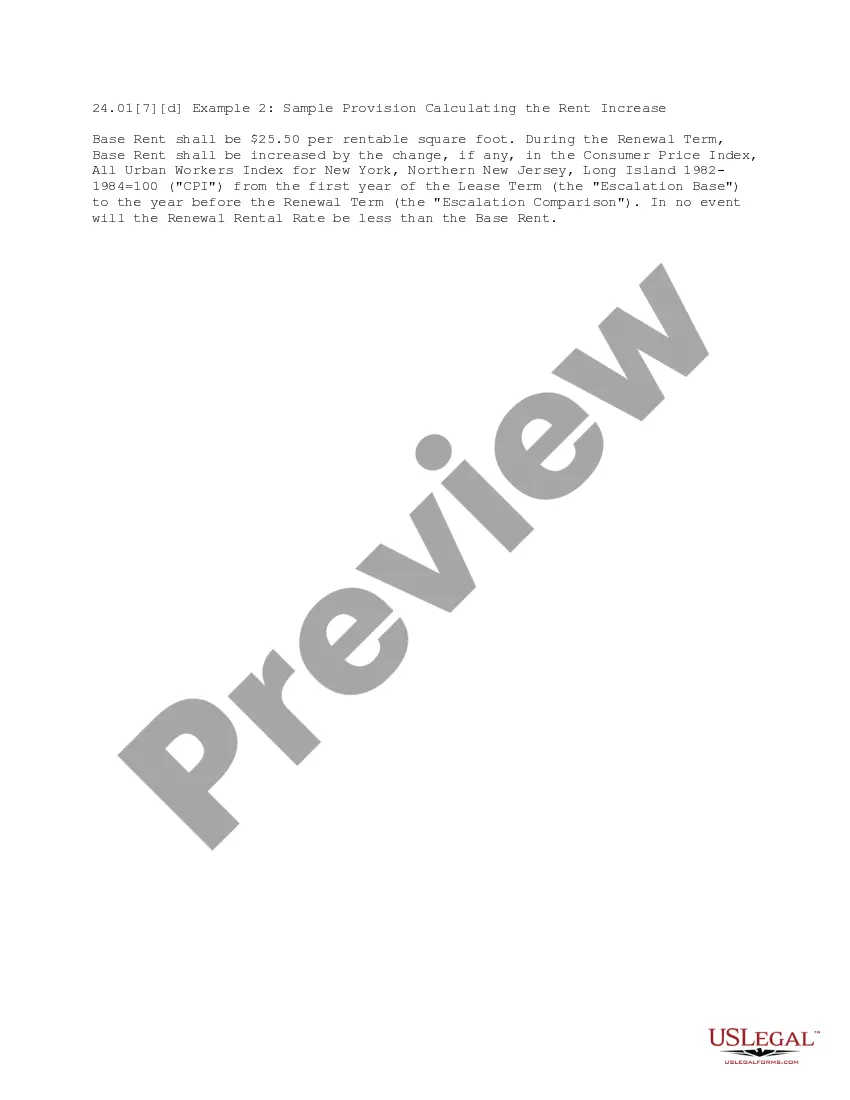
The CPI (Consumer Price Index) can also be used to determine the rate of rent escalation. Every month the Bureau of Labor Statistics of the U.S. Department of Commerce publishes the CPI, which indicates changes in the cost of living.