Sample Letter for Alleged Payments Due from Defendant
What is this form?
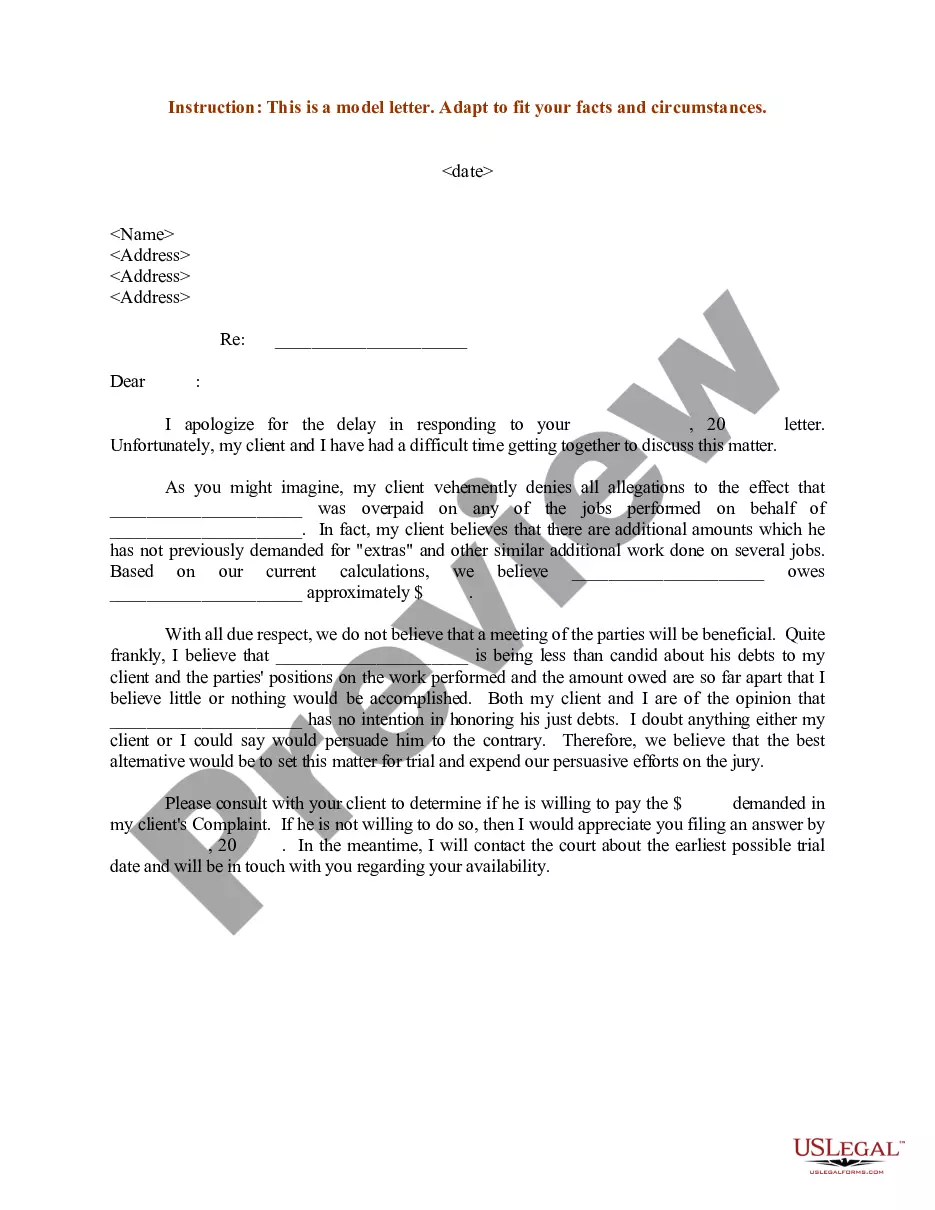
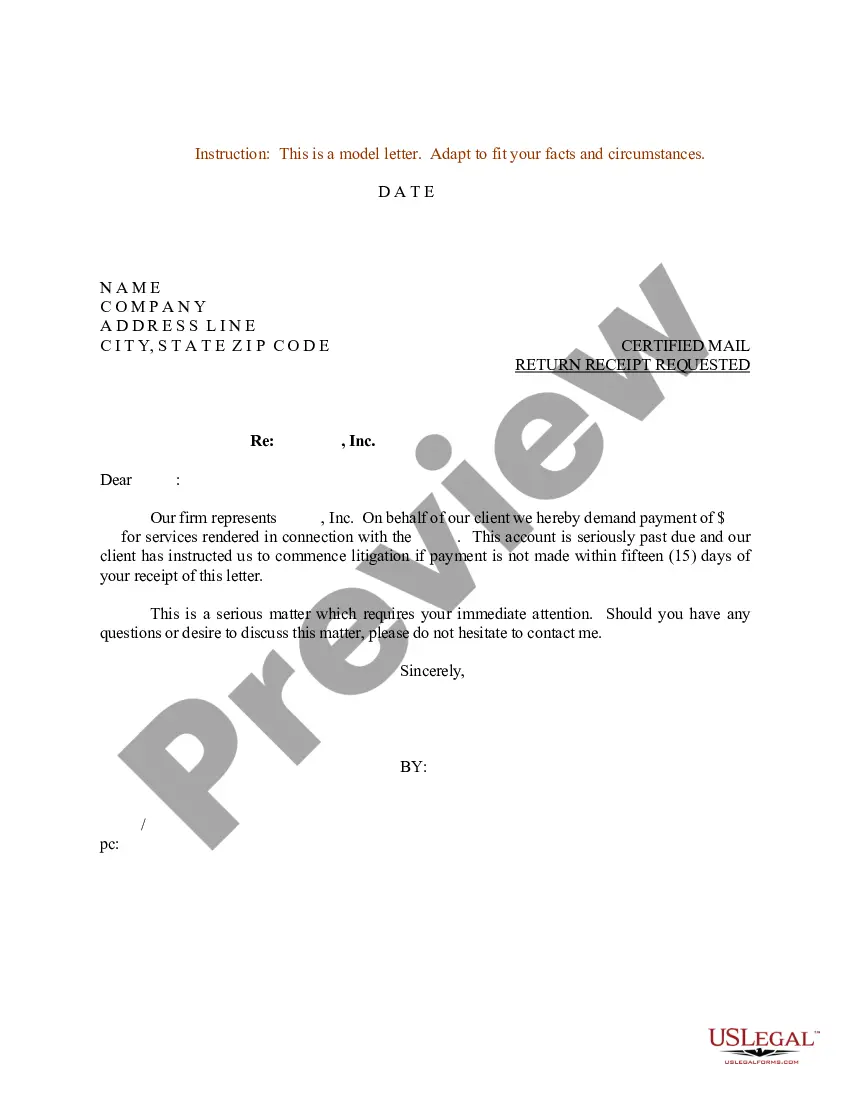
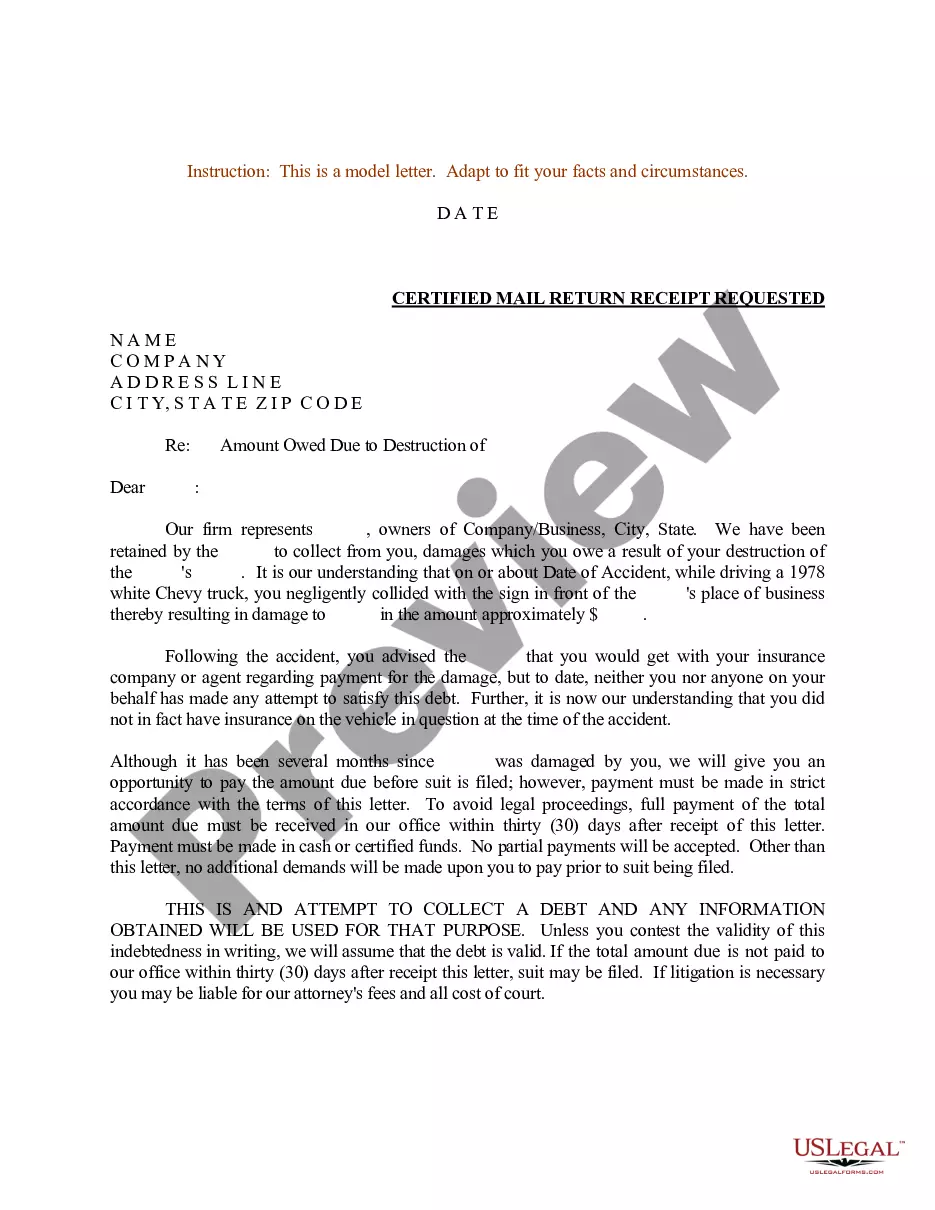
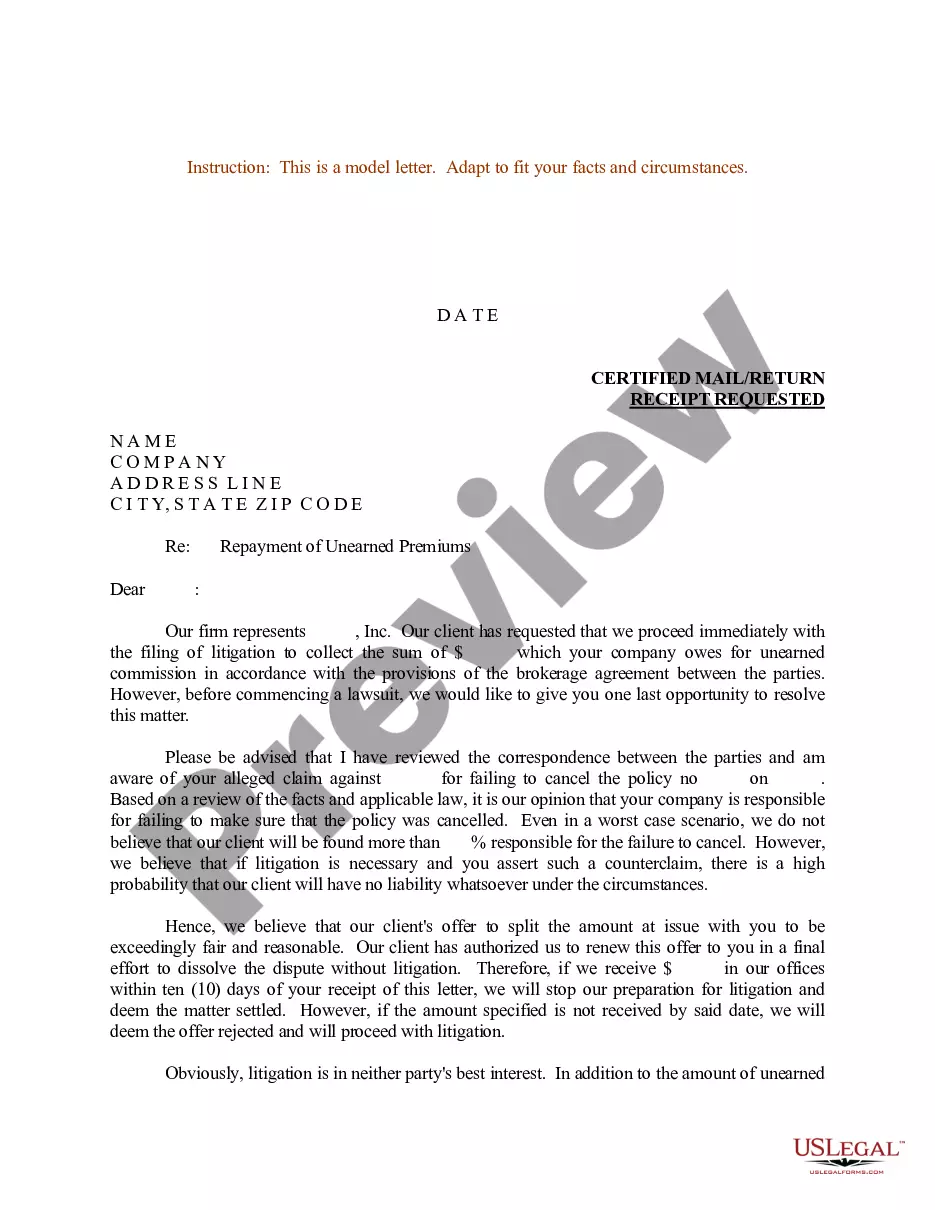
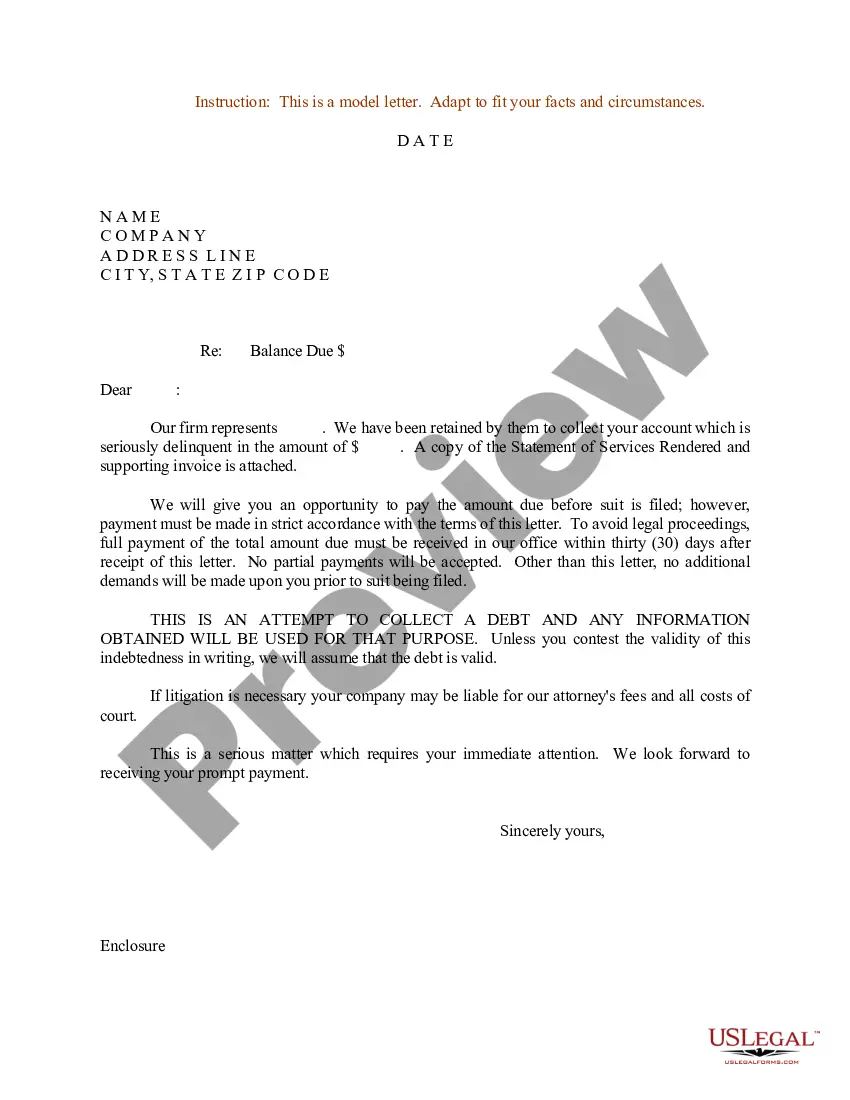
This form is a Sample Letter for Alleged Payments Due from Defendant, designed to clearly communicate outstanding payment issues. It serves as a formal written notice to the defendant regarding their alleged financial obligations, which can help initiate discussions toward resolution. This template is useful in situations where a clear record of communication is necessary and differs from generic demand letters by providing a structured, direct approach tailored for specific circumstances.
Form components explained
- Date: Indicates when the letter is prepared.
- Recipient's details: Name and address of the defendant.
- Subject line: Clearly outlines the topic of the letter.
- Body: A structured message addressing the alleged payments due.
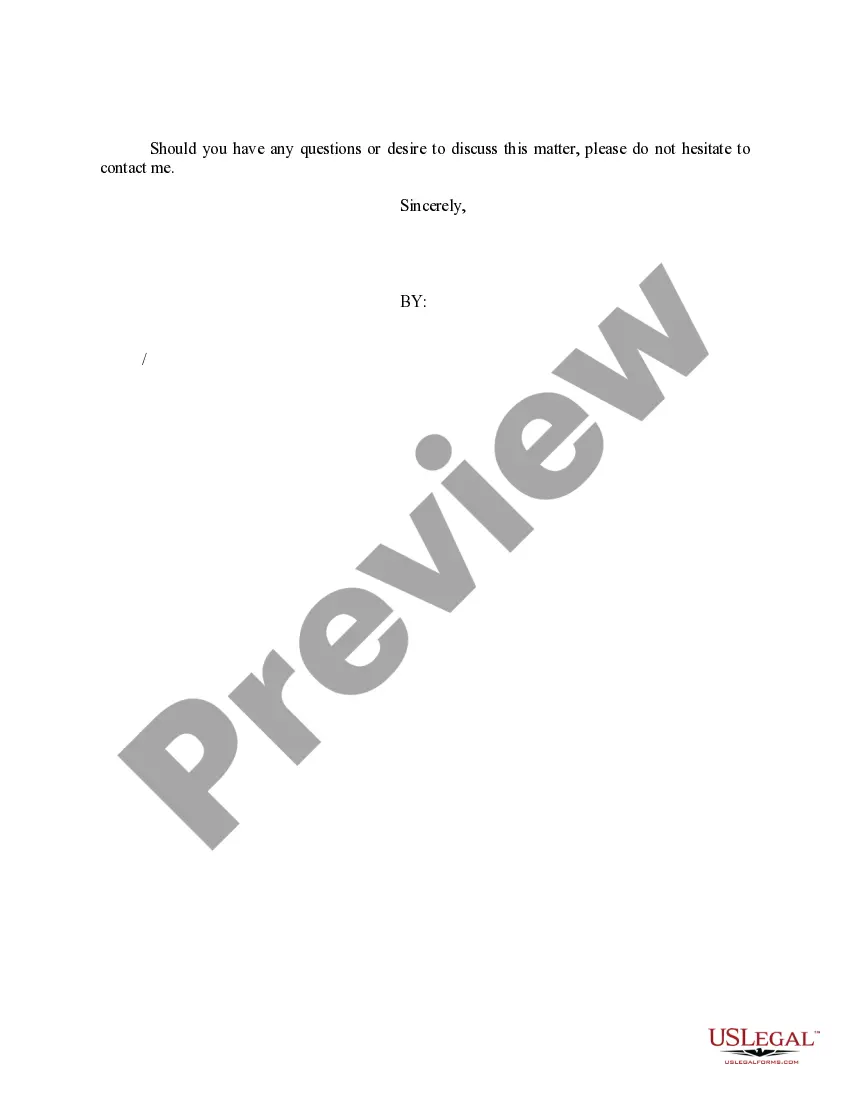
- Closing: Professional sign-off and contact information for any questions.
When to use this form
This form should be used when you need to formally request payment from a defendant for amounts owed. It is appropriate in legal disputes where informal attempts to resolve the issue have failed, or when you want to create a documented trail of communication regarding unpaid debts. This letter can assist in negotiations and demonstrate due diligence if the matter escalates to legal proceedings.
Who can use this document
Individuals or entities who need to address unpaid debts with a defendant can use this form. This includes:
- Creditors seeking to collect outstanding payments.
- Business owners who have provided goods or services without payment.
- Individuals involved in disputes over alleged debts.
- Legal representatives supporting clients in debt collections.
Steps to complete this form
Follow these steps to complete the Sample Letter for Alleged Payments Due from Defendant:
- Identify the date the letter is being sent.
- Enter the recipient's name and complete address.
- Clearly state the subject regarding the alleged payments due.
- Compose the body of the letter specifying the details of the payments owed.
- Include your contact information in the closing section for follow-up.
Does this form need to be notarized?
This form does not typically require notarization unless specified by local law. Always check local regulations to confirm whether notarization may be necessary for your specific circumstances.
Get your form ready online
Our built-in tools help you complete, sign, share, and store your documents in one place.
Make edits, fill in missing information, and update formatting in US Legal Forms—just like you would in MS Word.
Download a copy, print it, send it by email, or mail it via USPS—whatever works best for your next step.
Sign and collect signatures with our SignNow integration. Send to multiple recipients, set reminders, and more. Go Premium to unlock E-Sign.
If this form requires notarization, complete it online through a secure video call—no need to meet a notary in person or wait for an appointment.
We protect your documents and personal data by following strict security and privacy standards.

Make edits, fill in missing information, and update formatting in US Legal Forms—just like you would in MS Word.

Download a copy, print it, send it by email, or mail it via USPS—whatever works best for your next step.

Sign and collect signatures with our SignNow integration. Send to multiple recipients, set reminders, and more. Go Premium to unlock E-Sign.

If this form requires notarization, complete it online through a secure video call—no need to meet a notary in person or wait for an appointment.

We protect your documents and personal data by following strict security and privacy standards.
Mistakes to watch out for
- Failing to personalize the letter with the recipient's correct information.
- Using vague language that does not clearly state the payment due.
- Omitting contact information, which may hinder future communication.
- Neglecting to proofread for errors and inaccuracies.
Benefits of using this form online
- Convenience: Easily download the form from anywhere at any time.
- Editability: Customize the document to fit your specific situation.
- Reliability: Ensure the letter is drafted according to legal standards.
What to keep in mind
- This letter provides a formal structure for requesting payments from a defendant.
- It is suitable for a variety of situations involving overdue payments.
- Accurate completion is essential to ensure its effectiveness.
- Using this form online saves time and guarantees compliance with legal standards.
Looking for another form?

Form popularity
FAQ
You can ask them what use they have put the money to. This is obviously going to remind them that they owe you money, and in case it genuinely simply skipped their mind, the best case scenario will be that they return it right then and there. Ask them to cover for you someplace. Give them a polite reminder.
When writing the letter, it is crucial to use a simple and professional language. Do not be harsh or threat the debtor in your letter as it can turn the tables against you. The letter should be addressed to the debtor's home address or any other address that the debtor has provided before.
Type your letter. Concisely review the main facts. Be polite. Write with your goal in mind. Ask for exactly what you want. Set a deadline. End the letter by stating you will promptly pursue legal remedies if the other party does not meet your demand. Make and keep copies.
Be Organized. Submit the Letter in a Timely Manner. Reference Pertinent Claim Information on All Communication. Use Appropriate Professional Language and Tone. Use Subheadings. Be Specific. Set Forth Demand Amount Clearly. Provide Deadline for Response.
Establish facts. Don't assume everyone knows the facts. Refer to evidence. If there's evidence (like a contract), you don't need to include it, but you should refer to it. Make a demand. Be specific as to what you want. Set a deadline and establish method of payment. Offer a consequence.
Type your letter. Concisely review the main facts. Be polite. Write with your goal in mind. Ask for exactly what you want. Set a deadline. End the letter by stating you will promptly pursue legal remedies if the other party does not meet your demand. Make and keep copies.
Make sure you state explicitly what the payment is for, or what payment/transaction the letter is in regard to. Include all relevant information, such as the parties involved, dates of payments and amounts due or guaranteed. Be straightforward and polite.
An attorney is usually not necessary at this point and you can write a demand letter on your own. To write one, gather necessary documents, draft your letter, and send the letter to your opposing party.
Your company name and address. recipient's name and address. today's date. a clear reference and/or any account reference numbers. the amount outstanding. original payment due date. a brief explanation that no payment has been received.