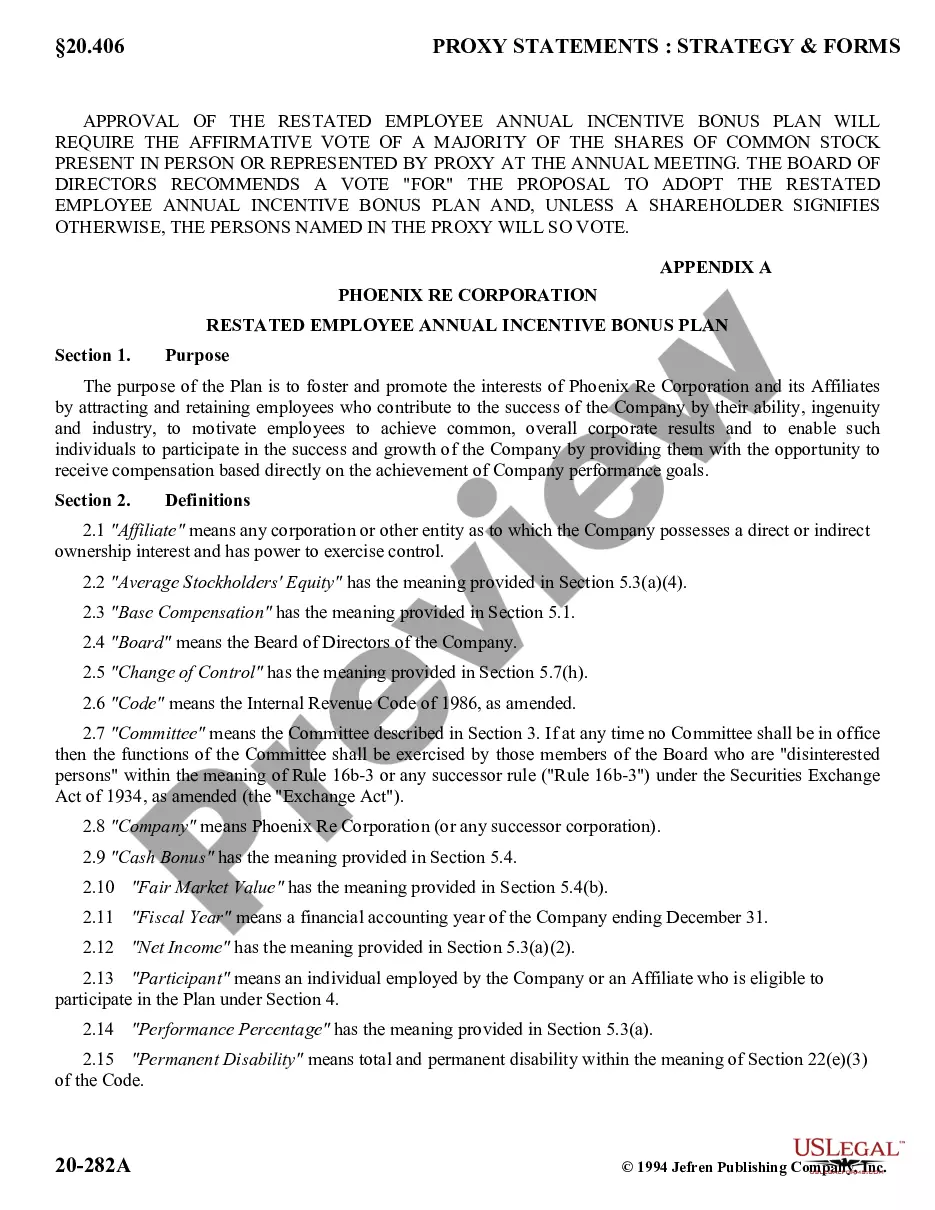
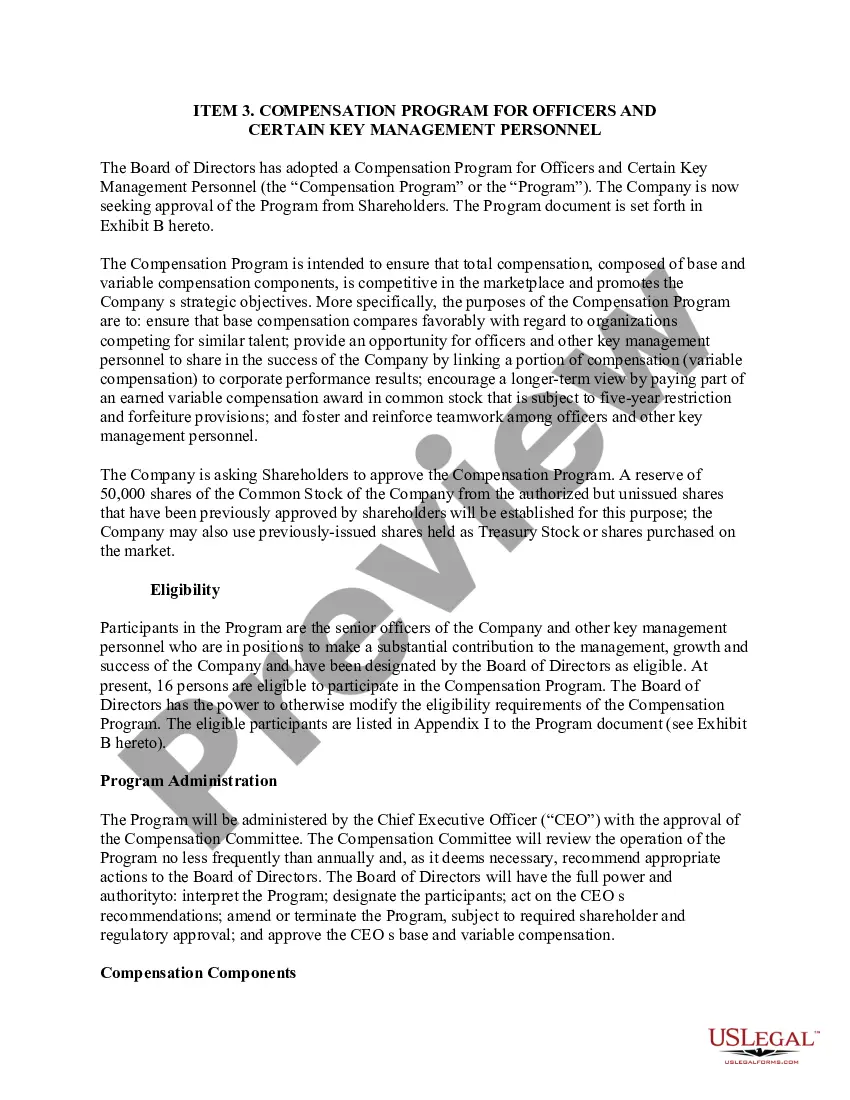
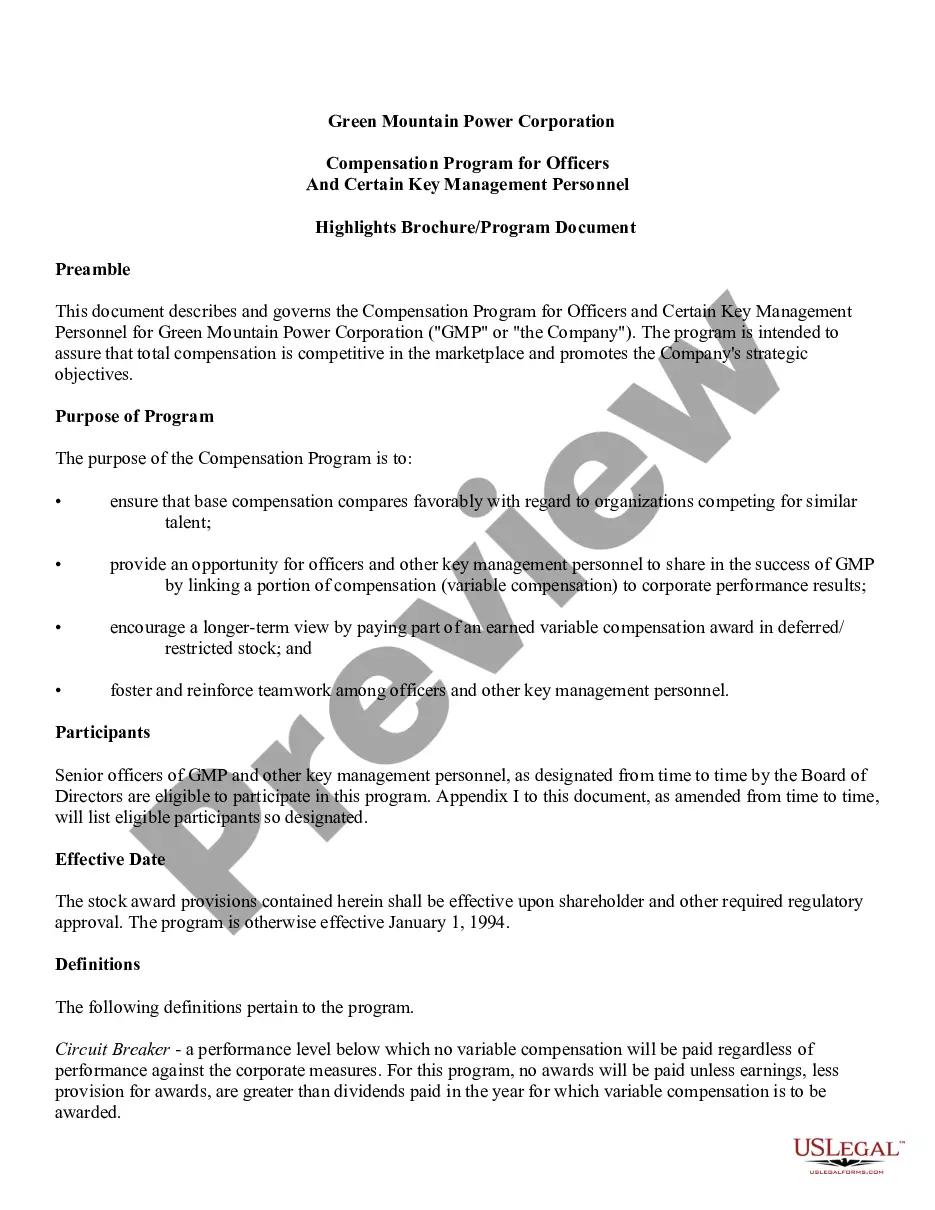
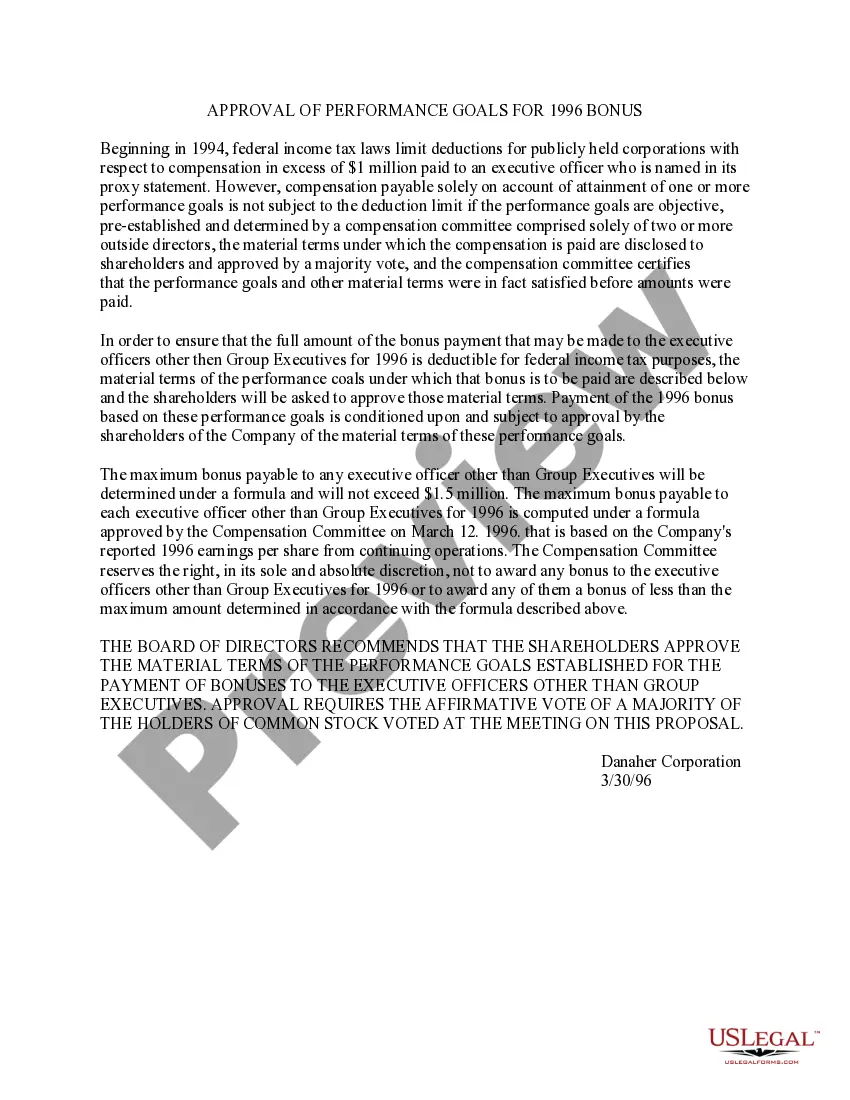
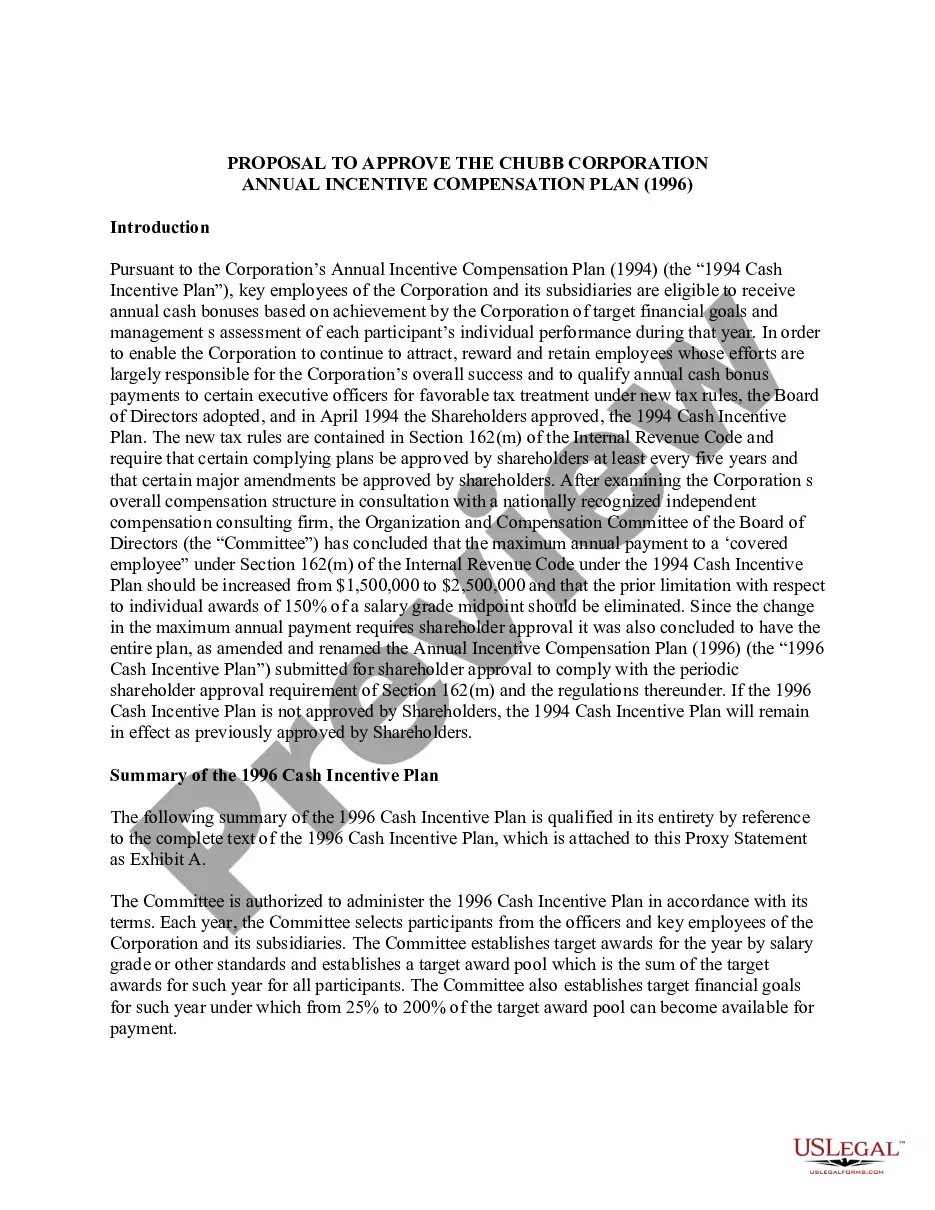
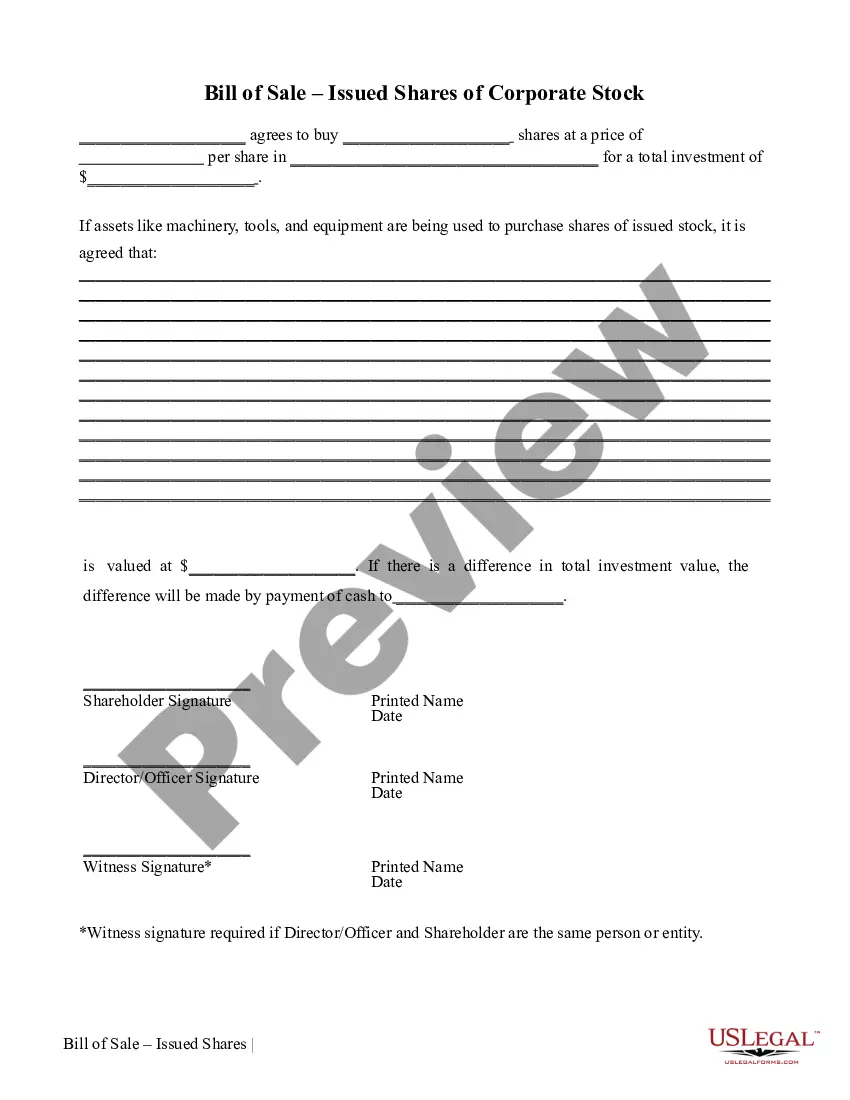
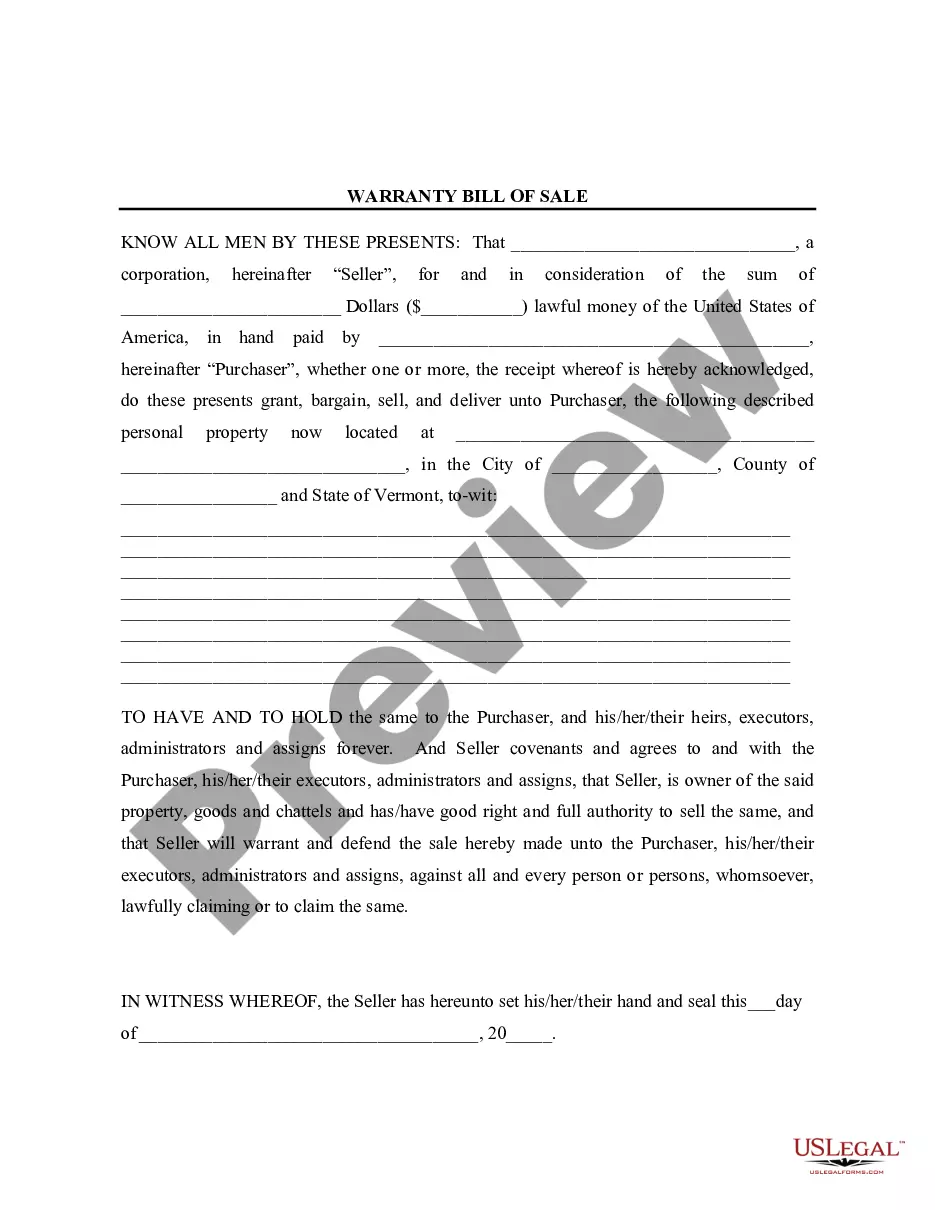
Bill of Sale in Connection with Sale of Business - Individual or Corporate Seller or Buyer. This bill of sale may include anything that is intangible but considered part of the business. These may be all licenses, processes, designs, formulas, computer programs, computer software packages, trade secrets, product manufacturing instructions etc.
Vermont Bill of Sale in Connection with Sale of Business by Individual or Corporate Seller
Instant download
Description
Free preview
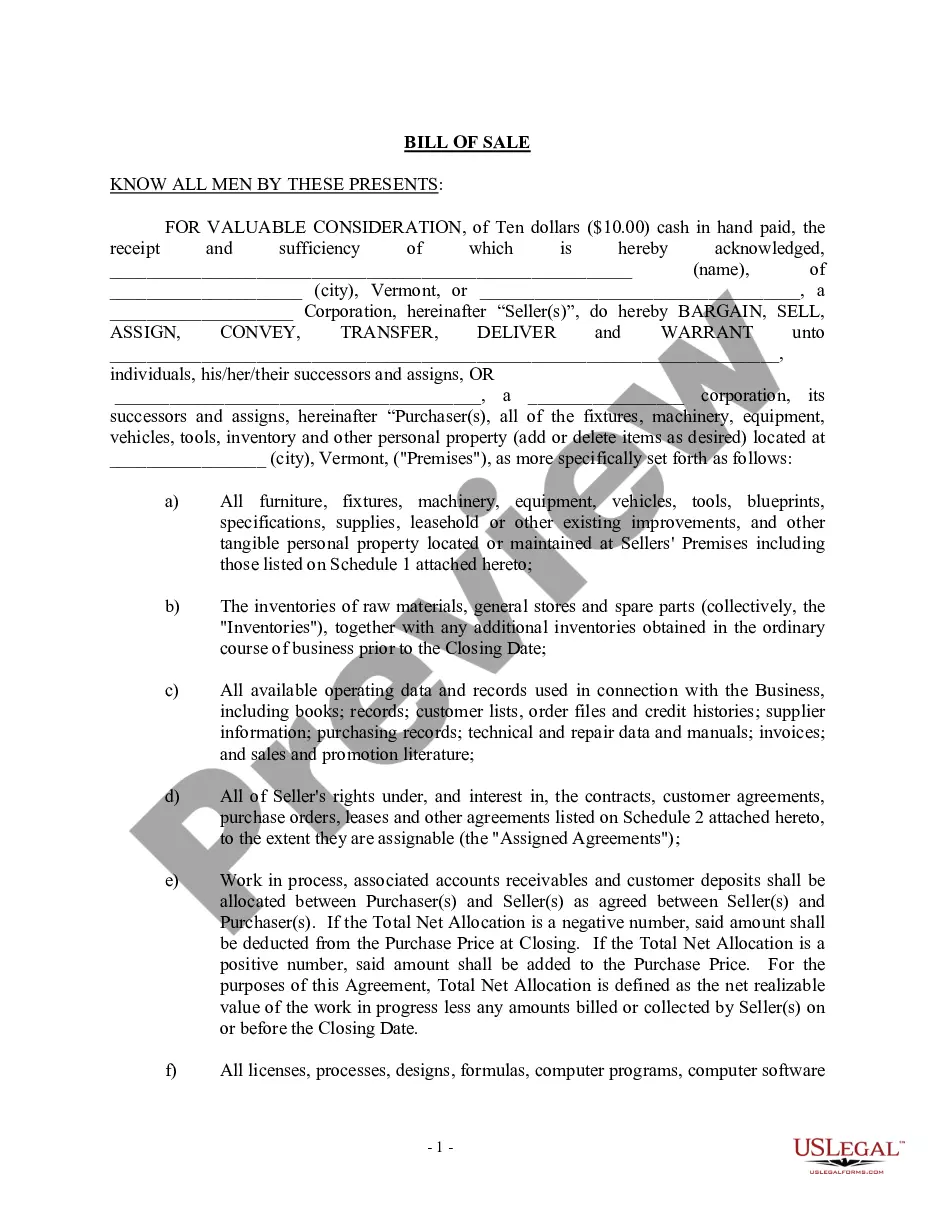
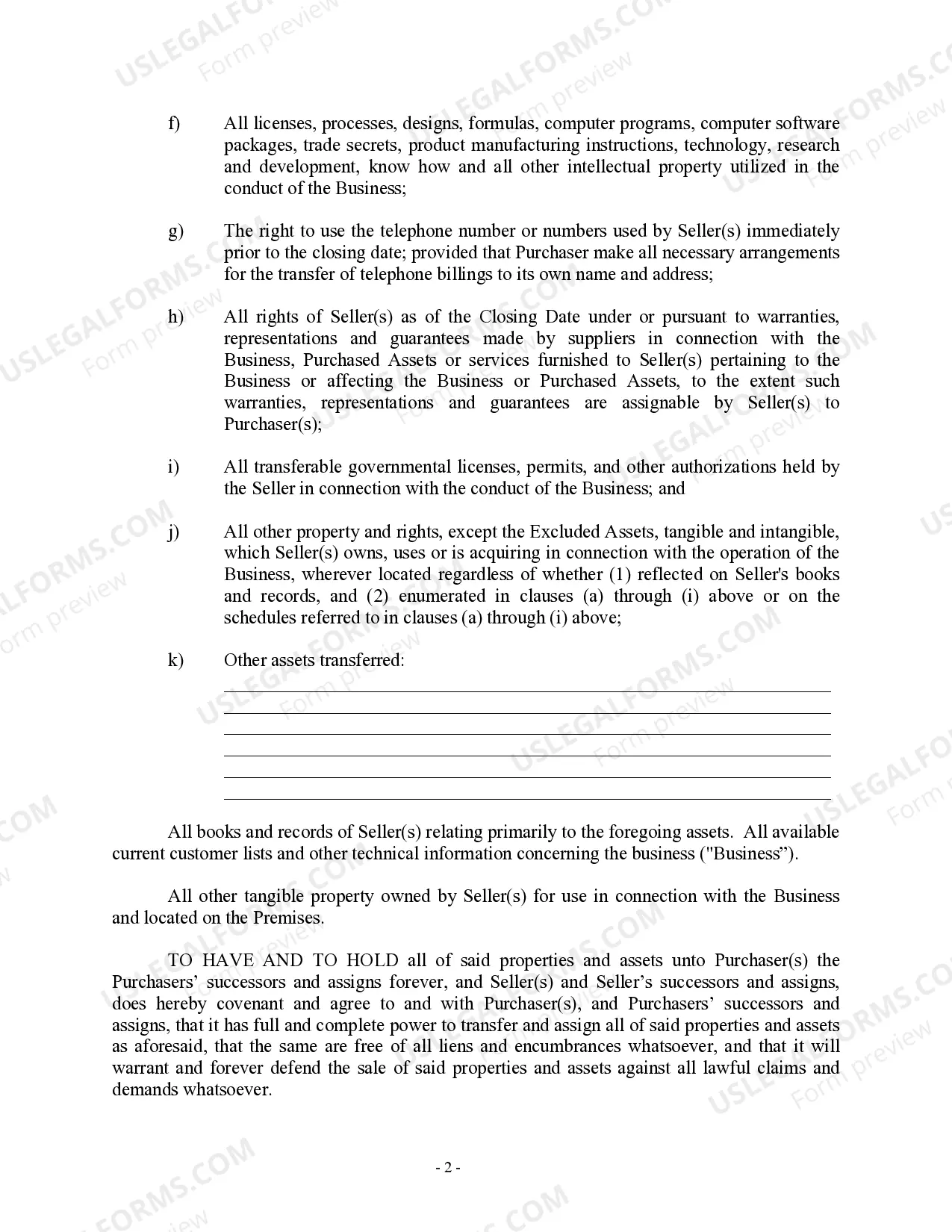
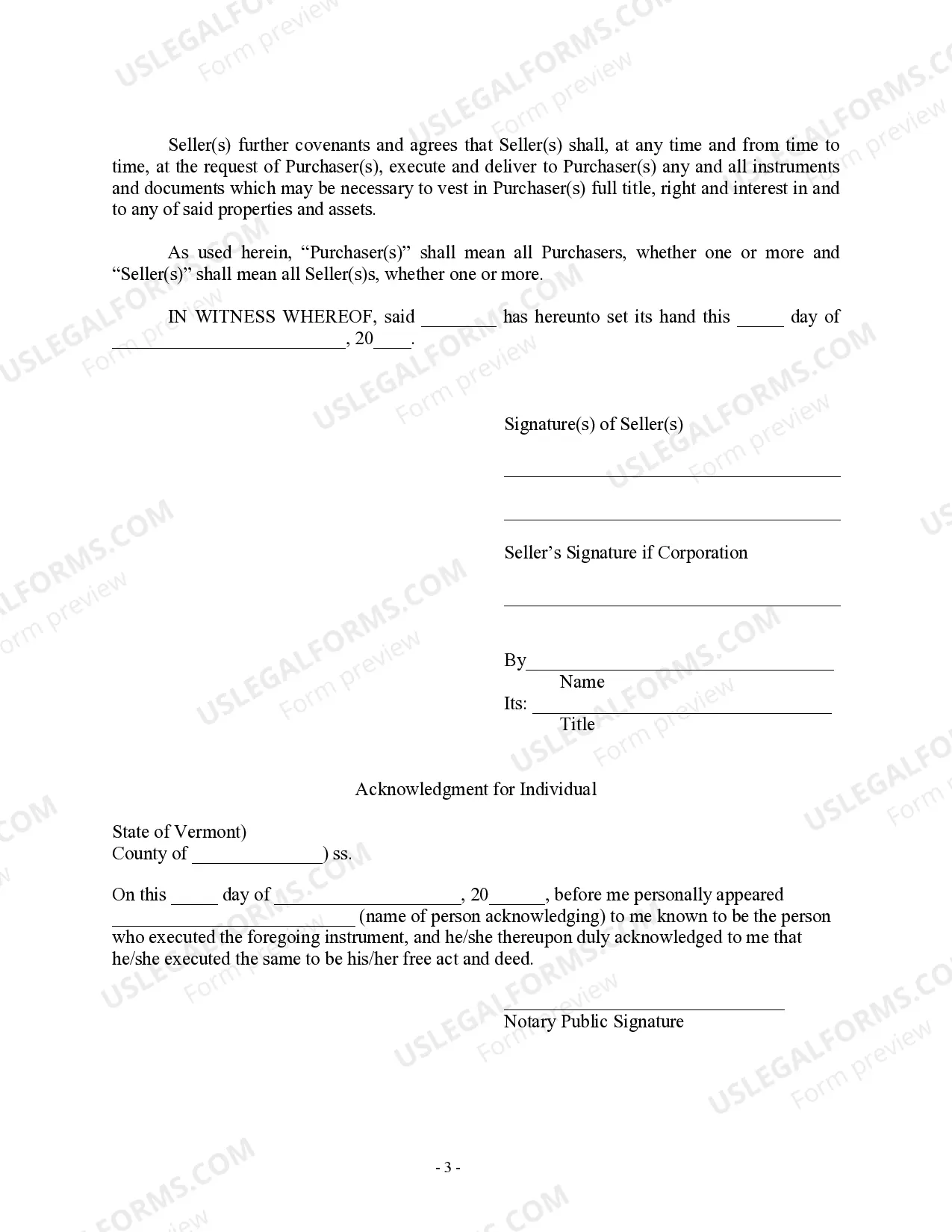
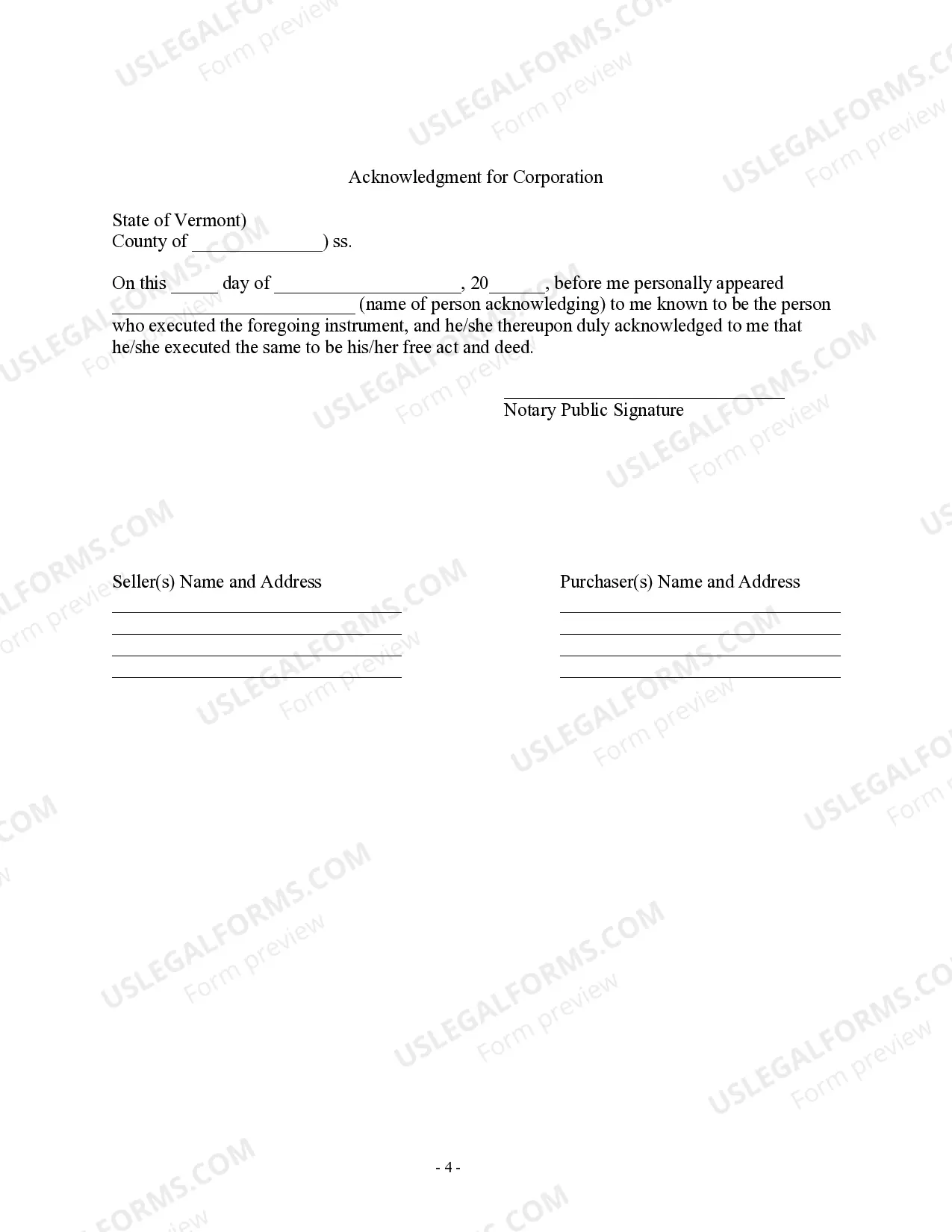


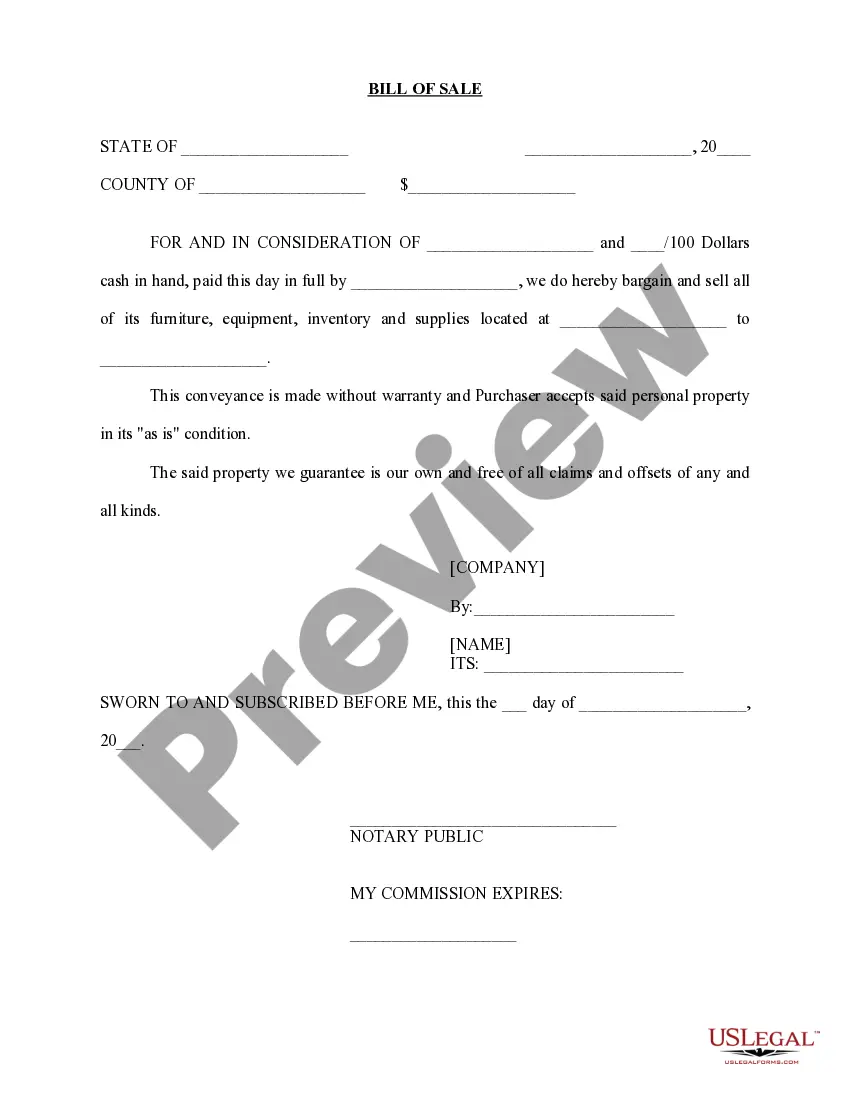
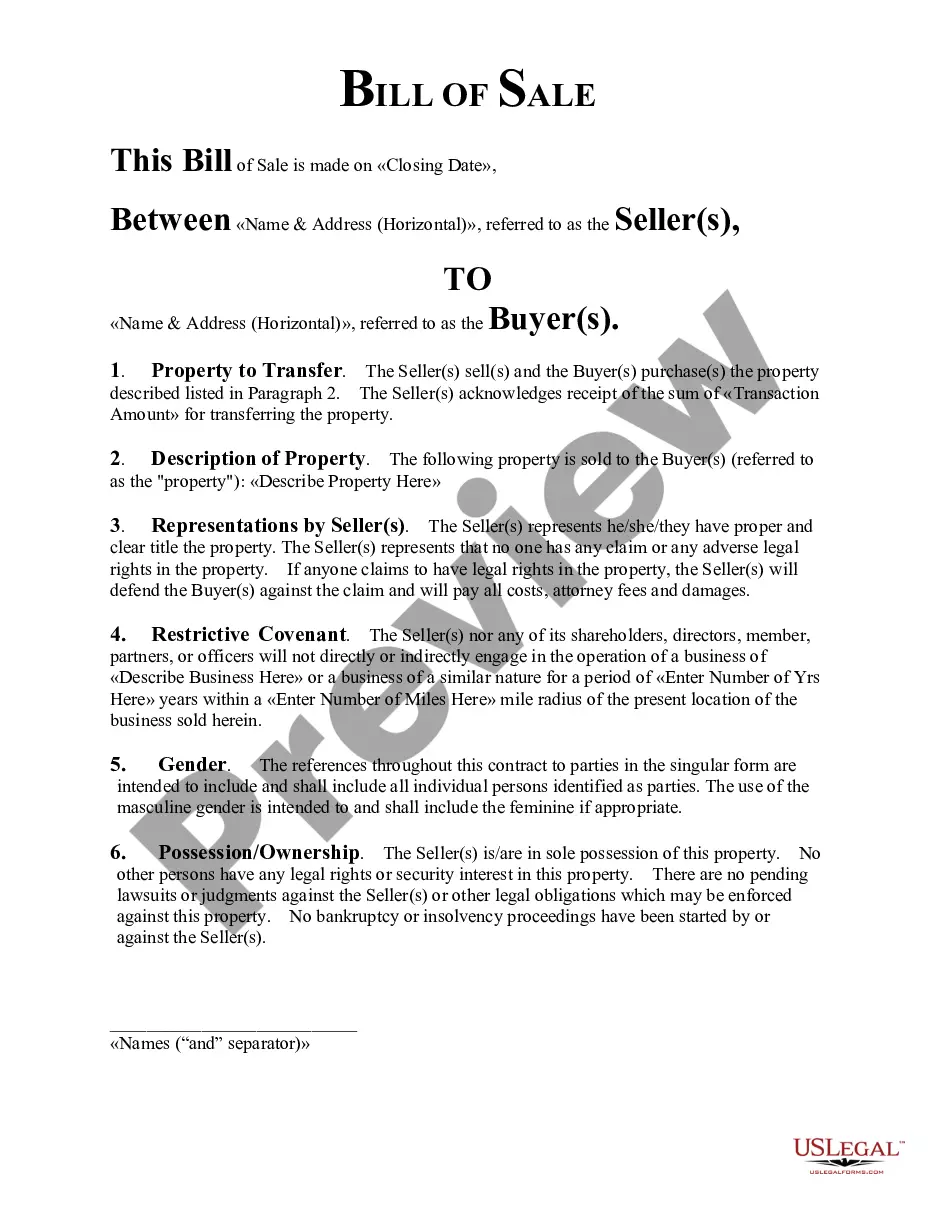
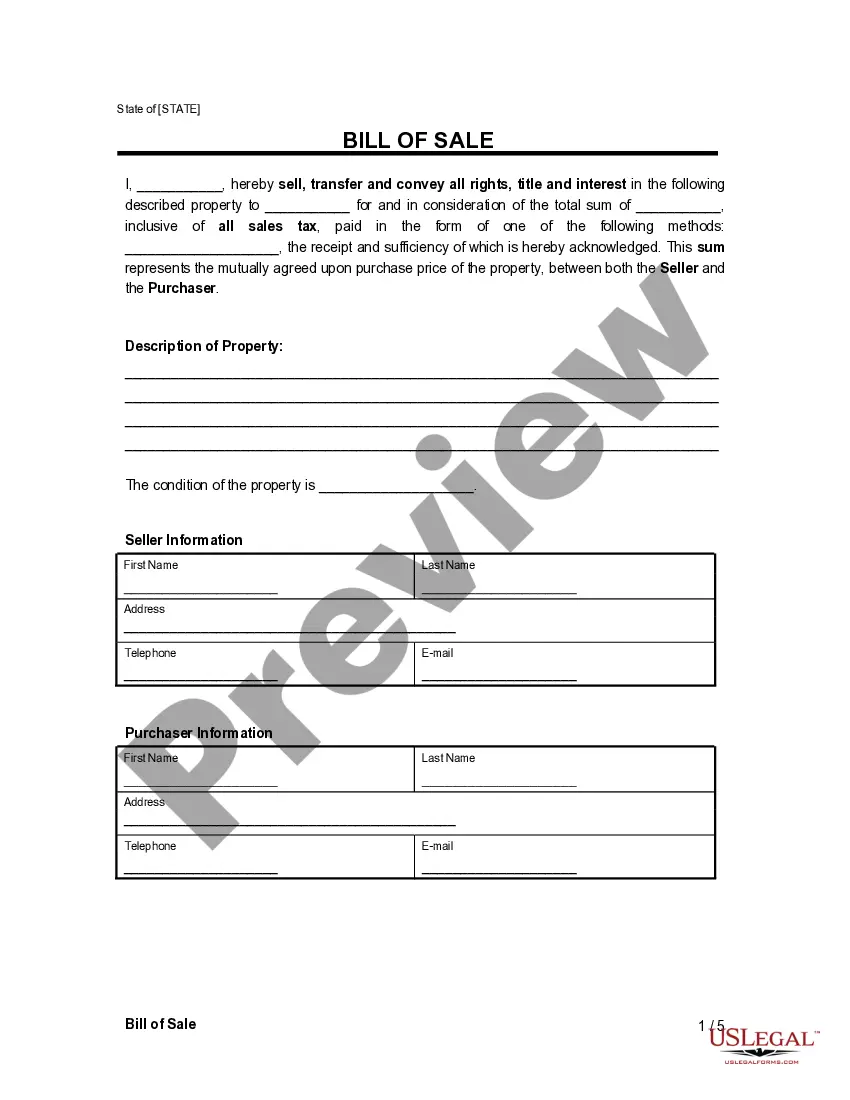

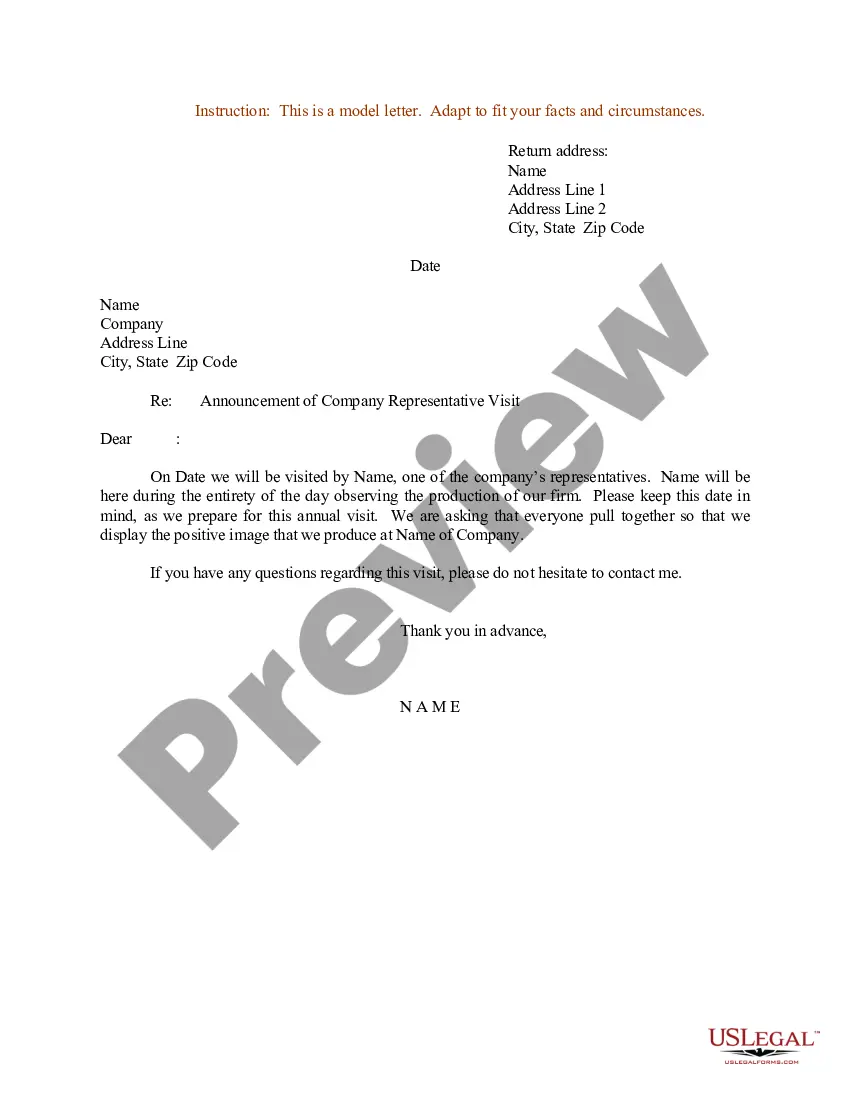
How to fill out Vermont Bill Of Sale In Connection With Sale Of Business By Individual Or Corporate Seller?
Looking for a Vermont Bill of Sale in Connection with Sale of Business by Individual or Corporate Seller online might be stressful. All too often, you see papers that you just believe are ok to use, but find out afterwards they’re not. US Legal Forms offers over 85,000 state-specific legal and tax forms drafted by professional lawyers according to state requirements. Get any form you are looking for quickly, hassle free.
If you already have the US Legal Forms subscription, simply log in and download the sample. It’ll immediately be included to the My Forms section. In case you do not have an account, you should sign up and select a subscription plan first.
Follow the step-by-step guidelines listed below to download Vermont Bill of Sale in Connection with Sale of Business by Individual or Corporate Seller from the website:
- See the form description and click Preview (if available) to check if the template meets your requirements or not.
- In case the form is not what you need, find others using the Search engine or the provided recommendations.
- If it is appropriate, click Buy Now.
- Choose a subscription plan and create an account.
- Pay via credit card or PayPal and download the document in a preferable format.
- Right after downloading it, you may fill it out, sign and print it.
Get access to 85,000 legal templates straight from our US Legal Forms library. In addition to professionally drafted samples, customers may also be supported with step-by-step instructions concerning how to get, download, and complete templates.
Form popularity
FAQ
The bill of sale, as a rule, is drafted by the seller and includes the details of the transaction. It protects both the buyer and the seller, should disagreements arise in the future.
Sign two copies of the bill of sale, one for you and one for the other party. Although not strictly required, consider bringing a third party with you when the bill of sale is signed. If questions arise about the sale, that person can serve as a reporter of the transaction.
You not need both parties to be physically present at the time of notarization, but you can only notarize for the person who is appearing before you. The other person can have their signature notarized at another time. Kelle Clarke is a Contributing Editor with the National Notary Association.
Date of Sale. Buyer's name and address. Seller's name and address. Business name and details, which include: State of incorporation. Address of the business's main headquarters. Assets, shares, personal property and other interests included with the company.
In California, only the buyer and seller, and any agents representing them, need to sign the document. The buyer and seller may choose to have a witness sign. In most cases, a bill of sale is not a complex document. You can use online services to create a functional bill of sale or draft one independently.
Both the buyer and seller should receive copies of the bill of sale form. It's important for the buyer to keep the bill of sale with the title of the vehicle for registration and licensing purposes, if necessary. However, all parties should keep them for their own personal records.
A bill of sale is a legal document that records the transfer of ownership of an asset to a second party in exchange for money.It protects both the buyer and the seller, should disagreements arise in the future.
If there are 2 owners listed on the front of a title, the majority of the time, both people will need to sign as the seller. If there is an 'or' in between the names, typically only 1 signature is required.
For example, many states require that a vehicle bill of sale include an odometer reading; some states require it to be notarized. Both parties can sign a bill of sale but, in many instances, only the seller needs to sign it. Things can get complicated when a bill of sale is provided as security for a loan.