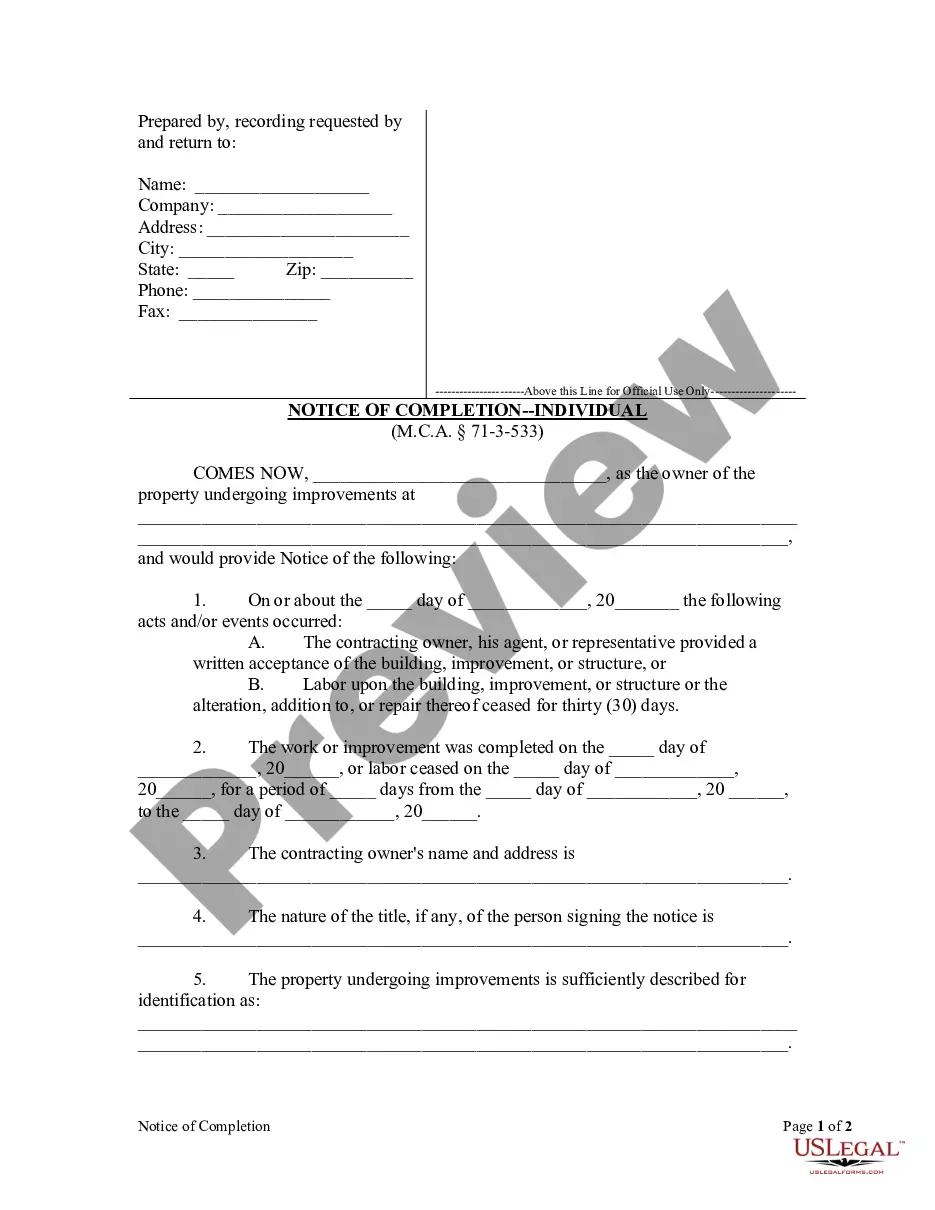
Proposed compensation program for officers and certain key management personnel
What this document covers
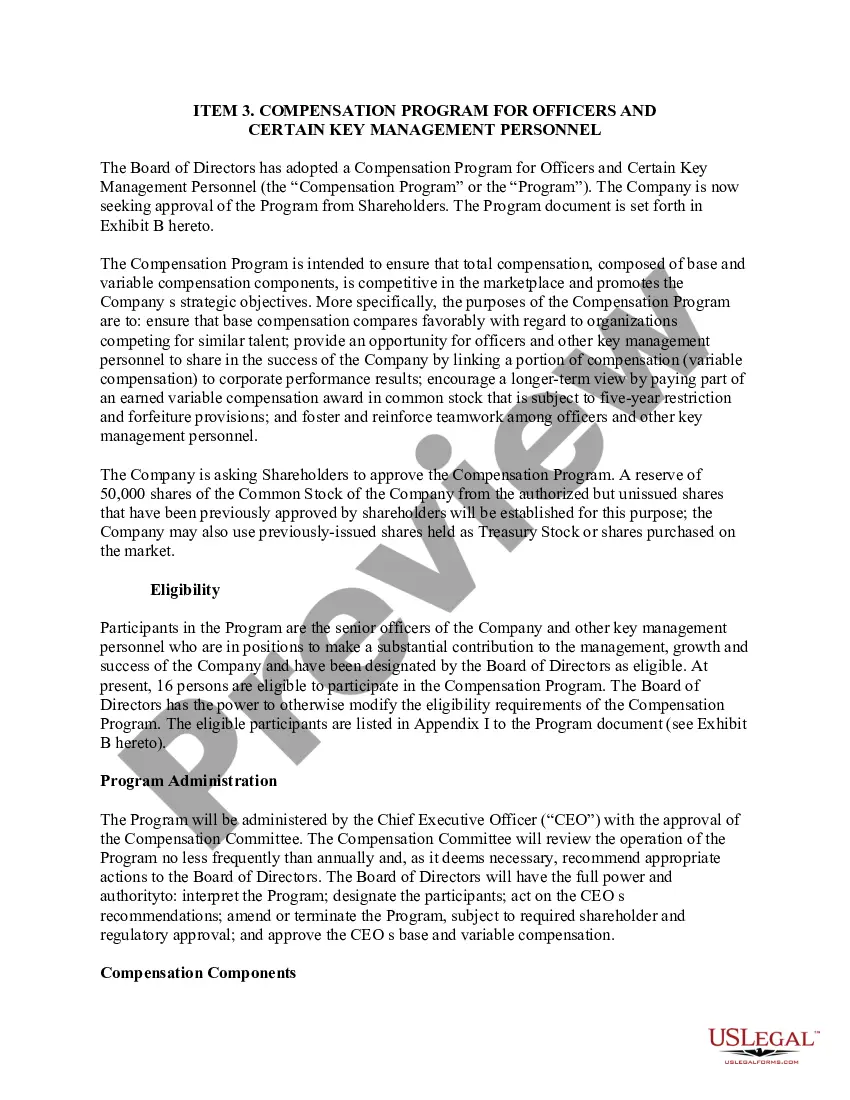
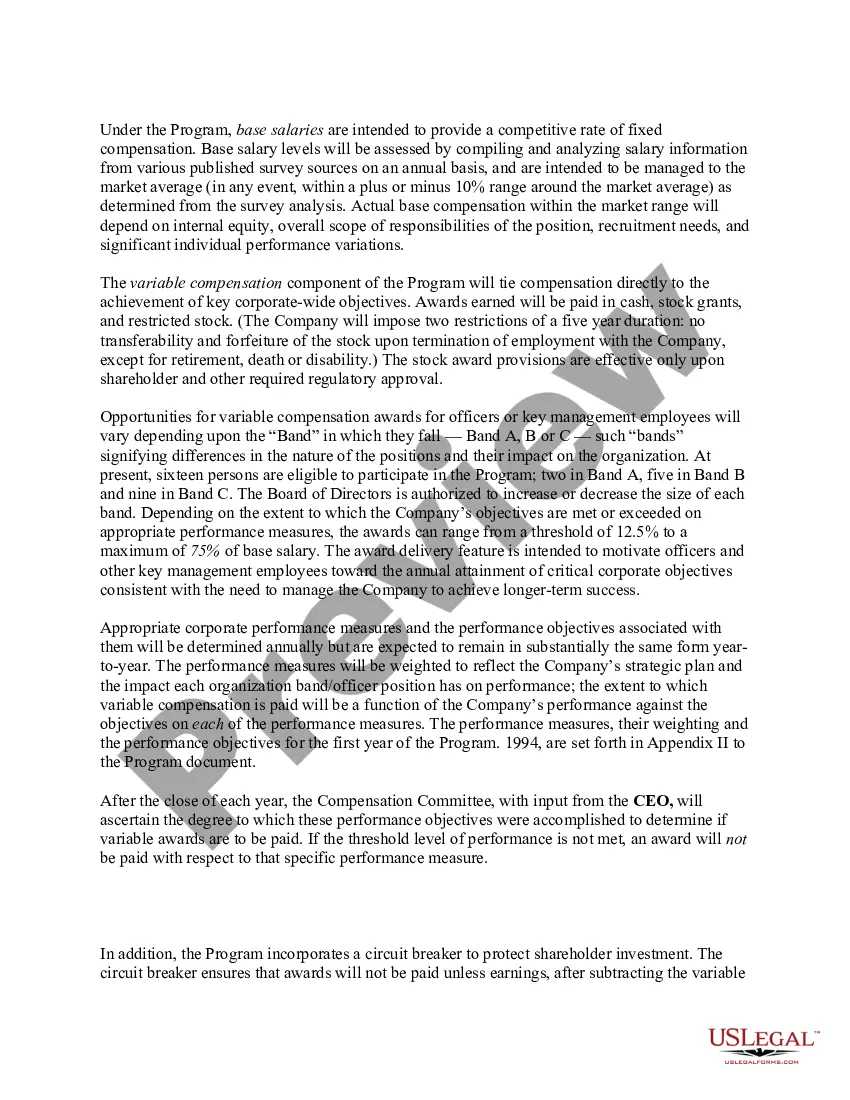
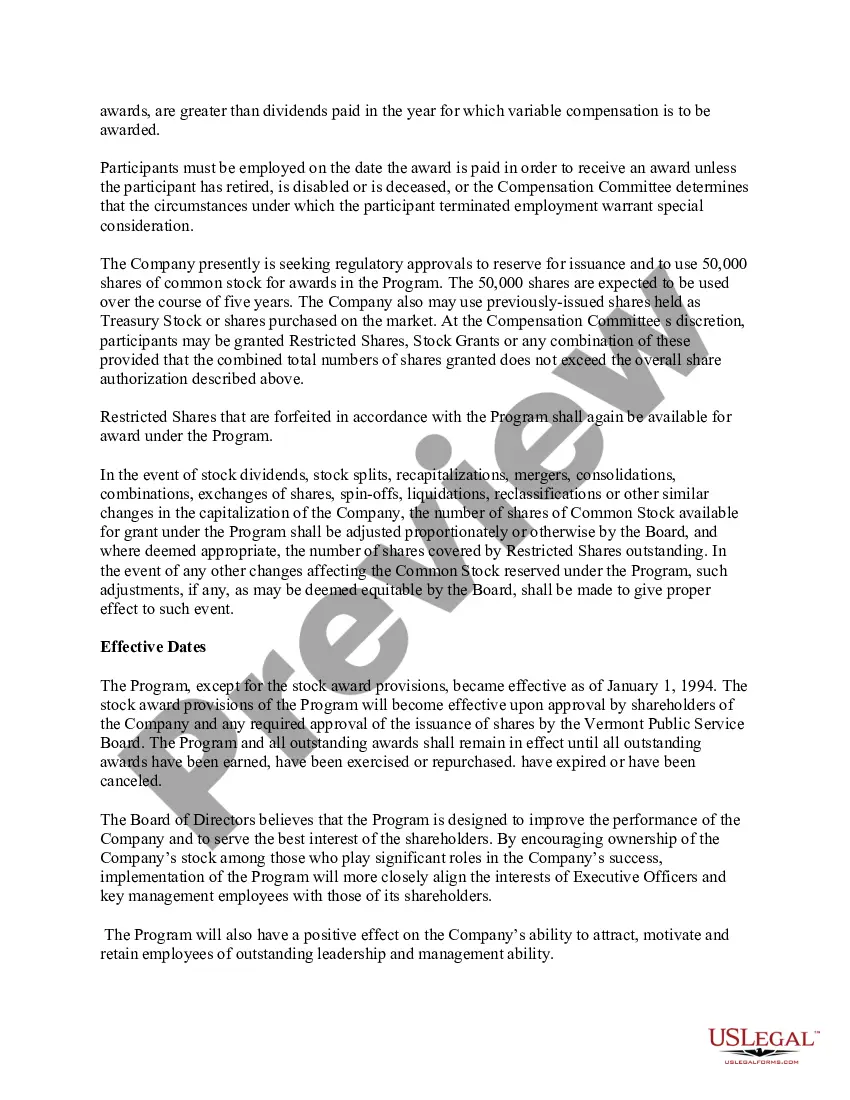
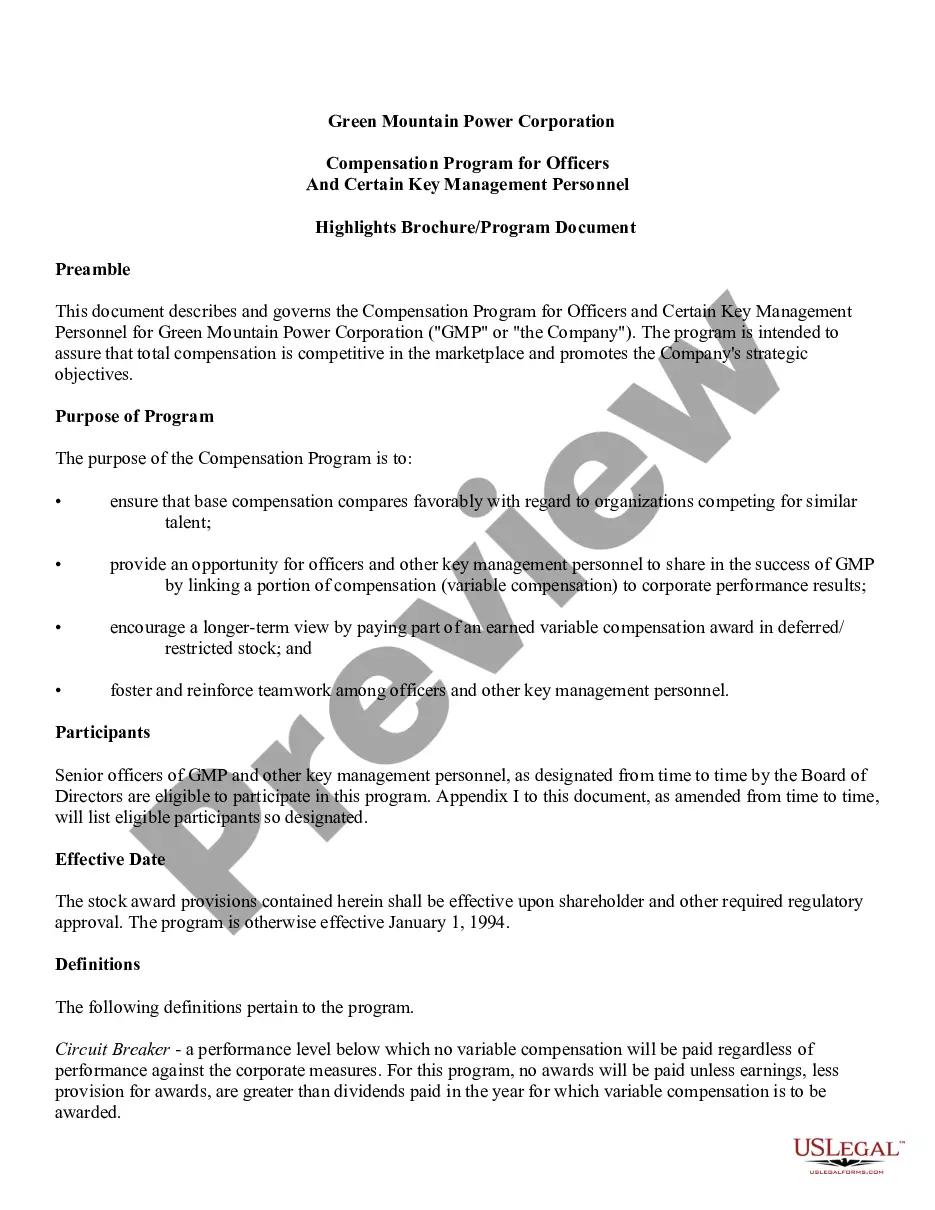
The Proposed Compensation Program for Officers and Certain Key Management Personnel is a legal document that outlines a structured approach to compensating executives and key management in a company. It differs from other compensation forms by being specifically tailored to address both base and variable compensation tied to corporate performance, thus aligning the interests of management with those of shareholders. This template can be adapted to fit the unique circumstances of your business while ensuring compliance with corporate governance standards.
What’s included in this form
- Overview of the compensation program and its purpose.
- Eligibility criteria for participants in the program.
- Details on the administration of the program, including roles of the CEO and Compensation Committee.
- Structure of base and variable compensation components.
- Inclusion of performance measures and potential awards based on corporate performance.
- Processes for shareholder approval and regulatory compliance.

When to use this document
This form should be used when a company seeks to establish or update a compensation program for its officers and key management personnel. It is particularly relevant during annual planning meetings, shareholder meetings, or when revising executive compensation structures to ensure competitiveness and alignment with corporate objectives.
Who this form is for
- Companies looking to implement a structured compensation program for executives.
- Boards of Directors responsible for setting executive compensation policies.
- Human Resources professionals managing compensation strategies.
- Shareholders interested in understanding or voting on executive compensation plans.
How to complete this form
- Identify the board members responsible for oversight and approval of the compensation program.
- Outline the eligibility criteria for participants in the program as designated by the Board of Directors.
- Detail the variables of base and variable compensation and the performance measures linked to them.
- Request shareholder approval by distributing program details and ensuring understanding among stakeholders.
- Establish a timeline for annual reviews of the program and adjustments based on corporate performance.
Is notarization required?
Notarization is not commonly needed for this form. However, certain documents or local rules may make it necessary. Our notarization service, powered by Notarize, allows you to finalize it securely online anytime, day or night.
Get your form ready online
Our built-in tools help you complete, sign, share, and store your documents in one place.
Make edits, fill in missing information, and update formatting in US Legal Forms—just like you would in MS Word.
Download a copy, print it, send it by email, or mail it via USPS—whatever works best for your next step.
Sign and collect signatures with our SignNow integration. Send to multiple recipients, set reminders, and more. Go Premium to unlock E-Sign.
If this form requires notarization, complete it online through a secure video call—no need to meet a notary in person or wait for an appointment.
We protect your documents and personal data by following strict security and privacy standards.

Make edits, fill in missing information, and update formatting in US Legal Forms—just like you would in MS Word.

Download a copy, print it, send it by email, or mail it via USPS—whatever works best for your next step.

Sign and collect signatures with our SignNow integration. Send to multiple recipients, set reminders, and more. Go Premium to unlock E-Sign.

If this form requires notarization, complete it online through a secure video call—no need to meet a notary in person or wait for an appointment.

We protect your documents and personal data by following strict security and privacy standards.
Typical mistakes to avoid
- Failing to align variable compensation with clear and measurable performance indicators.
- Not adequately consulting with shareholders before seeking approval.
- Neglecting to review and adapt the program annually based on market standards and company performance.
Advantages of online completion
- Convenience of accessing and customizing the form from any device.
- Immediate availability of a legally vetted template to save time and ensure compliance.
- Editability allows companies to tailor the program to specific needs and circumstances.
Legal use & context
- This form is designed to provide a legally sound framework for compensating key management personnel.
- It is enforceable once approved by shareholders and must comply with applicable state laws regarding stock options.
- Using this form helps align the interests of executives with those of shareholders, fostering company growth and stability.
Quick recap
- The Proposed Compensation Program is essential for harmonizing executive rewards with corporate success.
- Careful consideration of performance measures is critical in determining variable compensation.
- Regular updates and shareholder engagement are vital for the ongoing success of the program.
Looking for another form?


Form popularity
FAQ
Officers include the president or chief executive officer, the chief financial officer or treasurer, and the chief operating officer. Responsibilities of the officers vary, depending on their role in the corporation. Officers of the corporation may also be owners of the corporation.
The instructions to the Form 1120S, U.S. Income Tax Return for an S Corporation, state "Distributions and other payments by an S corporation to a corporate officer must be treated as wages to the extent the amounts are reasonable compensation for services rendered to the corporation."
When corporate officers perform services for the corporation, and receive or are entitled to receive payments, their compensation is generally considered wages. Subchapter S corporations should treat payments for services to officers as wages and not as distributions of cash and property or loans to shareholders.
Unreasonable compensation is a level of compensation for owner-managers that does not meet the requirements of IRC 162(a) for reasonable compensation.Compensation over the maximum leads to the IRS changing wages to a constructive dividend, an action that creates higher corporate taxes plus interest and penalties.
Training and experience; Duties and responsibilities; Time and effort devoted to the business; Dividend history; Payments to nonshareholder employees; Timing and manner of paying bonuses to key people;
The IRS requires S Corp shareholder-employees to pay themselves a reasonable employee salary, which means at least what other businesses pay for similar services. And if the IRS finds out that you tried to evade payroll taxes by disguising employee salary as corporate distributions, bad things can happen.
Distributions, Dividends and Other Compensation as Wages. Courts have found shareholder-employees are subject to employment taxes even when shareholders take distributions, dividends or other forms of compensation instead of wages.
Some types of compensation must be deducted as other expenses, such as fees paid to an employment agency for recruiting employees. Director's fees, even if they are paid officers or other employees of the corporation, are not treated as compensation, but are deducted as other expenses.