Clause Addressing Obligations to Comply with Laws Orders and Regulations Oppressive Approach
Understanding this form
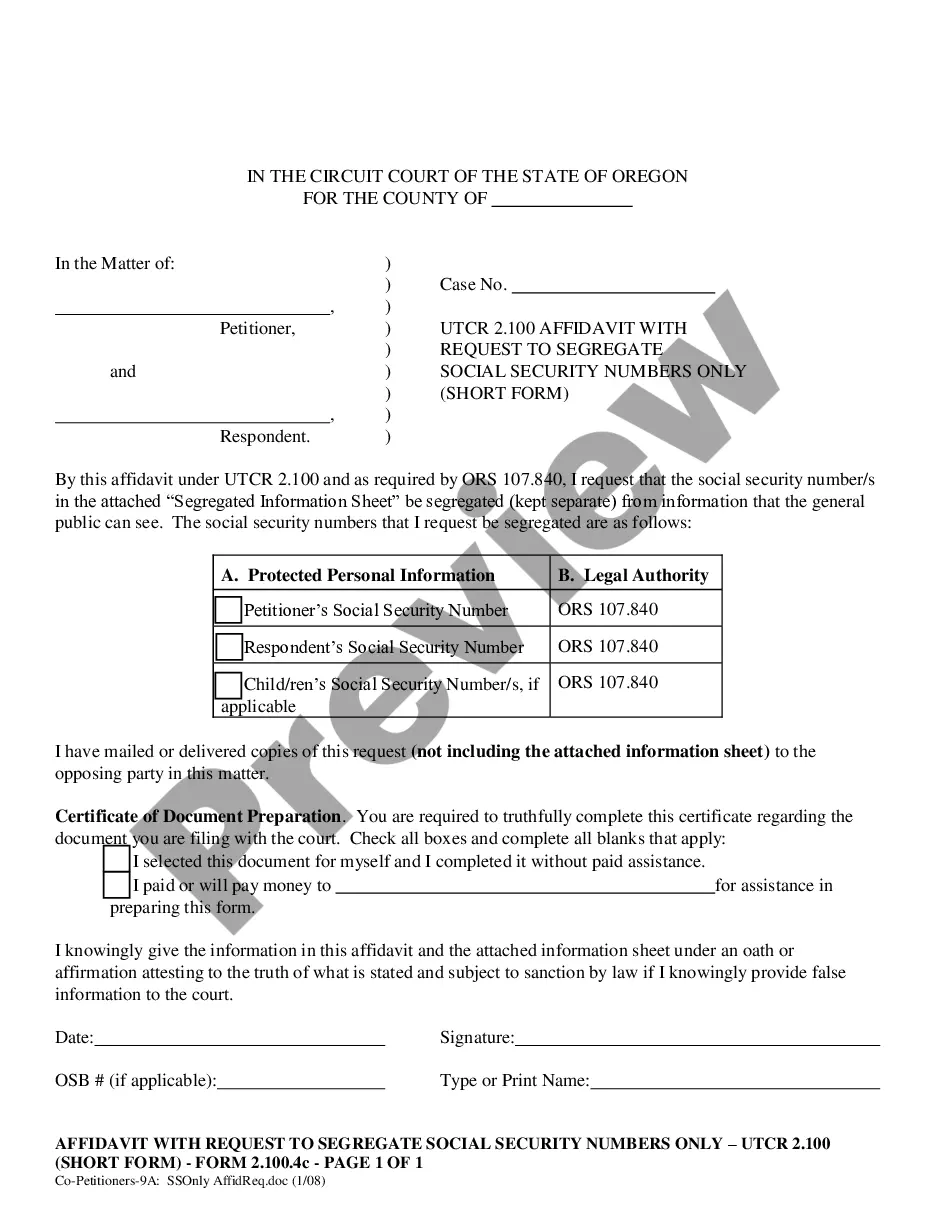
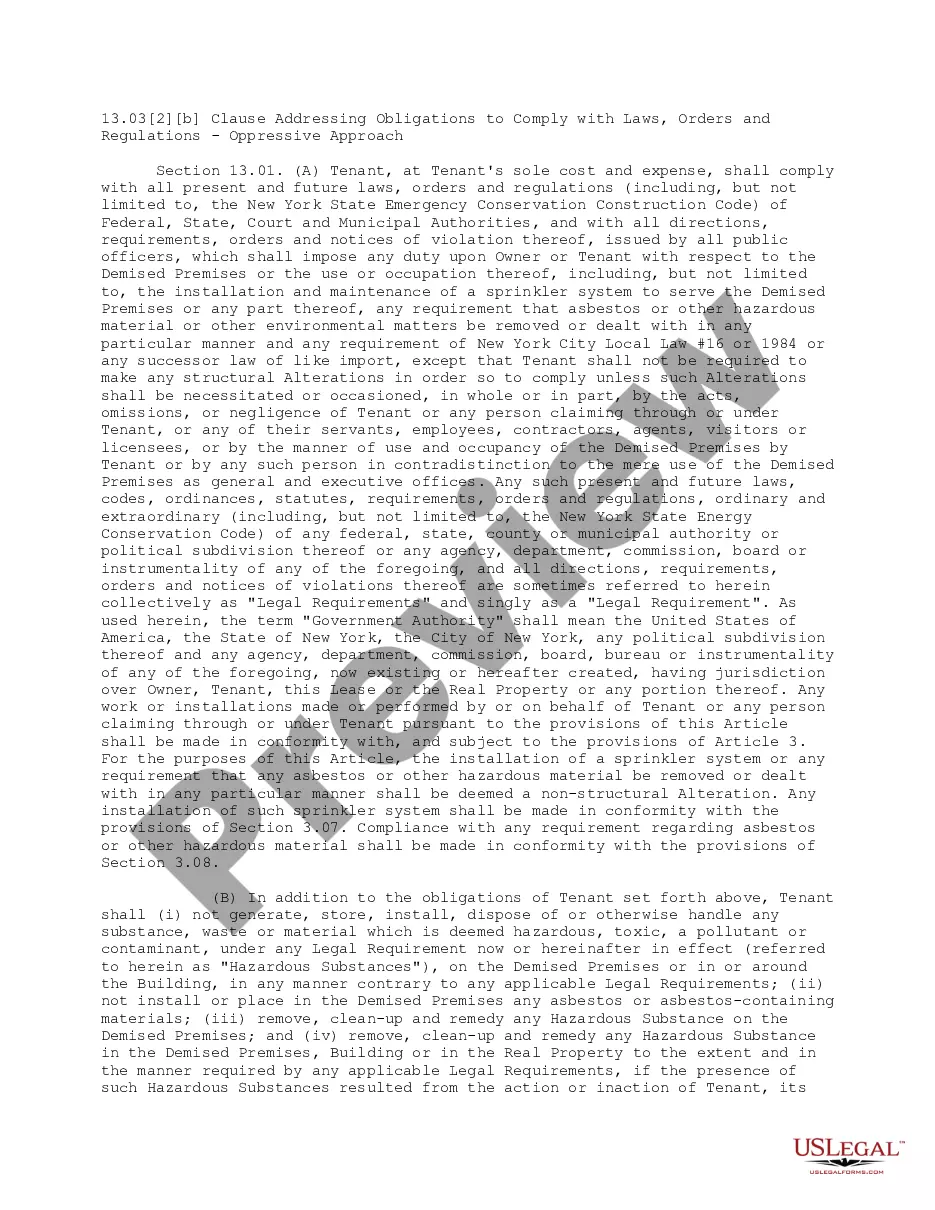
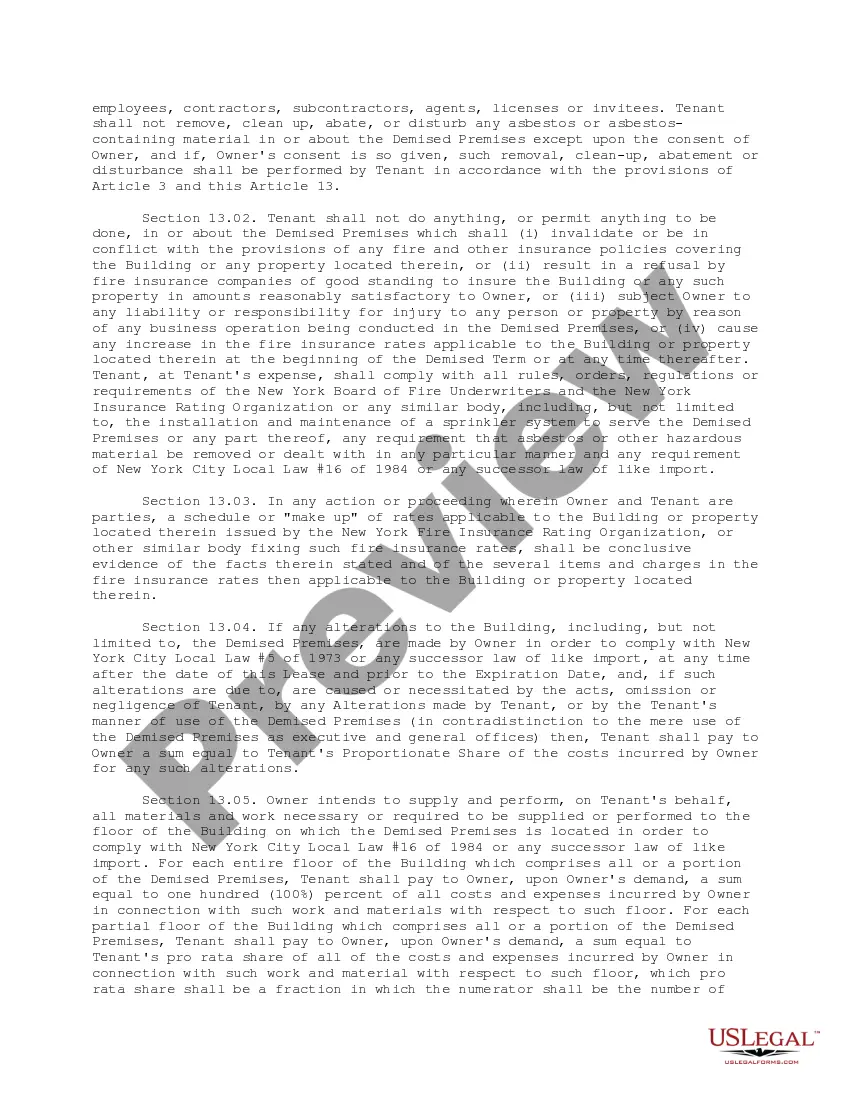
This form is a Clause Addressing Obligations to Comply with Laws, Orders, and Regulations, specifically focusing on the oppressive approach. It is used in office leases to outline the responsibilities of both landlords and tenants to adhere to legal requirements imposed by federal, state, municipal authorities, and public officers. This clause ensures both parties understand their obligations to maintain compliance with current and future laws, which differs from standard lease agreements that may not explicitly address such specifics.
What’s included in this form
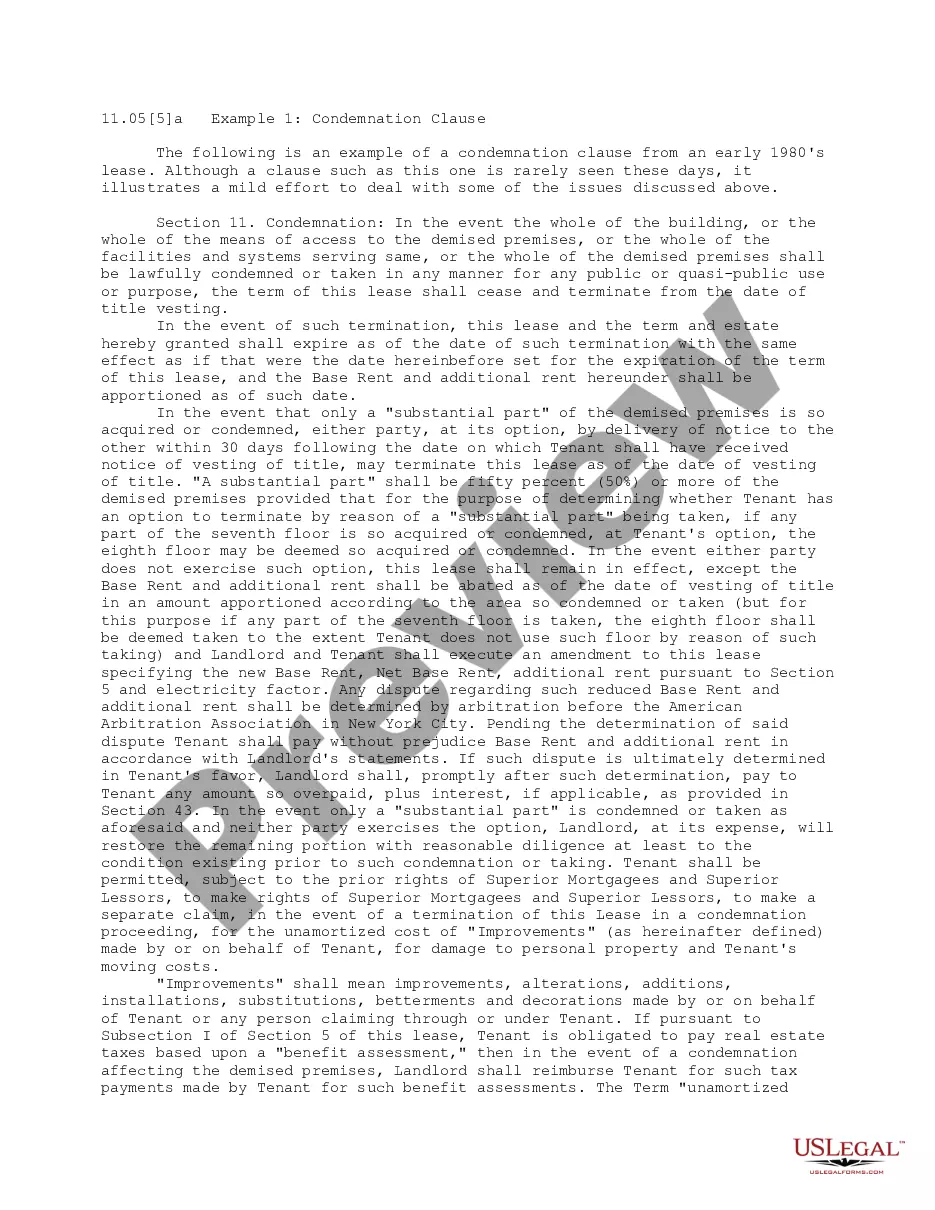
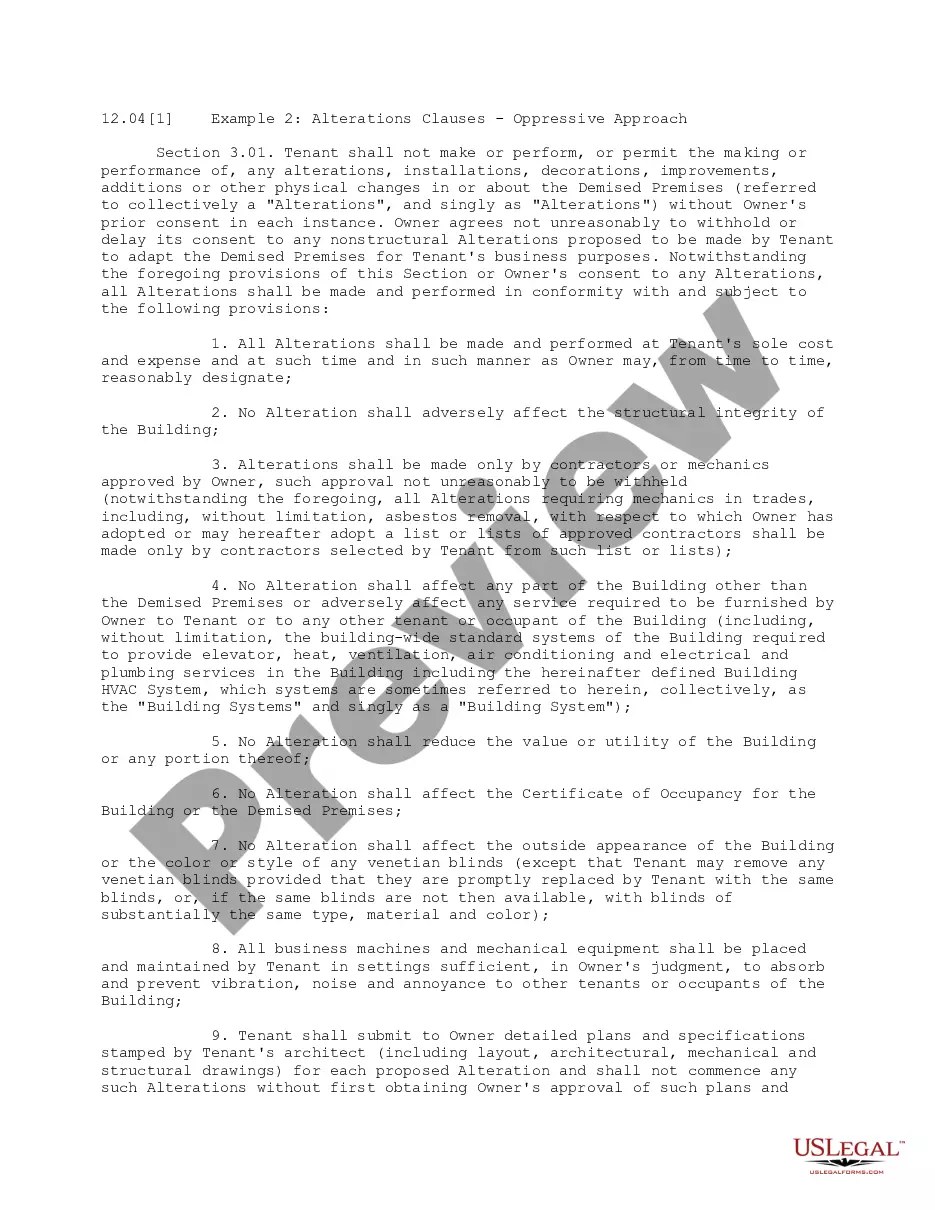
- Tenant's obligation to comply with all legal requirements, including those related to safety, environmental standards, and building codes.
- Provisions related to hazardous substances and the tenant's responsibility for cleanup and compliance.
- Guidelines for alterations in the leased property due to legal requirements.
- Conditions under which the landlord may charge the tenant for compliance-related expenses.
- Clarification on tenant's obligations under the Americans with Disabilities Act and related laws.


Situations where this form applies
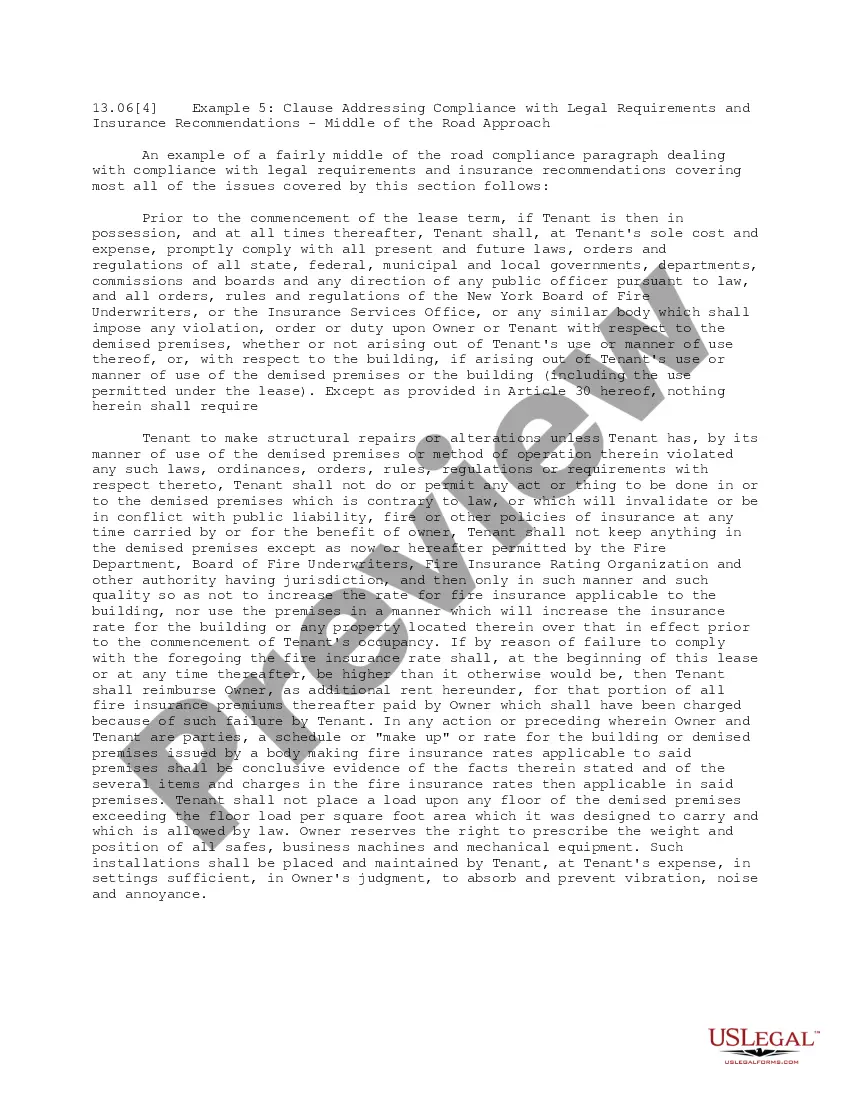
You should use this form when entering an office lease to ensure both parties understand their obligations to comply with existing and future laws and regulations. It is particularly relevant when the property may require modifications to meet legal standards, such as safety codes or environmental regulations, during the lease term.
Who needs this form
- Landlords entering into lease agreements who need to specify tenant obligations regarding compliance.
- Tenants seeking to understand their responsibilities for adherence to legal standards.
- Real estate attorneys drafting or reviewing leases to ensure compliance with legal requirements.
How to complete this form
- Identify the parties involved, including the landlord and tenant.
- Specify the leased property accurately, including address and specific limitations.
- Detail any existing hazardous substances present and outline the responsibilities for their management.
- Ensure all alterations required for compliance are clearly defined in the context of tenant obligations.
- Set the scope of compliance regarding local laws and insurance requirements to mitigate misunderstandings.
Notarization requirements for this form
This form does not typically require notarization unless specified by local law. However, it is always advisable to check local regulations to ensure full compliance.
Get your form ready online
Our built-in tools help you complete, sign, share, and store your documents in one place.
Make edits, fill in missing information, and update formatting in US Legal Forms—just like you would in MS Word.
Download a copy, print it, send it by email, or mail it via USPS—whatever works best for your next step.
Sign and collect signatures with our SignNow integration. Send to multiple recipients, set reminders, and more. Go Premium to unlock E-Sign.
If this form requires notarization, complete it online through a secure video call—no need to meet a notary in person or wait for an appointment.
We protect your documents and personal data by following strict security and privacy standards.

Make edits, fill in missing information, and update formatting in US Legal Forms—just like you would in MS Word.

Download a copy, print it, send it by email, or mail it via USPS—whatever works best for your next step.

Sign and collect signatures with our SignNow integration. Send to multiple recipients, set reminders, and more. Go Premium to unlock E-Sign.

If this form requires notarization, complete it online through a secure video call—no need to meet a notary in person or wait for an appointment.

We protect your documents and personal data by following strict security and privacy standards.
Common mistakes to avoid
- Failing to identify all applicable laws and regulations that may affect the leased premises.
- Not specifying tenant responsibilities for environmental compliance clearly.
- Overlooking the implications of failing to adhere to the Americans with Disabilities Act.
Benefits of completing this form online
- Convenience of downloading and customizing the form at your own pace.
- Access to professionally drafted templates that ensure compliance with legal standards.
- Immediate availability, allowing for quick implementation in lease agreements.
Legal use & context
- This form serves as a legally binding document that outlines obligations clearly, reducing potential disputes.
- It helps ensure both parties are aware of their responsibilities under federal and state regulations, promoting legality in tenancy agreements.
Main things to remember
- This form clarifies the responsibilities of landlords and tenants concerning compliance with laws.
- Understanding tenant obligations under the Americans with Disabilities Act is essential for lease agreements.
- Properly completing this form helps prevent future legal disputes and ensures tenant safety.
Looking for another form?


Form popularity
FAQ
Anti-oppressive research involves making explicit the political. practices of creating knowledge. It means making a commitment to the. people you are working with personally and professionally in order. to mutually foster conditions for social justice and research.
Anti-oppressive Recognising that youth work is for the benefit of all young people, particularly those whose human rights are at risk. Seeing youth work as an agency for change: taking positive steps. to address oppressive language, attitudes, practices and structures, and challenging negative discrimination.
Defining Oppression However, because social workers are concerned (at individual and policy levels) with the victims of oppression and its prevention, define oppression as in the Social Work Dictionary: Oppression is the social act of placing severe restrictions on an individual group, or institution.
Anti-oppressive practice is an interdisciplinary approach primarily rooted within the practice of social work that focuses on ending socioeconomic oppression.In social services it regulates any possible oppressive practices and helps in delivering welfare services in an inclusive manner.
For example, a parent who locks a child in the closet could be said to be oppressing that child. Slavery, the refusal to allow women to inherit and own property, the denial of equal rights to people with disabilities, and the involuntary commitment of people who deviate from social norms are all examples of oppression.
Anti-oppressive practice is an interdisciplinary approach primarily rooted within the practice of social work that focuses on ending socioeconomic oppression.In general community practice it is about responding to oppression by dominant groups and individuals.
The anti-oppressive principle of reflexivity demands that workers continually consider the ways in which their own social identity and values affect the information they gather. This includes their under- standing of the social world as experienced by themselves and those with whom they work.
Anti-discriminatory practice combats discrimination by looking at social structure. Anti-discriminatory practice differs from anti-oppressive practice because it concentrates on preventing and combating discrimination rather than working on the oppression that may result from it.