Release of Judgment Lien by Creditor
What is this form?
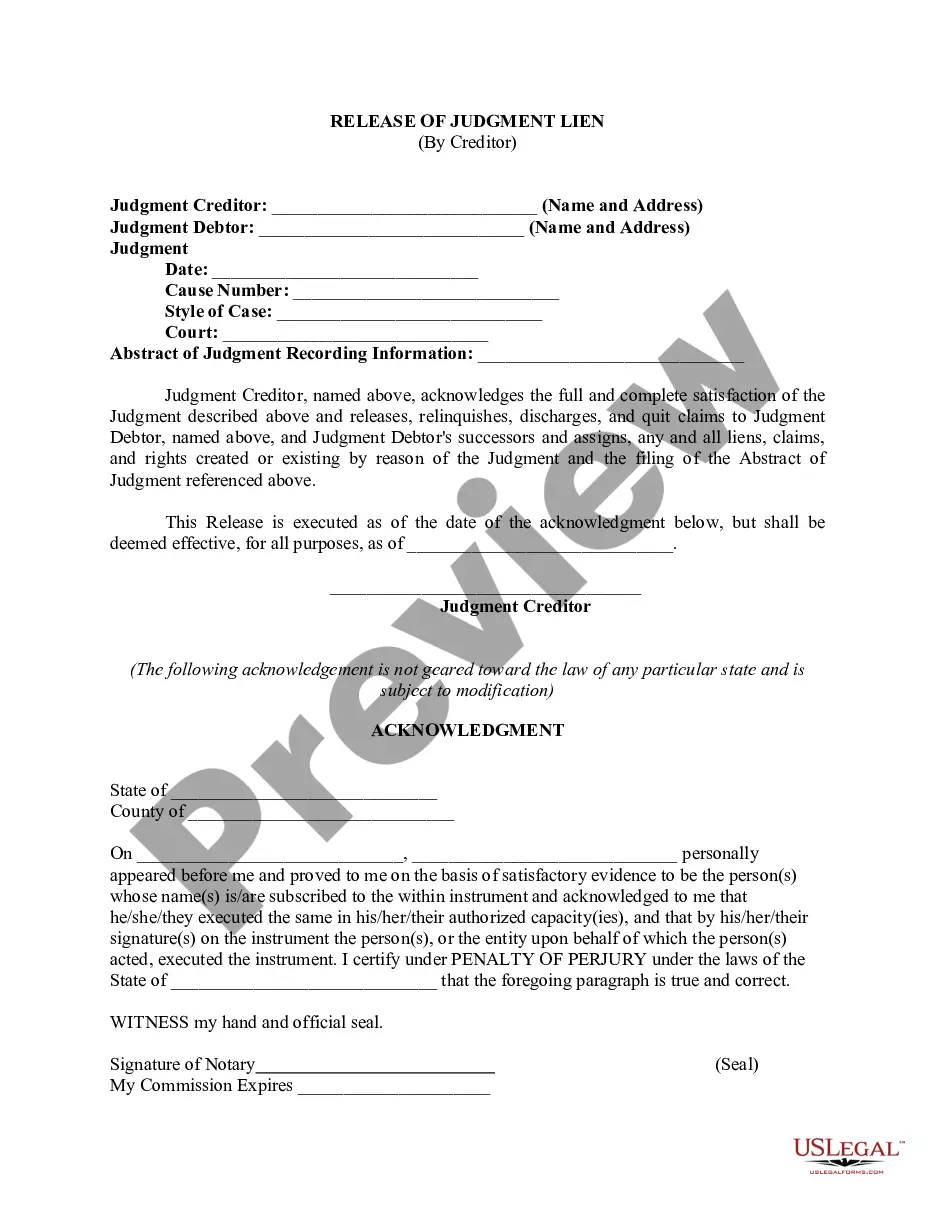
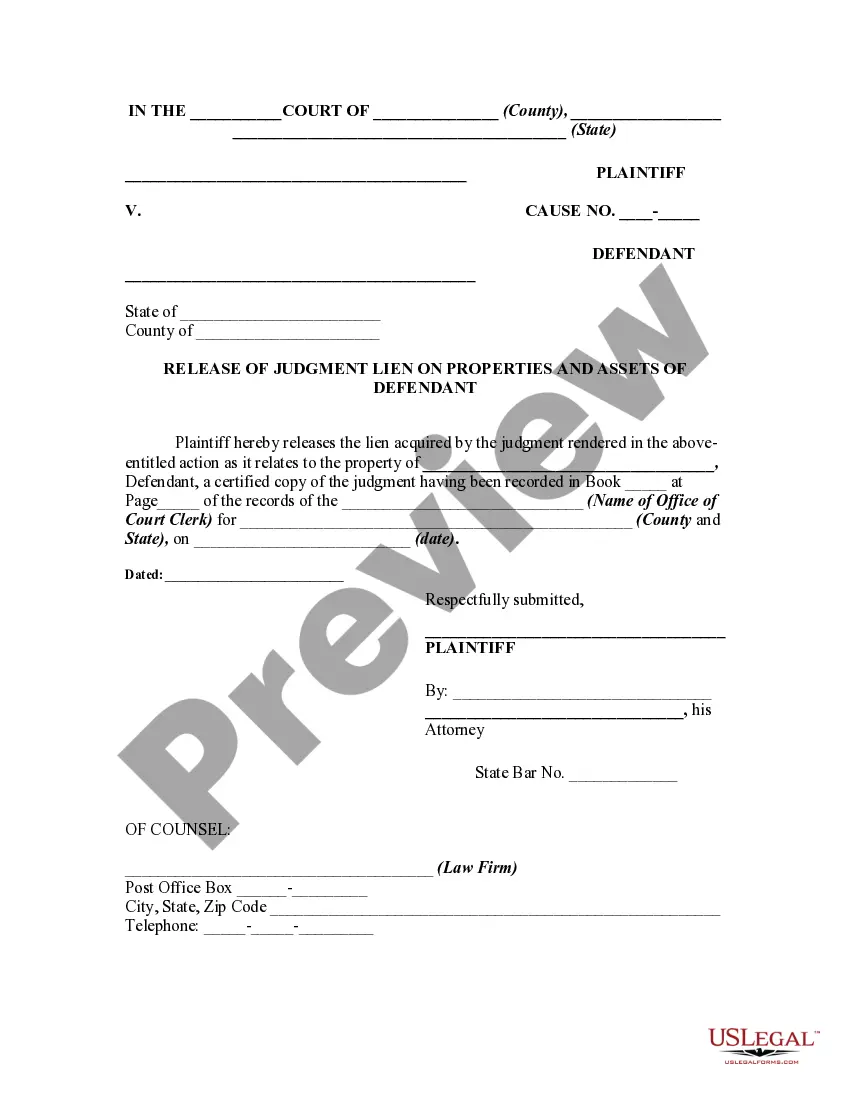
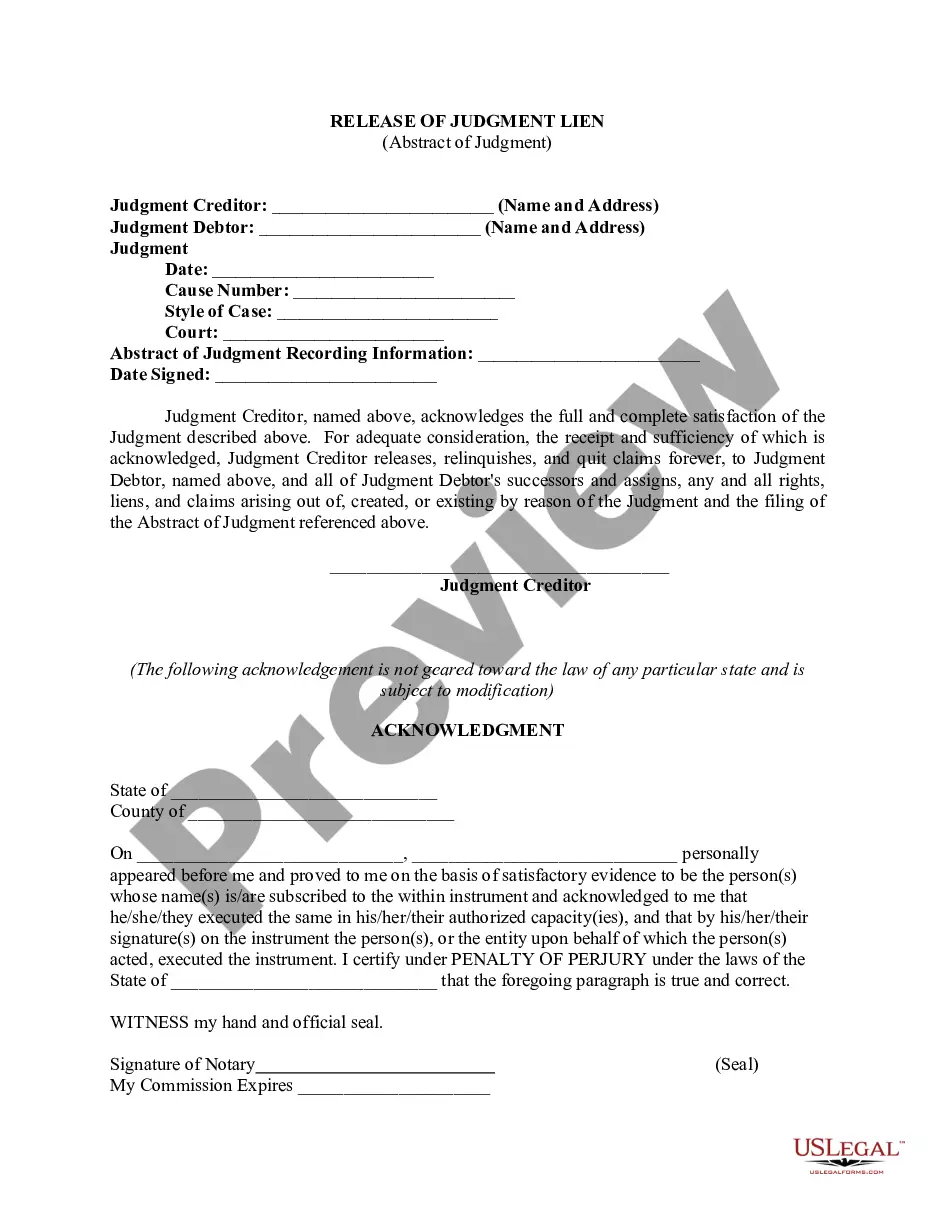
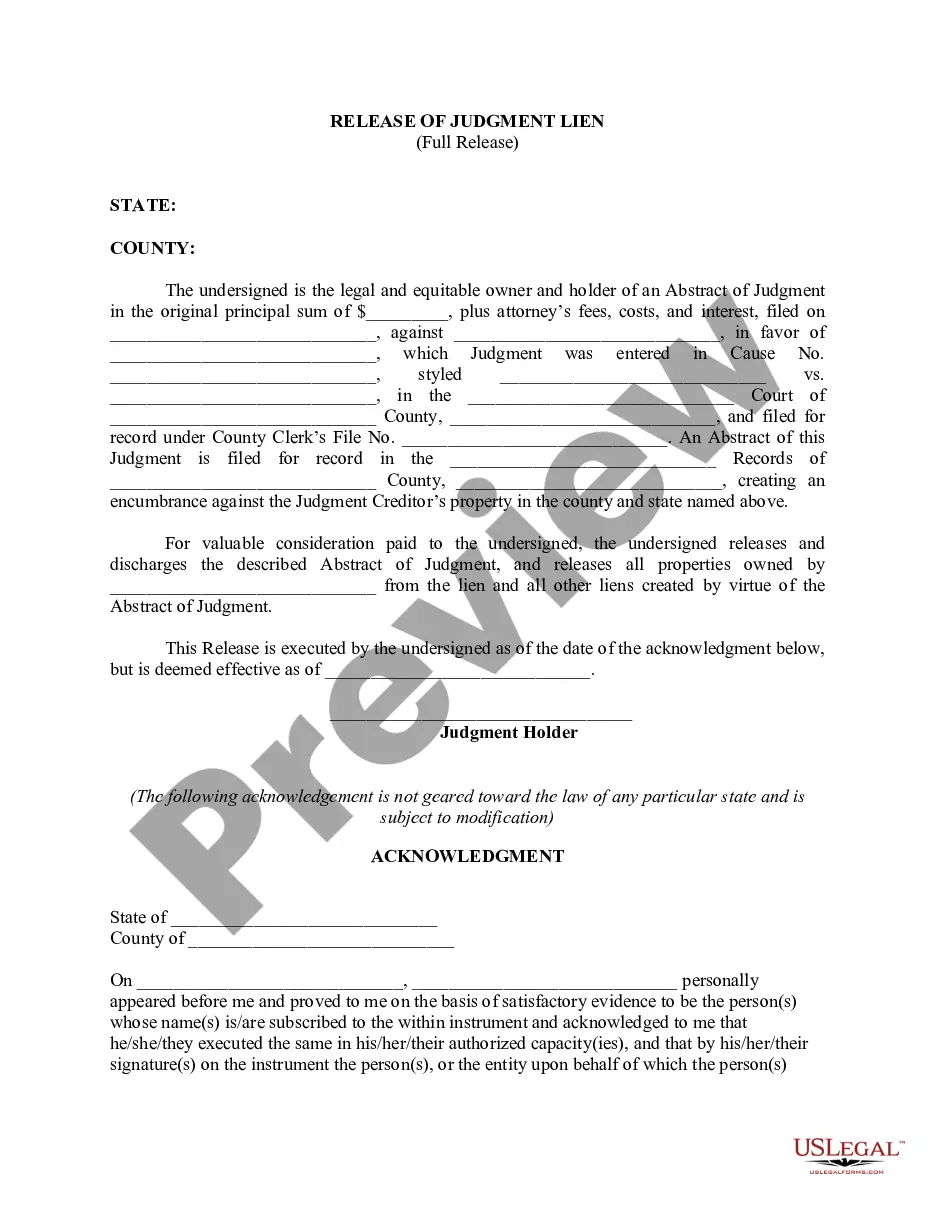
The Release of Judgment Lien by Creditor is a legal document that formalizes the release of a judgment lien against a debtor's property. This form is essential when a creditor acknowledges that a judgment has been satisfied and no longer holds any claim against the debtor's real property. It serves to clear the property title of the lien, making it easier for the debtor to sell or refinance the property. Unlike other lien documents, it specifically reflects the satisfaction of a judgment and the relinquishment of claims associated with it.
Main sections of this form
- Judgment Creditor: Name and address of the creditor releasing the lien.
- Judgment Debtor: Name and address of the debtor whose property is affected.
- Judgment Date: Date on which the original judgment was issued.
- Cause Number: Unique identifier for the case associated with the judgment.
- Style of Case: Title of the legal case in which the judgment was made.
- Court Information: Name of the court that issued the original judgment.
- Abstract of Judgment Recording Information: Details on how the judgment was recorded.
- Acknowledgment Section: Notary section to confirm the identity of the creditor.

When this form is needed
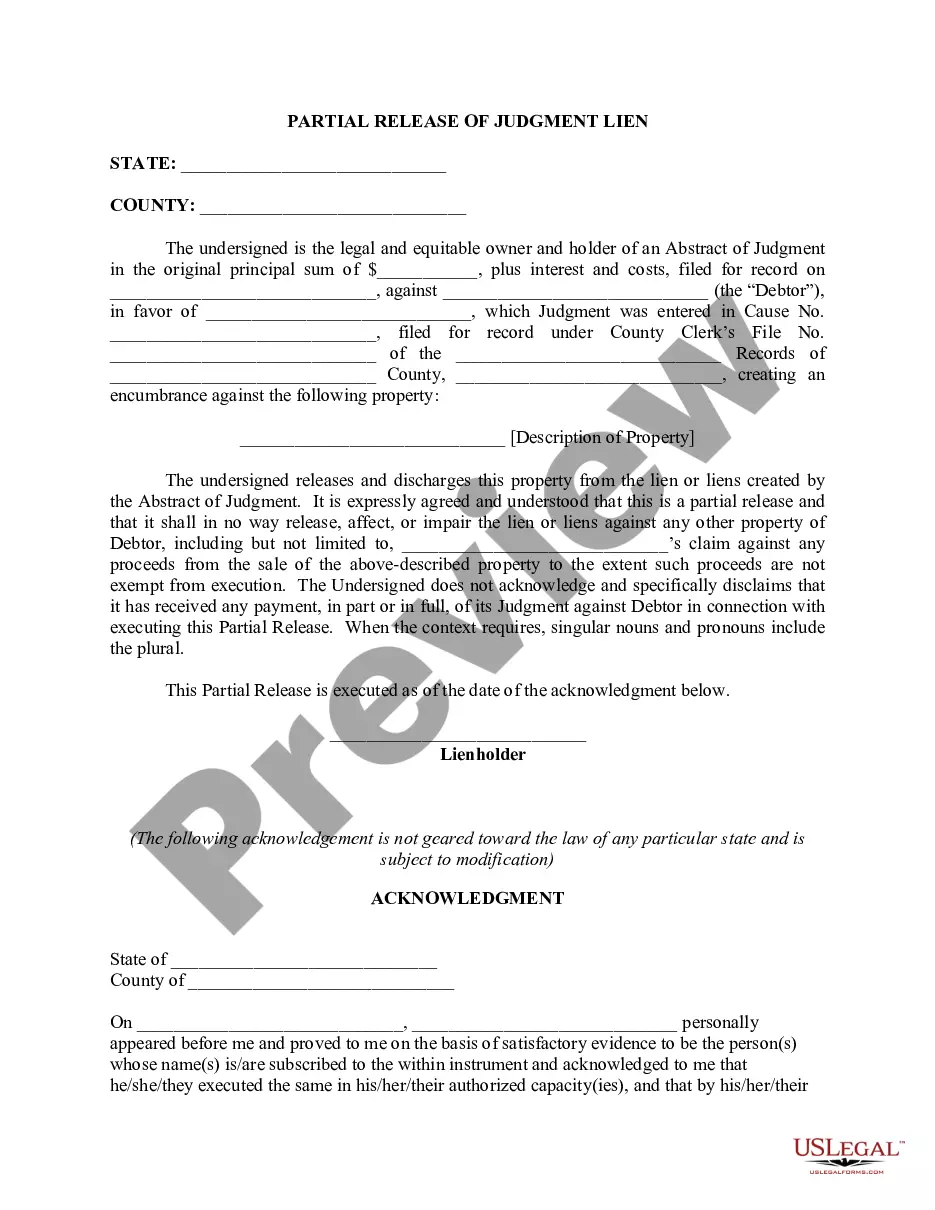
This form is used when a creditor has received full payment or satisfaction of a judgment against a debtor. It is necessary to release the lien from the debtor's property, particularly if the debtor wishes to sell, refinance, or otherwise transfer ownership of the property. This release confirms that the creditor no longer has any claim on the property due to the previously filed judgment.
Who this form is for
This form is intended for:
- Creditors who have a judgment lien against a debtor's real property.
- Debtors who want to ensure that the lien is formally released after payment.
- Attorneys representing creditors or debtors in judgment lien matters.
- Any individual or entity involved in a real estate transaction affected by a judgment lien.
Steps to complete this form
- Identify the parties: Fill in the names and addresses of the Judgment Creditor and Judgment Debtor.
- Enter the judgment details: Include the Judgment Date, Cause Number, and Style of Case.
- Provide court information: Specify the name of the court that issued the judgment.
- Complete the acknowledgment section: This includes the notarization details and the date of execution.
- Sign the document: The Judgment Creditor must sign to certify the release.
Does this document require notarization?
Notarization is required for this form to take effect. Our online notarization service, powered by Notarize, lets you verify and sign documents remotely through an encrypted video session, available 24/7.
Get your form ready online
Our built-in tools help you complete, sign, share, and store your documents in one place.
Make edits, fill in missing information, and update formatting in US Legal Forms—just like you would in MS Word.
Download a copy, print it, send it by email, or mail it via USPS—whatever works best for your next step.
Sign and collect signatures with our SignNow integration. Send to multiple recipients, set reminders, and more. Go Premium to unlock E-Sign.
If this form requires notarization, complete it online through a secure video call—no need to meet a notary in person or wait for an appointment.
We protect your documents and personal data by following strict security and privacy standards.
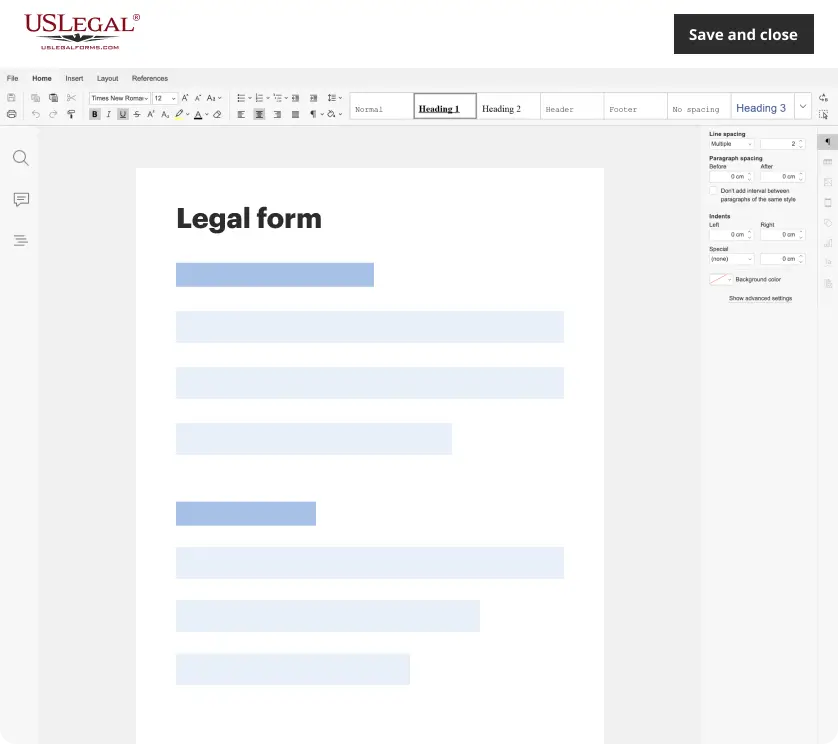
Make edits, fill in missing information, and update formatting in US Legal Forms—just like you would in MS Word.
Download a copy, print it, send it by email, or mail it via USPS—whatever works best for your next step.
Sign and collect signatures with our SignNow integration. Send to multiple recipients, set reminders, and more. Go Premium to unlock E-Sign.
If this form requires notarization, complete it online through a secure video call—no need to meet a notary in person or wait for an appointment.
We protect your documents and personal data by following strict security and privacy standards.
Avoid these common issues
- Failing to provide complete names and addresses of the parties involved.
- Not including necessary court information or judgment details.
- Omitting the date of execution or acknowledgement from the notary.
- Not having the form notarized if local laws require it.
Advantages of online completion
- Convenience of downloading the form at any time from anywhere.
- Editable fields to customize the document according to specific needs.
- Access to attorney-drafted templates ensuring compliance with legal standards.
- Time-saving compared to creating forms from scratch.
Looking for another form?
Form popularity
FAQ
The defendant should ask for a letter confirming that the entire amount of the judgment has been paid. He or she may do so by sending a demand letter to the plaintiff. The release and satisfaction form is filed with the court clerk and entered into the case record.
Paying off Judgments Will not Improve your Credit Score While the Fair Credit Reporting Act states that a judgment may stay on your credit report for as long as the statute of limitations in your state is in effect, all three bureaus remove judgments at the 7-year mark whether or not they are paid.
In order to vacate a judgment in California, You must file a motion with the court asking the judge to vacate or set aside the judgment. Among other things, you must tell the judge why you did not respond to the lawsuit (this can be done by written declaration).
The short answer is yes, in most cases a court judgement can be removed from a credit file.By signing this document the plaintiff is agreeing to formally discontinue their action, not an unreasonable request if the judgement is paid or the defendant can settle the debt.
A court form that the judgment creditor must fill out, sign, and file with the court when the judgment is fully paid. If no liens exist, the back of the Notice of Entry of Judgment can be signed and filed with the court. (See judgment creditor, judgment .)
In California, you must file a notarized "Acknowledgement Of Satisfaction of Judgment" with the Court. The law ignores the real world possibility of bounced checks and bankruptcy, and requires you to file the Satisfaction within 14 days.
Request the court to validate the judgment. Verify information provided from the court. Dispute any inaccuracies found. Consider professional help.
In order to vacate a judgment in California, You must file a motion with the court asking the judge to vacate or set aside the judgment. Among other things, you must tell the judge why you did not respond to the lawsuit (this can be done by written declaration).
On the form, say that you want to have the court "Enter Satisfaction of Judgment." File your form with the clerk. The clerk may schedule a court date and let you and all other parties know. If the court is convinced that you have paid, the court will enter the satisfaction of judgment.