Consent of the Nonassigning Party Provisions
About this form
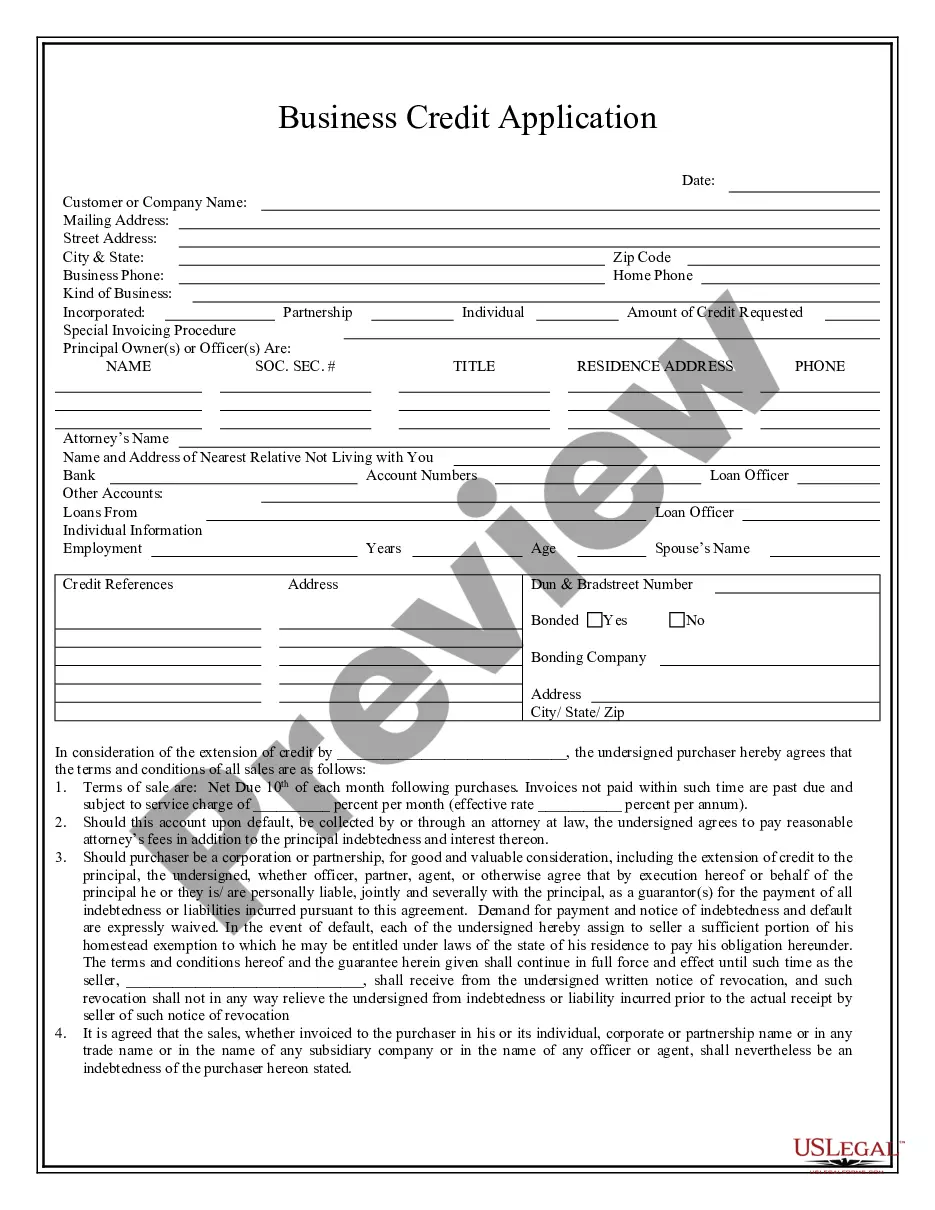
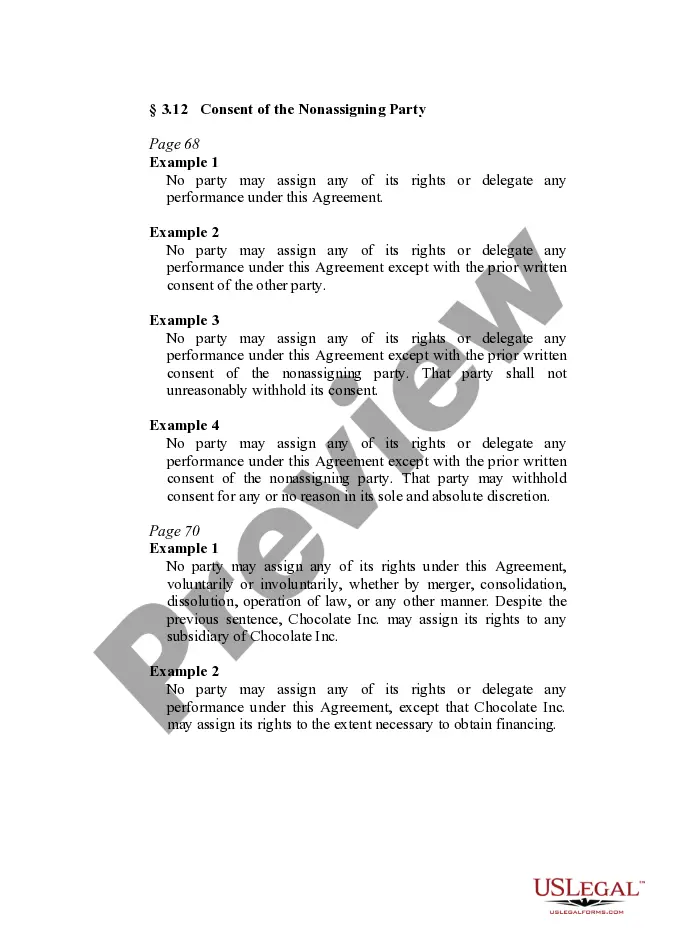
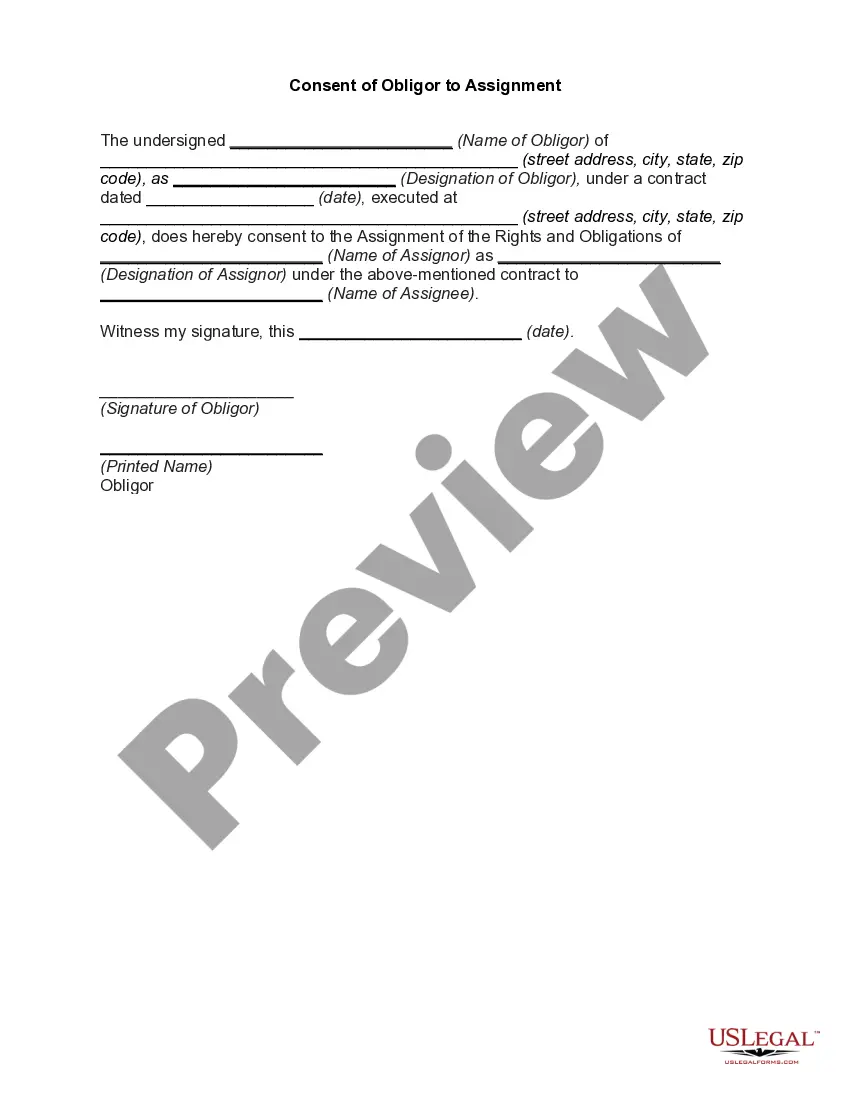
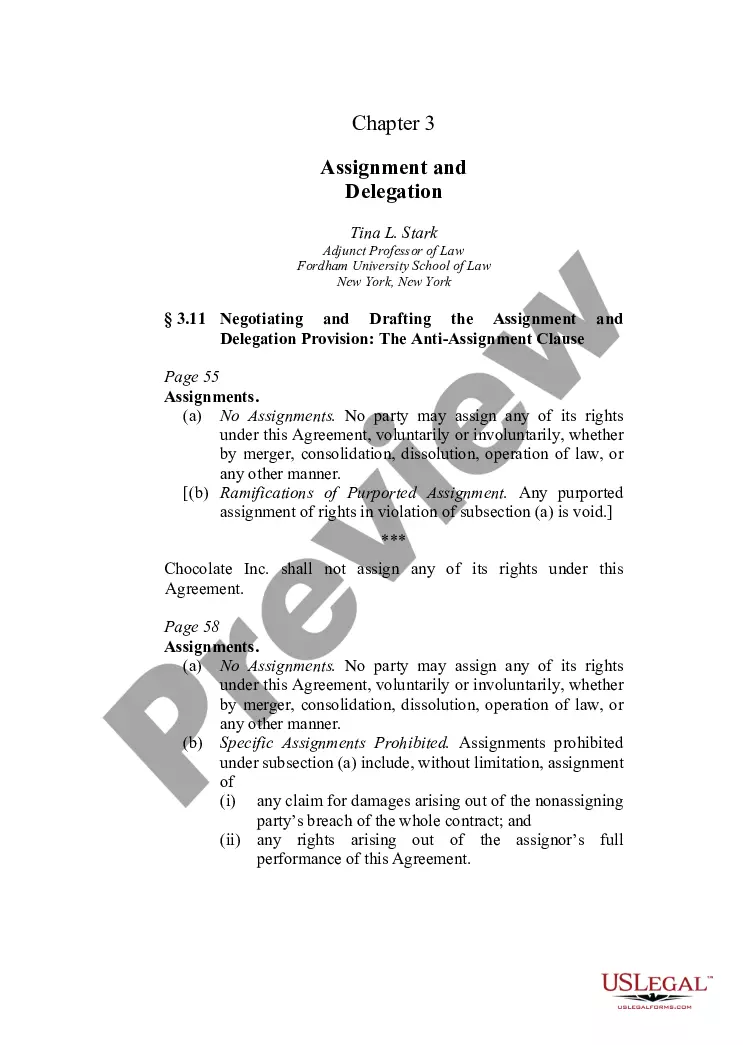
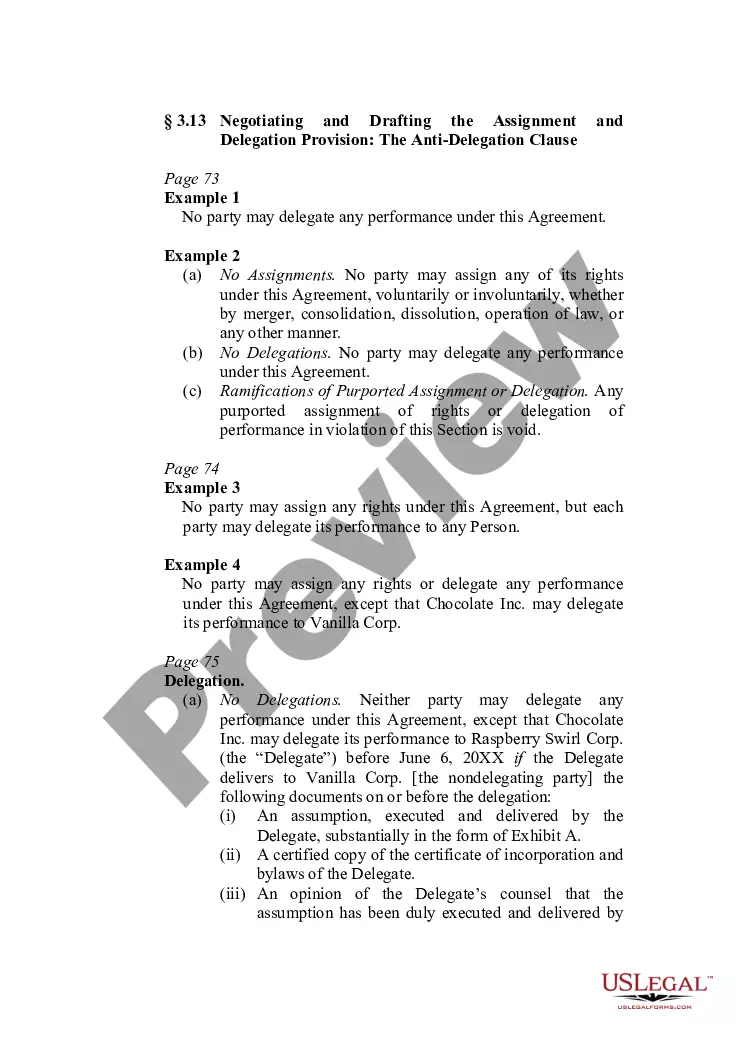
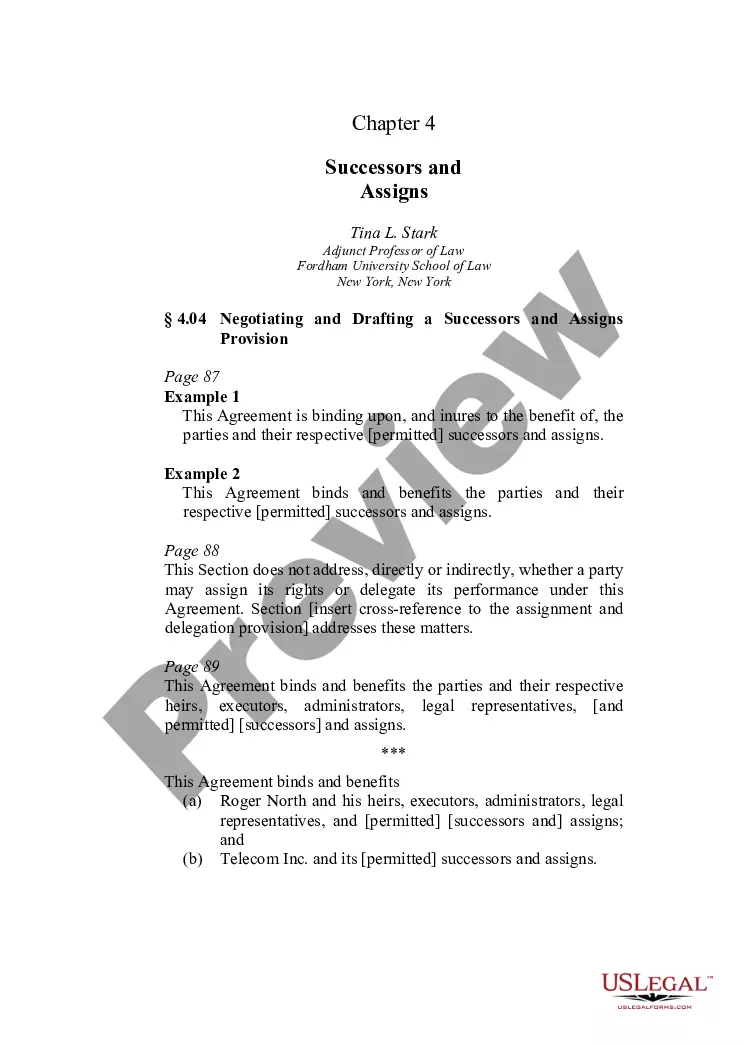
The Consent of the Nonassigning Party Provisions form is a legal document that provides specific clauses outlining the conditions under which one party may assign or delegate their rights under a contract. This form is essential for ensuring that all parties maintain control over their contractual obligations and ensures that any assignment requires consent, reflecting individual preferences and circumstances.
Form components explained
- Basic clause prohibiting assignment without consent.
- Provision allowing assignment with prior written consent from the nonassigning party.
- Clause specifying that consent cannot be unreasonably withheld.
- Options for withholding consent for any reason.
- Special provisions allowing assignments to subsidiaries or for financing purposes.
Common use cases
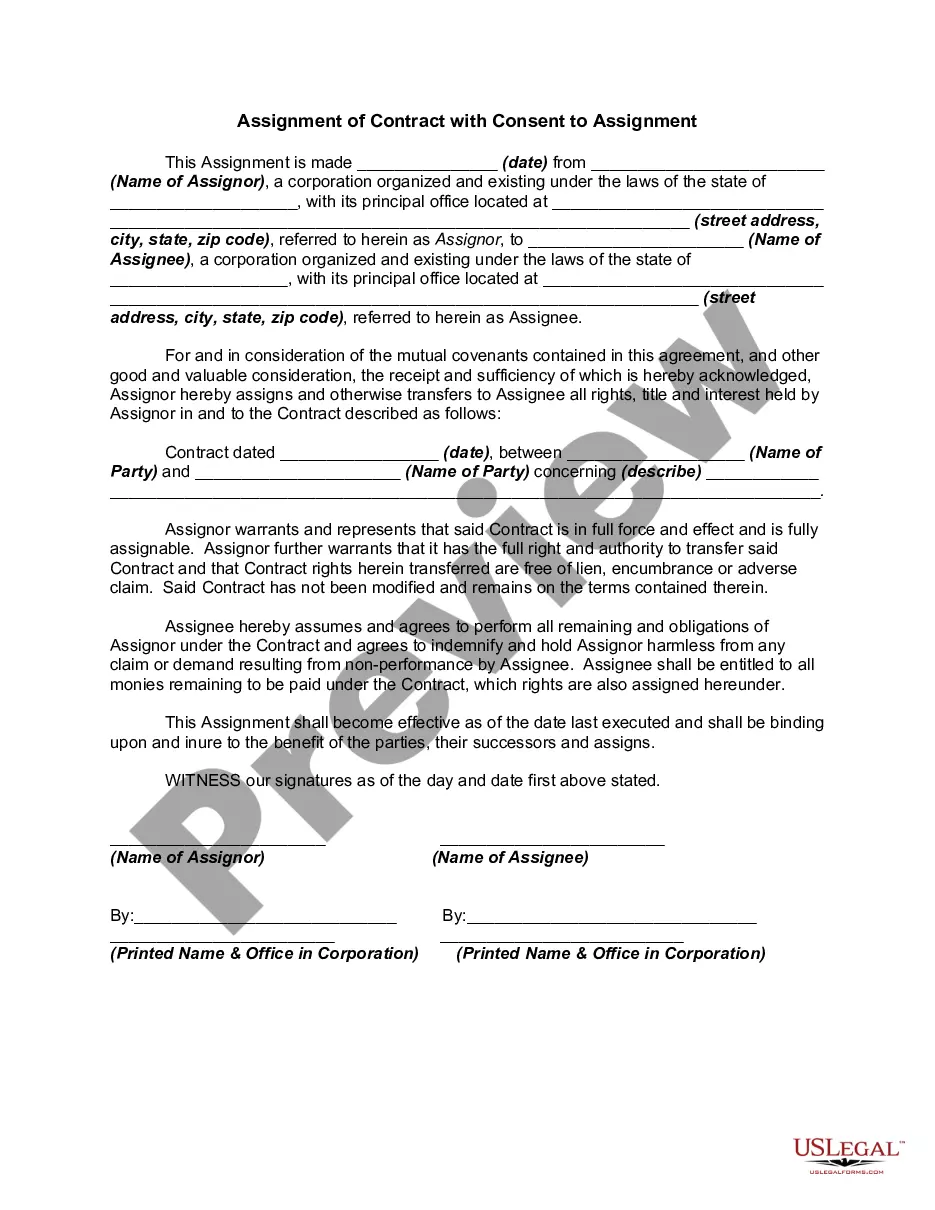
This form should be used when parties enter into contracts that may involve the potential for rights assignments or delegations. It is particularly useful in scenarios where one party wants to ensure that they retain control over who can take over their rights or obligations, such as in leasing agreements, joint ventures, or business partnerships.
Who should use this form
- Individuals or businesses entering contracts with assignment possibilities.
- Contractors and service providers seeking to restrict assignment of their obligations.
- Parties involved in partnerships or joint contracts requiring mutual agreement on assignments.
How to prepare this document
- Identify all parties involved in the agreement.
- Choose the appropriate clause that reflects the consent terms desired.
- Specify any conditions for assigning rights or delegating performances.
- Include any provisions related to withholding consent.
- Ensure all parties sign and date the document for validity.
Is notarization required?
This form usually doesn’t need to be notarized. However, local laws or specific transactions may require it. Our online notarization service, powered by Notarize, lets you complete it remotely through a secure video session, available 24/7.
Get your form ready online
Our built-in tools help you complete, sign, share, and store your documents in one place.
Make edits, fill in missing information, and update formatting in US Legal Forms—just like you would in MS Word.
Download a copy, print it, send it by email, or mail it via USPS—whatever works best for your next step.
Sign and collect signatures with our SignNow integration. Send to multiple recipients, set reminders, and more. Go Premium to unlock E-Sign.
If this form requires notarization, complete it online through a secure video call—no need to meet a notary in person or wait for an appointment.
We protect your documents and personal data by following strict security and privacy standards.

Make edits, fill in missing information, and update formatting in US Legal Forms—just like you would in MS Word.

Download a copy, print it, send it by email, or mail it via USPS—whatever works best for your next step.

Sign and collect signatures with our SignNow integration. Send to multiple recipients, set reminders, and more. Go Premium to unlock E-Sign.

If this form requires notarization, complete it online through a secure video call—no need to meet a notary in person or wait for an appointment.

We protect your documents and personal data by following strict security and privacy standards.
Typical mistakes to avoid
- Failing to include all parties' names accurately.
- Not specifying the conditions under which consent may be given or withheld.
- Overlooking to sign and date the document.
- Using vague language that could lead to misunderstandings.
Why use this form online
- Immediate access to legal provisions that can be customized to fit specific needs.
- Easy to download and fill out at your convenience.
- Utilization of professionally drafted legal language, reducing the risk of errors.
Legal use & context
- Ensures that parties understand their rights and obligations in assignments.
- Protects interests by requiring consent that may prevent unauthorized transfers.
- Enhances enforceability of contracts by clearly outlining assignment conditions.
Quick recap
- The form regulates the assignment of rights under a contract.
- Consent clauses help maintain control over contractual obligations.
- Critical for anyone entering into agreements with potential assignments.
Looking for another form?
Form popularity
FAQ
An assignment clause spells out which contractual obligations, rights, and duties may be transferred from one of the contractual parties to another party.The assignment clause often overlaps with two other clauses: Parties in Interest. Successors and Assigns.
An assignment of contract clause is often included in contracts to give either party the opportunity to transfer their part of the contract to someone else in the future.
Assignment a transfer of legal rights under, or interest in, an insurance policy to another party. In most instances, the assignment of such rights can only be effected with the written consent of the insurer.
In both instances, assignment is the process whereby a person, the assignor, transfers rights or benefits to another, the assignee.While novation requires the consent of all parties, assignment needs no consent from other non-assigning parties.
As an anti-assignment clause prohibits the assignment of payment, it affects business and thus is unenforceable and ineffective under Section 9-406 of the Uniform Commercial Code.What Should a Factor Do If a Client's Contract Contains an Anti-Assignment Clause?
A non-assignment clause prevents a party or parties from assigning the benefit of the contract.Contracts commonly provide for assignment with the consent of the other party. Such provisions usually provide that consent must not be unreasonably withheld and, where there is no such proviso, one may be implied.
What Is a Non-Assignment Provision and Why Do You Need It? Generally speaking, contracts can be freely assigned to third parties. Non-assignment provisions are designed so that contracts cannot be as freely assigned to third parties; or at least, not without first obtaining the contracting counterparty's consent.
A contract assignment occurs when a buyer transfers the contract to buy property to someone else before the completion date. The buyer can transfer the contract for any price, even for a higher price than they paid for the property. In theory, the new buyer is buying a resale of a previous presale.
An assignment clause spells out which, if any, of a party's obligations and rights under a contract are able to be assigned, or transferred, to another party.