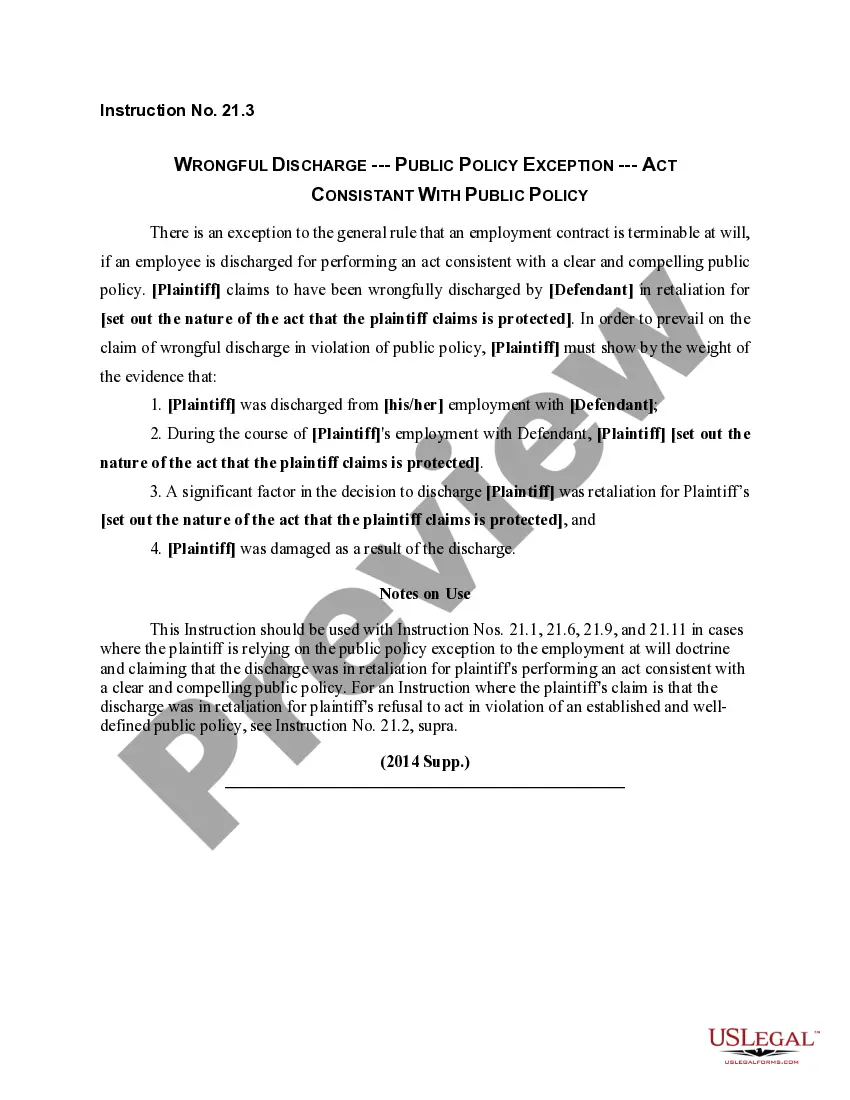
Assignment and Delegation Provisions - The Anti-Delegation Clause
Overview of this form
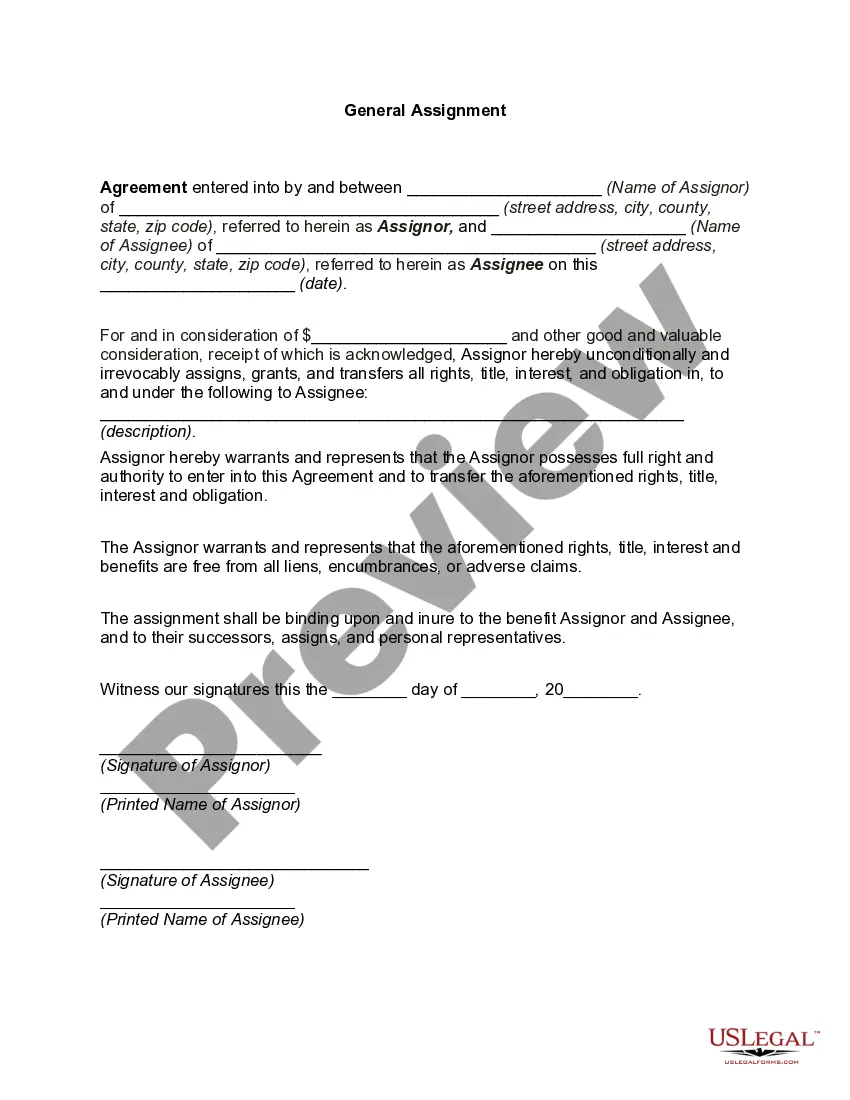
The Assignment and Delegation Provisions - The Anti-Delegation Clause form outlines contractual clauses that specify the limitations or requirements for delegating performance under a contract. This form includes several language options to cater to varying levels of restrictions, ensuring that parties can customize their agreement while maintaining essential protections. It is distinct from similar forms as it focuses specifically on the prevention of delegation, providing both strict prohibitions and conditional allowances for delegation.
Key components of this form
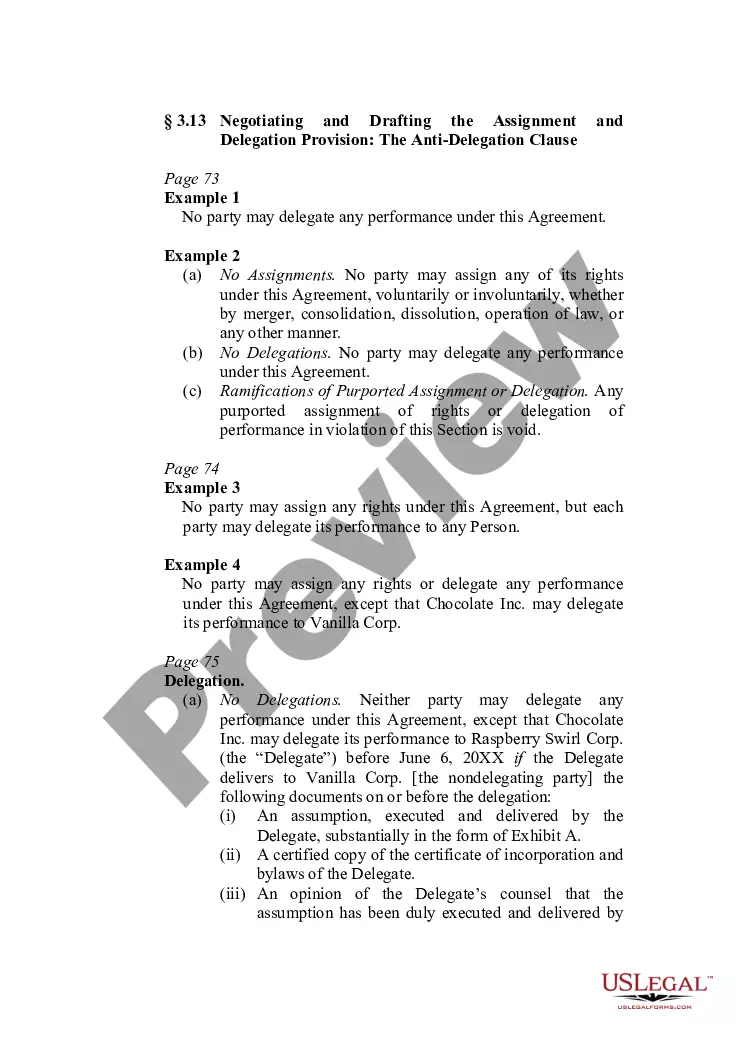
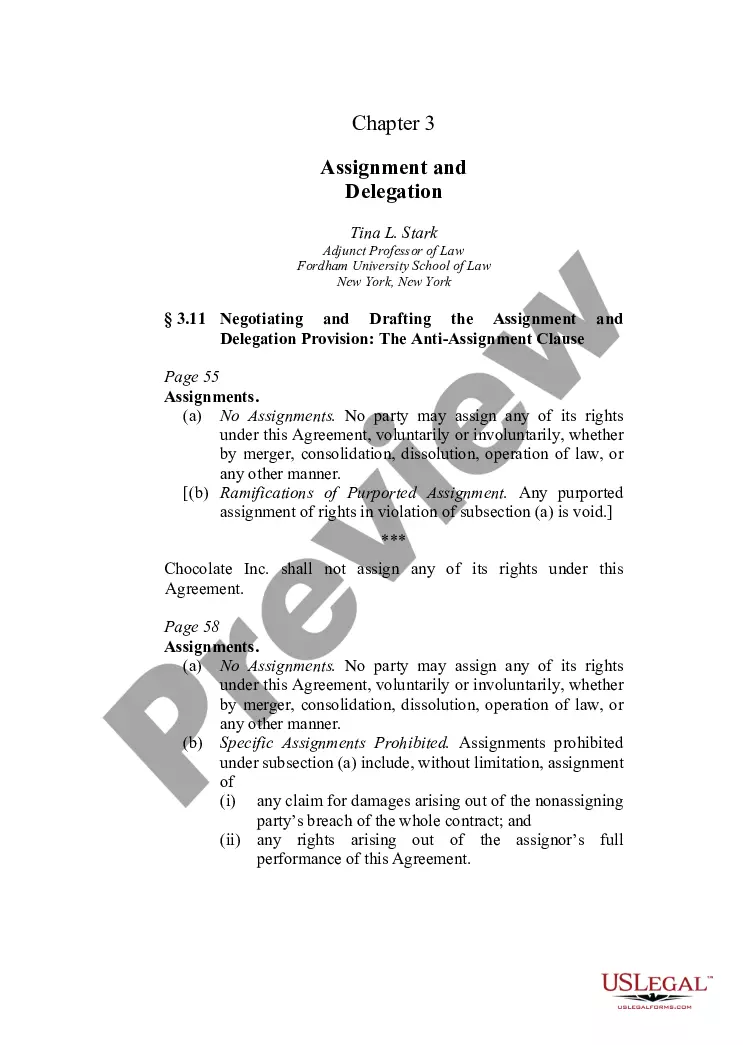
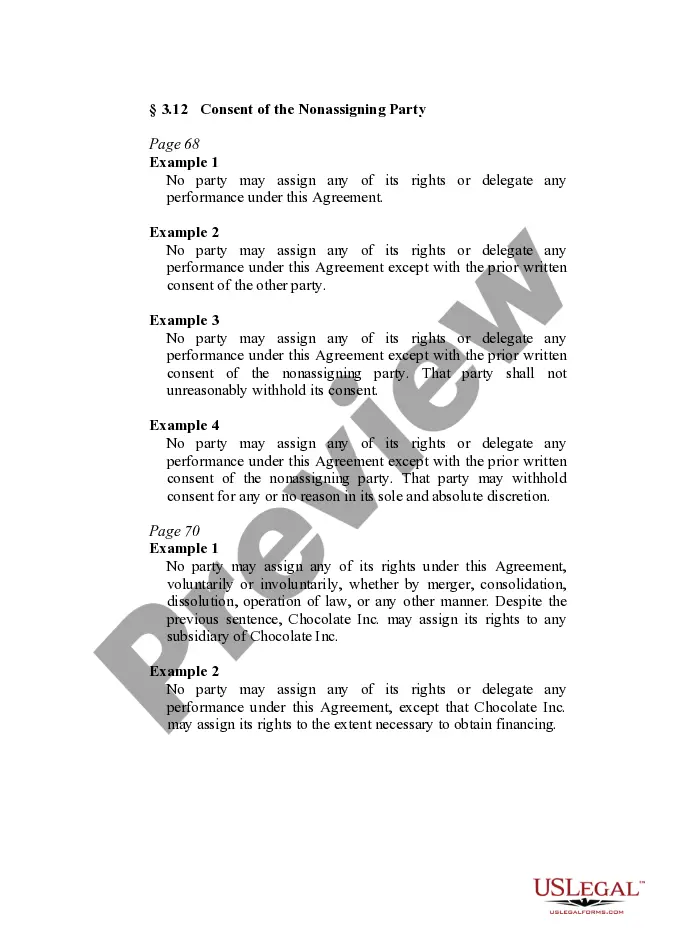
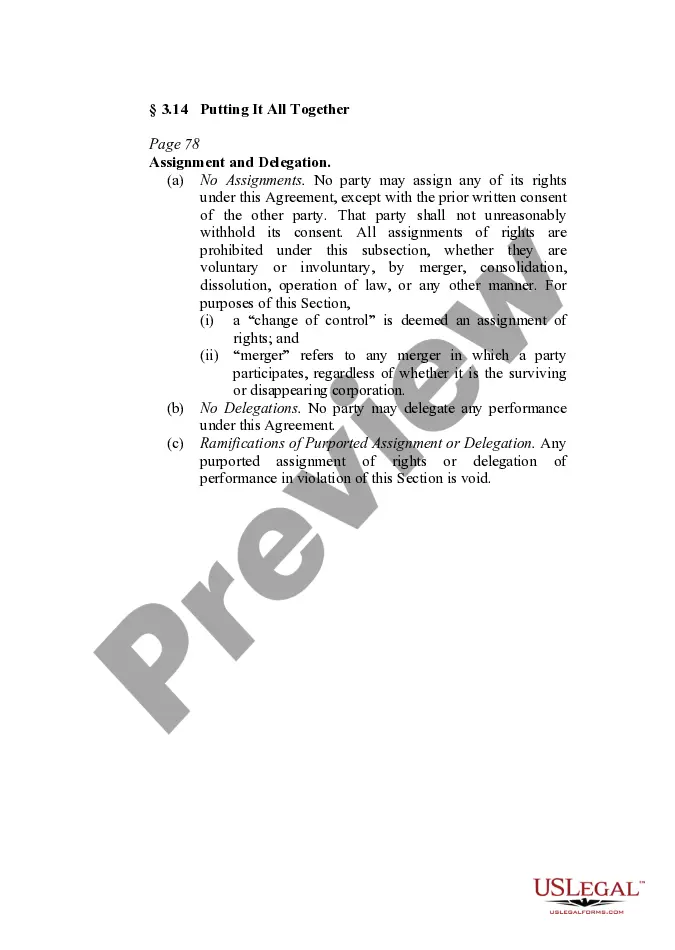
- No Assignments Clause: Prohibits any party from assigning rights without consent, in various circumstances.
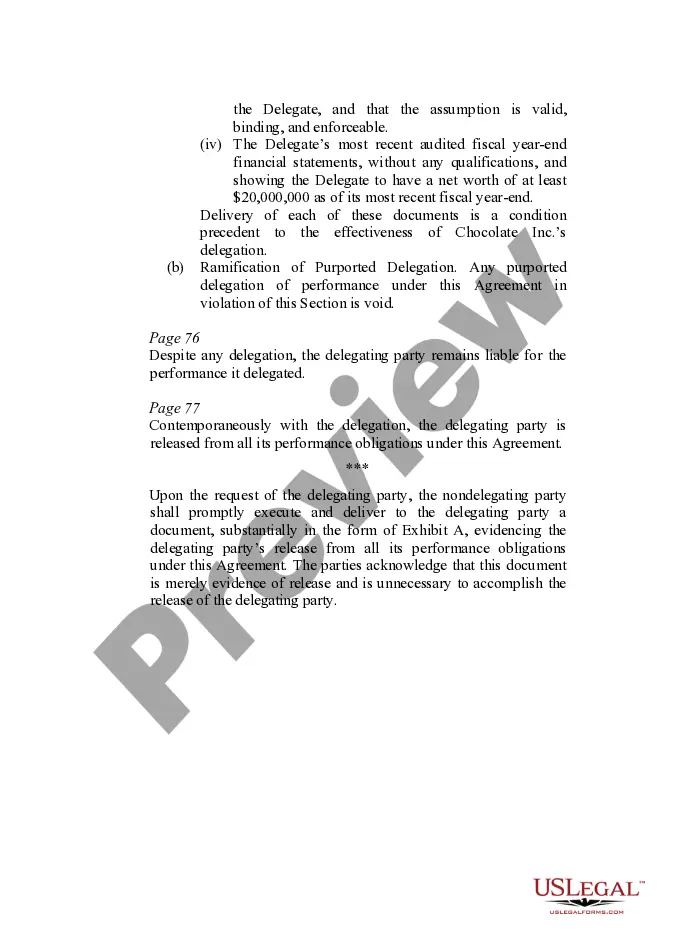
- No Delegations Clause: Restricts the delegation of performance unless permitted under specific conditions.
- Ramifications of Violations: States that any unauthorized assignment or delegation is void, ensuring clarity on enforceability.
- Conditional Delegation: Details any conditions necessary for valid performance delegation, including documentation and financial requirements.
- Release of Obligations: Describes the process for a delegating party's release from performance obligations upon meeting conditions.
Situations where this form applies
You should use the Assignment and Delegation Provisions when drafting contracts that outline how obligations can be delegated between parties. This form is especially important in complex agreements where one party may need to ensure that they retain control over how contract terms are fulfilled. Situations such as mergers, acquisitions, or partnerships may create a need for this form to prevent unauthorized delegation of contractual duties.
Who can use this document
- Business owners entering contracts where delegation of duties might occur.
- Contract managers responsible for maintaining compliance with contractual obligations.
- Attorneys drafting or reviewing contracts to protect their clients' interests.
- Parties involved in mergers or partnerships seeking to establish clear obligations and restrictions.
Completing this form step by step
- Identify the parties involved in the agreement by entering their names and addresses.
- Specify the contract details, including the nature of the performance being delegated.
- Choose the appropriate clauses from the provided options based on the desired level of restriction on delegation.
- Enter any conditions for permitted delegations, detailing the necessary documents required for compliance.
- Ensure all parties sign and date the document to confirm their agreement to the terms outlined in the form.
Is notarization required?
In most cases, this form does not require notarization. However, some jurisdictions or signing circumstances might. US Legal Forms offers online notarization powered by Notarize, accessible 24/7 for a quick, remote process.
Get your form ready online
Our built-in tools help you complete, sign, share, and store your documents in one place.
Make edits, fill in missing information, and update formatting in US Legal Forms—just like you would in MS Word.
Download a copy, print it, send it by email, or mail it via USPS—whatever works best for your next step.
Sign and collect signatures with our SignNow integration. Send to multiple recipients, set reminders, and more. Go Premium to unlock E-Sign.
If this form requires notarization, complete it online through a secure video call—no need to meet a notary in person or wait for an appointment.
We protect your documents and personal data by following strict security and privacy standards.

Make edits, fill in missing information, and update formatting in US Legal Forms—just like you would in MS Word.

Download a copy, print it, send it by email, or mail it via USPS—whatever works best for your next step.

Sign and collect signatures with our SignNow integration. Send to multiple recipients, set reminders, and more. Go Premium to unlock E-Sign.

If this form requires notarization, complete it online through a secure video call—no need to meet a notary in person or wait for an appointment.

We protect your documents and personal data by following strict security and privacy standards.
Common mistakes to avoid
- Failing to include necessary conditions for delegation, which can lead to disputes.
- Not clearly defining the parties involved, which may result in ambiguity.
- Using generic language that does not reflect the specific needs of the agreement.
- Overlooking to obtain signatures from all relevant parties, rendering the agreement unenforceable.
Benefits of using this form online
- Easy accessibility: Download the form anytime and anywhere.
- Editable format: Customize the clauses to meet your specific needs without legal jargon.
- Quick turnaround: Immediate access allows for faster contract preparation.
- Expert guidance: Forms are drafted by licensed attorneys to ensure legal soundness.
Legal use & context
- Confirms that delegation of performance must be explicitly allowed to ensure enforceability.
- Identifies potential liabilities for unauthorized delegations, supporting clarity in obligations.
- Ensures that both assigning and delegating parties are aware of their respective responsibilities under the contract.
Looking for another form?

Form popularity
FAQ
An anti-assignment clause may state that the contracting parties cannot transfer their obligations under the agreement to a third party.Neither party may assign, delegate, or transfer this agreement or any of its rights or obligations under this agreement.
A non-assignment clause which prohibits a party from assigning its rights (eg "the Seller shall not assign its rights") will, if breached, generally result in a breach of contract but will not affect the assignee's rights. The rights subjected to the clause are still transferred.
Collateral Assignment of Contracts means the assignment of representations, warranties, covenants, indemnities and rights to the Agent, in respect of the Loan Parties' rights under that certain Escrow Agreement executed in connection with the Riverstone Acquisition delivered on the Original Closing Date.
What Is a Non-Assignment Provision and Why Do You Need It? Generally speaking, contracts can be freely assigned to third parties. Non-assignment provisions are designed so that contracts cannot be as freely assigned to third parties; or at least, not without first obtaining the contracting counterparty's consent.
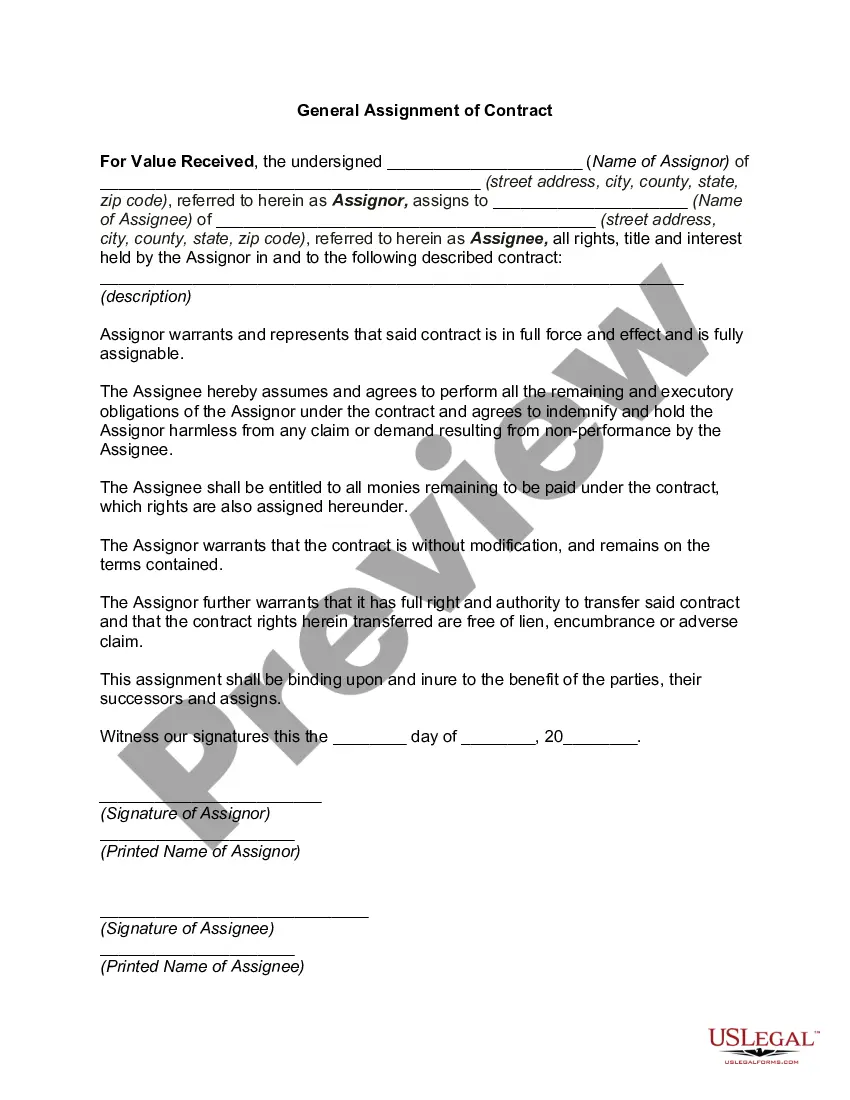
An assignment clause spells out which, if any, of a party's obligations and rights under a contract are able to be assigned, or transferred, to another party.
A contract may contain a non-assignment clause, which prohibits the assignment of specific rights and some various rights, or of the entire contract, to another. However, such a clause does not necessarily destroy the power of either party to make an assignment.
Delegation occurs when a party to a contract transfers the authority and responsibility for fulfilling a particular contractual duty to another party.An assignment occurs when the original party to a contract transfers the rights and duties of the contract to another party.
As an anti-assignment clause prohibits the assignment of payment, it affects business and thus is unenforceable and ineffective under Section 9-406 of the Uniform Commercial Code.What Should a Factor Do If a Client's Contract Contains an Anti-Assignment Clause?
The difference between assignment and delegation is that an assignment can't increase another party's obligations. Delegation, on the other hand, is a method of using a contract to transfer one party's obligations to another party. Assigning rights is usually easier than delegating, and fewer restrictions are in place.