Earnest Money Promissory Note
What is this form?
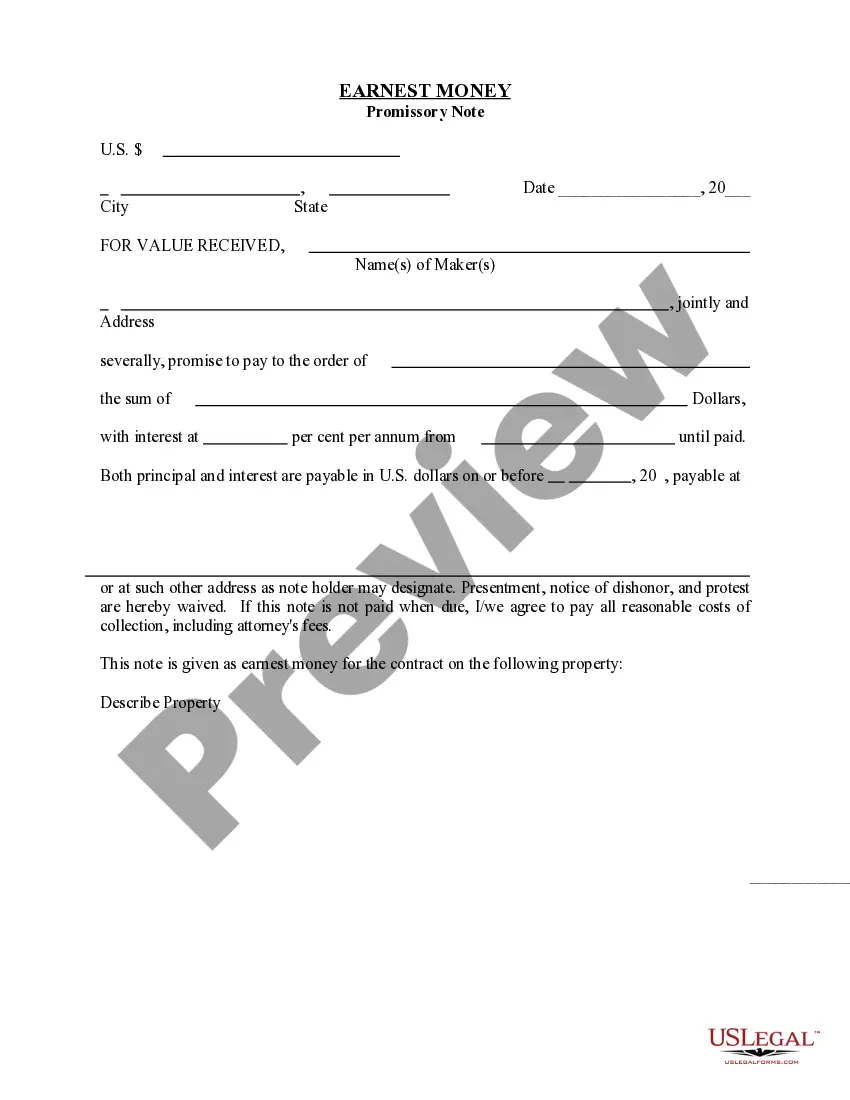
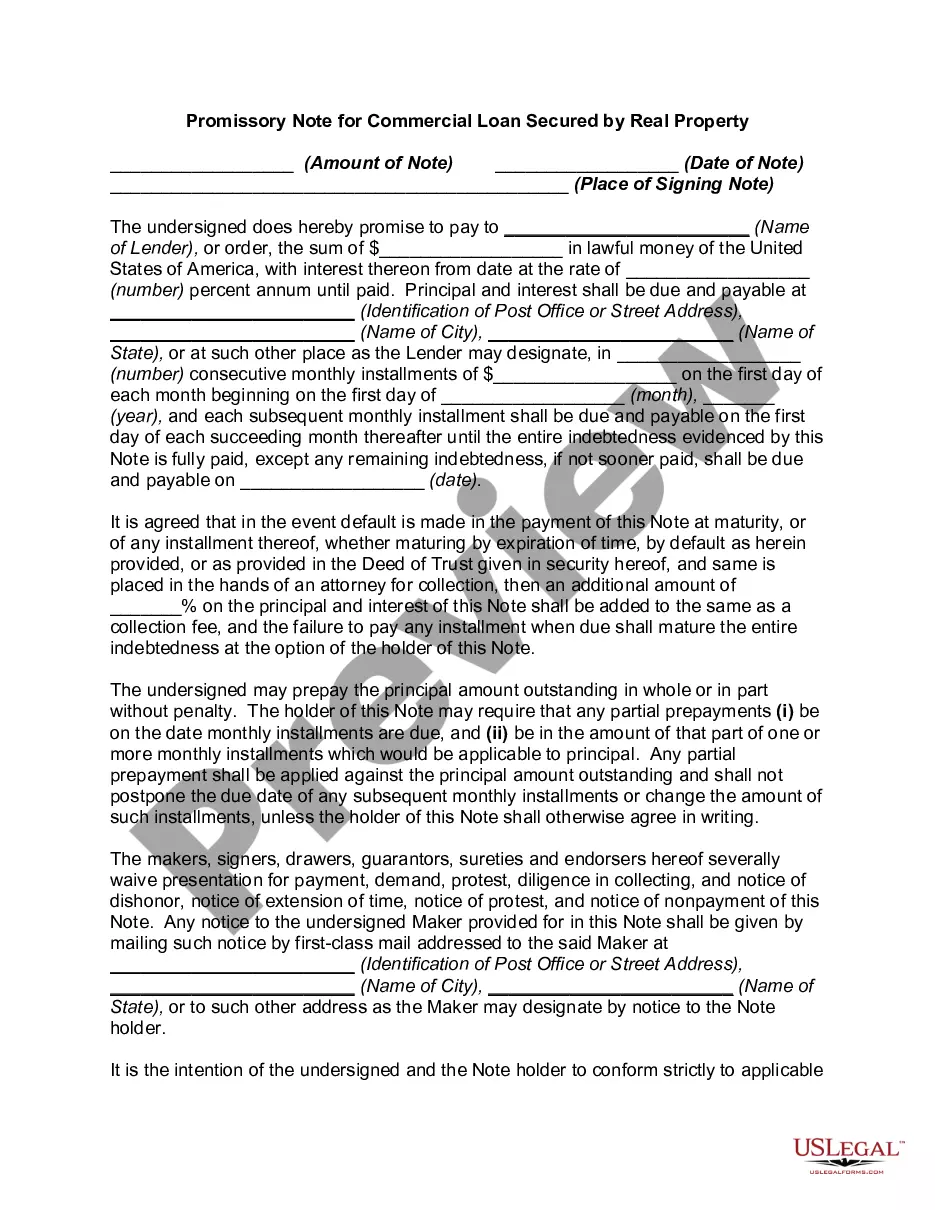
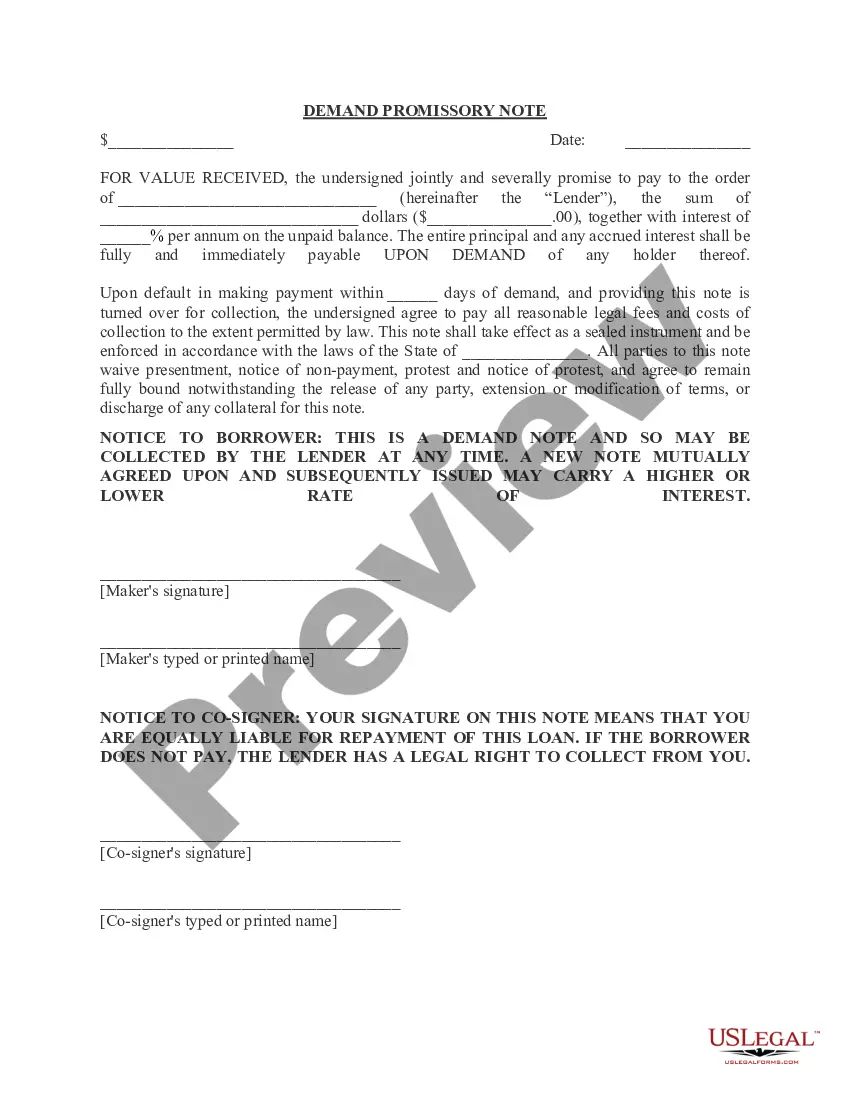
The earnest money promissory note is a legal document where the seller accepts a promissory note as the payment for earnest money in a real estate transaction. This form serves as a written commitment from the buyer to pay a specified amount, demonstrating their intent to purchase the property. It differs from other payment agreements by specifically addressing earnest money, which secures the buyer's offer and ensures they are serious about the purchase.
Key components of this form
- Date: The date when the note is executed.
- Names of Maker(s): The buyers who are making the payment.
- Amount: The sum payable as earnest money.
- Interest Rate: The annual percentage rate applied to the amount owed.
- Maturity Date: The date by which the amount must be paid back.
- Property Description: Details identifying the property related to the earnest money.
- Signatures: The signatures of the makers agreeing to the terms of the note.
When this form is needed
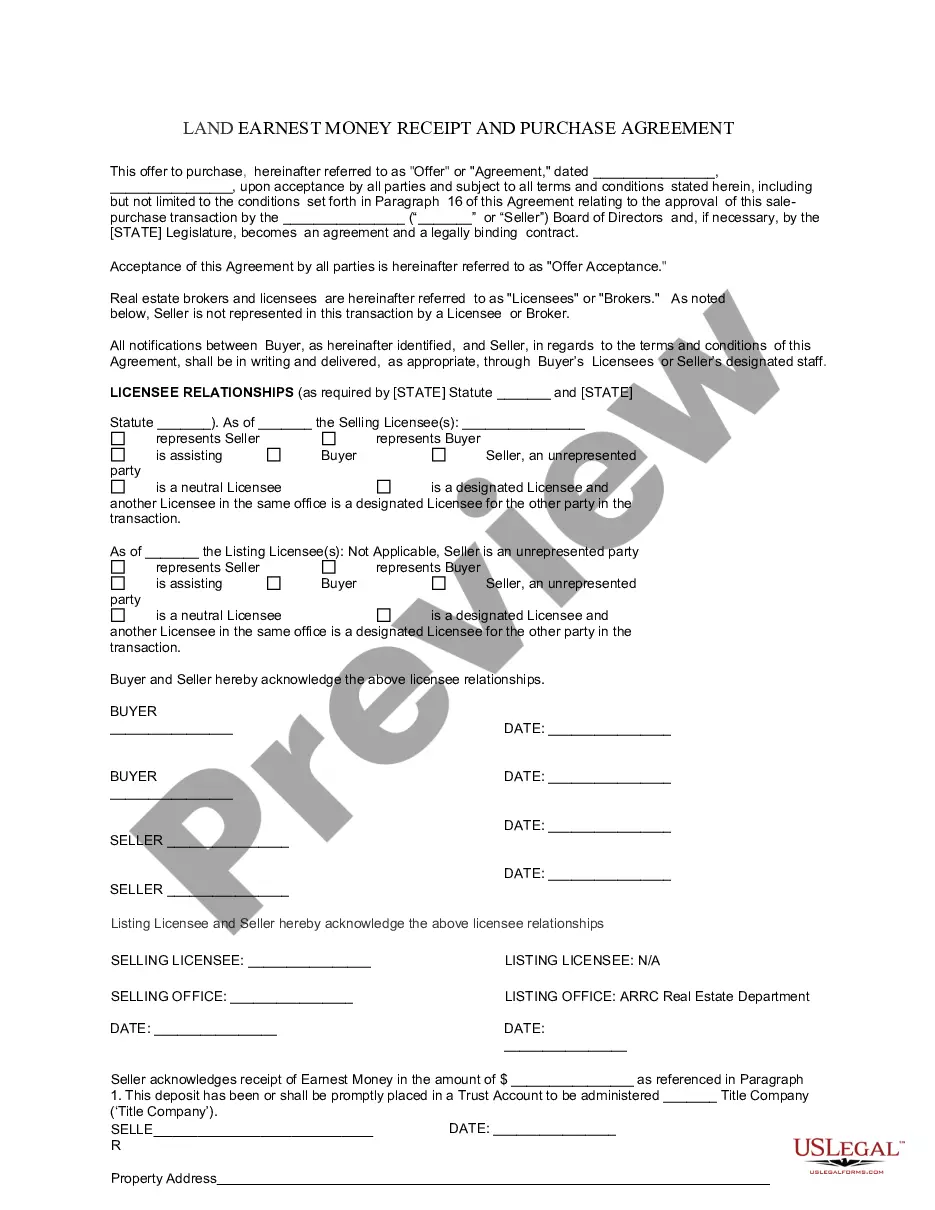
This form should be used when a buyer intends to make an earnest money deposit as part of a real estate purchase agreement. It is particularly useful when the seller agrees to accept a promissory note instead of immediate cash. Scenarios include real estate transactions where buyers may need to secure funds while awaiting other financing options or when they want to avoid liquidating their assets immediately.
Who should use this form
- Homebuyers looking to make an earnest money deposit.
- Real estate agents facilitating property sales.
- Sellers who are willing to accept a promissory note for earnest money.
- Investors involved in real estate transactions.
How to complete this form
- Identify the parties by entering the names of the buyer(s) in the "Maker(s)" section.
- Specify the earnest money amount in both numerals and words.
- Set the interest rate applicable to the promissory note.
- Enter the maturity date, reflecting when the payment is due.
- Provide a detailed description of the property being purchased.
- Ensure all parties sign and date the document to validate the promissory note.
Notarization requirements for this form
In most cases, this form does not require notarization. However, some jurisdictions or signing circumstances might. US Legal Forms offers online notarization powered by Notarize, accessible 24/7 for a quick, remote process.
Get your form ready online
Our built-in tools help you complete, sign, share, and store your documents in one place.
Make edits, fill in missing information, and update formatting in US Legal Forms—just like you would in MS Word.
Download a copy, print it, send it by email, or mail it via USPS—whatever works best for your next step.
Sign and collect signatures with our SignNow integration. Send to multiple recipients, set reminders, and more. Go Premium to unlock E-Sign.
If this form requires notarization, complete it online through a secure video call—no need to meet a notary in person or wait for an appointment.
We protect your documents and personal data by following strict security and privacy standards.

Make edits, fill in missing information, and update formatting in US Legal Forms—just like you would in MS Word.

Download a copy, print it, send it by email, or mail it via USPS—whatever works best for your next step.

Sign and collect signatures with our SignNow integration. Send to multiple recipients, set reminders, and more. Go Premium to unlock E-Sign.

If this form requires notarization, complete it online through a secure video call—no need to meet a notary in person or wait for an appointment.

We protect your documents and personal data by following strict security and privacy standards.
Common mistakes
- Failing to accurately fill in the amount of earnest money.
- Not including the property's complete description.
- Omitting signatures or dates, which can invalidate the form.
- Using an incorrect interest rate format or leaving it blank.
Benefits of completing this form online
- Convenient and quick access to download and complete the form.
- Edit and customize the template as needed for your transaction.
- Reliable legal framework ensuring that it meets typical standards and requirements.
Legal use & context
- This promissory note serves as a legally binding document between the buyer and seller.
- It is enforceable in a court of law if the terms are properly met and documented.
- If not repaid by the maturity date, the seller may pursue collection of the amount owed, including any applicable interest and fees.
Main things to remember
- The earnest money promissory note is essential for securing a property purchase.
- Completing this form requires attention to detail to avoid common mistakes.
- This document can simplify the buying process by allowing the buyer to hold property while securing funds.
Looking for another form?


Form popularity
FAQ
If you back out of the contract for reasons that aren't stipulated by your contract or its contingencies, you could be out your earnest money or, in extreme cases, you could even be sued by the seller. There are few instances that could put you at risk of a seller-driven lawsuit.
The earnest money can be held in escrow during the contract period by a title company, lawyer, bank, or brokerwhatever is specified in the contract. Most U.S. jurisdictions require that when a buyer timely and properly drops out of a contract, the money be returned within a brief period of time, say, 48 hours.
Generally, these funds are held in an escrow account managed by the buyer's real estate agent or the title company. The deposit is then applied to your closing costs or returned to you at closing. Earnest money funds are usually applied to a loan's closing costs or to the down payment.
Assuming the seller does not contest to you getting your earnest money back, then you should both sign release forms. This says that you both agree that the earnest money will be returned to you. Make sure to contact your realtor or lawyer to find out about any other forms you need to sign.