Nondisclosure agreement with Proprietary Rights Clause
What is this form?
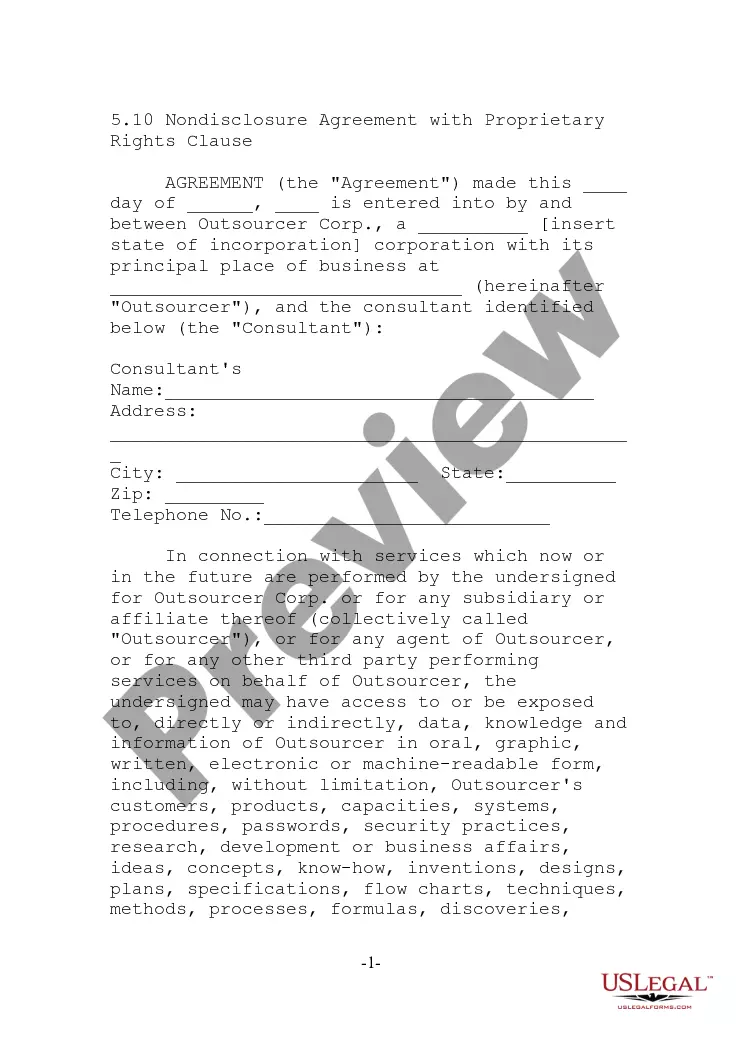
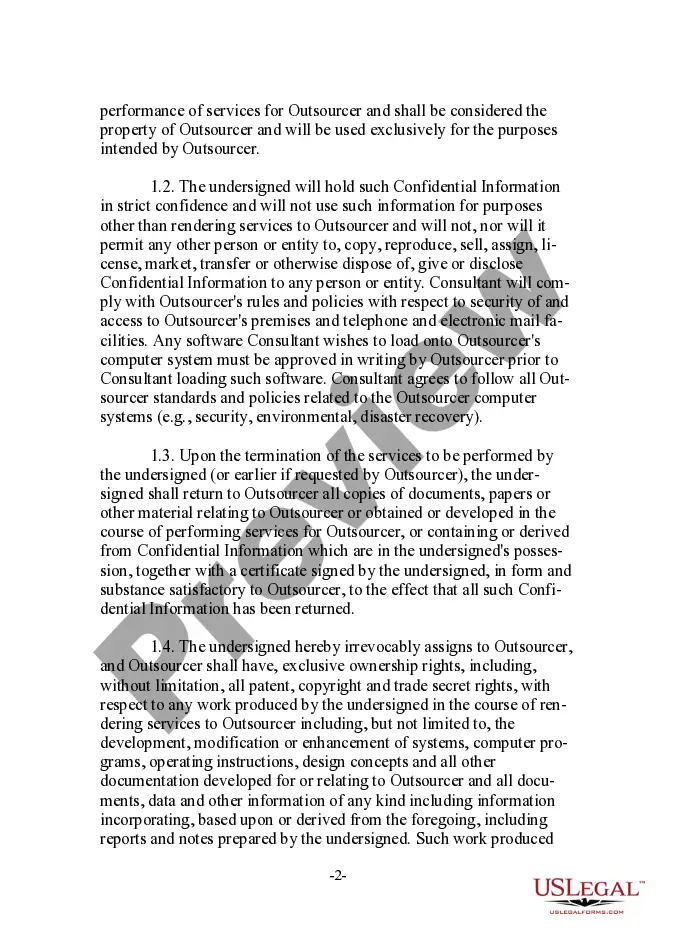
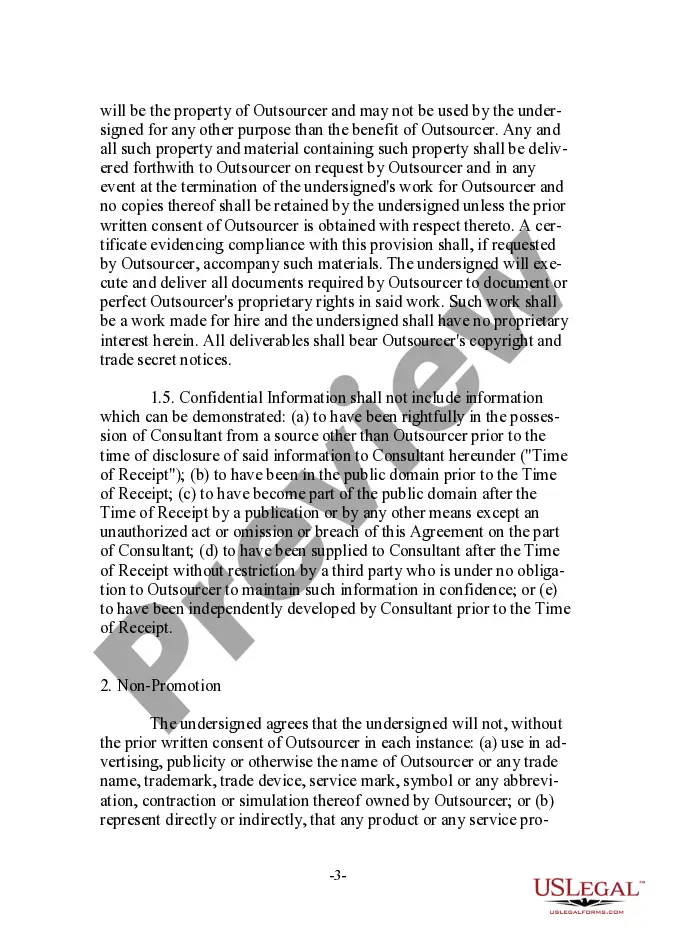
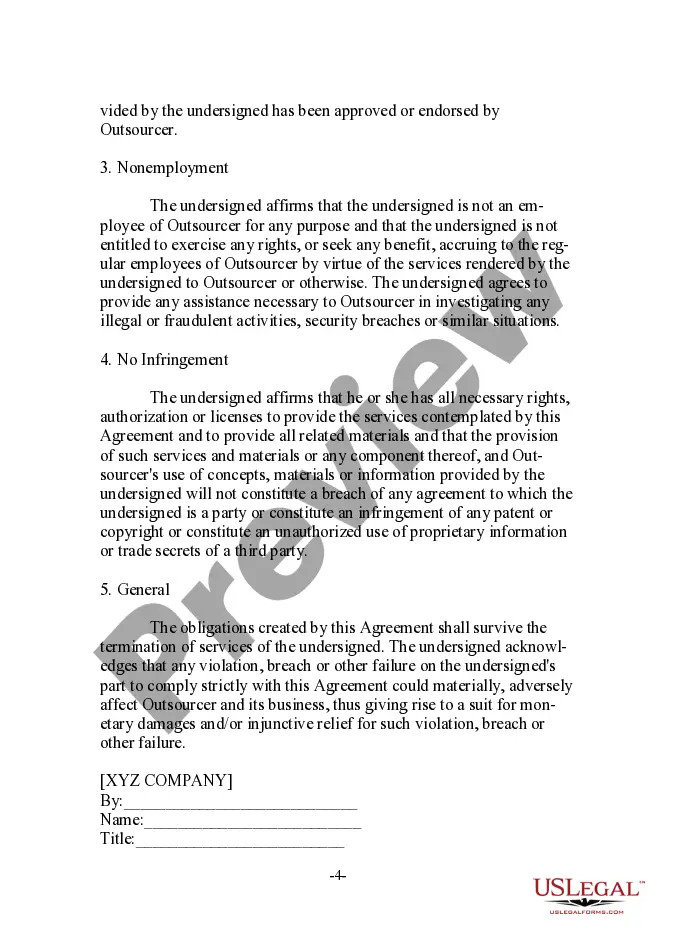
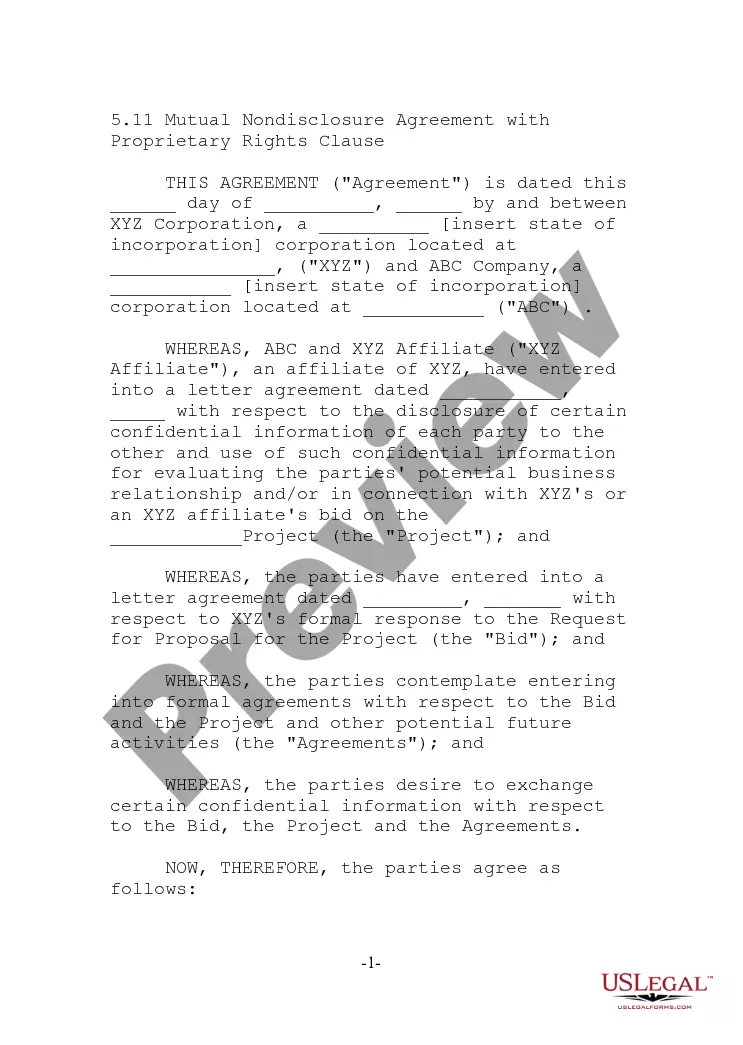
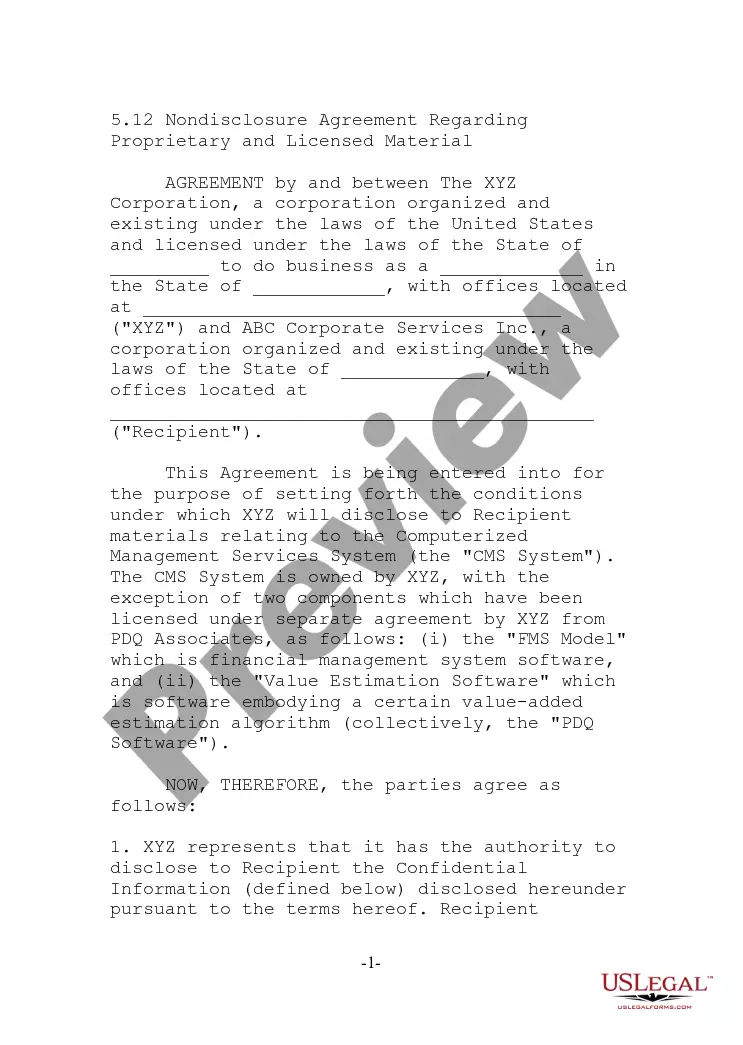
The Nondisclosure Agreement with Proprietary Rights Clause is a legal document designed to protect confidential information shared between a business and a consultant. This form is tailored for situations where the consultant may have access to sensitive data, proprietary information, or intellectual property related to the business. Unlike standard nondisclosure agreements, this version specifically includes clauses that affirm proprietary rights, ensuring that any work produced also belongs to the business.
Main sections of this form
- Identification of the parties involved, including the business and the consultant.
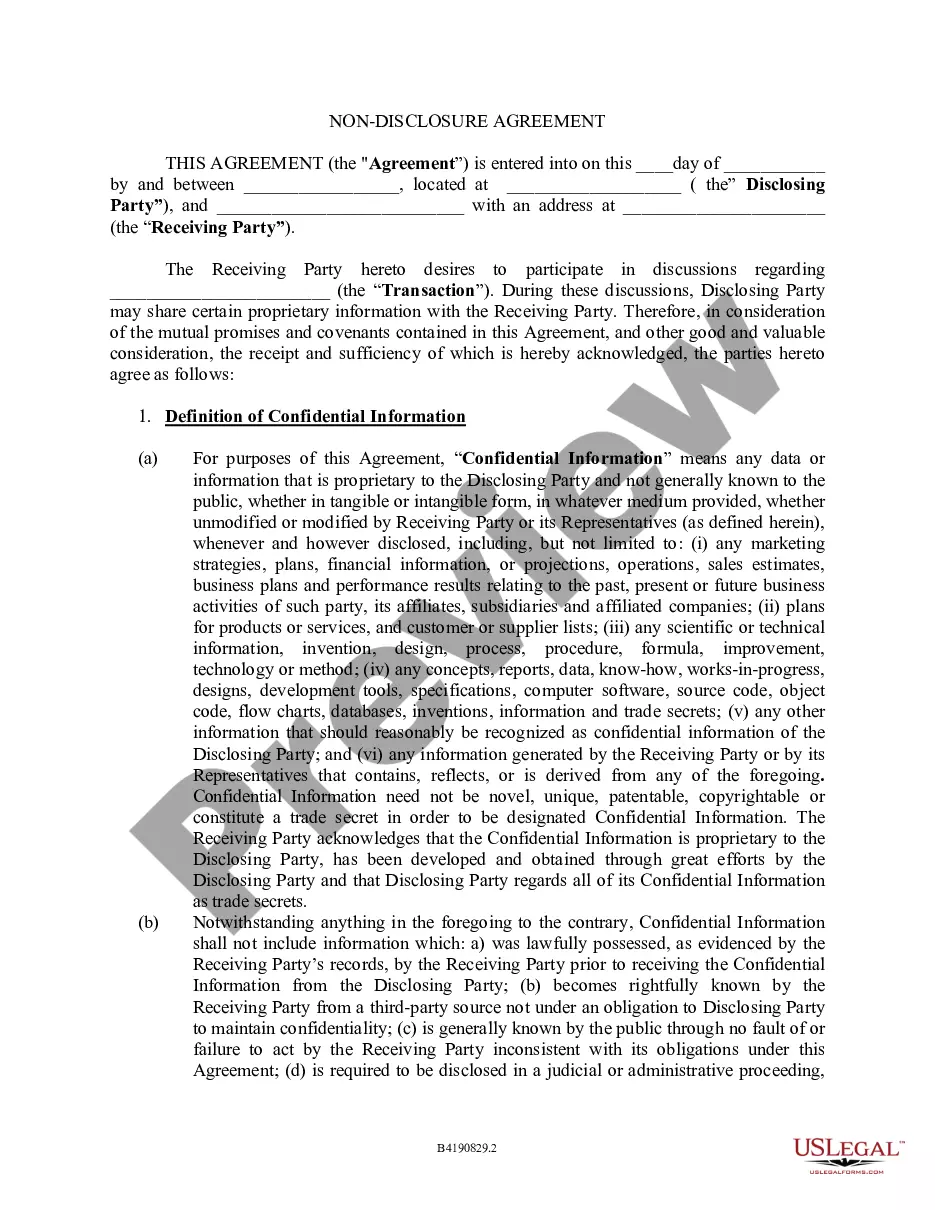
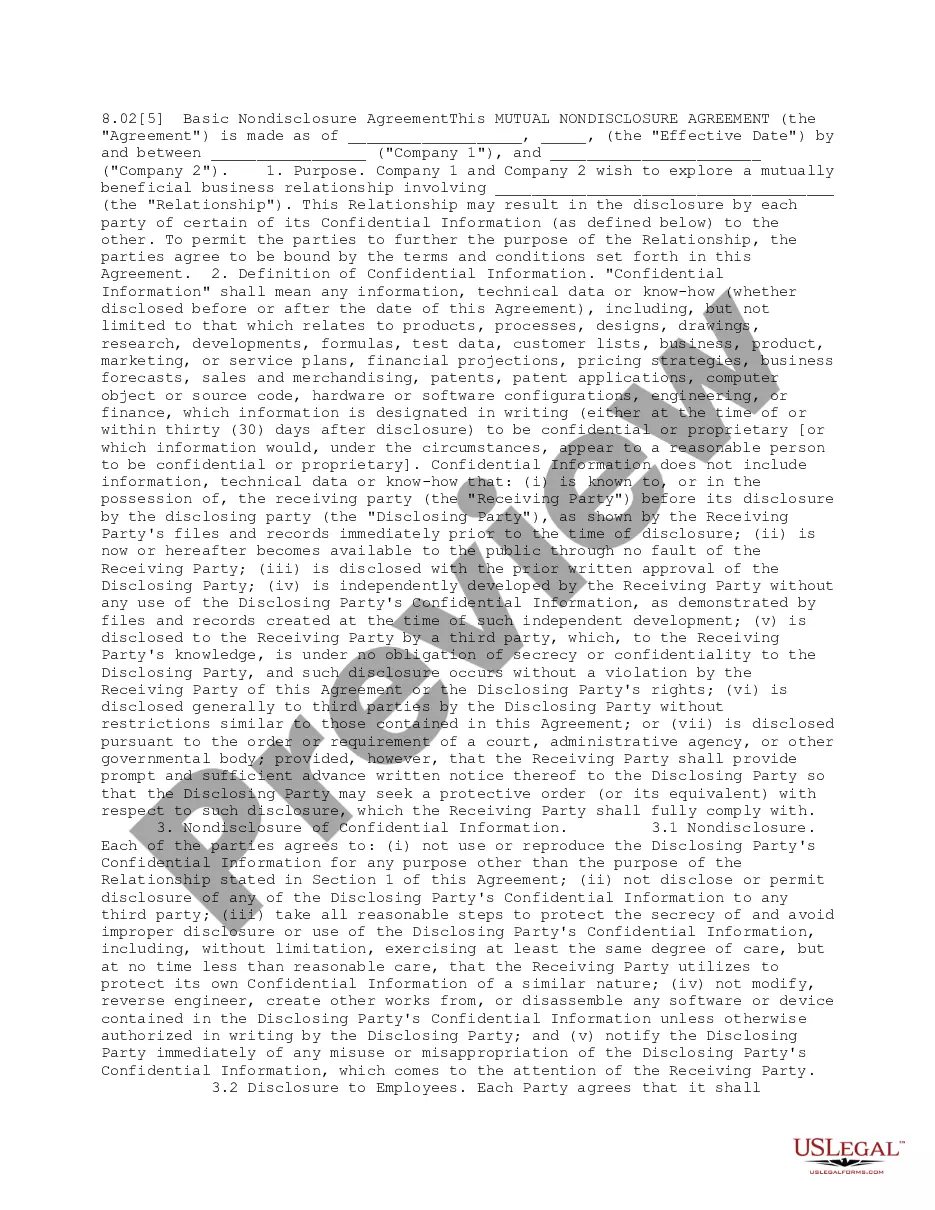
- Definition of "Confidential Information" to outline what is protected under the agreement.
- Clauses detailing nondisclosure obligations and the treatment of proprietary rights.
- Non-employment declaration to clarify the relationship between the consultant and the business.
- Provisions for the return of confidential materials upon termination of services.
- Assignment of rights to ensure that work produced is owned by the business.
When this form is needed
This form is essential when a business hires a consultant who will have access to confidential materials or proprietary information. Scenarios include product development, sharing of sensitive business strategies, or when consulting on intellectual property matters. It protects the business by legally binding the consultant to confidentiality and outlining ownership of any resulting work.
Who can use this document
- Businesses hiring consultants who will access confidential information.
- Consultants who need to protect their client's intellectual property and proprietary data.
- Firms in sectors such as technology, entertainment, or product development where sensitive information is prevalent.
Steps to complete this form
- Identify the parties by entering the business name and the consultant's details.
- Clearly define the "Confidential Information" and describe what should be protected.
- Customize the agreement by including any specific terms or conditions relevant to the business relationship.
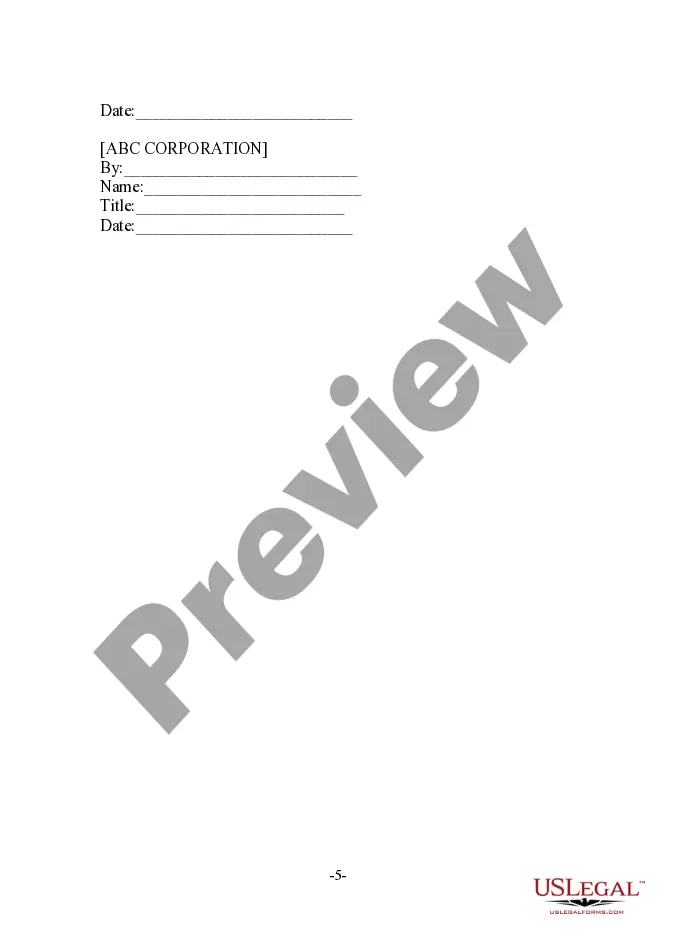
- Fill in the date and add signatures from both parties to finalize the agreement.
- Ensure that both parties keep a copy of the signed agreement for their records.
Notarization requirements for this form
This form does not typically require notarization to be legally valid. However, some jurisdictions or document types may still require it. US Legal Forms provides secure online notarization powered by Notarize, available 24/7 for added convenience.
Get your form ready online
Our built-in tools help you complete, sign, share, and store your documents in one place.
Make edits, fill in missing information, and update formatting in US Legal Forms—just like you would in MS Word.
Download a copy, print it, send it by email, or mail it via USPS—whatever works best for your next step.
Sign and collect signatures with our SignNow integration. Send to multiple recipients, set reminders, and more. Go Premium to unlock E-Sign.
If this form requires notarization, complete it online through a secure video call—no need to meet a notary in person or wait for an appointment.
We protect your documents and personal data by following strict security and privacy standards.

Make edits, fill in missing information, and update formatting in US Legal Forms—just like you would in MS Word.

Download a copy, print it, send it by email, or mail it via USPS—whatever works best for your next step.

Sign and collect signatures with our SignNow integration. Send to multiple recipients, set reminders, and more. Go Premium to unlock E-Sign.

If this form requires notarization, complete it online through a secure video call—no need to meet a notary in person or wait for an appointment.

We protect your documents and personal data by following strict security and privacy standards.
Common mistakes
- Failing to clearly define "Confidential Information," leading to misunderstandings.
- Not having all parties sign the agreement before sharing any sensitive information.
- Neglecting to specify the duration of confidentiality obligations.
Benefits of completing this form online
- Convenience of downloading and customizing the form instantly.
- Editability allows you to adapt the agreement to specific business needs.
- Reliability of using a document drafted by licensed attorneys to ensure legal compliance.
Legal use & context
- This agreement is legally binding and can be enforced in court if breached.
- The consultant is prohibited from disclosing confidential information to third parties.
- Work produced under this agreement is owned by the business, protecting intellectual property rights.
Quick recap
- This nondisclosure agreement is crucial for businesses sharing sensitive information with consultants.
- It reinforces proprietary rights over work produced during the consultancy, offering legal protection.
- Both parties should read and understand their obligations under this agreement prior to signing.
Looking for another form?

Form popularity
FAQ
Among the many uses of a Non-Disclosure Agreement (sometimes called an NDA) is the protection of Intellectual Property.By definition, an NDA agreement is a simple contract compelling two or more parties to keep certain pieces of shared information confidential and private.
It's still your business decision whether you sign them or not, but you should do so only where it is a critical contract that you have no way of modifying or negotiating changes. In contrast, the best kind of Indemnity Agreement is commonly called a Mutual Indemnity Agreement or a Mutual Hold Harmless Provision.
The most important part of an indemnification clause is that it protects the indemnified party from lawsuits filed by third parties. This protection is important because damaged parties are still able to pursue compensation for their losses even if this clause isn't in the contract.
Identification of the parties. Definition of what is deemed to be confidential. The scope of the confidentiality obligation by the receiving party. The exclusions from confidential treatment. The term of the agreement.
An NDA is a legally binding contract that requires parties to keep confidentiality for a defined period of time. It's up to the parties to decide what would be considered confidential and what is not.
NDAs are legally enforceable contracts, but they're now coming under increased scrutiny from lawmakers, attorneys and legal experts.Companies often use them as part of an employment contract or settlement agreement to protect sensitive information like trade secrets.
The cold hard truth is that most NDAs do not hold up in court. Non-Disclosure Agreements are most effective in establishing a paper trail of confidential information as it relates to partnerships, and discouraging partners from misappropriating proprietary information.
Today's contract tip is about indemnification in non-disclosure agreements (NDAs). Smart lawyers have different views on it. But this smart lawyer's view is that commercial NDAs should never include indemnity provisions.
Also known as Proprietary Information and Inventions Assignment Agreements (or PIIAAs), Confidential Information and Inventions Assignment Agreements ensure that intellectual property and other proprietary rights created by employees during the course of their employment are assigned to the employer.