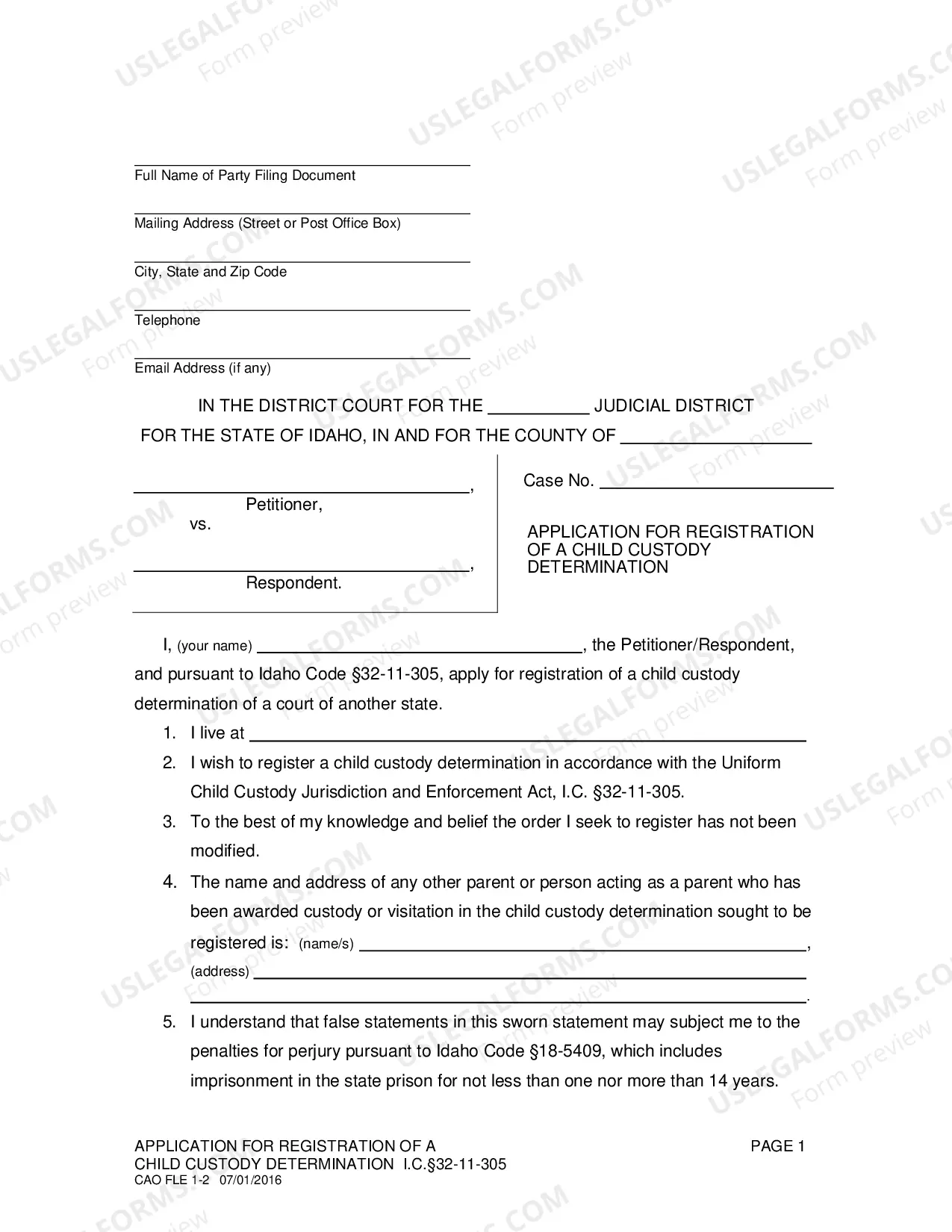
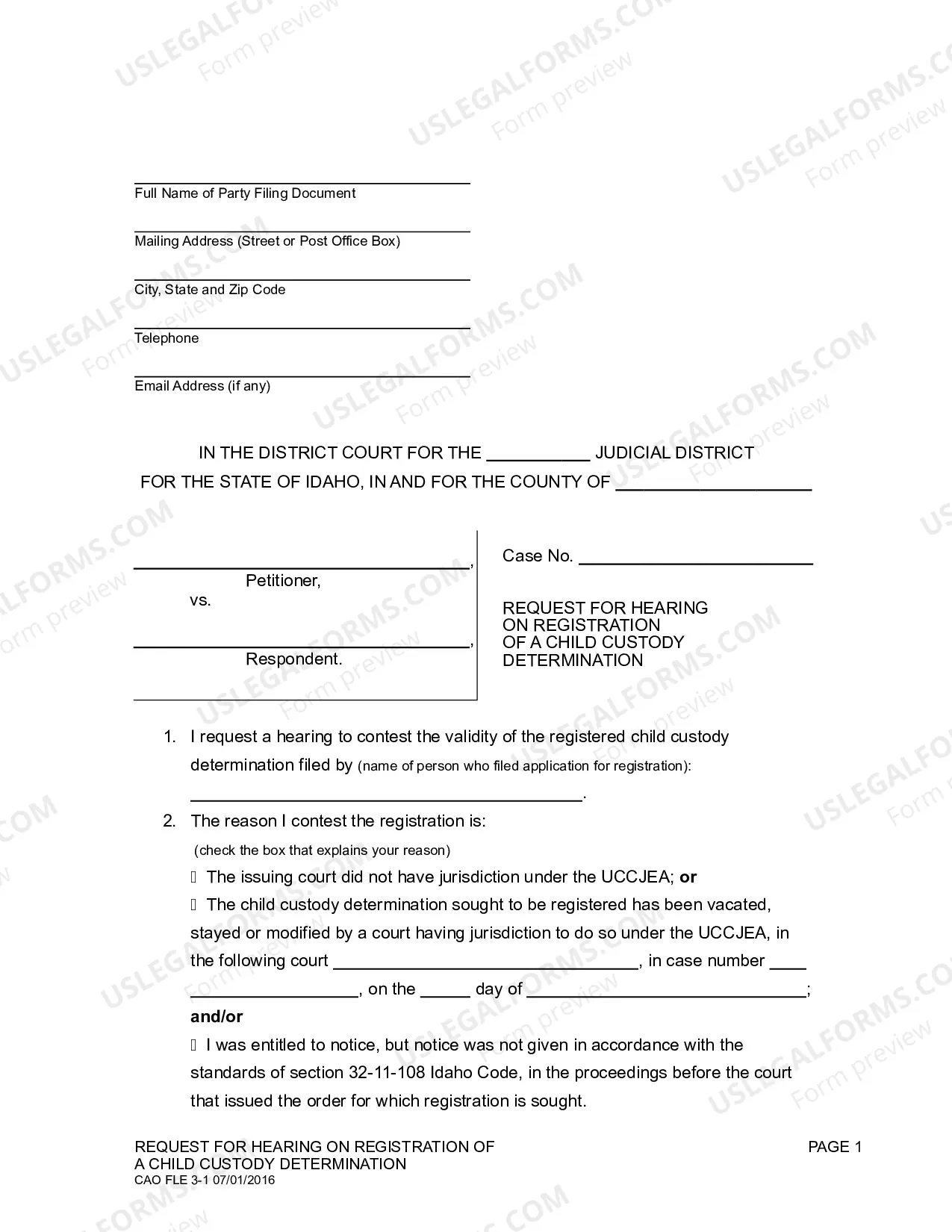
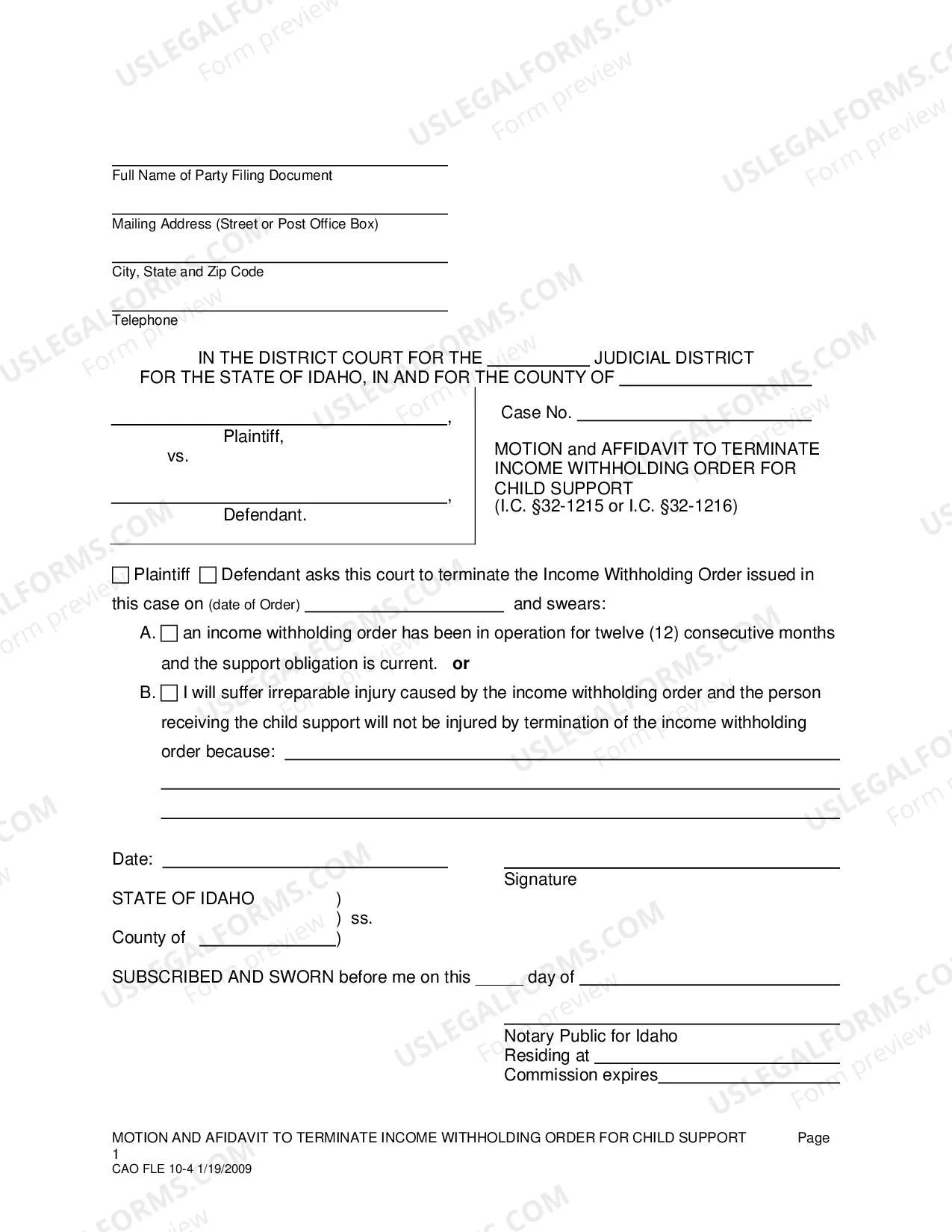
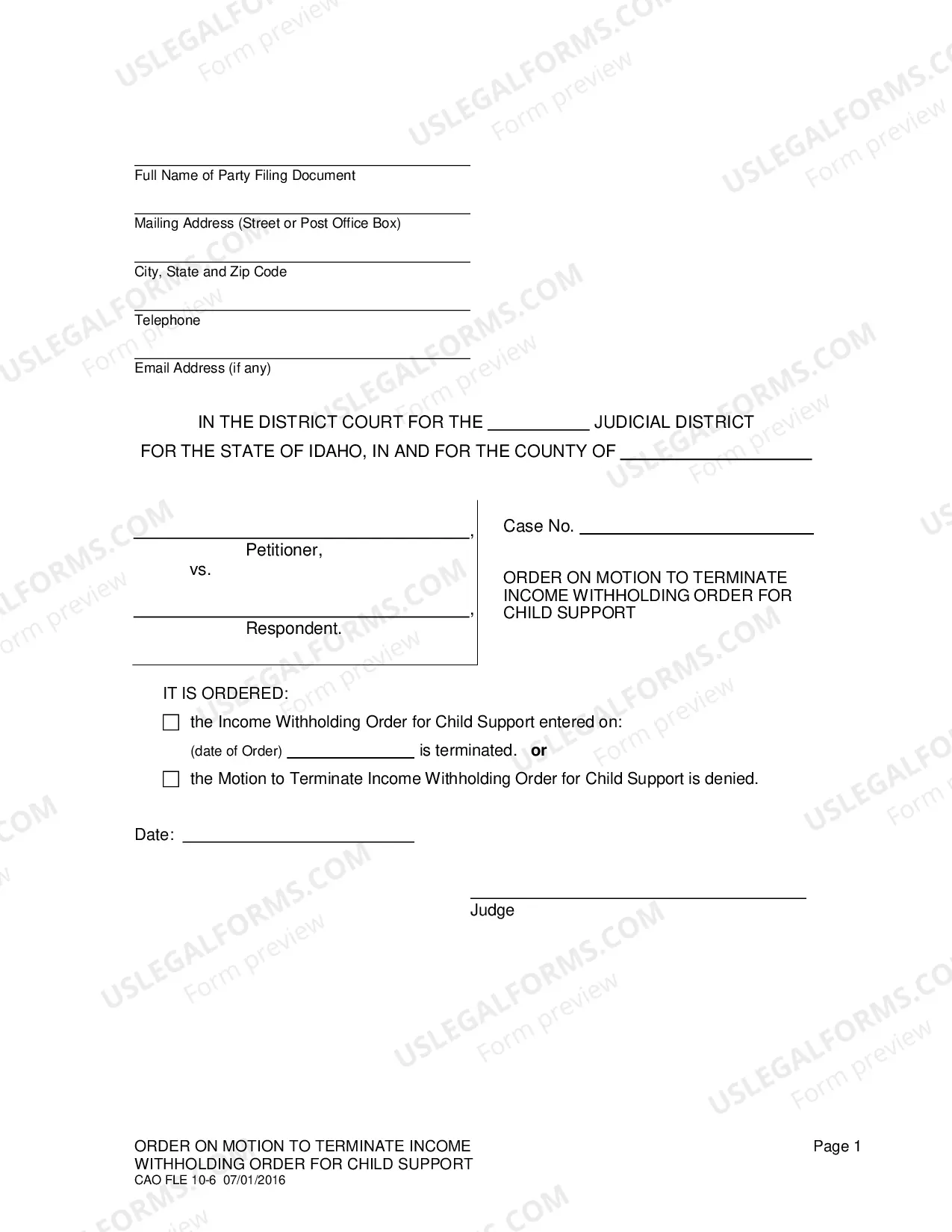
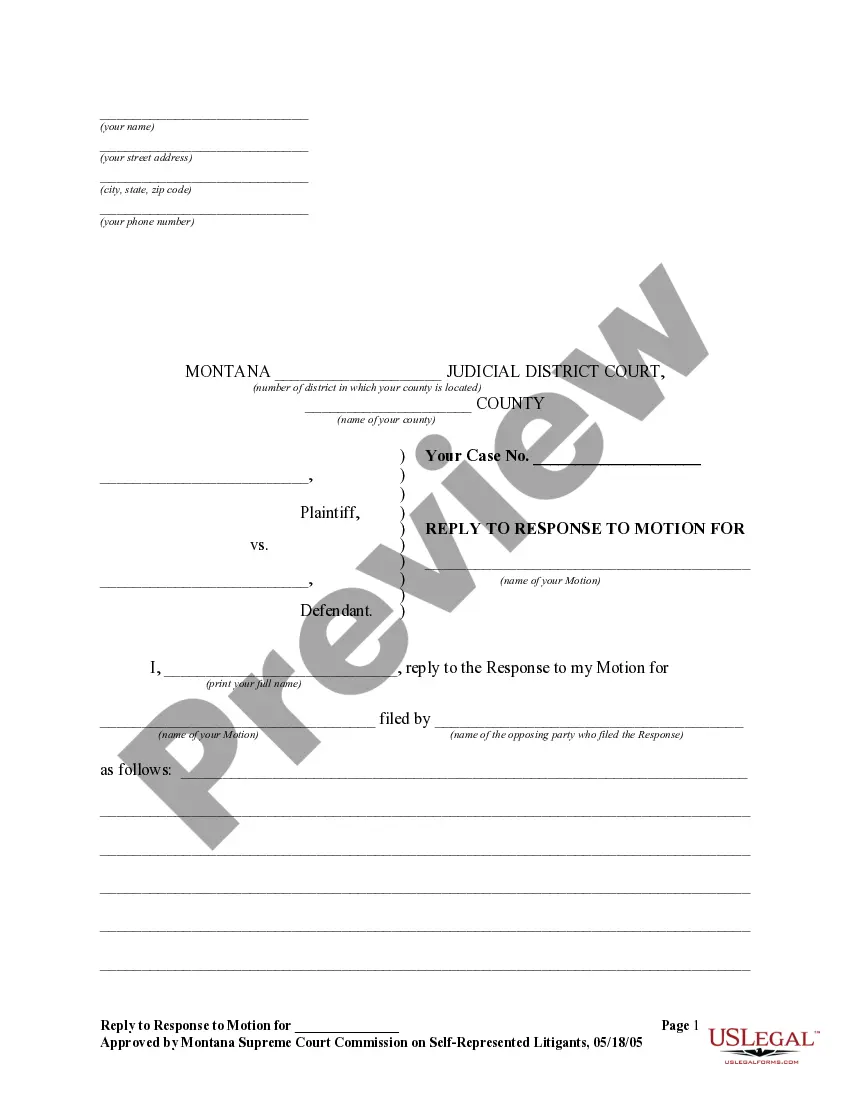
This form is an official Montana form which complies with all applicable state codes and statutes. USLF updates all state forms as is required by state statutes and law.
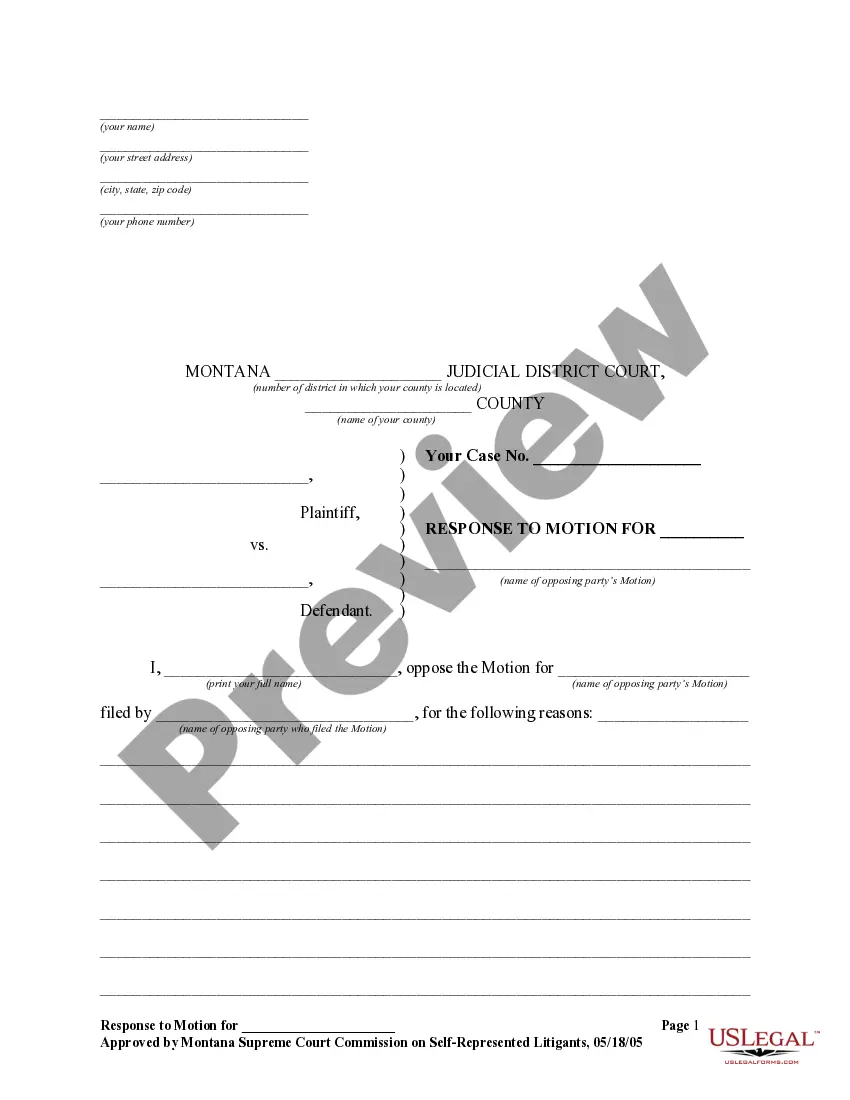
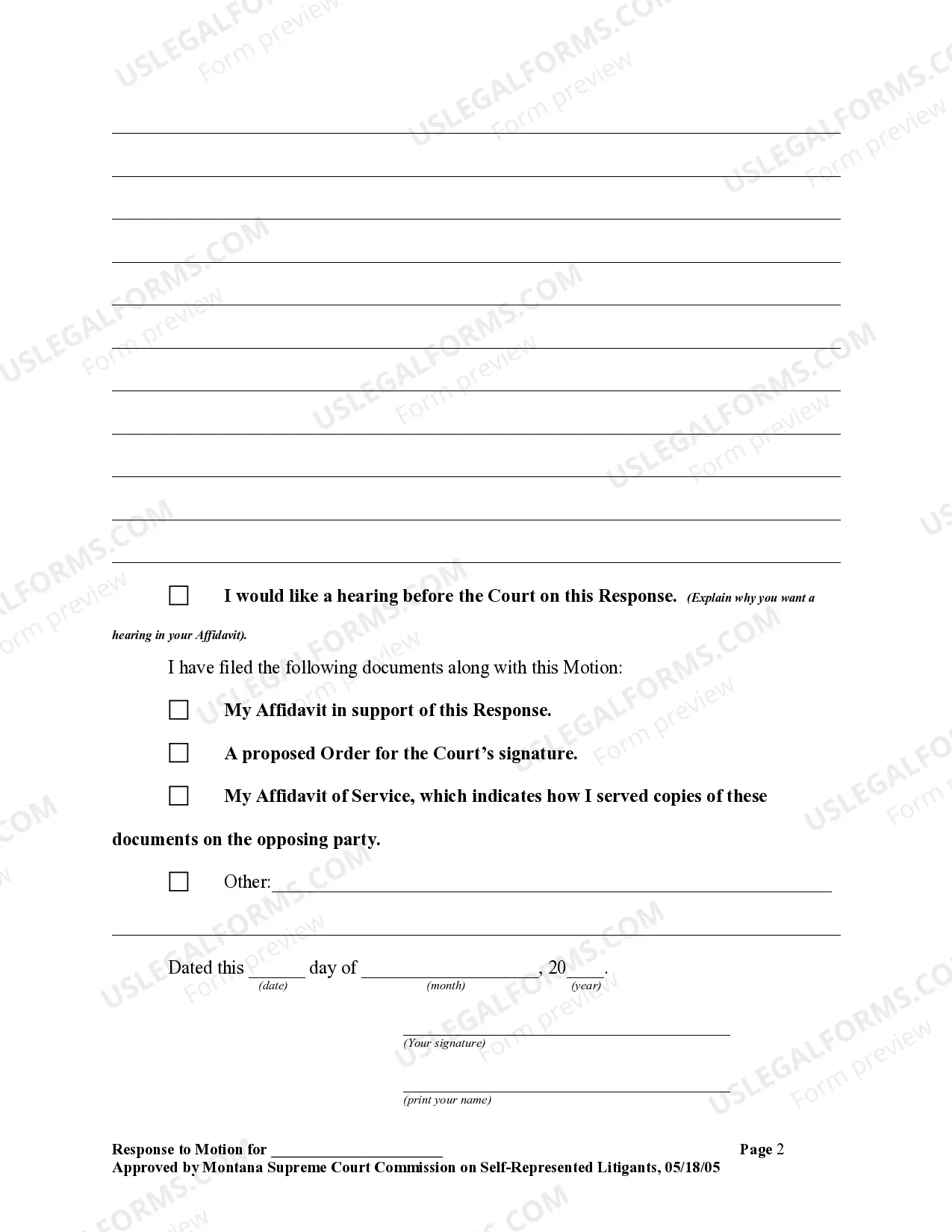
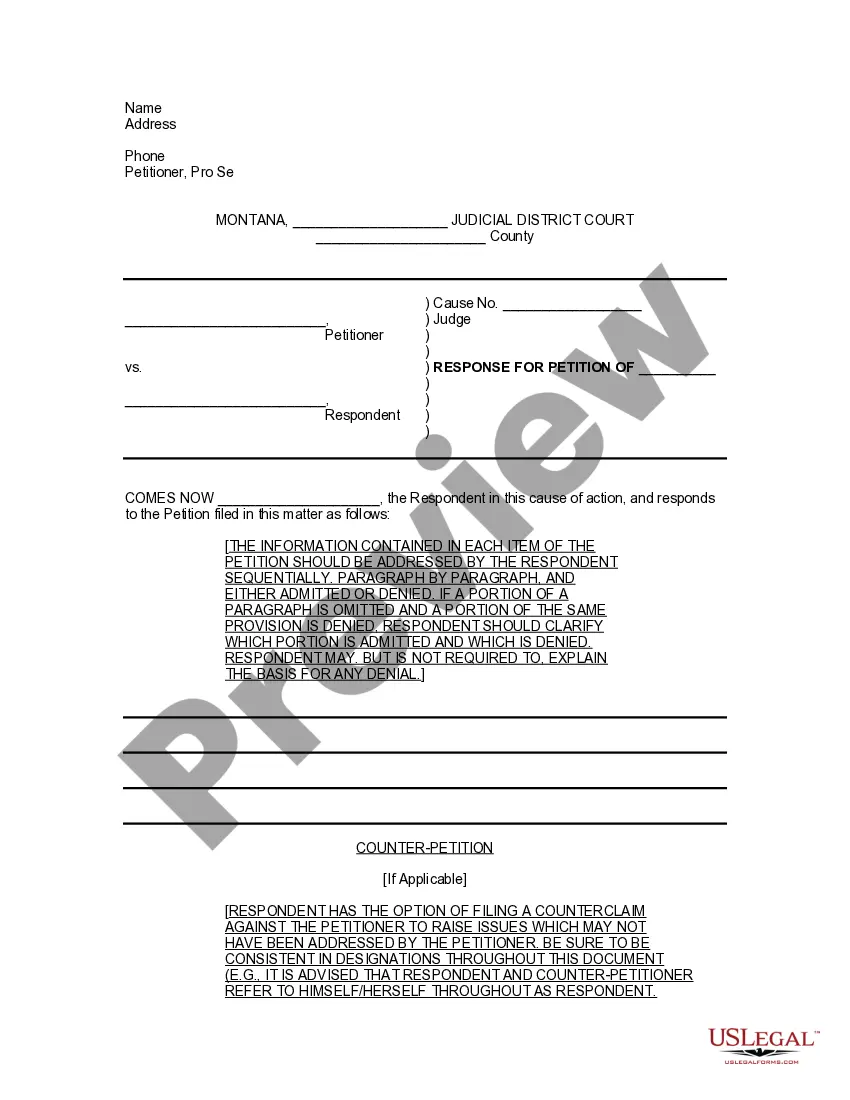
Montana Response to Motion
Instant download
This website is not affiliated with any governmental entity
Public form
Description
Free preview
Get your form ready online
Our built-in tools help you complete, sign, share, and store your documents in one place.
Built-in online Word editor
Make edits, fill in missing information, and update formatting in US Legal Forms—just like you would in MS Word.
Export easily
Download a copy, print it, send it by email, or mail it via USPS—whatever works best for your next step.
E-sign your document
Sign and collect signatures with our SignNow integration. Send to multiple recipients, set reminders, and more. Go Premium to unlock E-Sign.
Notarize online 24/7
If this form requires notarization, complete it online through a secure video call—no need to meet a notary in person or wait for an appointment.
Store your document securely
We protect your documents and personal data by following strict security and privacy standards.

Make edits, fill in missing information, and update formatting in US Legal Forms—just like you would in MS Word.

Download a copy, print it, send it by email, or mail it via USPS—whatever works best for your next step.

Sign and collect signatures with our SignNow integration. Send to multiple recipients, set reminders, and more. Go Premium to unlock E-Sign.

If this form requires notarization, complete it online through a secure video call—no need to meet a notary in person or wait for an appointment.

We protect your documents and personal data by following strict security and privacy standards.
Looking for another form?
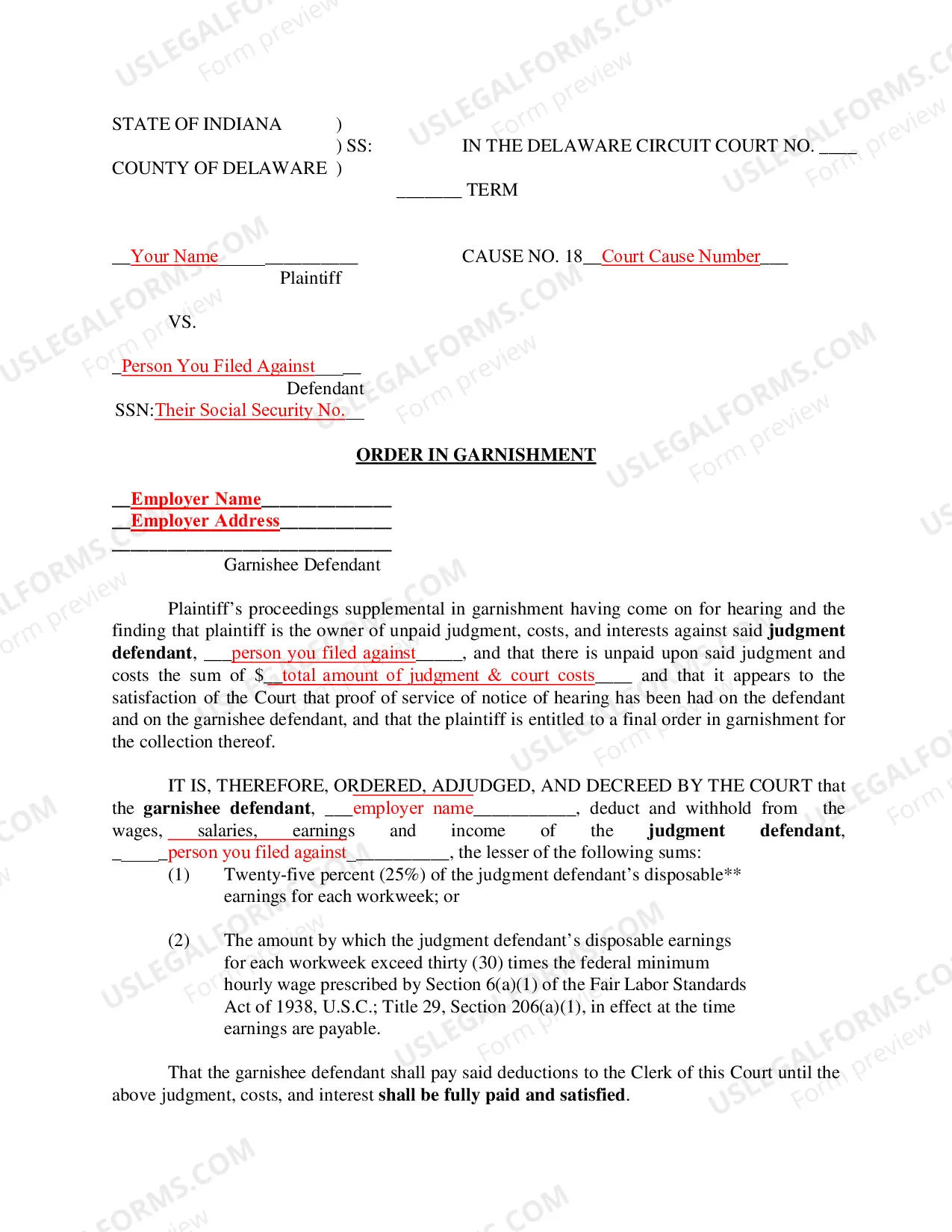
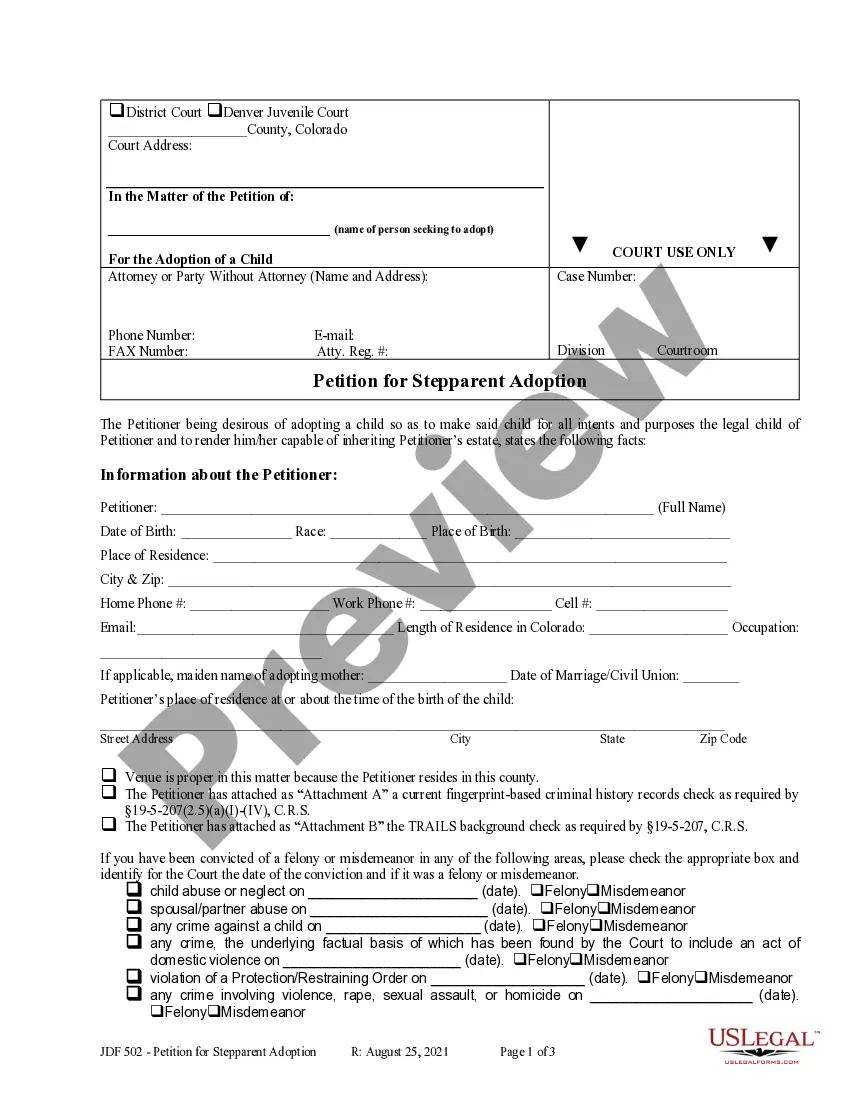
How to fill out Montana Response To Motion?
Obtain a printable Montana Response to Motion in just a few clicks from the most comprehensive collection of legal e-forms.
Search, download, and print professionally crafted and certified templates on the US Legal Forms website.
After downloading your Montana Response to Motion, you can fill it out in any online editor or print it and complete it manually. Utilize US Legal Forms to access 85,000 professionally drafted, state-specific documents.
- US Legal Forms has been the leading provider of affordable legal and tax documents for US citizens and residents online since 1997.
- Customers with an existing subscription need to Log In directly to their US Legal Forms account, download the Montana Response to Motion, and find it saved in the My documents section.
- Users without a subscription must follow these steps.
- Ensure your template complies with your state's regulations.
- If available, browse the form's description for additional details.
- If available, review the document to see more information.
- Once you’re assured the form satisfies your needs, click on Buy Now.
- Create a personal account.
- Select a plan.
- Pay via PayPal or credit card.
- Download the document in Word or PDF format.
Form popularity
FAQ
A response to an order to show cause typically requires you to show up in-person to the hearing. You can provide an answer to the order and state why you object to the order being issued.
The court will schedule a show cause hearing and order the custodial parent to appear and explain the failure to follow the visitation schedule. At the hearing, both parents will have the opportunity to tell their version of the events. The judge will determine what the facts are.
A response to an order to show cause typically requires you to show up in-person to the hearing. You can provide an answer to the order and state why you object to the order being issued.
Fill out the forms. You have to fill out at least 2 forms, maybe more, to file your opposition. File the forms. Turn in your completed forms by mail or efiling. Serve the other party. Get ready for the hearing. Prepare an order.
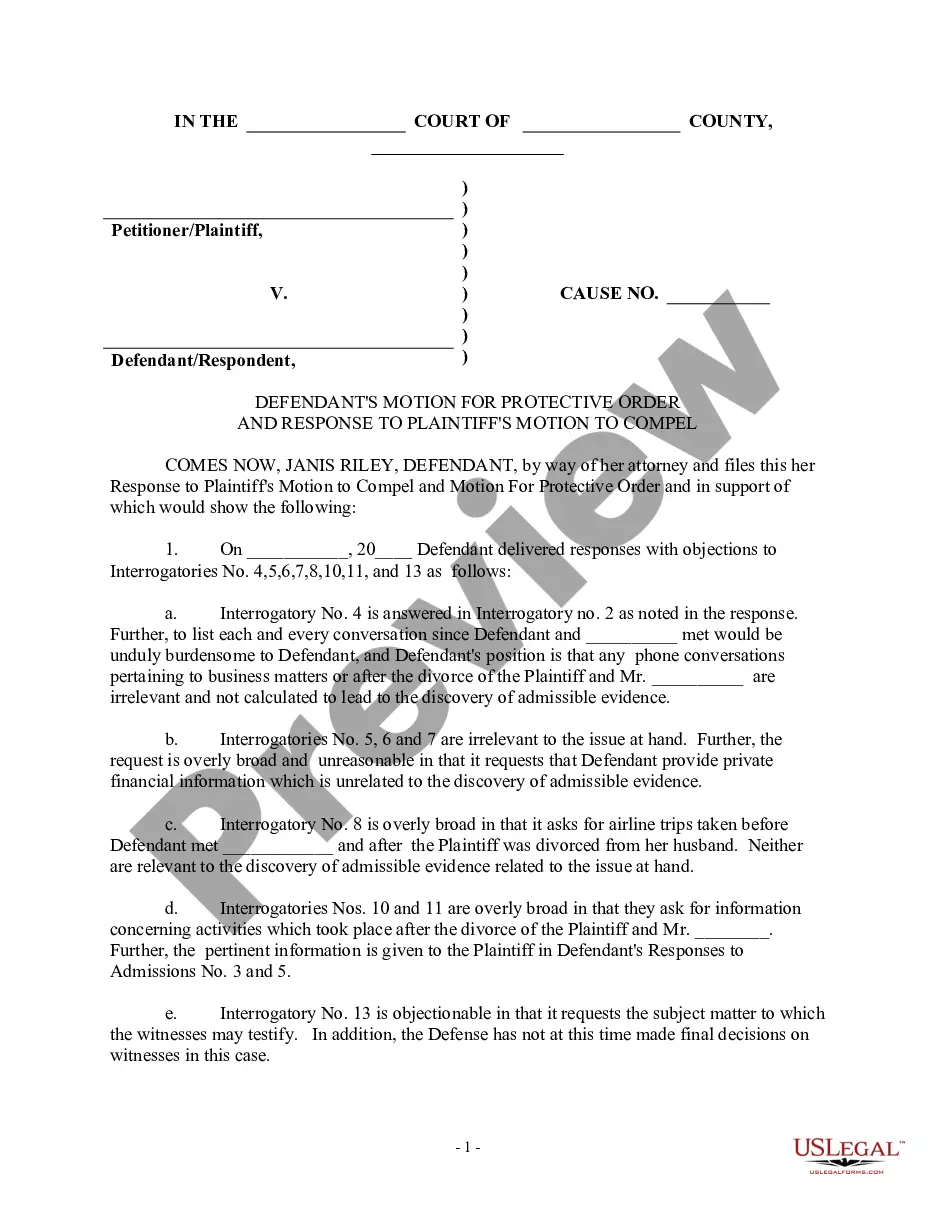
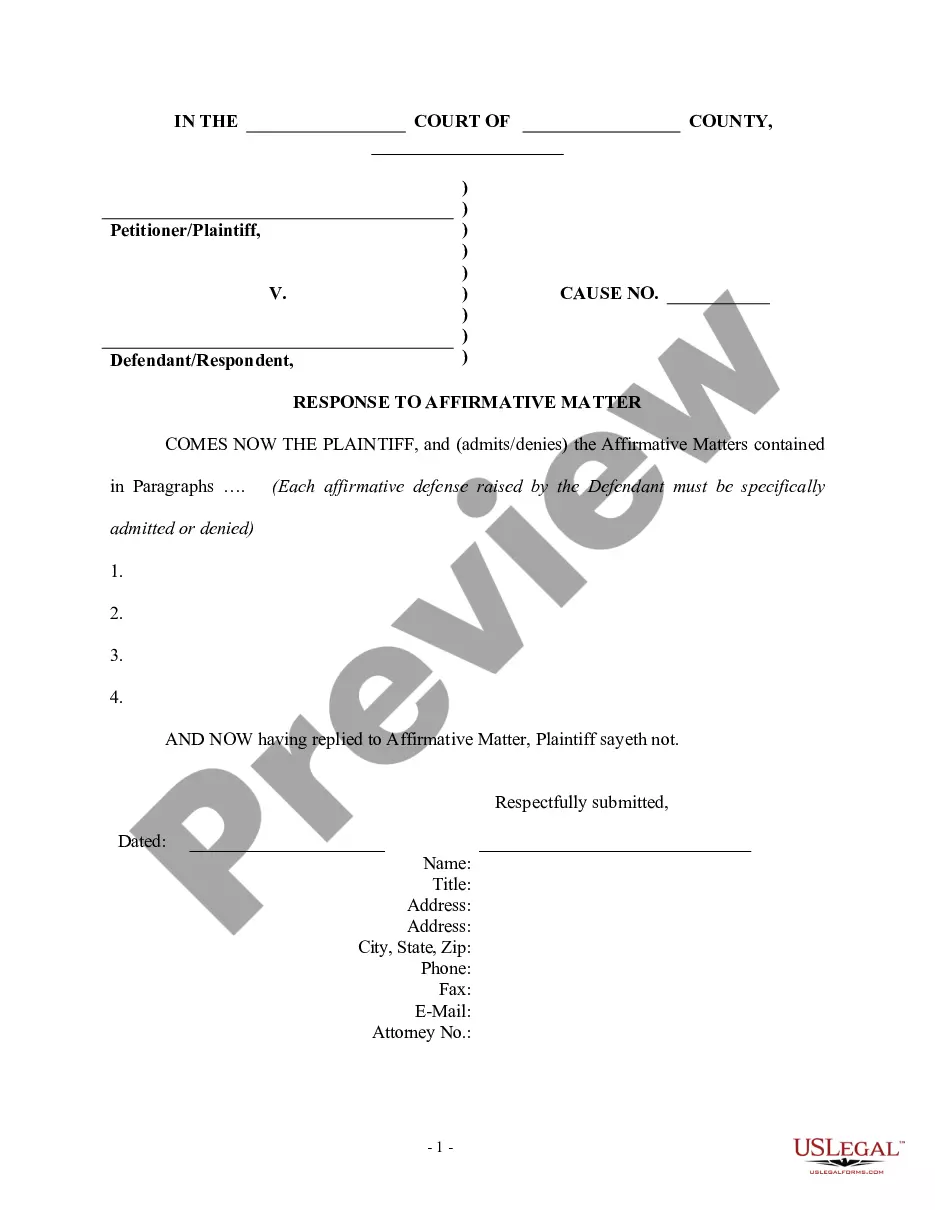
If one party to a case has filed a motion with the court, the other side can file an opposition. An opposition is a written statement explaining to the judge why the other side is not entitled to whatever he is asking for in his motion.
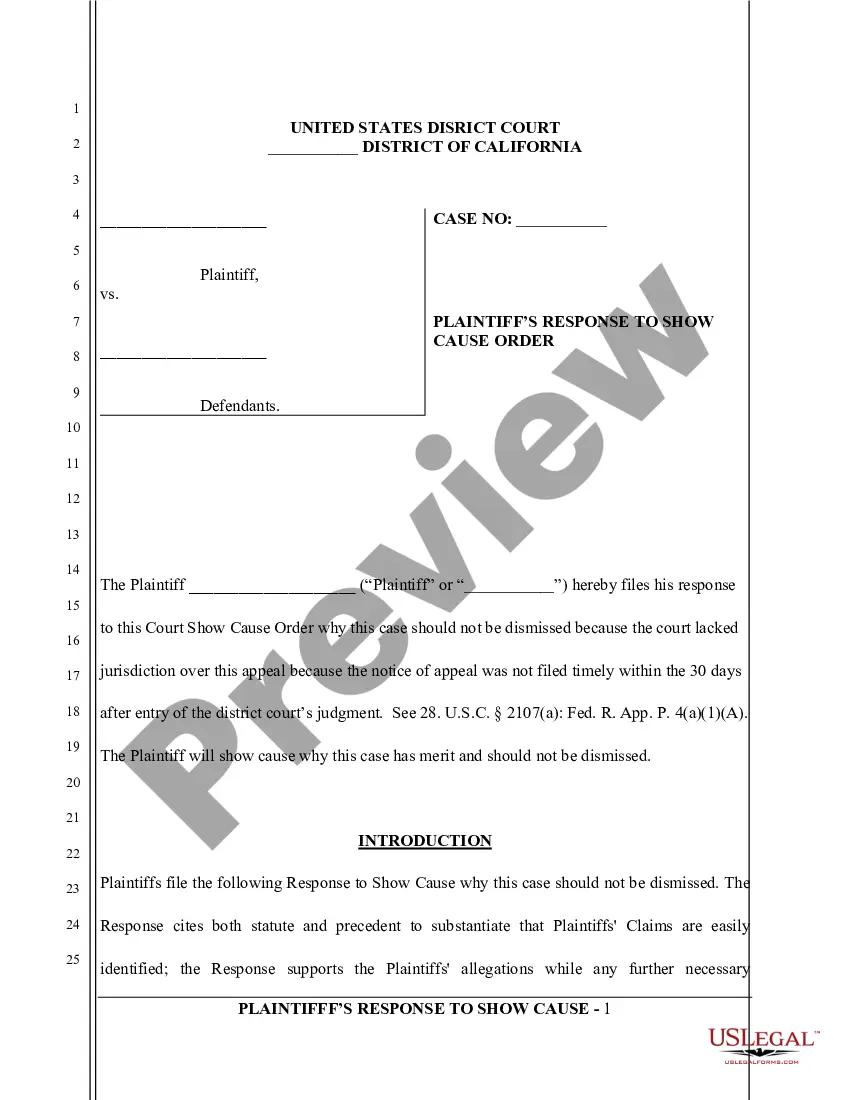
An order to show cause is a type of court order that requires one or more of the parties to a case to justify, explain, or prove something to the court. Courts commonly use orders to show cause when the judge needs more information before deciding whether or not to issue an order requested by one of the parties.
Overview. If one party to a case has filed a motion with the court, the other side can file an opposition. An opposition is a written statement explaining to the judge why the other side is not entitled to whatever he is asking for in his motion. It is your opportunity to oppose the other side's request.
Ask the court for a motion date. Identify and fill out your motion forms. Serve and file your motion forms. Confirm that you will attend the motion. Go to your motion hearing. Receive the judge's decision.
The Notice of Motion usually begins with the caption that includes the court of jurisdiction, the docket number, and below the docket number, "Notice of Motion." It is usual to then write, "Please take Notice that the undersigned will bring a motion for (what you are asking the court for or to do)." Read the Local