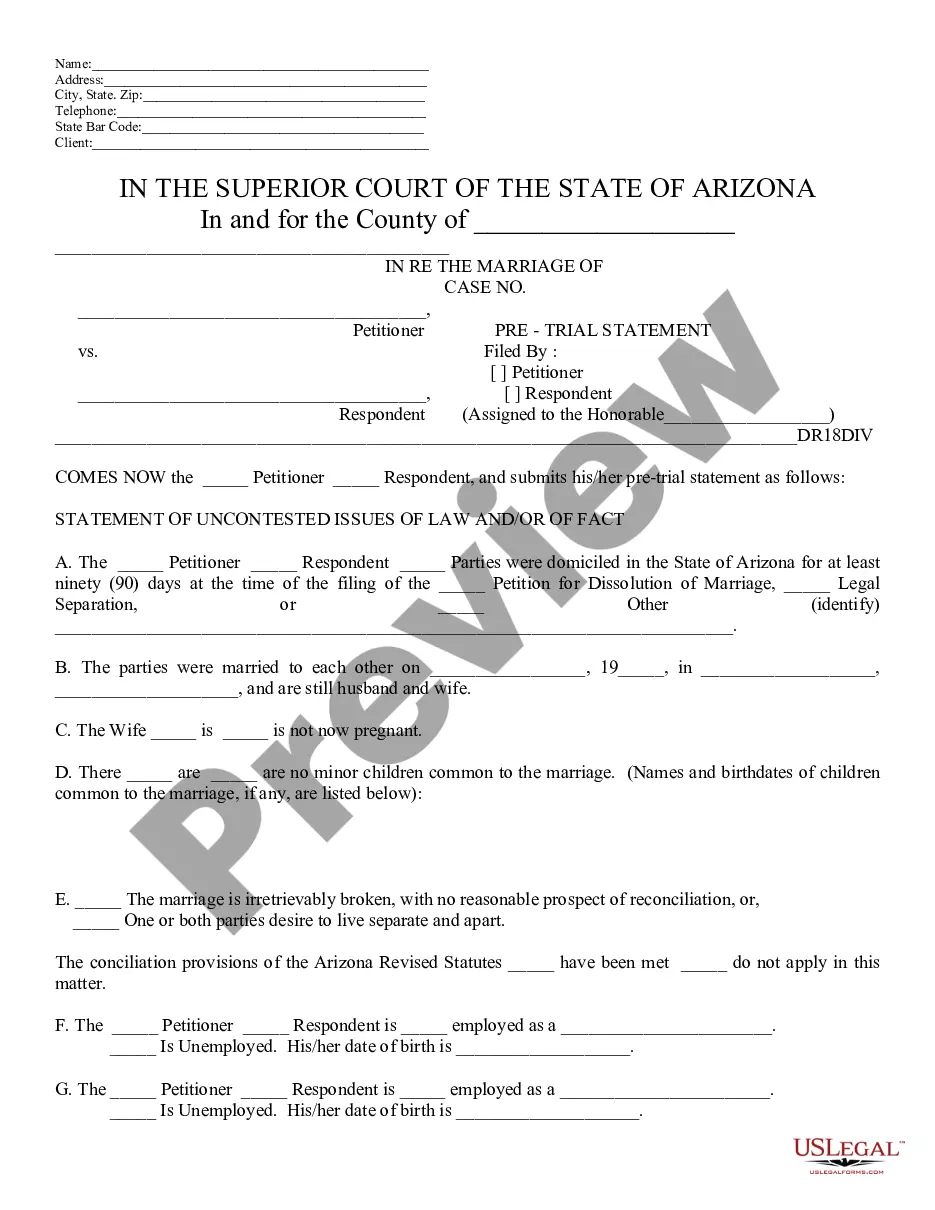
Arizona Pretrial Statement
Overview of this form
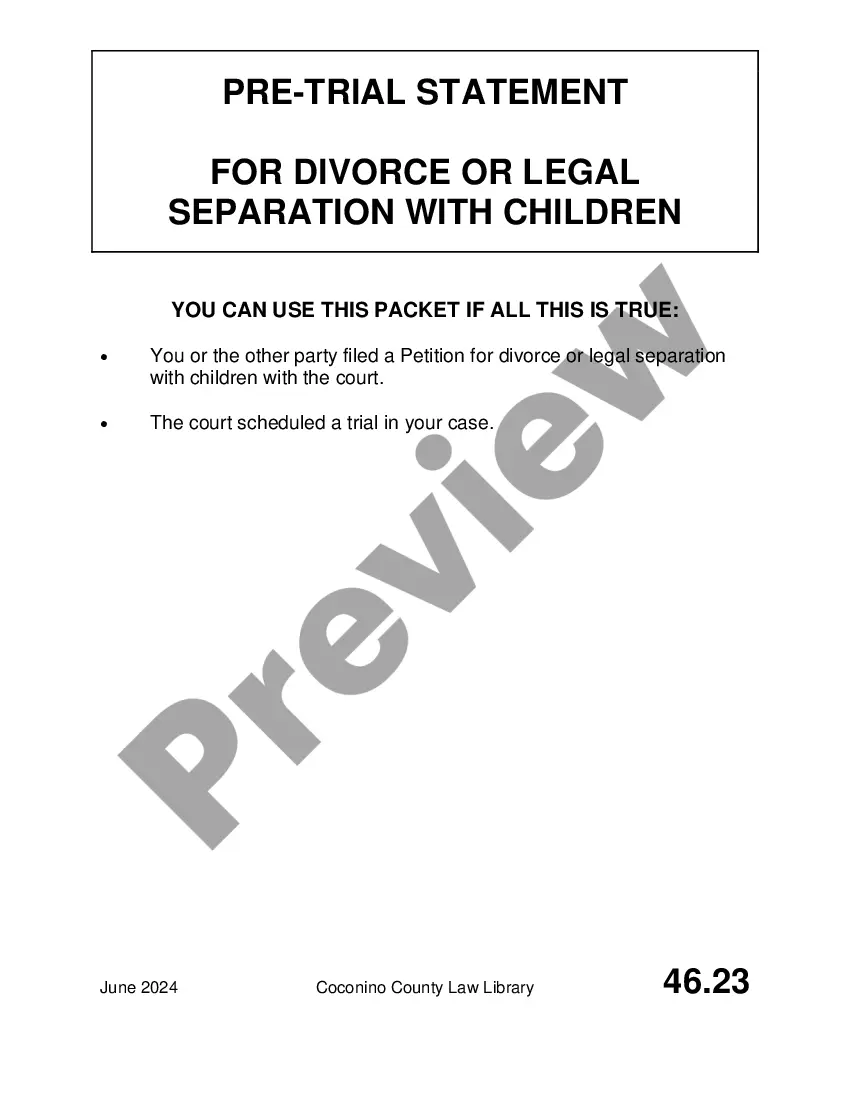
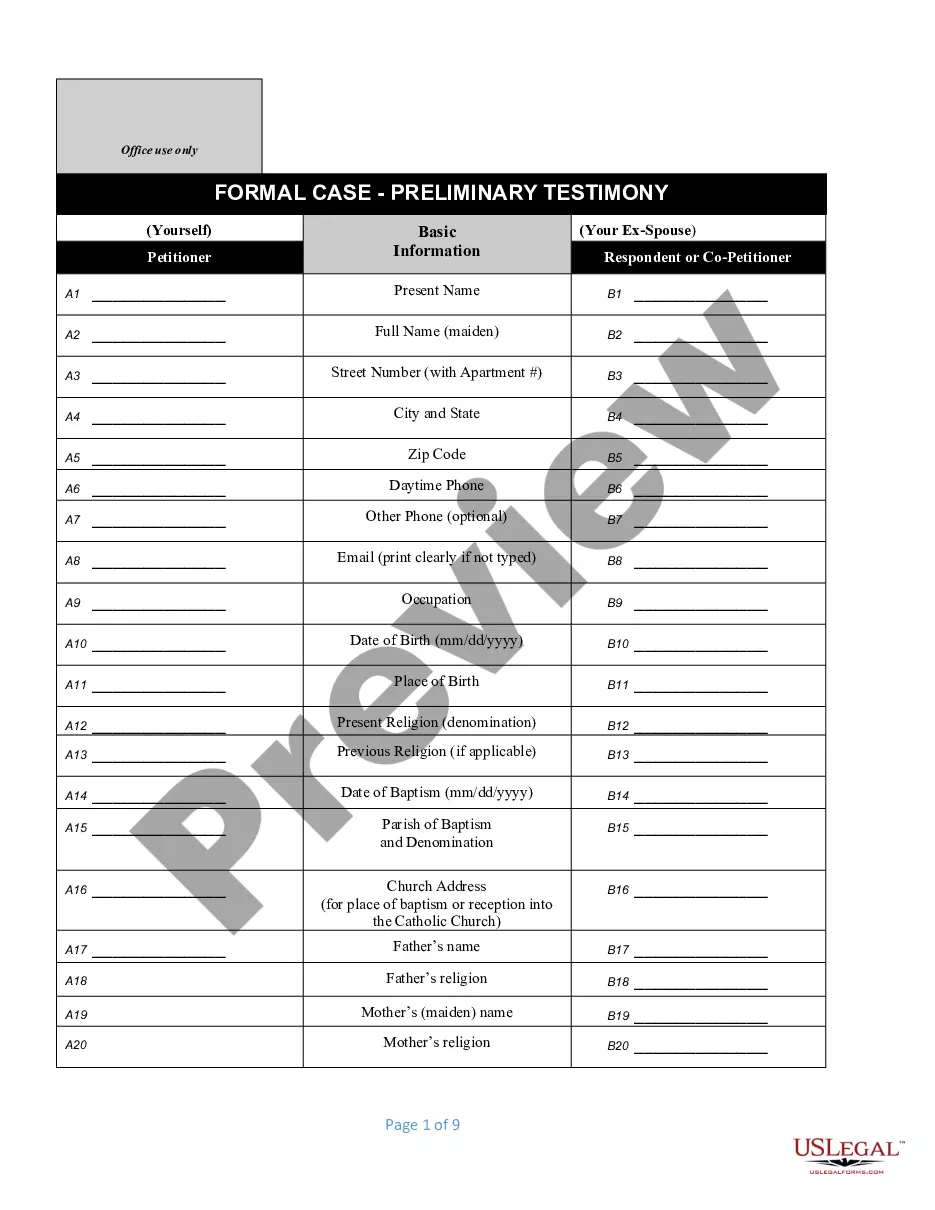
The Pretrial Statement is a legal document that outlines the facts and issues in a domestic relations case. It includes details about the couple's assets, debts, and any contested matters that the court needs to resolve. Unlike other legal forms, the Pretrial Statement serves as a summary of the case before it moves to trial, helping both parties clarify issues and facilitating the court's decision-making process.
Key components of this form
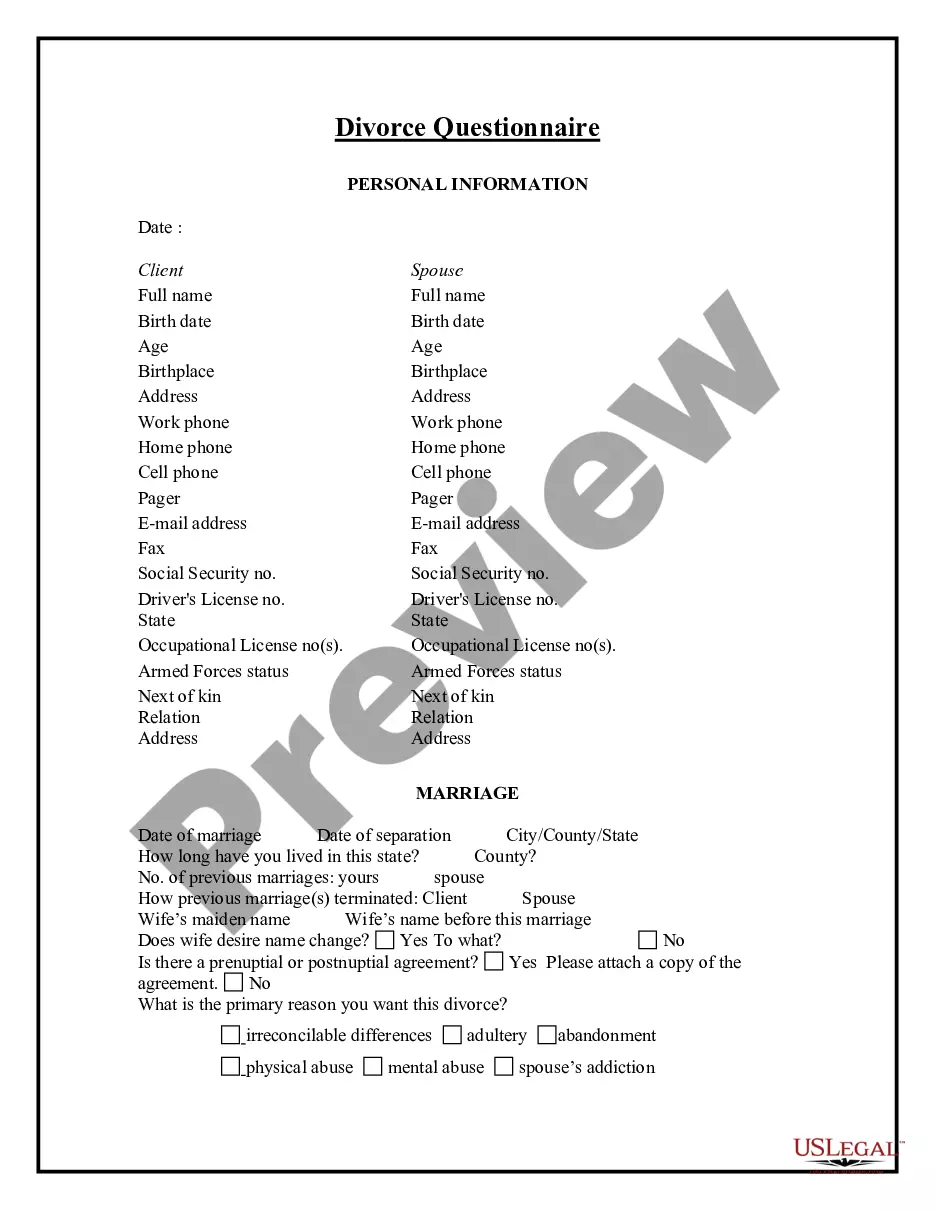
- Parties' Information: Includes names, addresses, and contact details for both the petitioner and the respondent.
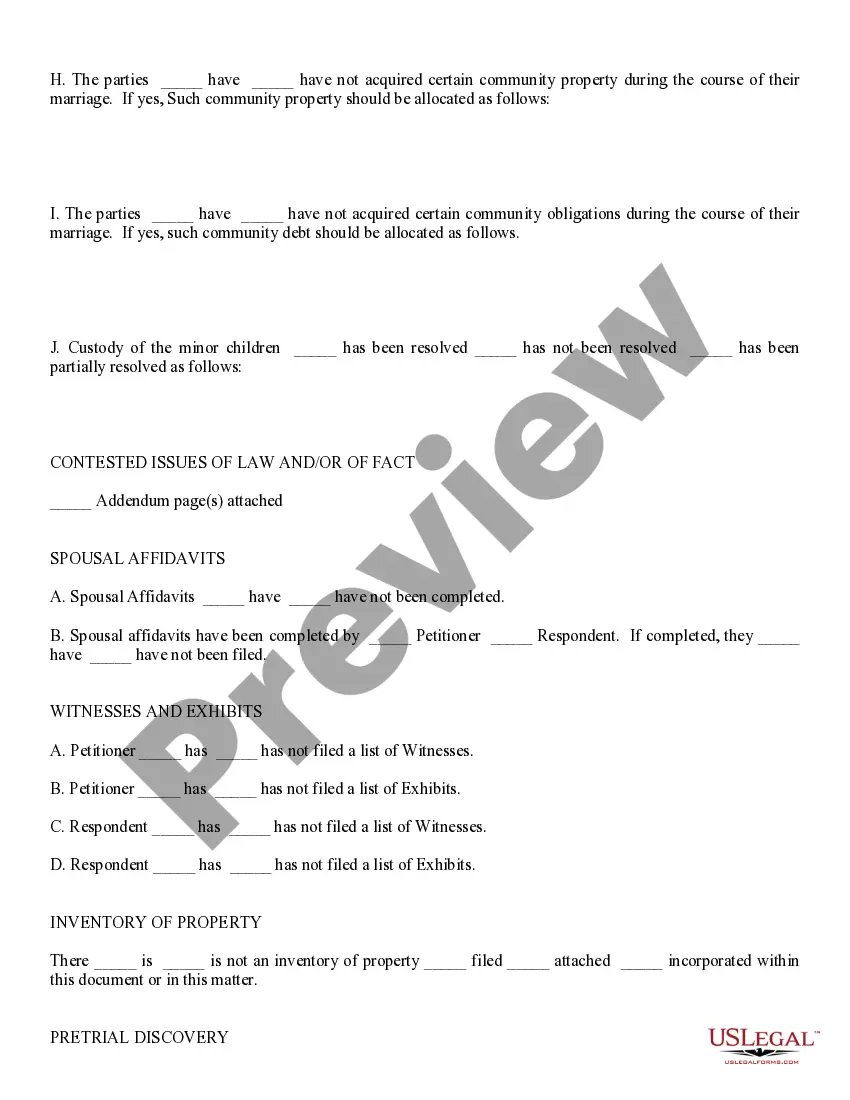
- Statement of Uncontested Issues: Identifies facts agreed upon by both parties, like marriage duration and children.
- Contested Issues Section: Specifies points of disagreement that need judicial intervention.
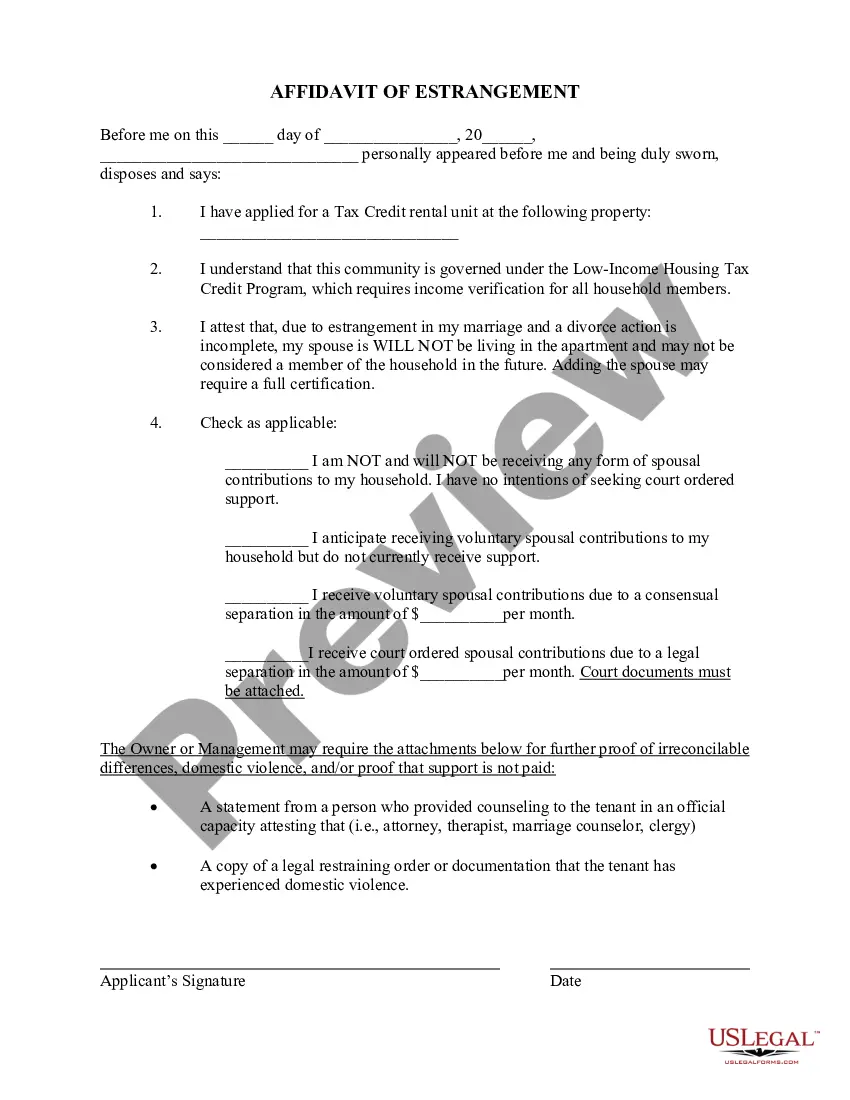
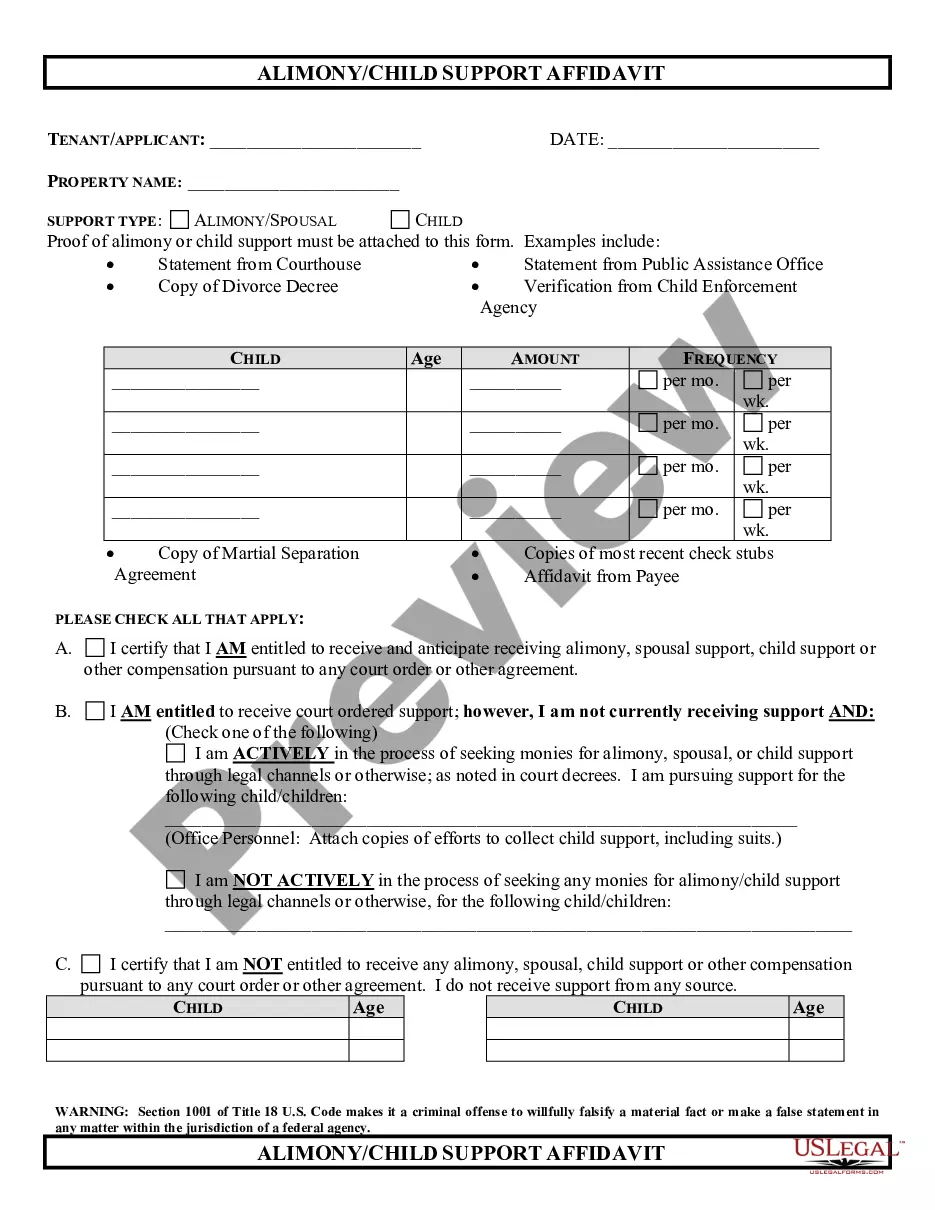
- Spousal Affidavits: Details whether spousal affidavits have been completed and filed.
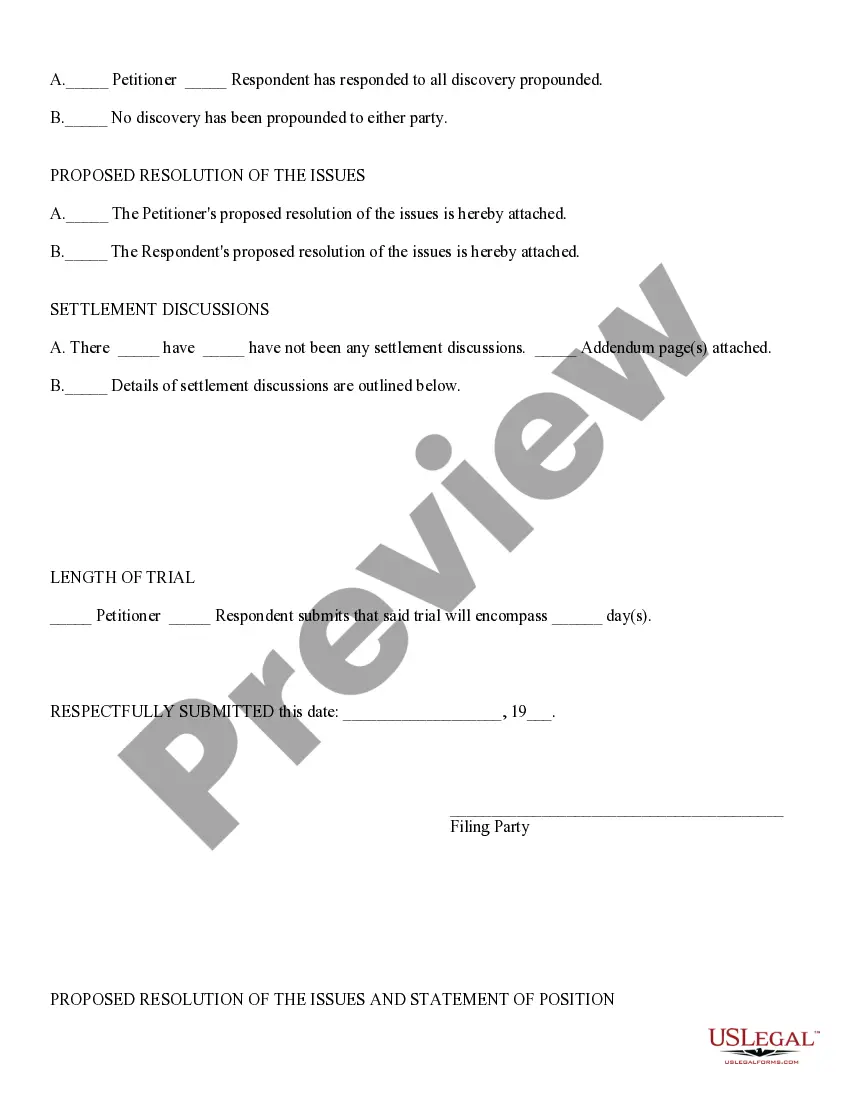
- Proposed Resolutions: Each party can propose how to resolve the issues at hand.
- Settlement Discussions: Indicates if any discussions have taken place to settle matters before trial.


When to use this form
This form is necessary when a couple is going through a domestic relations case, such as divorce or legal separation, and must provide the court with a structured overview of their situation. It is typically used before a trial to clarify both contested and uncontested issues, helping to streamline the legal process.
Who can use this document
- Individuals petitioning for divorce or legal separation.
- Respondents in domestic relation cases who need to address contested issues.
- Attorneys representing clients in family law matters.
- Couples seeking to resolve issues related to marriage, assets, or child custody.
How to prepare this document
- Enter the names and contact information for both parties at the top of the document.
- Specify the type of case you are filing and the relevant details, such as marriage duration and any children.
- List uncontested and contested issues throughout the form, clearly indicating which facts are agreed upon.
- Include any proposed resolutions and complete the settlement discussion section if applicable.
- Sign and date the document to affirm its accuracy before submitting it to the court.
Does this document require notarization?
Notarization is not commonly needed for this form. However, certain documents or local rules may make it necessary. Our notarization service, powered by Notarize, allows you to finalize it securely online anytime, day or night.
Get your form ready online
Our built-in tools help you complete, sign, share, and store your documents in one place.
Make edits, fill in missing information, and update formatting in US Legal Forms—just like you would in MS Word.
Download a copy, print it, send it by email, or mail it via USPS—whatever works best for your next step.
Sign and collect signatures with our SignNow integration. Send to multiple recipients, set reminders, and more. Go Premium to unlock E-Sign.
If this form requires notarization, complete it online through a secure video call—no need to meet a notary in person or wait for an appointment.
We protect your documents and personal data by following strict security and privacy standards.

Make edits, fill in missing information, and update formatting in US Legal Forms—just like you would in MS Word.

Download a copy, print it, send it by email, or mail it via USPS—whatever works best for your next step.

Sign and collect signatures with our SignNow integration. Send to multiple recipients, set reminders, and more. Go Premium to unlock E-Sign.

If this form requires notarization, complete it online through a secure video call—no need to meet a notary in person or wait for an appointment.

We protect your documents and personal data by following strict security and privacy standards.
Common mistakes
- Failing to include all necessary information, such as party details or case specifics.
- Not clearly marking contested versus uncontested issues.
- Omitting signatures, which can render the document invalid.
Advantages of online completion
- Immediate access to a professionally drafted template, saving time and effort.
- Flexibility to edit the form based on specific circumstances.
- Ensures compliance with legal standards and formats required by Arizona law.
Looking for another form?
Form popularity
FAQ
To file a contempt of court in Arizona, start by gathering relevant documents, such as the original court order and any evidence that shows non-compliance. Next, complete the necessary forms, which you can often find through your local court's website or legal resources like US Legal Forms. Once you complete the forms, file them with the court and ensure you provide proper notice to the other party as required. Remember, filing the Arizona Pretrial Statement can help clarify issues and strengthen your case during the process.
The 85% law in Arizona pertains to criminal sentencing, stating that individuals must serve at least 85% of their sentence before becoming eligible for parole. While primarily a criminal law statute, understanding this law can intersect with family law cases, especially in custody disputes. Being informed about various laws, including the 85% law, can aid in crafting a comprehensive Arizona Pretrial Statement.
Rule 83 in the broader context of Arizona law refers to the general requirements for filing and presenting information in court. This rule is pivotal in establishing proper protocols for how cases are handled, including the submission of the Arizona Pretrial Statement. Understanding the nuances of Rule 83 can better prepare you for navigating the legal landscape.
Rule 69 governs the procedures for obtaining and using medical records in Arizona family law cases. This rule helps ensure that both parties present relevant health information when applicable, which can play a vital role in custody and support discussions. Having accurate medical records can enhance the effectiveness of your Arizona Pretrial Statement.
Rule 85 focuses on mediation between parties in family law disputes. It emphasizes that parties should attempt mediation before proceeding to trial, which can reduce costs and lead to favorable outcomes. Utilizing mediation early can enhance your Arizona Pretrial Statement by showing the court your willingness to resolve issues amicably.
Rule 51 outlines the requirements for the submission and contents of a pretrial statement in Arizona family law cases. This rule ensures that both parties present a comprehensive overview of their claims, defenses, and key evidence ahead of trial. Adhering to Rule 51 can significantly strengthen your Arizona Pretrial Statement, laying a solid foundation for your case.
Rule 83 in Arizona family law covers the disclosure of financial information during the pretrial process. This rule requires both parties to provide a complete financial statement to facilitate fair negotiations and ensure transparency. Understanding this rule is essential for anyone involved in family court matters, as it directly impacts the Arizona Pretrial Statement.
In the pre-trial stage, parties gather evidence, disclose information, and discuss possible resolutions. This stage sets the foundation for the trial, allowing both the prosecution and defense to define their strategies. It is crucial to understand your rights and the legal implications of the pre-trial activities. Utilizing an Arizona Pretrial Statement can help clarify these proceedings and their significance in your case.
If you receive a summons in Arizona and choose not to hire an attorney, you must carefully read the document and respond appropriately. You can file a written answer with the court, addressing the claims made against you. Ensure you adhere to deadlines and court guidelines to avoid default judgment. An Arizona Pretrial Statement can provide essential instructions on this process.
During a pretrial in Arizona, the judge reviews the evidence and arguments presented by both sides. It is an opportunity to negotiate pleas or resolve any outstanding issues. Additionally, pretrial motions may be filed to suppress evidence or dismiss charges. Familiarity with the Arizona Pretrial Statement can help you navigate this critical phase confidently.